When and How to Harvest Turnips

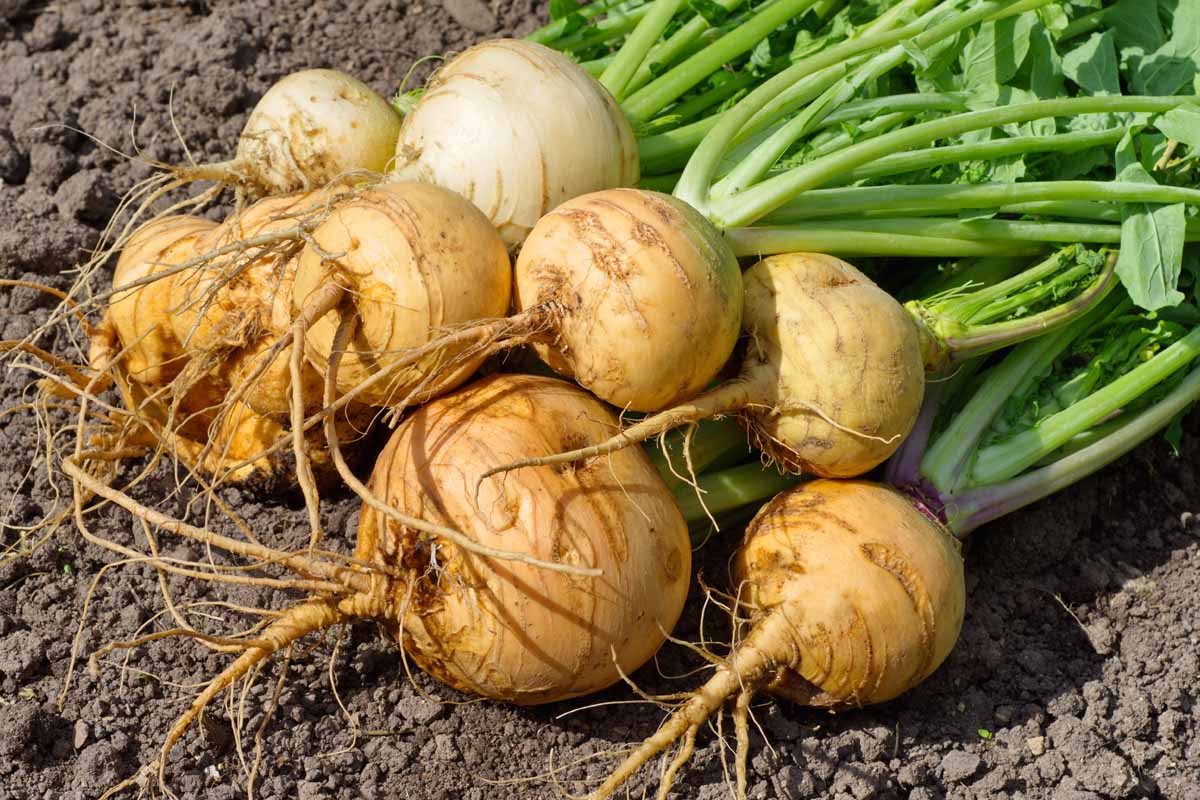
A close up of a bunch of freshly harvested turnips on soil in the sunshine. The roots are round and bulbous and the green stems and foliage are still attached.

Think it might be time to harvest your turnip crop, but you’re not quite sure of how to proceed? Luckily, harvesting turnips is easy with a little gardening know-how. Read more now to learn how and when to harvest homegrown turnip roots and greens, plus the best storage practices and some bonus recipe ideas.

The Three Ways to Propagate Garlic

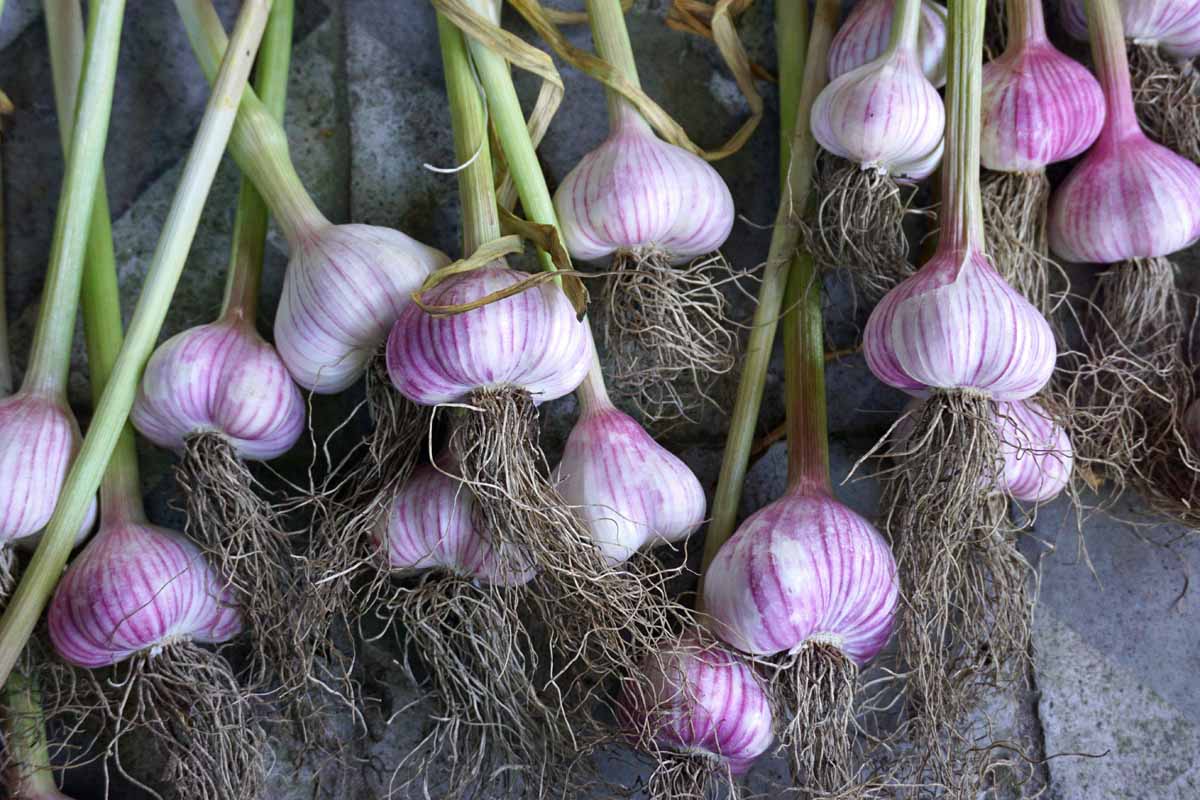
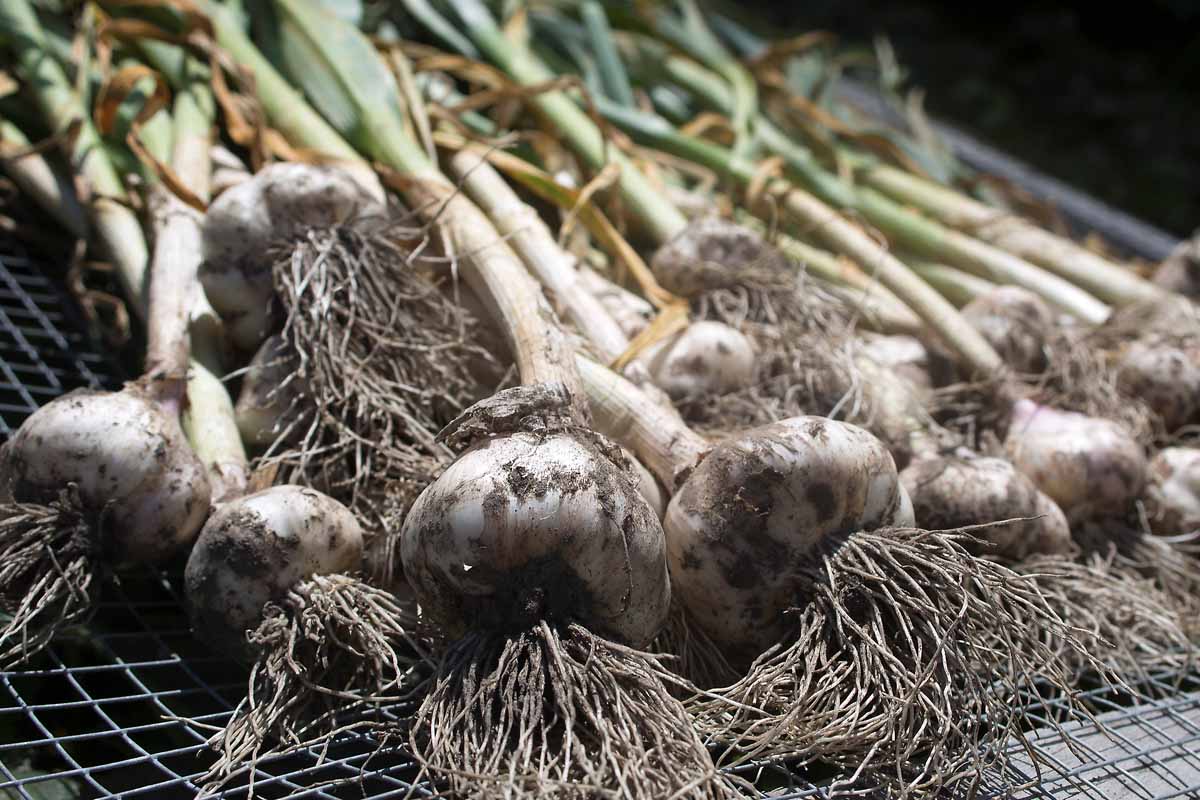
A close up of Allium sativum bulbs with the roots and foliage still attached, set out to dry on a wire mesh in the sun.

If you love garlic and want to grow your own, you’ll need to know how to propagate it. Learn about the three different methods of propagating garlic – from cloves, bulbils, or from seed. Discover the pros and cons of each method and you’ll be on your way to an aromatic garlic garden in no time. Read more now.

How to Store Carrots In the Ground

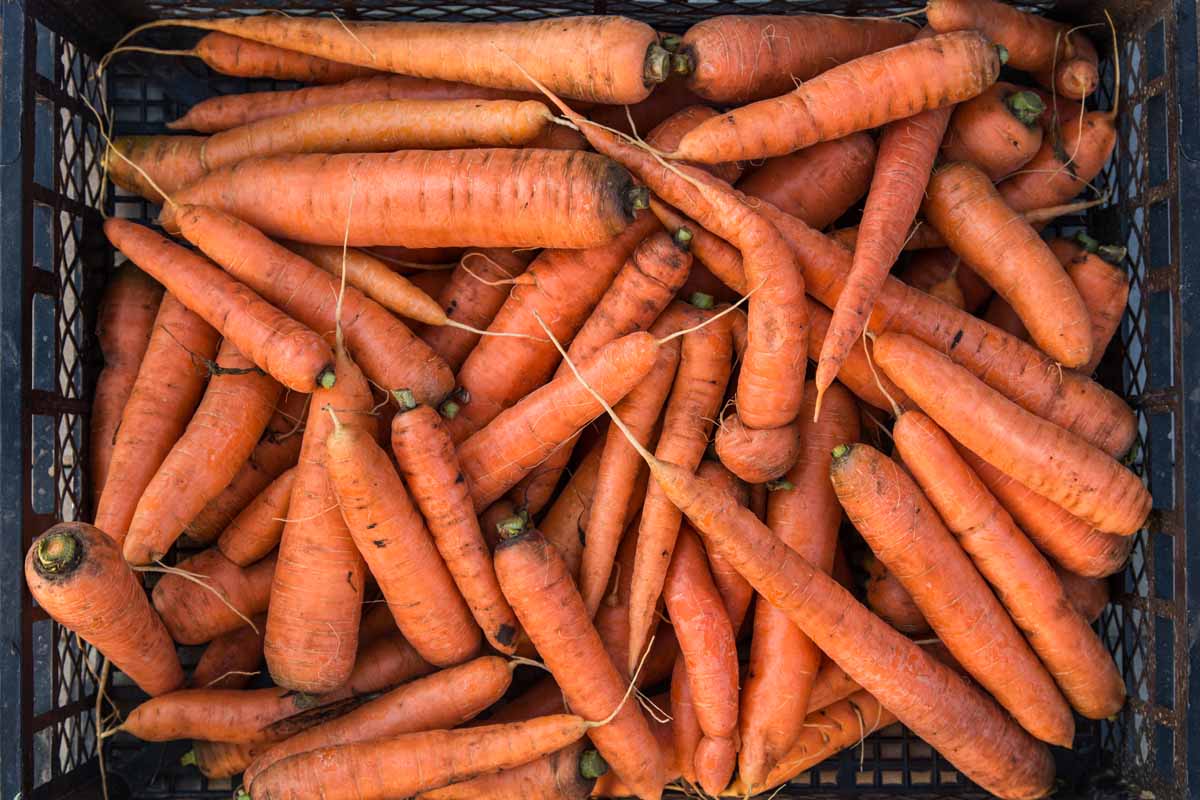
A close up picture of a brown plastic basket full of harvested bright orange carrots with their green foliage removed.

When it’s time to harvest your crops, have you ever wondered what to do with an overabundance of root vegetables? What if your homegrown carrots could be left in the soil for the winter? Leaving carrots in the ground is a great way to keep them fresh during the winter months – given the right conditions. Read more now.

How to Grow Swiss Chard in Containers

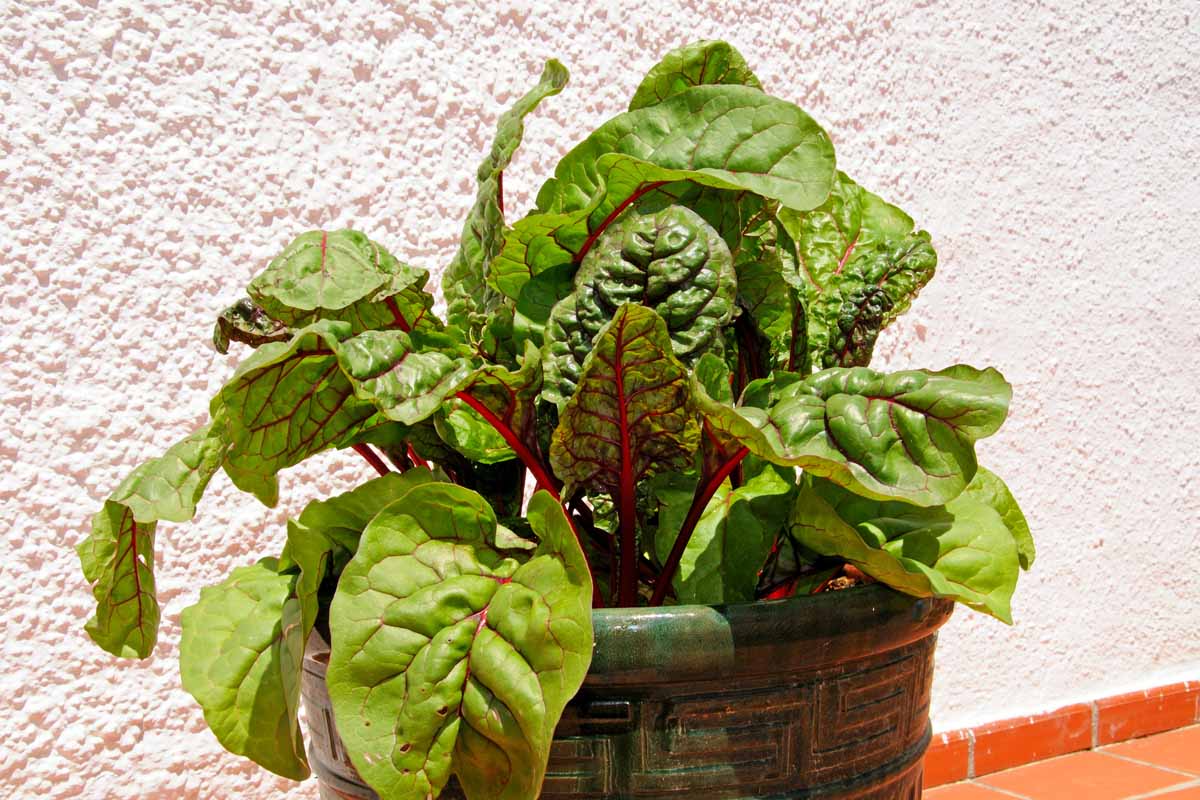
A close up horizontal image of a Swiss chard plant with red stalks and dark green leaves growing in a ceramic container, pictured in bright sunshine with a white wall in the background.

Looking for a cool-season veggie that you can grow in a container? Swiss chard lends itself nicely to potting since it doesn’t mind crowded roots and isn’t too demanding. This guide will walk you through selecting a container, planting seeds or transplants, taking care of your crop, and troubleshooting pesky problems.

Why Won’t My Broccoli Form Heads? 9 Essential Tips

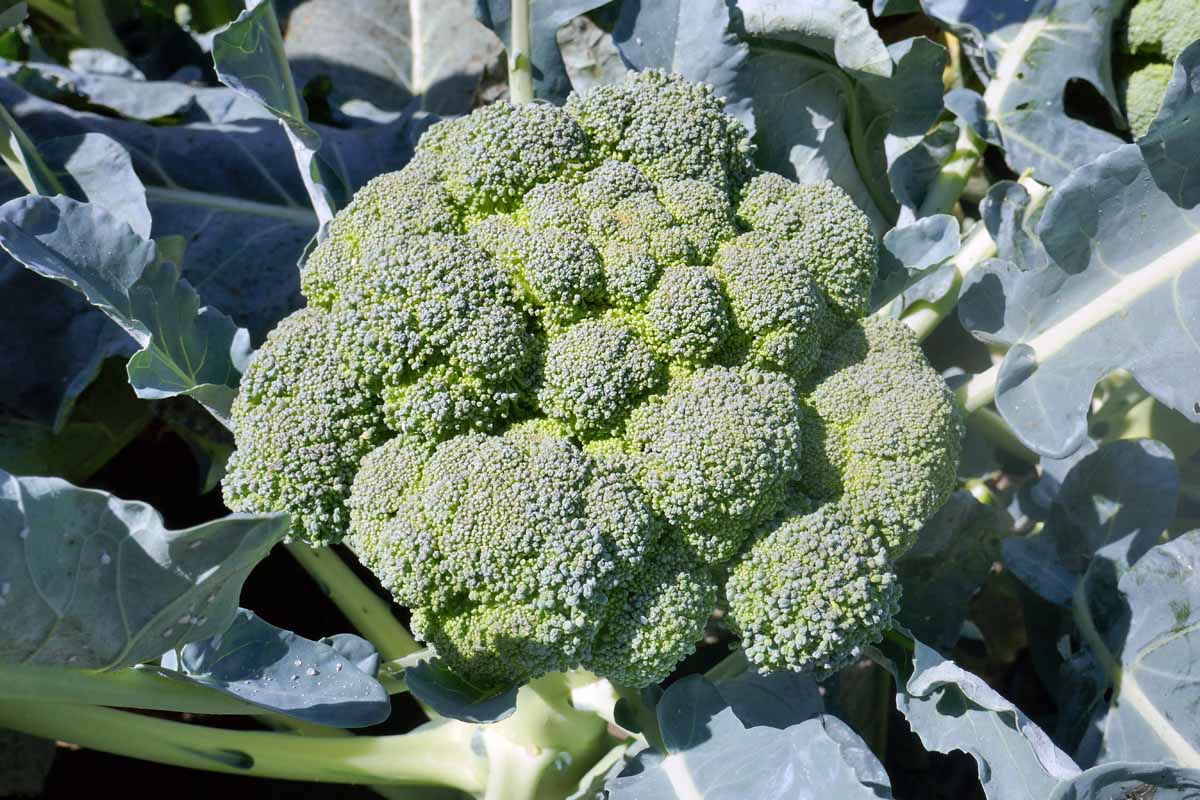
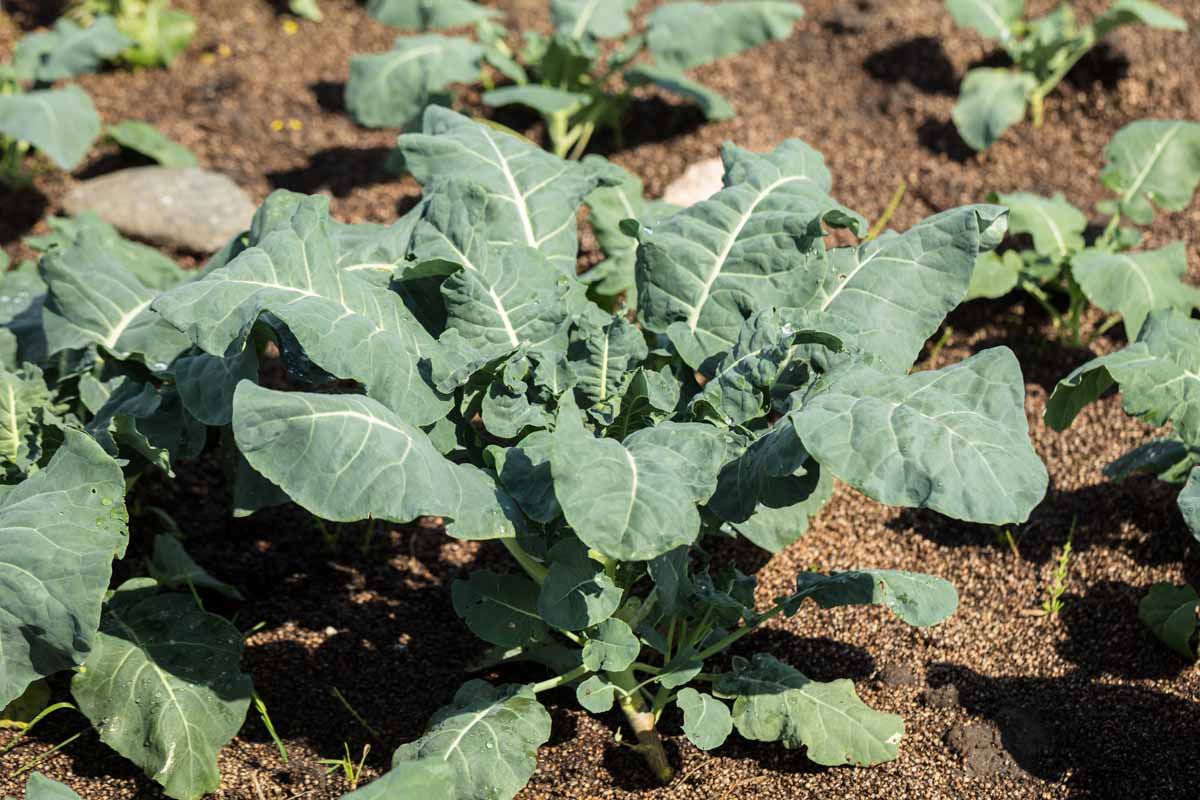
Close up of a broccoli plant, yet to form a head, a soft focus background of soil and other plants.

If you have a vegetable patch full of fabulous green broccoli foliage, but there’s not a single head in sight, don’t despair. There are various reasons why broccoli fails to form heads, and there’s a lot you can do about it. Read on for our essential tips, and learn all you need to know to grow your best broccoli yet.

How to Harvest and Store Rutabaga

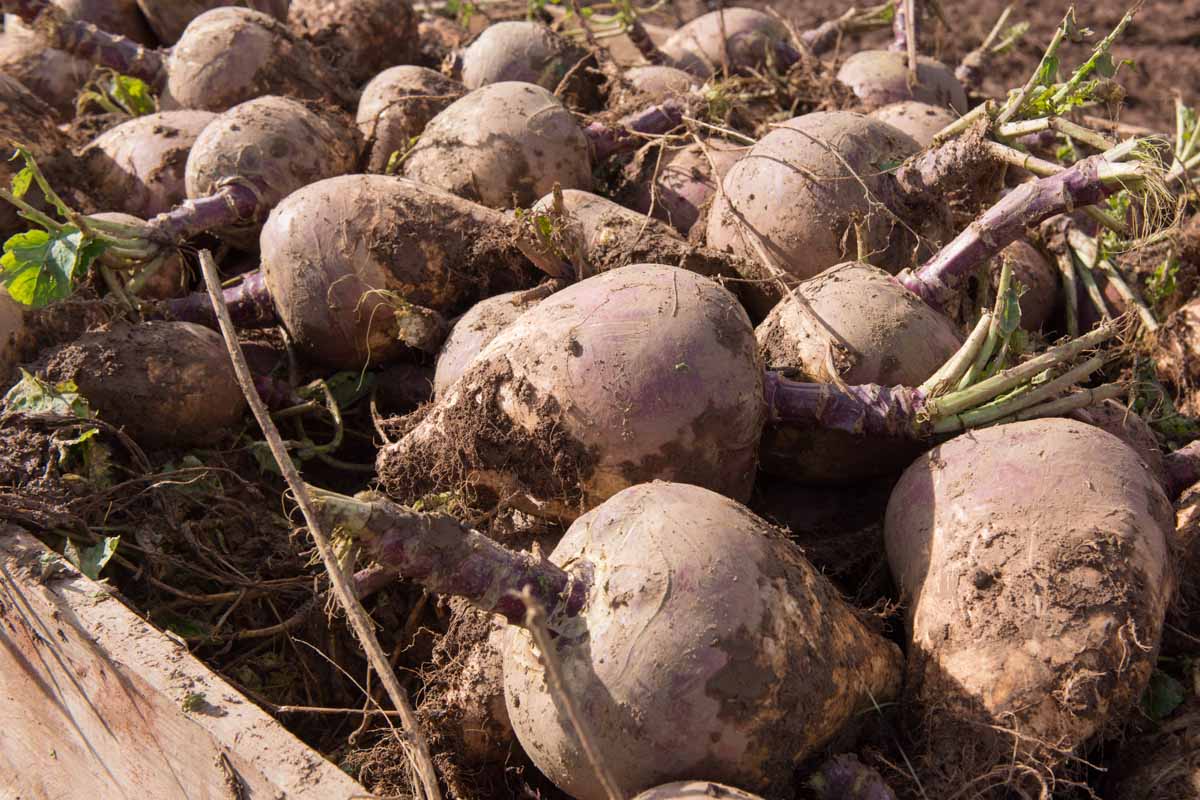
Horizontal image of dusty, slightly dirt-covered, just-picked pale purple rutabagas.

How do you know when it’s time to harvest rutabaga? And what should you do with it once you’ve picked it? Head over to Gardener’s Path to learn how and when to harvest and proper storage techniques, plus we share our favorite cooking tips and recipe ideas. You’ll be astonished at how many ways rutabaga can be enjoyed.

How to Grow Beets in Containers

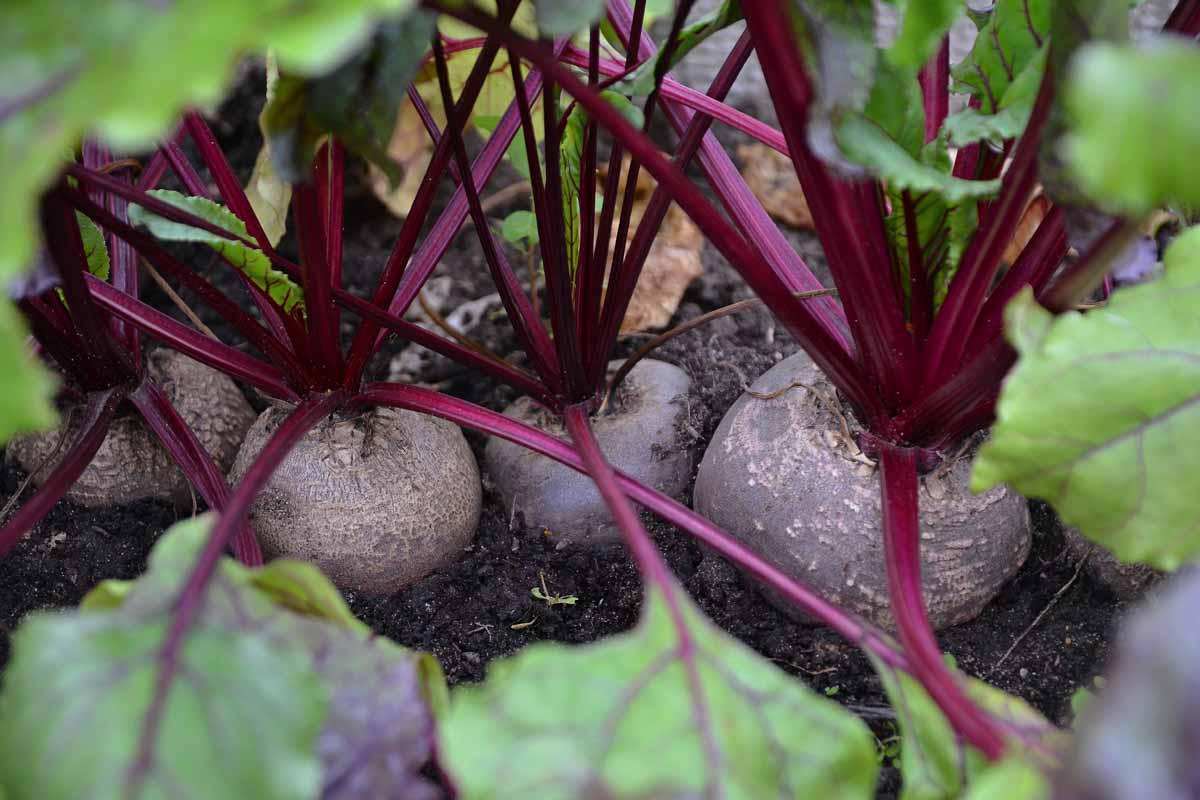
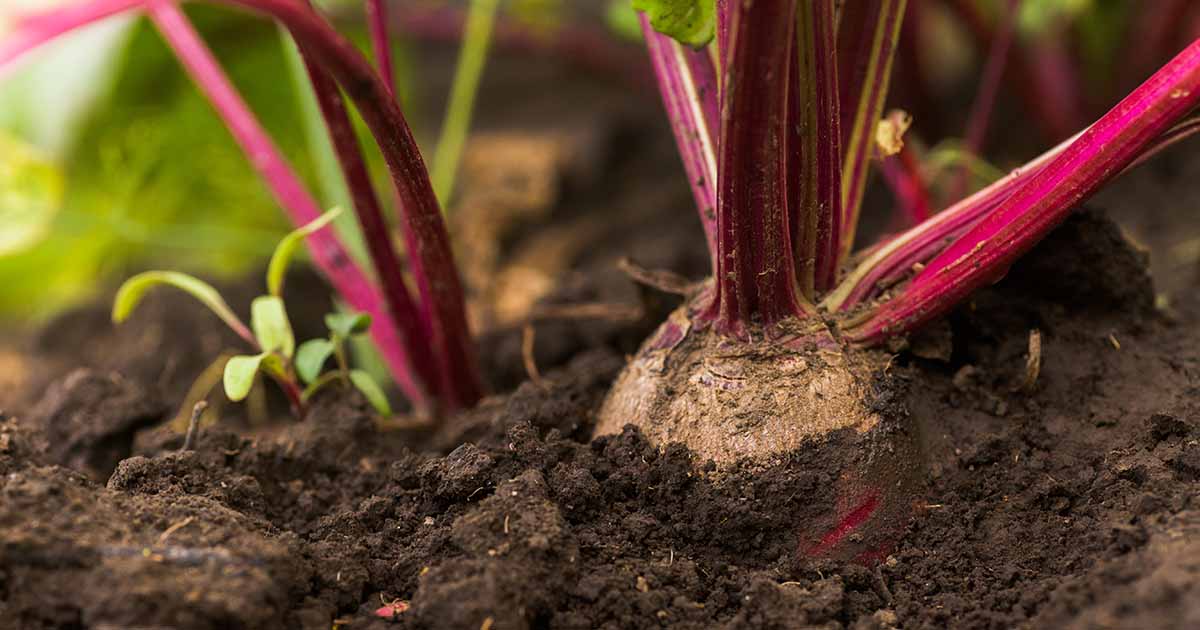
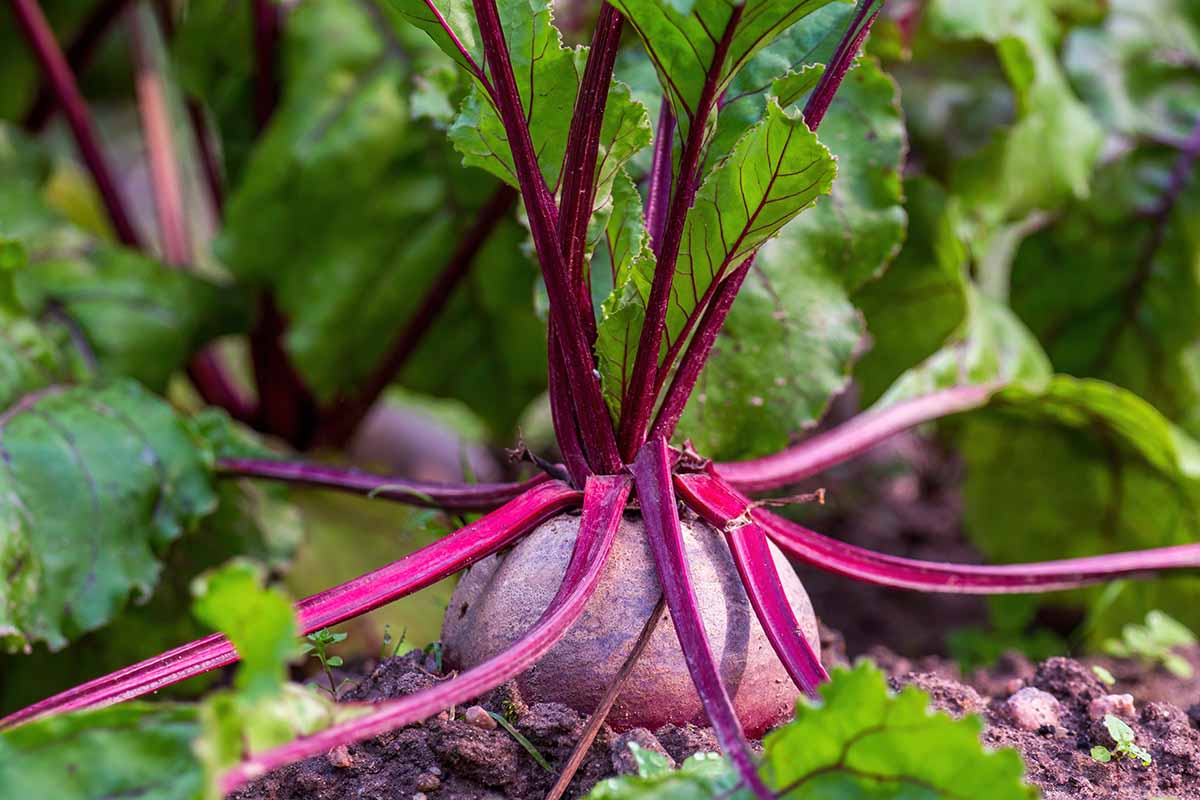
A close up of beet roots in a container ready for harvest, with the tops of the roots poking through the rich earthy soil, and dark purple stems with bright green foliage in soft focus surrounding them.

Growing beets in containers both indoors and out can be a fun, delicious project for you and the kids to do year-round. Planting beets in pots allows you to provide exactly the right growing conditions this tasty root needs for a healthy, hearty harvest. You don’t want to miss our step-by-step guide! Read more now.

When to Plant Crops In Fall (Autumn Planting Guide)

A close up of cabbage leaves with a light frost on the leaves, in bright sunshine.

Gardening is awesome in autumn, but do you know the best time to plant your favorite crops? Learn about important factors such as the first frost date, days to maturity, soil temperature, and more. This handy guide makes it easy for you to work out the ideal time to sow or transplant your fall garden plants. Read more.

How to Plant and Grow Ornamental and Hardshell Gourds

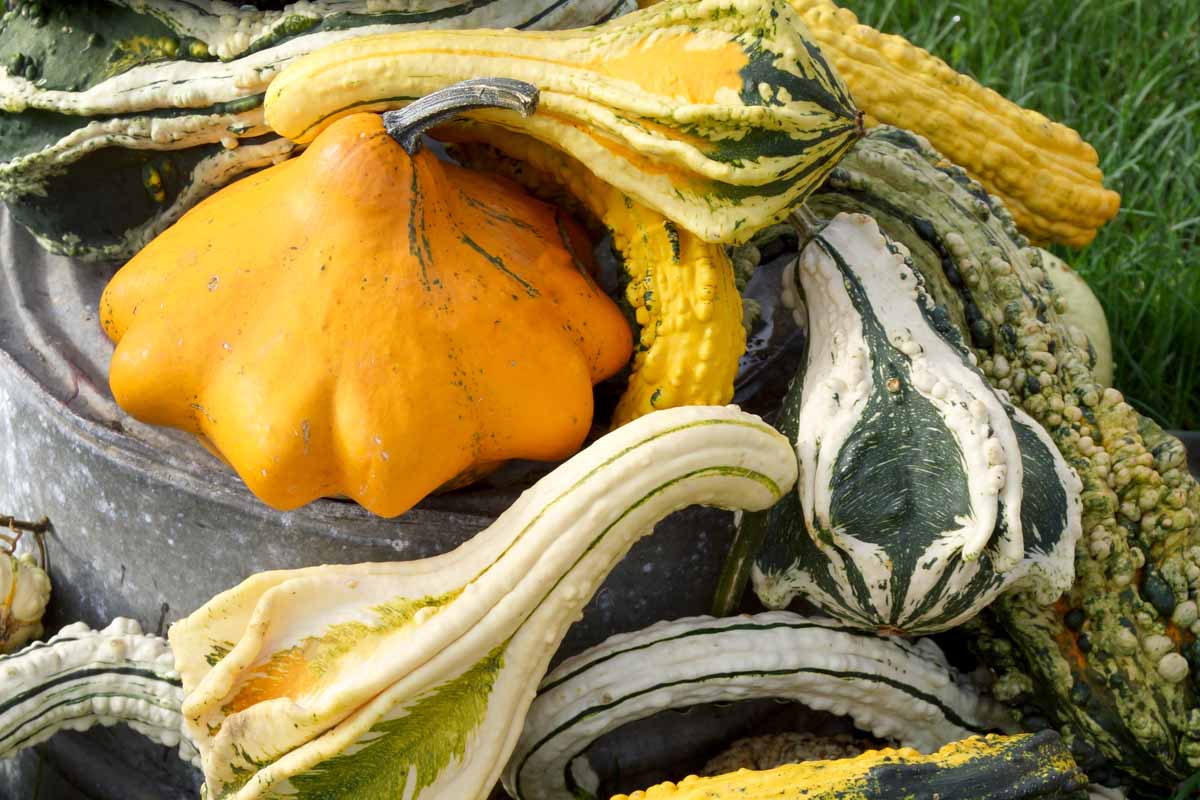
A group of warted and winged ornamental gourds freshly harvested.

Want to add a splash of color to your garden this fall? Have you already found success growing different types of squash and you’re looking to branch out? Ornamental gourds are the way to go! Get the lowdown on everything you need to know about growing this gorgeous crop in our guide, now on Gardener’s Path.

How to Grow Swiss Chard for Fall Harvests

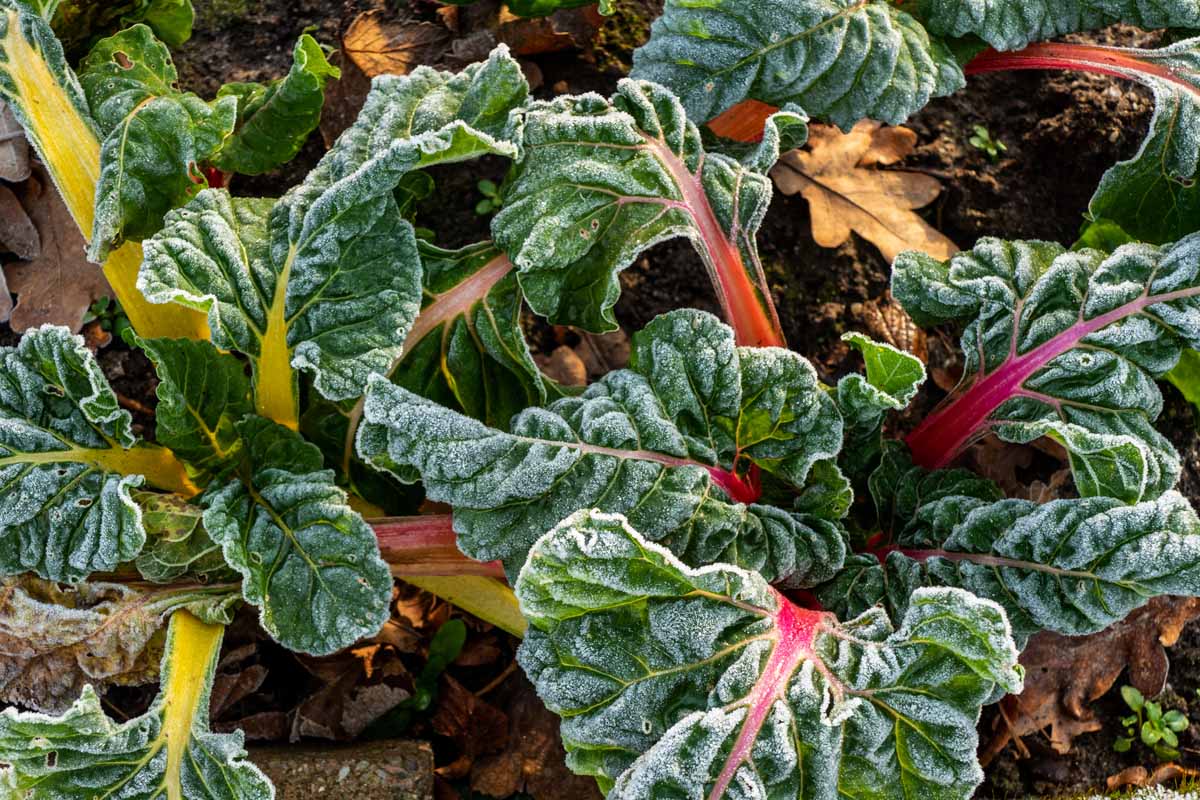
A close up horizontal image of Swiss chard growing in the late fall garden covered with light frost on the dark green leaves and colorful stems.

Midsummer’s heat can be tough on leafy green production, with many types developing a bitter flavor when they bolt in hot temperatures. But you can still enjoy a steady harvest of tender leaves with a late crop of cool season Swiss chard. Read more to learn all about how to grow your own for delicious fall harvests.

How to Grow Mushrooms Outdoors

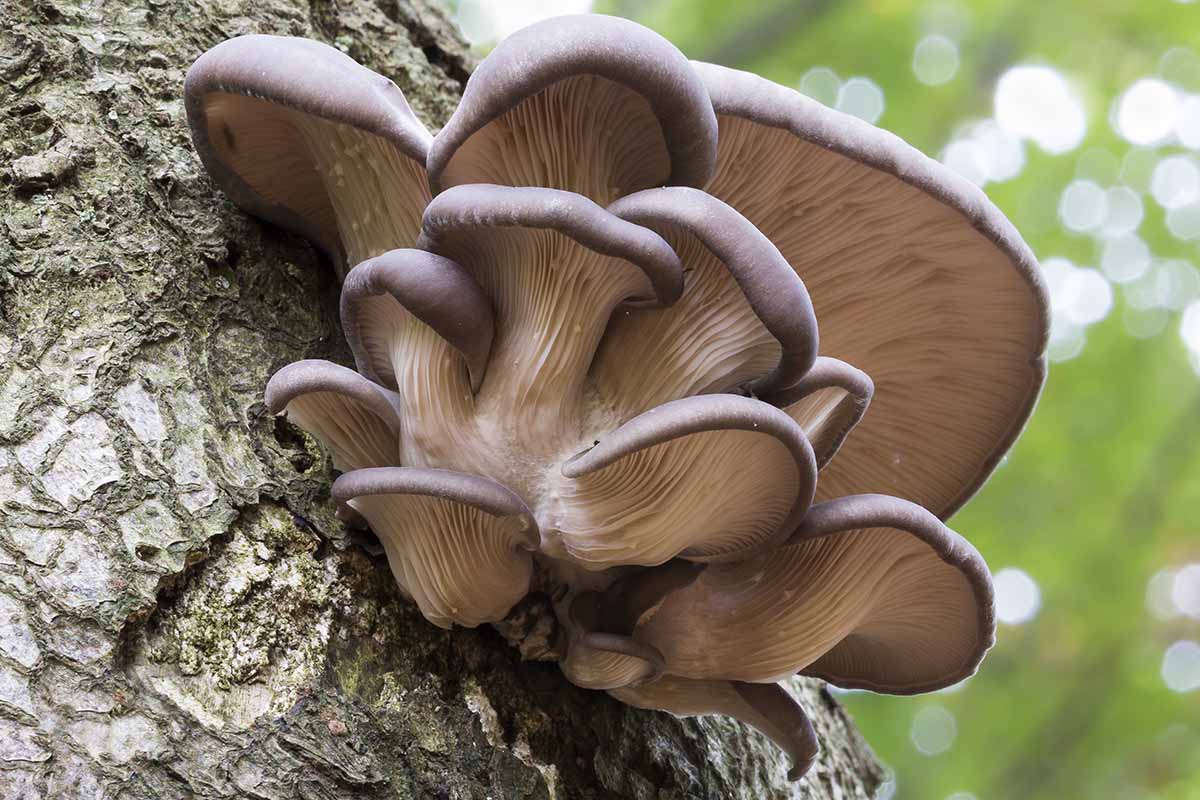
A close up horizontal image of oyster mushrooms, viewed from below, growing on the trunk of a tree.

You may be a whiz at growing plants, but have you ever tried to cultivate mushrooms? Since they’re fungi, you’ll have to care for them differently than you would plants. Our guide to growing mushrooms outdoors covers everything gardeners need to know for growing fabulous edible fungi in their own outdoor gardens.

17 of the Best Onion Varieties to Grow at Home

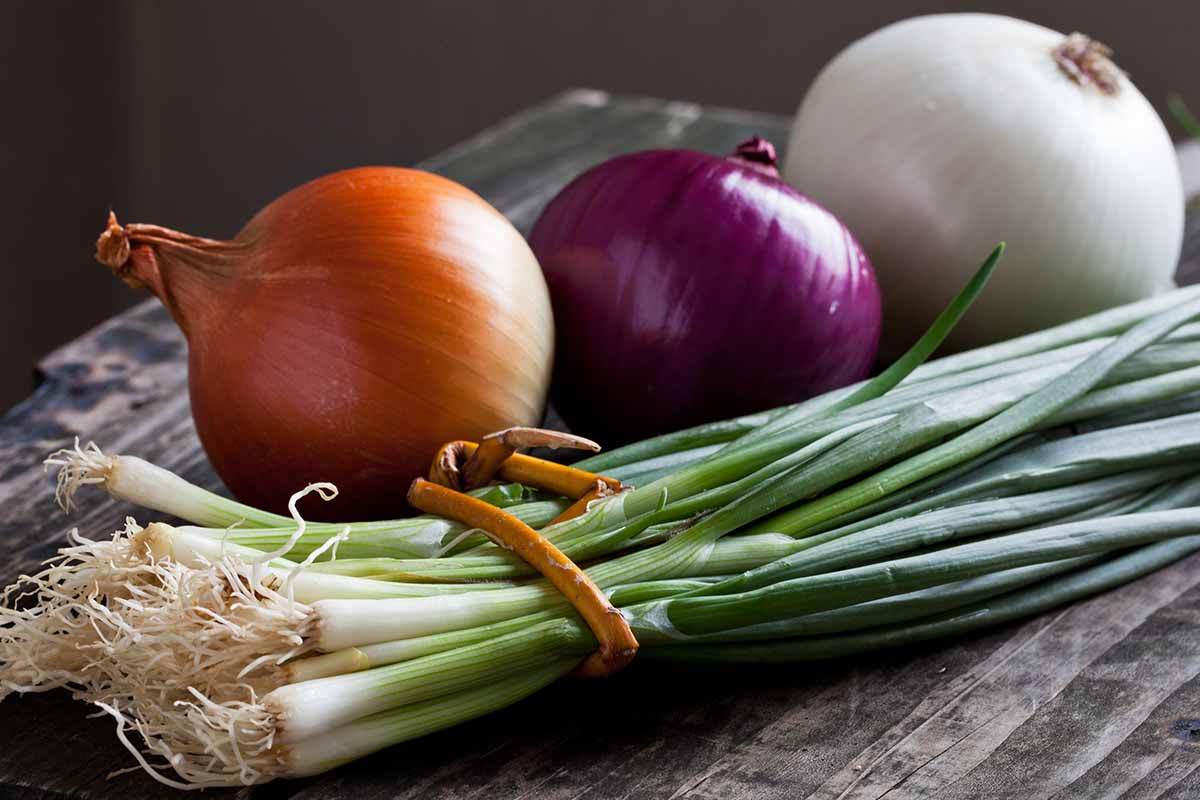
A close up horizontal image of different types of onions, red, brown, white, and bunching, set on a wooden surface.

Homegrown onions have a place in every vegetable garden, from the scallions harvested in spring to the large bulbs cured to store for the winter. We help you choose with this list of 17 of the best onions to grow at home, from ‘Parade’ bunching onions to fresh ‘Walla Walla’ to the ‘Red Creole’ storage variety.

How to Plant and Grow Giant Pumpkins

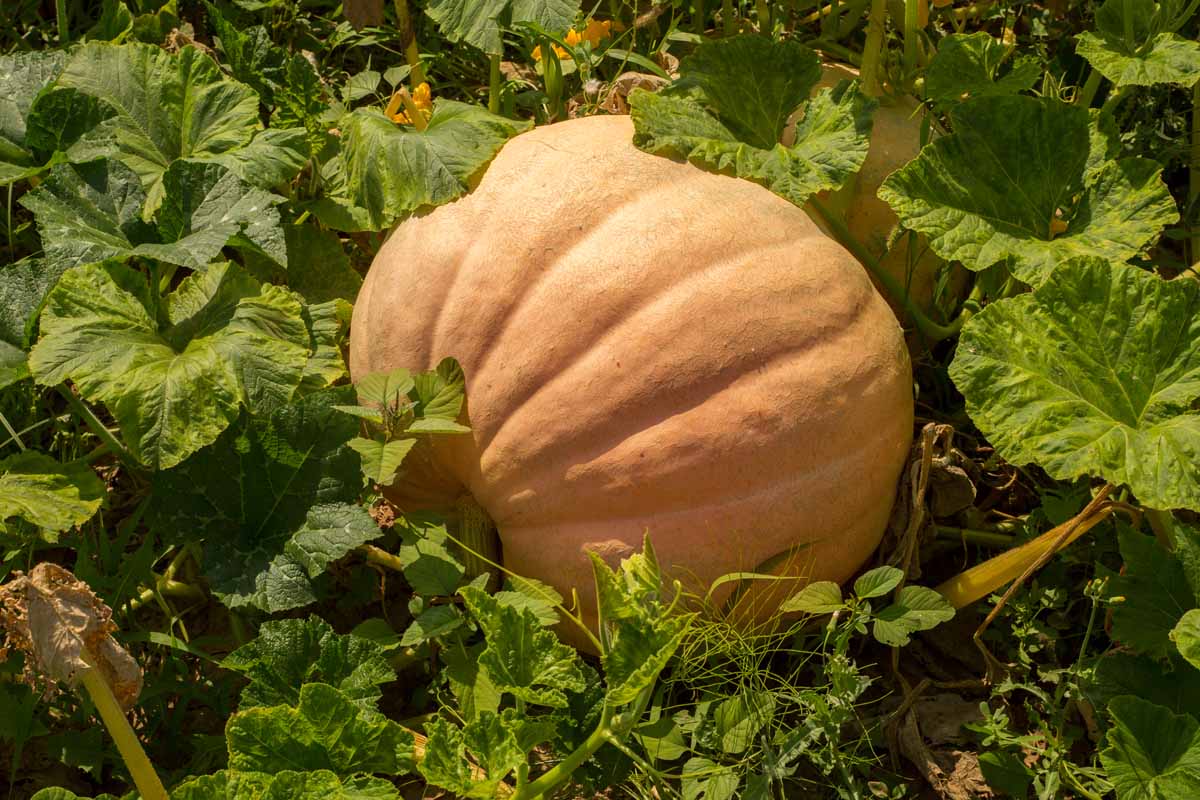
A horizontal close up image of a large pumpkin growing in the garden surrounded by foliage, pictured in light sunshine.

Ever wondered if milk can actually make your pumpkin grow bigger? Or are you simply trying to grow a giant gourd to enter into a state fair? If so, you’re not alone. There’s a thriving community of giant pumpkin growers worldwide, and you can join them. Learn everything you need to know about growing giant pumpkins in our guide. Read more now.

How to Save Tomato Seeds for Planting

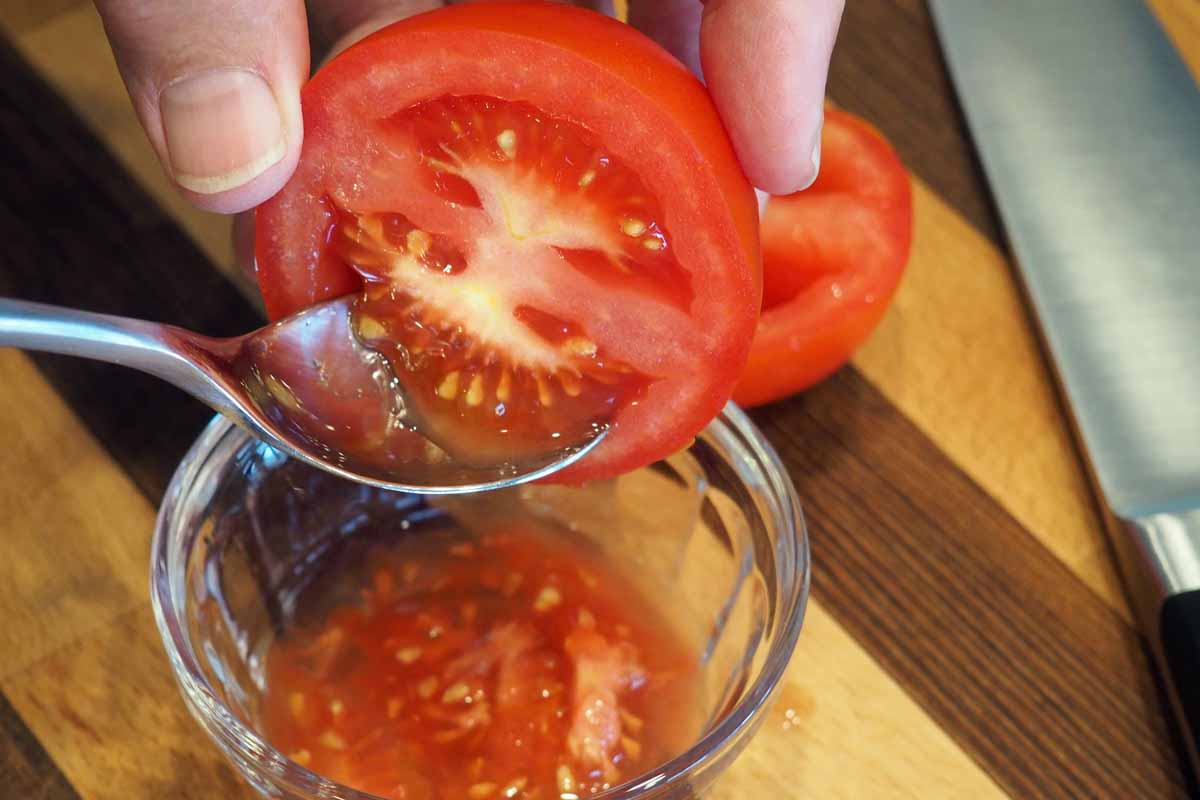
A close up horizontal image of a hand from the top of the frame holding a tomato that has been cut in half, and a spoon scooping out the seeds.

Growing your own tomatoes is fun and rewarding for both the novice and experienced gardener. Saving the pips from your harvest is a smart and easy way to economize and ensure you get the plants that perform best in your garden. Join us and learn about the four methods to save tomato seed. Read more now.

How to Plant and Grow Kohlrabi

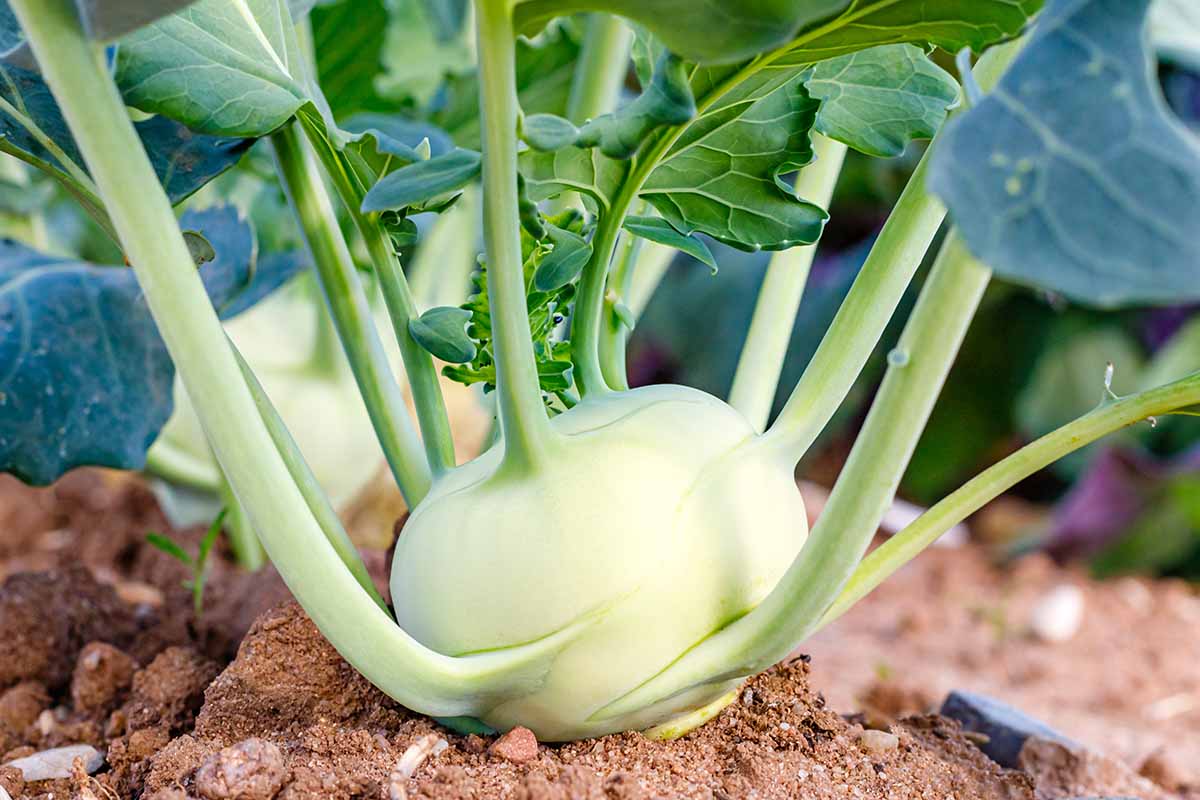
A close up horizontal image of a green kohlrabi growing in the garden pictured on a soft focus background.

A fast-growing cool-weather vegetable, kohlrabi forms a globe-shaped stem above ground. The crisp, white flesh has a sweet, turnipy tang and the leaves are edible too. It’s a foodie favorite with ornamental value in the garden. We share growing and harvest tips for this quirky-looking cabbage relative. Read more now.

When and How to Harvest Corn

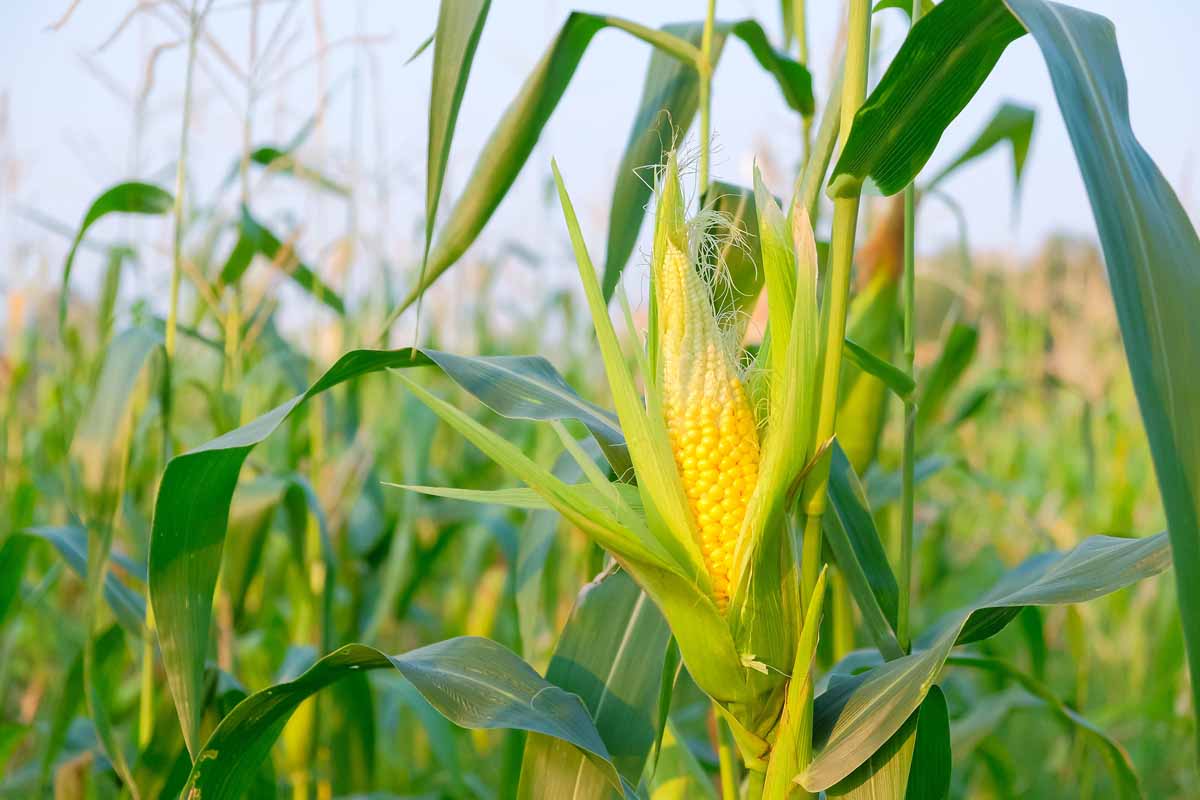
A close up of a corn ear with the outer leaves pulled back to reveal the bright yellow kernels, pictured in bright sunshine, fading to soft focus in the background.

If you’re growing corn, you may be wondering when and how to harvest for maximum sweetness and flavor. In this guide, you’ll learn all the top tips on when and how to harvest the five types of delicious, homegrown corn. We’ll reveal the main harvesting methods so that you can choose the one that suits you best.

When and How to Harvest Homegrown Potatoes

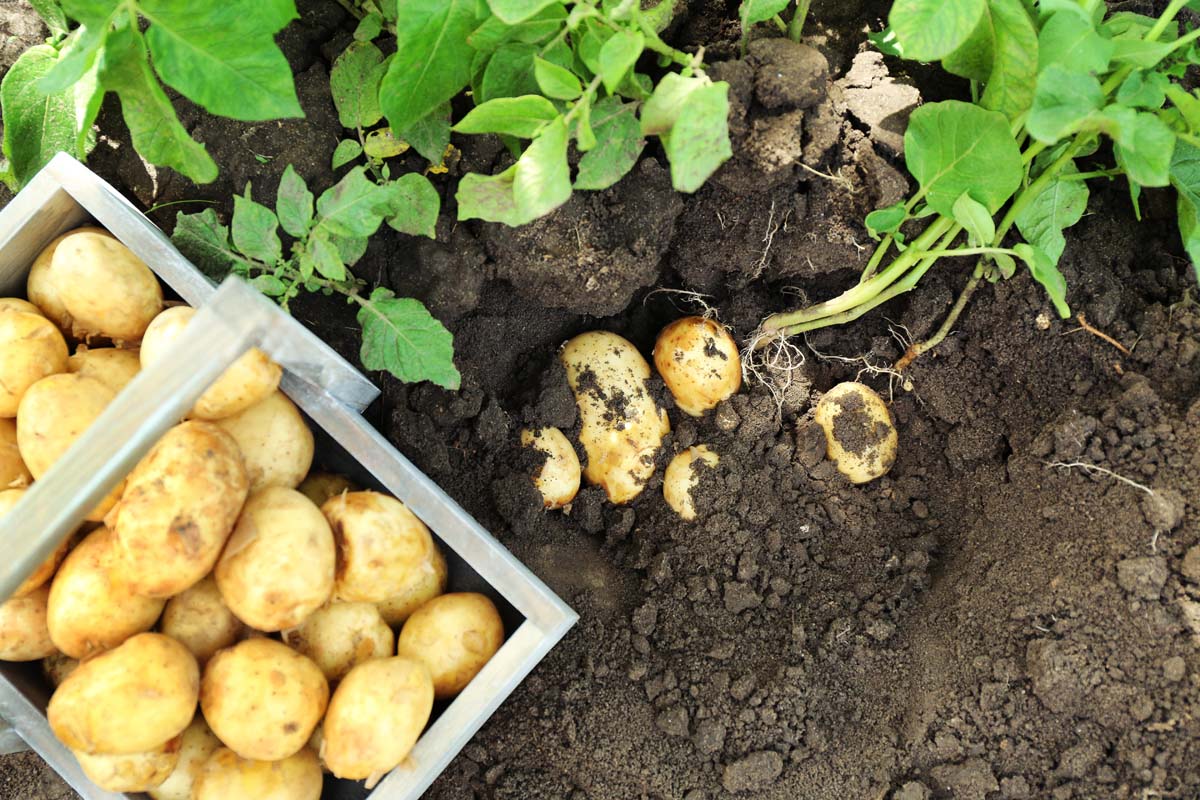
Top-down view of potato plants being harvested from rich garden soil. Two wooden crates full of harvested potatoes also pictured.

Homegrown potatoes are delicious to eat, simple to plant, and easy to grow and store for several months once they’re out of the ground. Gardener’s Path shows you how to harvest and care for your spuds with this simple guide, including photos, long-term storage tips, and recipe recommendations.

How to Identify and Prevent Catfacing of Tomatoes

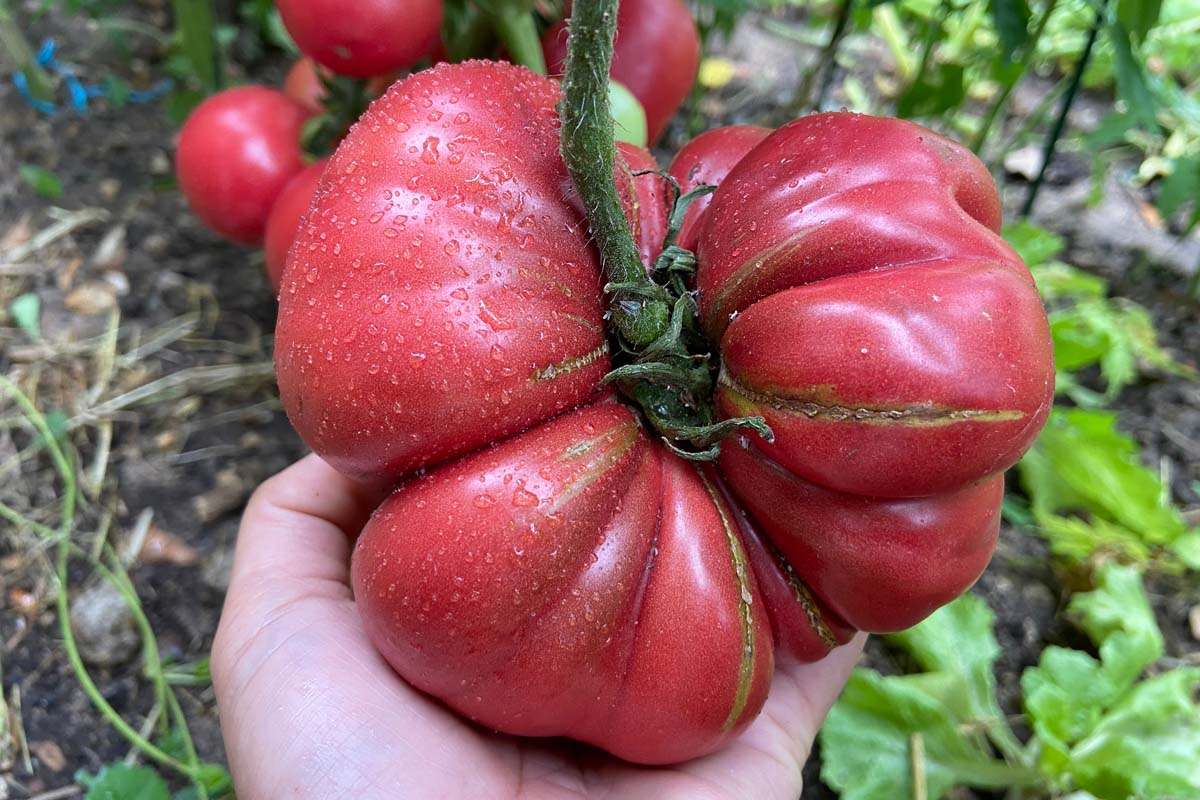
A large red beefsteak tomatoes chow catfacing abiotic disorder with deep cracks and crevices in its skin.

Catfacing of tomatoes is a physiological disorder that causes deformities in the developing fruit, caused by stressful cultural conditions. Steps you can take to prevent this condition include planting resistant varieties and ensuring your plants are not subjected to cold weather. Read on to learn more about catface.

How to Plant and Grow Onions

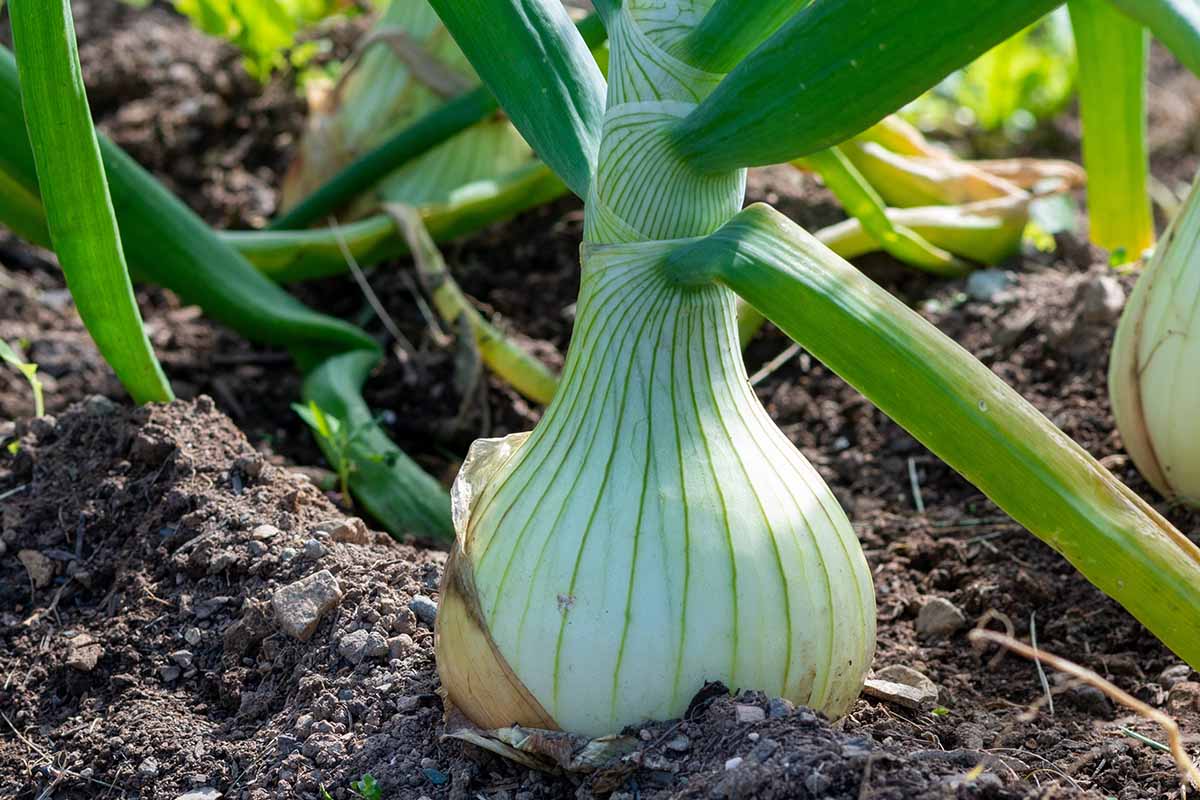
A close up horizontal image of onions growing in the garden.

Homegrown onions come in more varieties and taste better than anything you’ll find at the store. From prolific walking onion types to tender spring onions, or sweet yellow to pungent red storage onions, there’s a surprising range to enjoy. We’ll explain how to handle any problematic pests or diseases that pop up too.

Health Benefits of Mustard Greens

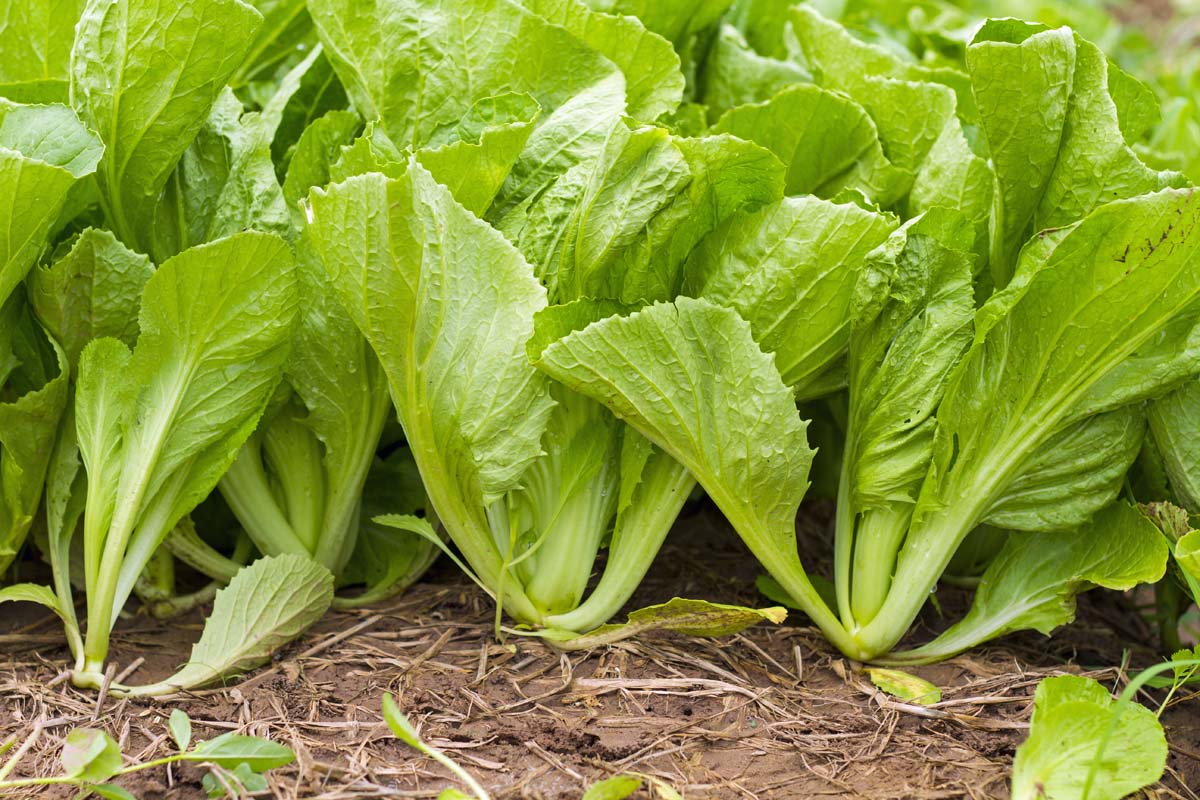
A close up of mustard green plants growing in the garden with large leaves, pictured with light droplets of water on the foliage.

When you think of leafy greens, mustard may not initially come to mind. Mustard greens are surprisingly flavorful and bring essential nutrients and health benefits to the table. They truly are a dietary powerhouse! Learn more about this unique green, its nutritional content, and which cultivars to add to your garden.

How to Store Your Tomato Harvest

A close up horizontal picture of a metal wire basket containing a selection of red, ripe tomatoes and green unripe fruits set on a cloth on a countertop.

Are you wondering what to do with your end-of-season surplus of green and ripe red tomatoes? Some can be kept in boxed storage to continue to ripen and enjoy fresh. But for a bumper harvest, long-term preservation is often needed. Find all the details on how to store your homegrown tomatoes right here. Read more now.

When and How to Transplant Asparagus

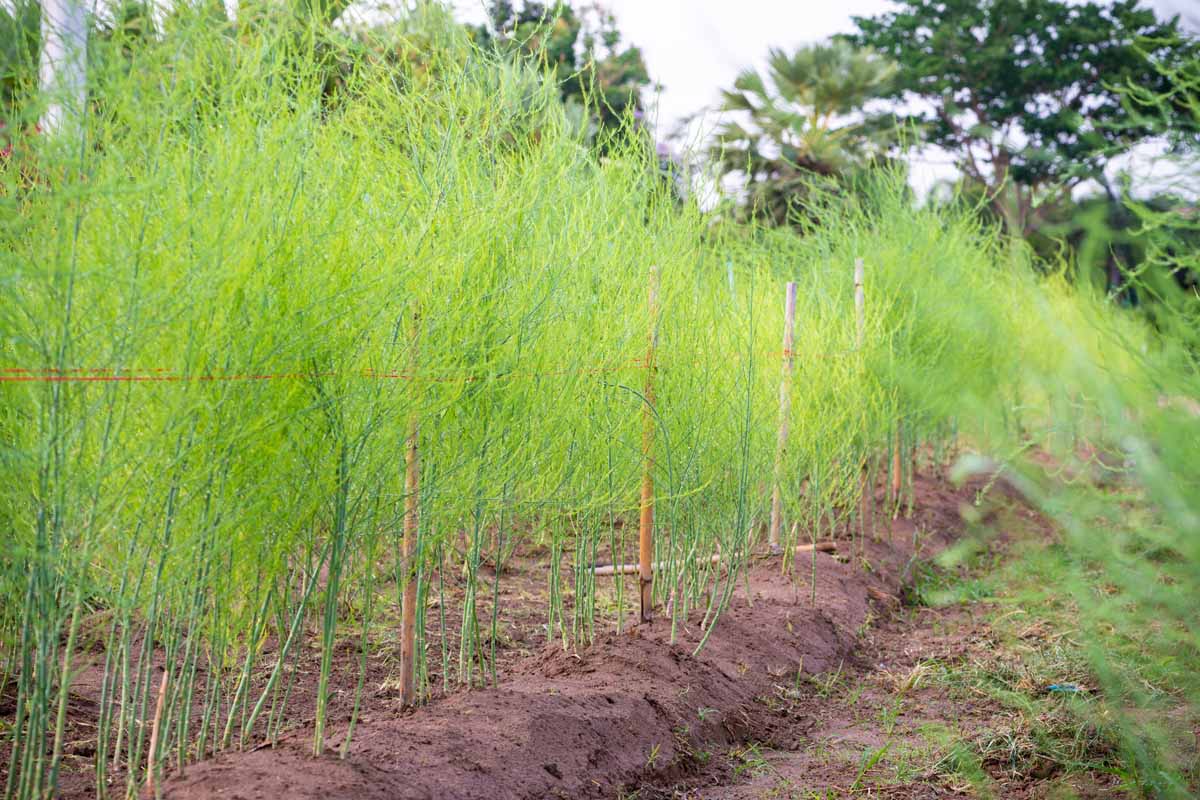
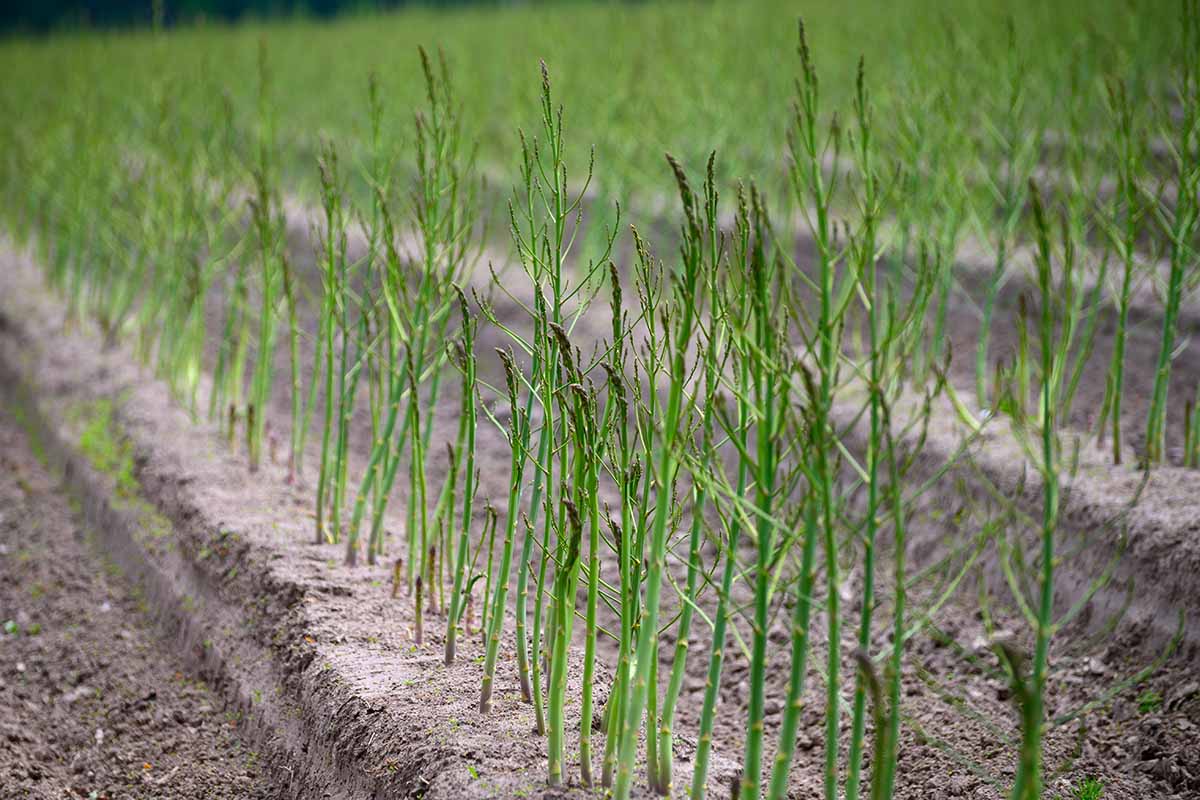
A horizontal image of early growth of asparagus spears growing in rows in the garden.

Is your asparagus crowded or underperforming? Wondering if you can move it? This article covers all you need to know about asparagus crowns and transplanting asparagus including selecting the best site, soil preparation, digging and dividing, and the gradual planting method, as well as watering and fertilizing.

How to Hand-Pollinate Your Pumpkin Plants

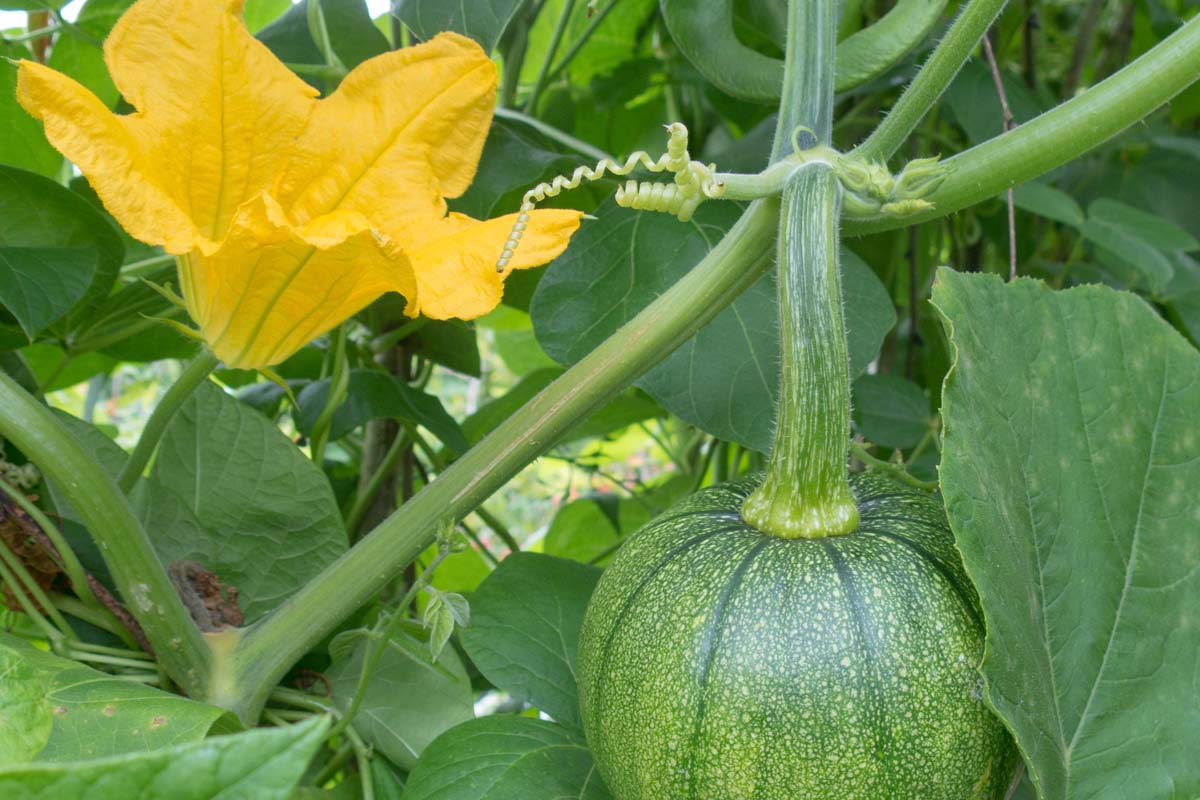
A close up of a small pumpkin just starting to develop, pictured amongst vines and foliage, with a large orange male flower in the background.

If you’re growing your pumpkins indoors or in a greenhouse, or simply don’t have many bees around, you might be wondering how you’ll get any fruit. Pumpkin pollination requires bees, after all. But here’s a secret: you can hand pollinate your own gourds. Learn everything you need to know in our guide. Read more now.

How to Dry Homegrown Tomatoes

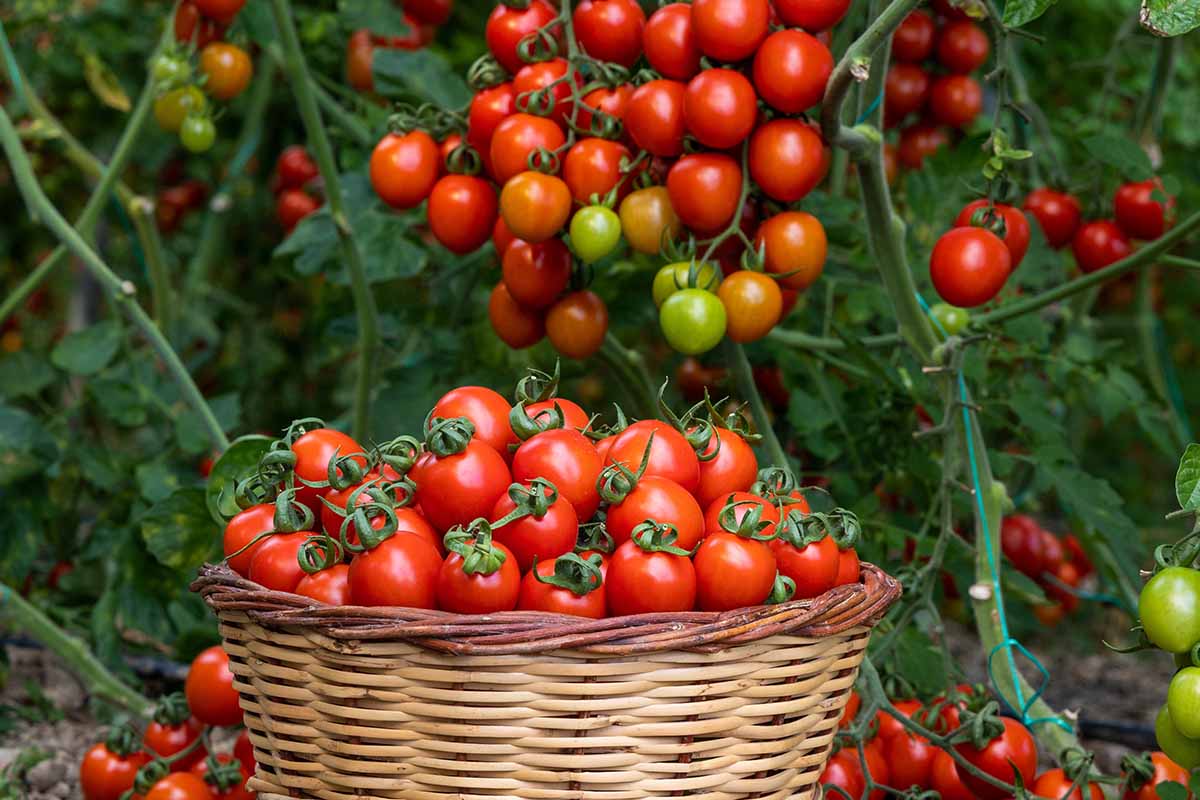
A close up horizontal image of a wicker basket set on the ground in the garden filled with a pile of freshly harvested tomatoes, pictured on a soft focus background.

When you nail the growing process, you might be drowning in more tomatoes than you know what to do with. Learn how to dehydrate tomatoes in three different ways: in the oven, sun drying, and in a dehydrator. Then, learn how to use and store those delicious dried tomatoes so you can enjoy them for months to come.

How to Plant and Grow Roma Tomatoes

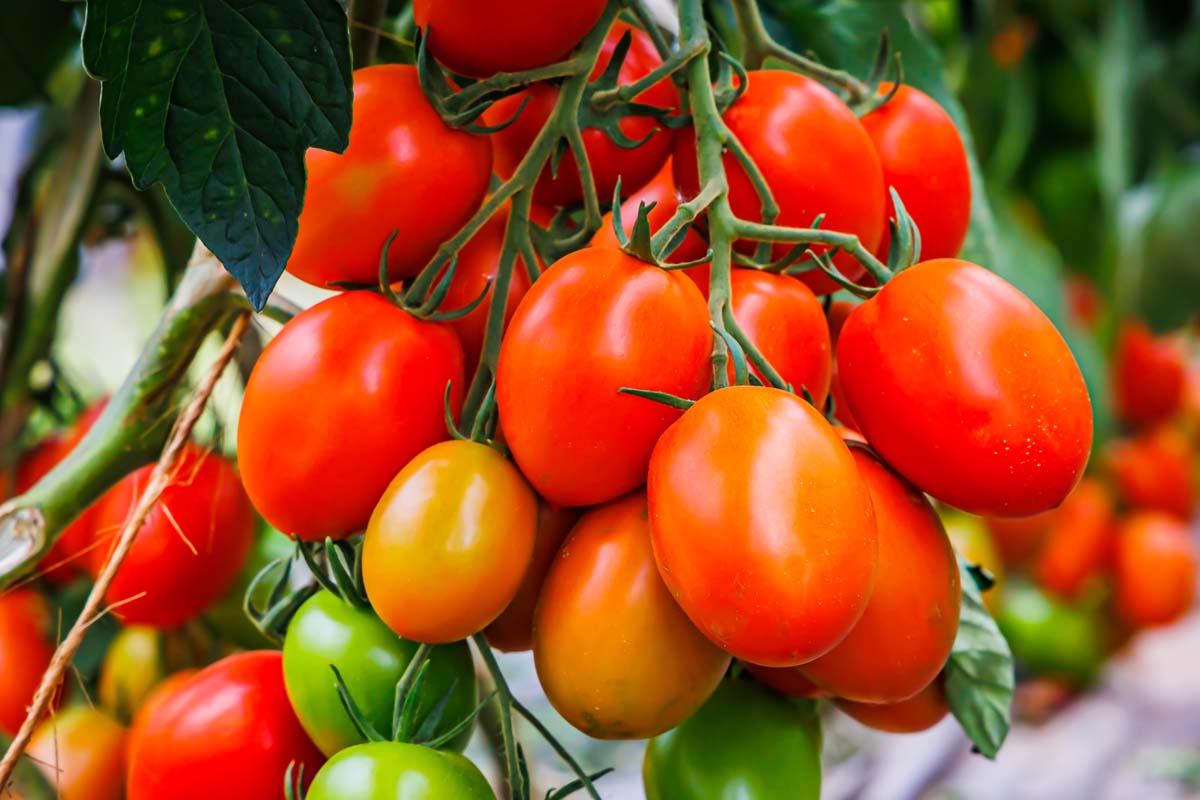
A cluster of roma tomatoes growing on the vine.

Roma tomatoes are beloved for their thick-walled, meaty flesh and bold taste. They’re the go-to variety for rich tomato sauces, pastes, purees, and make a delicious, dripless bruschetta or salsa. And they’re easy to grow in containers or the garden. Find all our best tips for growing Roma tomatoes right here.

7 Tips for Growing Vining Vegetables

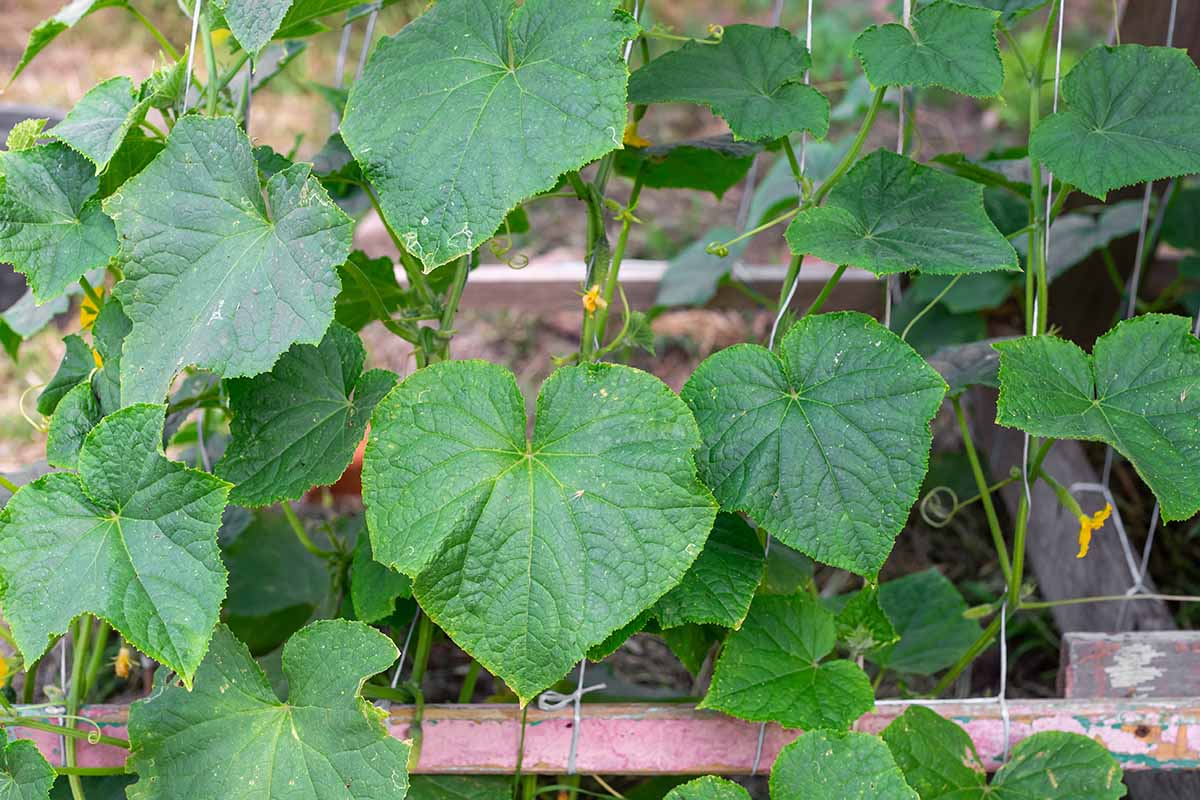
A close up horizontal image of cucumbers growing on metal wire trellis in a raised bed garden.

Vegetables that grow on vines produce bumper crops for gardeners who want to grow their own food. The cucumbers, pole beans, tomatoes, and squashes need fertile soil, ample water, and plenty of sun. Our guide shares sowing as well as trellising and other aerial gardening tips to ensure the best harvest. Read more now.

How to Identify and Control 13 Common Pepper Pests

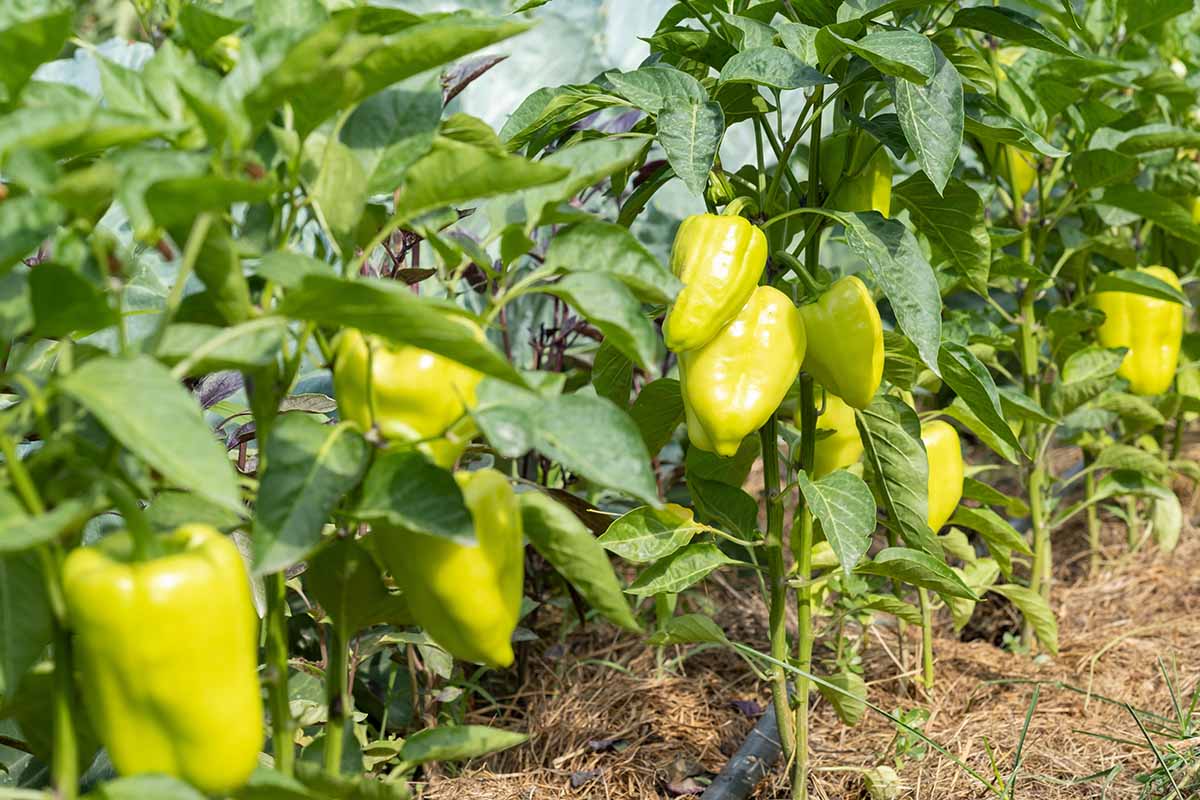
A close up horizontal image of rows of pepper plants growing in the garden with straw mulch around the base.

Pests love peppers, both sweet varieties and hot chilis. From caterpillars that devour the leaves to disease-spreading sapsuckers, there are numerous bugs that can’t wait to munch on your pepper plants. Learn about 13 common pepper pests and how to identify and effectively manage them in this guide. Read more now.

How to Make Tomatoes Turn Red When They Refuse to Ripen on the Vine

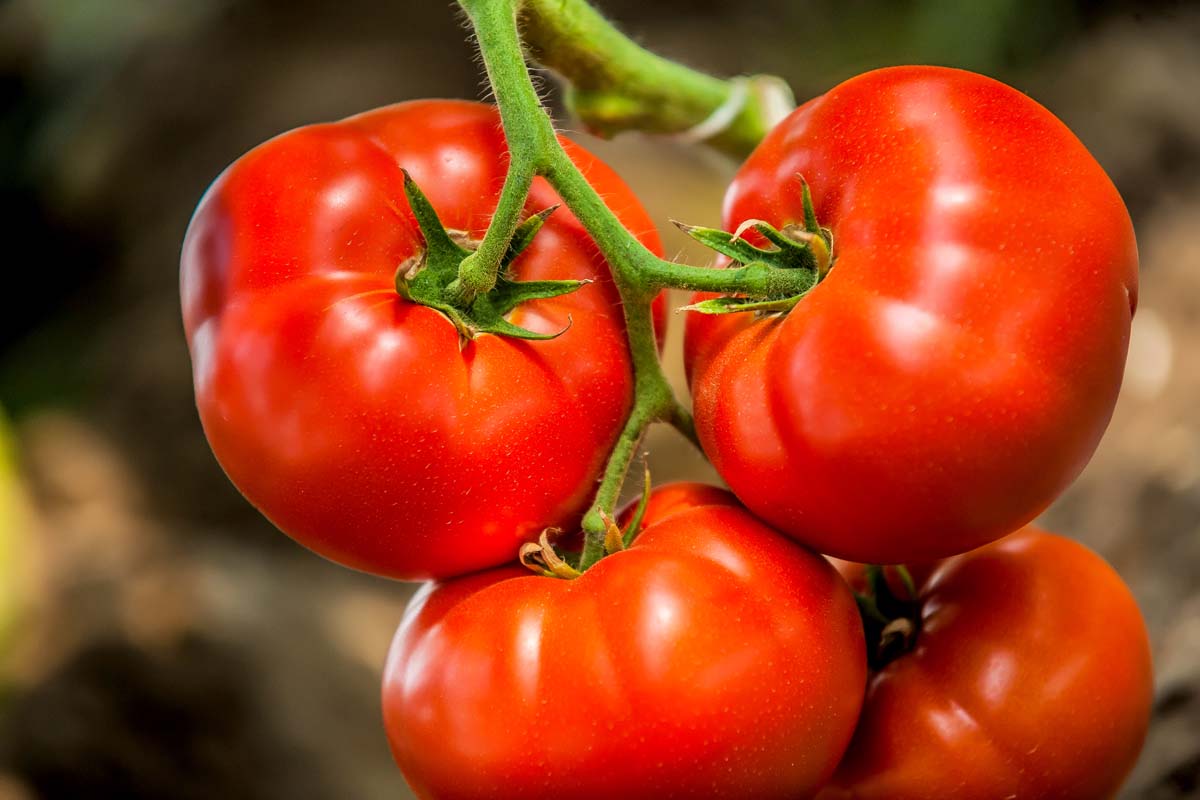
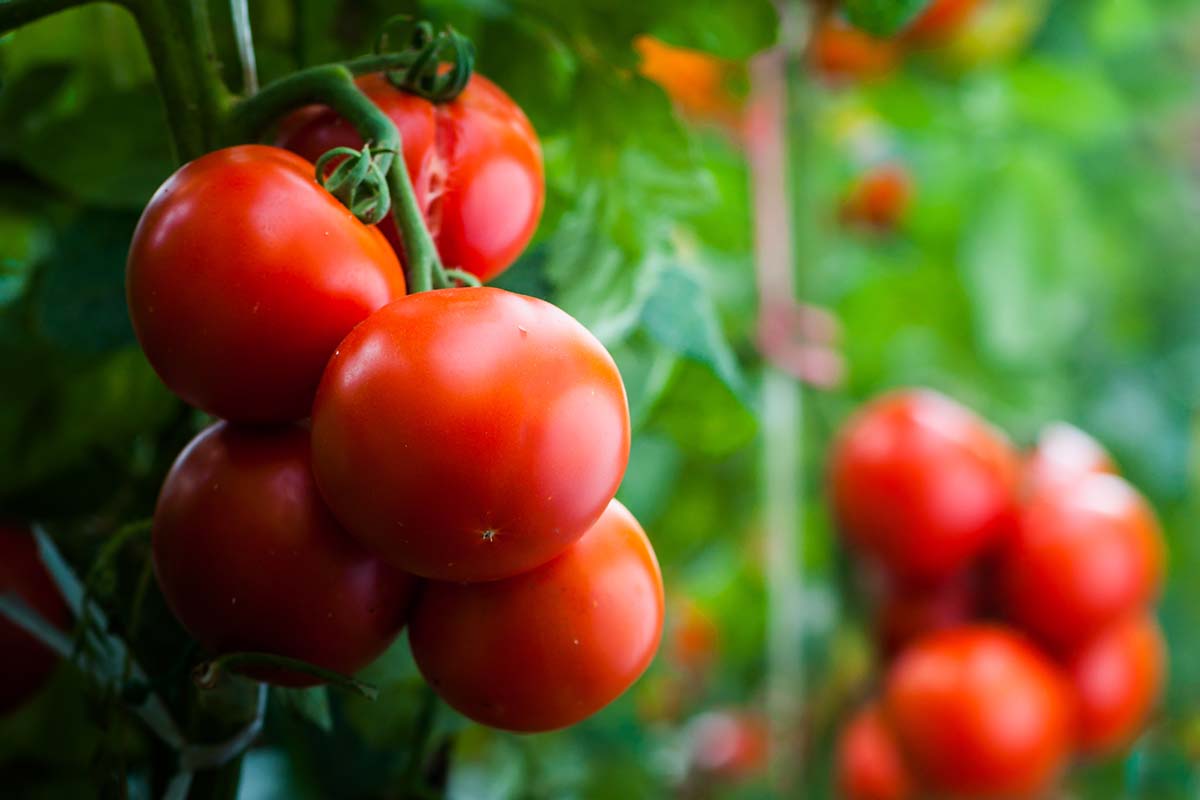
Close up closter of red tomatoes growing on the vine.

It’s so sad when tomatoes won’t ripen on the vine. Stay one step ahead of the coming frost with these tips to make homegrown tomatoes turn red. Temperature, cultivar selection, and stress all come into play. And sometimes you can bring green fruit inside to ripen. Our motto: No tomato left behind. Read more now.

How to Identify and Control Mexican Bean Beetles

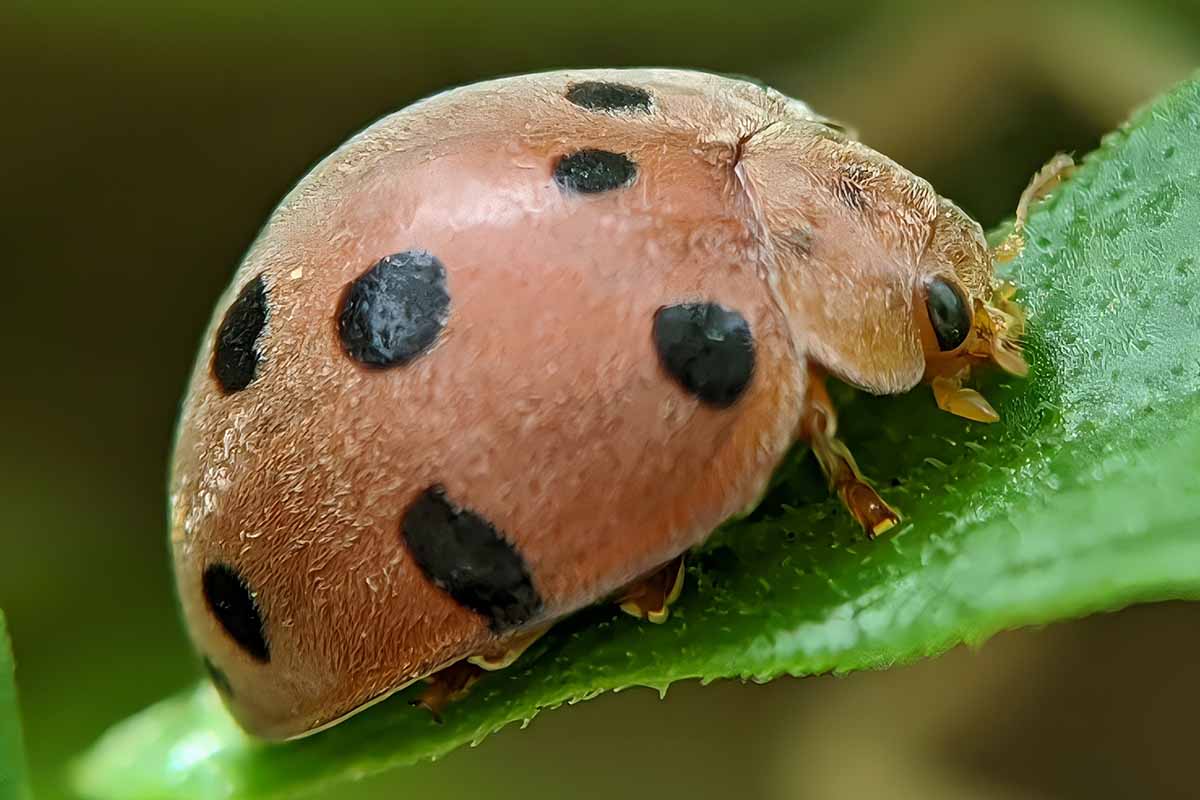
A close up horizontal image of an orange and black Mexican bean beetle (Epilachna varivestis) devouring foliage.

Mexican bean beetles may look like ladybugs, but these orange-red, polka-dotted pests can plague bean plants in the home garden. They do the most harm to foliage, especially in late summer. In this guide, you’ll learn to identify, control, and prevent this top bean plant foe – whether larval or adult.

Can You Freeze Fresh Tomatoes? Tips for Freezing Your Homegrown Crop

A close up horizontal image of tomatoes in various shapes, colors, and sizes, some sliced and others whole, set on a wooden surface.

When life gives you a bumper crop of tomatoes, you’re in luck if you have room in the freezer. But you need to be savvy. Make the most of a tomato glut without wasting time or energy, and try our tips for making sauce or concasse, freezer jam, and salsa, as well as freezing plain, unpeeled tomatoes. Read more now.

How to Plant and Grow Salsify

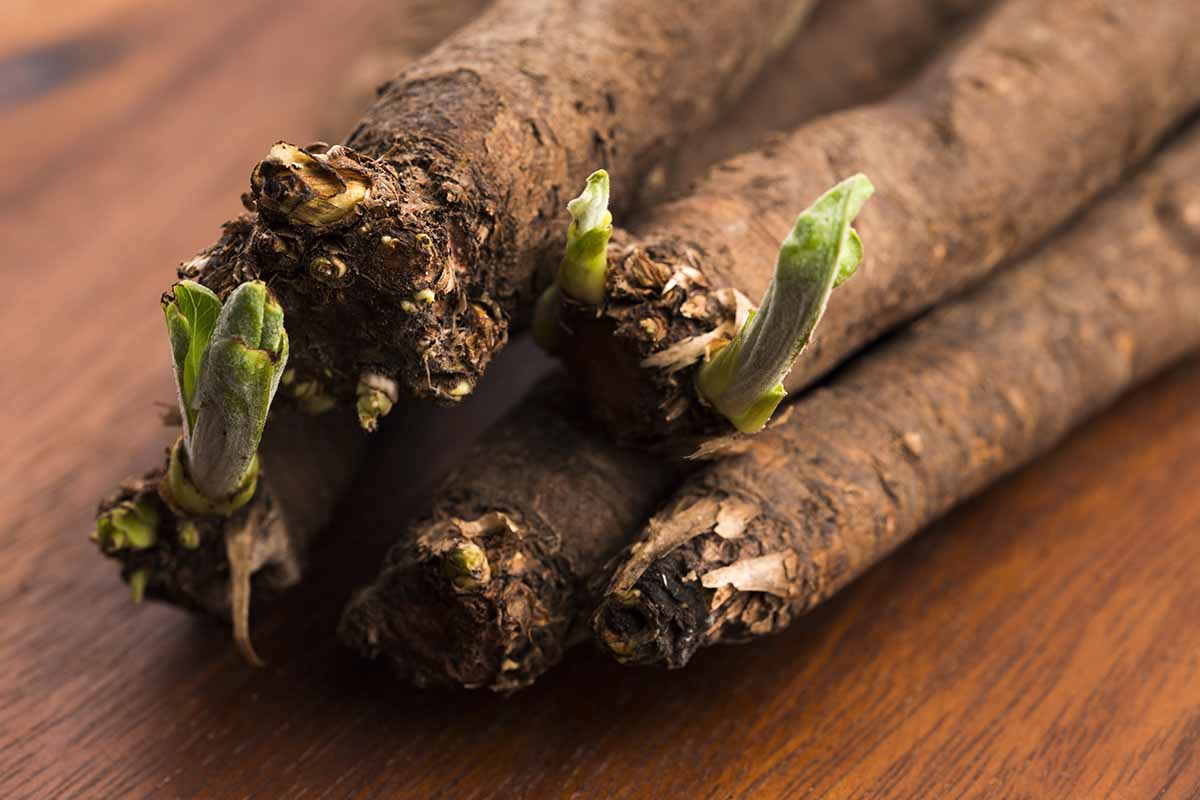
A close up horizontal image of freshly harvested salsify (Tragopogon porrifolius) roots set on a wooden surface.

Looking for something different for your vegetable garden? Salsify is a versatile, easy-to-grow root vegetable that deserves more love. This plant requires no maintenance, defies pests and disease, and can be cooked in so many different ways. It has a mild briny flavor with a hint of parsnip and asparagus. Delicious!

4 Easy Ways to Hand-Pollinate Tomatoes

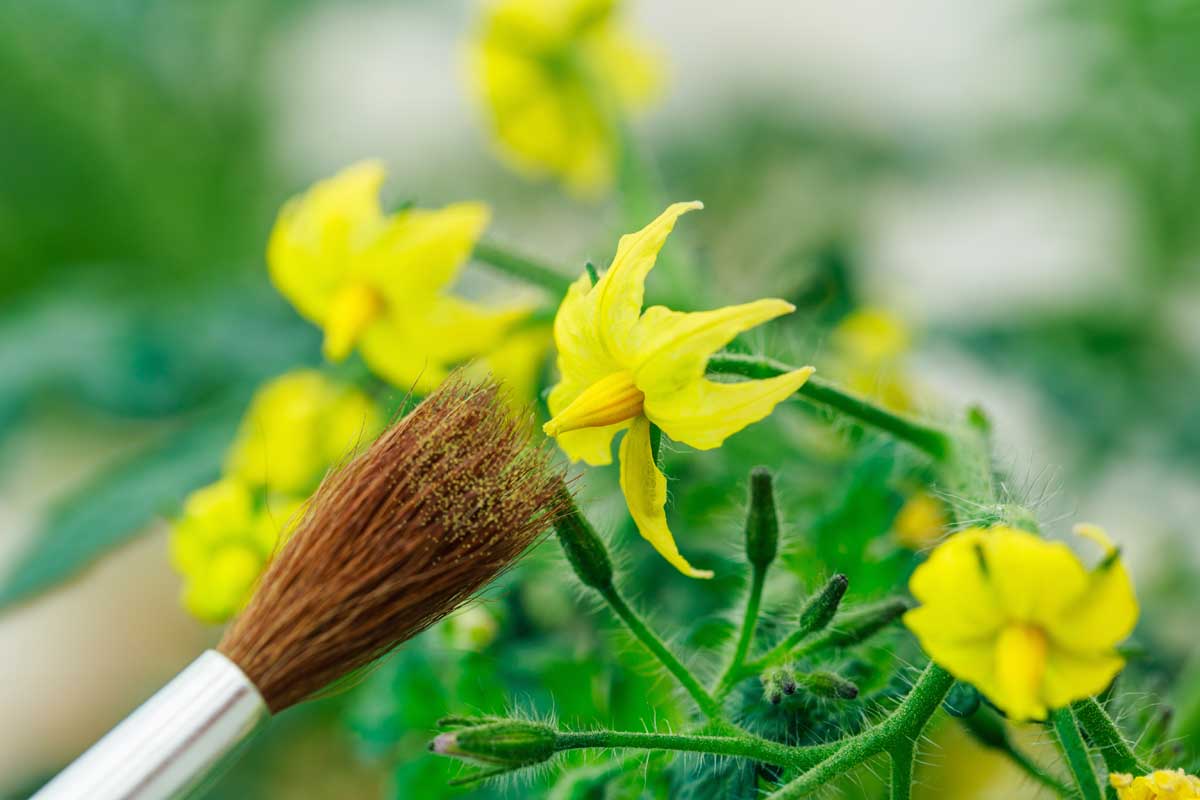
A close up horizontal image of a paintbrush from the left of the frame pollinating a small yellow tomato flower pictured on a soft focus background.

A bountiful harvest of tasty homegrown tomatoes is a treat that shouldn’t be missed. But sometimes plants need a helping hand. Don’t let bad weather or a lack of pollinators thwart your green thumb. Learn four easy ways to hand pollinate tomatoes and you’ll always enjoy an abundant crop. Read more now.

How to Plant and Grow Zucchini Squash

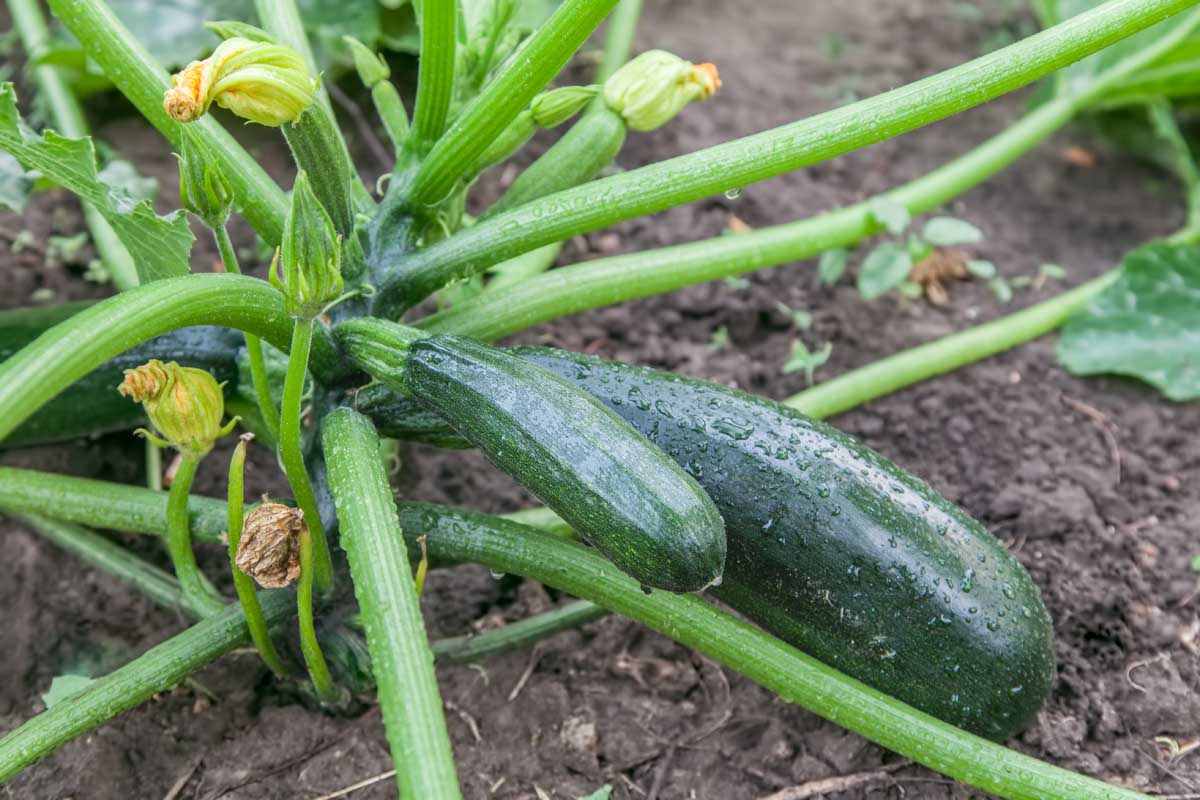
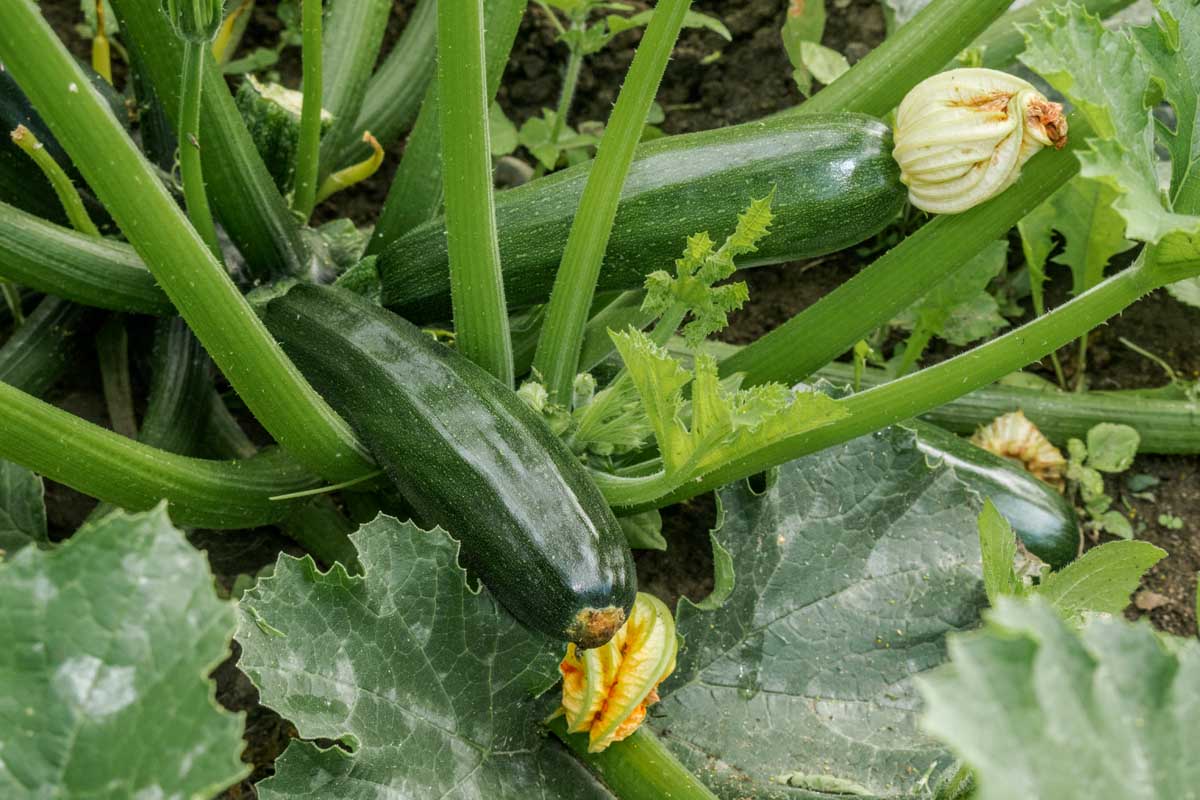
A close up of the ripe, dark green fruits of a summer squash, growing in the garden, surrounded by foliage with soil in soft focus in the background.

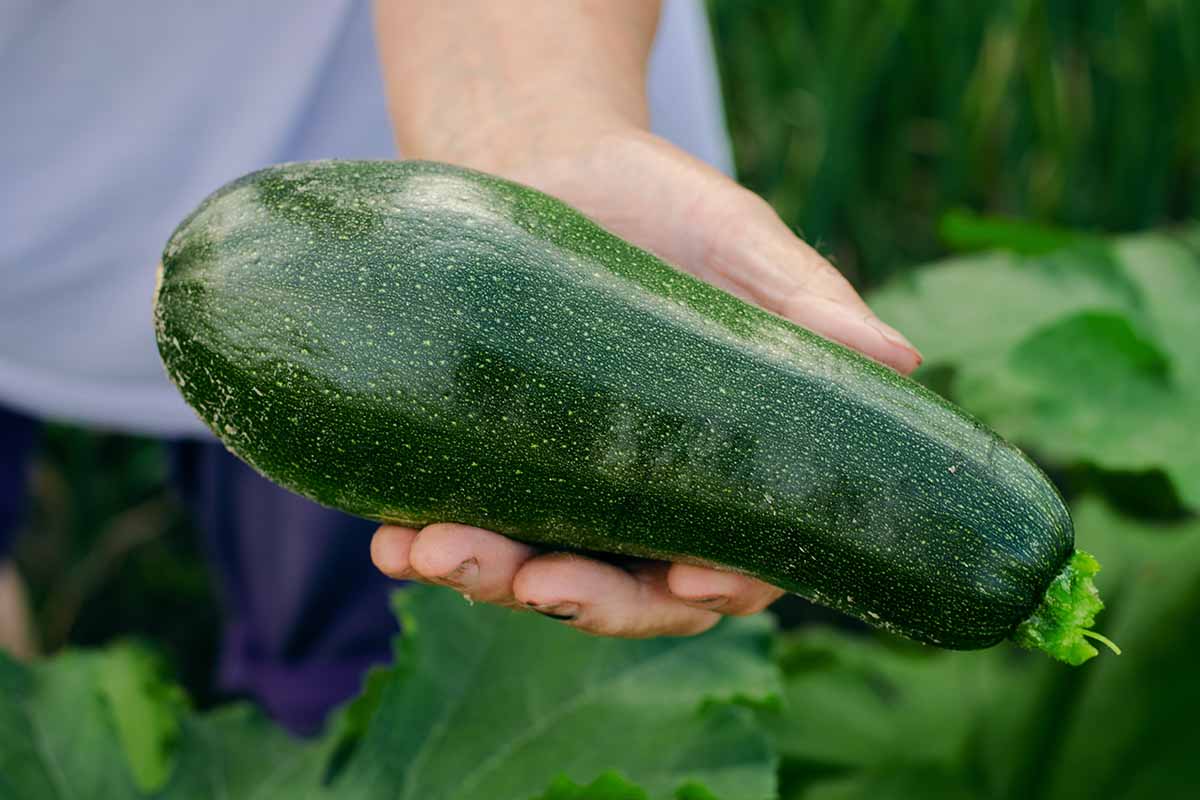
A traditional home garden favorite, zucchini is popular as a zero-carb spiral noodle standout. A few plants can supply the whole family! But with so many wonderful cultivars for edible blossoms, stuffing or pickles, why not plant a bunch and harvest all summer long? Follow these tips for zucchini bliss.

How to Prevent Lettuce from Bolting

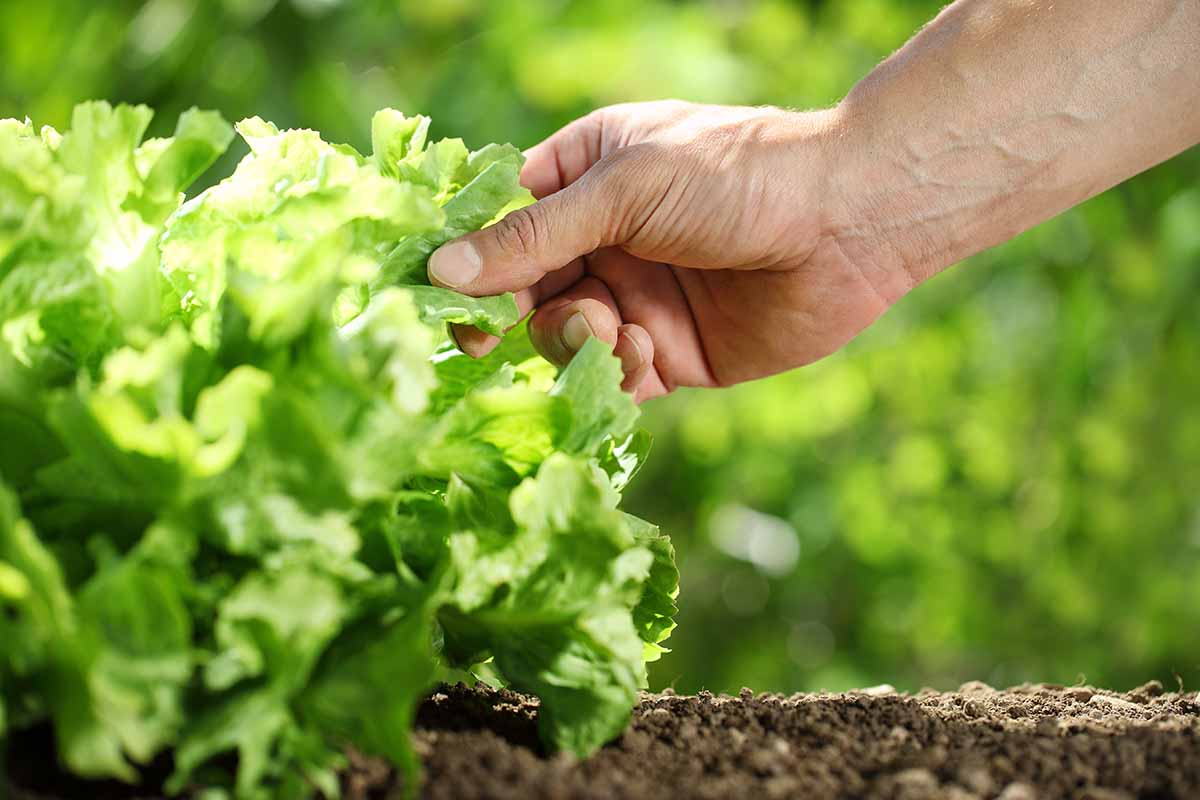
A horizontal image of a hand gripping a lettuce leaf outdoors.

If a lettuce plant flowers, this means its life is almost over. It’s setting seed and getting ready to die. Also known as bolting, there are things that you can do to avoid premature flowering. Learn what causes it, and what to do if bolting happens in your lettuce patch. Read more now in our guide to bolting lettuce.

Causes and Solutions for Floppy or Wilting Zucchini Plants

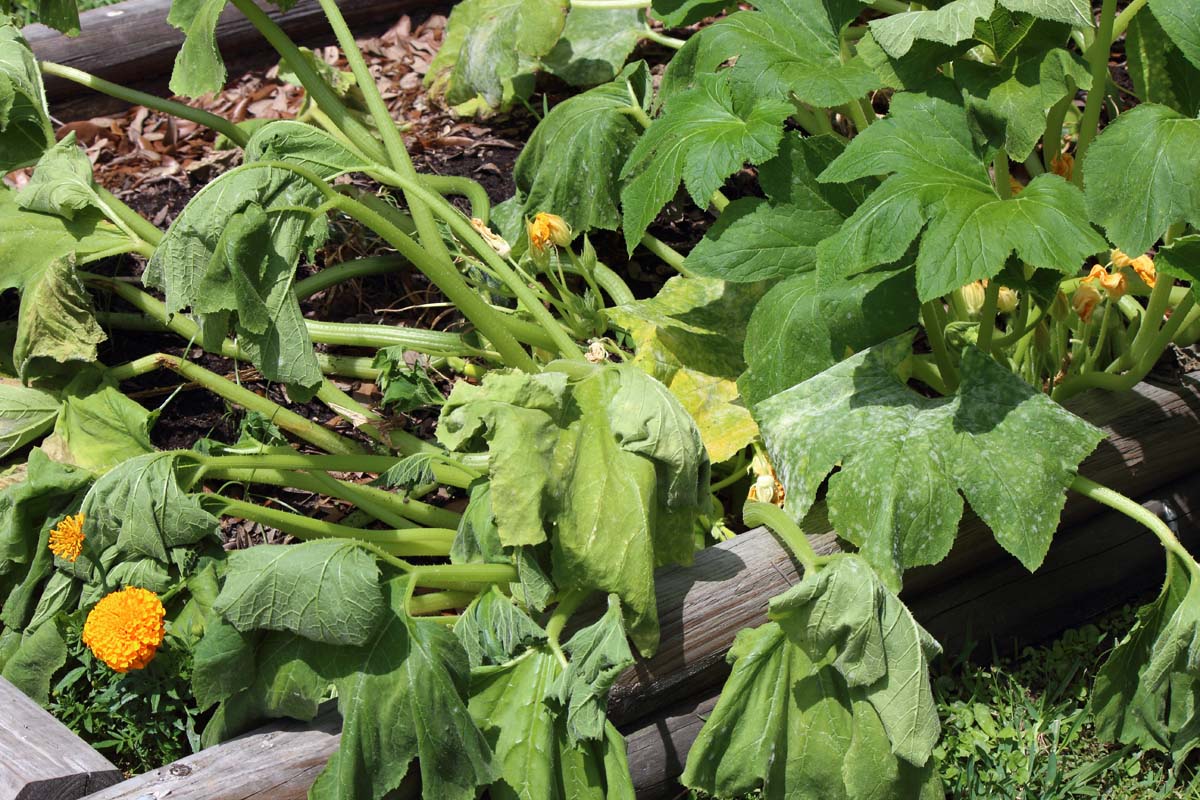
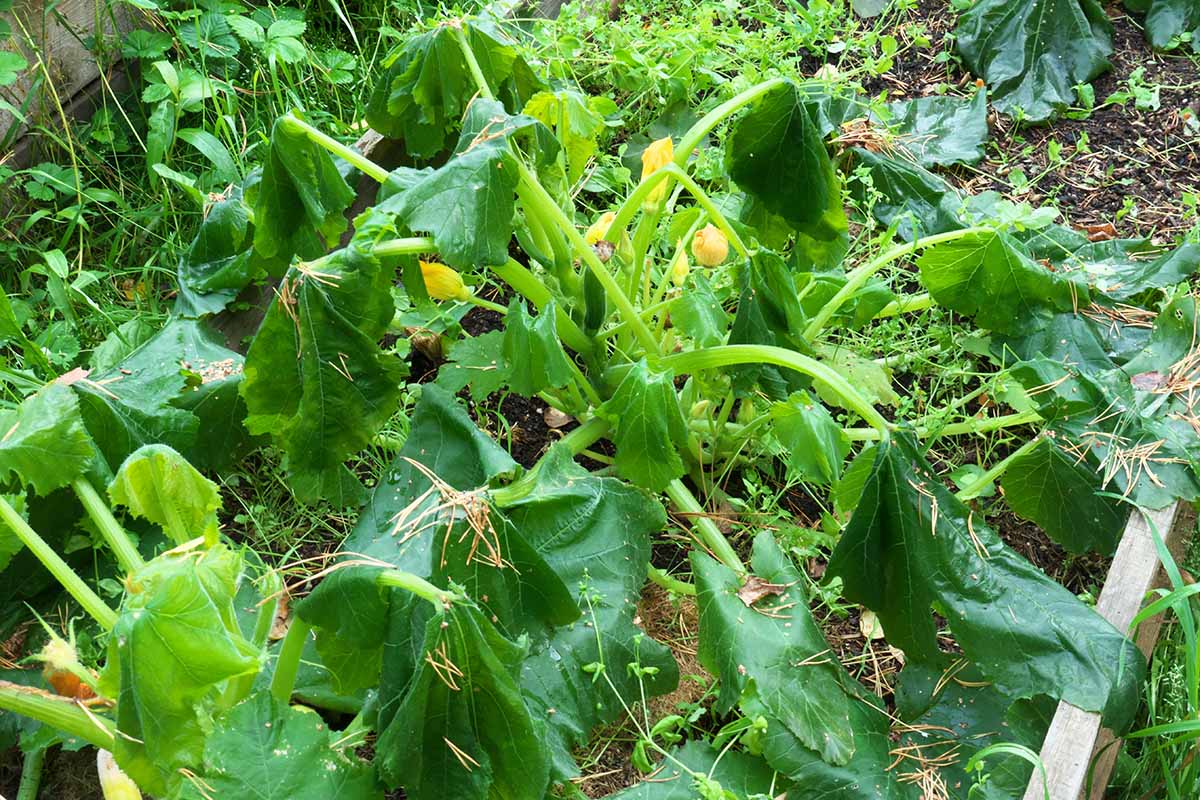
A close up horizontal image of zucchini plants wilting and flopping in the garden.

Are your zucchini plants flopping over instead of producing the bumper crop these summer squash are famed for? The cause could be squash vine borers, too much moisture, or bacterial wilt via cucumber beetles. Here’s how to identify the issue, treat it if possible, and prevent garden-grown zucchini from falling over.

How to Water Tomato Plants

A close up horizontal image of ripe red tomatoes pictured on a soft focus background.

Tomato plants require consistent, deep watering in order to thrive. By irrigating plants correctly, you can avoid common problems while simultaneously improving the quality of your crop. Read more now to learn how to water tomatoes over the course of the growing season to maximize yields of juicy, flavorful fruits.

How to Identify and Control Common Zucchini Diseases

A close up of a Curcurbita pepo plant suffering from a disease called bacterial wilt, pictured growing in bright sunshine in the garden.

Zucchini is a must-have in any veggie garden because it’s tasty, prolific, and easy to grow. But zucchini can be plagued by some nasty diseases that can reduce your harvest, or even kill your plants entirely. We’ll show you how to deal with diseases caused by fungi, bacteria, and viruses – and how to prevent them in the future.

Harvesting Okra: When and How to Pluck Those Prickly Pods

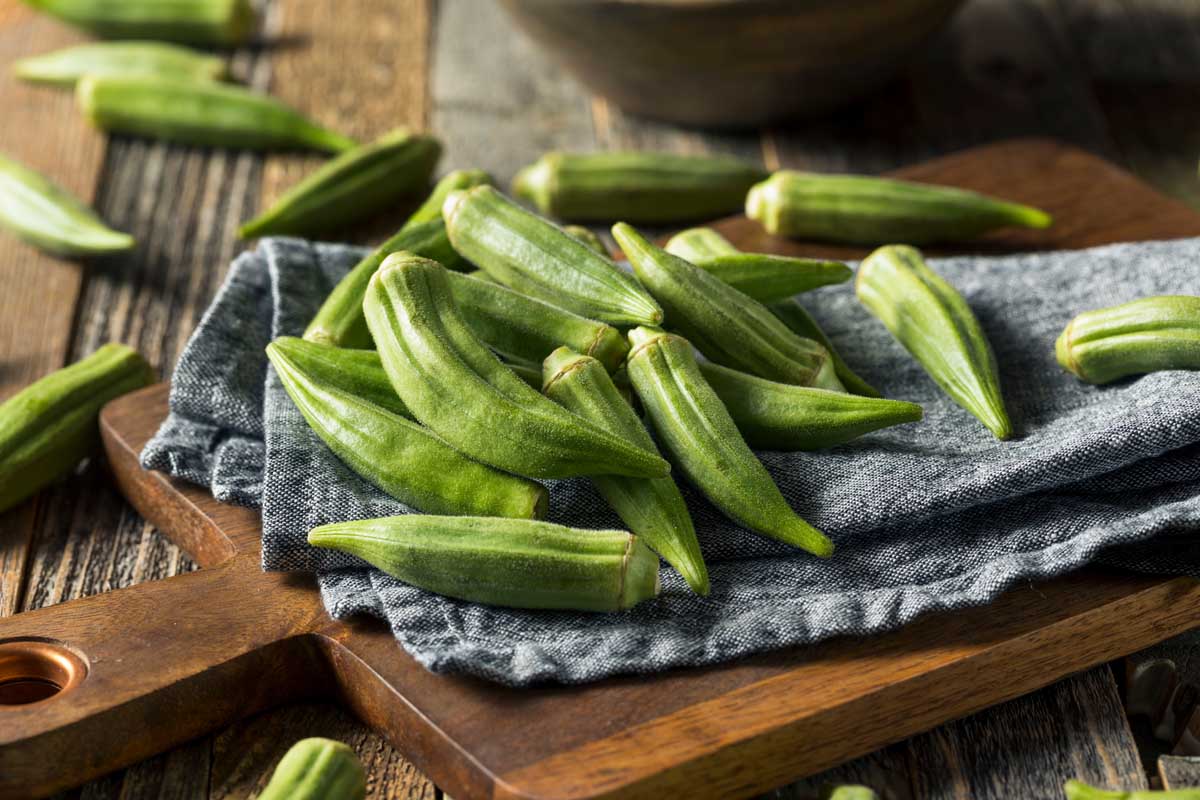
Freshly harvest okra on a blue kitchen towel on a small wooden cutting board.

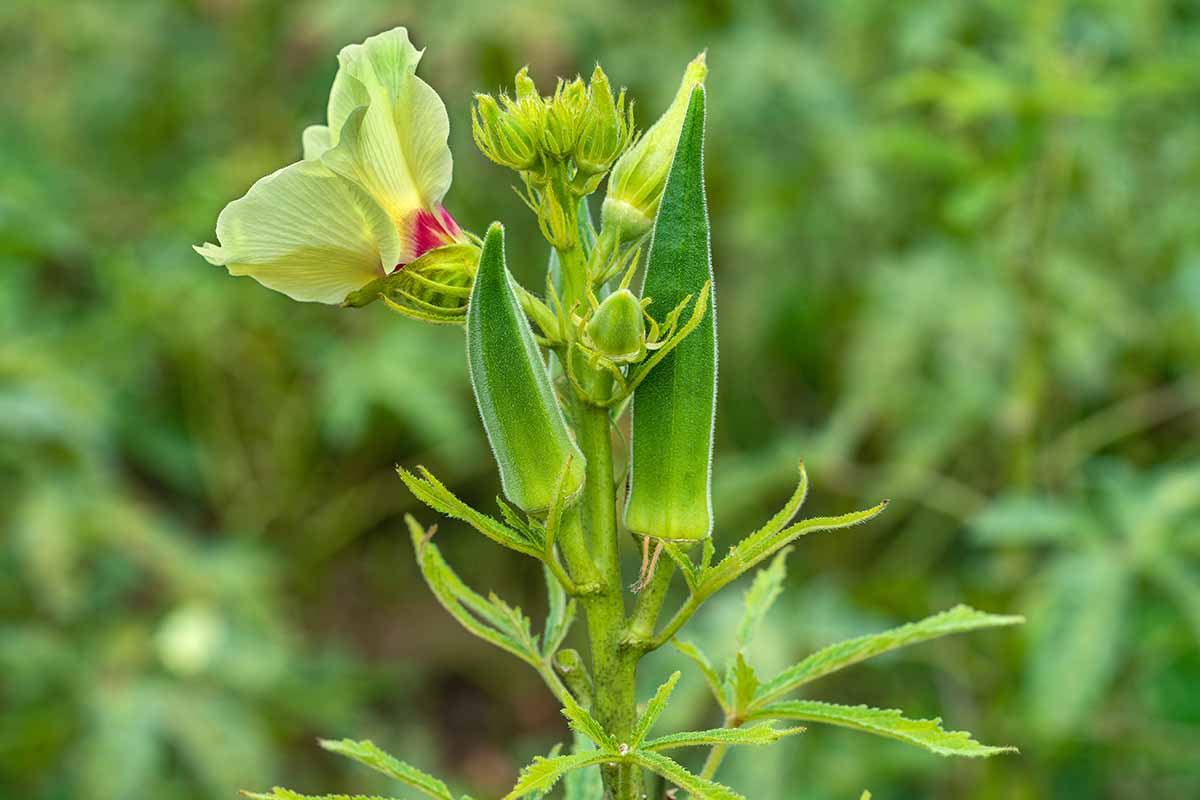
You have successfully grown a nice little patch of okra and now it’s almost harvest time. But when and how do you go about it? We give you directions, picking tips, and tricks, plus some recipe ideas for your harvest. Read more now on Gardener’s Path.

Harvest Time: How and When to Pick Carrots

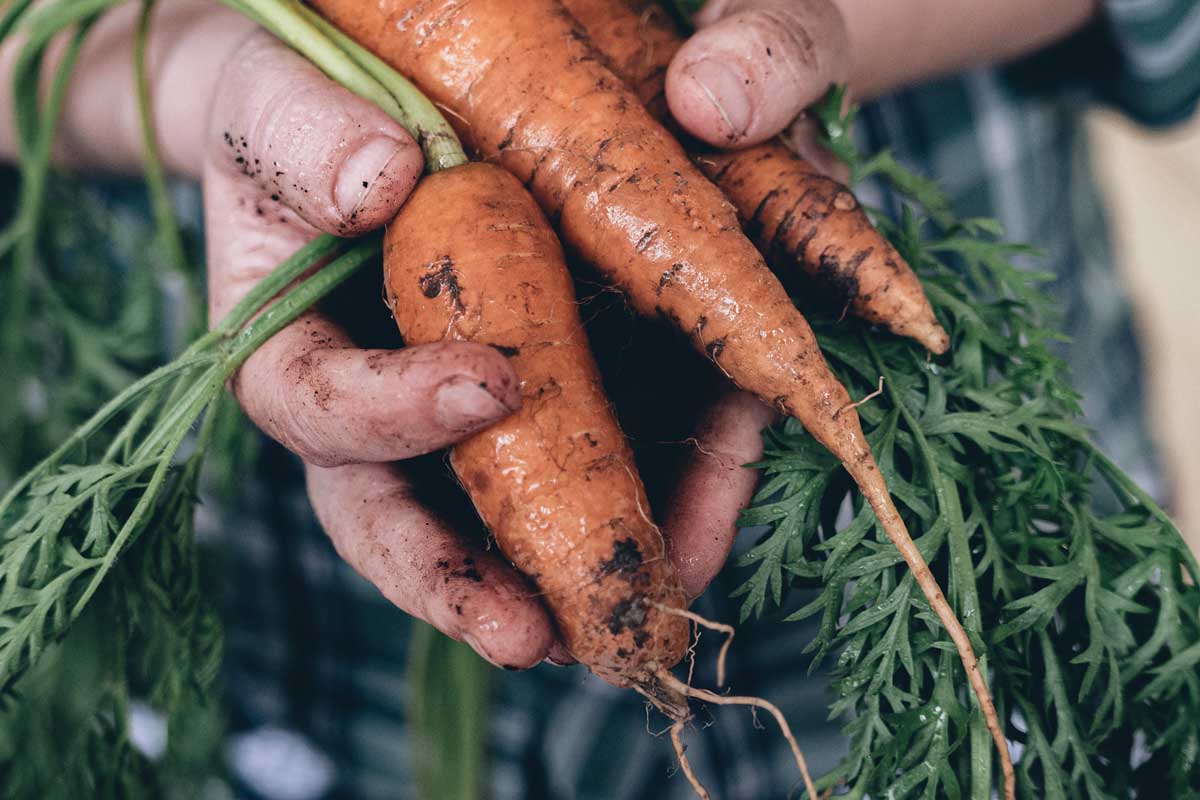
A close up of two hands holding freshly harvested and washed roots with the tops still attached, on a soft focus background.

When’s the best time to harvest homegrown carrots, and what’s the best way to do it? Harvesting carrots involves following several important steps – and making sure to pick these vegetables at just the right moment, for the sweetest crop. To learn everything you need to know about harvesting carrots, read more now.

How to Grow Zucchini in Containers

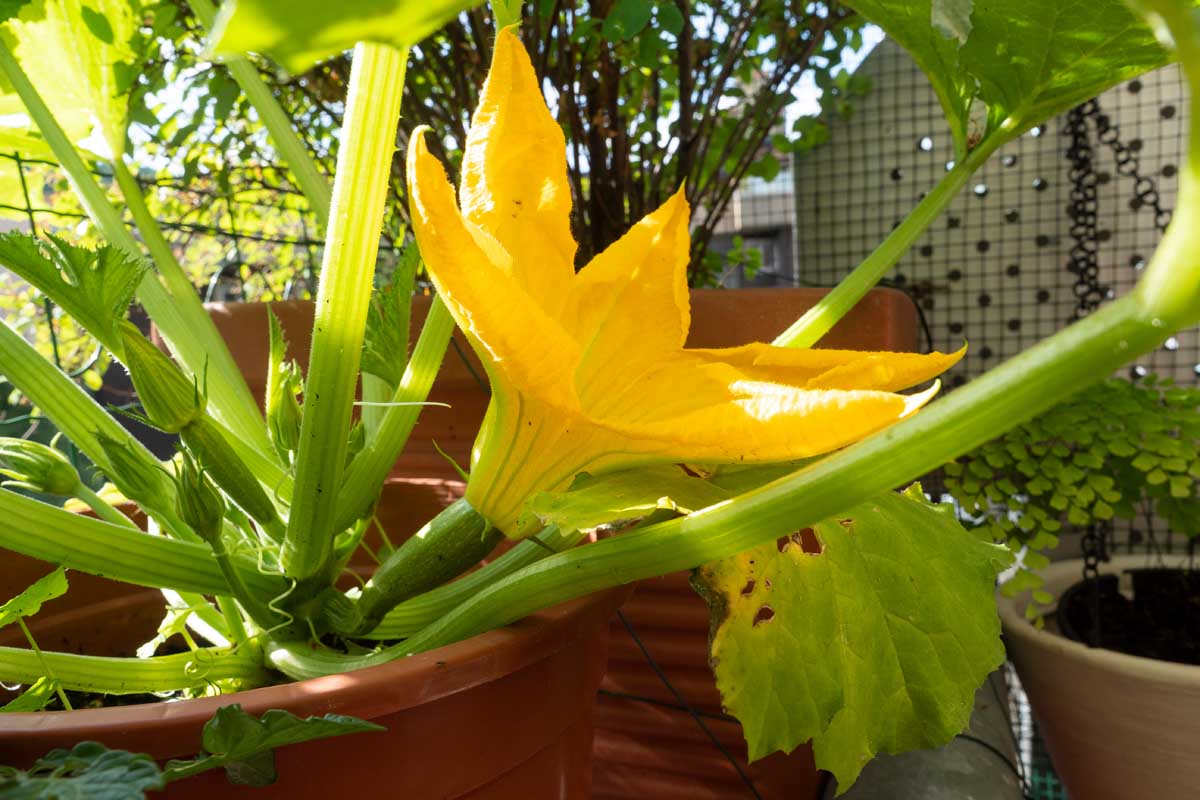
A close up picture of a bright yellow courgette flower and developing fruit, growing in a terra cotta pot on a patio in bright sunshine.

If you love homegrown zucchini but have no room in your garden, did you know you can grow it in containers instead? This summer squash is easy to grow and provides you with an abundant harvest. Learn how to plant and grow zucchini in pots and containers for the fresh, homegrown taste of summer. Read more now.

When and How to Harvest Rhubarb

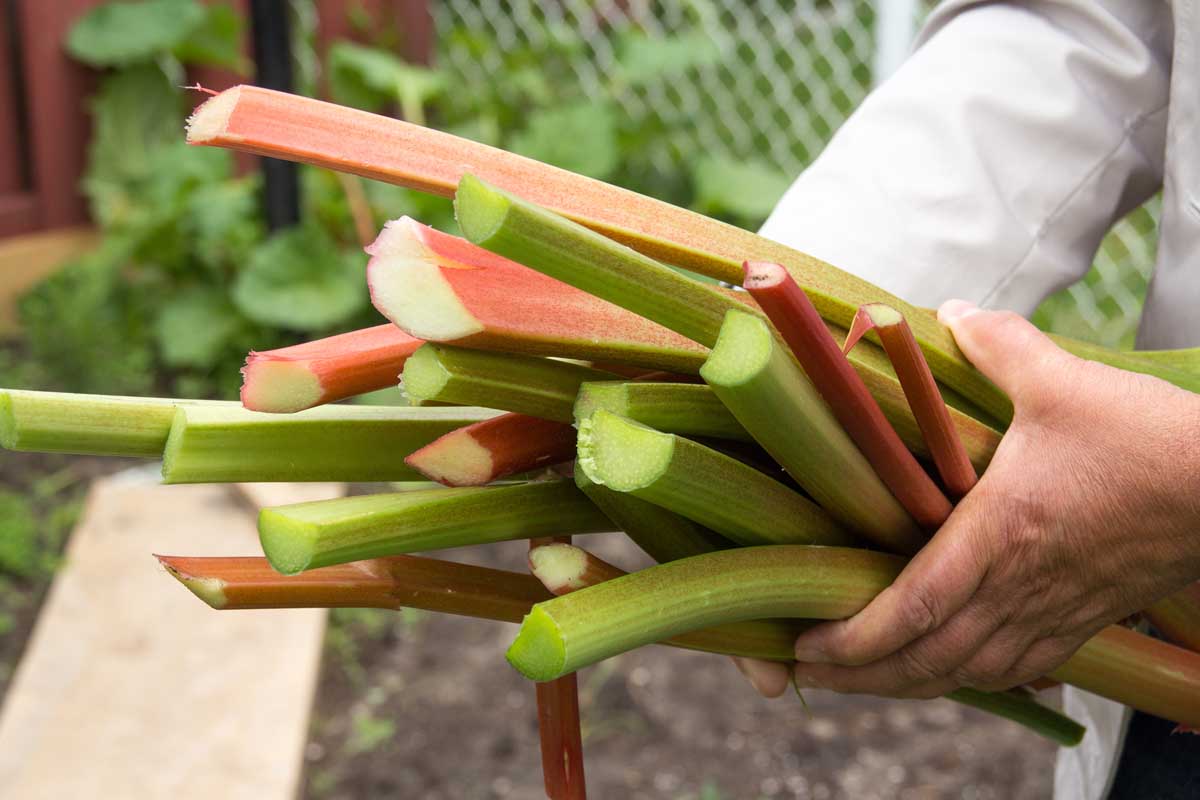
A close up of two hands holding a bunch of freshly picked Rheum rhabarbarum stalks, some of them are green and others light red, on a soft focus background.

Are you wondering when and how you should harvest rhubarb stalks for the best flavor without harming the mother plant? You won’t want to miss this guide, where you’ll learn exactly when to harvest whether you grow it from seed, crown, bare root, or division. We’ll also show you how to preserve stalks. Read more now.

Tips for Growing the Sweetest Beets

A horizontal image of a submerged and a partially submerged beet growing in soil outdoors.

Beet flavors run the gamut from mild and earthy to bright and sugary sweet. If you prefer the latter, there are many things you can do to nurture a sweeter root in the garden. This guide explains the mechanism behind what creates sugar in beets and how you can grow sweeter beets to please the sweet tooths in your life.

How to Grow Rhubarb from Seed

A close up of a rhubarb plant growing in the garden with bright red stalks and green foliage, in light sunshine, with rich earth around the base of the plant, fading to soft focus in the background.

Rhubarb is a stunning addition to everything from wine to pie to roasted chicken. Most gardeners know that you can propagate the tart, lightly sweet plant from crowns, divisions, and bare roots. But can you sow rhubarb seeds? Will they grow successfully? And if so, how do you do it? Read on to learn more now.

9 Causes of Deformed Carrots: How to Identify and Prevent Them

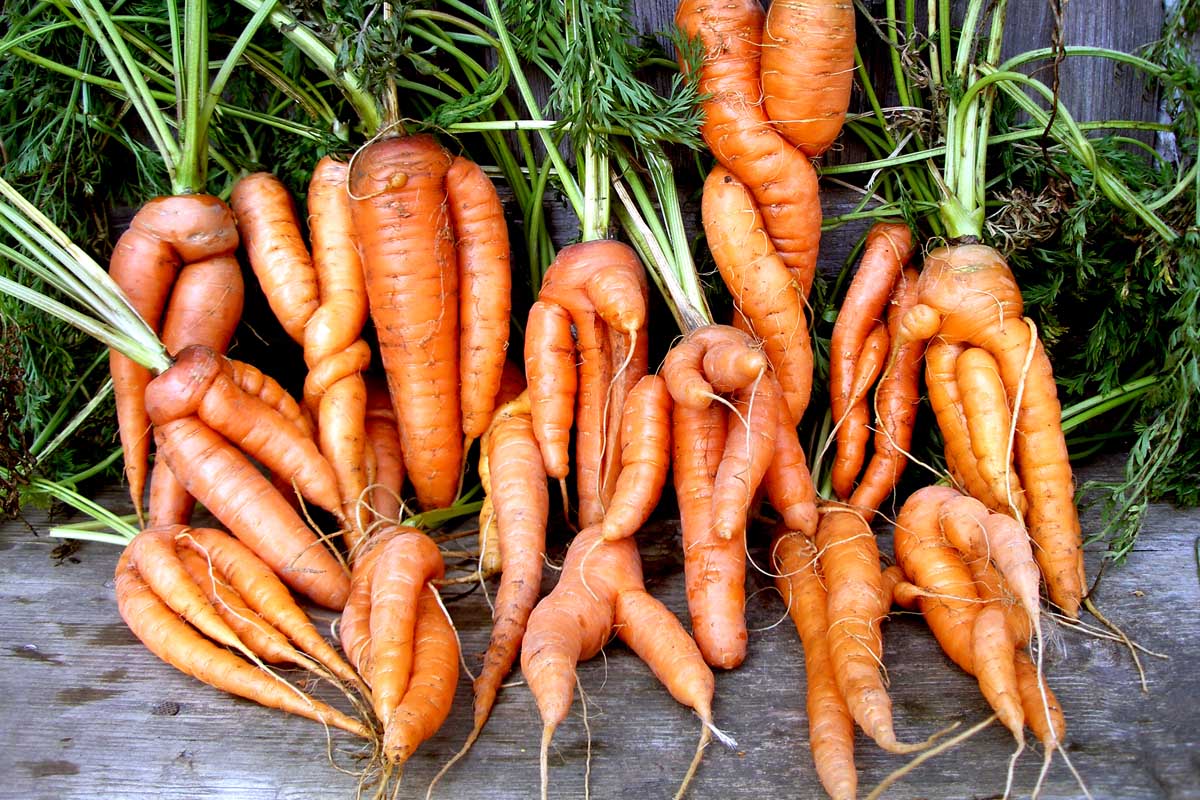
A close up of a collection of deformed carrots in various shapes and sizes, none of the roots perfectly straight, set on a wooden surface.

Are your carrots forked, branching, twisted, or knobby? These garden oddities are amusing, but can make food prep more challenging. The reasons for carrot deformities can range from soil quality to pests, and can be prevented. To learn several methods to prevent deformed carrots and grow straight ones, read more now.

How to Blanch Celery in the Garden (And Why You Should!)

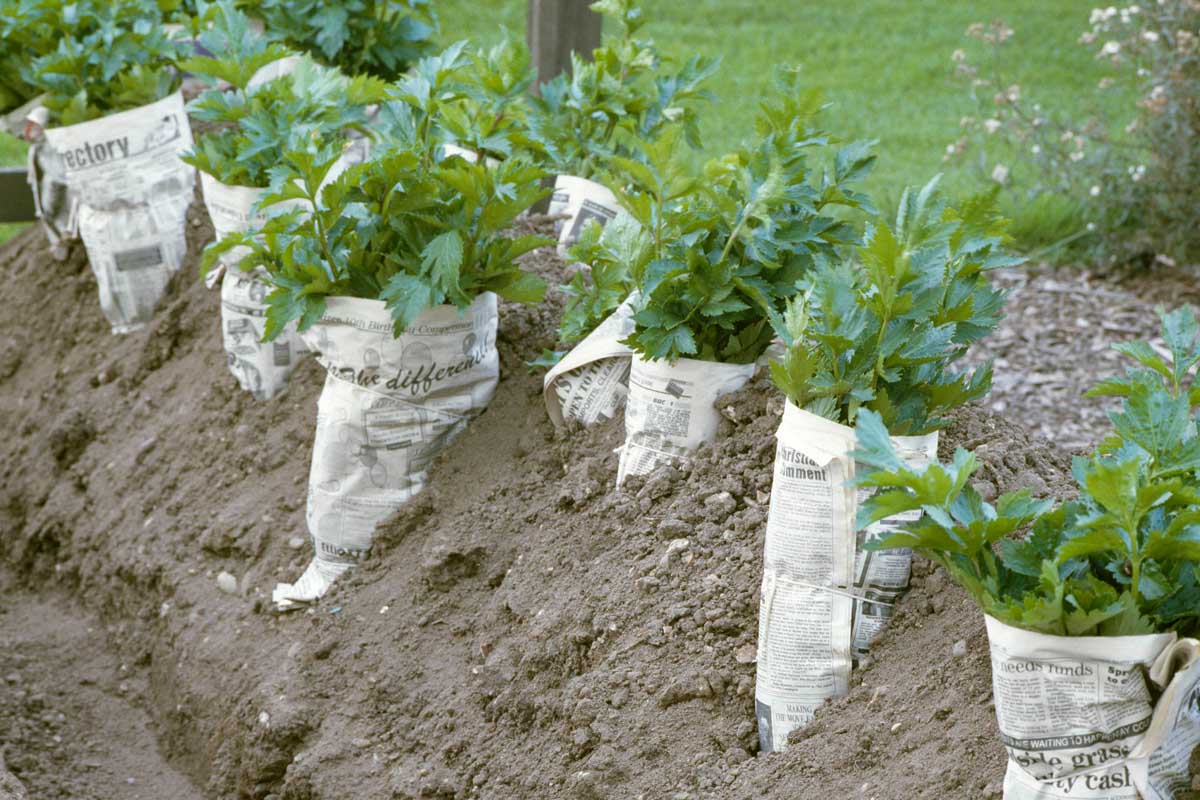
A close up of a row of celery growing in the garden with newspaper wrapped around the stems for blanching purposes, to make the stalks white and tender.

Do you want to grow crisp and flavorful celery that’s perfect for adding to soups, salads, and smoothies? Our guide to blanching celery in the garden will teach you three of the best methods to grow your own crop that isn’t bitter, with a satisfying crunch. You don’t want to skip this step! Read more now.

Problems with Growing Zucchini: Troubleshooting 11 Potential Issues

A close up of a healthy courgette plant growing in the garden with dark green fruit and soil in soft focus in the background.

Zucchini are famously prolific, but that doesn’t mean they’re without their share of potential issues. You might be facing yellowing leaves, falling flowers, or pest problems. If you’re having trouble with your zucchini, learn about 11 common problems, how to identify what’s going wrong, and what to do to fix it.

Plant-Based Protein: The Best Protein-Packed Plants to Grow in the Garden

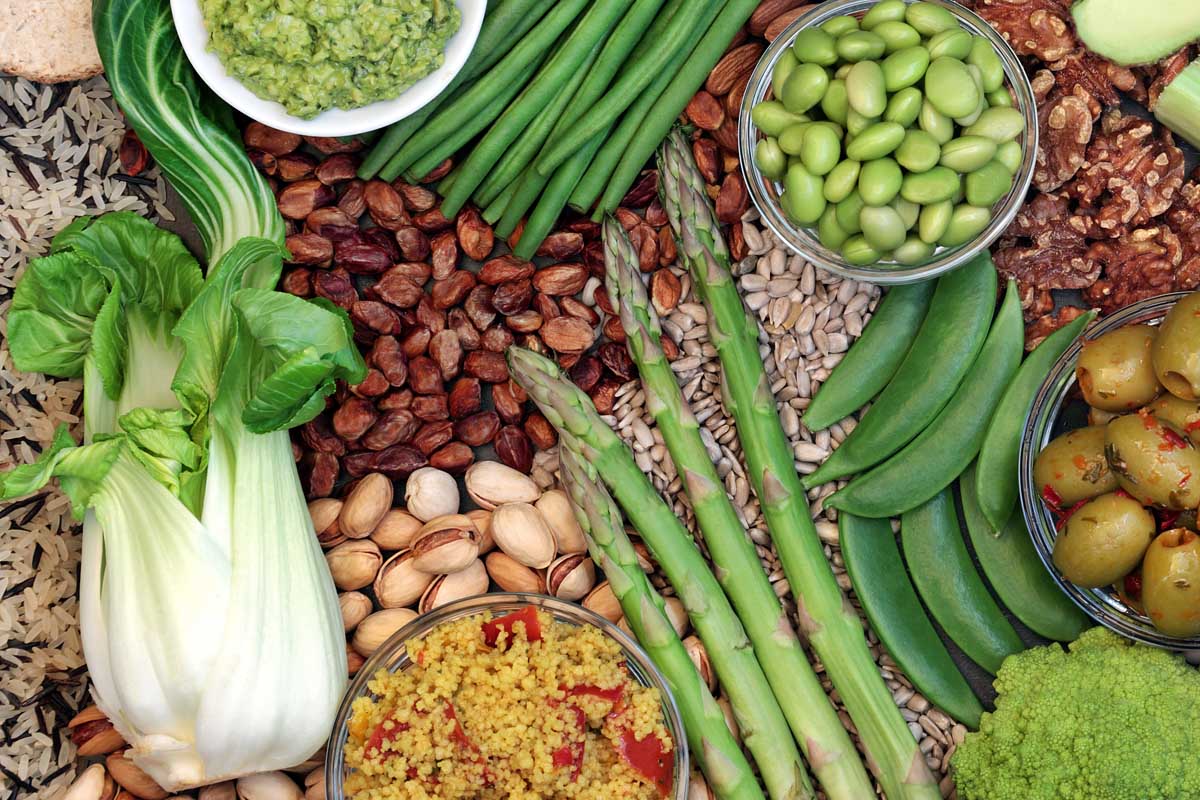
A close up top down picture of a variety of vegetables, legumes, nuts, and seeds as part of a healthy plant-based diet.

Plants don’t always come to mind first when we think about protein, but they can actually pack a punch. Plant-based protein sources are beneficial to our health and they are usually simple to grow in the garden. Learn about how protein is utilized in the body and what plants to look for to meet your needs. Read more.

How to Grow Ornamental Peppers

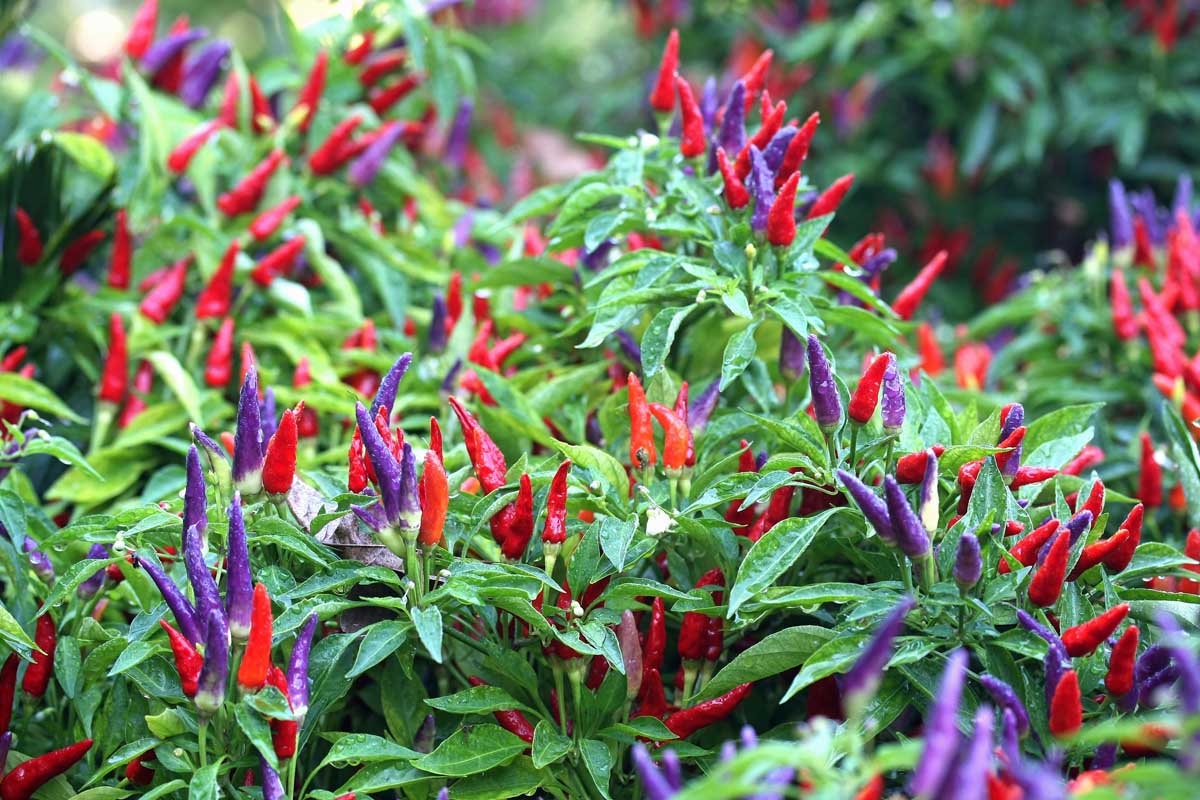
A close up of a large ornamental pepper plant with vivid purple and red upright fruits, contrasting with the bright green foliage.

Splashy, vibrant ornamental peppers can add dazzling bursts of color and texture to the landscape. While they are technically edible, most people find them lacking in flavor or too spicy to enjoy – so why not add them to the garden just for show? Learn how to grow these brilliant beauties now.
How to Grow Rhubarb in Containers

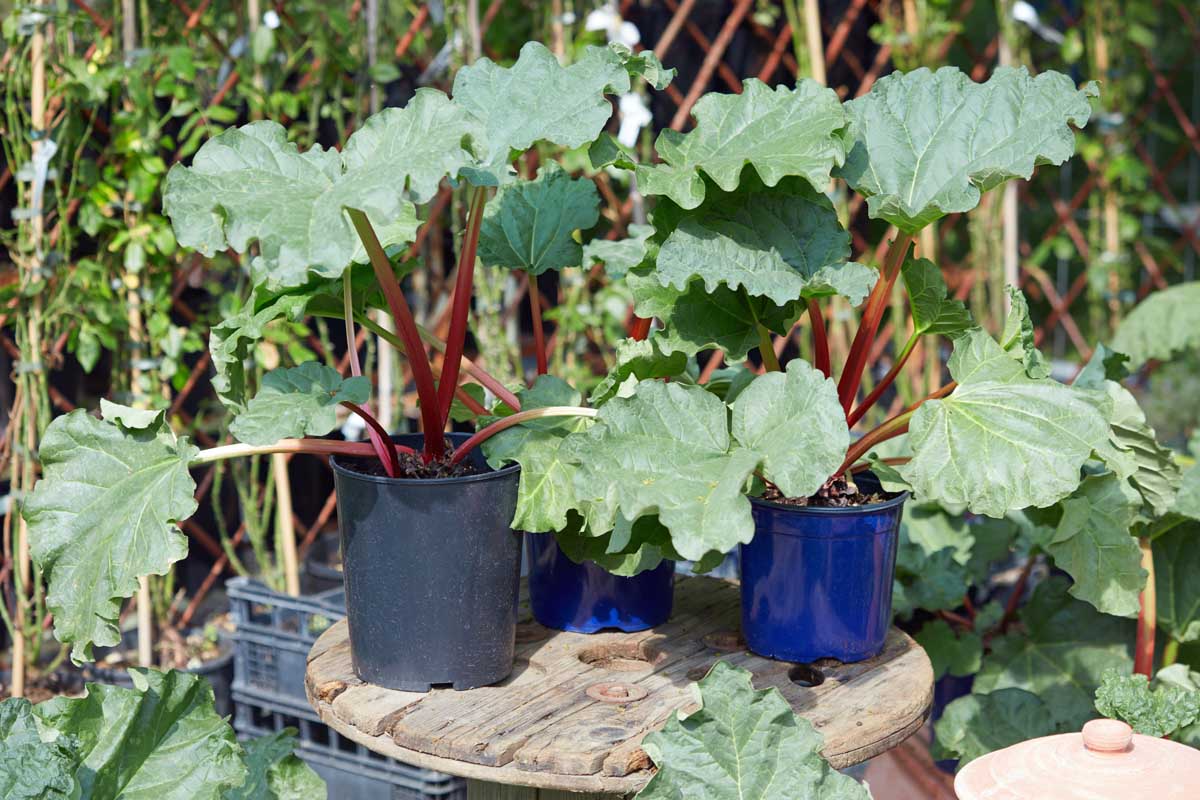
A small rustic wooden table with three pots containing maturing rhubarb plants with pink stems and bright green foliage, pictured in bright sunshine with a garden scene in soft focus in the background.

Growing rhubarb in containers gives you a head start on enjoying sweet, tart stalks in pie, jam, ice cream, coffee cake, and even wine. It’s also a fun project to do indoors during the throes of winter, just when it seems as though spring is an eternity away. You don’t want to miss our step-by-step guide! Read more now.
How to Grow and Harvest Bunching Onions

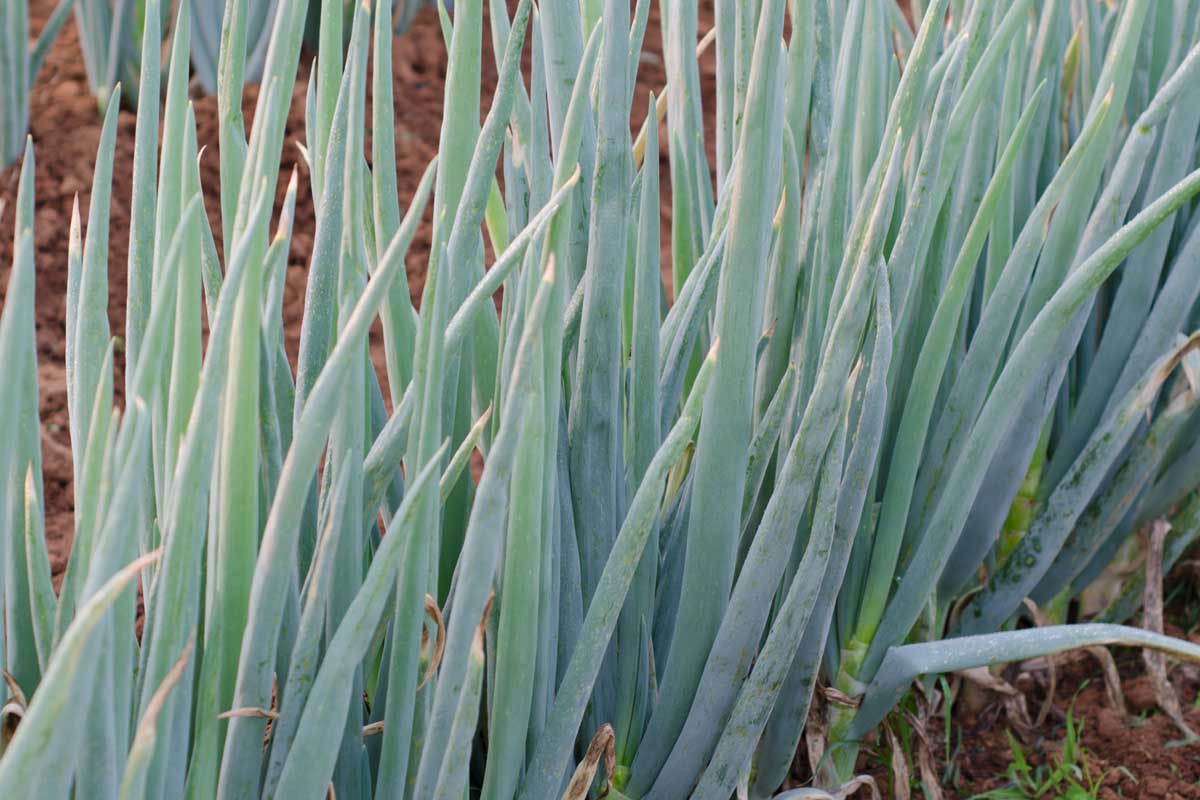
Close up of green bunching onions growing in a home veggie garden.

What is a bunching onion? Also known as green onions or scallions, these non-bulbing perennial alliums will add a punch of flavor to all of your favorite dishes. We provide expert guidance for planting, growing, and harvesting this deliciously flavorful crop, plus our favorite cooking tips! Read more now.
How and When to Prune Your Tomato Plants

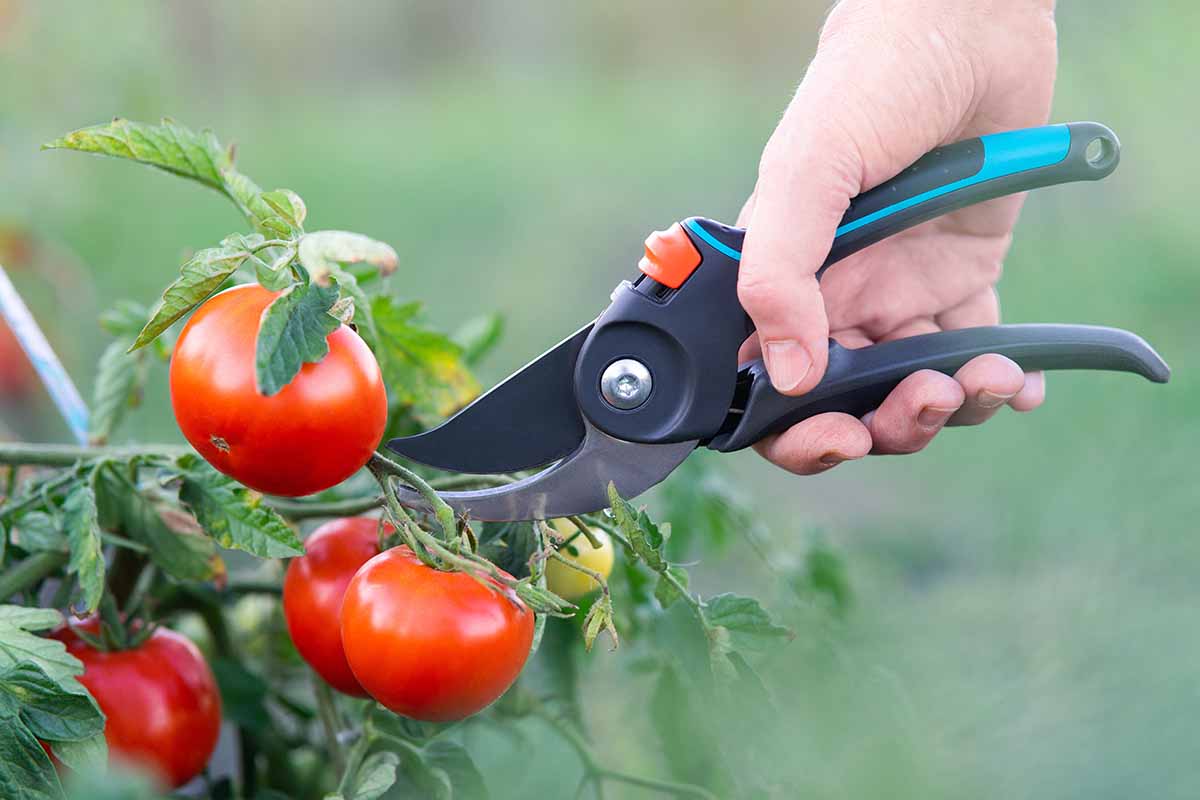
A close up horizontal image of a hand from the right of the frame holding a pair of secateurs pruning a tomato plant.

You don’t have to prune your tomatoes, but if you do, you’ll be glad you did! Pruning improves your harvest in terms of both volume and quality of the fruit, and it also keeps plants healthier. But doing it wrong can do the total opposite. Read more now to learn how to prune tomatoes the right way.

How to Grow and Care for Tomatillos

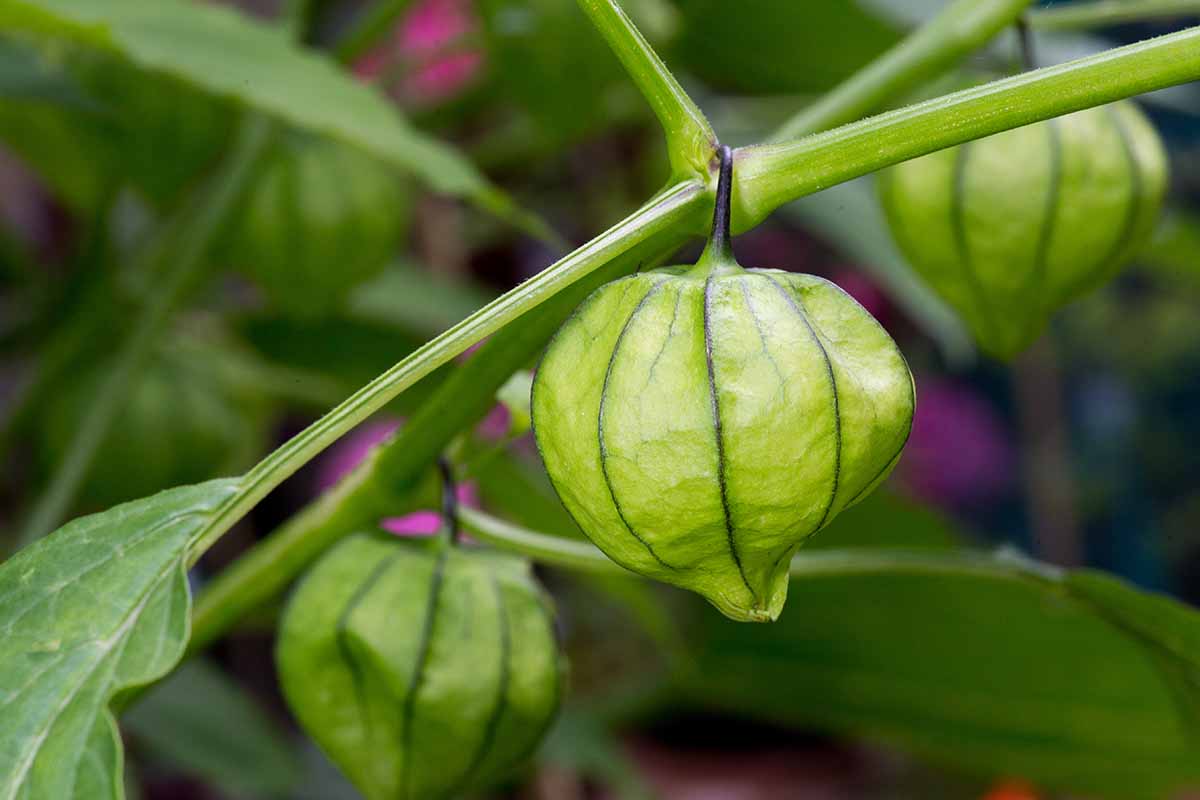
A close up horizontal image of tomatillos growing in the garden pictured on a soft focus background.

With tart, round, green or purple fruits encased in papery husks, tomatillos are tomato relatives that grow quickly in summer gardens. Our tips will help you grow a bumper crop of tart orbs, harvest them properly, and enjoy them in dishes ranging from the traditional salsa verde to casseroles and jams. Read more.

How to Plant and Grow Radishes

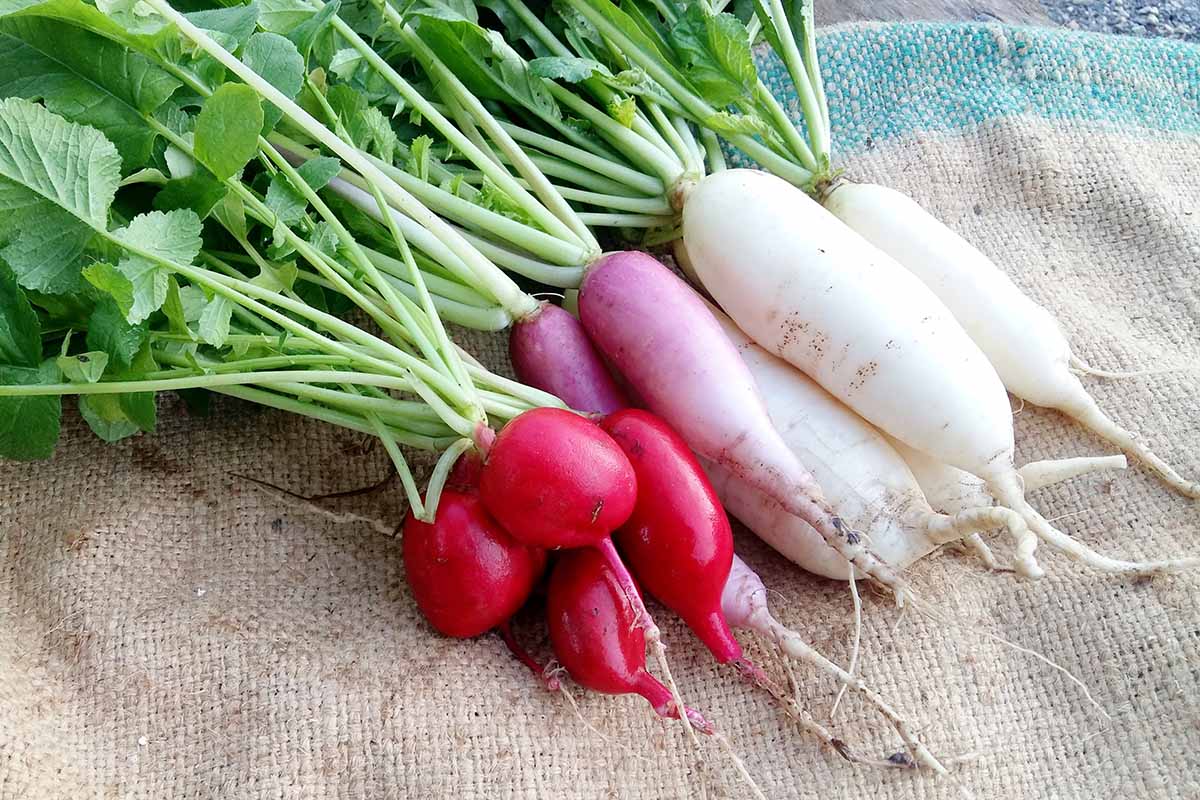
A close up horizontal image of different radishes, freshly harvested and cleaned set on a burlap sack.

Looking for a quick-growing veggie that’s versatile in the garden? You should check out radishes. They couldn’t be easier to grow and they are completely edible from root to tip. Some are ready to eat in just a few weeks and they’re generally untroubled by pests. Read about raising radishes in this comprehensive guide.

How to Plant and Grow Snap Peas

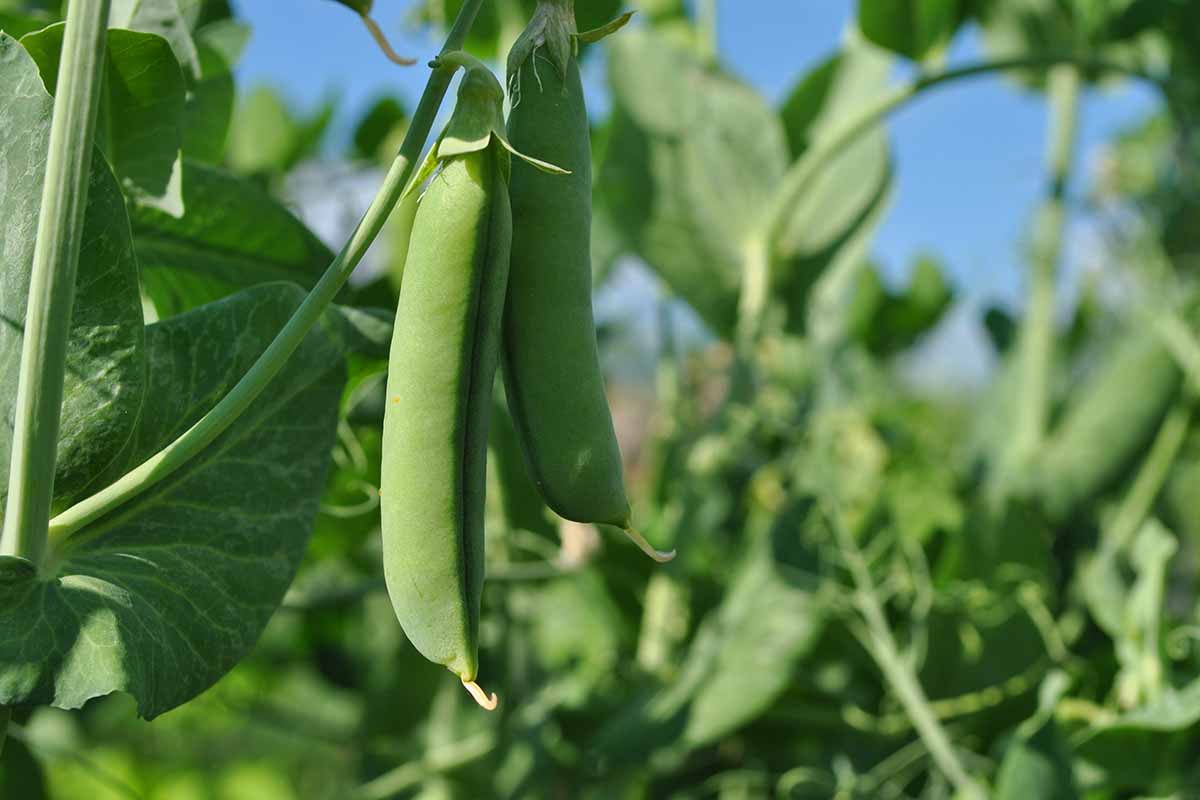
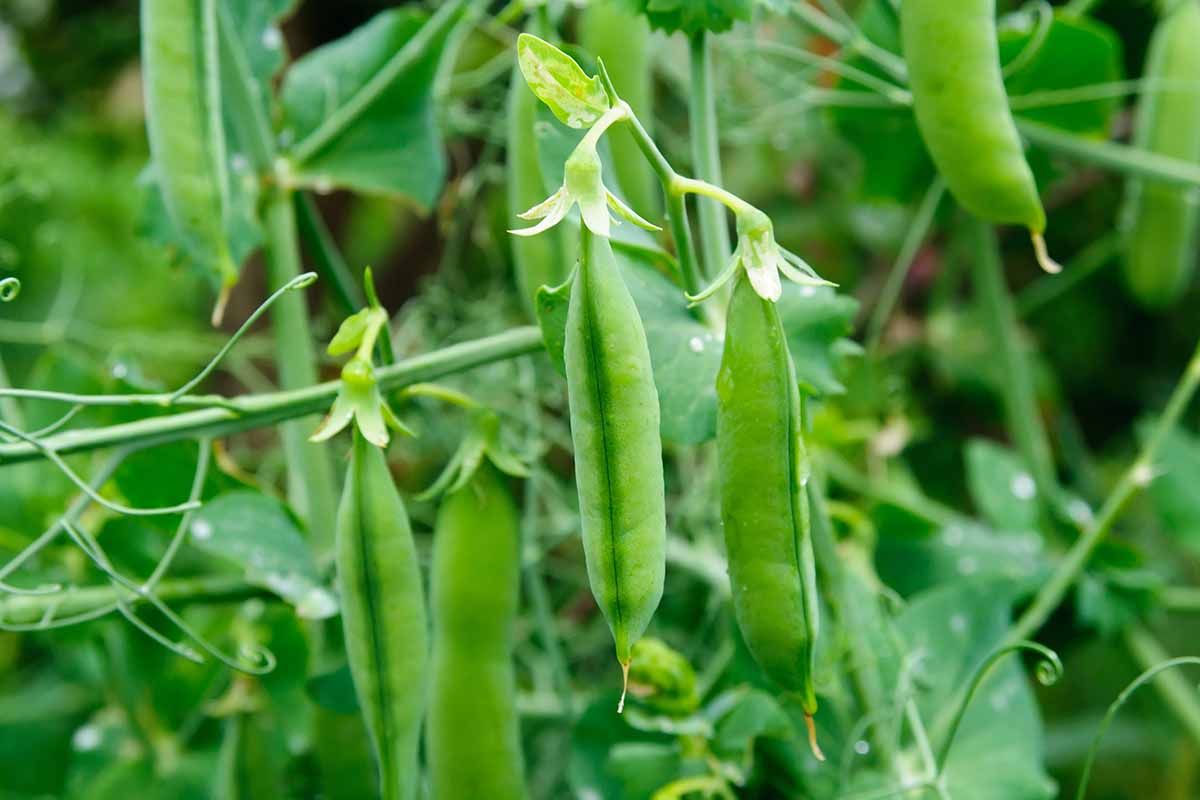
A close up horizontal image of snap peas (Pisum sativum var. macrocarpon) growing in the garden pictured in light sunshine on a soft focus background.

Cool-weather snap peas are one of the first vegetables ready to harvest in spring. Sweet and crispy, they’ll encourage kids to eat their veggies. A short row will yield pounds of edible pods for snacks and salads, or you can grow these legumes in containers. Maximize your harvest and minimize the work with these tips.

How to Plant and Grow Golden Zucchini

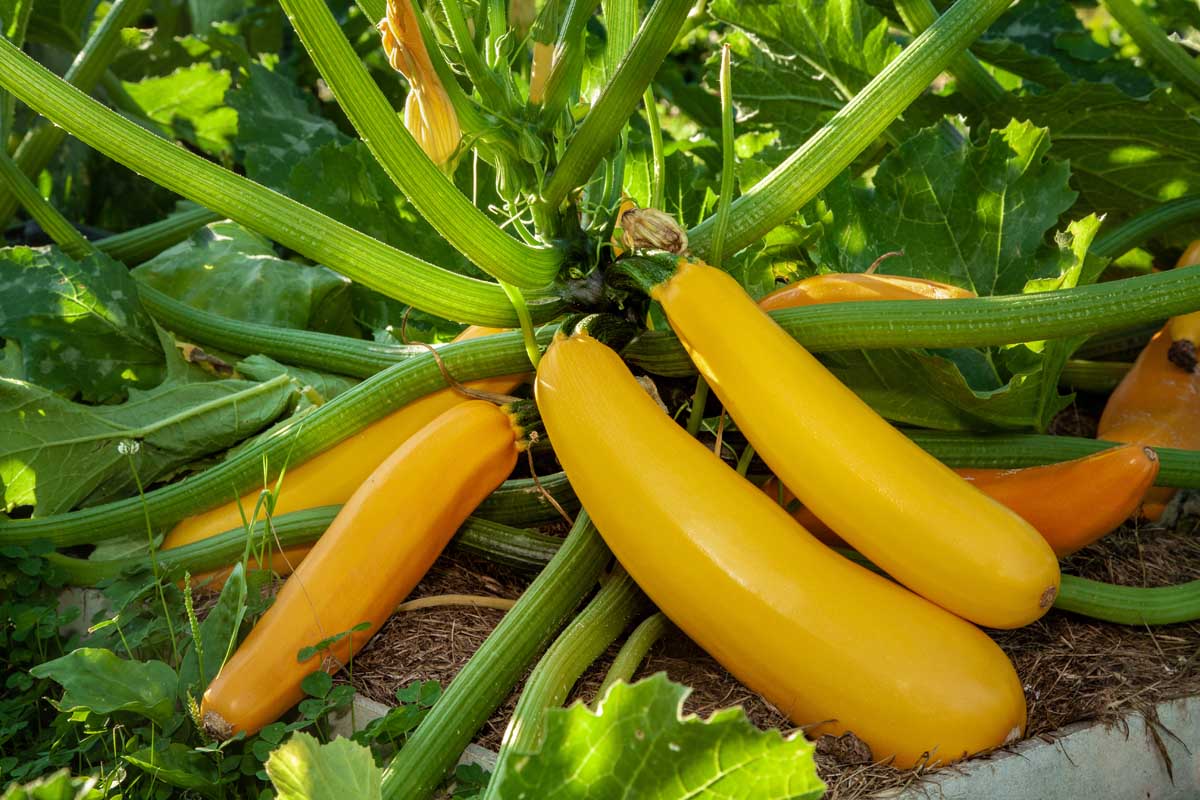
A close up of a golden zucchini growing in the garden, with bright yellow fruits in various stages of maturity, pictured in light sunshine.

Grow a super food summer squash in a fresh yellow color! Golden zucchini are a bit sweeter than green varieties and nearly as productive. The shape makes them superior for zoodles, and their color’s a benefit in the kitchen and garden alike. Have some fun, follow these tips, and you’ll soon be harvesting summer gold.

How to Grow Tomatoes in Containers

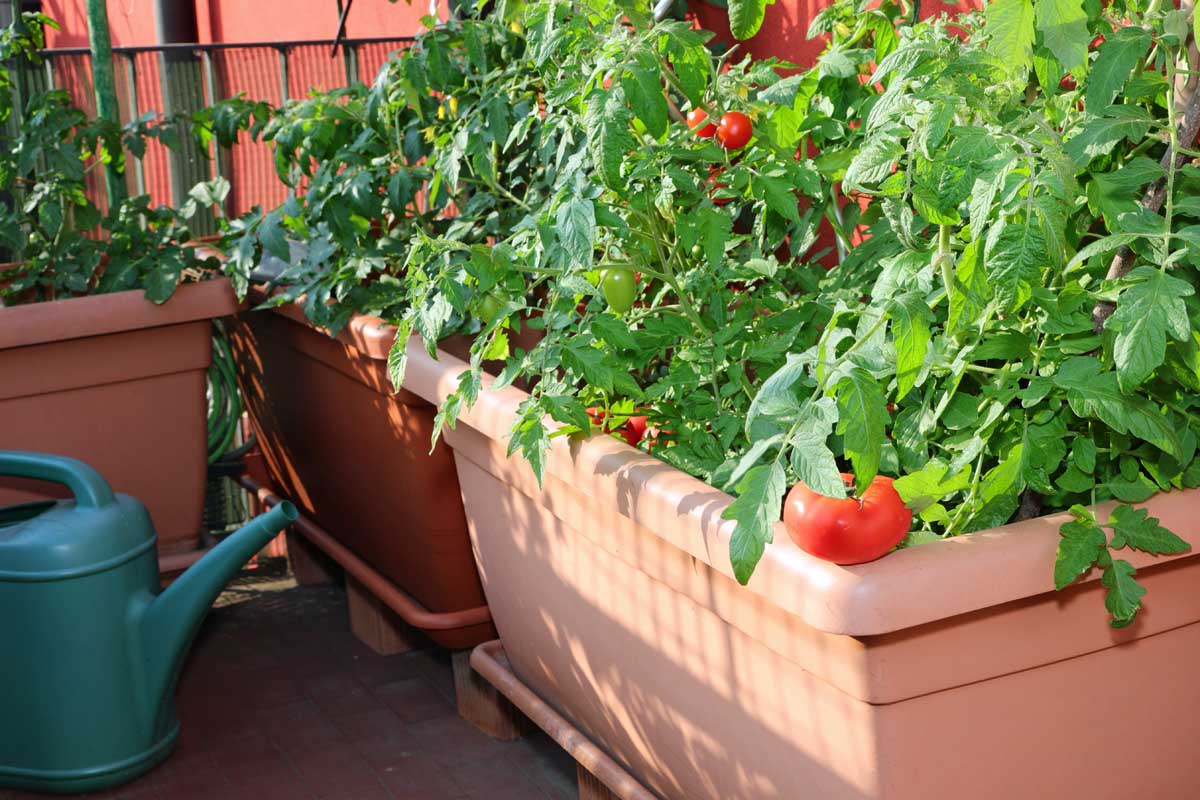
A close up of a large plastic pot with healthy tomato plants laden with ripe fruit, growing on the patio, pictured in bright sunshine.

The flavor of homegrown tomatoes is an experience no one should miss. Even if you don’t have the real estate for a vegetable patch, you can still enjoy their rich taste with fast growing and prolific container plants on your deck or patio. Learn how to grow tomatoes in containers and pots with this guide. Read more now.
Tips for Growing ‘Dwarf Grey’ Snow Peas

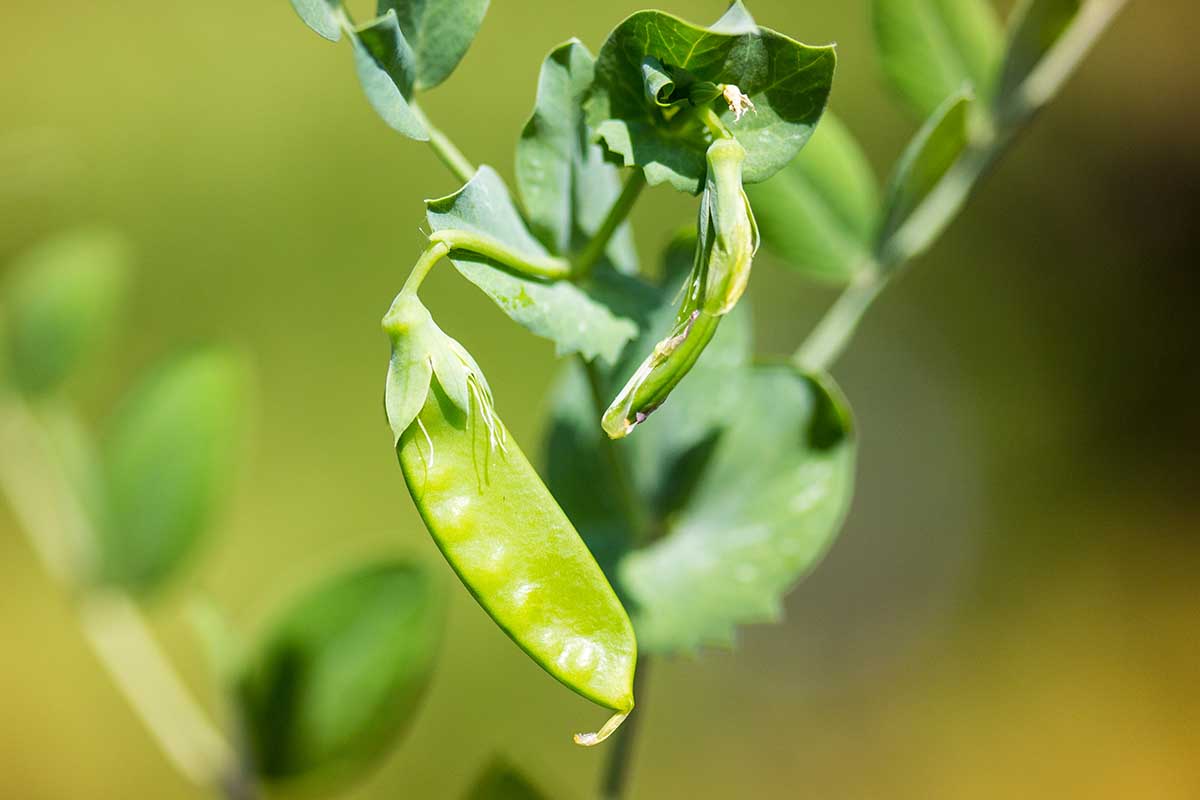
A close up horizontal image of a single Pisum sativum 'Dwarf Grey' snow pea growing in the garden pictured on a soft focus background.

‘Dwarf Grey’ snow peas are compact and easy to grow for shoots, edible blooms, and a bounty of crisp green pods. Ideal for spring and fall planting, this cultivar yields pea shoots in just 10 to 14 days, followed by flat, tasty pods. Learn how to grow and care for ‘Dwarf Grey’ peas in this guide. Read more now.
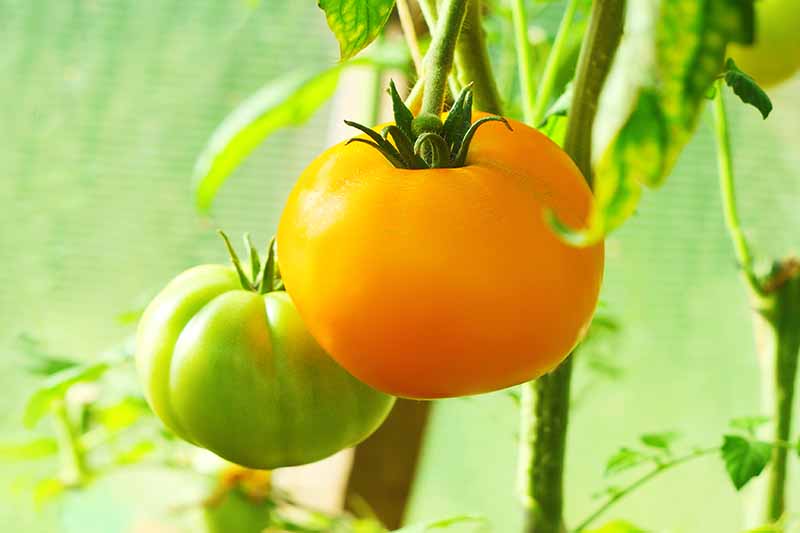
Tips for Growing Hawaiian Pineapple Tomatoes

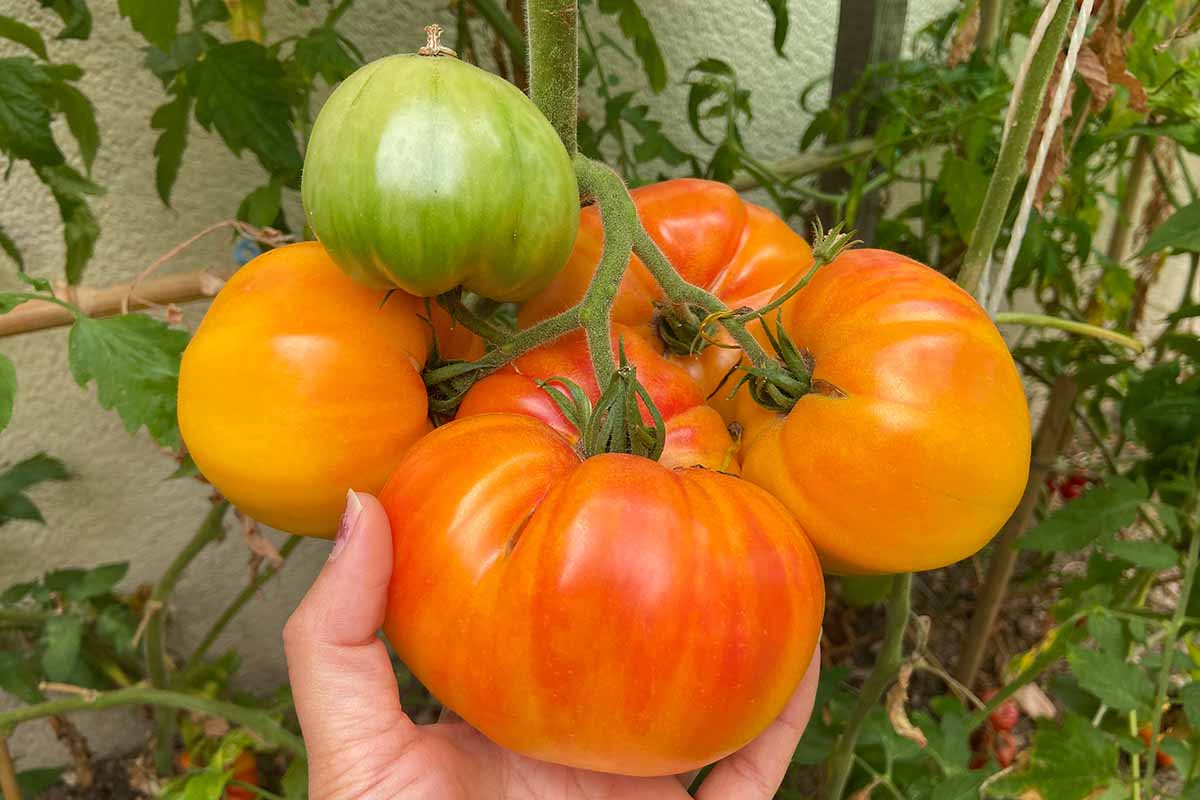
A close up horizontal image of ripe and unripe 'Hawaiian Pineapple' tomatoes growing on the vine.
One of the prettiest, most flavorful beefsteak heirloom tomatoes, ‘Hawaiian Pineapple’ has yellow and red flesh and a sweeter than average flavor. The vigorous vines reach seven feet tall and produce fruits weighing one to two pounds each! With our tips, you can grow your own supply for recipes and to preserve.

How to Plant and Grow Daikon: Add Some Zing to Your Garden

Daikon radish lying on dry soil, with it's leaf tops attached. In the background, more tubers poking out of the soil, ready for harvesting, in bright sunshine.

If you’re looking to add some zing to your fall garden, look no further than the daikon radish. With white roots that can weigh over a pound, these large radishes are low maintenance and easy to grow. While they are widely grown and used in parts of Asia, they can be grown elsewhere. Read more now.

How to Manage Blossom-End Rot in Zucchini

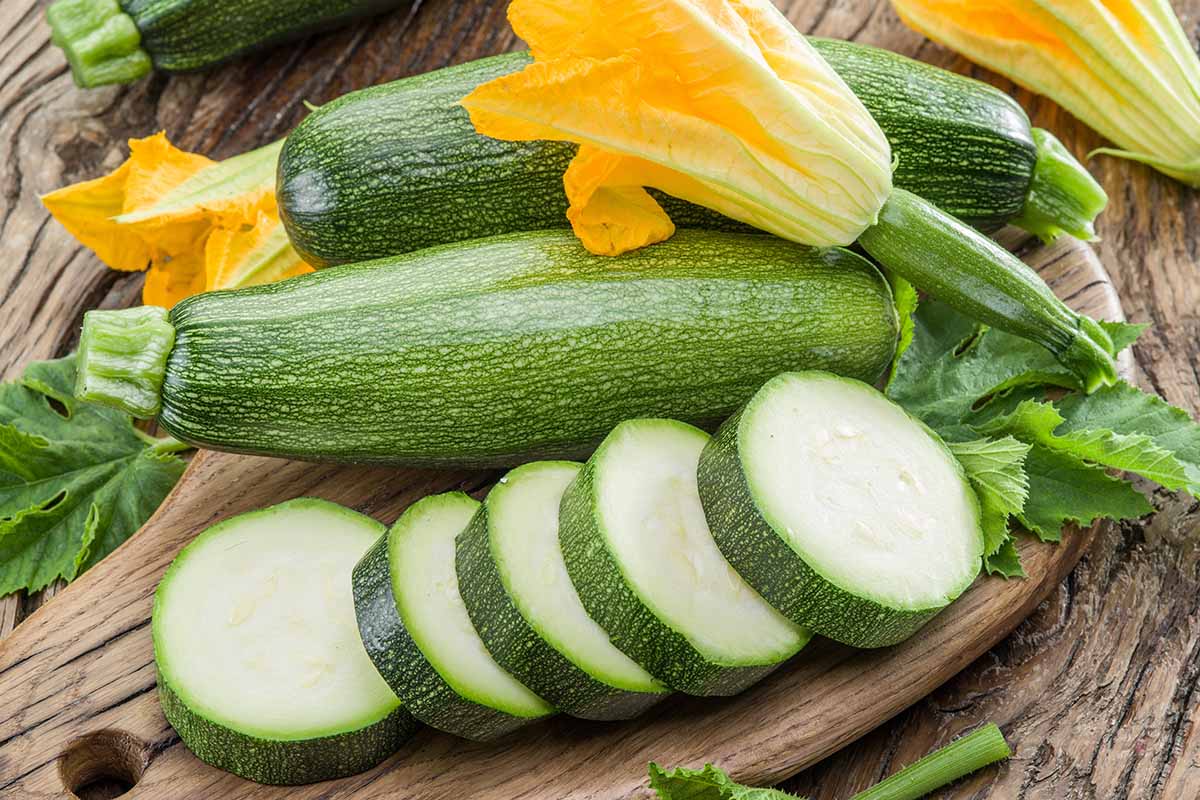
A close up horizontal image zucchini, whole and sliced set on a wooden chopping board.

Zucchini blossom-end rot is a common problem that can ruin ripening fruits and drastically reduce your harvest. The disorder is caused by a calcium deficiency, and adding more calcium to the soil doesn’t really help – but proper watering does. Learn all about zucchini blossom-end rot causes and treatment. Read more now.

How to Grow and Care For Agretti

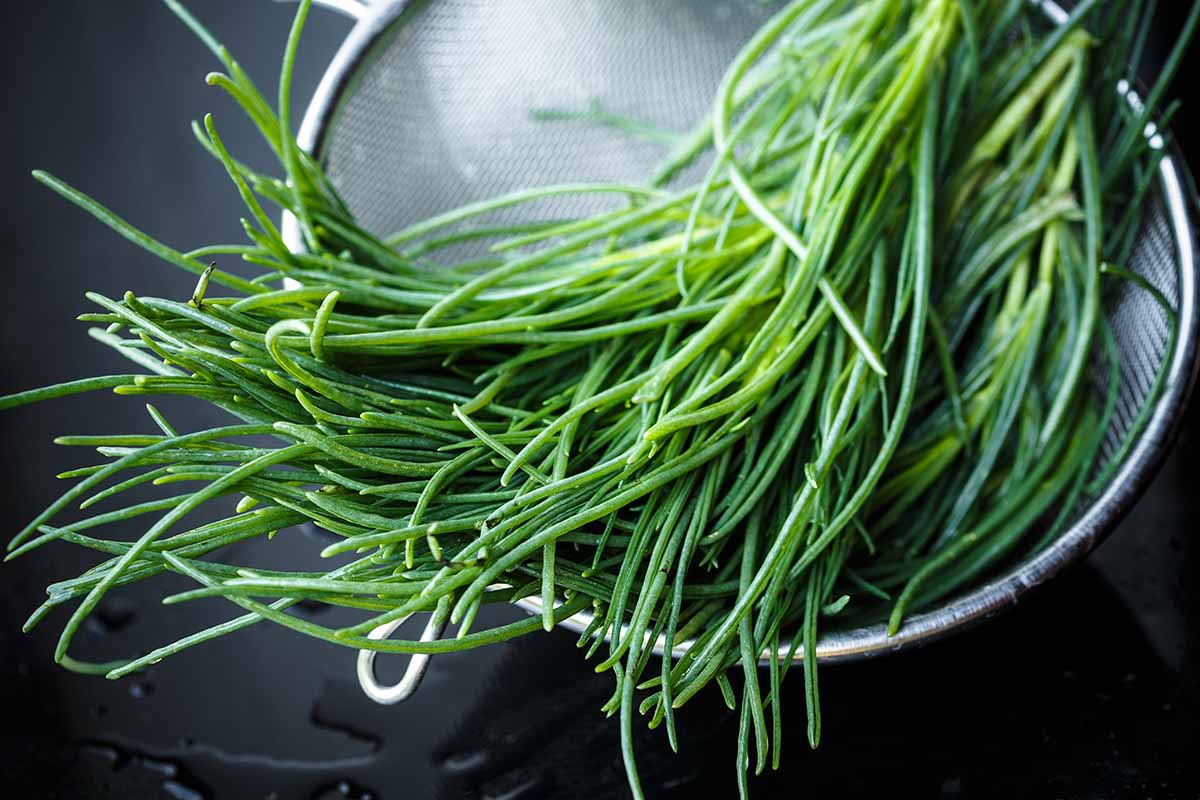
A close up horizontal image of freshly harvested agretti (Salsola soda) in a colander set on a dark surface.

Agretti isn’t well-known as a garden vegetable, but it deserves to be. It’s super flavorful, like a savory mix between seaweed and spinach with a crisp crunch. It’s super easy to grow, with few pests or diseases to worry about. The biggest challenge? Getting the seeds to germinate. This guide will help you succeed.

The Complete Guide to Growing Winter Squash

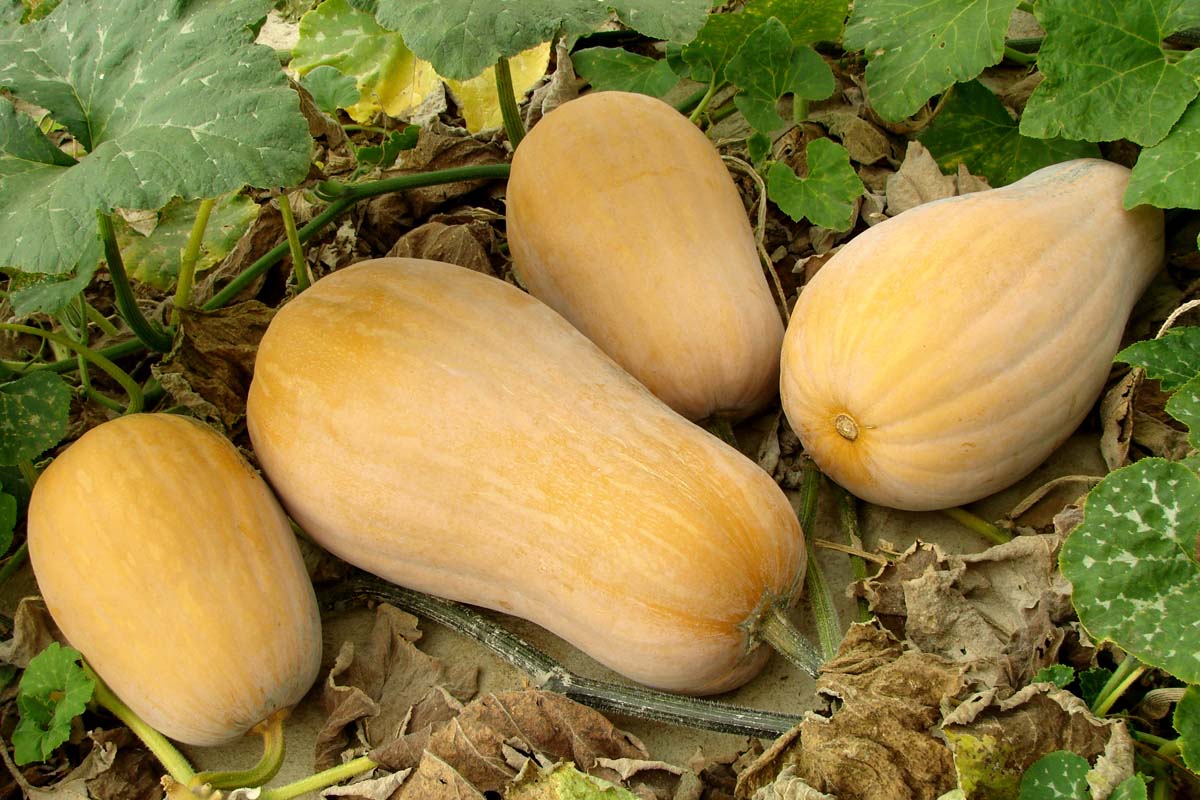
Four butternut squash growing on a green vine with large green leaves, on a bed of dried brown leaves.

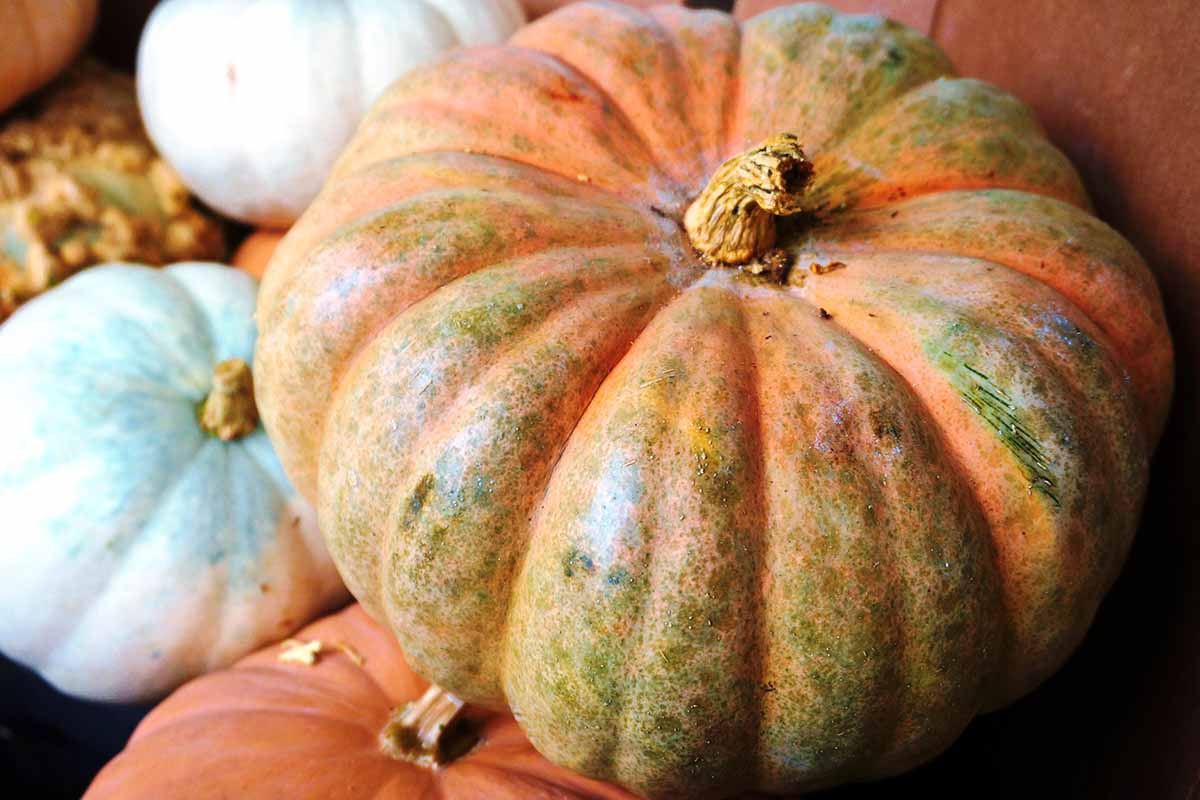
Did you know there’s a solid plan you can follow to ensure that your winter squash produce maximum harvests? Get expert tips for planting, tending, and picking all of your favorite varieties – including butternut, acorn, pumpkin, and spaghetti. Read more now on Gardener’s Path to learn how to grow your own at home.

How to Plant and Grow Peas

A close up horizontal image of pea pods growing in the garden, ready for harvest, fading to soft focus in the background.

From the traditional English shelling pea to the snap peas first introduced in 1979, peas offer home gardeners a reliable source of homegrown food and a crop to grow in the chilly months of early spring. Learn ways to enjoy the harvest and how to keep the plants productive and healthy with tips from our guide.

How to Grow and Care for Rhubarb Plants

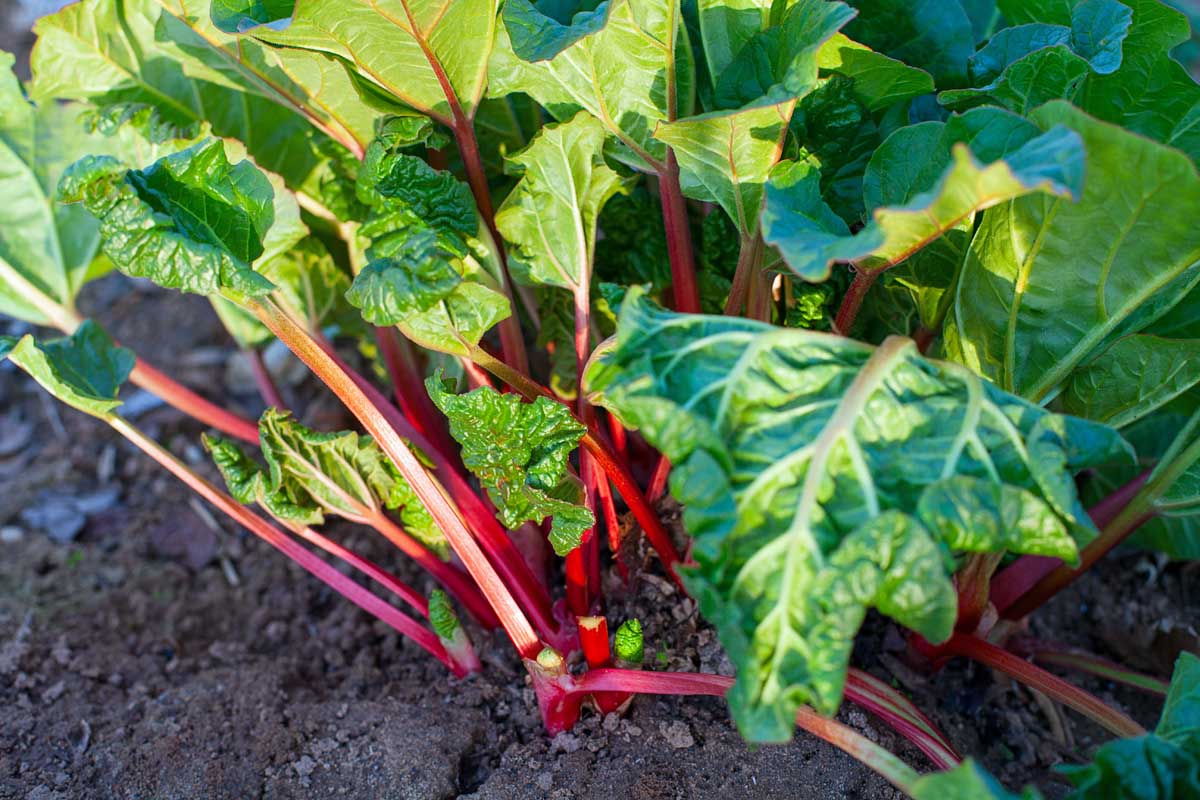
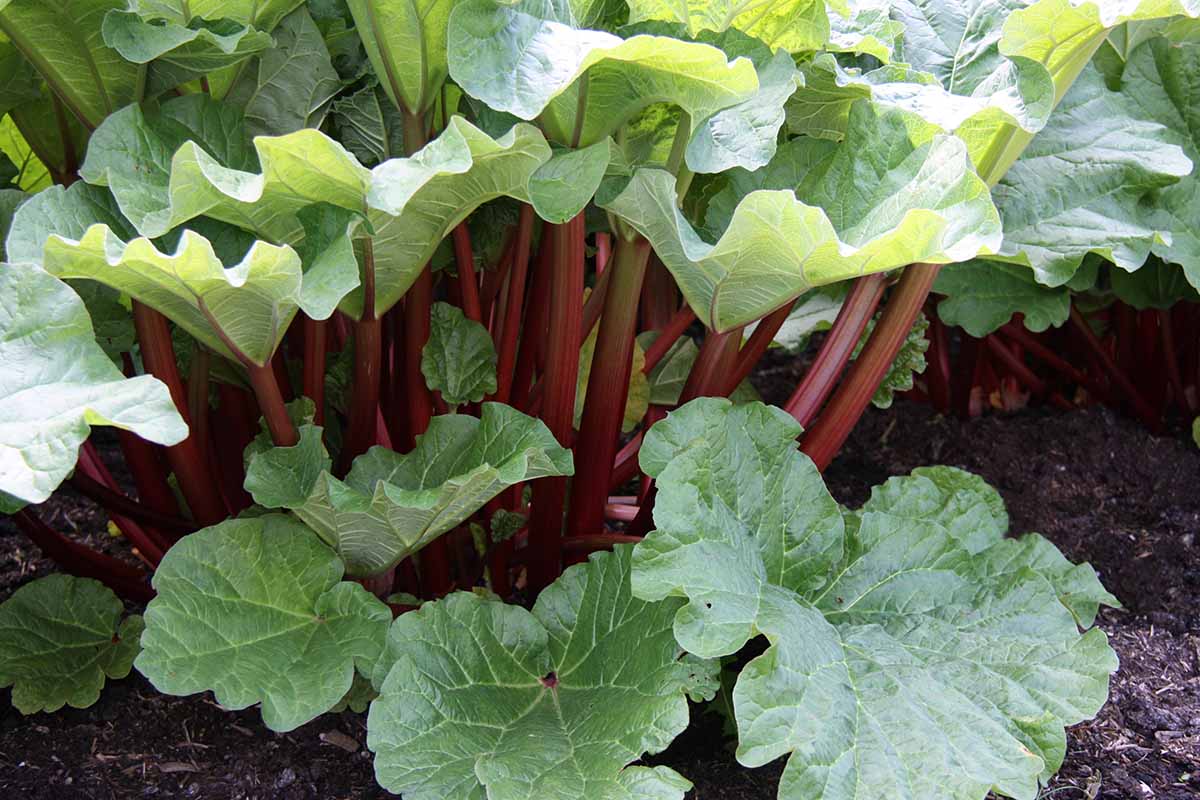
A close up horizontal image of rhubarb growing in the garden with thick, red stalks ready for harvest.

An old-time perennial with handsome foliage, rhubarb’s colorful stalks have a tangy taste that’s ideal for both savory and sweet dishes. Easily cultivated in warm temperatures and moist soil, this reliable veggie is highly productive throughout summer. Find all the details on how to plant and grow rhubarb in this guide.

Tips for Growing Banana Peppers

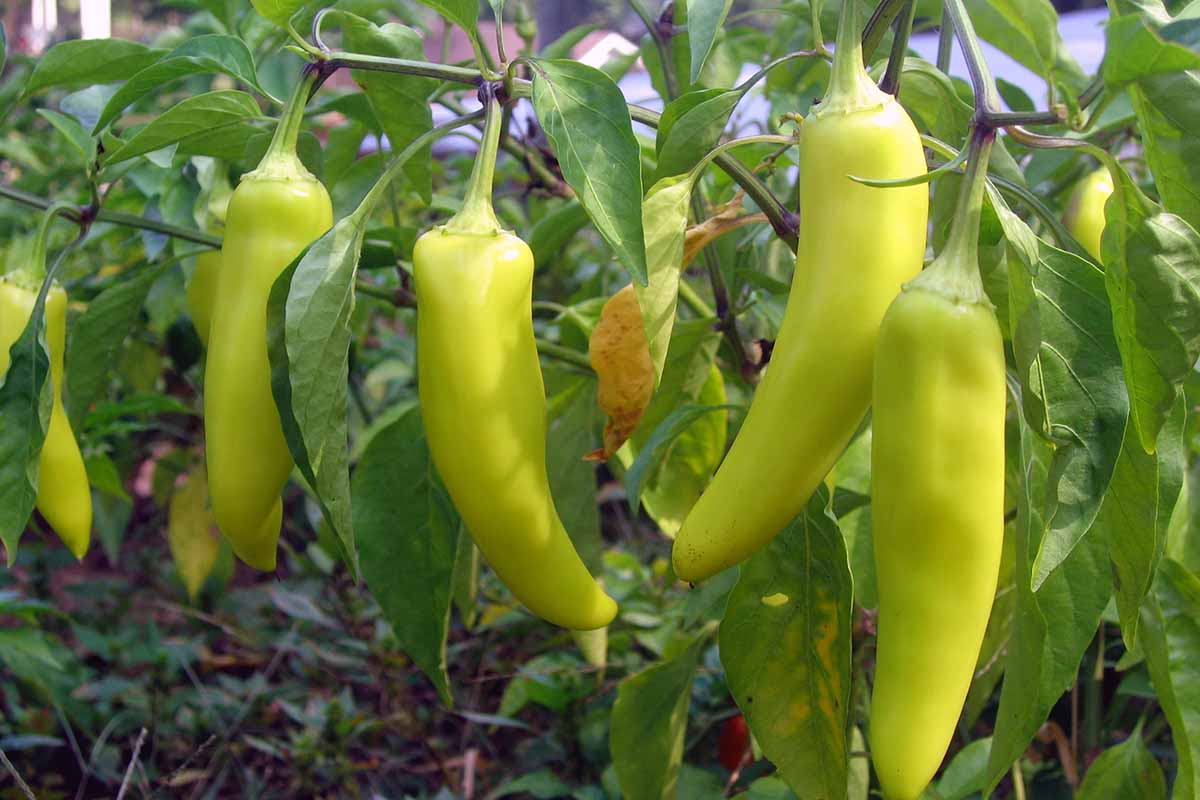
A close up horizontal image of banana peppers growing in the garden, ready for harvest.

Both hot wax Hungarian and mild, sweet varieties are commonly called banana peppers. Either type will produce an abundance of tapered, yellow peppers in record time. From soil prep to sowing, harvest to cooking, our guide covers the best techniques for planting and growing banana peppers in the home garden. Read more.

How to Plant and Grow Wasabi

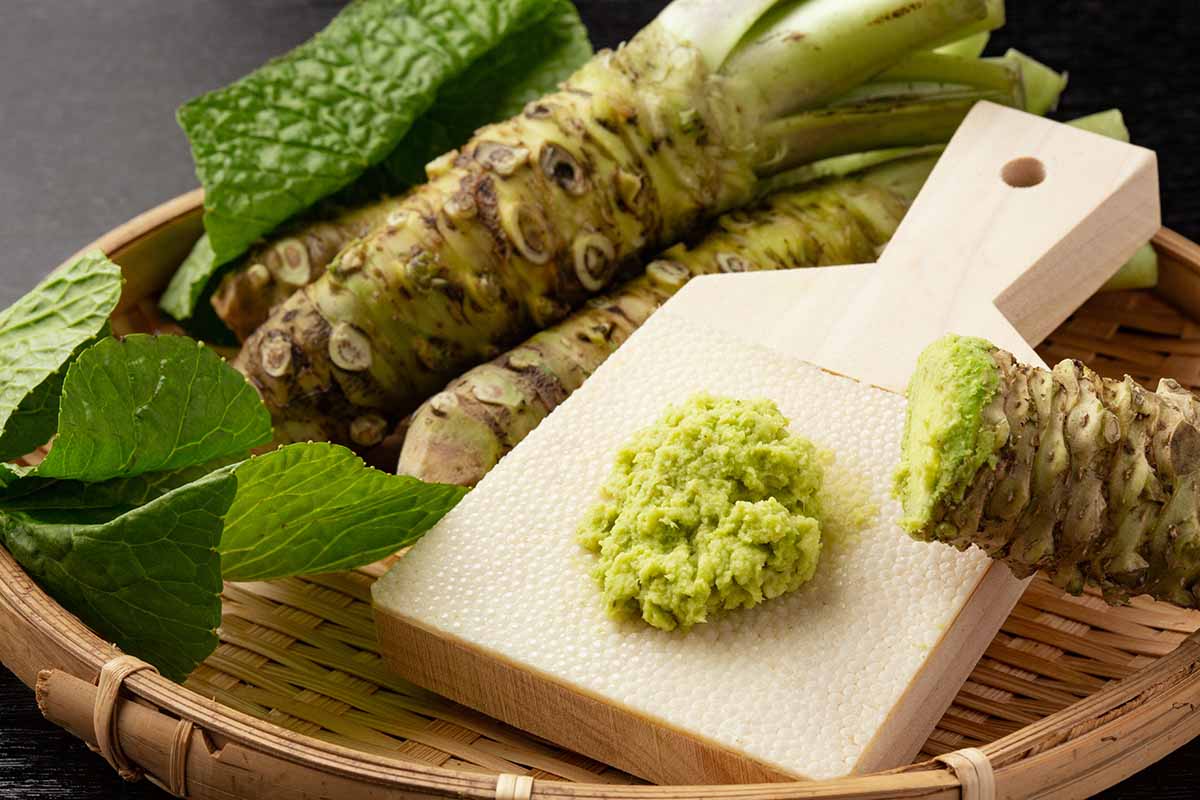
A close up horizontal image of wasabi stems, cleaned and trimmed, set in a wicker basket. To the right of the frame and a stem that has been grated.

If you know, you know. Real wasabi is way better than the neon green horseradish stuff that most sushi restaurants give you. This guide helps you grow wasabi no matter where you live. Learn about planting and care, plus new ways to use fresh wasabi, and how to deal with any problems that pop up along the way.

Tips for Growing Heirloom ‘Kellogg’s Breakfast’ Tomatoes

A close up horizontal image of 'Kellogg's Breakfast' tomatoes growing in the garden pictured on a soft focus background.

Solid orange slicing tomatoes, ‘Kellogg’s Breakfast’ grow on tall vines that need strong cages or stakes. The flavorful heirlooms produce one- to two-pound fruits in mid- to late summer. Our guide covers the traits that make this beefsteak a home cook and gardener’s favorite, and we share growing tips for top yields.

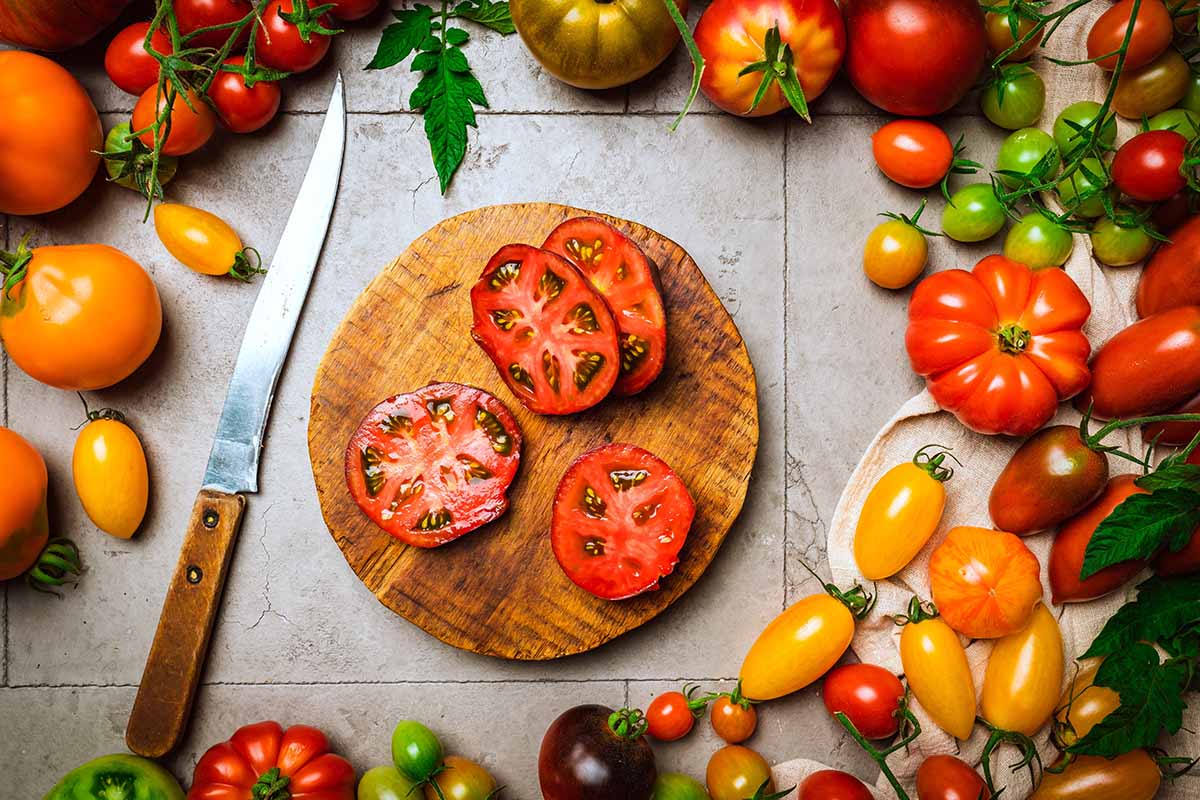
How Does Color Impact Tomato Flavor?

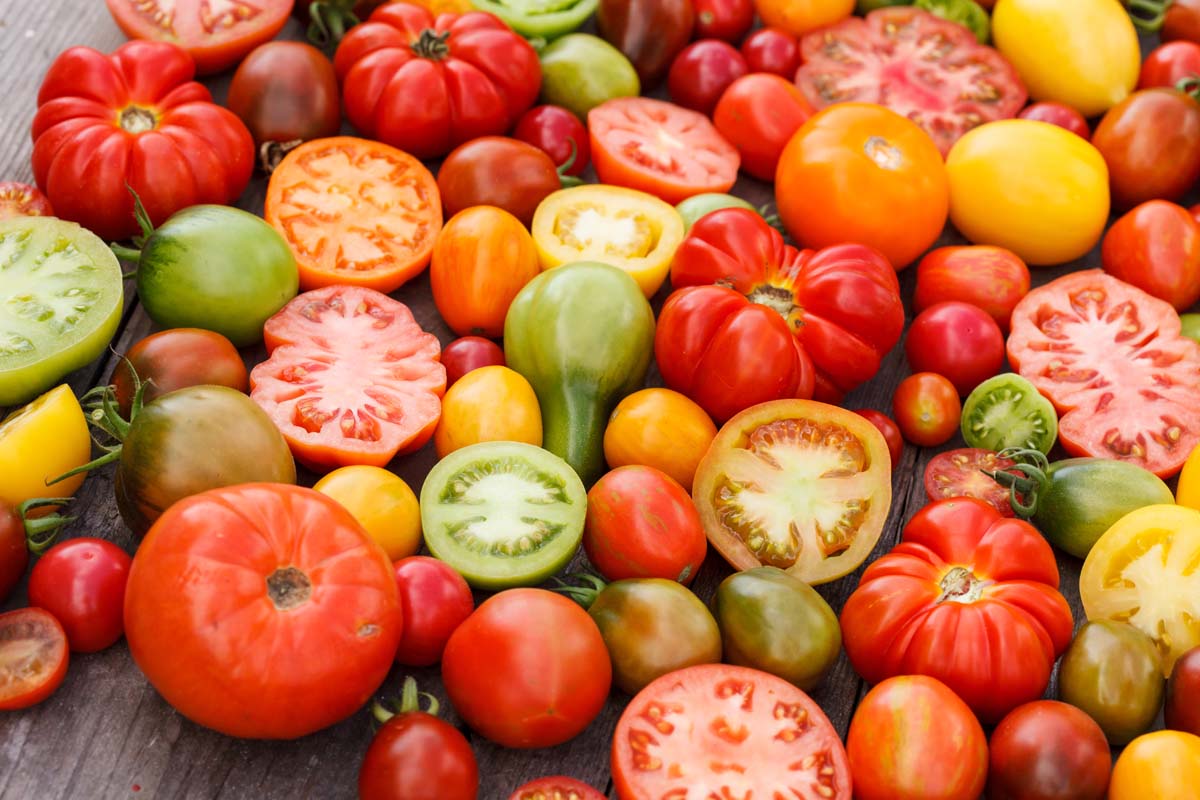
A close up horizontal image of a wide variety of different tomatoes, both sliced and whole, in different colors and sizes.

Tomatoes come in a huge range of colors and flavors, and the pigment influences how a tomato tastes. Black ones are complex and smoky, reds offer a balance of sweetness and acid, and yellows are mostly sweet. This guide explains how color impacts flavor so you’ll know what to expect when you pick up that striped fruit.

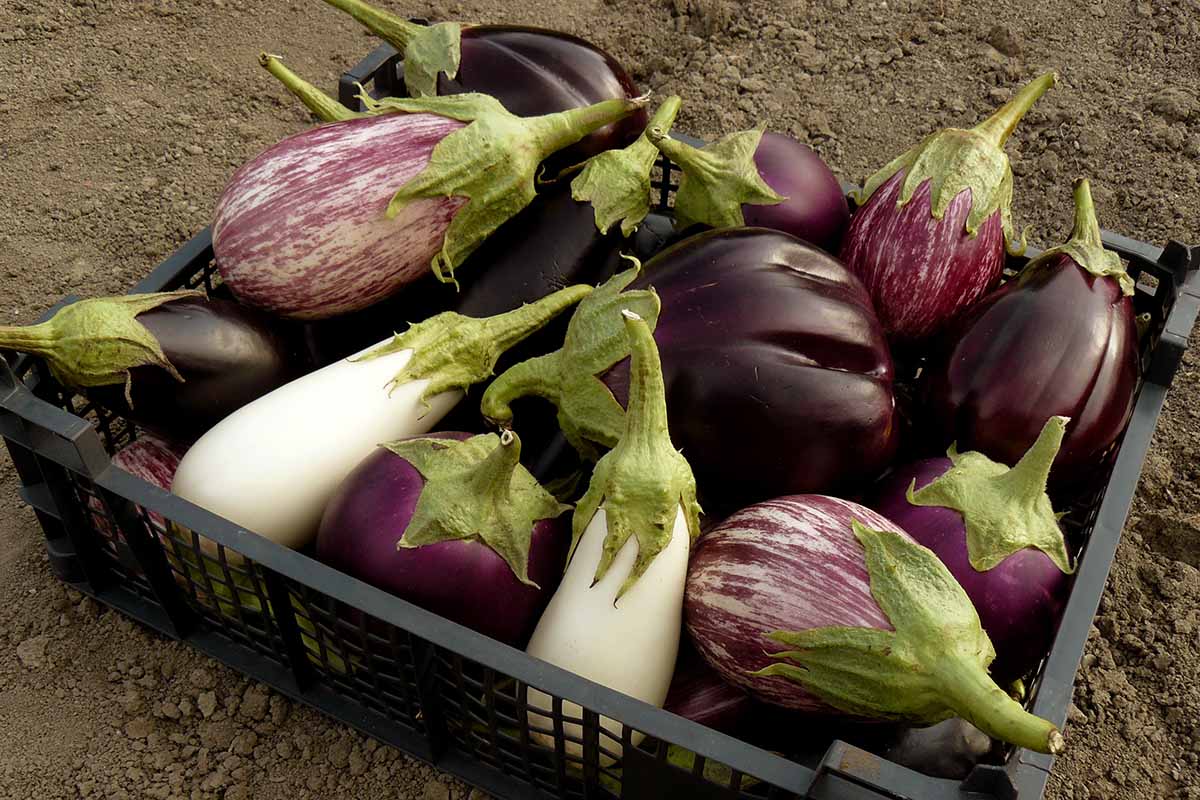
15 of the Best Italian Eggplant Varieties

A close up horizontal image of freshly harvested Italian eggplants in a variety of colors in a plastic tray.

Eggplant is a warm weather crop for USDA Hardiness Zones 4 to 10. When you grow your own, you can provide your family with unique varieties in a range of shapes and colors. Italian eggplants feature thin skins and fewer seeds than the types found in most grocery stores. Discover 15 of the best Italian varieties now.
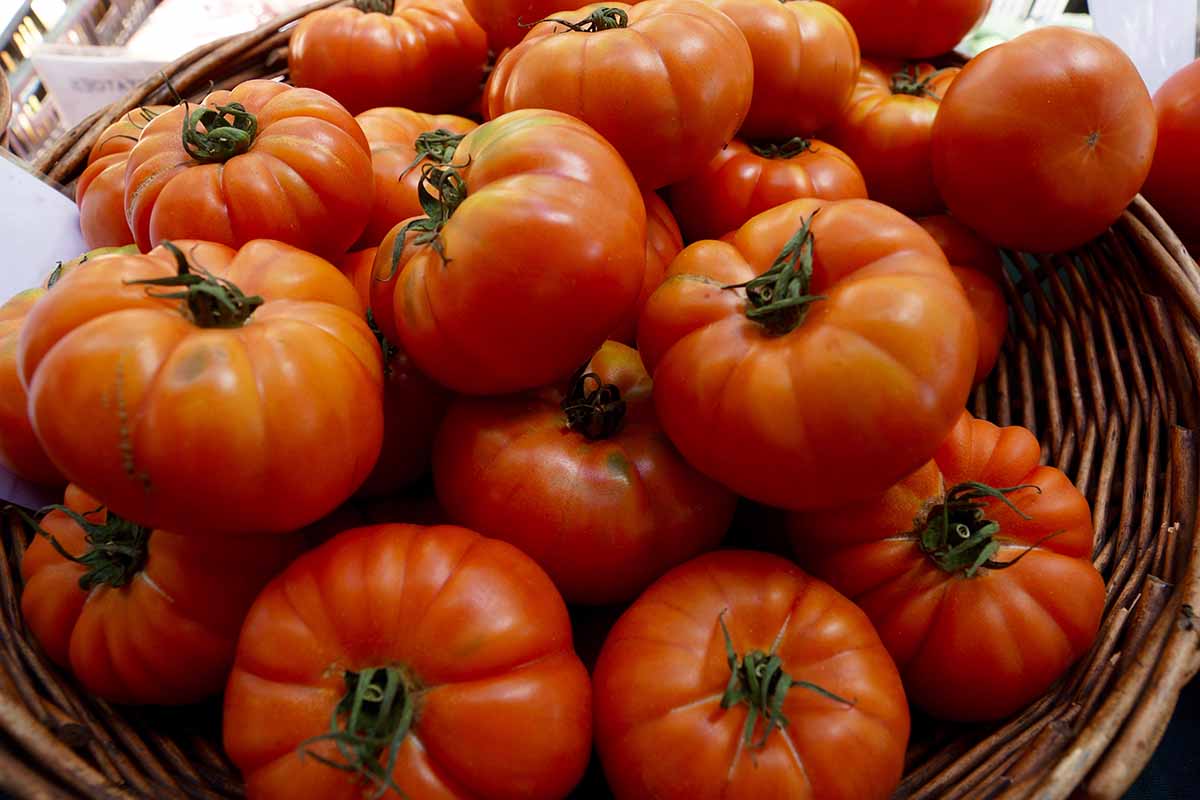
How to Plant and Grow ‘Costoluto Genovese’ Tomatoes

A close up horizontal image of a pile of freshly harvested, ripe red 'Costoluto Genovese' tomatoes in a wicker basket.

‘Costoluto Genovese’ offers intense flavor in an Italian canning tomato you can enjoy fresh in BLTs or caprese salad, too. This heirloom has a distinct lobed shape and bright red fruits with a high acid content. With our guide, you can harvest dozens of tasty tomatoes from each plant in your home garden.

15 of the Best Companion Plants for Beets

A close up horizontal image of beets growing in the garden ready for harvest.

It’s a party in the garden with our “beet buddies” guide. We’ve compiled our favorite choices for the best planting companions for beets, from broccoli and brussels sprouts to onions and radishes. You’ll also find a quick overview of the ideal conditions for growing beets and the best time to start planting. Read more.

How to Pick and Harvest Spinach

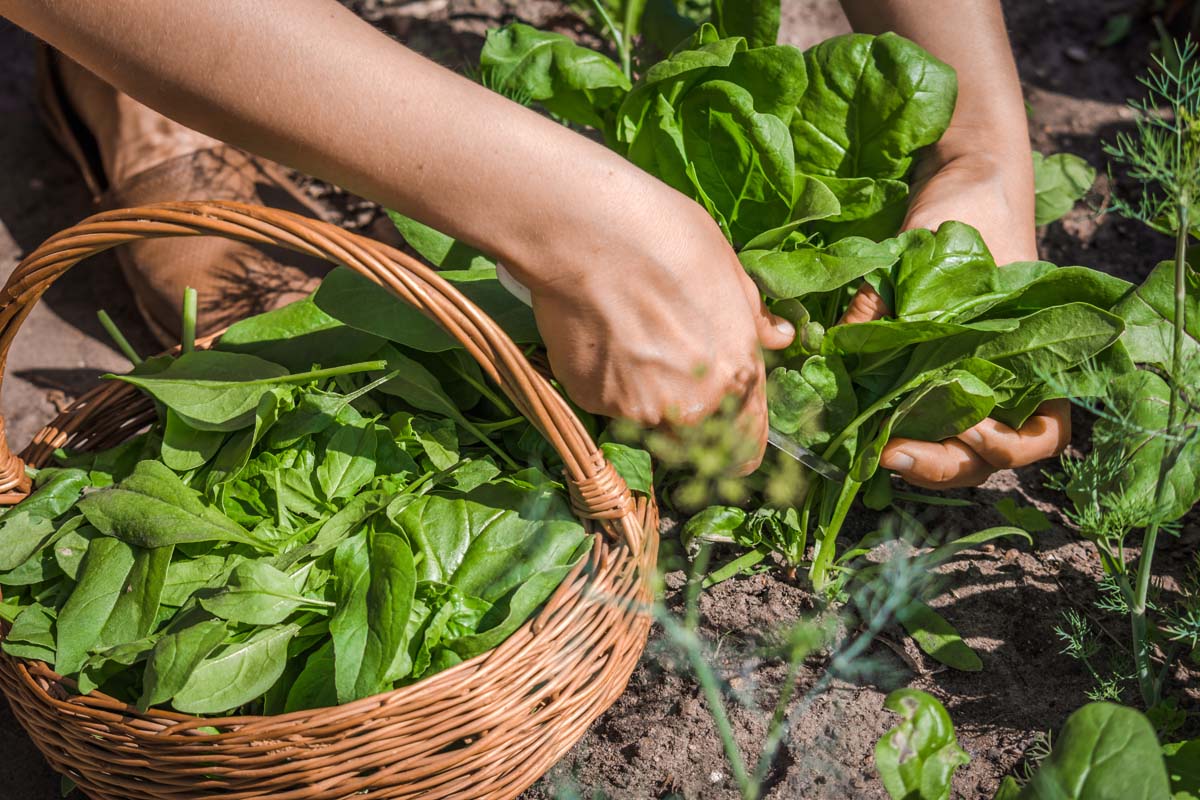
A close up horizontal image of two hands from the left of the frame cutting leafy green vegetables from the garden.

Spinach is a delicious cool weather crop and an excellent leafy green to include in your backyard garden. Whether your plans for your harvest include fresh spring salads or warming autumn stir fries, picking spinach in the right way can ensure a continual harvest. Ready to learn when and how to harvest spinach? Read more now.
Learn How to Plant and Grow Scrumptious Summer Squash

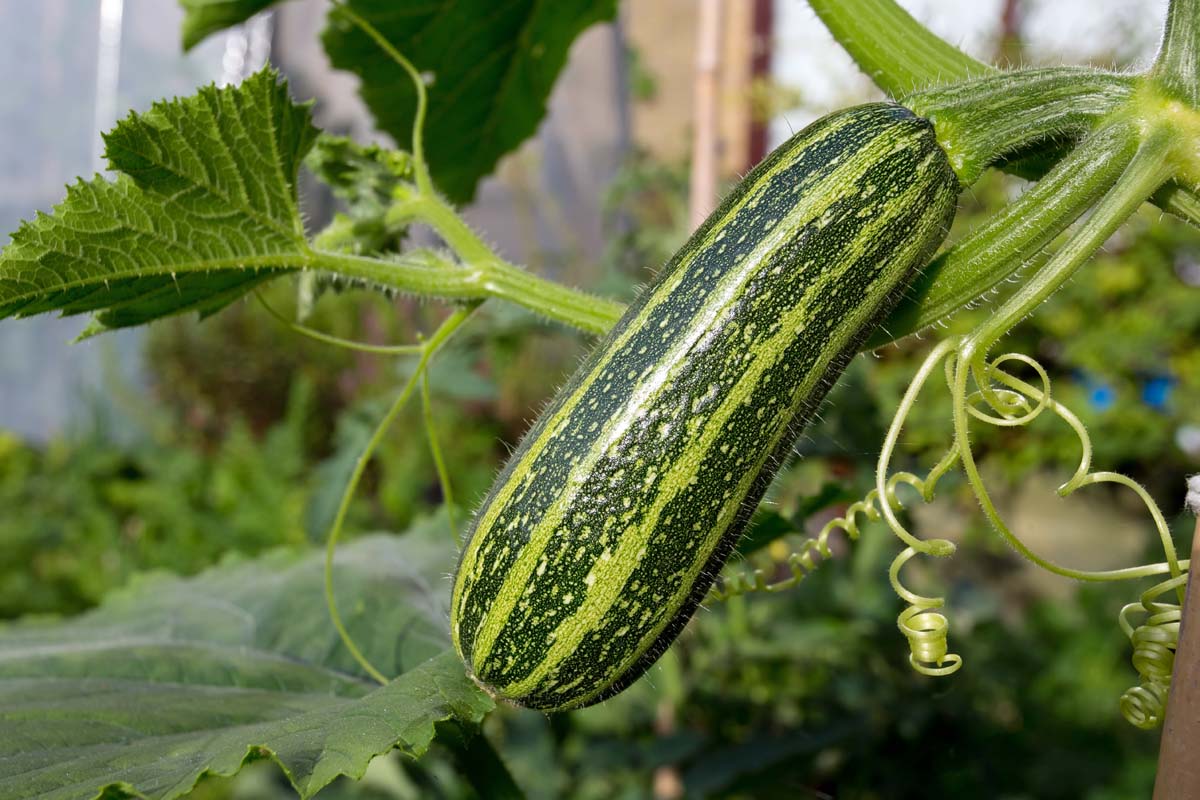
A zucchini with light and dark green stripes grows in the garden, on a plant with thick stems and large leaves.

Summer squash is a delectable addition to most any recipe. But do you know how to provide the best growing conditions for your crop? Whether you choose zucchini, yellow crookneck, or another variety, our growing guide will teach you how to achieve a bigger and better harvest this year. Read more now on Gardener’s Path.

How to Plant and Grow Tomatoes in Clay Soil

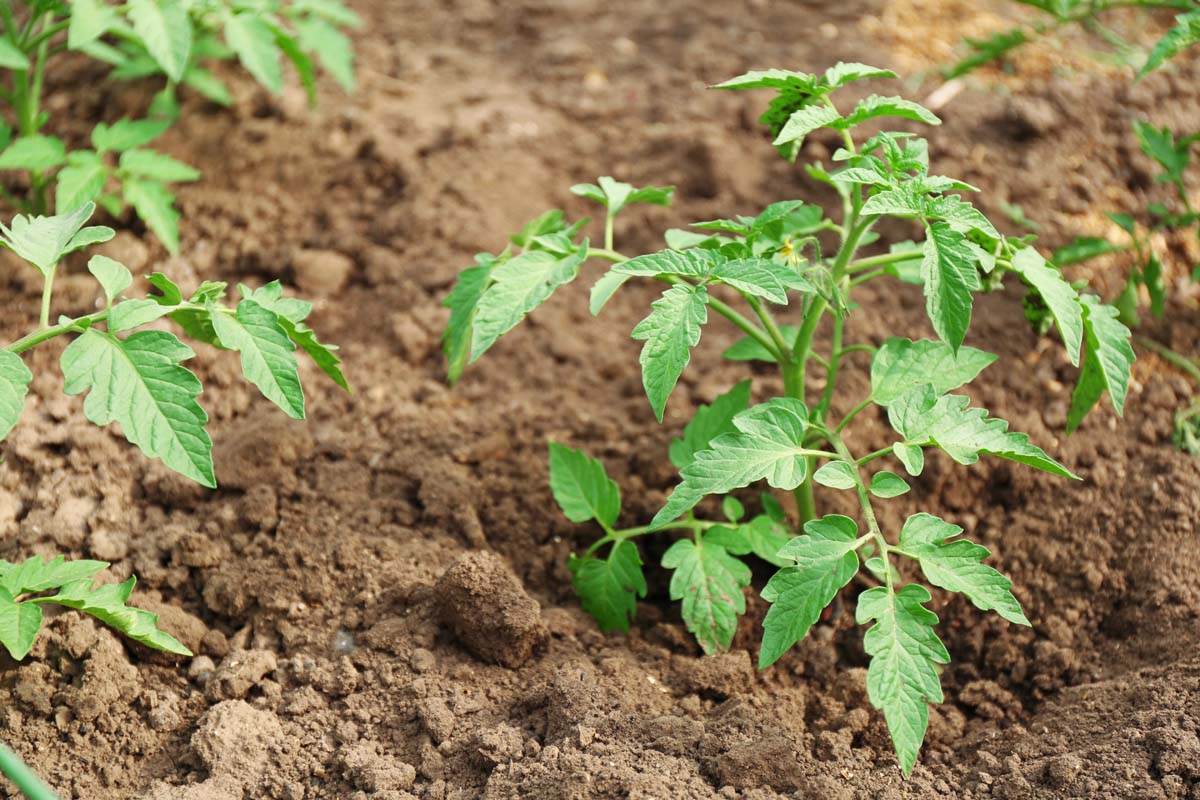
A close up of small tomato seedlings growing in dense soil amended with organic material.

Think tomatoes won’t thrive in clay soil? Here’s where we shatter that gardening myth. Even clay can’t stop a determined vegetable gardener from growing a bounty of tomatoes. The strategies for producing top yields and great flavor from tomatoes grown in heavy soil start with soil prep, and end at harvest. Read more.

What’s the Difference Between Male and Female Asparagus Plants?

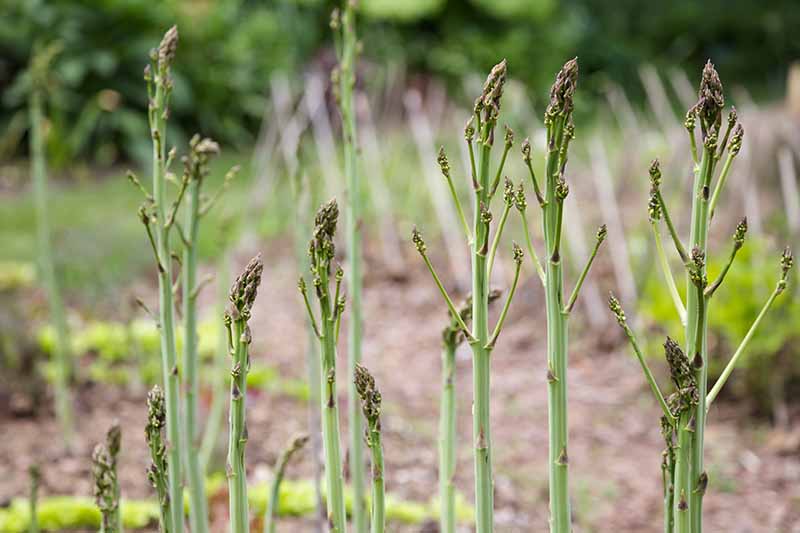
Young asparagus spears growing in the garden showing the bright green stalks and slightly darker heads, with a garden scene in soft focus in the background.

Asparagus, the reigning edible perennial of the backyard vegetable garden, has both male and female plants. But how does this affect the way you grow and harvest these delicious spring veggies? Keep reading to learn more about the difference between male and female asparagus plants – and why it matters.

How to Keep Kale from Wilting in the Garden

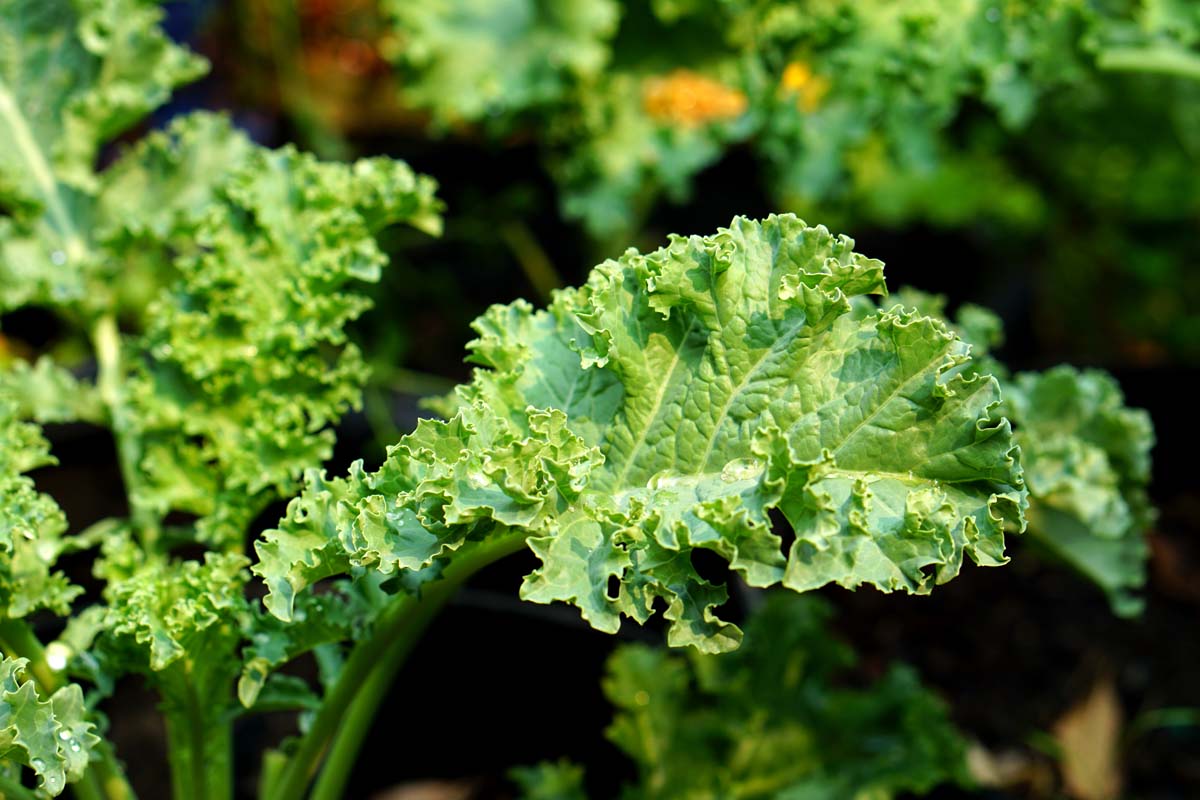
A close up horizontal image of kale growing in the garden pictured in light autumn sunshine on a soft focus background.

Have you had trouble with your kale plants wilting, and wondered how to end this floppy foible? Check out our complete guide to preventing this droopy problem. You’ll learn about timing, fertilization, water requirements and more. And soon you’ll rejoice at seeing your veggies standing strong. Read more now.
How to Plant and Grow Delicata Squash

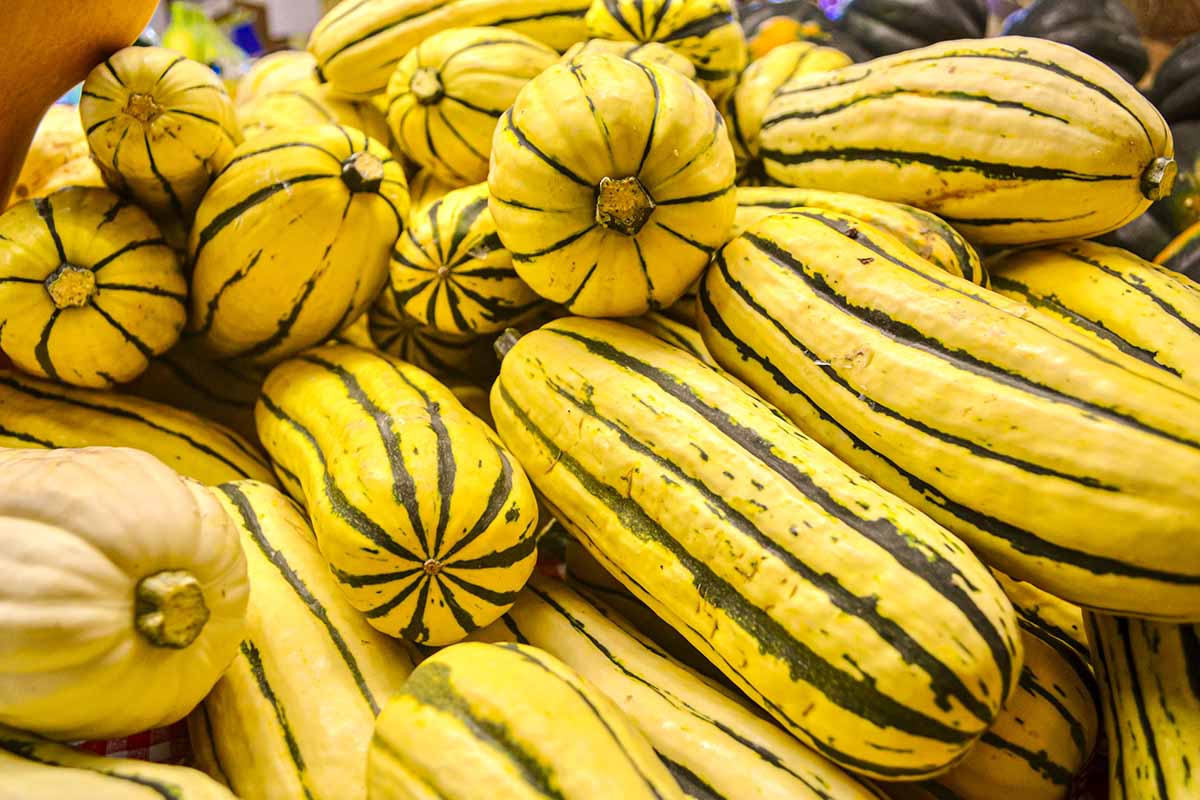
A close up horizontal image of a pile of 'Delicata' squash at a grocery store.

‘Delicata’ squash is delicate and delicious when it comes to the texture and flavor, but there’s nothing delicate about it in the garden. It’s disease-resistant and resilient, and one plant will give you a massive harvest. Learn about planting, caring for, and using up all your glorious ‘Delicata’ squash in this guide.

Smoother Skin from the Garden? Learn How to Grow Loofah

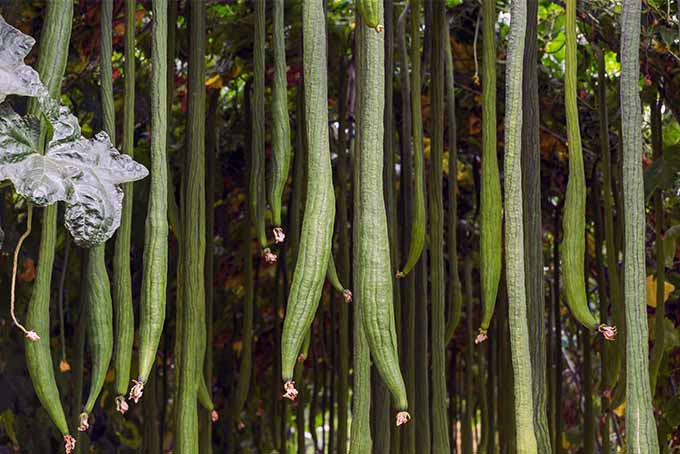
You can grow luffa squash to eat or to turn into sponges | GardenersPath.com

What if you could grow a plant that can give you smooth skin and that doubles as a powerful household cleaning tool? Loofah sponges can be one of the most rewarding garden harvests, and it’s possible to make your own with the fruits of a special gourd. Read more at Gardener’s Path.

9 of the Best Companion Plants to Grow with Zucchini

A horizontal image of a gardener holding a freshly harvested, single green zucchini pictured on a soft focus background.

Companion planting can reduce the need for chemicals to keep your garden happy. They can repel pests, add nutrients to the soil, and provide other benefits. The wrong plants can do the opposite, attracting bad bugs, depleting the soil, and wreaking havoc. Here are the best and worst companion plants for zucchini.

How to Plant and Grow Calabaza Squash

A close up horizontal image of a harvested and cured calabaza squash in a pile in storage.

Looking for a squash that produces massive fruits that are full of dense, sweet flesh? How about one that is resistant to disease and thrives in hot temperatures? It’s time to learn more about delicious calabaza squash, an heirloom type that originated in South America and is gaining in popularity. Read more now.
Growing Lovage: An Uncommon Herb with Many Uses

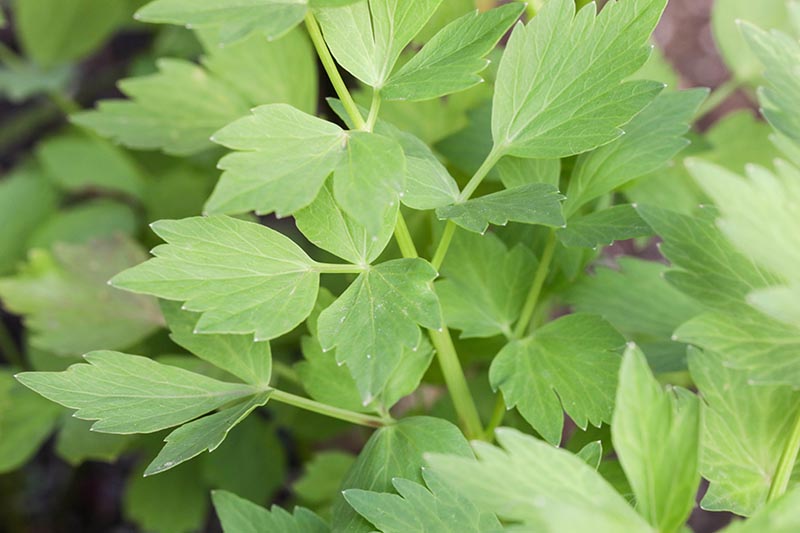
A close up of the foliage of a young Levisticum officinale plant on a soft focus background.

Lovage doesn’t get the attention in the home garden that it deserves. Its flavor is fresh and herbal, and cultivation is fuss-free. It self seeds without being invasive and attracts beneficial insects. It also has some medicinal properties. What’s not to love? Read more now to learn how to grow and care for lovage.

11 of the Best Companion Plants to Grow With Okra

A close up horizontal image of okra pods developing on the plant pictured on a soft focus background.

Okra is easy to grow, but you can increase its yield and keep the plants healthier by sowing it next to compatible flowers and vegetables. We present 11 top okra companion plants, including basil, oregano, beans, snap peas, and cayenne peppers. Try companion planting now for better yields and fewer pests.

How to Plant and Grow Parsnips

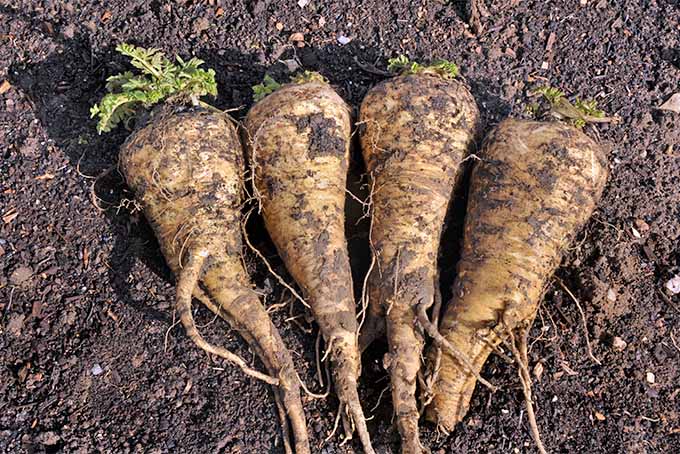
Four dirt-covered parsnips arranged in a row on brown soil in bright sunshine.

Hardy parsnips, a root crop similar to carrots, can be harvested throughout fall and winter. Slightly sweet and rich in flavor, they’ll liven up soups, stews, and casseroles. To find out everything you need to know to grow this delicious but underutilized vegetable in your garden, read more now on Gardener’s Path.

How to Plant and Grow Bok Choy

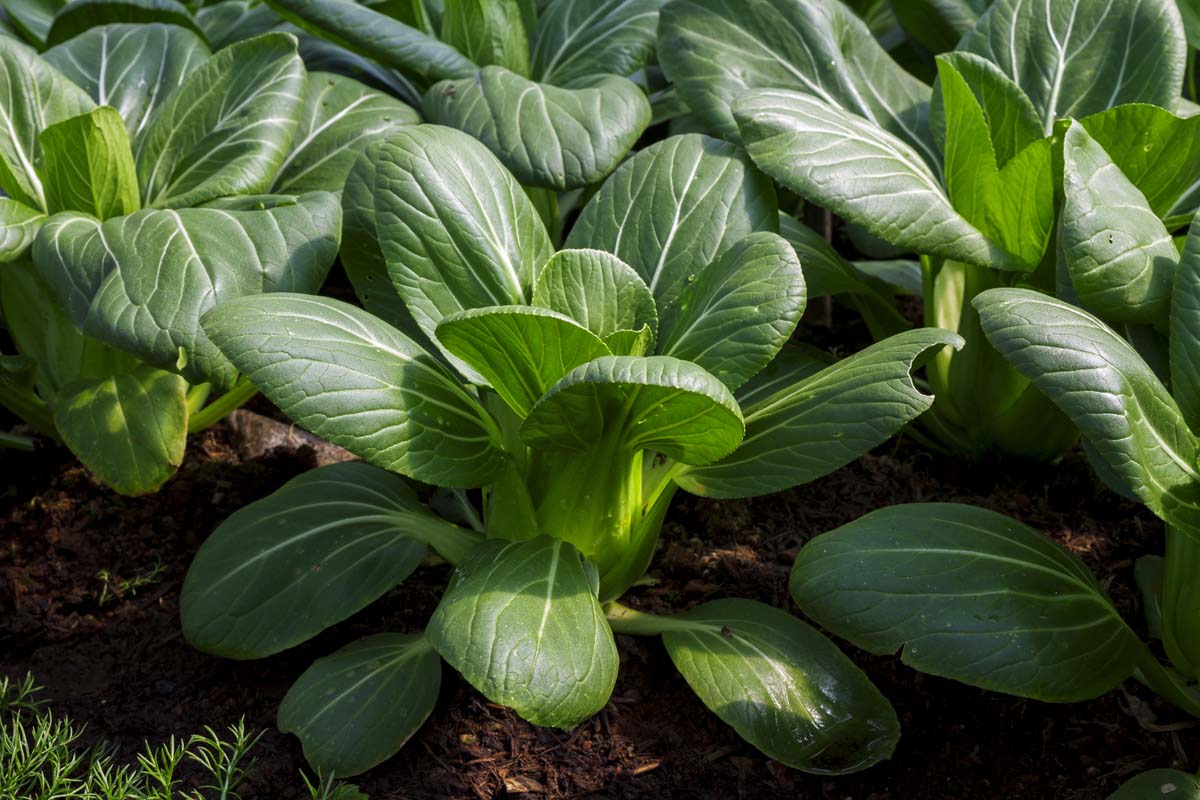
A close up of bok choy plants in the garden, their dark green leaves contrasting with the lighter veins and stems, in bright sunshine.

Why not add this easy to grow, delicious vegetable to your cool-weather garden this season? Popular in stir-fries, with delicate leaves and crisp white stems, bok choy is a versatile ingredient in the kitchen – and packs quite the nutritional punch. Learn how to plant and grow bok choy in your garden. Read more now.
How to Plant and Grow Arugula in Your Veggie Patch

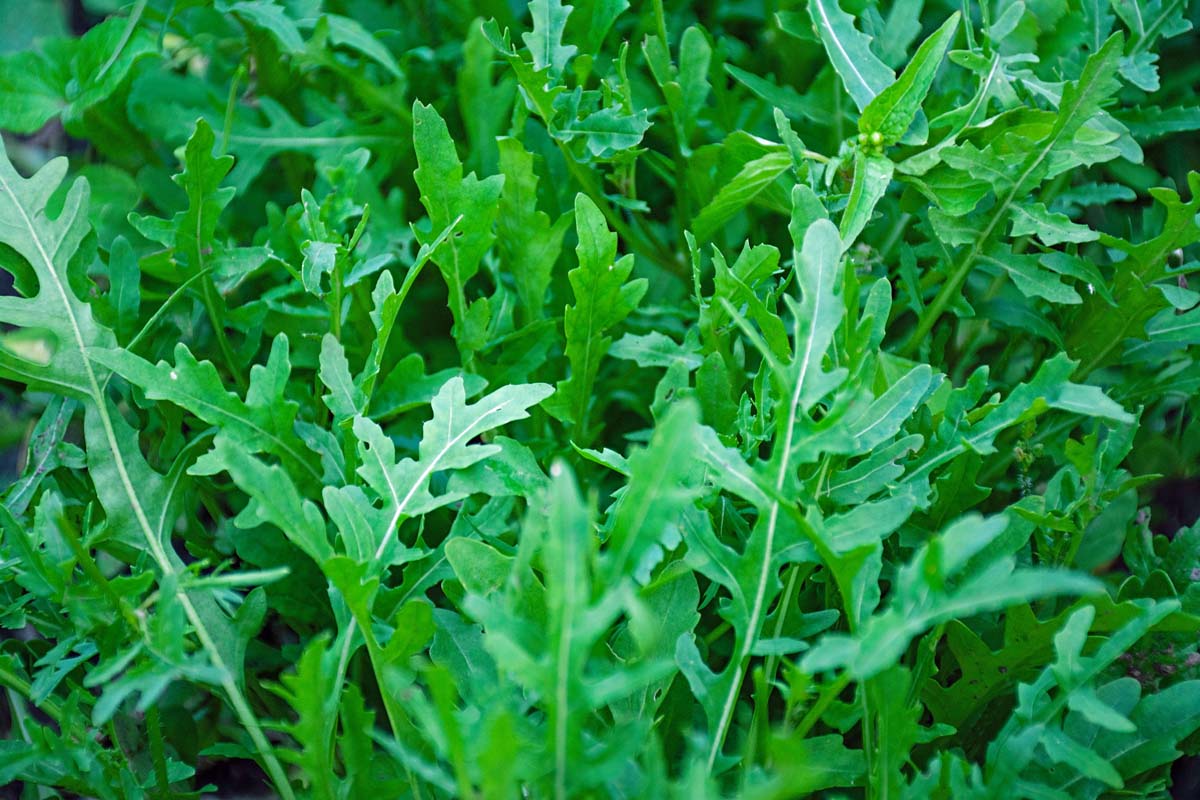
Close of green arugula growing in a veggie garden.
Zesty, nutritious, and delicious, Arugula is a “don’t miss” crop for the garden. This straightforward salad green is easy to grow, takes very little space, and is ready to eat in just a few short weeks! Learn all about growing and harvesting arugula now.

How to Grow and Care for Ornamental Flowering Kale

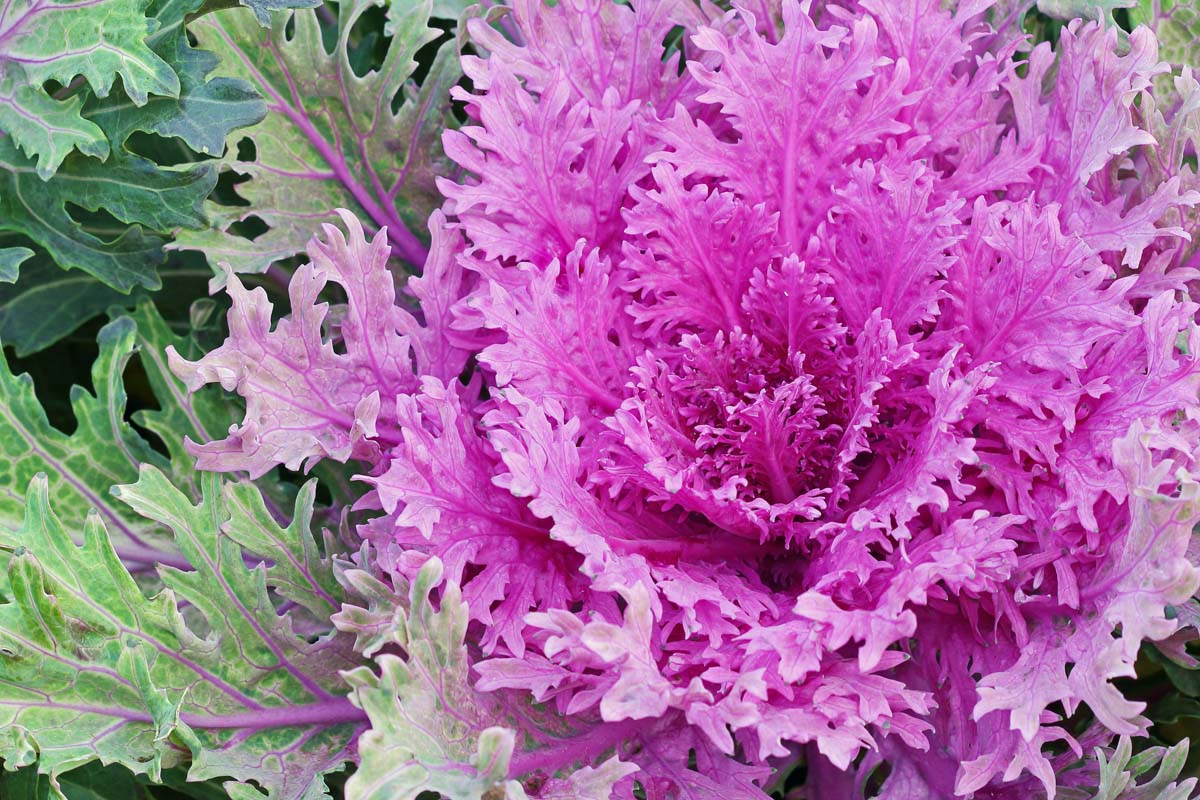
A close up of dramatic purple leaves of an ornamental kale plant with delicate frilly leaves.

Flowering kale is an excellent choice when you want to add vibrant color and texture to cool weather gardens. Read on for easy cultivation and care instructions, a list of varieties to choose from, and recommended companion plantings. Join us as we explore growing ornamental kale and add some color to your garden.

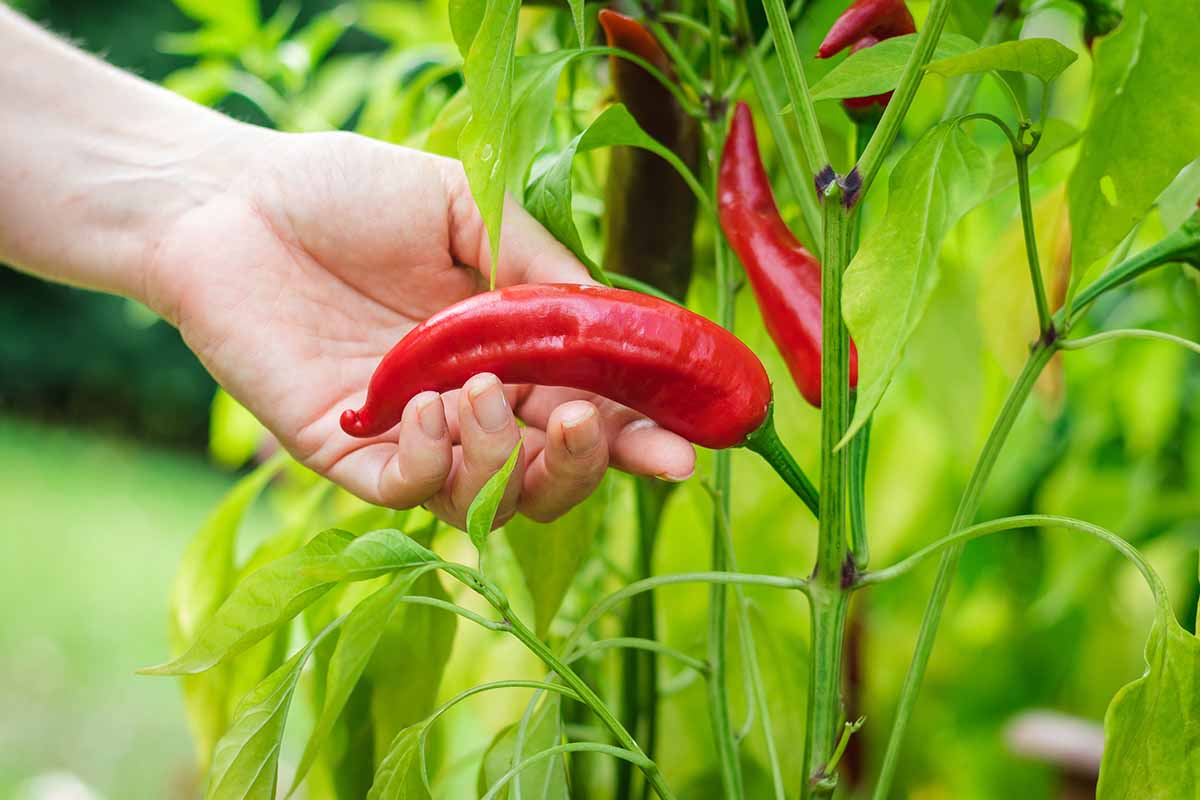
How to Plant and Grow Hot Peppers

A close up horizontal image of a hand from the right of the frame, harvesting a ripe red hot pepper from the garden.

Would you pick spicy over sweet any day of the week? Do you bypass the bells and buy handfuls of habaneros instead when you head to the grocery store? When someone warns you their stuffed jalapenos are spicy, do you chuckle? If you’re someone who likes it hot, learn about growing and raising chili peppers in our guide.

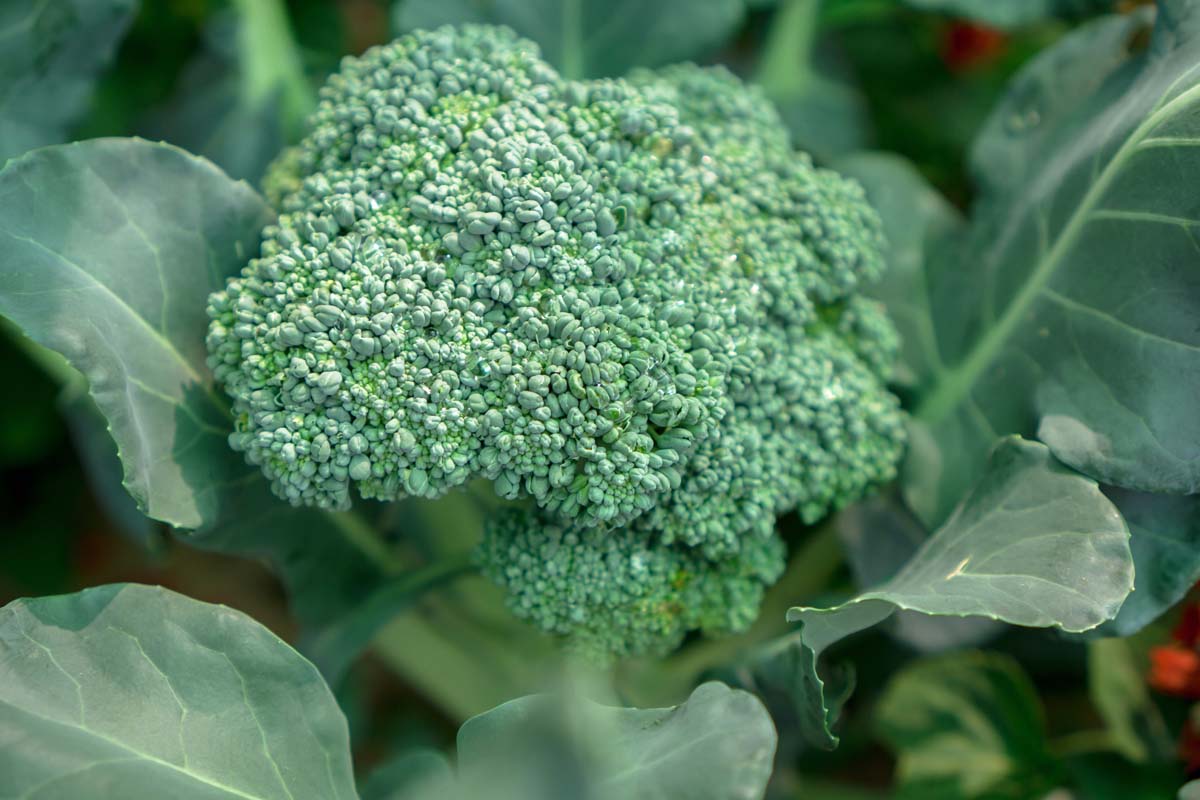
How to Plant and Grow Broccoli

A close up horizontal image of a head of broccoli growing in the garden ready for harvest.

Would you like to grow broccoli, but aren’t sure how? Read on for the best instructions for cultivating this nutritious cool weather crop in your garden. See if a spring or fall planting suits your climate and learn the secrets to getting several harvests from one plant. Learn more about broccoli in this guide.

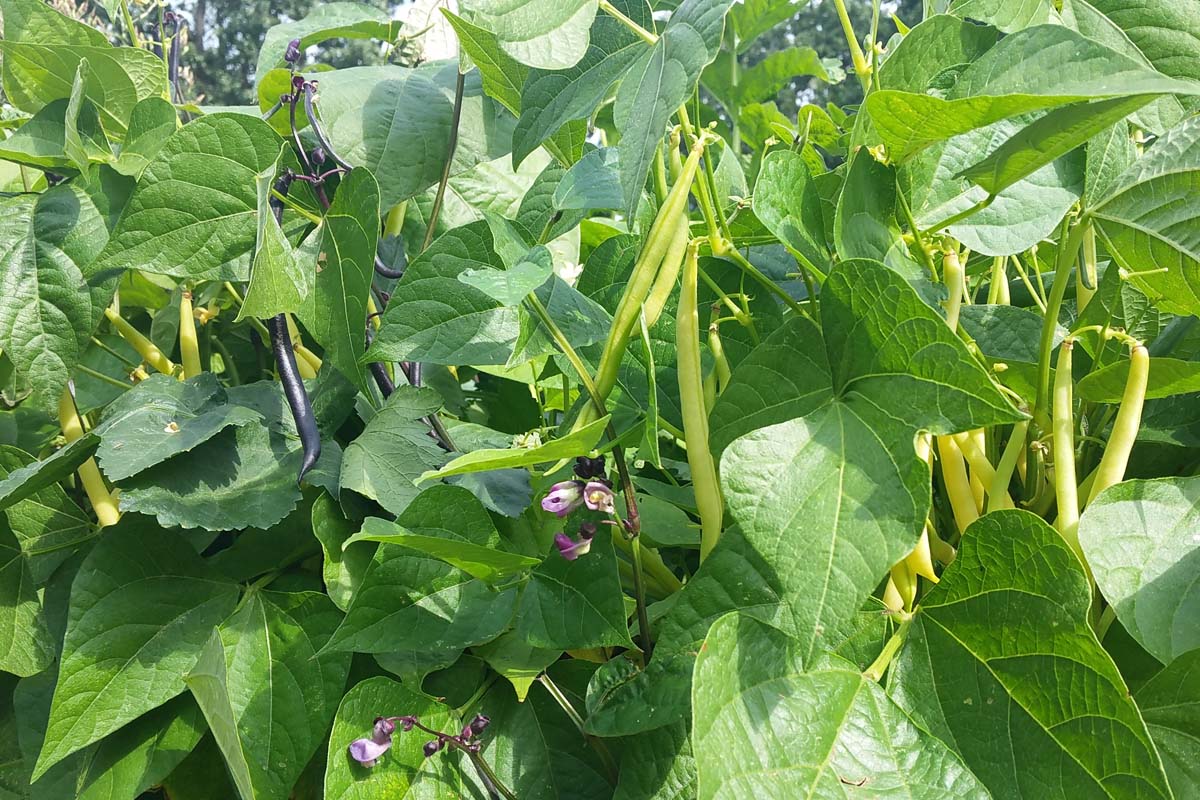
How to Plant and Grow Bush Beans

A close up of a bush bean plant growing in the garden, ready for harvest, pictured in sunshine.

Are you ready to harvest baskets full of homegrown bush beans, from your own backyard? These summer vegetables are easy to grow and so delicious when they are picked fresh from the garden. Read on to learn everything you need to know about growing your own bush beans, from sowing seeds all the way to harvest time.

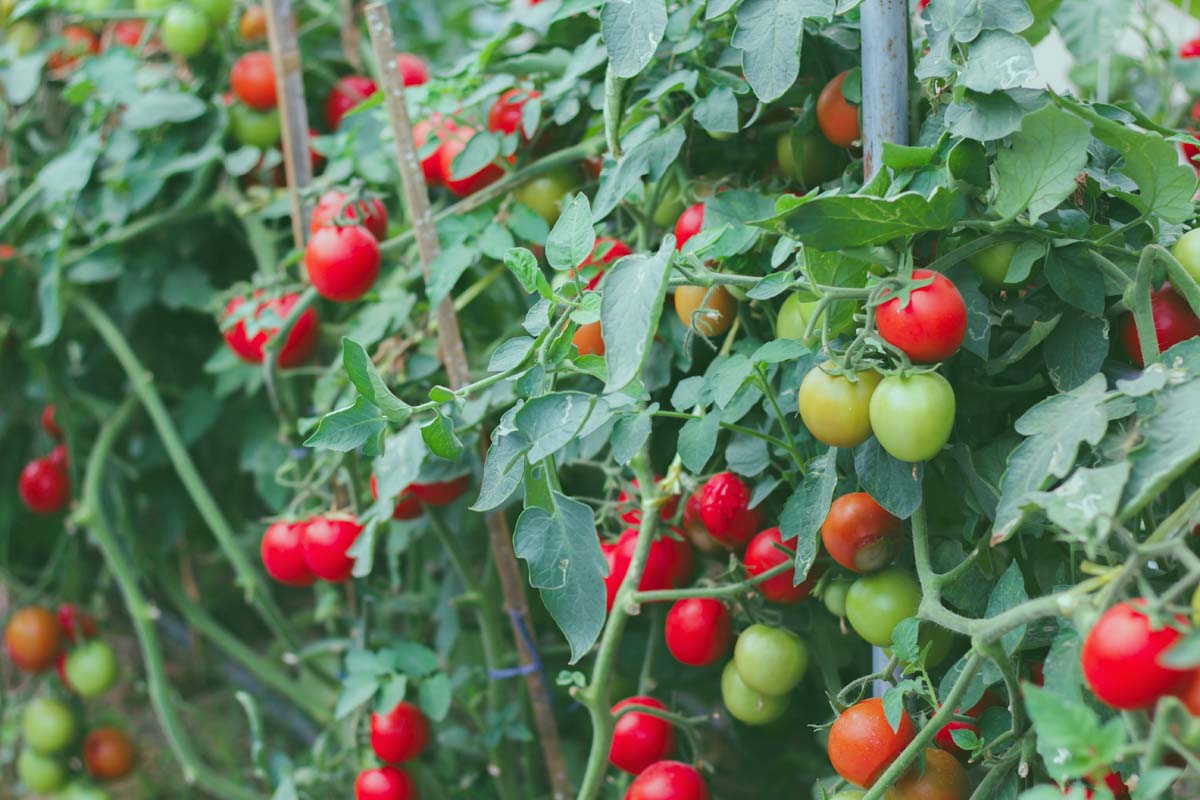
What’s the Difference Between Determinate and Indeterminate Tomatoes?

A close up of a large tomato plant with bright red fruits ready to harvest.

Wondering what the difference is between determinate and indeterminate tomatoes – and what this means for your garden? From staking and pruning to harvesting, these two types of tomato plants grow differently – and understanding their differences will guide you to the best tomato harvests. To learn more, keep reading.

Best Companion Plants to Grow with Lettuce

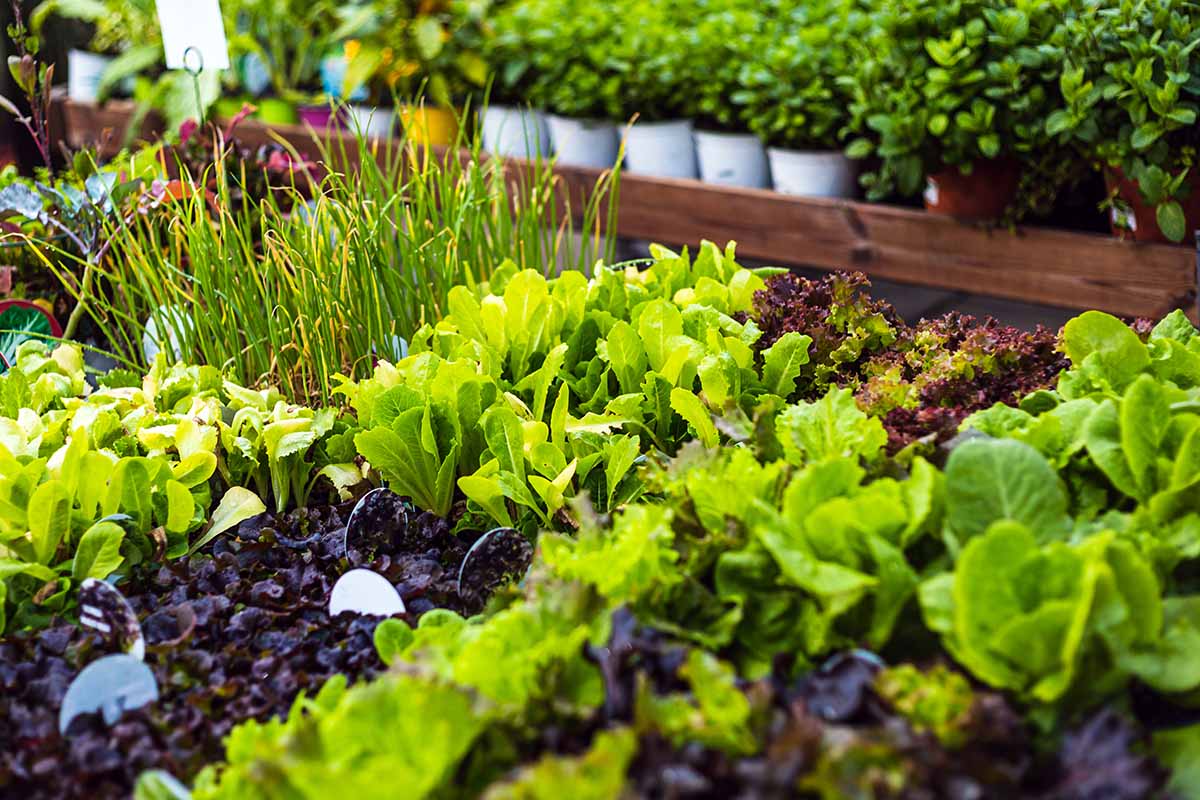
A close up horizontal image of lettuce and other vegetable plants at a garden center.

Lettuce is easy to grow in the vegetable garden, but unfortunately it can fall victim to many common issues. Companion planting is a way to maximize usable growing space and help to alleviate some pest problems. Learn which crops make the best companions for lettuce to ensure a healthier harvest in this guide. Read more.

How to Protect Lettuce Seedlings from Damping Off

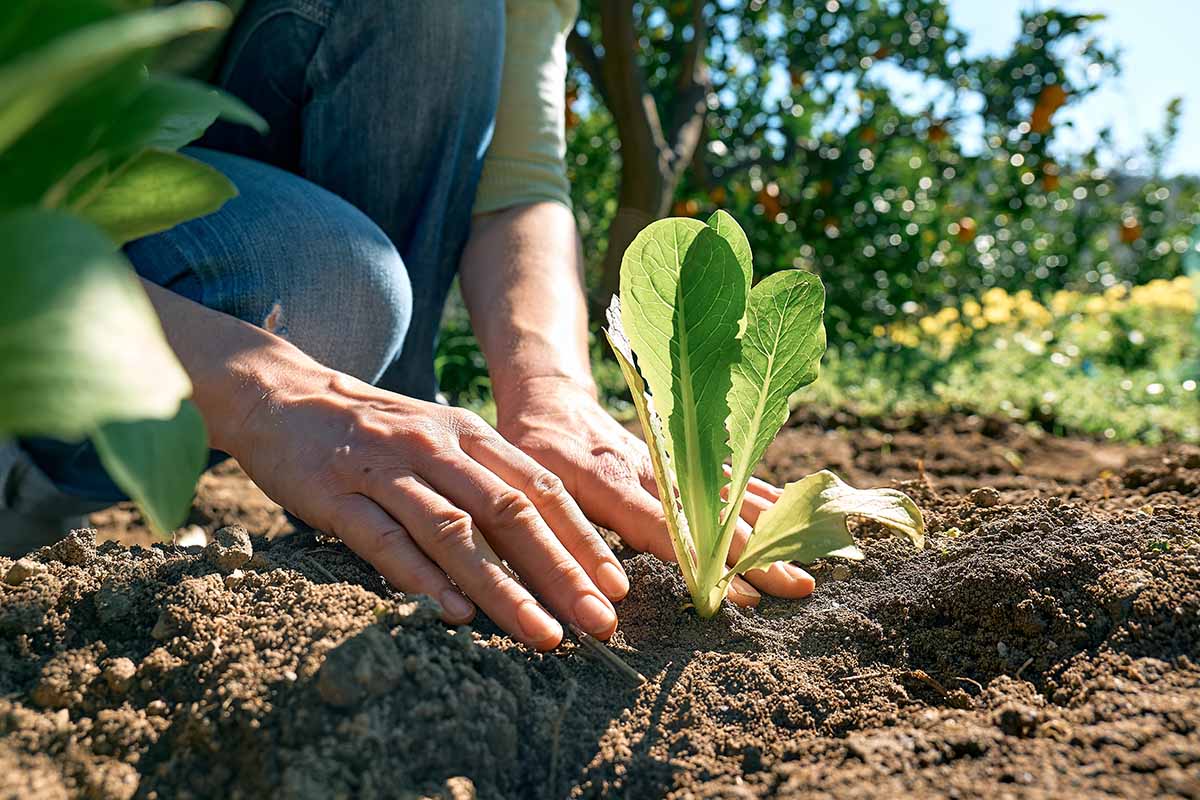
A close up horizontal image of a gardener planting out a lettuce seedling into dark, rich soil, pictured in bright sunshine.

Lettuce is a delicate crop that can fall victim to a number of maladies. Just after sprouting, damping off can quickly level an entire flat of seedlings with little warning and few visible symptoms. Learn what to watch out for and how to plan ahead to avoid this common disease with our expert tips. Read more now.

How to Grow Lacinato (Dinosaur) Kale

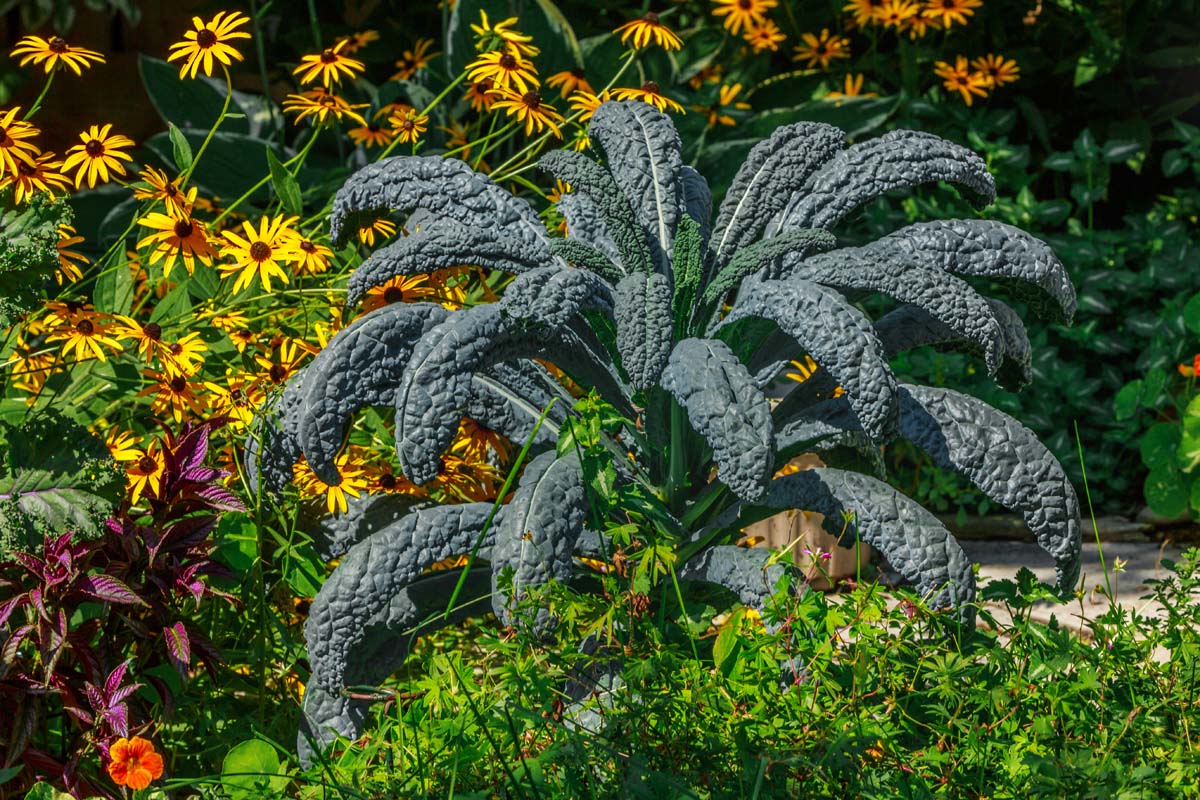
A close up horizontal image of a large dinosaur kale plant growing in the garden with a variety of shrubs and flowers in the background, pictured in bright sunshine.

Lacinato kale is a healthy, delicious, and easy-to-grow crop that deserves a place in the backyard garden. Also known as Dinosaur or Tuscan kale, this plant has long blueish green leaves that are just as ornamental as they are tasty. Read more to learn how to grow this cruciferous leafy green vegetable.

17 of the Best Types of Dry and Shelling Beans

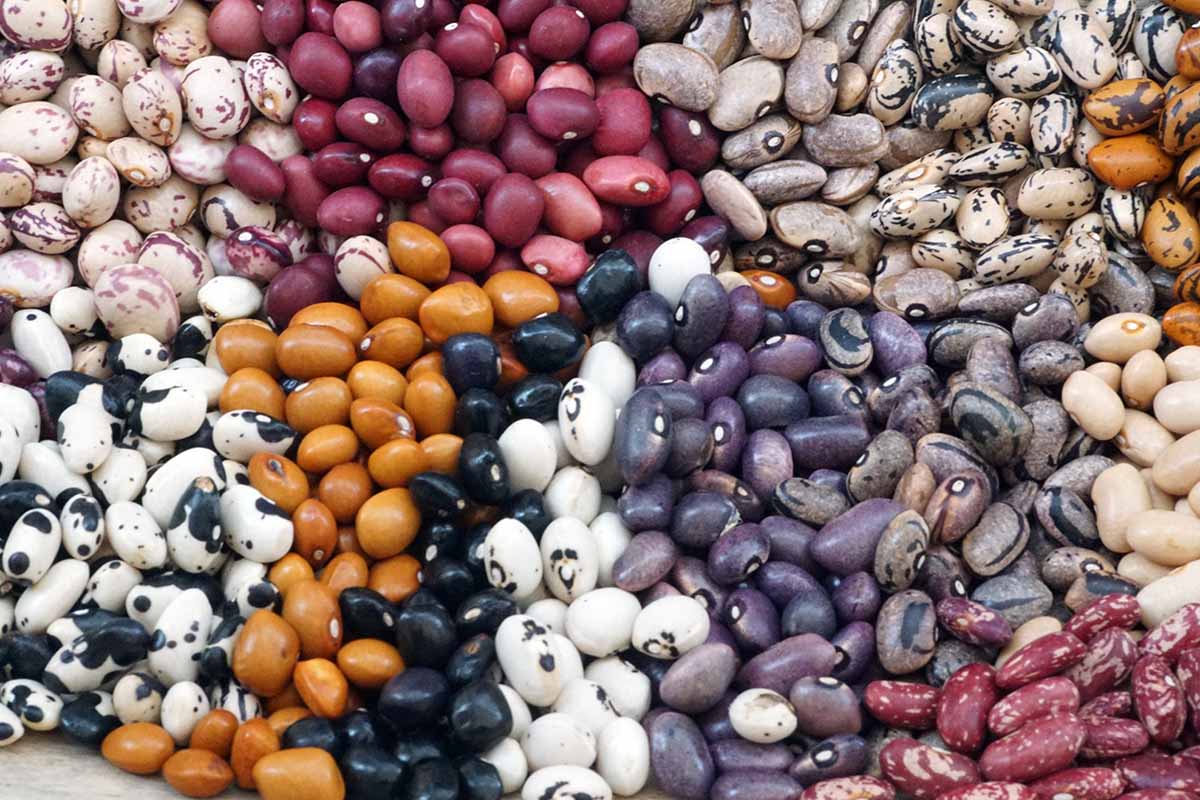
A close up horizontal image of a pile of different varieties of dried beans.

Growing dry beans can help fill a pantry with winter staples, and many varieties can be enjoyed for shelling as well. Since a wide array of these legumes simply can’t be found at a market, growing them yourself opens the door to a world of flavor. Keep reading to discover 17 of the best shelling and dry bean cultivars.

How to Grow Celery, a Marshland Plant Turned Tasty Veggie

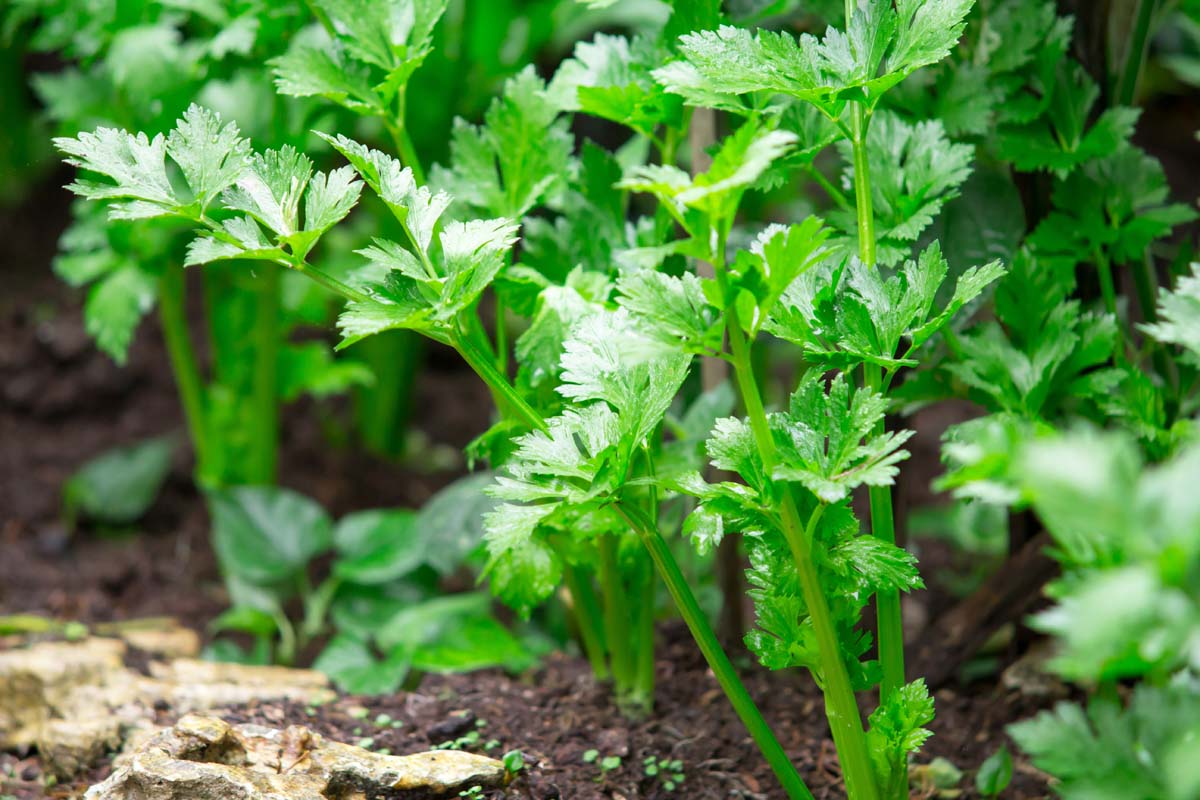
A close up of celery plants growing in the garden in bright sunlight. The bright green leaves contrast with the brown soil seen below and in between them.

Have you tried to grow celery? Lots of gardeners balk at the idea. But here’s a secret: by following a few important tips, you’ll get a celery crop that’s flavorful, smooth, and irresistibly crunchy. You can use your homegrown celery for everything from afternoon snacks to hearty vegetable stocks. Read more now.

How to Plant and Grow Garlic in Your Veggie Patch

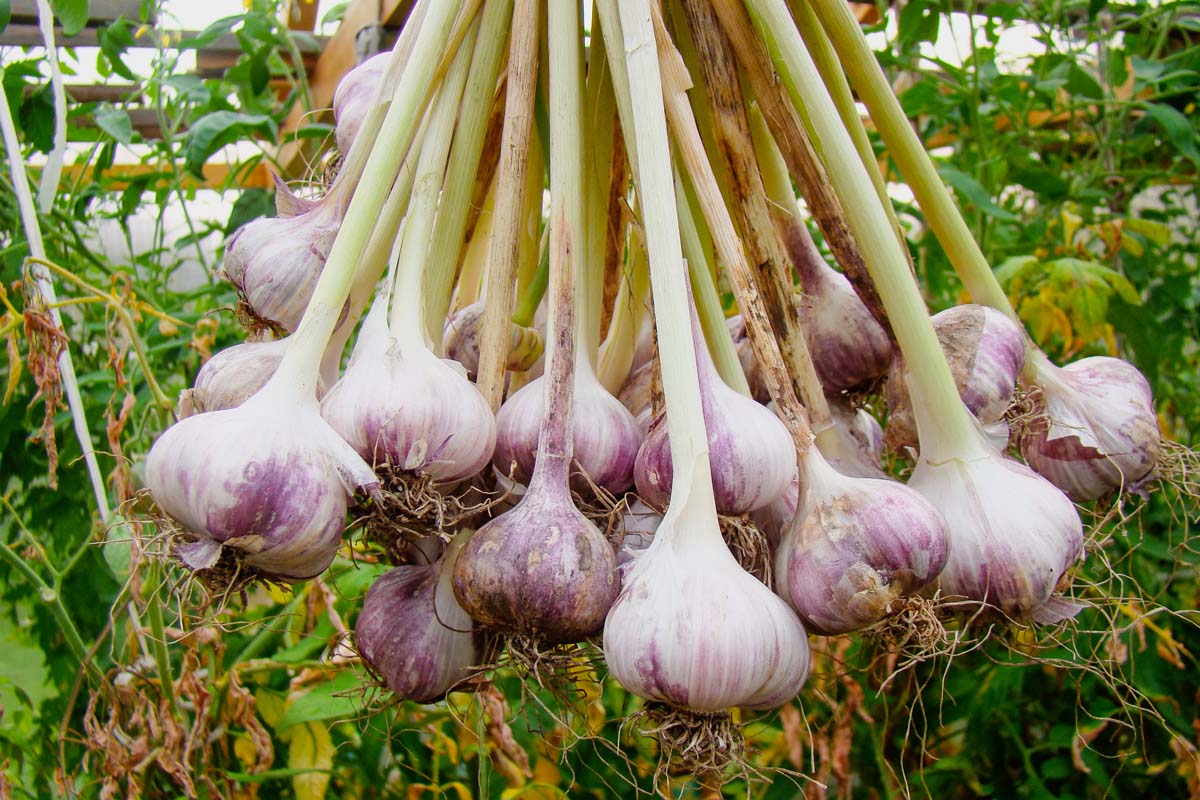
A close up picture of a bunch of purple and white garlic, hanging from the light green scapes, with some roots still attached against a background of garden plants in soft focus.

Garlic is one of the best loved and most often used kitchen ingredients. Widely appreciated for its many health benefits, it’s a workhorse in the garden too, acting as a natural pesticide and keeping other plants healthy. Keep reading for all the information you need to plant and grow garlic in your garden.

9 of the Best White Eggplant Varieties

A close up of five harvested aubergines, four white ones of various shapes and one purple one set on a rustic wooden background.

Looking for something unique that will really stand out in your veggie garden this year? These nine white eggplant varieties will glow as they grow. Usually less bitter than purple cultivars, white varieties come in different shapes and sizes. To learn more about these delicious white eggplant cultivars, keep reading.

How to Grow Oregon Sugar Pod Peas

A close up of a pile of 'Oregon Sugar Pod II' peas.

Do you love those sweet, crispy sugar snap peas? Then Oregon Sugar Pod peas will blow your mind. They grow fast, don’t need support, have impressive disease resistance, and there’s that fabulous, sweet flavor and crisp texture. Bred in Oregon to create the perfect freezing pea, we’re sure you’ll call it a success.

How to Identify and Control Tomato Hornworms

A close up horizontal image of a tomato hornworm munching away on a ripe fruit pictured on a dark background.

Tomato hornworms might look interesting with that curved horn, but you might feel more frustrated than intrigued when you notice they are munching all the leaves off your tomato plant. This guide covers everything you need to know about these large caterpillars, including several effective ways to control infestations.

How to Plant and Grow Cucamelons (Mexican Sour Gherkins)

A close up horizontal image of two hands holding a bunch of freshly harvested cucamelons aka Mexican sour gherkins pictured on a soft focus background.

How do you grow cucamelons? These strange little fruits are a member of the same family as cucumbers and zucchini, and they are grown in almost the same way, with a few differences. They’re a fun addition to the garden that kids and adults alike will love to watch growing and enjoy eating! Learn how to grow your own.