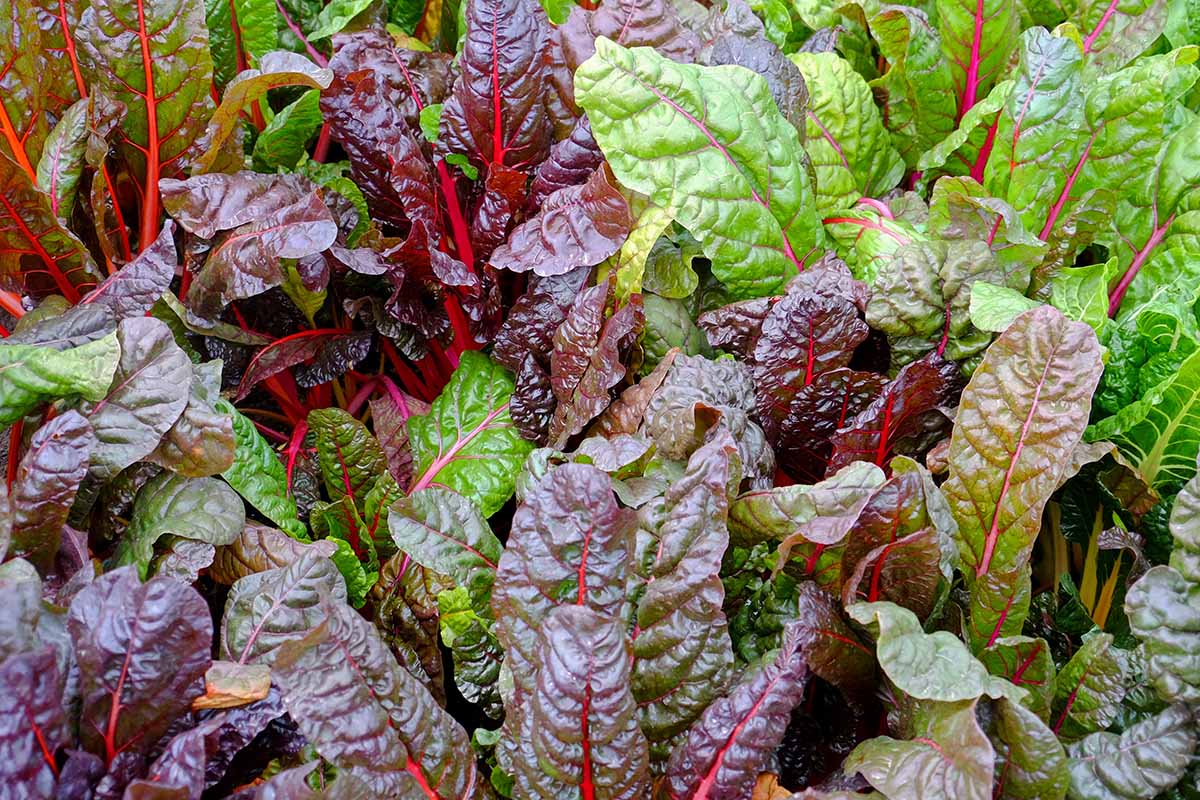
How to Plant and Grow Carrots in the Garden

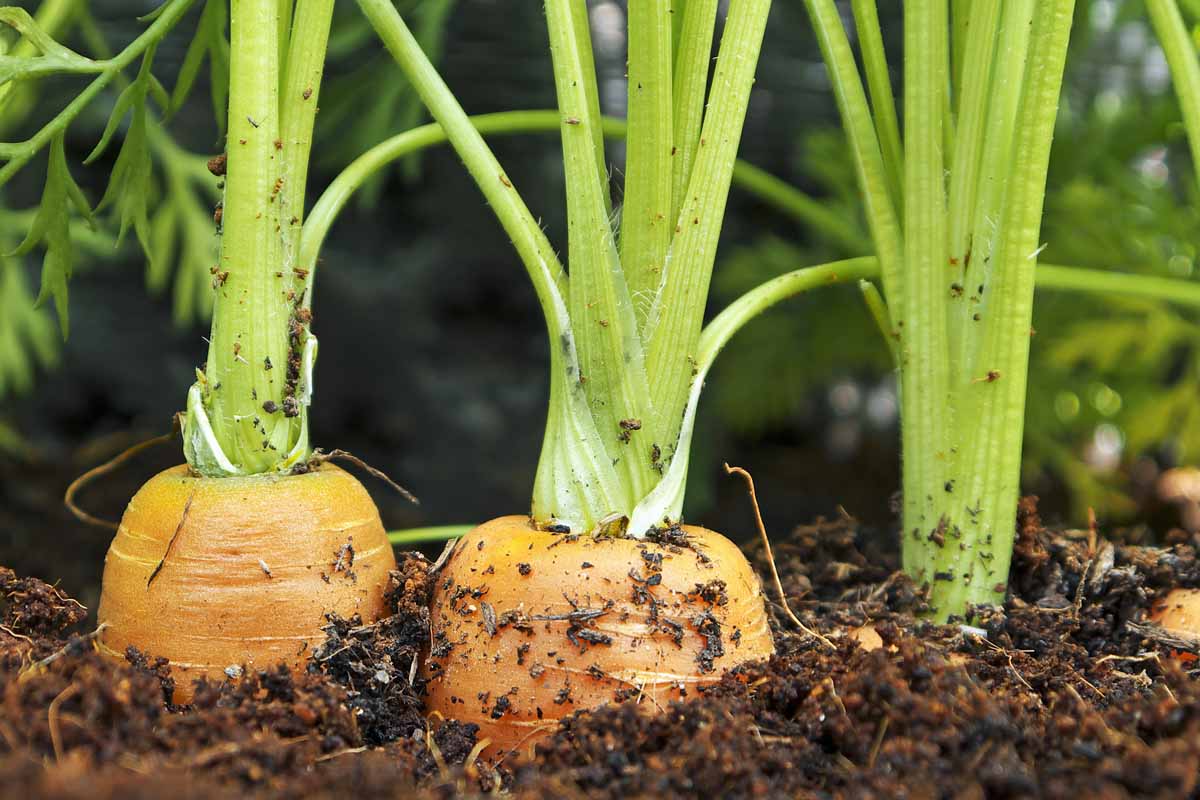
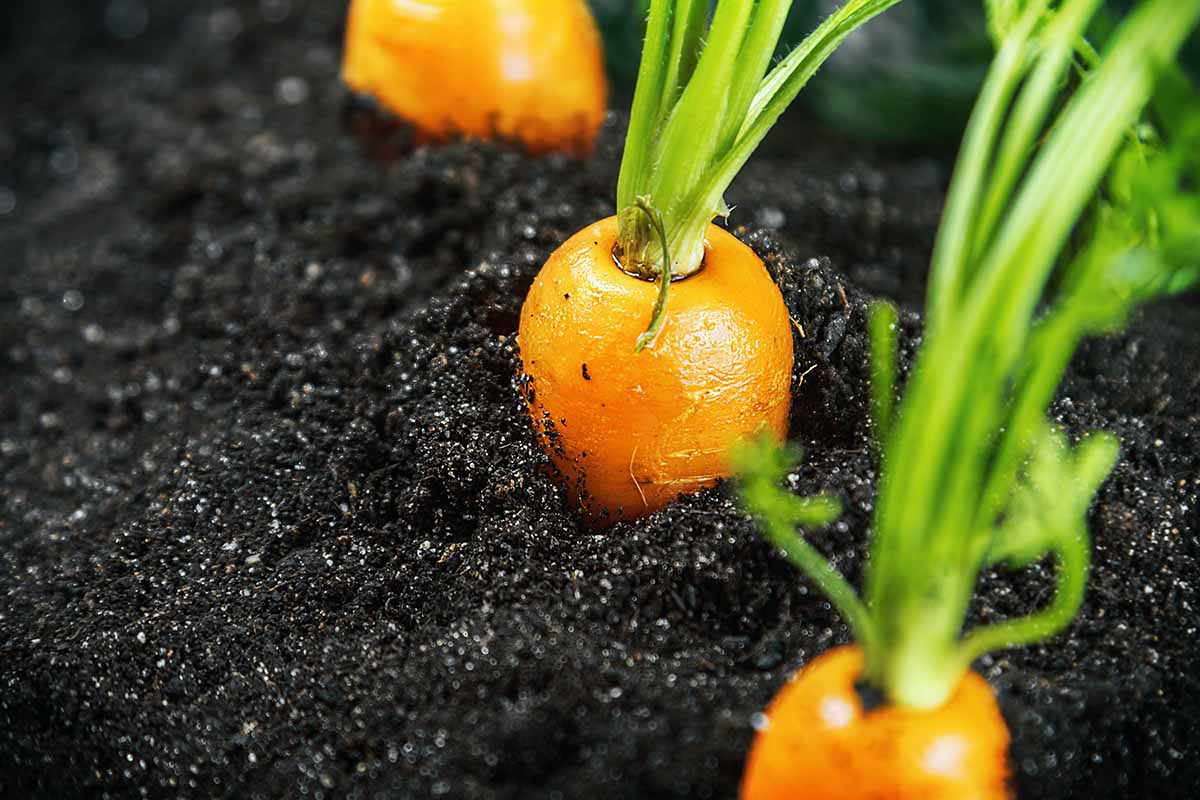
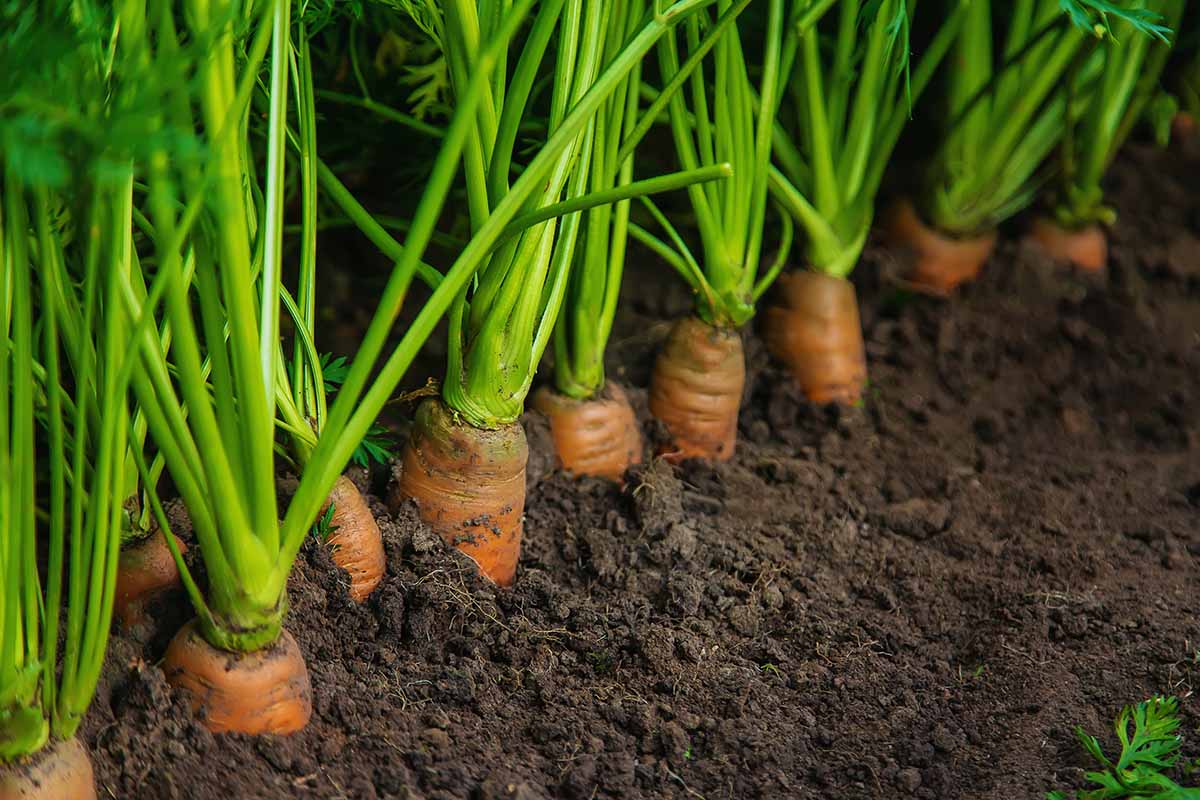
A close up of carrots in the ground, almost ready for harvest with their orange root tops showing. Green foliage attached and rich dark soil around them.

Carrots may be the ultimate health food. The only way to make them healthier and more delicious is to grow them yourself! Add these beauties to the vegetable patch, and you can enjoy them in all the shades of the rainbow. And you’ll get the freshest root vegetables you’ve ever tasted. Keep reading to learn more.

Tips for Growing Red Burgundy Okra

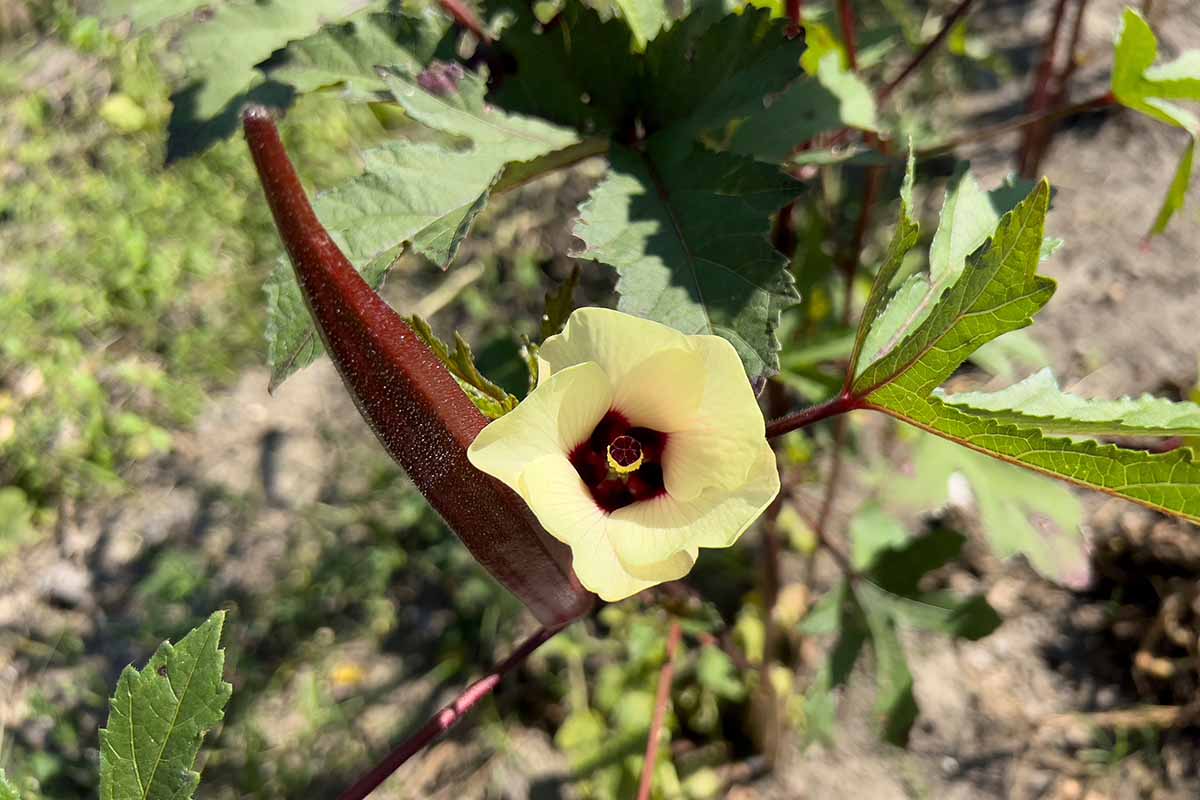
A close up horizontal image of 'Red Burgundy' okra pod and flower growing in the garden pictured in bright sunshine, fading to soft focus in the background.

Prolific and terrific, ‘Burgundy’ heirloom okra grows fast and produces bushels of edible red pods in a single season. Our guide shares ways this variety differs from green types and how to care for the plants from sowing to harvest and cooking. Eat the pretty yellow blooms, too, or grow red okra as an ornamental.

How to Plant and Grow Cucumbers

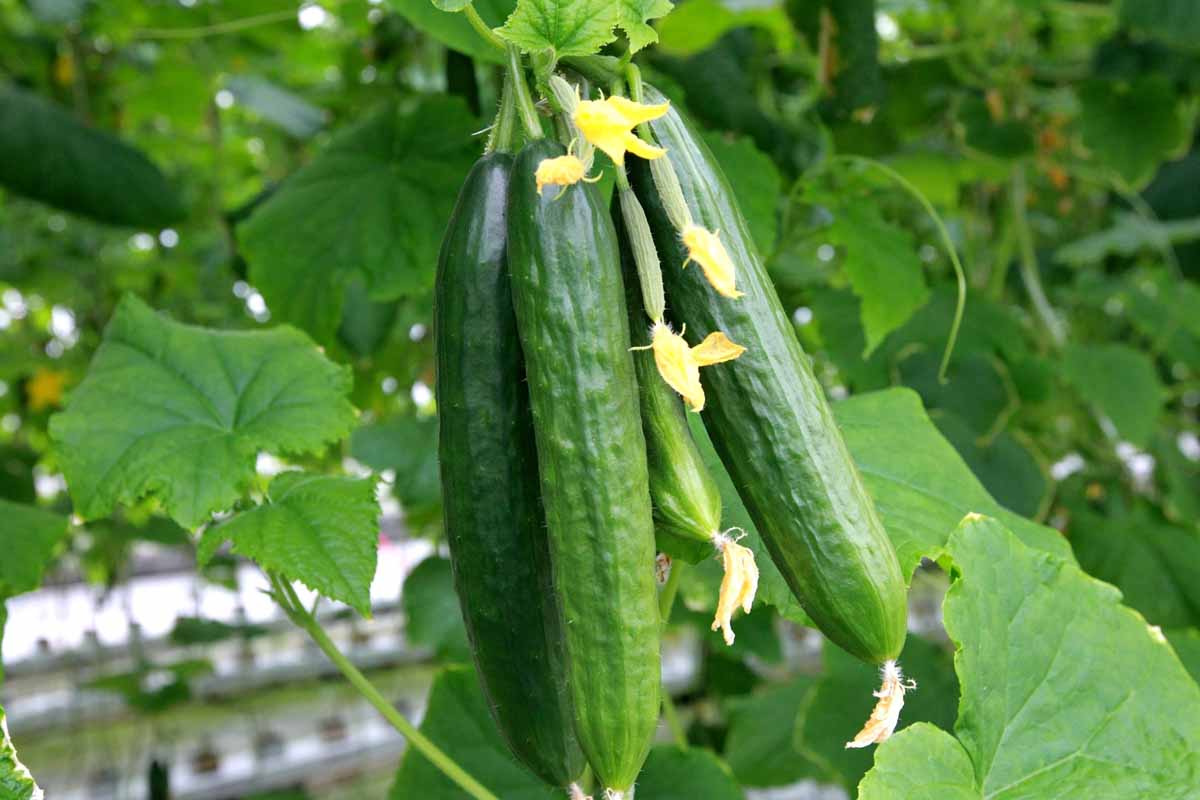
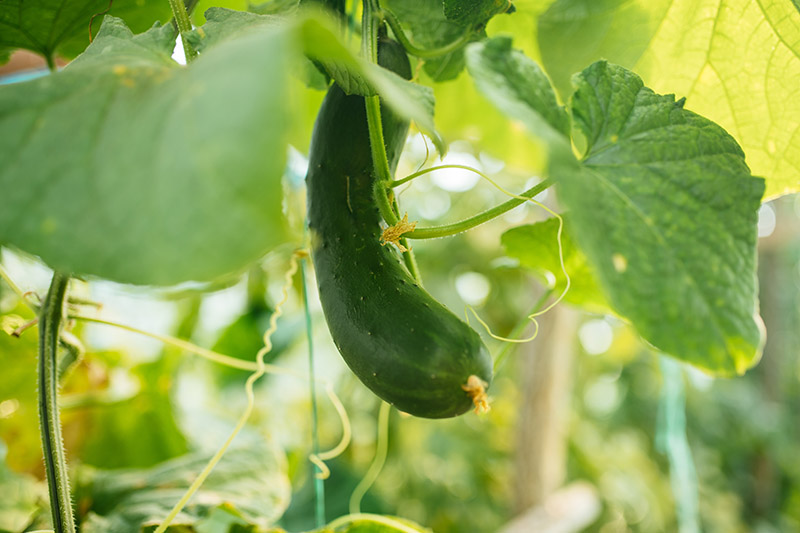
A close up horizontal image of long cucumbers growing in a greenhouse pictured on a soft focus background.

Cucumbers have long been depended on to add a satisfying crunch to summer meals. This summer crop is easy to grow when you pick the right varieties for your growing zone and keep your plants healthy and high-yielding. Learn how to plant and grow cucumbers in your garden with this guide – we’ve even got recipe ideas too.
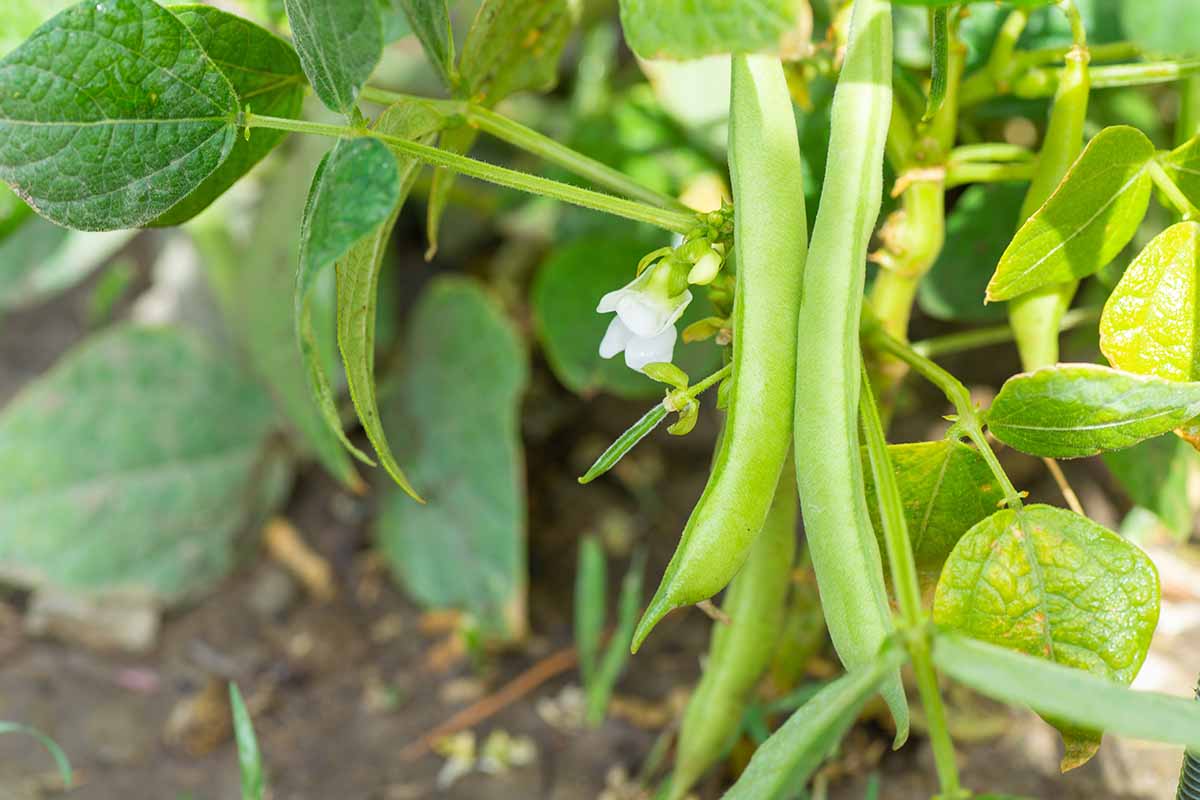
21 of the Best Heirloom Tomato Varieties for the Garden

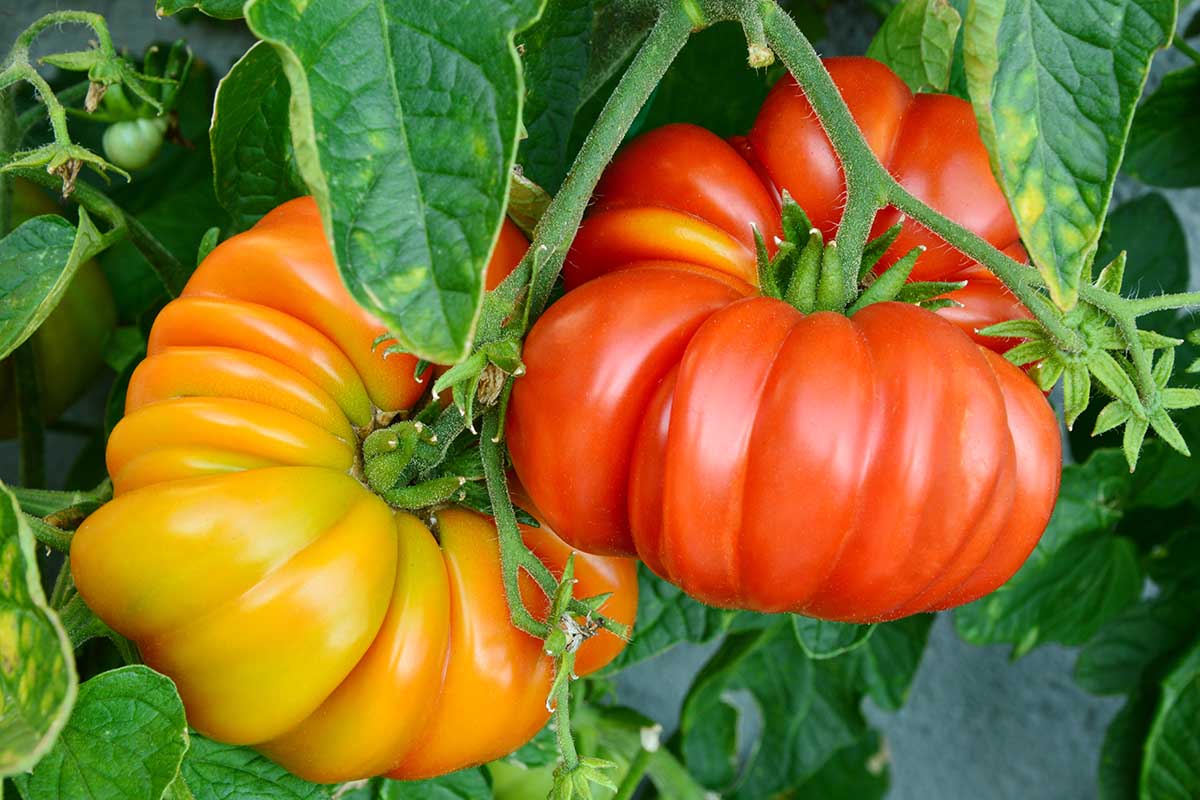
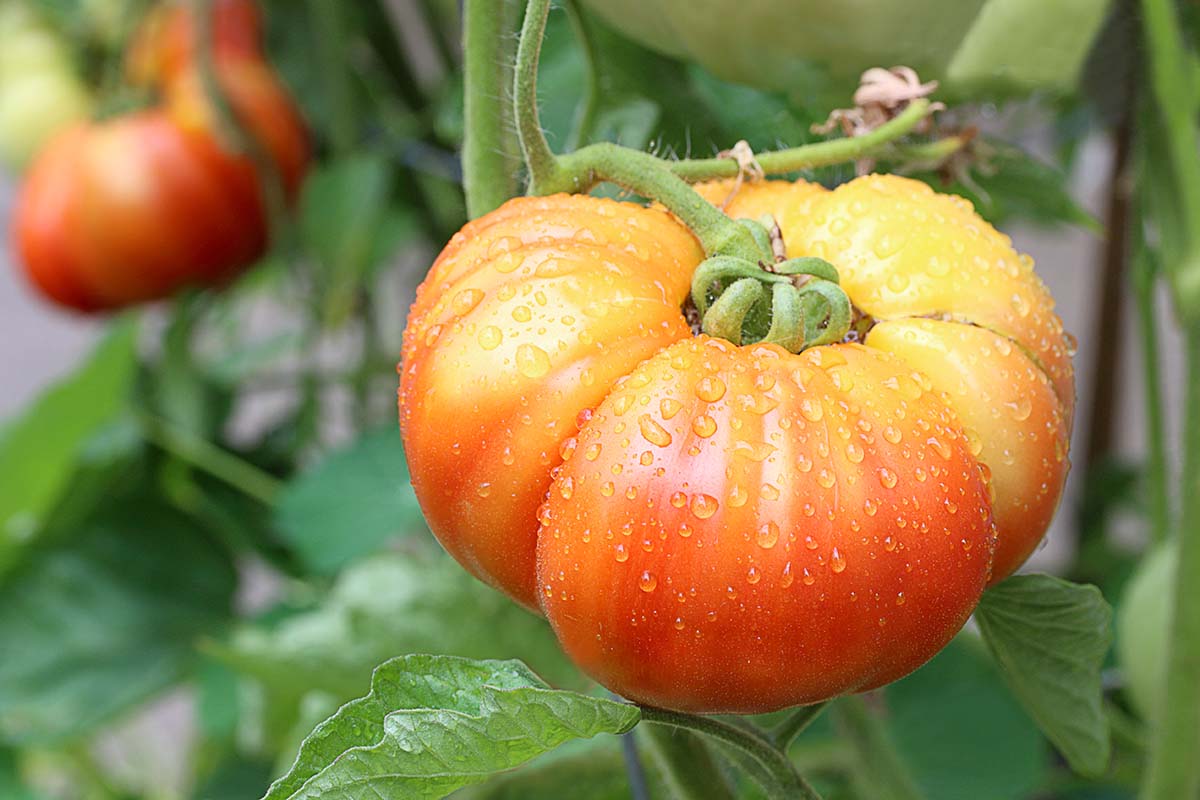
A close up of a red and yellow deeply ribbed heirloom tomato, growing on the vine in the garden, in light sunshine.

If you are thinking of planting tomatoes in your vegetable garden, have you tried growing non-hybrid heirloom varieties? Capture the texture, taste, and colors of the past with these old-fashioned favorites. Learn about 21 of the best heirloom tomato varieties available and choose your favorites. Read more now.

15 of the Best Types of Pole Beans

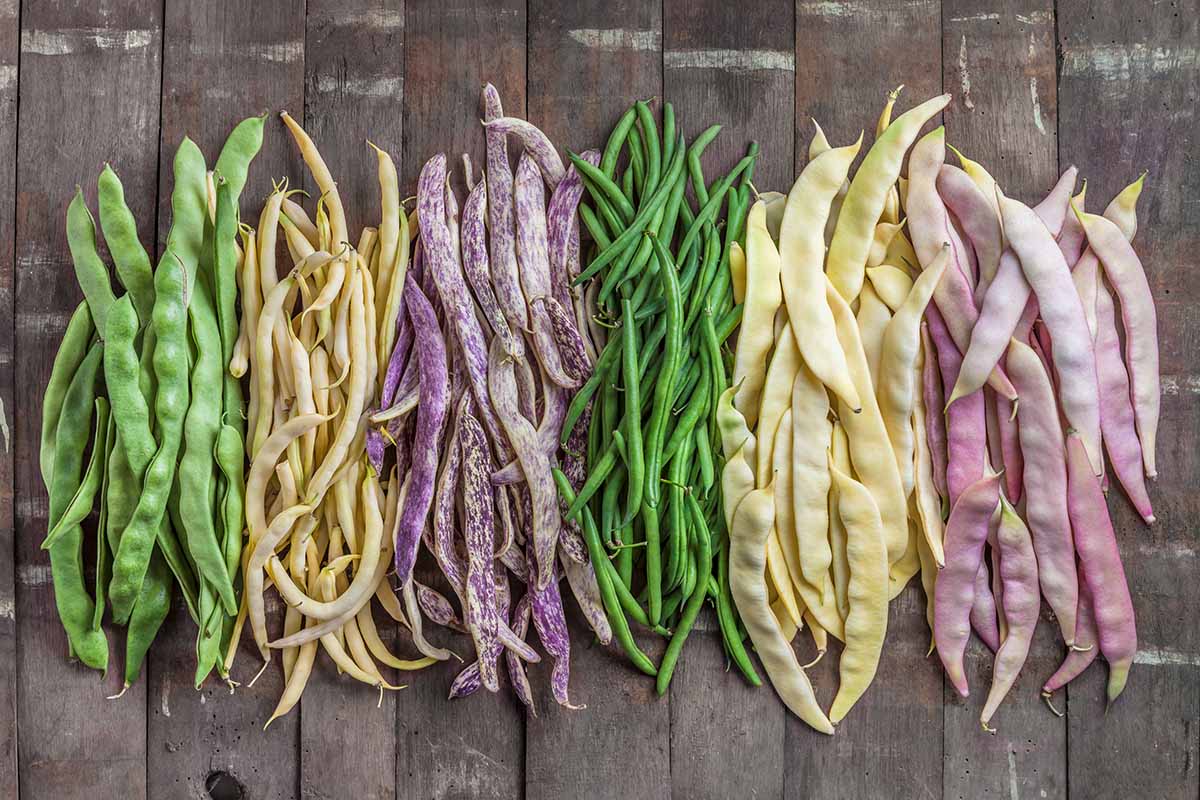
A close up horizontal image of an assorted mix of freshly harvested pole beans set on a rustic wooden table.

When you grow the right pole bean cultivars, you’ll get a plentiful harvest and a giant helping of flavor. With pods of different colors and sizes, and varieties matched to different season lengths, it helps to carefully choose your seeds before you sow. Keep reading to discover 15 of the best types of pole beans.

How to Plant and Grow Pole Beans

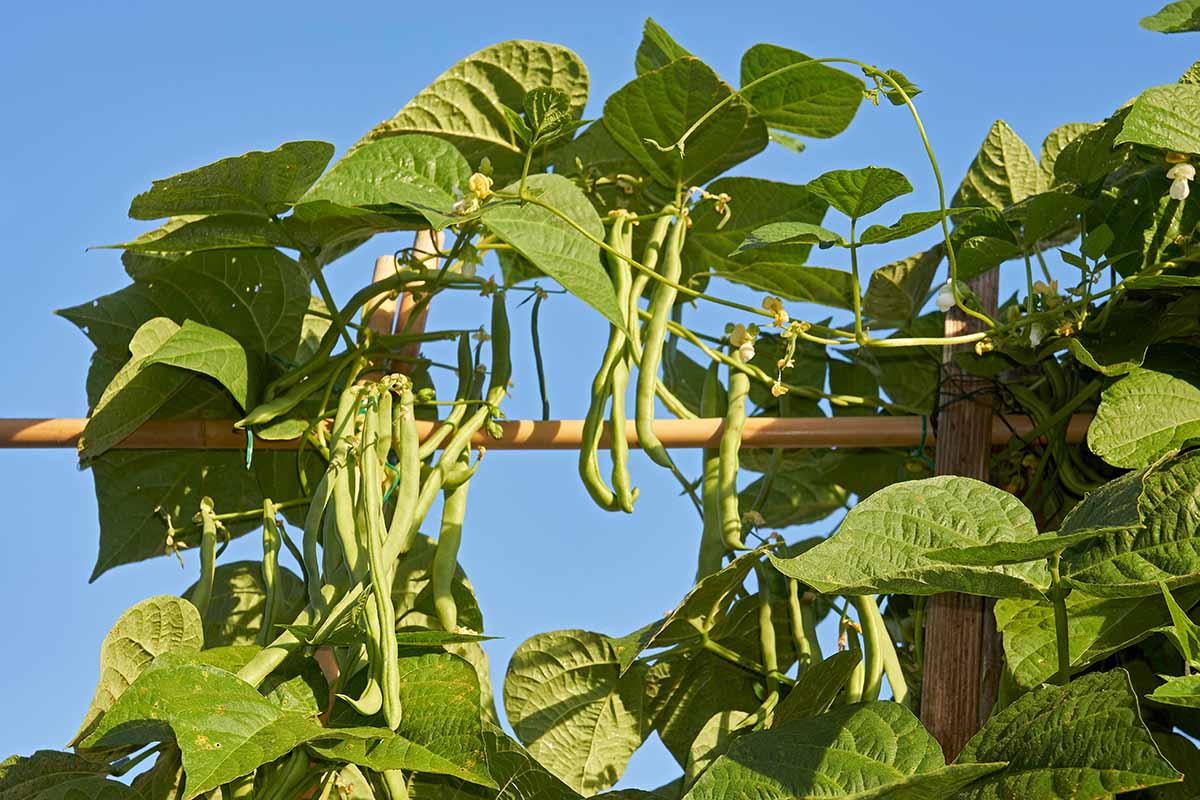
A close up horizontal image of pole beans growing on wooden support pictured in bright sunshine on a blue sky background.

Pole beans provide a delicious and bountiful harvest when planted in the summer vegetable garden. Grown up trellises or stakes, this vertical crop is fun to sow, easy to pick, and can help maximize valuable garden real estate. Read more now to get the lowdown on planting and growing these lofty legumes.

Learn How to Plant and Grow Crookneck Squash

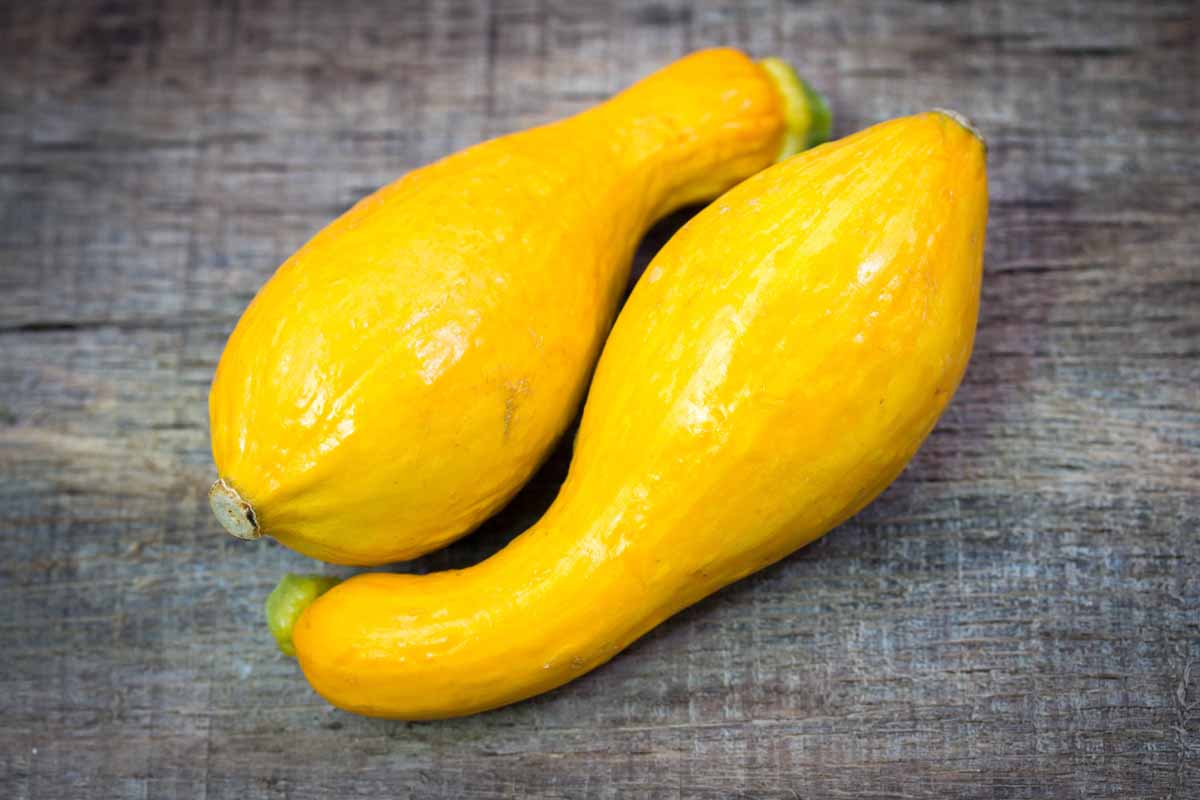
Top down view of two yellow, crookneck squash fruits on a rustic wooden table.

An ideal crop for beginners or gardeners who want to grow more of their own food, bush-type yellow crookneck squash grows fast in the summer heat. The plants yield bushels of tender fruits with curved necks. Harvest a bumper crop in your first season with our best tips for sowing and harvesting this heirloom vegetable.

Tips for Growing Summer Crisp (Batavian) Lettuce

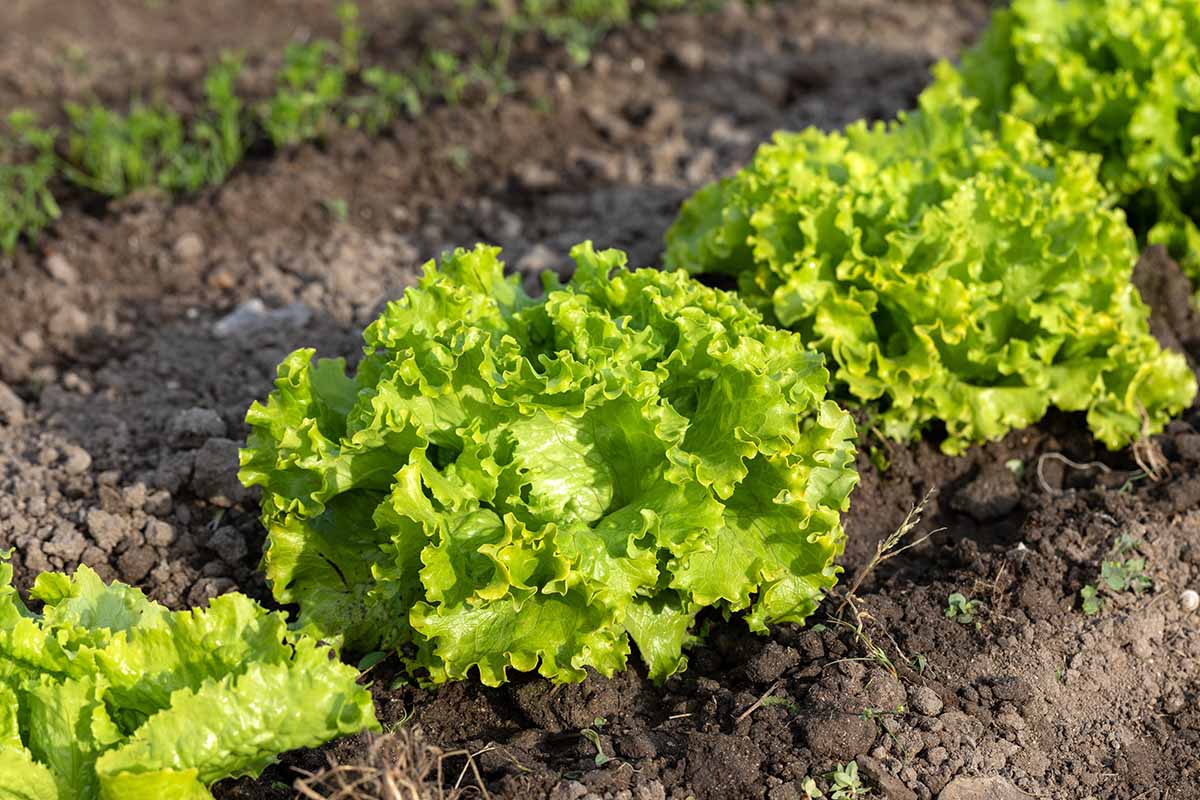
A close up horizontal image of a row of Batavian lettuce growing in the vegetable garden.

Batavian lettuce, aka summer crisp, is heat and frost tolerant, disease resistant, and downright delicious with sweet, crisp leaves. It’s a semi-heading type, so you get the best of both heading and loose-leaf varieties. Learn more about planting and growing these versatile lettuces in this comprehensive guide.

How to Plant and Grow Cabbage: A Fall and Spring Staple Crop

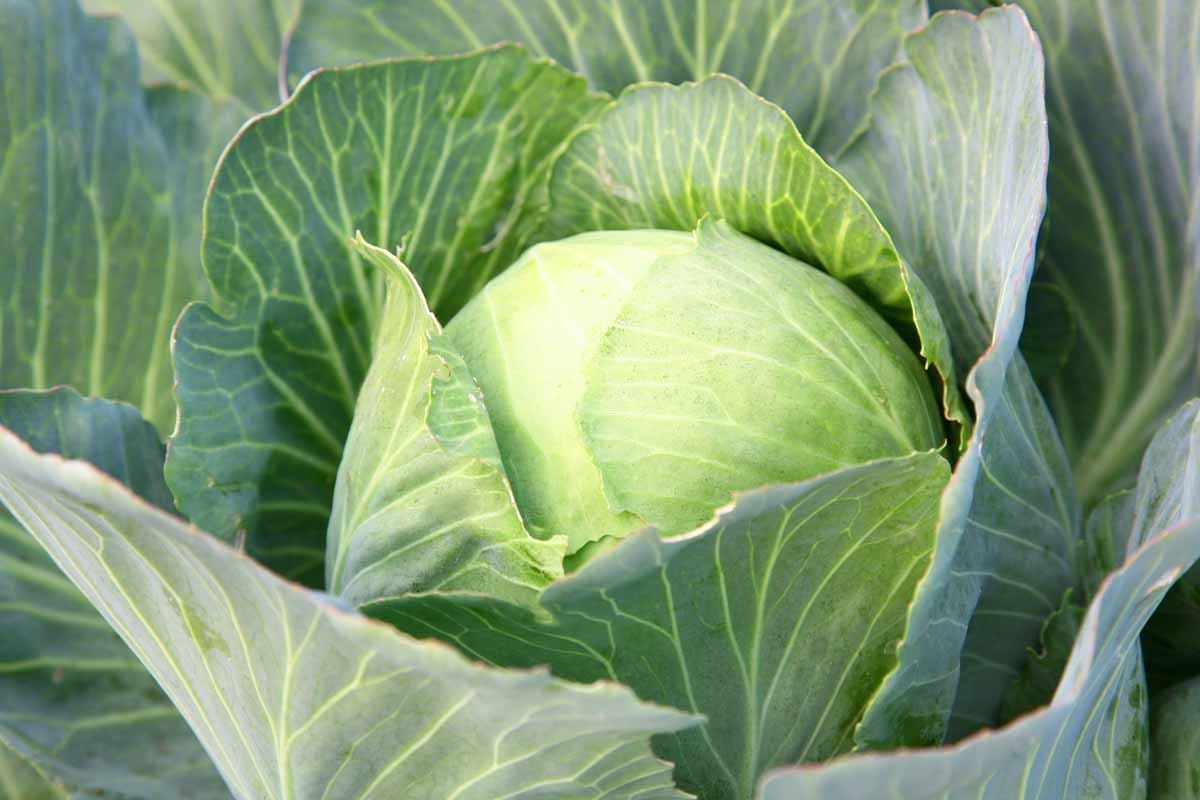
A close up of a head of green cabbage growing in a vegetable garden.

Cabbage has been grown around the world for centuries for good reason. With so many different ways to cook, preserve, and eat cabbage, this nutrient rich crop is a must for every garden. Read more to learn how to grow and maintain cabbage plants.

9 of the Best Types of Containers for Growing Lettuce

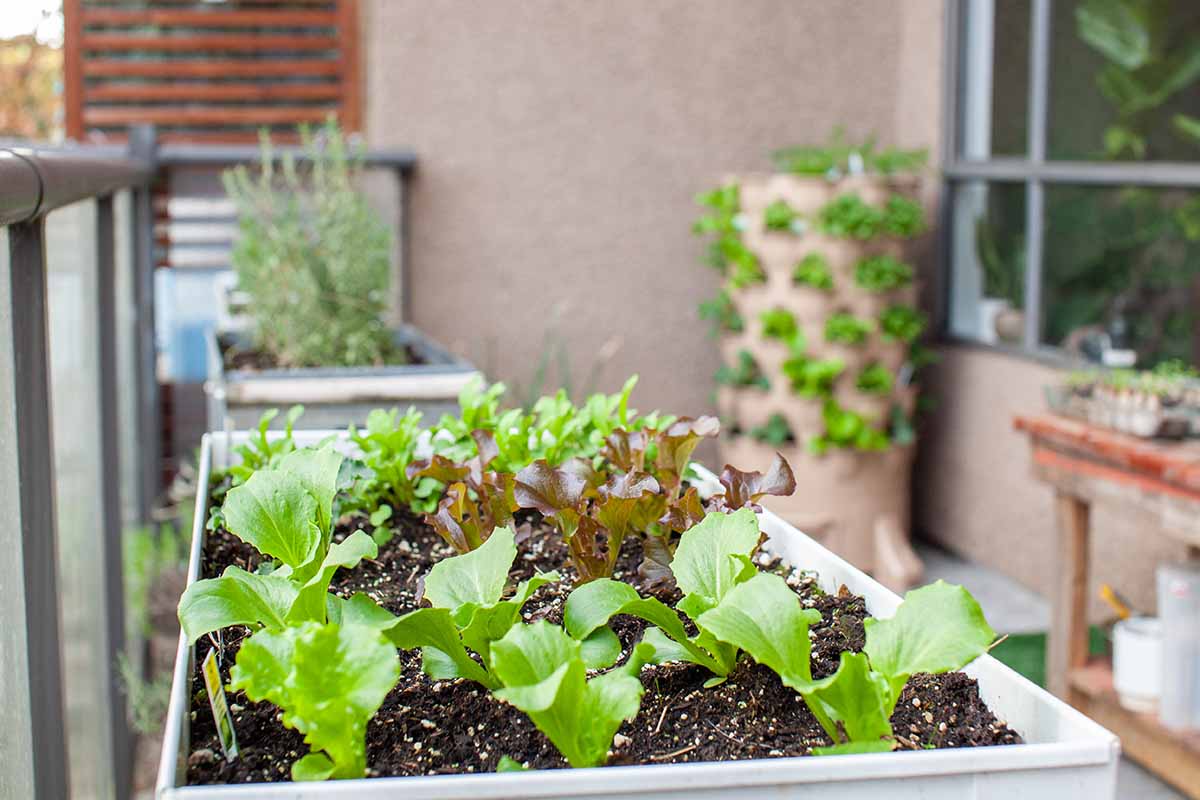
A horizontal image of a balcony garden with vertical and rectangular planters growing lettuce.

Learn about the top nine containers that make the cut for growing lettuce, whether your goal is to produce a bumper crop or just enough for a few fresh salads. This is one veggie that can easily thrive when grown in a container, but choosing the right type is an important part of producing healthy leaves and heads.

Tips for Growing Ice Queen Lettuce

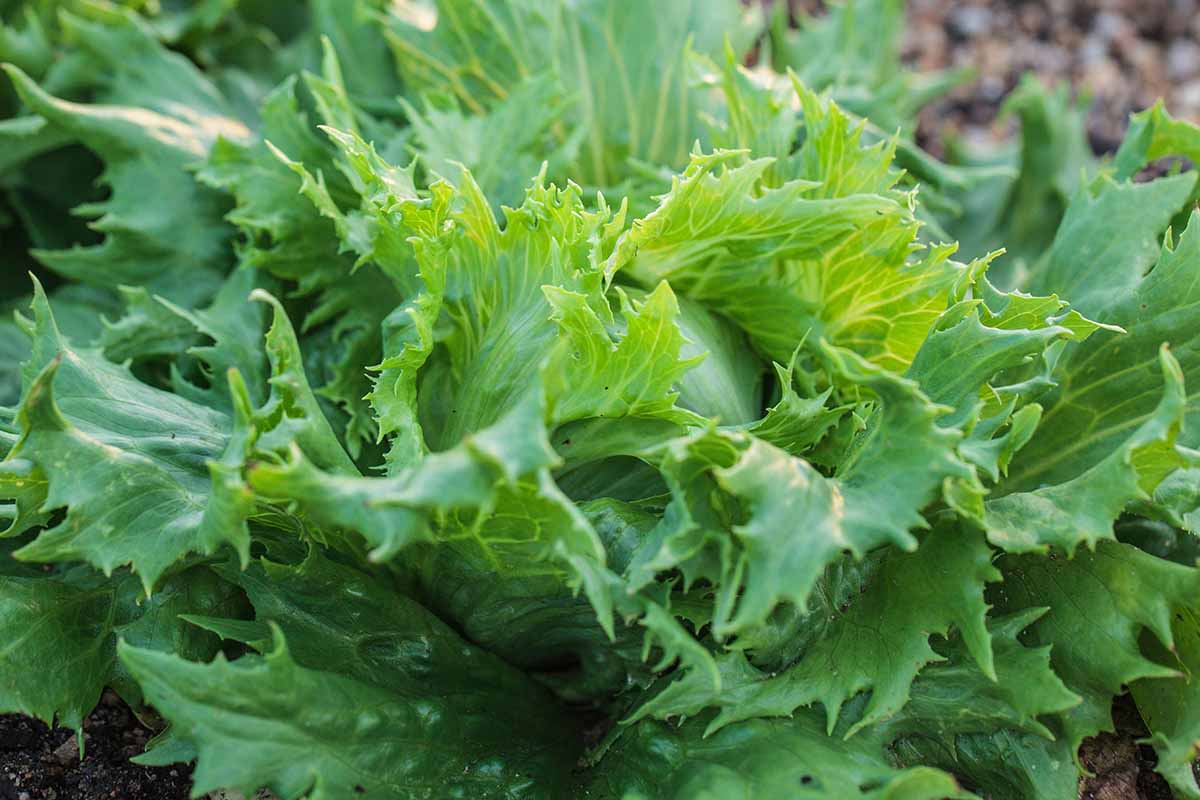
A close up horizontal image of an ice queen lettuce growing in the garden almost ready for harvest.

Looking for a crisp, flavorful iceberg lettuce? All hail the queen! ‘Reine des Glaces,’ also called ‘Ice Queen,’ is sweet and juicy and grows in a compact shape that does well indoors or out. Disease resistant, it’s also an heirloom type, which means you can harvest the seeds and plant it again next year.

How to Grow Lettuce in Containers

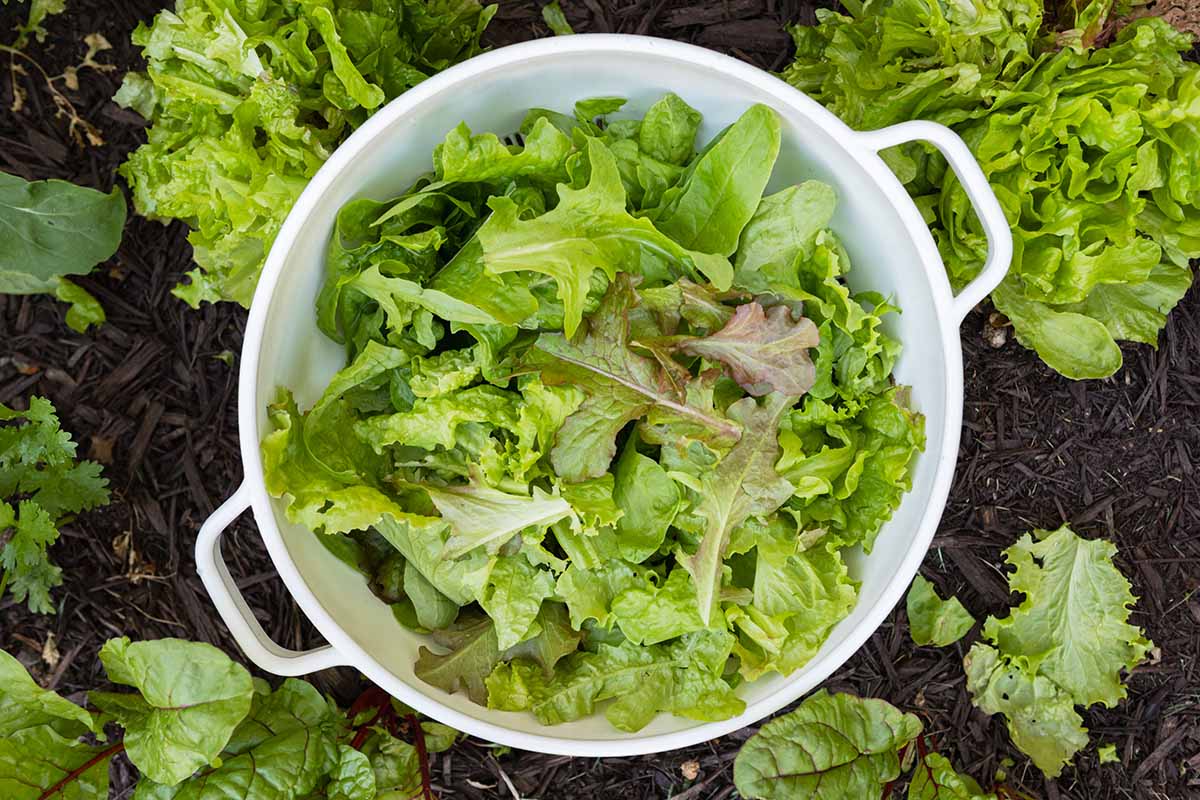
A close up horizontal image of a bowl filled with freshly harvested leaf lettuce set on the soil in the garden.

Fresh, healthy salads and leafy wraps taste better when they’re made with homegrown produce. Growing a small crop of lettuce is easy to do with the help of containers. You might even be able to reduce pest issues! Learn how to produce crisp, flavorful heads in a small amount of space for harvests nearly year-round.

11 of the Best Varieties of Sweet Corn to Grow at Home

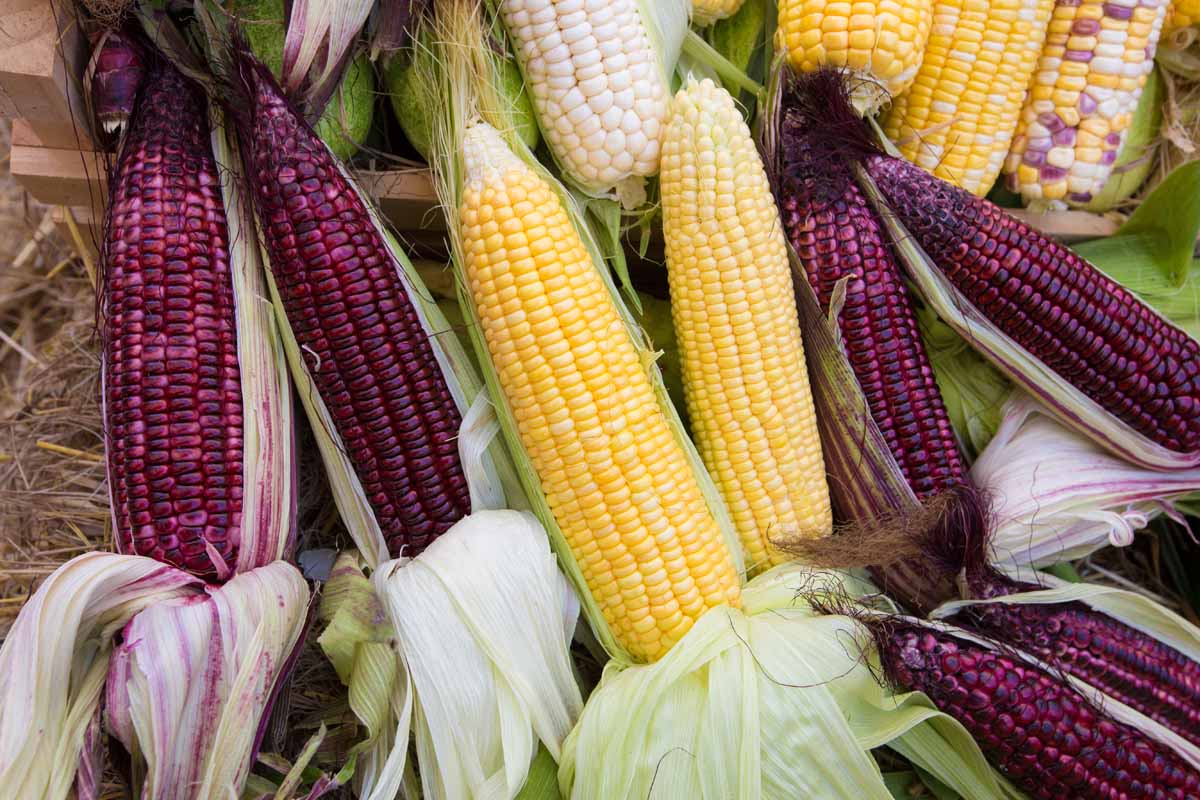
Top down view of different colors and varieties of sweet corn.

Want to find the best variety of sweet corn to grow in your garden? Funny you should ask, because we’ve put together a handy guide to our favorite types of sweet corn for home growing! From deep shades of ruby red to brilliant white corn, find out which cultivars deserve your consideration now on Gardener’s Path.

How to Identify and Manage 15 Common Arugula Pests

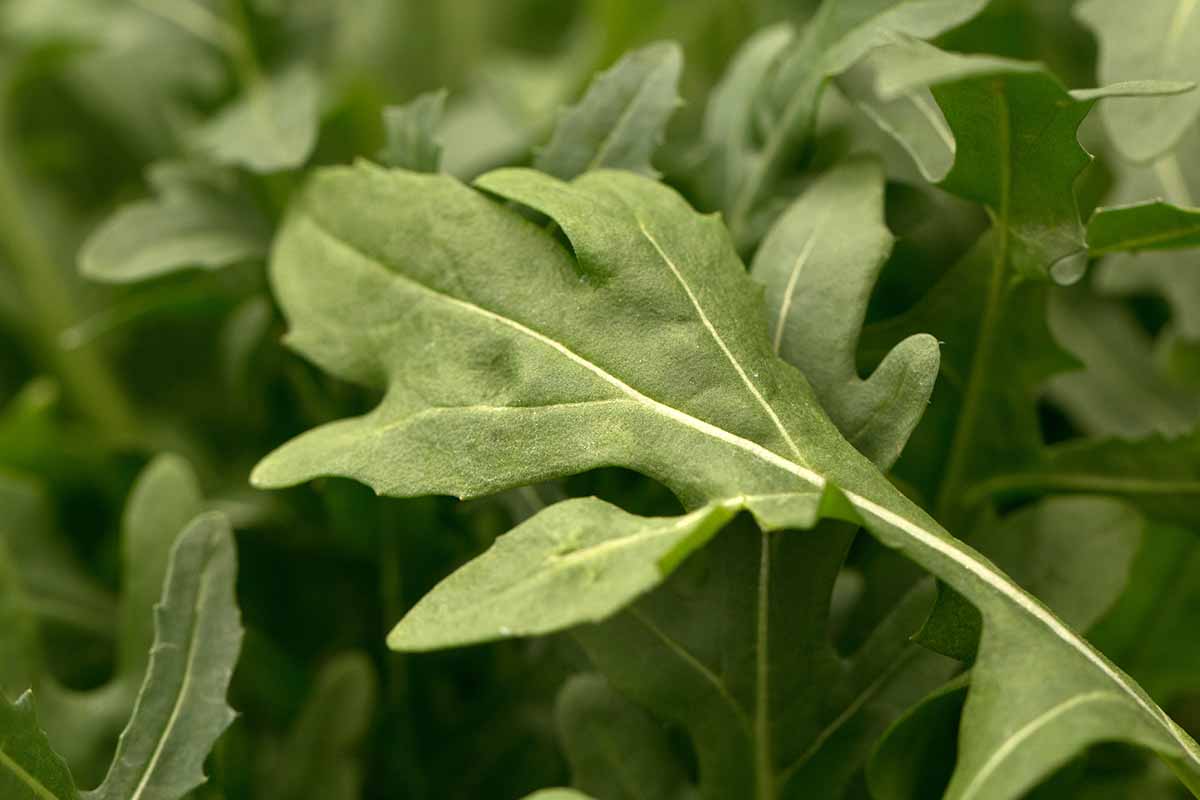
A close up horizontal image of arugula growing in the garden pictured on a soft focus background.

Arugula is a leafy green in the Brassicaceae family and as such can fall victim to the same pests that prey on other cruciferous vegetables like cabbage, kale, broccoli, and Swiss chard. Learn how to identify and control 15 of the most common arugula pests and enjoy your best harvest in this guide. Read more now.

11 of the Best Potato Varieties to Grow at Home

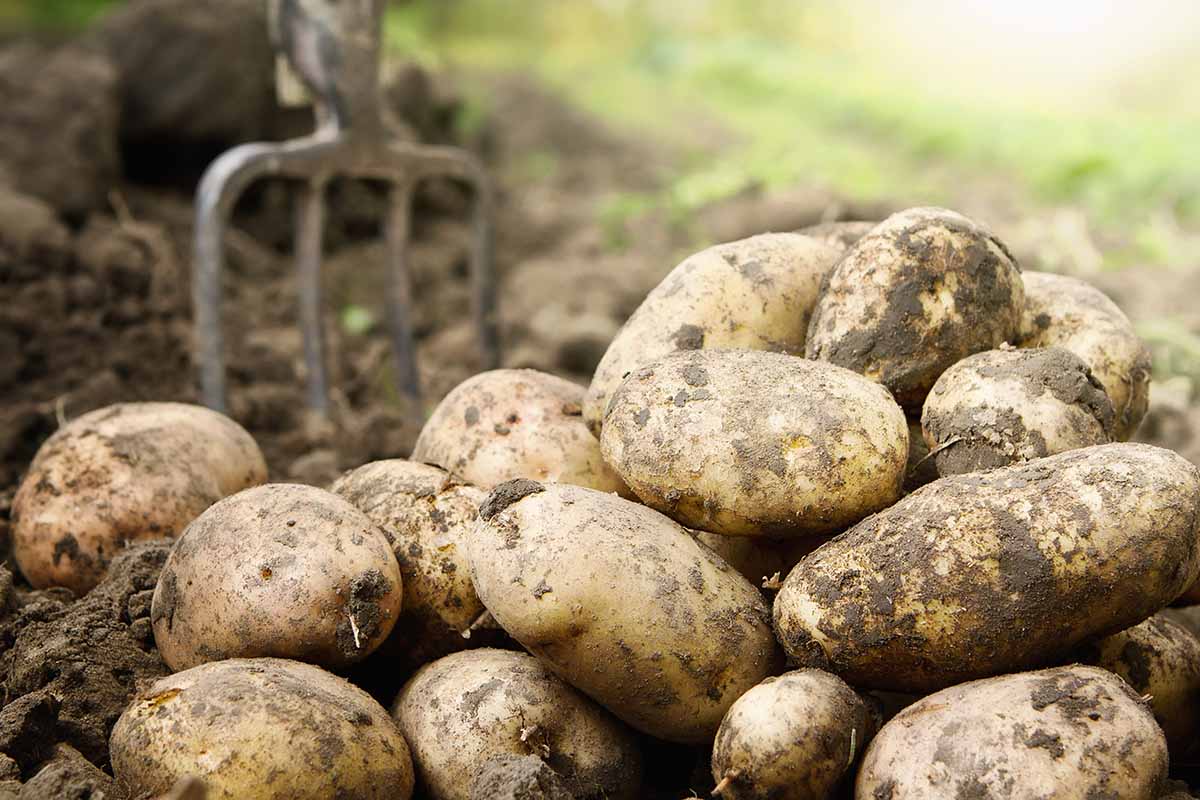
A close up horizontal image of freshly harvested potatoes with soil attached in the foreground. A soft focus background with a garden fork in the earth.

Whether you prefer them roasted, mashed, baked, or fried, everybody loves a good spud. If you’re thinking about growing your own potatoes at home, check out our roundup of the best varieties. With all of the amazing types on offer, you’re sure to find this roundup very appealing! Read more now.

17 of the Best Cherry Tomatoes to Plant in Your Garden

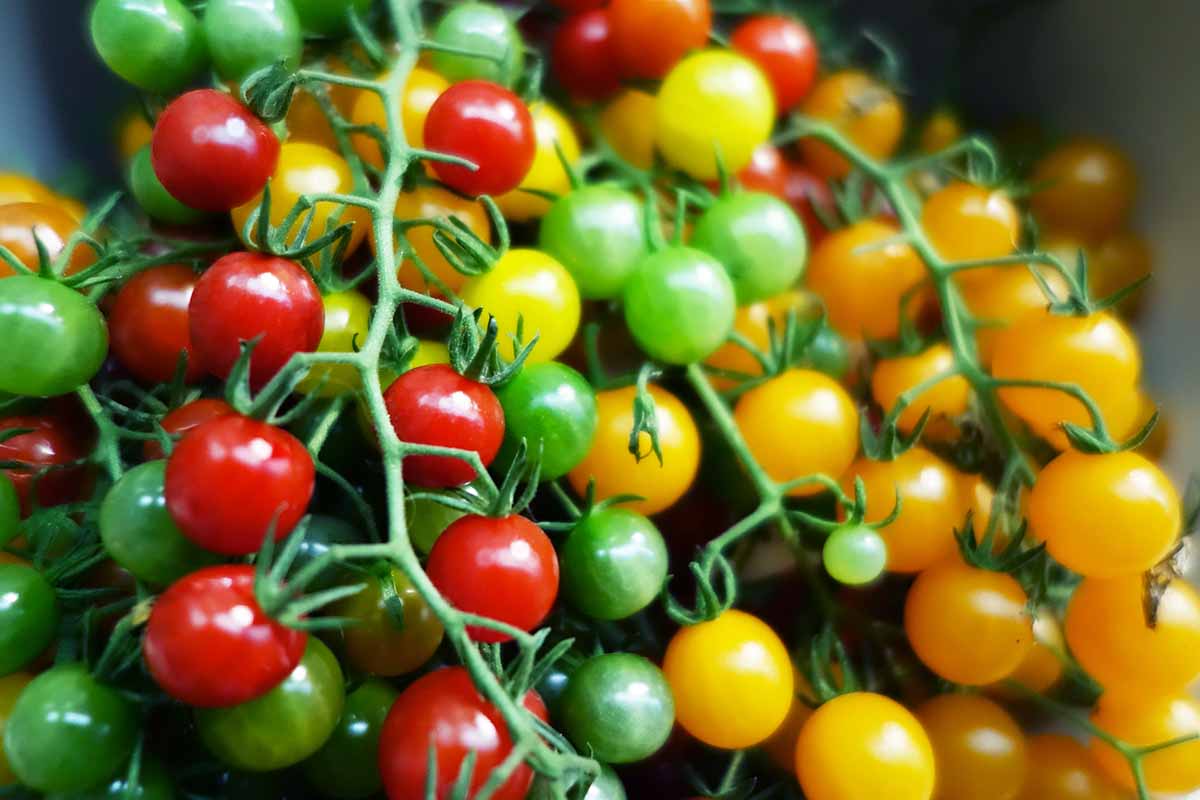
A close up of a variety of different colored cherry tomatoes, freshly harvested. There are red, green, and yellow fruits, pictured on a soft focus background.

Freshly picked cherry tomatoes are the perfect healthy snack, and they’re great in salads or roasted on the grill. Easily cultivated, the vigorous plants produce abundant clusters of fruit in containers on the patio or out in the garden. Don’t miss our guide to 17 of the best cherry tomatoes to plant in your garden.

33 of the Best Cucumber Varieties to Grow at Home

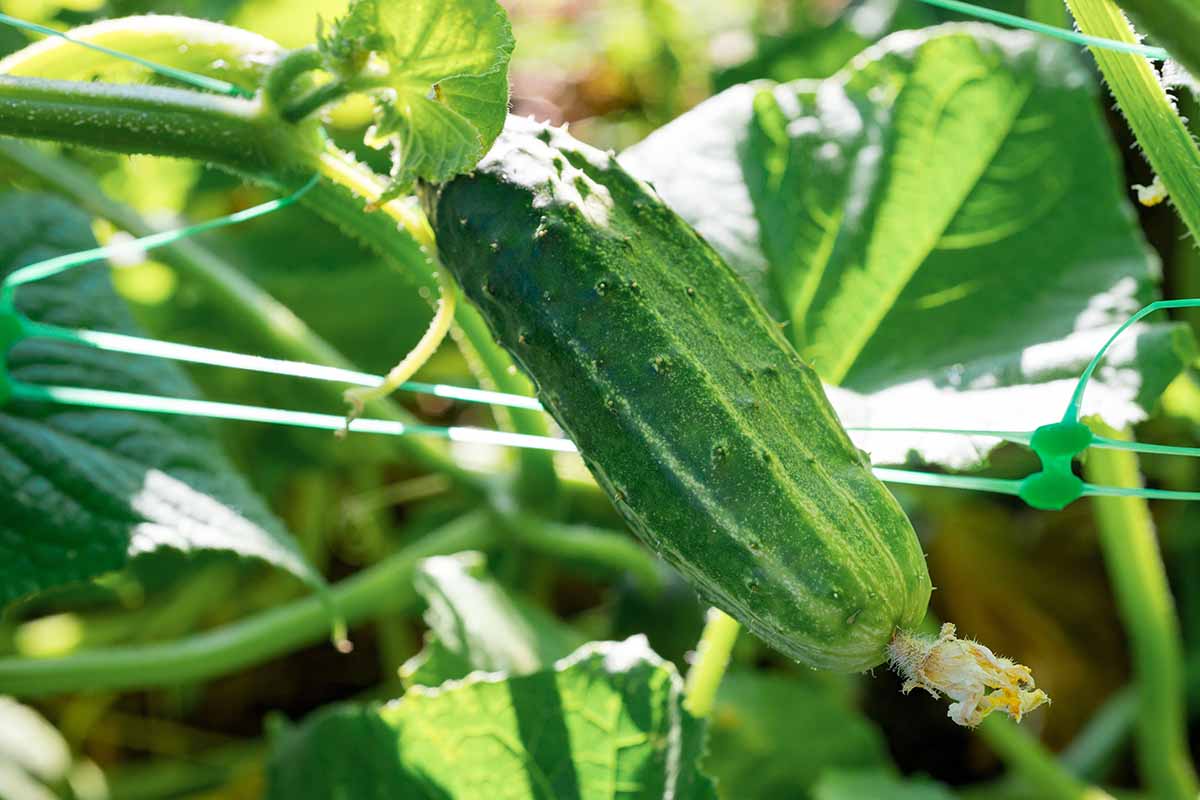
A close up of a small cucumber growing in the garden, pictured in light filtered sunshine with foliage in soft focus in the backgrounds.

Cucumbers are a summer staple in the vegetable garden, and there are numerous of different cultivars available. Whether you want to grow slicing varieties for salads and sandwiches, or those more suitable for pickling, learn about 33 of the best cucumber varieties and choose your favorites. Read more now.

Tips for Growing Lettuce Indoors

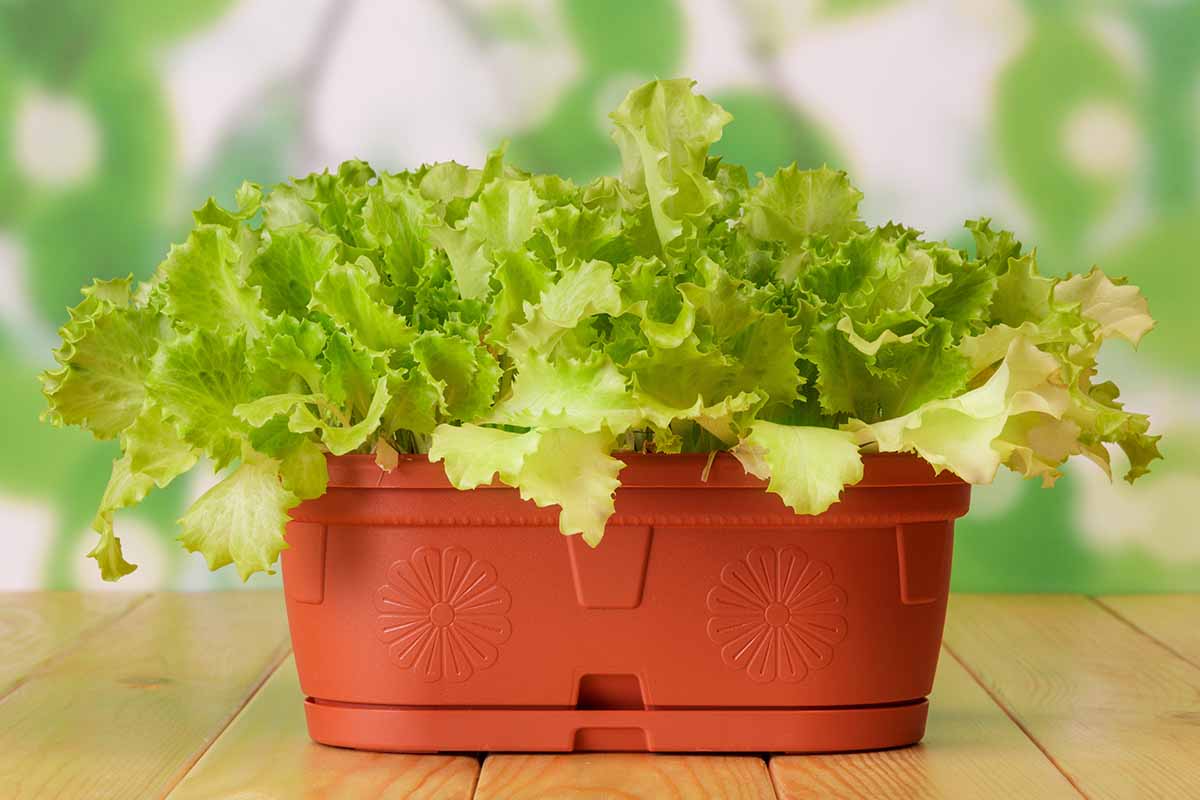
A close up horizontal image of lettuce growing in a self-watering rectangular planter set on a wooden surface indoors pictured on a soft focus background.

For a vegetable crop that you can quickly grow indoors all year long, try lettuce. Our guide explains how to sow and grow your own lettuce indoors, from picking the best cultivars to providing the right light exposure. Read more now for all the info you need so you can start harvesting fresh greens soon.

Tips for Growing Peas Indoors

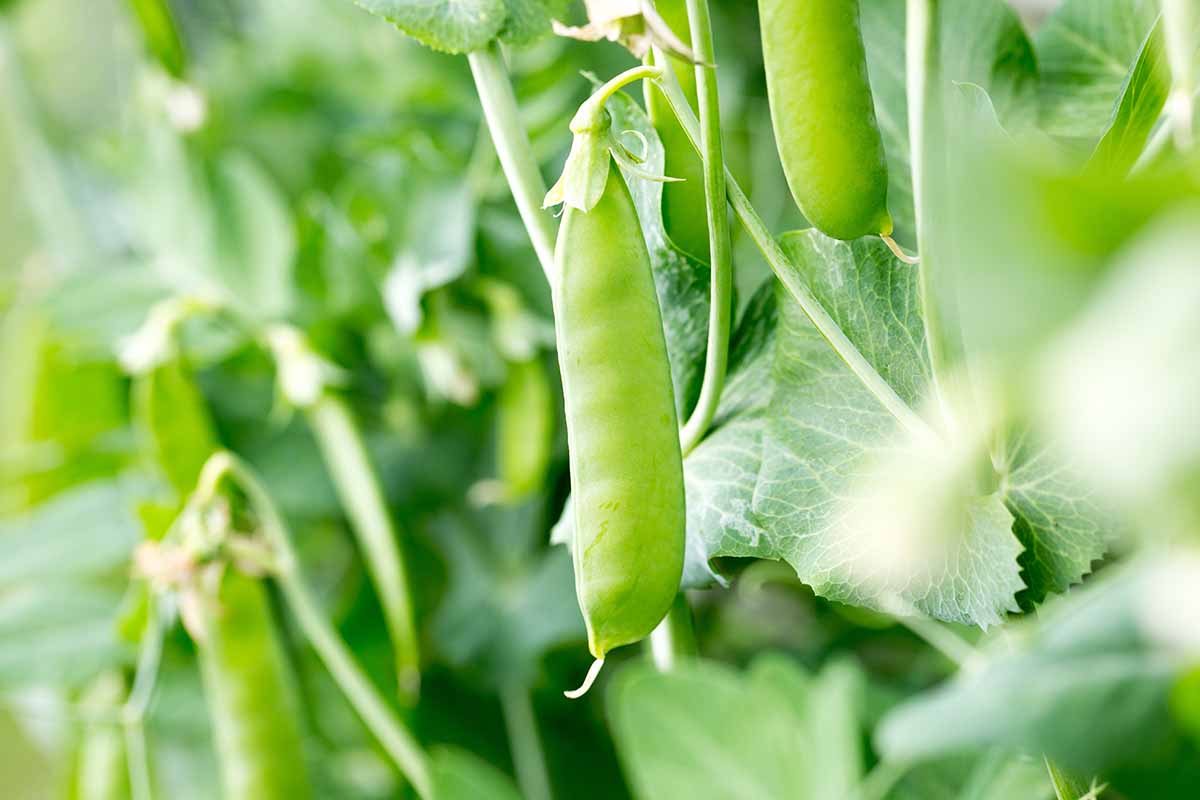
A close up horizontal image of pea pods growing on the plant pictured on a soft focus background.

Peas germinate quickly and are one of the easiest food crops to grow outdoors in the garden or a pot. But what if you want to enjoy homegrown peas year-round? Indoor gardening is the answer! It’s easy to cultivate peas indoors like other houseplants, especially when you use a grow light. Read more now.

How to Identify and Control Bok Choy Diseases

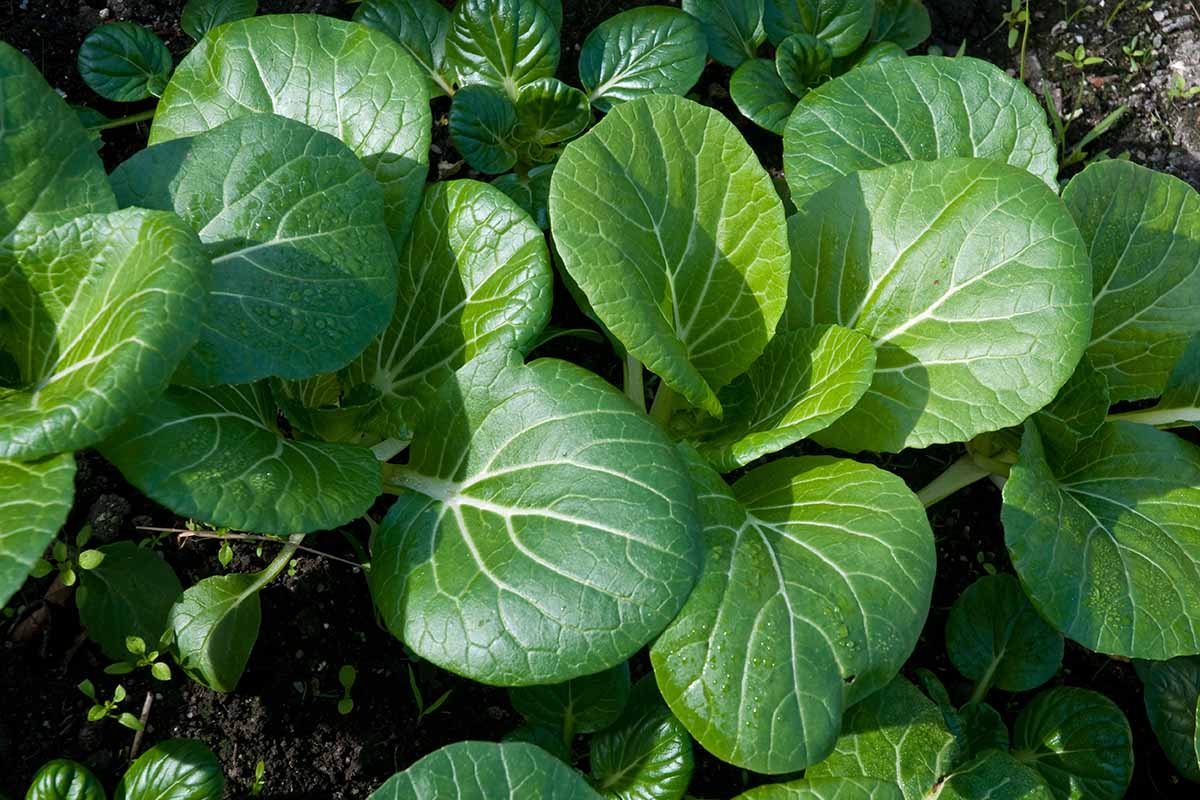
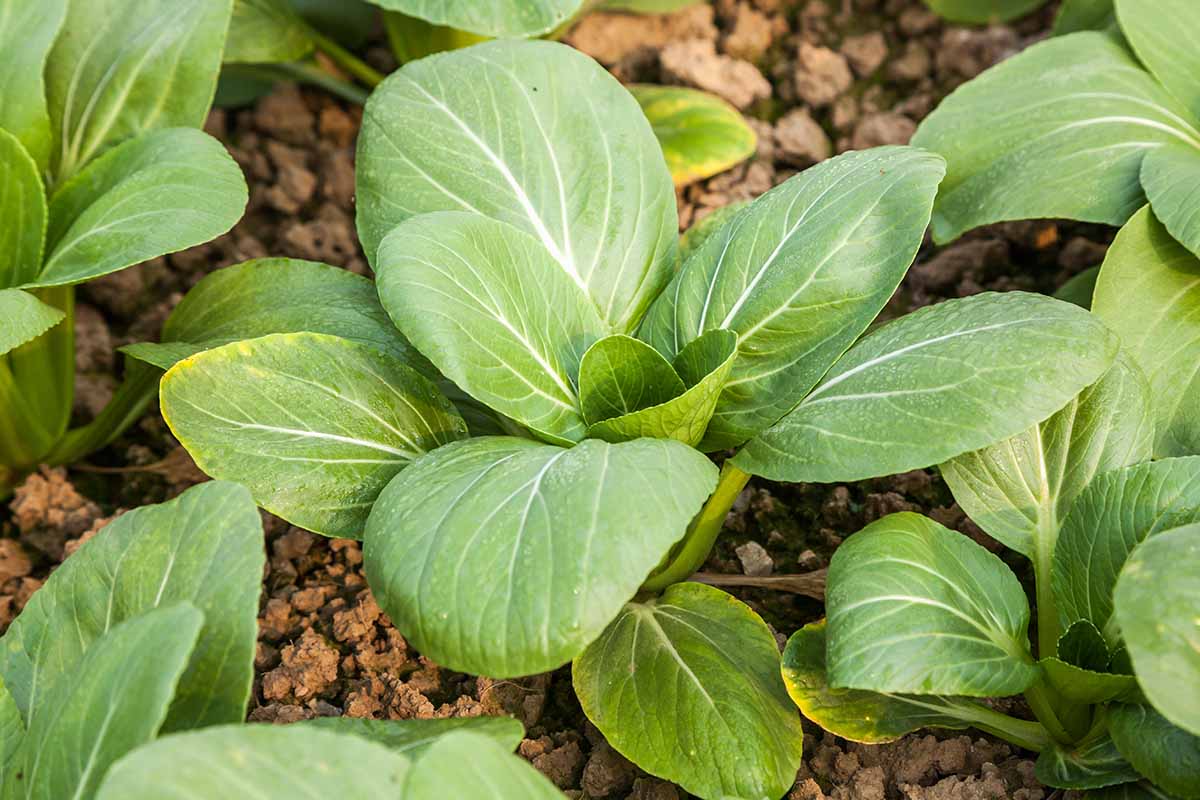
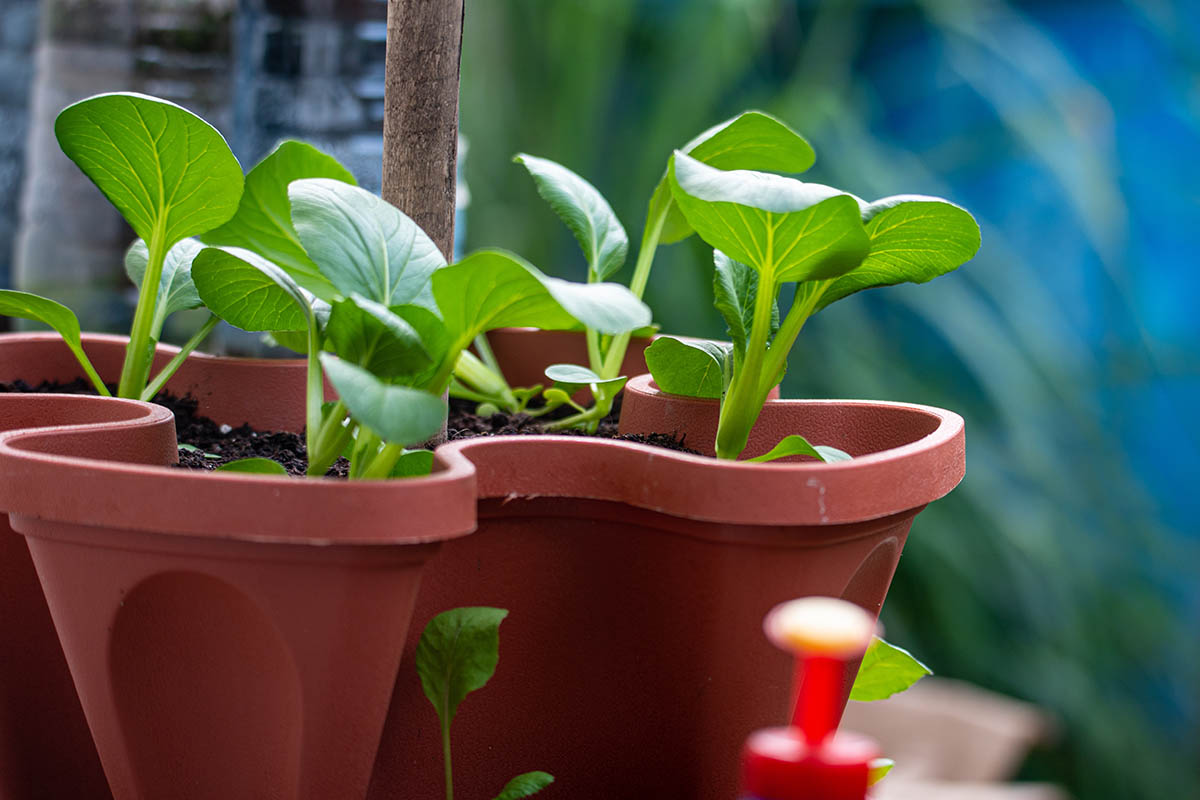
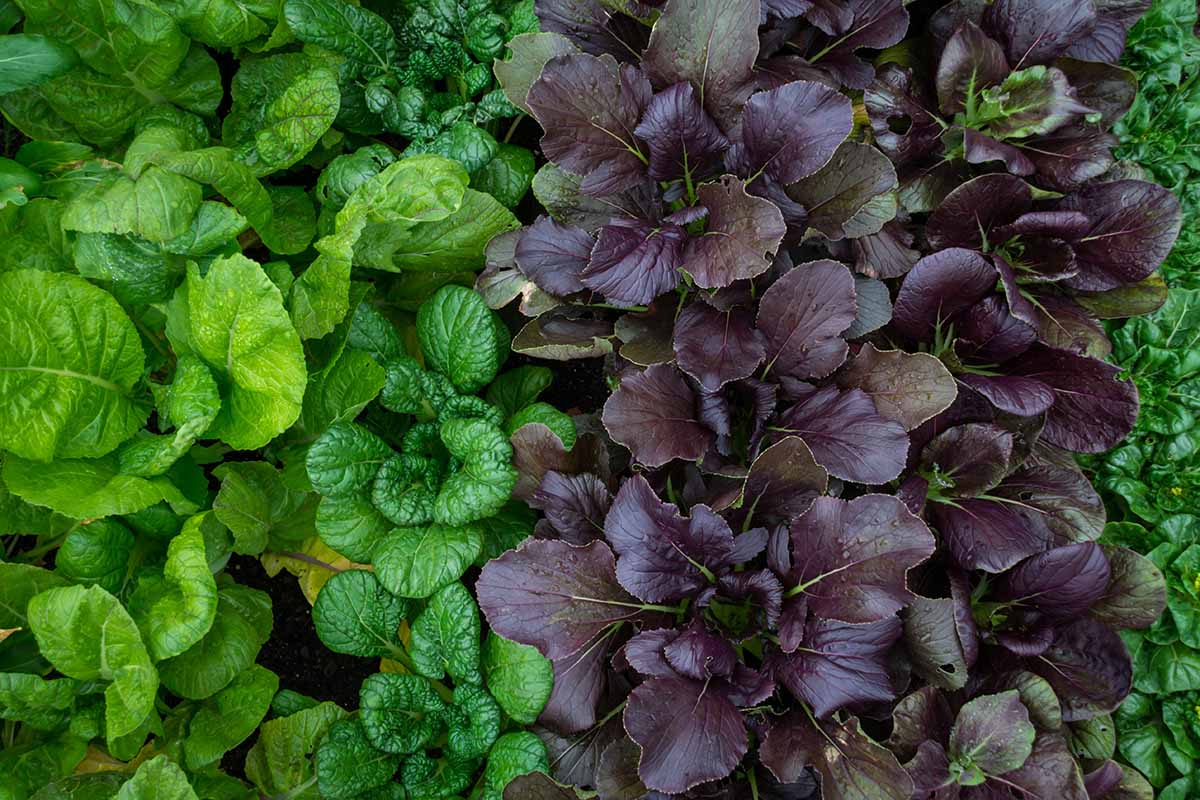
A close up top down image of bok choy growing in the garden pictured in light sunshine.

Disease can strike bok choy quickly and without warning, severely reducing its ability to produce delicious leafy goodness. But for the gardener with the proper know-how, the most common ailments don’t stand a chance. In our guide to bok choy diseases, we’ll cover how to detect, prevent, and manage the key offenders.

How to Plant and Grow Egyptian Walking Onions

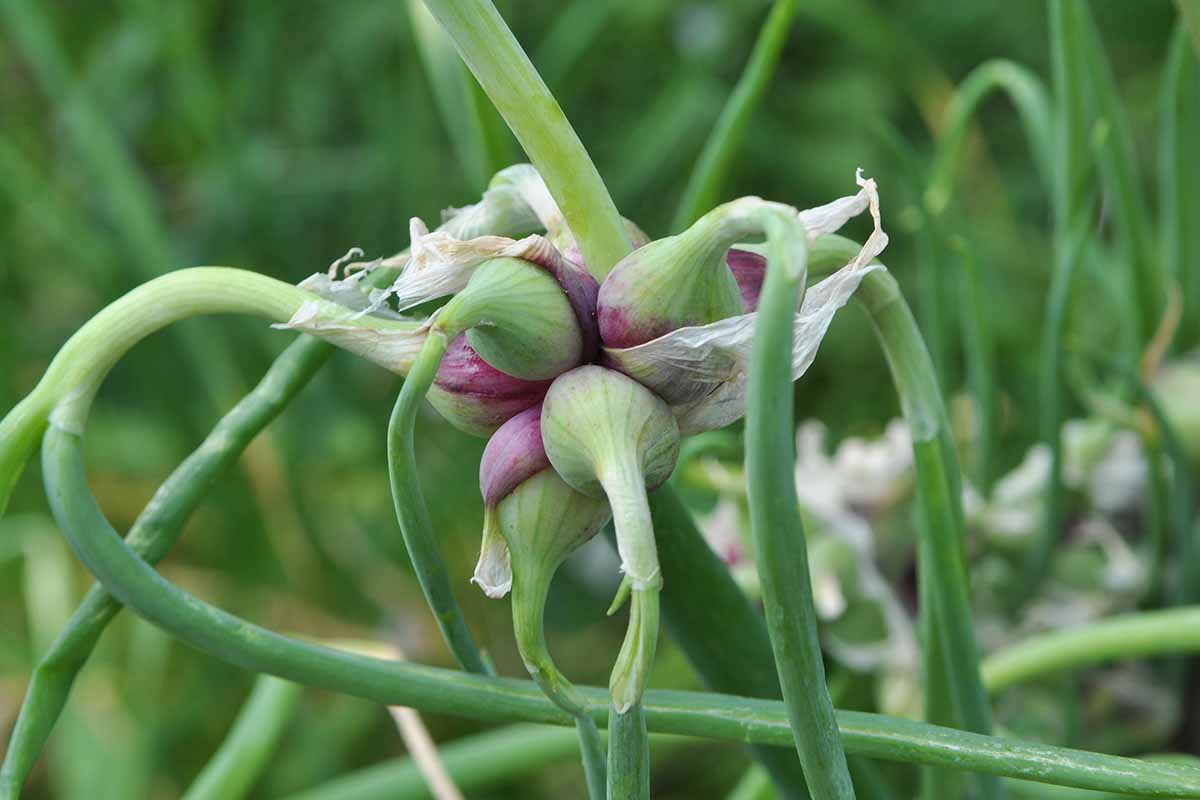
A close up horizontal image of the topsetting bulblets of Egyptian walking onions (Allium x proliferum) growing in the garden.

Egyptian walking onions are easy to grow and produce tasty underground bulbs as well as edible topsets or bulblets that allow them to “walk” around the garden. Hardy in Zones 3 to 10, these perennials will spread and establish a large, low-maintenance clump. Learn how to grow these unique alliums in this guide.

How to Identify and Manage Common Bok Choy Pests

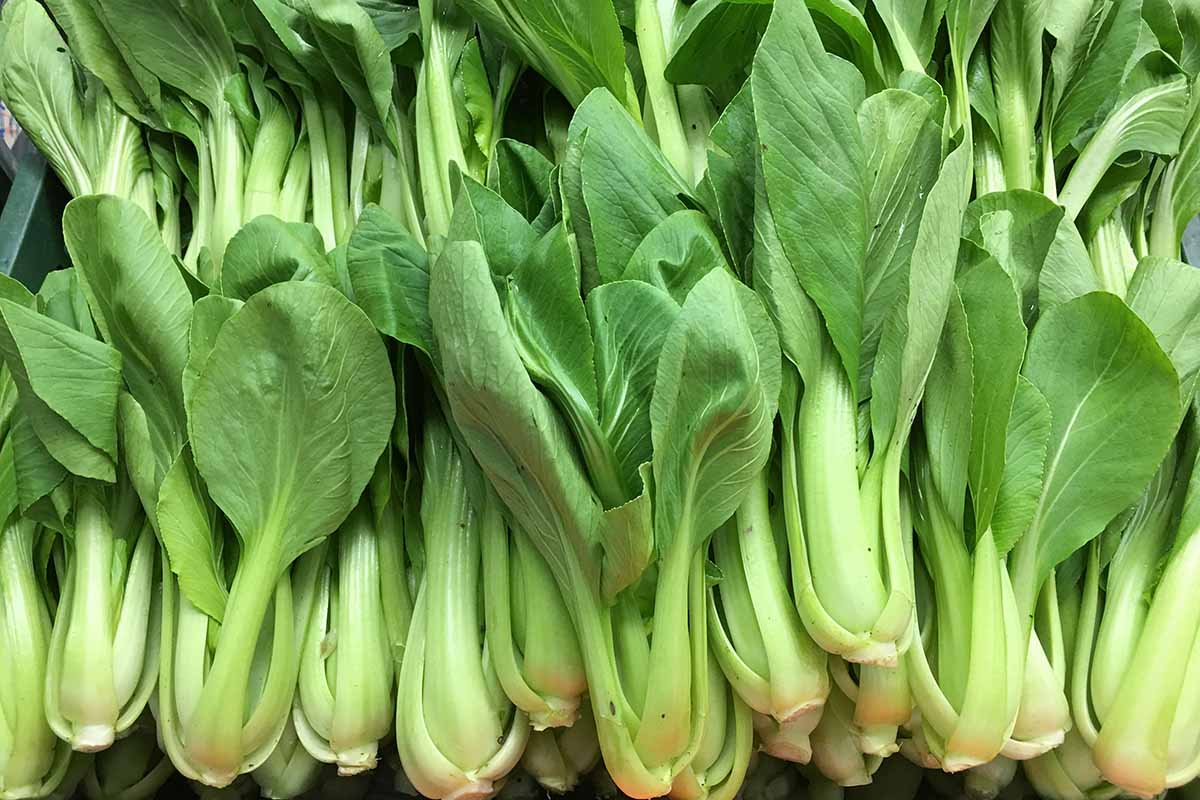
A close up horizontal image of freshly harvested bok choy in a pile at a market.

Many different types of pests can wreak havoc on a patch of bok choy in the garden. Need help? This guide covers how to identify, deter, and control several of the most frequent offenders. Once you’ve read and applied the tips and techniques in this guide, these pests won’t stand a chance at harming your pak choi.

How to Prune Cabbage Leaves (And Why You Should)

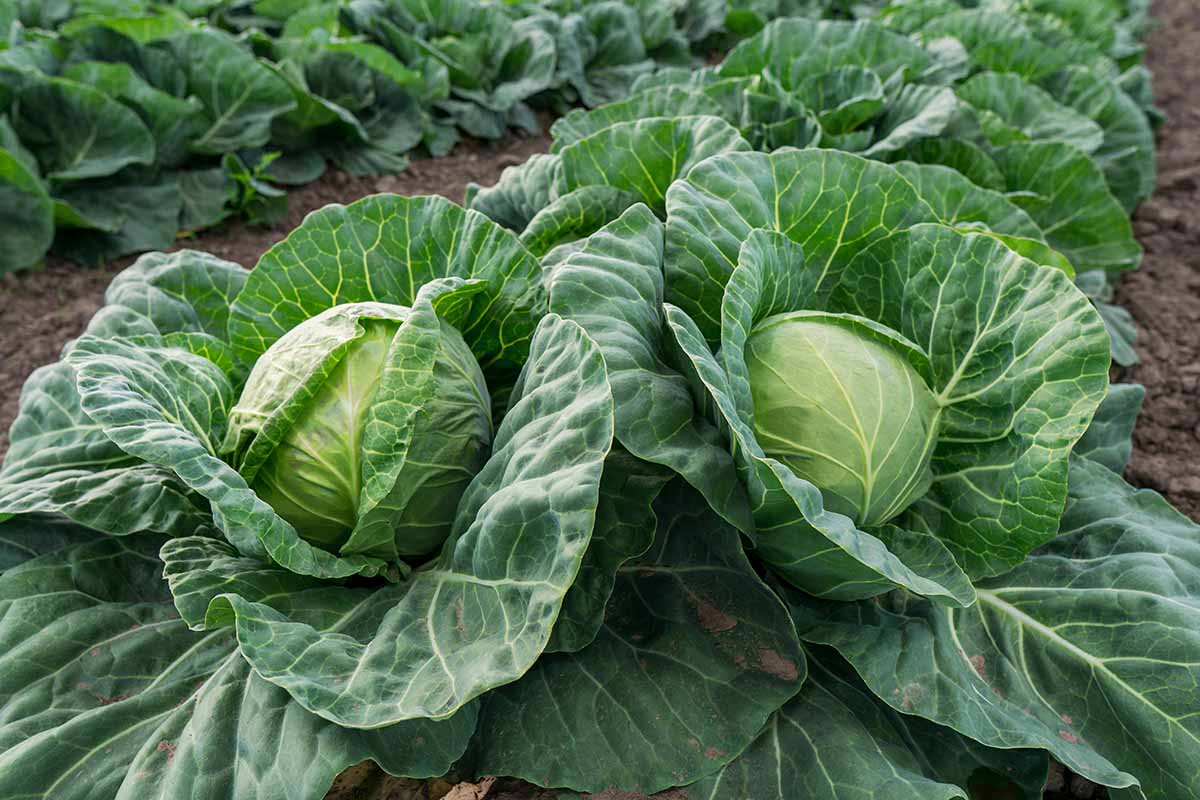
A close up horizontal image of rows of cabbages growing in the garden.

Most of the time, you don’t need to do much to keep your cabbage plants growing well. They’re fairly maintenance-free vegetables. But sometimes it’s necessary to prune your plants to keep them healthy or to encourage them to form bigger heads. Learn why, when, and how to prune cabbage leaves in this guide. Read more now.

Tips for Growing German White Garlic

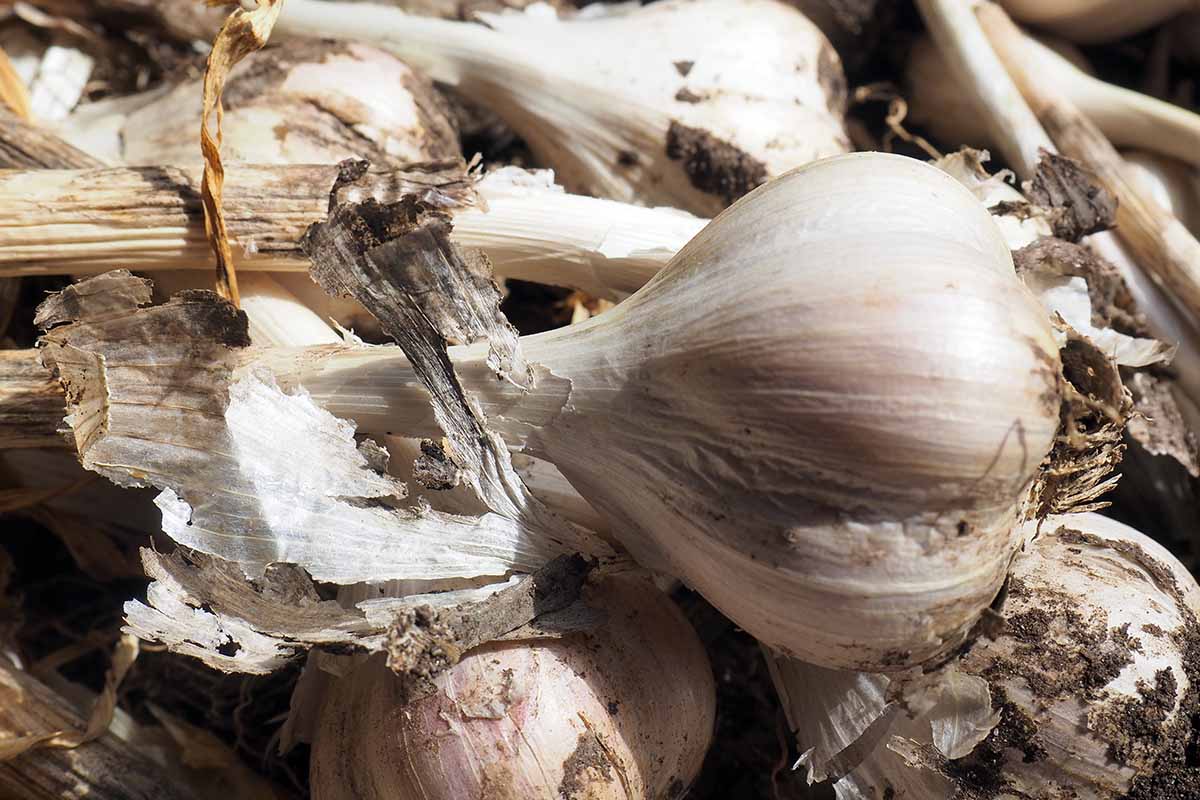
A close up horizontal image of 'German White' garlic bulbs freshly harvested and cured.

Flavorful, nutritious, and easily grown, German White garlic belongs to the Porcelain group of hardneck varieties. With good storage life, this popular choice is a fall-planted variety that requires cold vernalization for big, tasty bulbs that are harvested in early summer. Learn how to grow German White garlic now.

Tips for Growing Green Beans in Fall

A close up horizontal image of freshly harvested pile of green beans.

You can grow green beans to harvest in autumn, and the tips from our guide will improve your odds of success. Fall-grown beans need more time to grow, protection from harsh temperatures, and a carefully-selected planting site. Learn to grow a bumper crop of fresh beans for tailgates and fall festivals in this guide.

How to Protect Zucchini from Frost

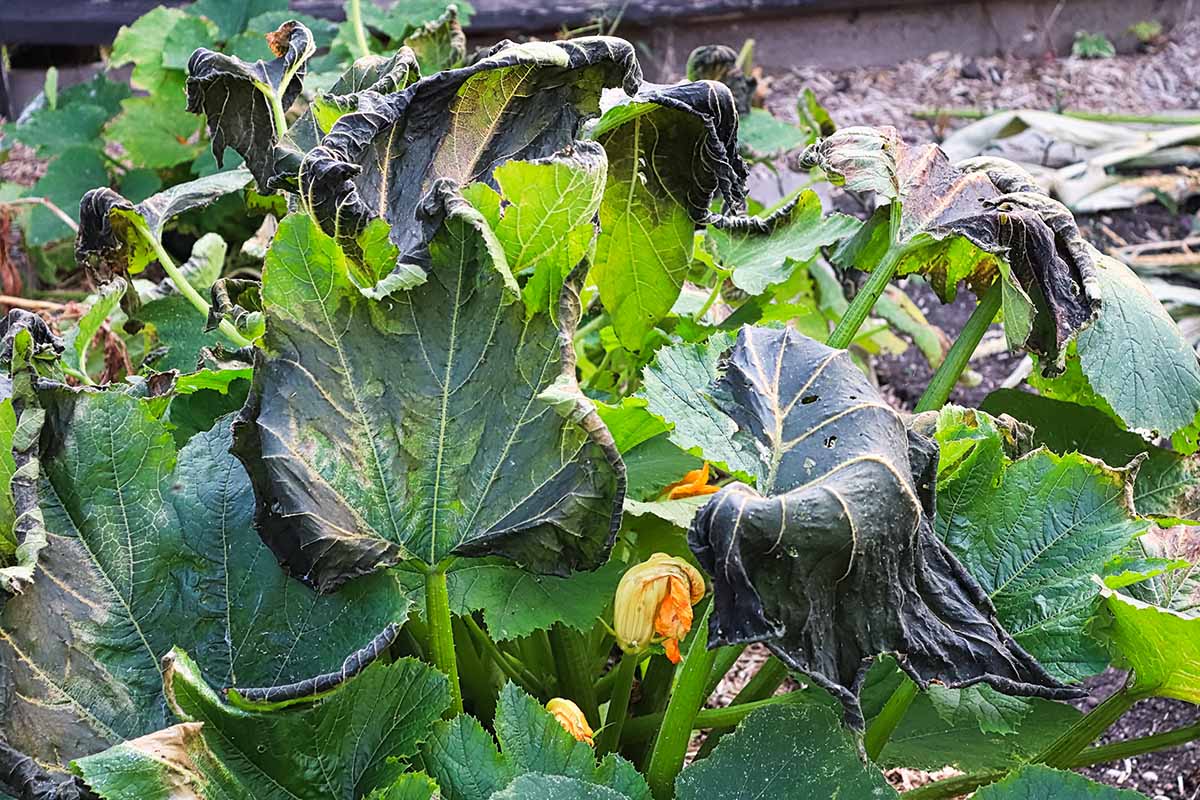
A close up horizontal image of a zucchini plant damaged by frost.

When frost or freezing weather threatens zucchini plants in your garden, there are steps you can take to protect them. From row covers and other protective strategies to planning your plantings ahead of time, growing suitable varieties for your area, and starting seeds indoors. Learn frost protection tips in this guide.

How to Plant and Grow Butternut Squash

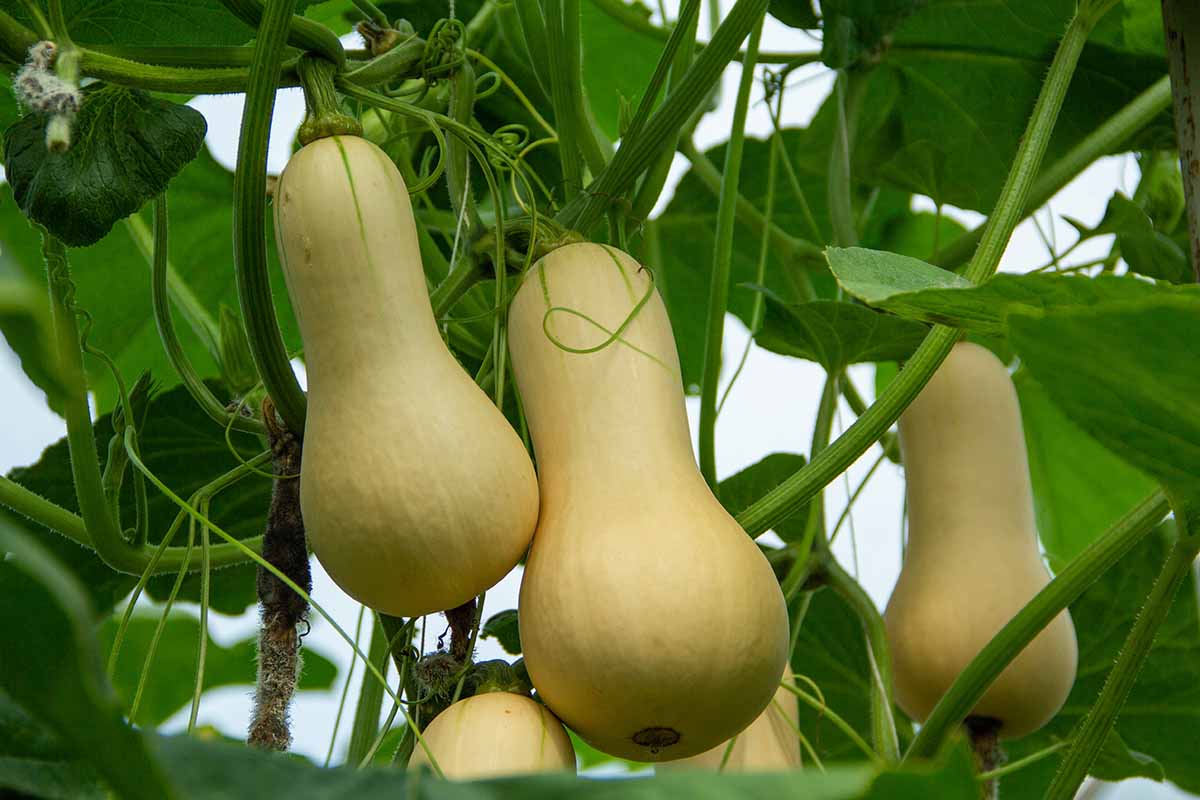
A close up horizontal image of butternut squash (Cucurbita moschata) growing vertically, with fruits ripening on the vine.

Delicious and nutrient-rich, butternut squash are pretty, tan-colored gourds with dense flesh that are grown as warm-season annuals. The trailing vines are cultivated in mounds or hills, but compact varieties are also suited for containers and small gardens. Learn how to plant and grow for butternut squash in this guide.

19 of the Best Cool-Weather Crops for a Productive Fall Garden

A close up horizontal image of freshly harvested vegetables set on a wooden surface.

As summer starts to wane and harvest season comes to a close, do you wish you could extend the growing season? Luckily, many cool-weather crops are well-suited for growing in fall gardens. In this guide, we cover 19 of our favorite cold-tolerant crops to keep your garden productive throughout autumn. Read more now.

How To Harvest and Cure Onions

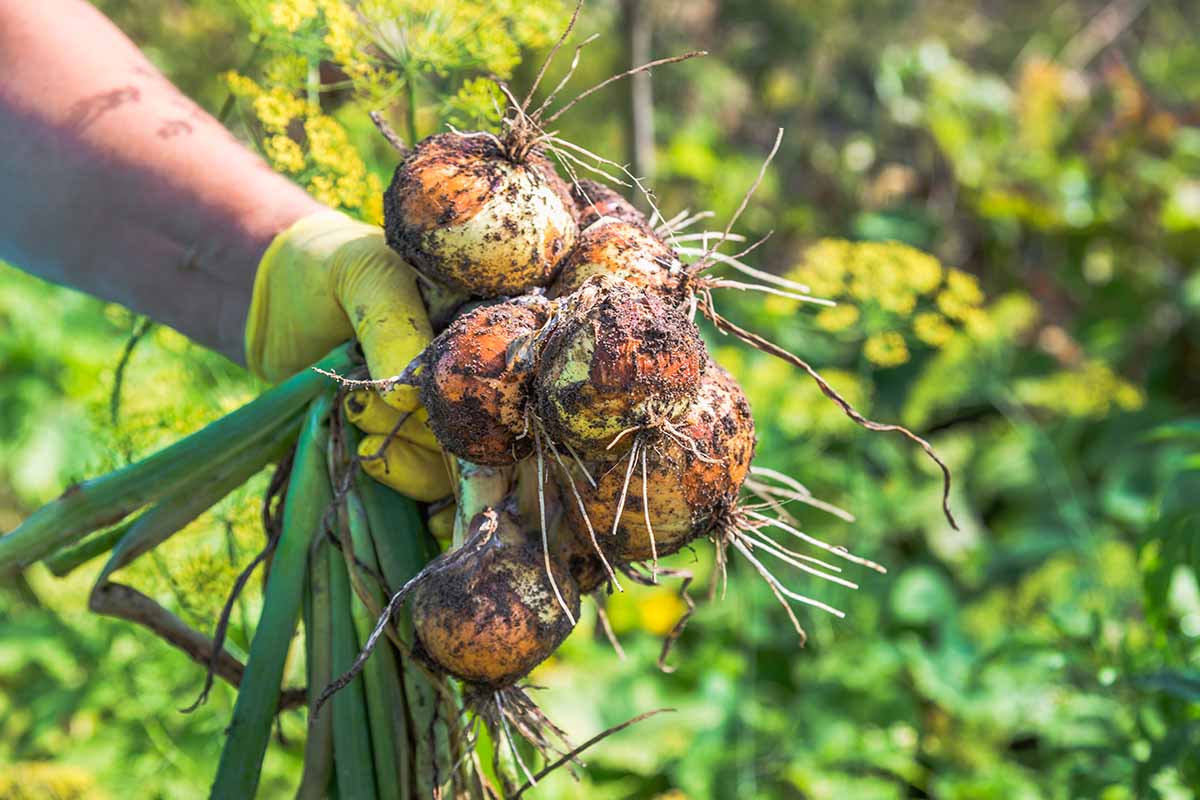
A close up horizontal image of a gardener's hand from the left of the frame holding a bunch of freshly harvested bulb onions.

Almost every savory recipe starts with a diced onion, adding a savory flavor base to the dish. Homegrown storage onions can stay in perfect condition for up to year with the right processing. Learn how and when to harvest and cure your onions for a self-sufficient kitchen supply in this guide. Read more now.
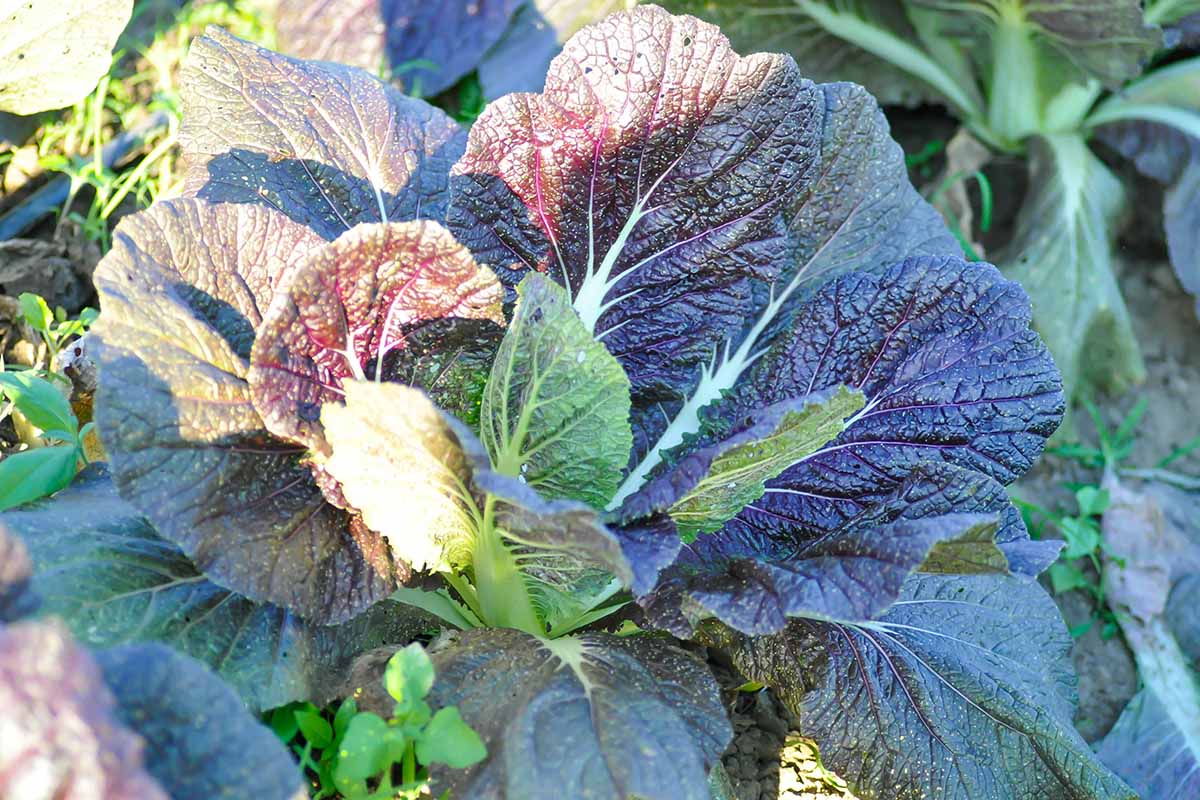
How to Store Homegrown Onions

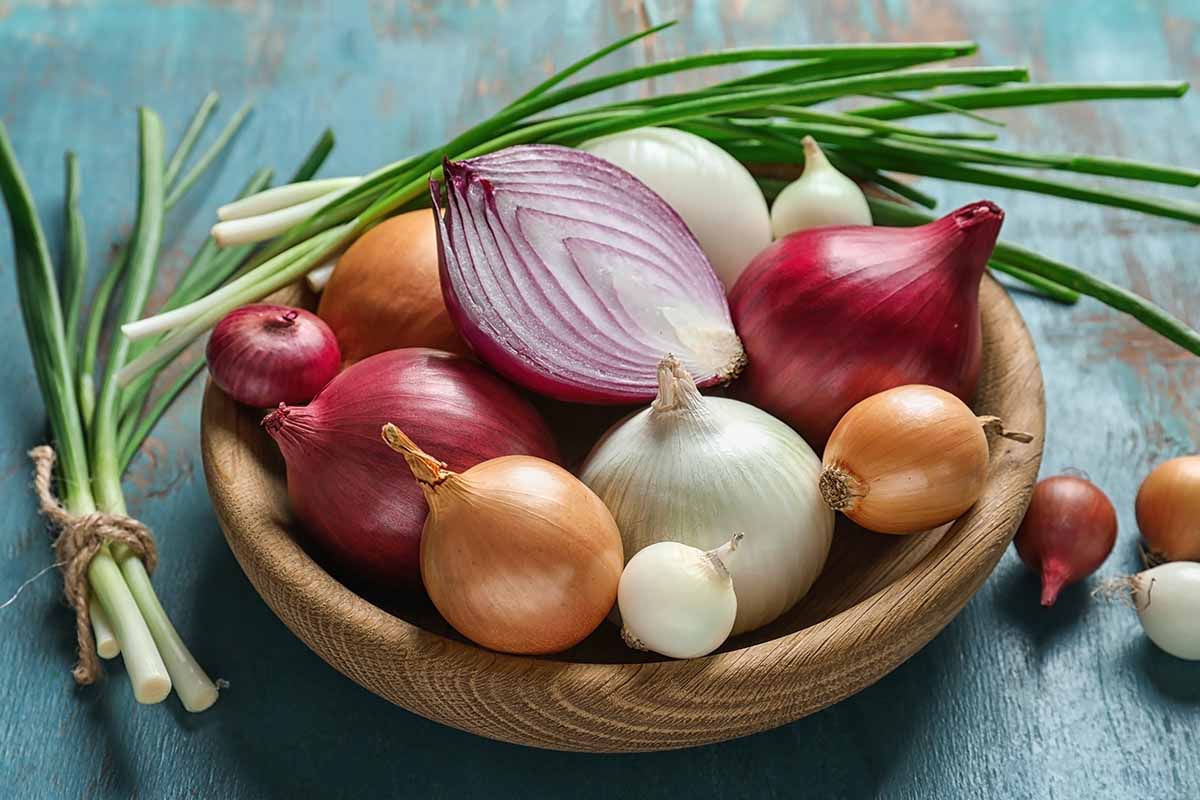
A close up horizontal image of a wooden bowl filled with different types of onions set on a rustic wooden surface.

Onions are versatile vegetables that are featured in almost every type of cuisine. If you are growing your first crop, take time now to decide how you’ll store them post-harvest. Yields are often surprisingly large, and it’s best to be prepared. Read on for all you need to know to store your homegrown onions.

Troubleshooting and Preventing Carrot Growing Problems

A close up horizontal image of a row of carrots ready for harvest growing in dark, rich soil.

Carrots are popular in the vegetable garden, but these root crops are quite particular about their growing conditions. Development problems can occur due to a variety of factors, from moisture management to temperature troubles. Learn how to troubleshoot and prevent carrot growing problems in this guide. Read more.

How to Control Beetles on Green Bean Plants

A close up horizontal image of green beans growing in the garden pictured on a soft focus background.

From bean leaf beetles to cucumber beetles, many insects will attack green beans. There are many ways to control these pests organically, and protect your plants from the damage they cause. Row covers and neem oil are the heavy hitters, perfect to include in your organic arsenal for keeping pests at bay. Read more now.

How to Prevent and Manage Common Mustard Green Pests and Diseases

A close up horizontal image of mustard greens growing in the garden pictured in light filtered sunshine.

While mustard greens grow quickly and are easy to care for in the home garden, they’re also susceptible to a number of pests and brassica diseases caused by pathogens like fungi and water molds. Our guide explains how to prevent the most common ailments, like downy mildew, and ways to cope with insect pests. Read more.

How to Protect Zucchini Plants from Pests

A close up horizontal image of zucchini plants with ripe fruits growing in the garden.

Zucchini is an integral part of a summer vegetable garden, but if the plants aren’t protected, pests like aphids and squash bugs can cause serious damage. While they are easy to grow, knowing how to protect your plants can improve your harvest. Discover the best options for protecting your plants in this guide.

How to Identify and Control Carrot Weevils

A close up horizontal image of freshly harvested carrots set on a wooden surface.

Carrot weevils are small snout-nosed beetles that lay eggs in the plant, and the larvae chew down into the root. The result: young plants may wilt and die, and any roots you do harvest may be cracked and full of black tunnels. This guide has everything you need to know about these pests, including control options.

How to Identify and Control Carrot Rust Fly

A close up horizontal image of a row of carrots growing in the garden.

Carrot rust flies are sneaky pests that dig into a crop undetected underground until the plants wilt, or worse – you pull the roots, hoping to have a bountiful harvest, and discover the damage. Learn everything you need to know about these tiny flies and munching maggots, including methods for prevention and control.

31 of the Best Companion Plants for Beans

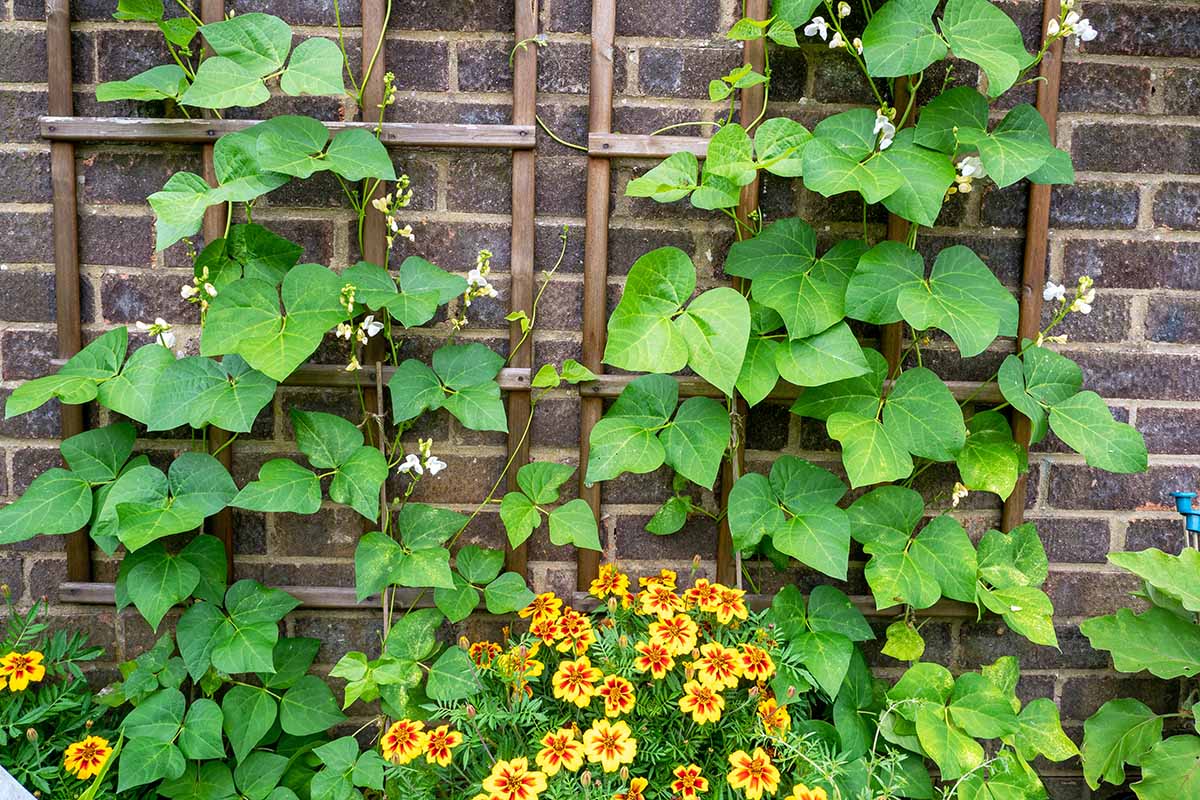
A horizontal image of bean plants growing up trellis attached to a brick wall with marigold flowers growing at the base of the vines.

Beans are a no-brainer garden crop, easily providing a bountiful harvest. But you might wonder which companion plants can help this legume to repel pests, offer structural support, keep weeds at bay, improve the soil, or increase your yield. Read more now to discover 31 of the best plant partnerships for beans.

Why Zucchini Blossoms Drop and What to Do About It

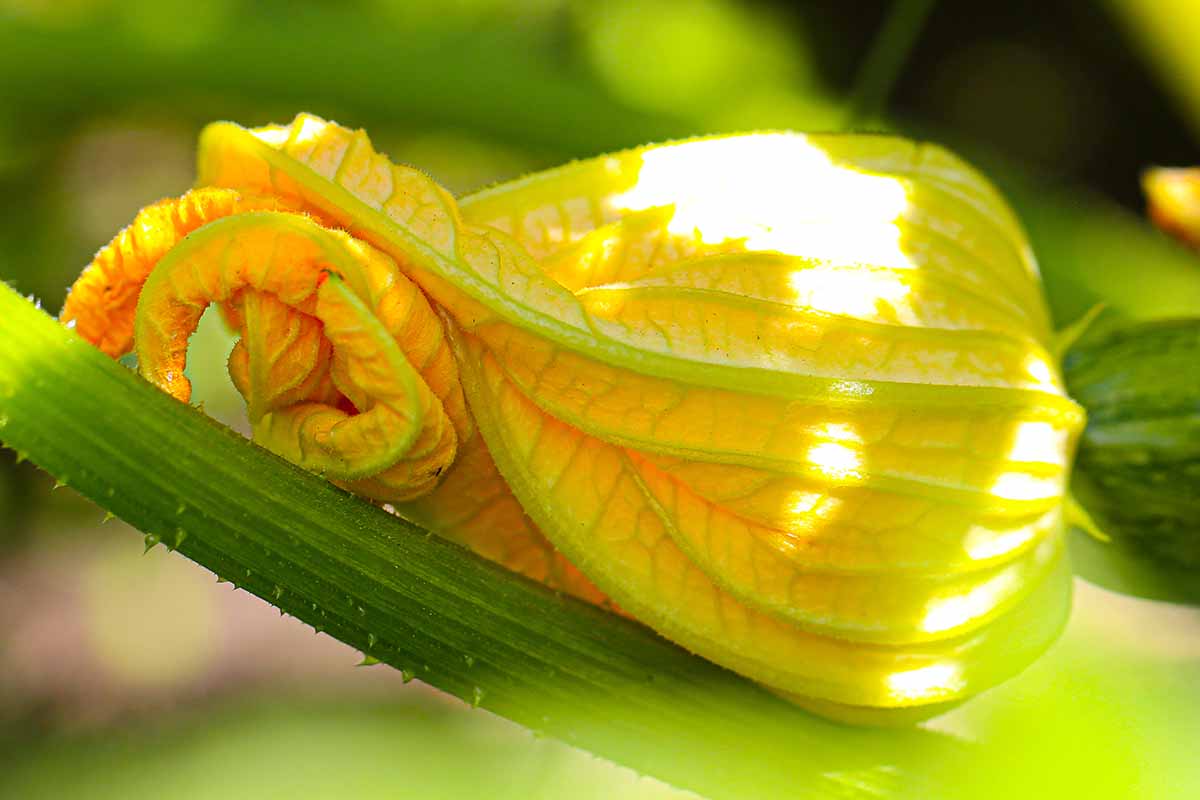
A close up horizontal image of a zucchini flower growing in the garden pictured on a soft focus background.

When zucchini drop their flowers without producing squash, don’t panic. It could be the male flowers dropping after they release pollen, which is harmless. Or the zucchini could be suffering from poor pollination or cutworm damage. Address the root causes and learn to prevent them in the first place with our guide.

How to Identify and Control Carrot Pests

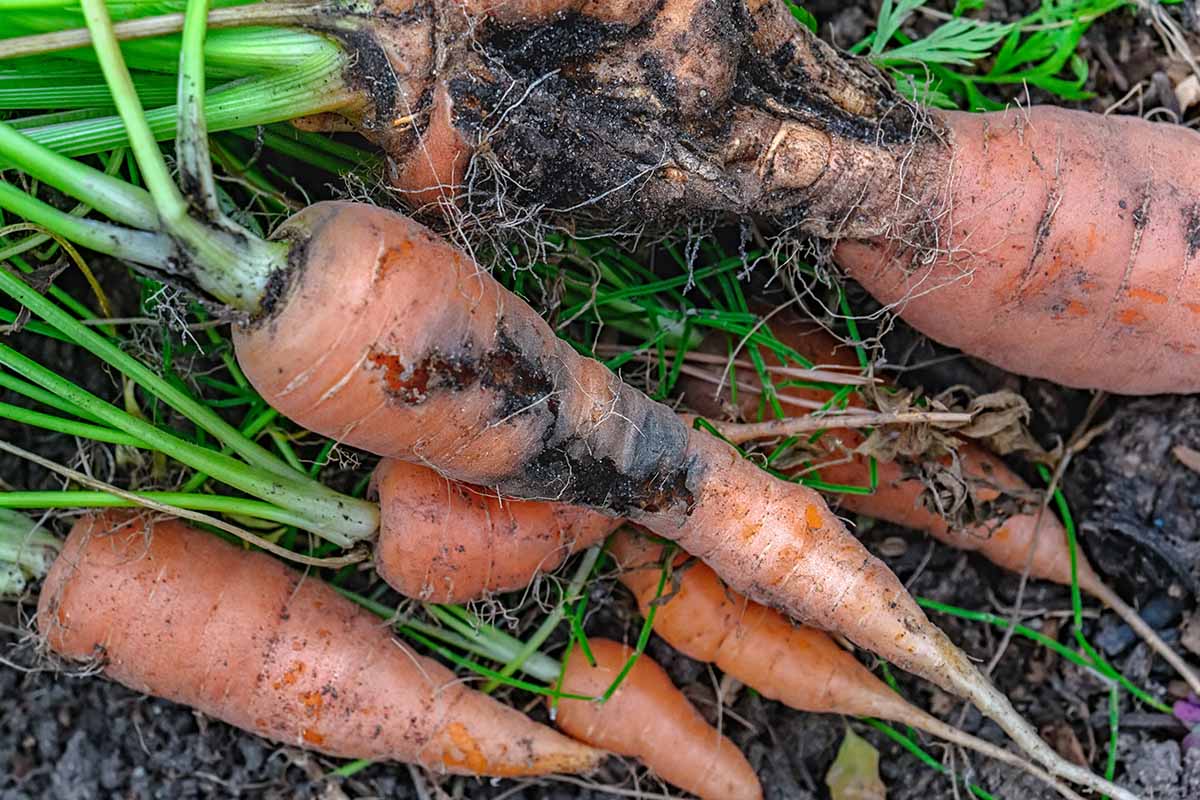
A close up horizontal image of freshly pulled carrots showing damage from pests.

There is nothing more disappointing than finding your long-awaited, carefully cultivated carrot roots chewed, distorted, or stunted thanks to a variety of pest insects and other creepy crawlies. Check out this guide to read up on everything you need to know about the most common carrot pests and how to deal with them.

How to Plant and Grow Spaghetti Squash

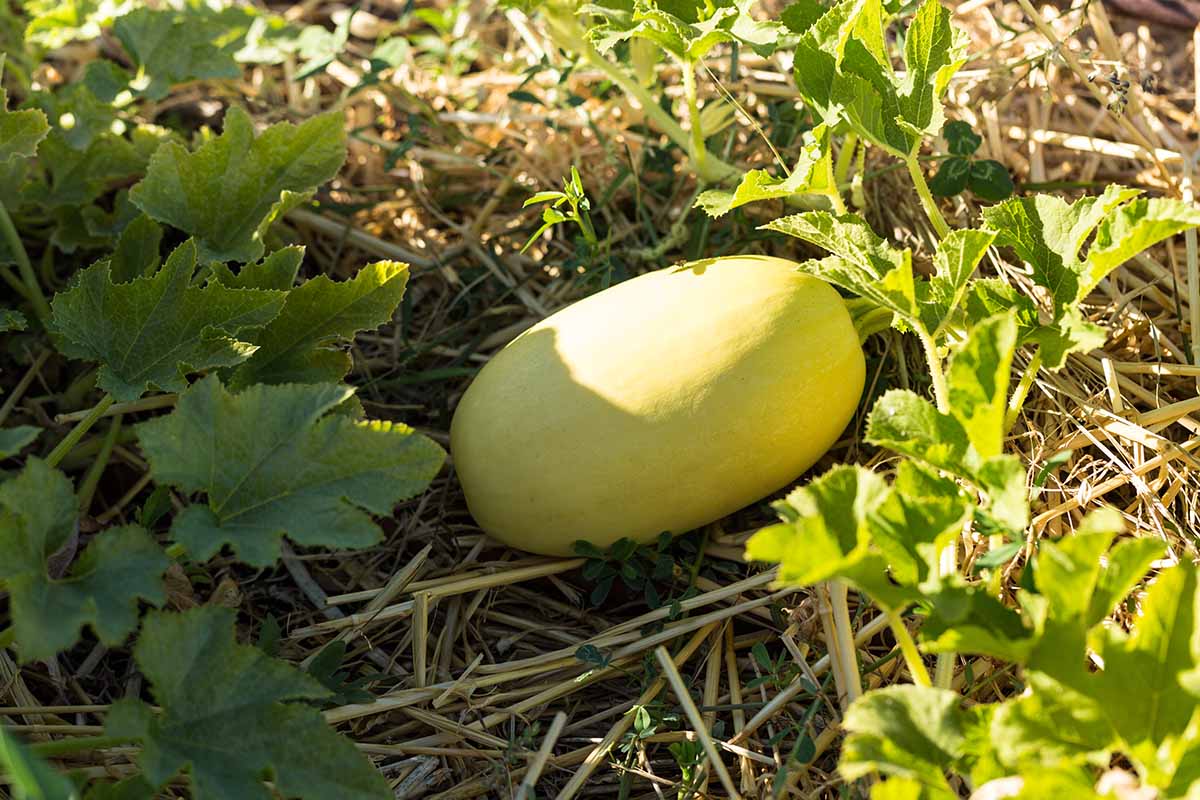
A close up horizontal image of a spaghetti squash ripening on the vine pictured in light filtered sunshine.

Spaghetti squash is a type of winter squash that has spaghetti-like strands commonly used as an alternative to starchy noodles. The plants are heat tolerant and easy to cultivate, and can even grow in small space gardens with trellising. Learn how to plant and grow your own in this guide. Read more now.
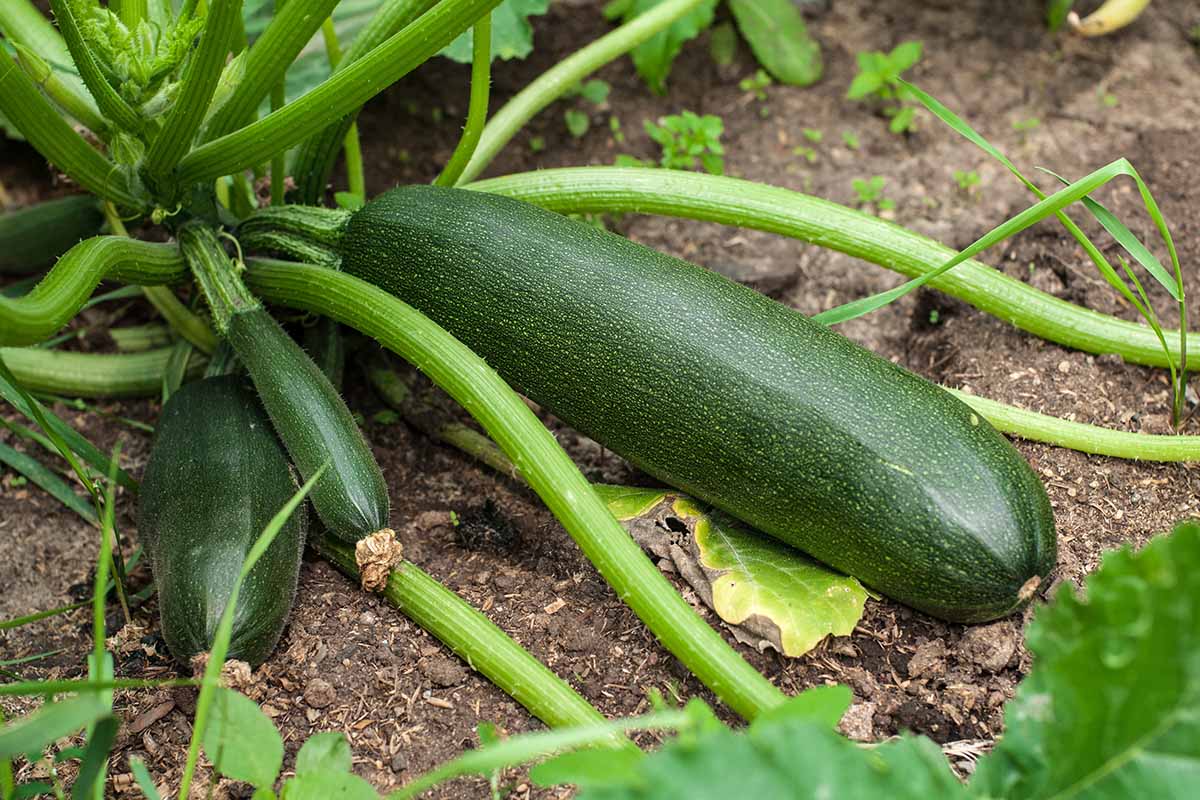
7 of the Best Types of Fava Beans

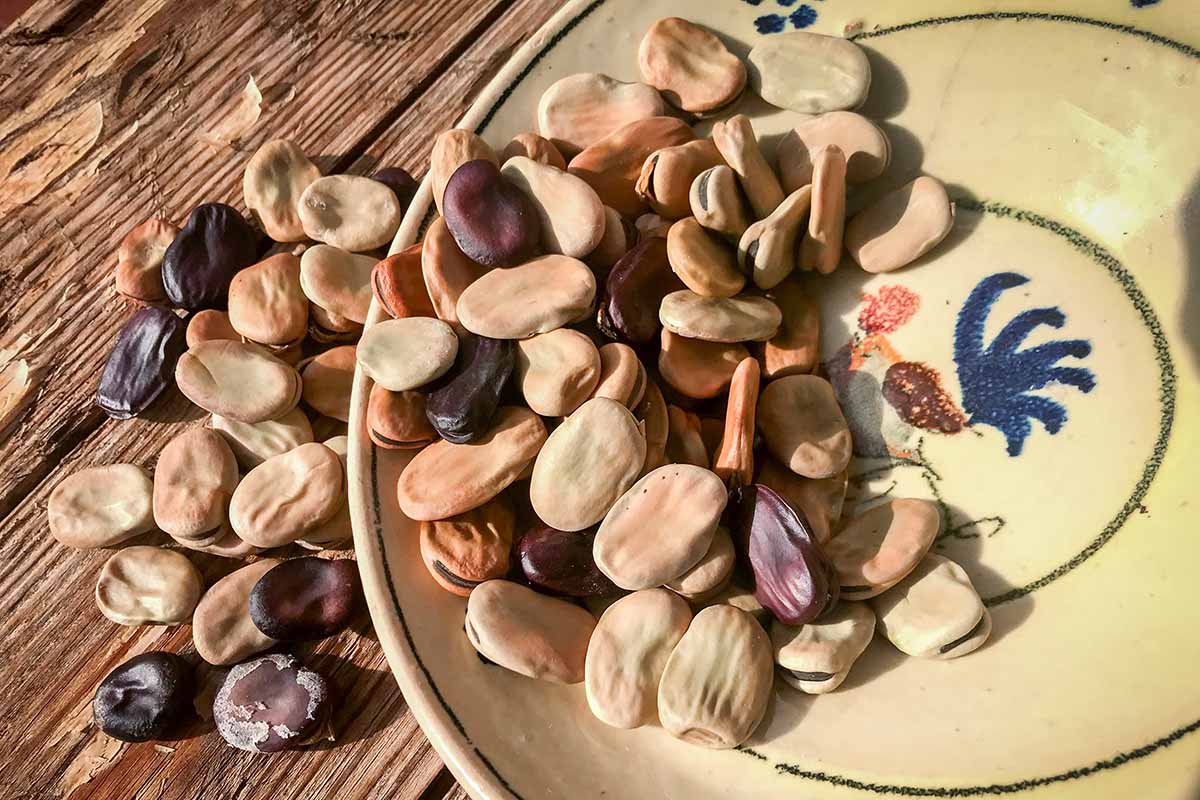
A close up horizontal image of a dried fava beans on a ceramic plate spilling onto a wooden surface, pictured in bright sunshine.

When you grow fava beans at home, you have a wealth of options. Some types are super cold-hardy, while others are well-adapted to short growing seasons. Some excel when used as a cover crop – and all of them are fabulous in the kitchen. Keep reading to discover 7 of the best types of favas you can grow in the garden.

How to Plant and Grow Fava Beans

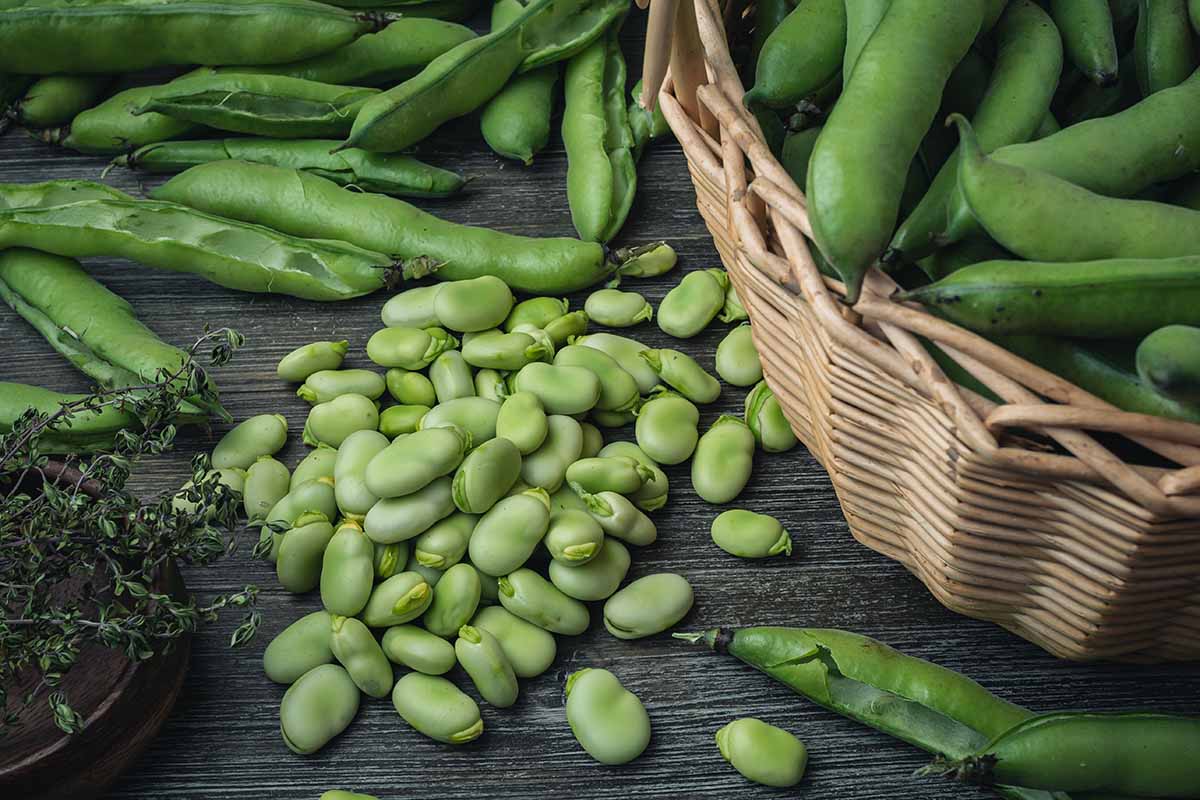
A close up horizontal image of freshly shelled fava beans on a dark wooden surface with empty pods scattered around and full ones in a wicker basket.

Fava beans are a superb addition to the home garden, and they can be grown in spring or winter as nitrogen fixers or as a cool-weather crop. Also called broad beans, these legumes make excellent companion plants and bear tasty, meaty beans with endless uses. Keep reading to learn more about growing fava beans.

13 Different Types of Edible Beans for the Garden

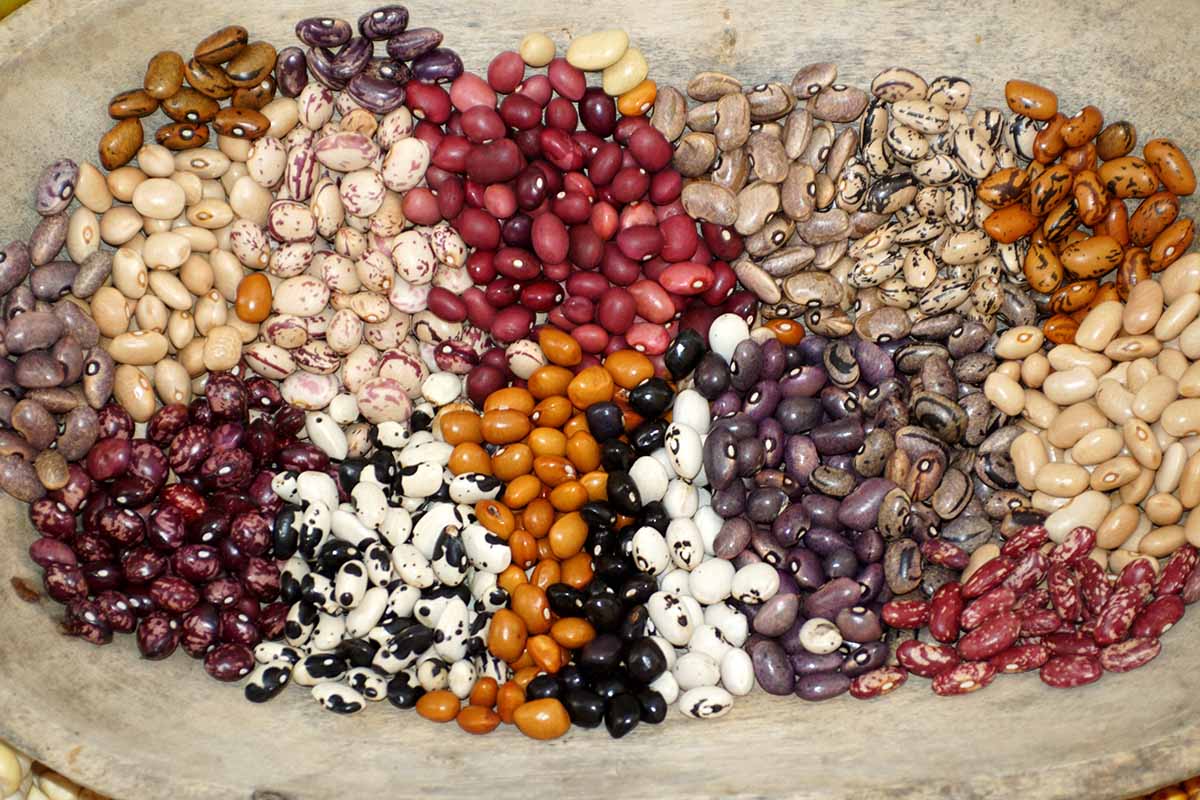
A close up horizontal image of different types of beans set in a wooden bowl.

When growing beans at home, there are different types to try suited to almost every garden and palate. Some are perfect as cool-weather crops, while others hold up nicely to drought. Whether for fresh eating or dry storage, you have a wealth of options. Keep reading to learn about 13 different types of edible beans.

How to Plant and Grow Pinto Beans

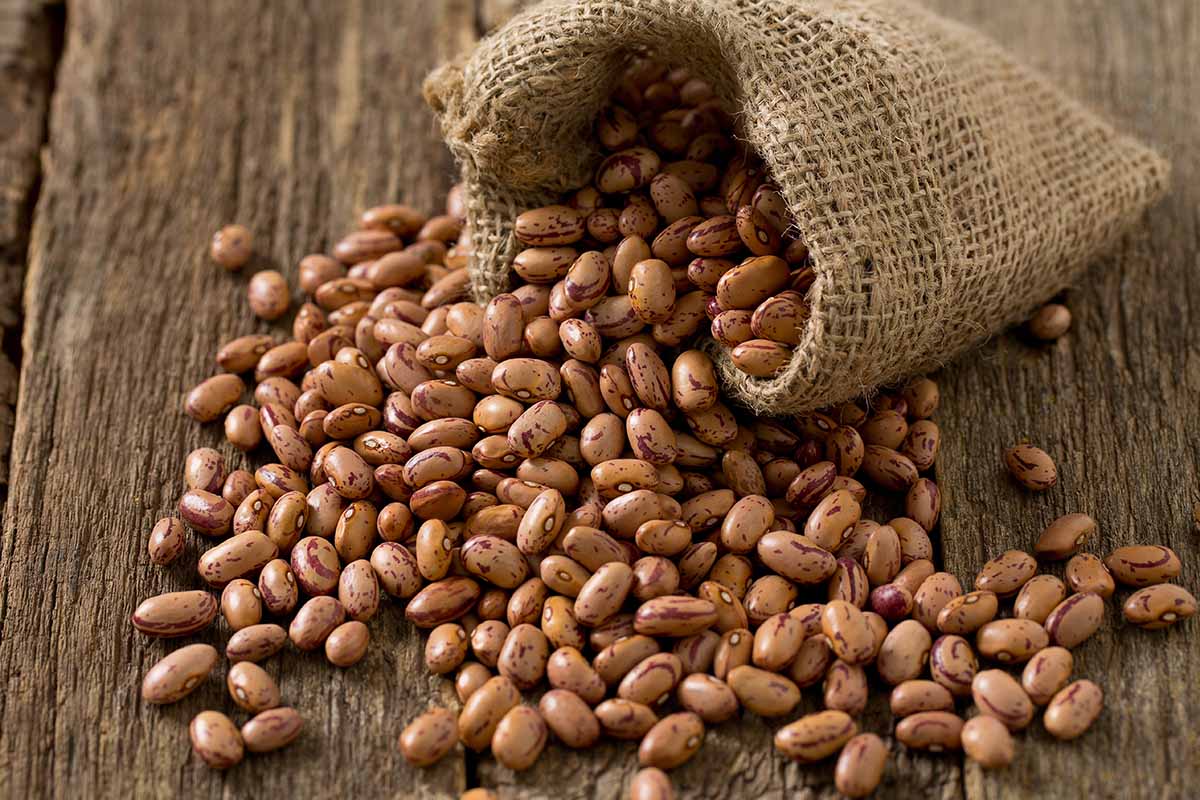
A close up horizontal image of a bag of pinto beans spilling out on to a wooden surface.

Growing your own pinto beans is a low-stress, nutritious means of becoming more self-sufficient as a gardener! Whether you aim to live off the grid, or you just want access to some on-the-house ingredients for making bean burritos, the pinto bean is the legume that’ll get you there. Learn how to grow them in this guide.

What Is Bolting? Learn What It Means When Vegetables and Herbs Bolt

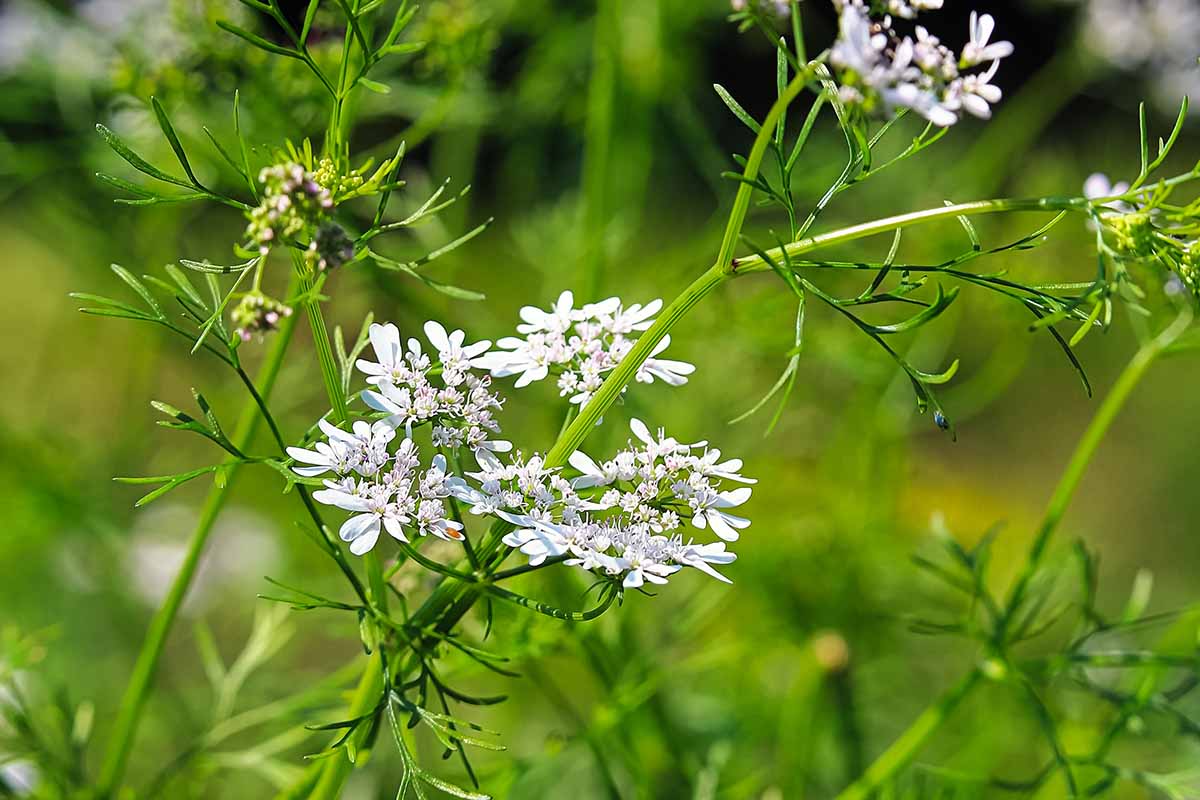
A close up horizontal image of the white flowers of cilantro that has bolted pictured on a soft focus background.

If you’re a beginning gardener, maybe you’ve heard that certain plants can bolt. But what does that mean, and how can it affect your harvest of certain types of vegetables and herbs? We’re here to help! Read more to learn all about bolting on Gardener’s Path, and how to prevent flowers and seeds from forming too soon.

Tips for Growing Peas in Containers

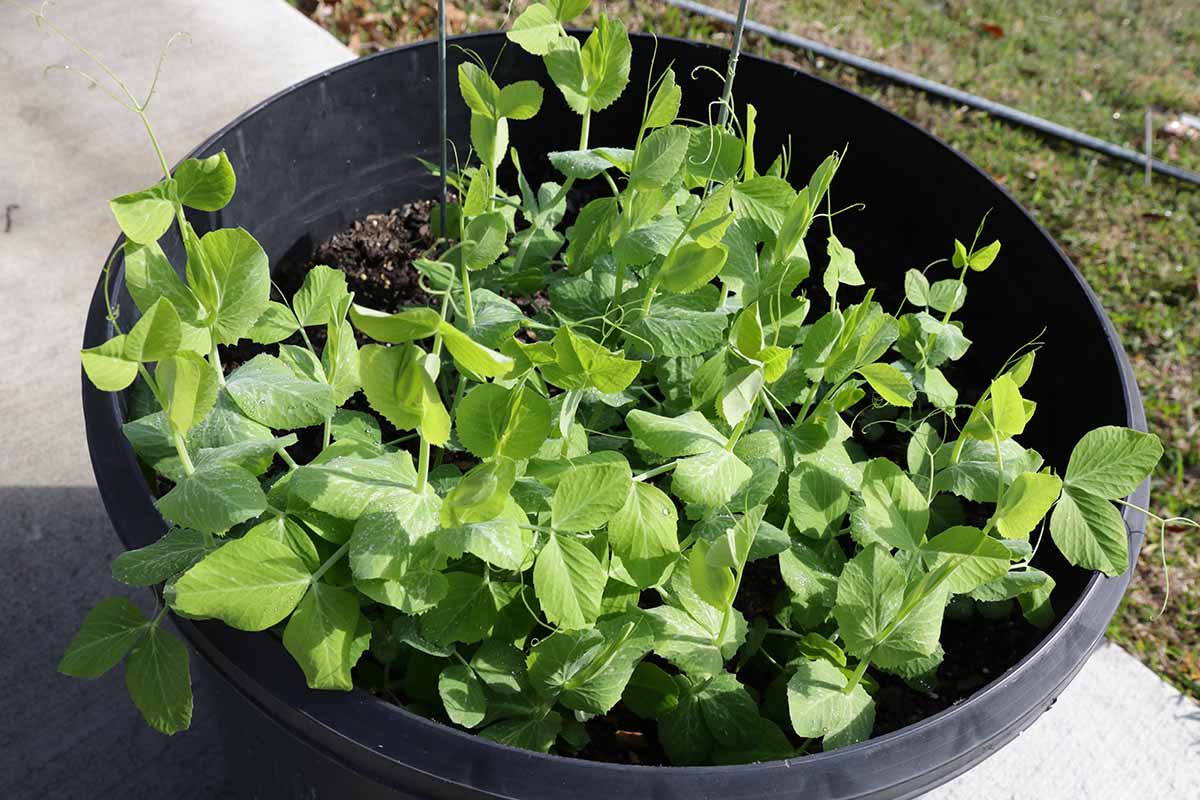
A close up horizontal image of pea plants growing in a black plastic container.

Potted peas, please! These plants were practically made for container growing. Their vertical growth habit, shallow roots, and low space requirements make them easy to plant and care for. It’s easy to get started, and with little effort, you’ll be harvesting fresh peapods throughout the growing season.
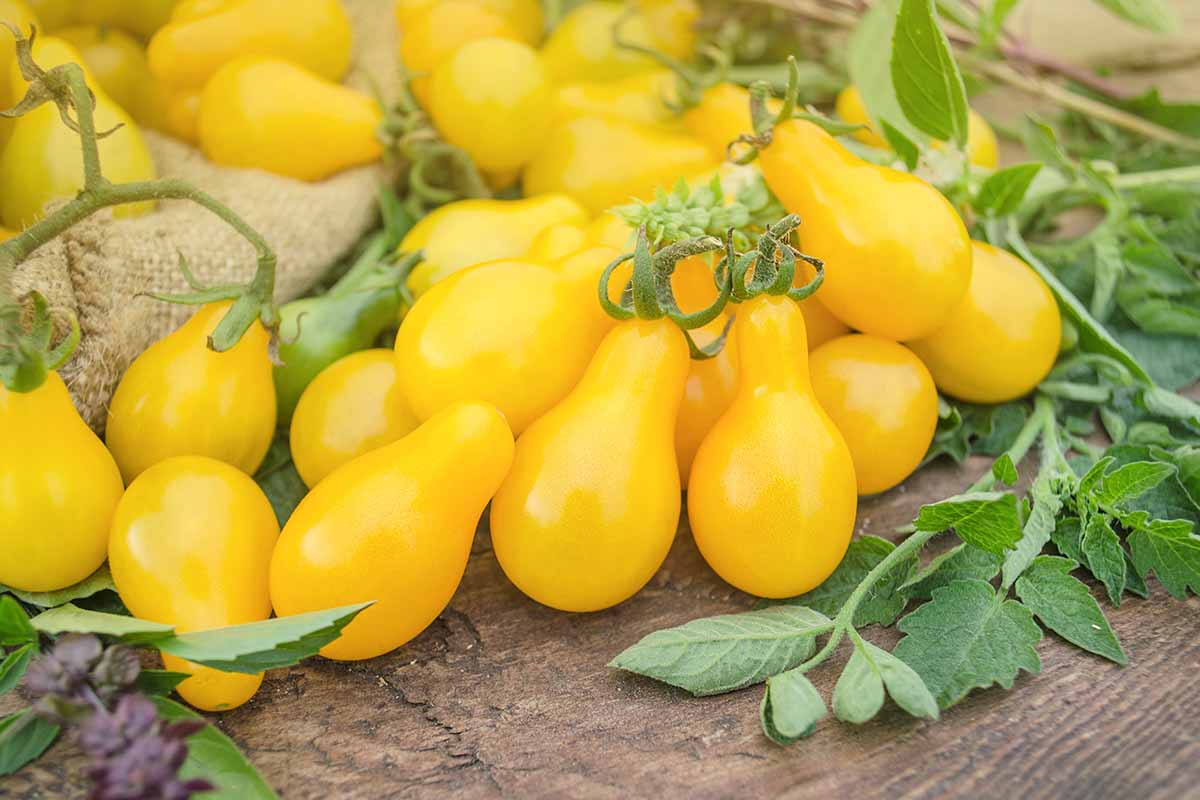
Tips for Growing Perfect Yellow Pear Tomatoes

A close up horizontal image of freshly harvested 'Yellow Pear' tomatoes set on a wooden surface surrounded by foliage.

A vining heirloom tomato that grows tall and produces loads of tiny fruits, ‘Yellow Pear’ is a vintage favorite for the home garden. Our guide shares top tips for growing a bumper crop of these uniquely-shaped, mild-tasting yellow tomatoes. They’re ideal for eating straight from the vine, roasting, or sun-drying.
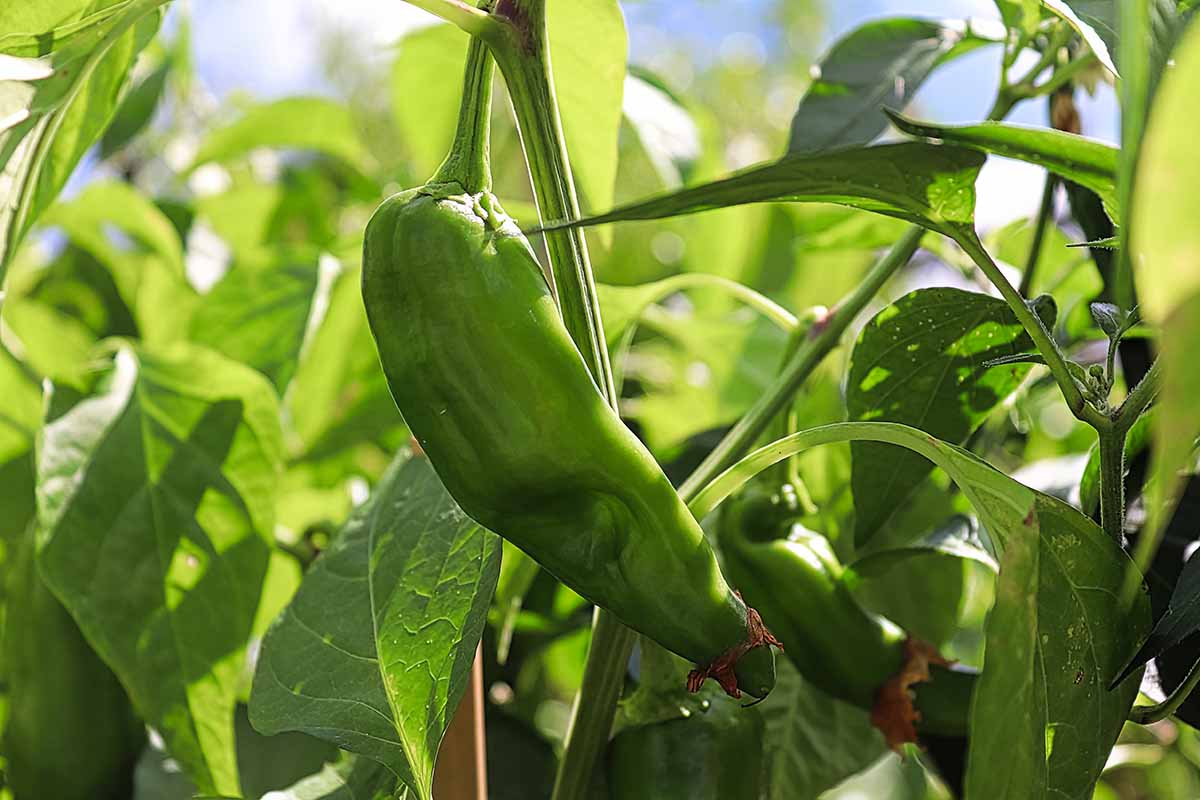
How to Plant and Grow Anaheim Peppers

A close up horizontal image of green Anaheim peppers growing in the garden pictured in light filtered sunshine on a soft focus background.

Anaheim peppers can do it all. They’re not too hot, but they’re not super mild either, so they’re perfect for families that include both heat lovers and those who are spice adverse. They can be stuffed, roasted, dried, and eaten raw or cooked. Read more now to learn how to grow this fantastic New Mexican cultivar.

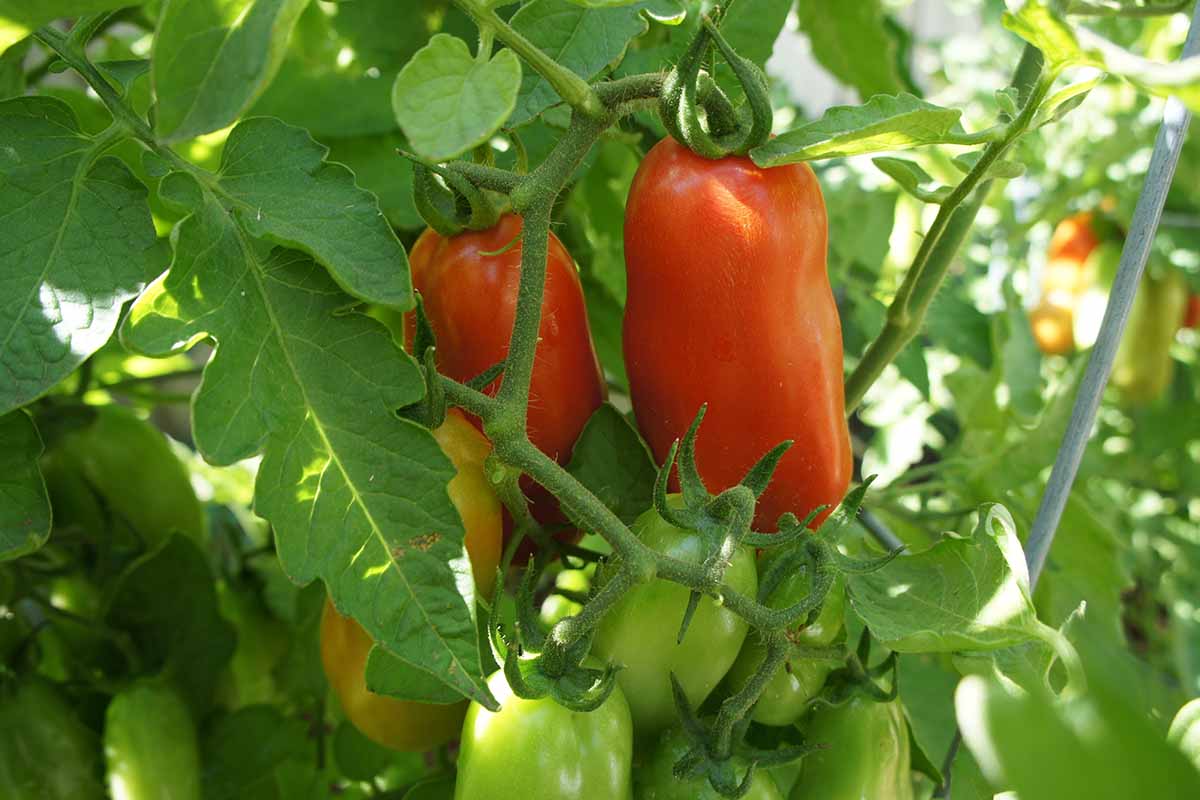
Tips for Growing San Marzano Tomatoes

A close up horizontal image of red and green 'San Marzano' tomatoes growing on the vine in the garden pictured in light sunshine.

Grow a taste of Italy in your home garden with ‘San Marzano’ heirloom plum tomatoes. With thick, flavorful flesh, minimal seeds, and thin skins, they’re ideal for sauce, canning, or freezing, but you can enjoy them fresh, too. Read our guide to learn more about their volcanic history and gain some top growing tips.

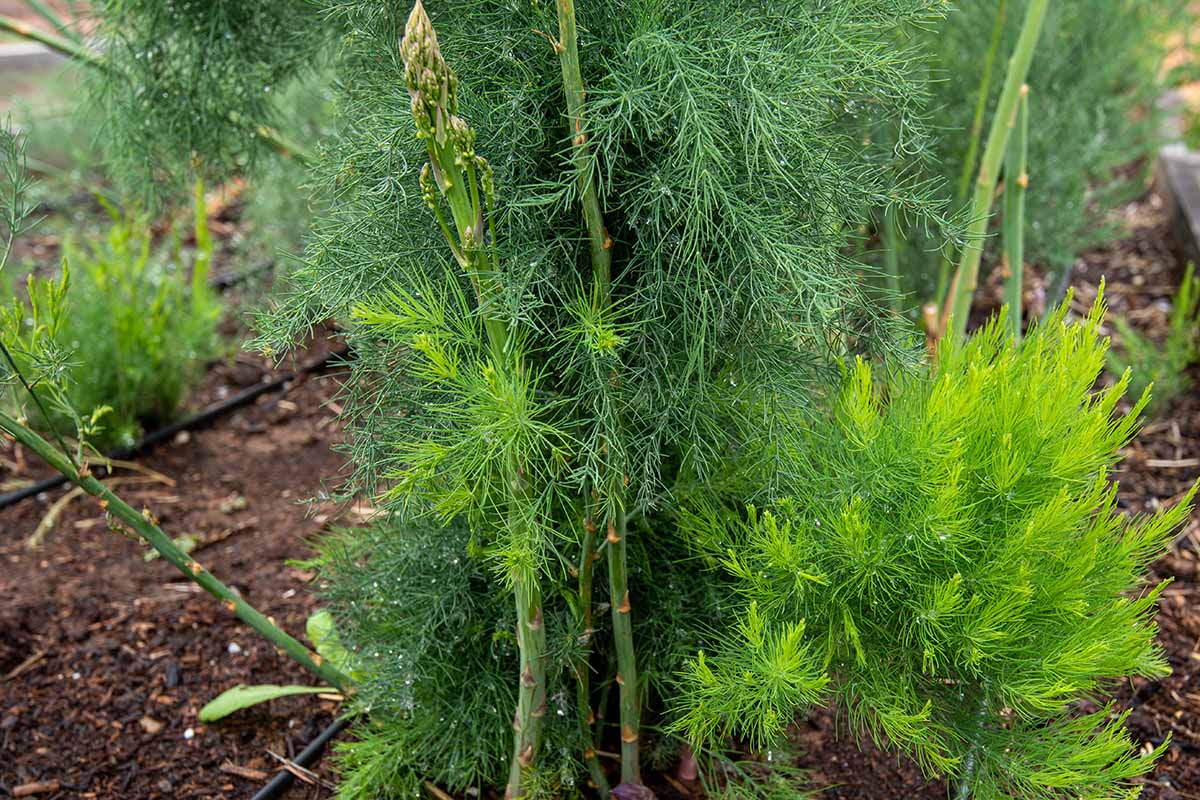
Why Is My Asparagus Ferning Out?

A close up horizontal image of asparagus spears that has started to fern out prematurely.

Ferning out is a natural, healthy part of growing asparagus spears that happens each year. But sometimes your asparagus spears will fern out earlier than you would like, disrupting your harvest. That’s why it helps to understand when and how to deal with the problem, and when to just let your plants do their thing.
Gardening Myths Explored: Planting by the Moon Phase

A horizontal image of a field of flowers in the darkness with the bright full moon in the background.

Wondering if planting by the phase of the moon a valid practice or a busted gardening myth? The answer isn’t black or white. While the moon definitely influences plant life on Earth, waiting to plant when the moon is full might not have any real benefit. This guide explores the science of gardening by moon phase.

How to Fertilize Your Vegetable Garden

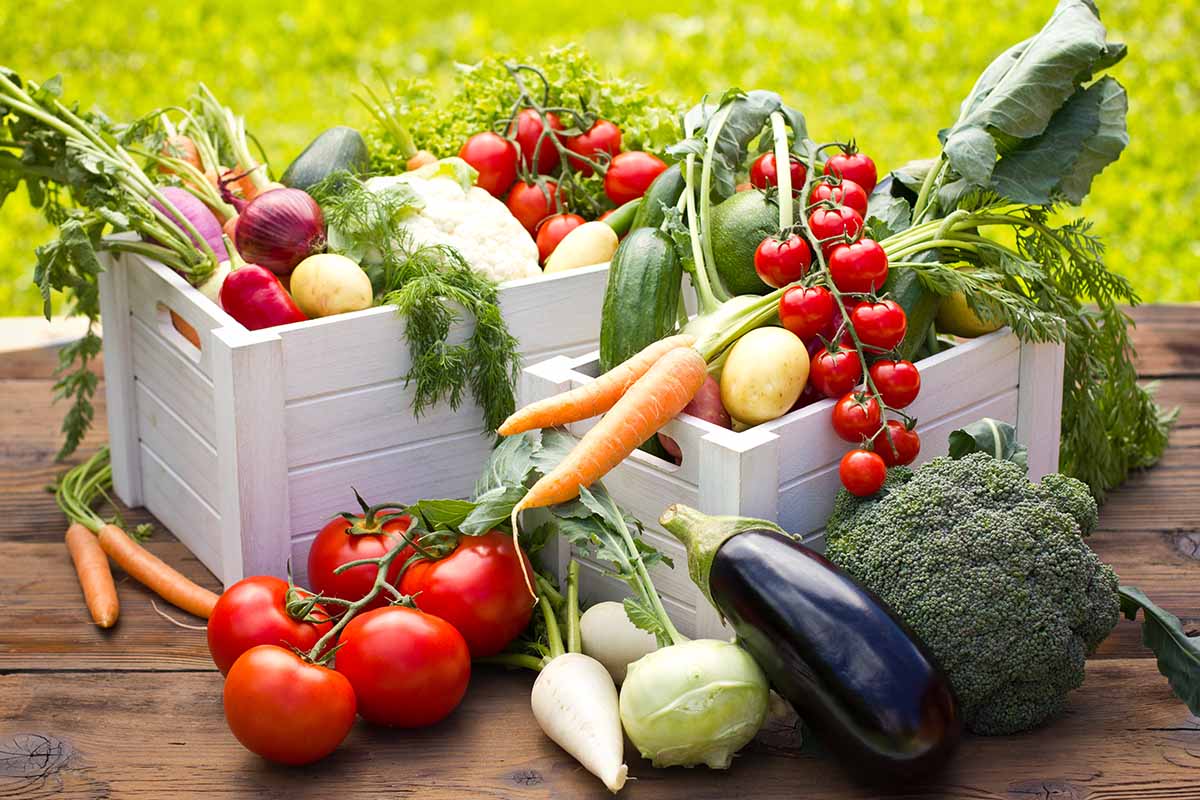
A close up horizontal image of two boxes of freshly harvested vegetables set on a wooden table.

A healthy diet is just as important for our vegetable crops as it is for our own bodies. When nutrients are lacking, our crops may fail to bloom, drop buds and fruit, and display visual distress signals. Learn how to enrich your garden beds using a variety of fertilizers, including some DIY options in this guide. Read more.

How to Harvest Collard Greens

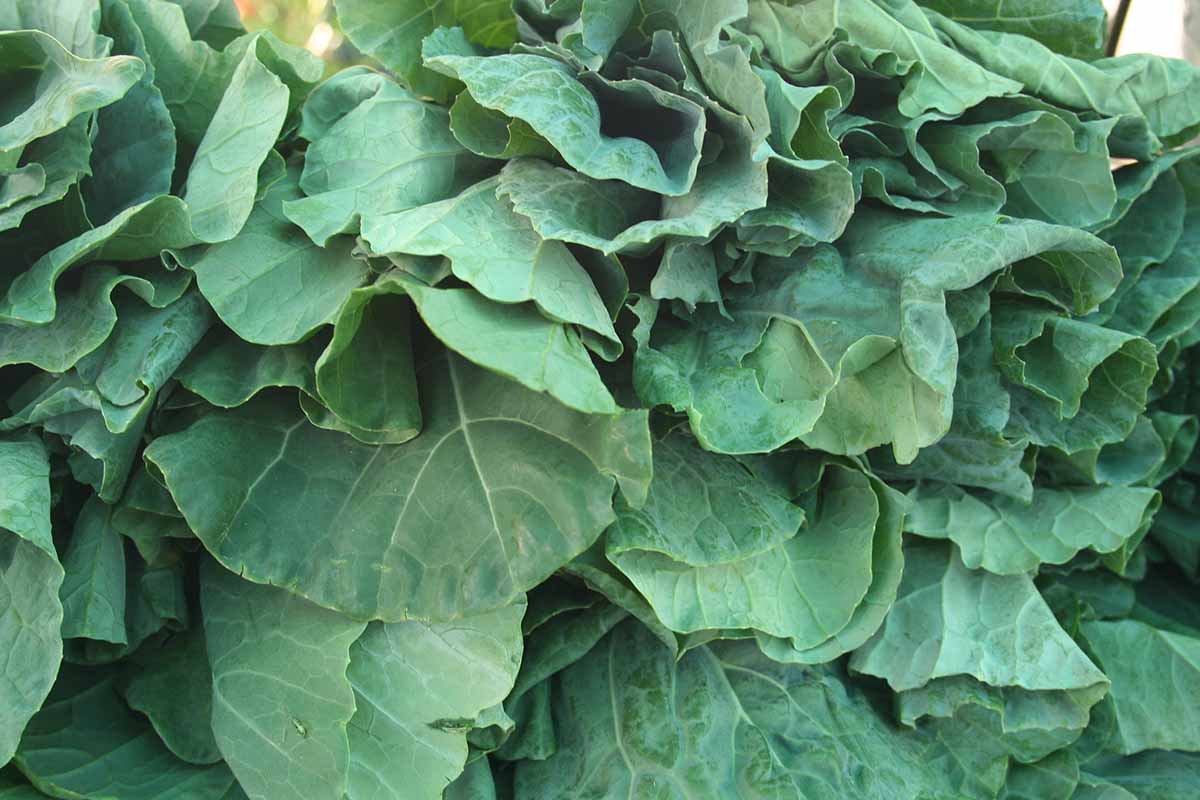
A close up horizontal image of pile of freshly harvested collard greens.

Collards are delicious, nutritious greens you can grow in the home garden, but they taste best when you pick them at the right size and before the plants bolt. This guide explains how to time the collard harvest for maximum flavor and optimal texture, with tips for picking baby leaves and full-size greens.

How to Identify and Control Pea Weevils

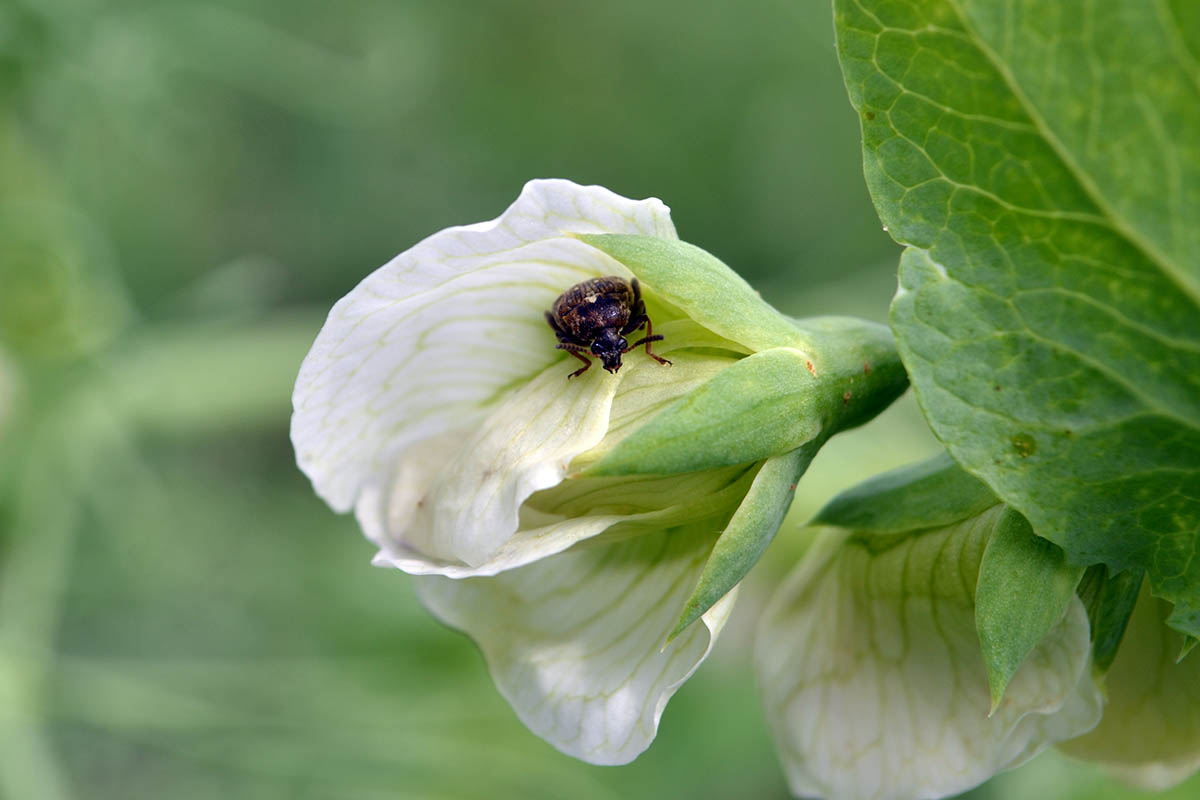
A close up horizontal image of a pea weevil insect infesting a white flower pictured on a soft focus background.

Pea weevils aren’t common home garden pests, but they pose enough of a threat to keep an eye out. The larvae burrow into the seeds on the sly and emerge in storage. We’ll cover everything you need to know about these insects, including effective strategies useful for preventing and controlling infestations. Read more.

How to Grow Potatoes in Containers

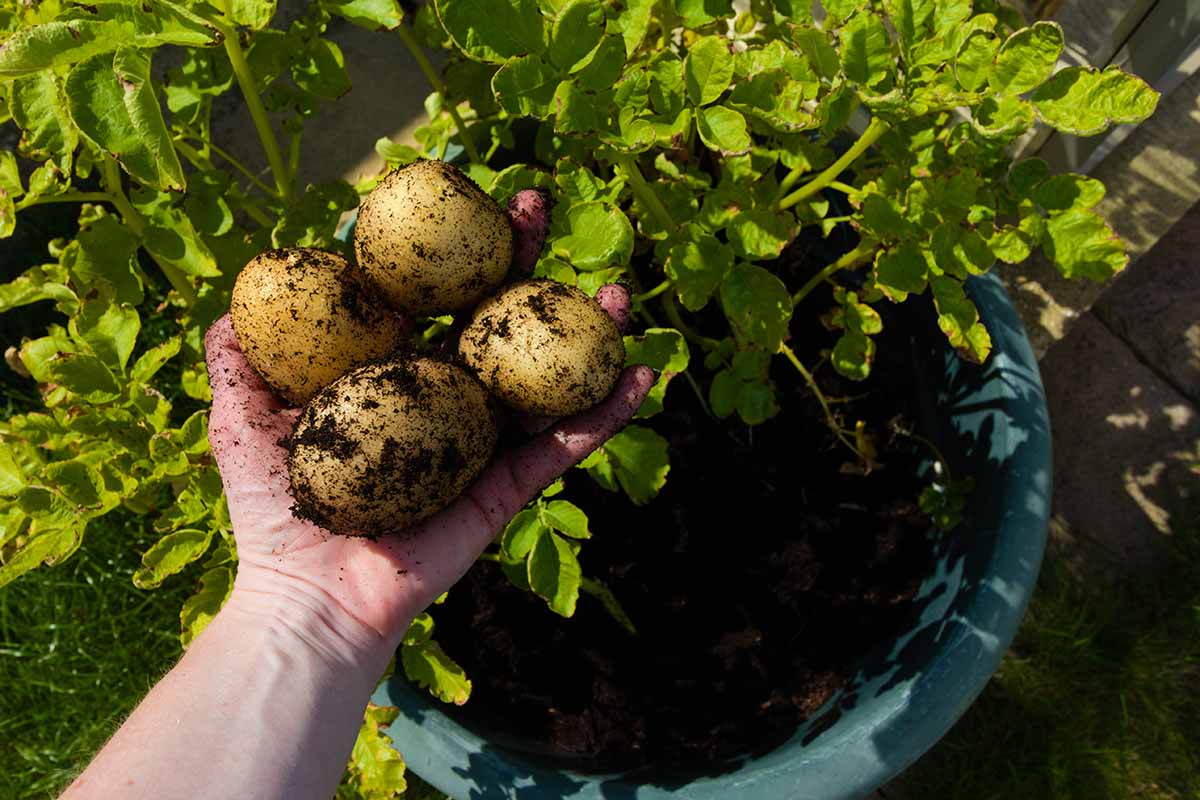
A close up horizontal image of a hand from the bottom of the frame harvesting potatoes from a plastic pot, pictured in light filtered sunshine.

As much as you might love gardening, some of the challenges that come with it can be frustrating. Potatoes are one crop that may present problems, but you can solve many issues by planting them in containers instead of the ground. Learn how to grow potatoes in pots and planters in this guide. Read more now.
How to Grow ‘Mortgage Lifter’ Tomatoes

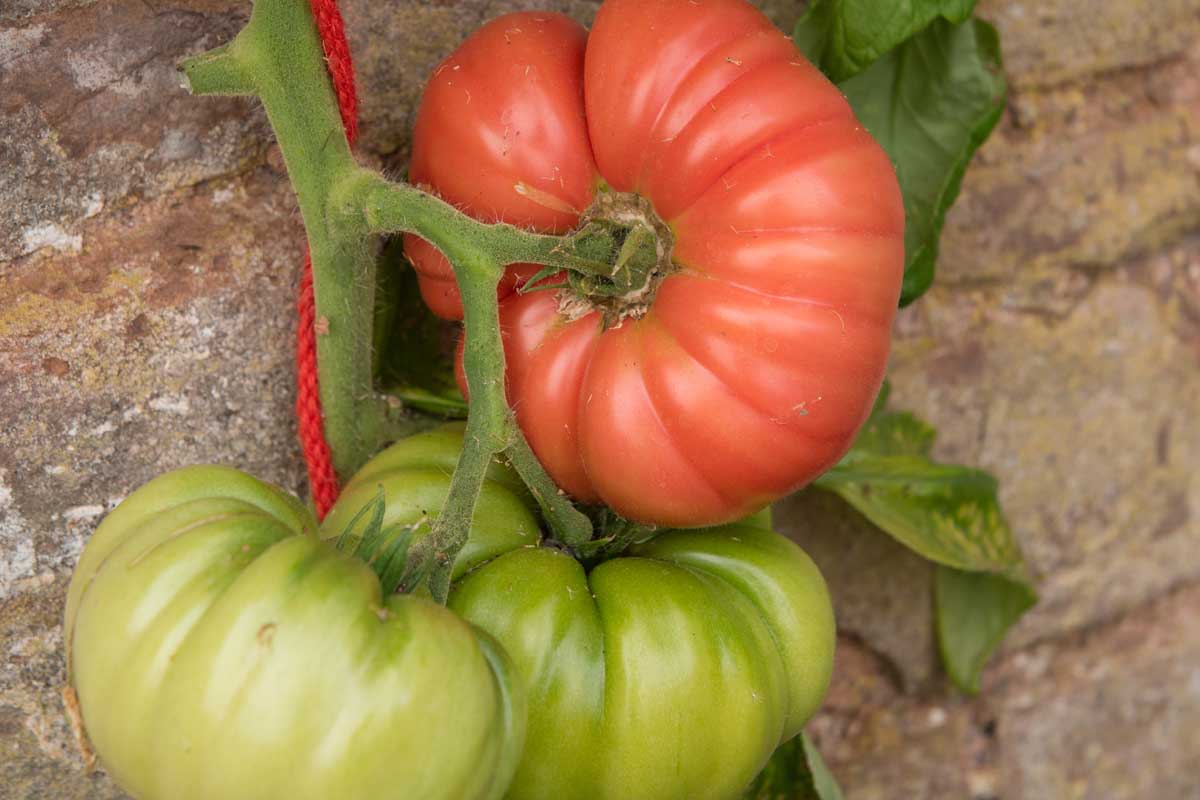
A close up horizontal picture of two green and one red ripe heirloom 'Mortgage Lifter' tomatoes growing against a stone wall.

Indeterminate ‘Mortgage Lifter’ tomatoes grow tall and produce glorious, meaty fruits over a long period. They got their name from a 1930s mechanic, Radiator Charlie, who paid off his mortgage with the proceeds. These heirlooms won’t pay the bills, but they’re a priceless way to enjoy real tomato taste all summer long.

How to Plant and Grow Scallions

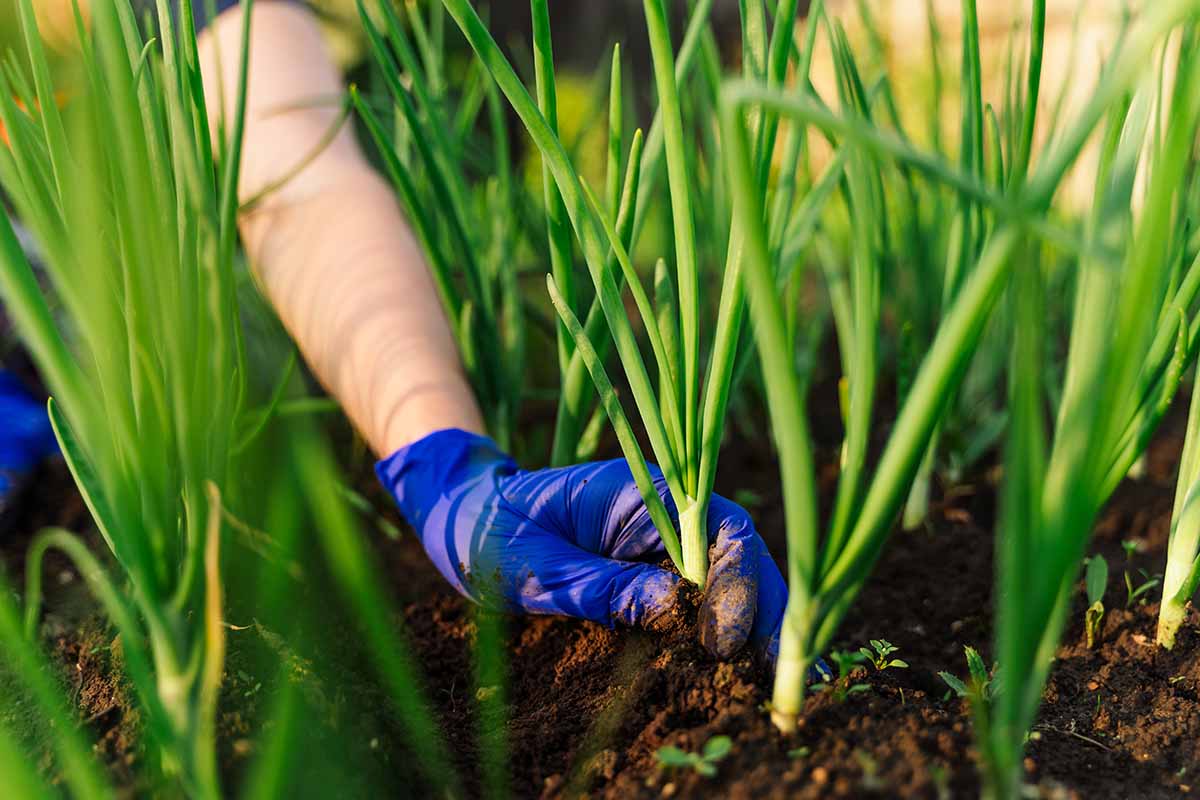
A close up horizontal image of a hand from the top of the frame wearing a blue glove and harvesting scallions from the garden.

Scallions are easy to plant and care for in the garden, and they’re one of the most versatile homegrown ingredients. These upright, perennial onions don’t form bulbs, but multiply by bunching. Our guide explains how to plant and care for scallions, and how to harvest them to enjoy in your favorite dishes. Read more now.

All About Edible Pod Peas

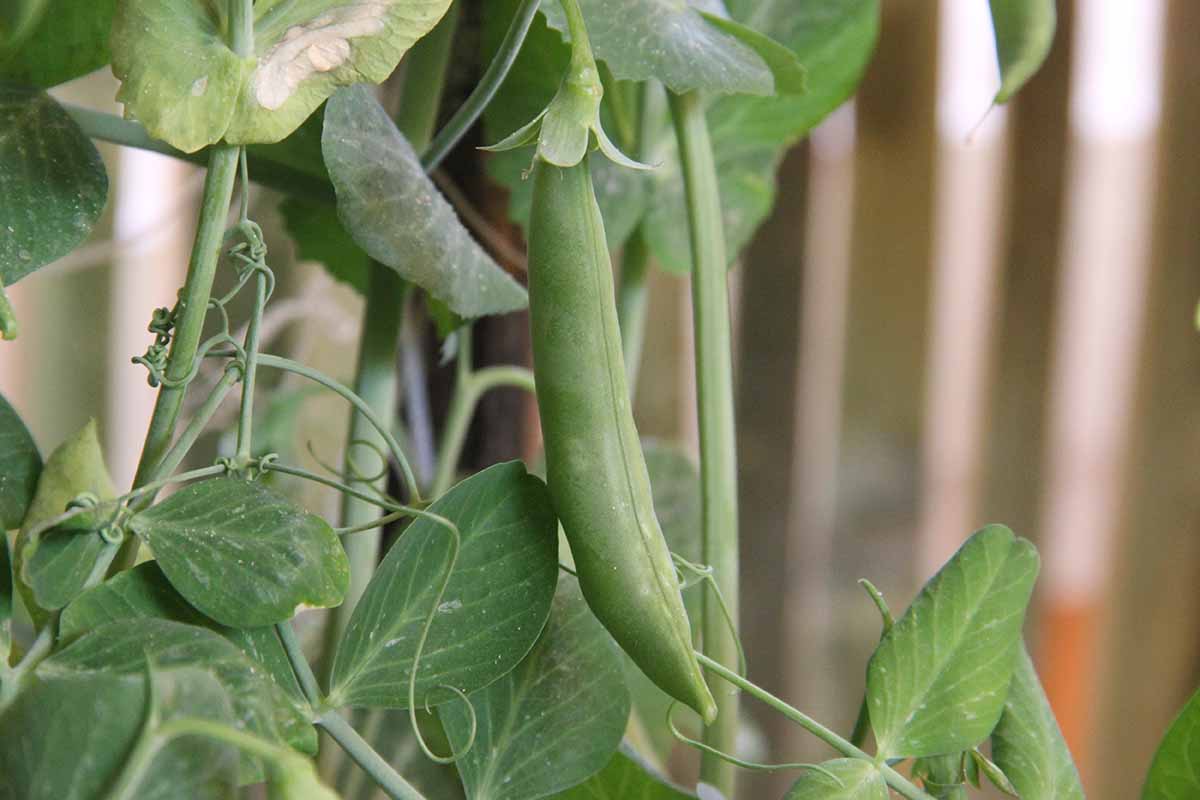
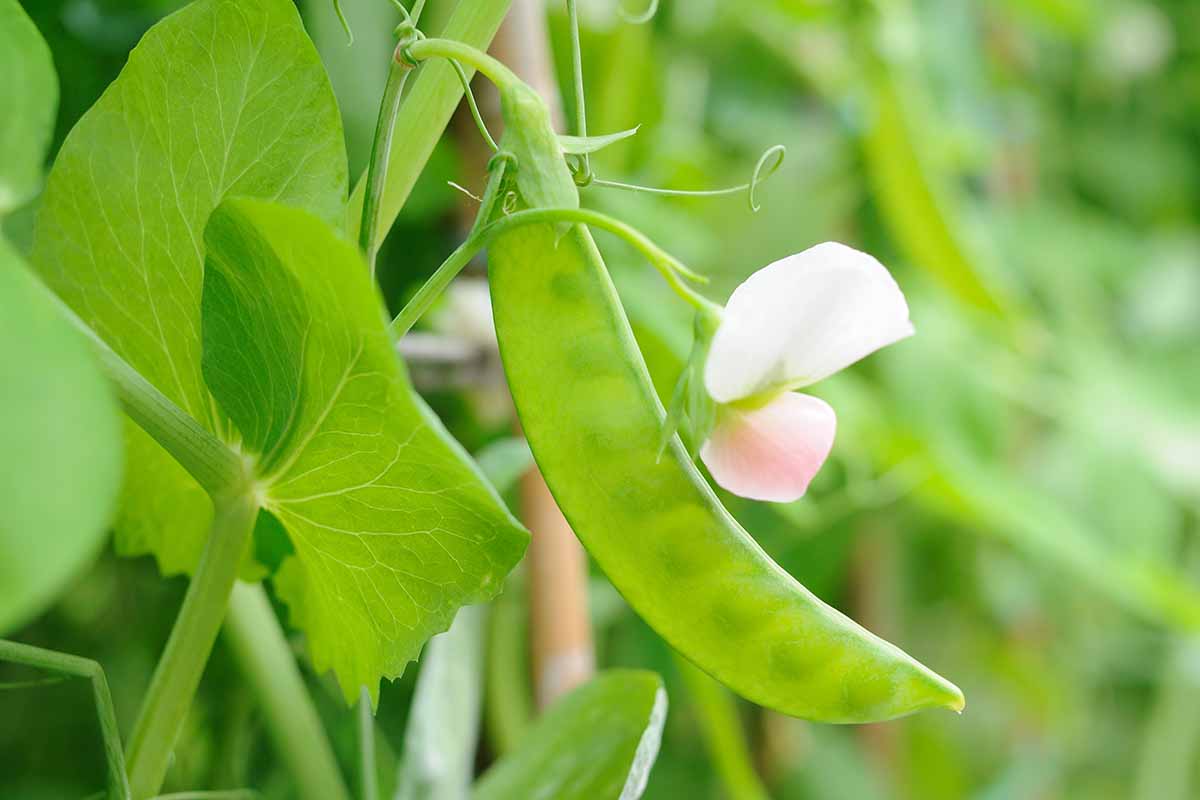
A close up horizontal image of a ready to harvest sugar snap pea growing in the garden pictured on a soft focus background.

Plant peas with edible pods in your garden to yield an abundant supply of sweet, fresh-from-the-vine snacks and salad ingredients. Both snap peas and snow peas thrive in cool spring and fall weather and are easy to care for. Learn about edible pod peas to grow in your veggie garden or containers here. Read more.

How to Plant and Grow Spring Onions

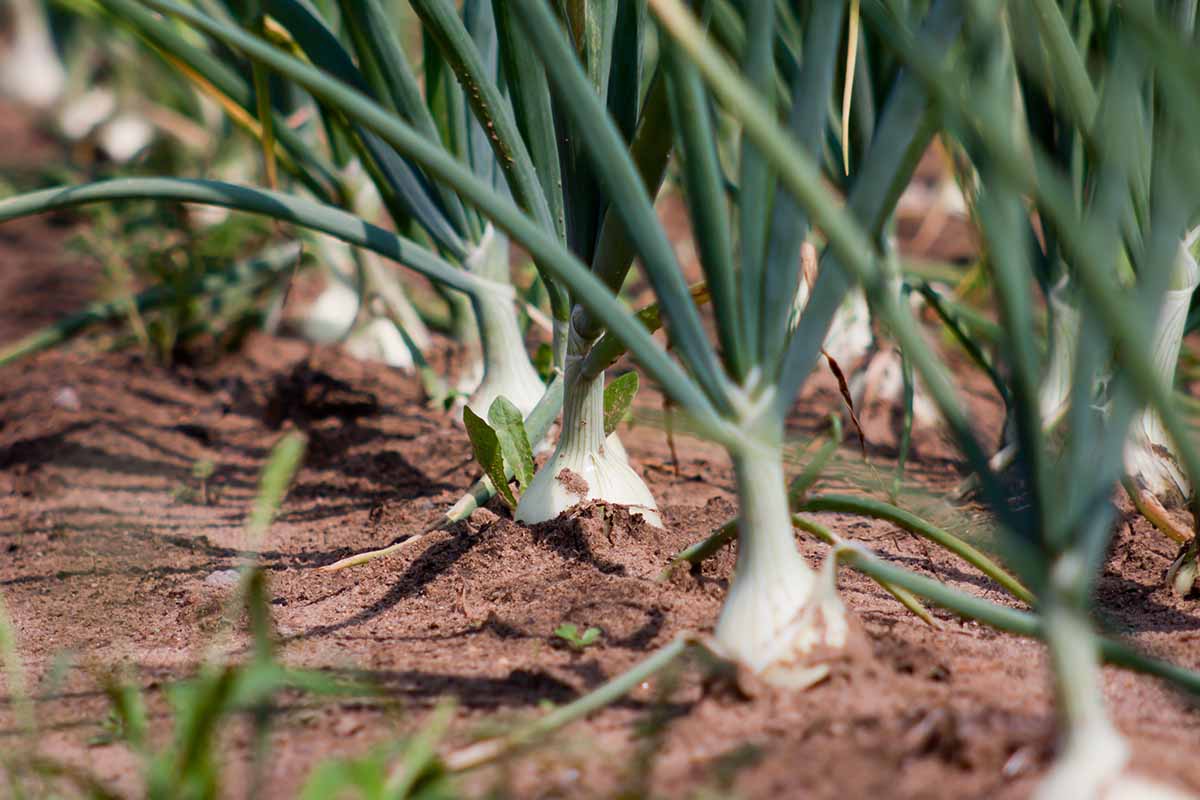
A close up horizontal image of rows of spring onions growing in the garden pictured in bright sunshine.

Grow spring onions in your garden for an early harvest without much work. Pick immature bulbs in spring to eat fresh and add to savory dishes. We’ll guide you through sowing seeds or planting onion sets, keeping your plants healthy, and pulling these cool-weather garden veggies at the proper time for maximum flavor.

How to Plant and Grow Poblano Peppers

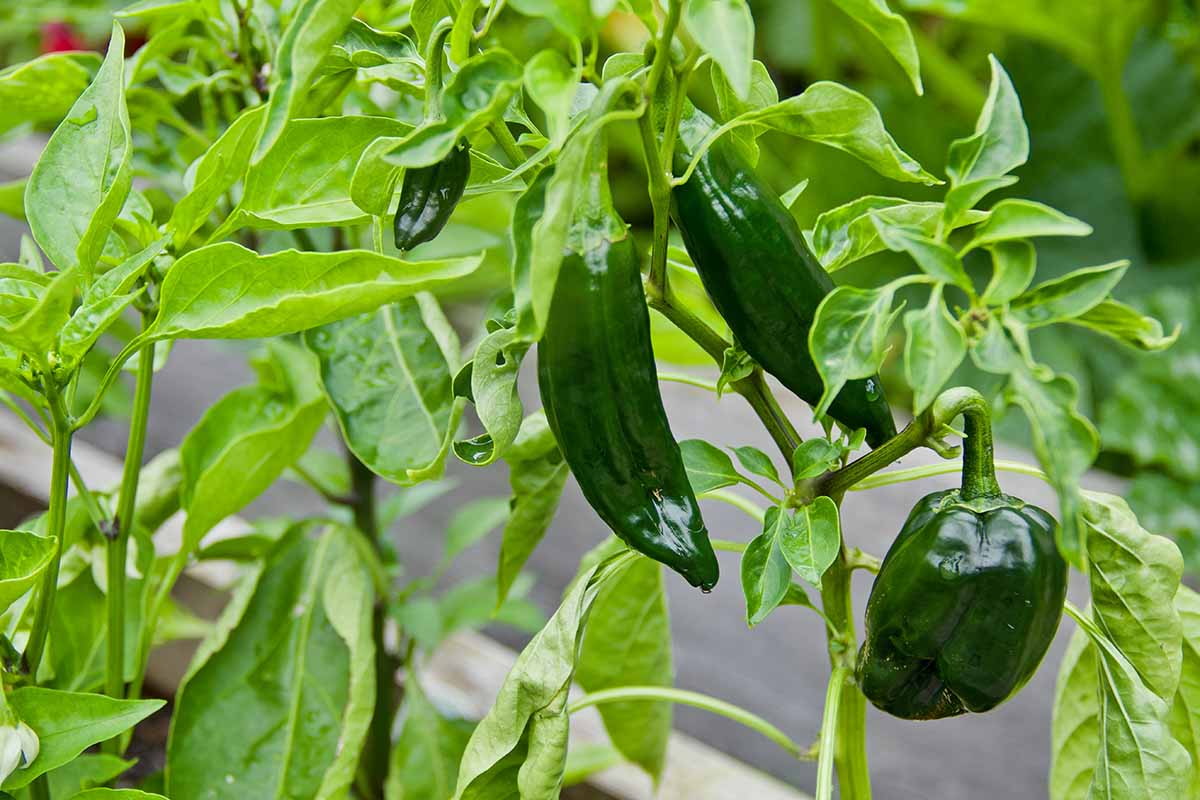
A close up horizontal image of green poblano peppers growing in the garden pictured on a soft focus background.

Learn how to plant and grow culinary hotshot poblano peppers in your vegetable garden. Easy to start seeds indoors or outside, you can expect the savory peppers in just over two months. With a mild SHU rating, poblanos are not too hot, and grow well next to other well-known chili varieties like jalapenos or serranos.

15 of the Best Canning Tomatoes You Should Grow

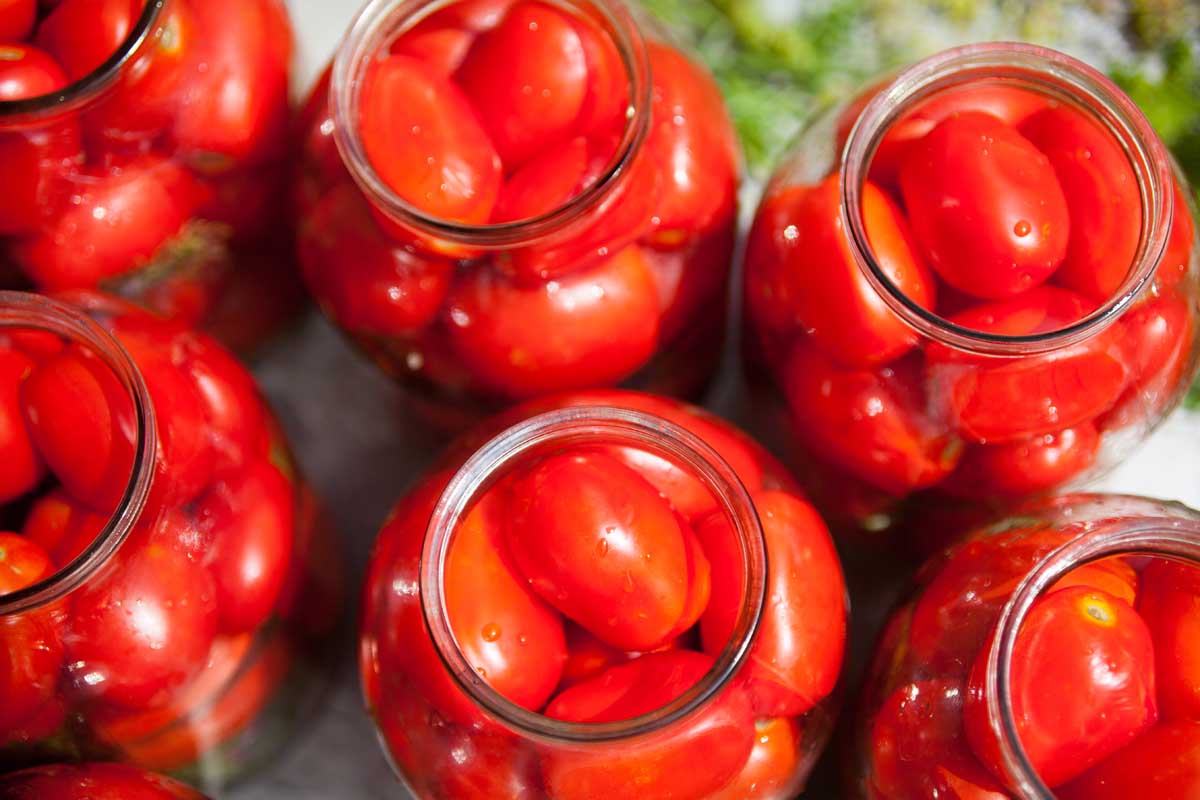
A close up top down picture of glass jars containing freshly harvested tomatoes, pictured in bright sunshine on a soft focus background.

Want to grow your own canning tomatoes for year-round deliciousness? Heirloom or hybrid, huge or snack-sized, each of our favorite varieties has its own unique taste and texture. Discover 15 of the best tomatoes to grow and preserve and to fill your pantry with sauces and salsas to see you through the rest of the year.

How to Plan the Best Layout for Your Vegetable Garden

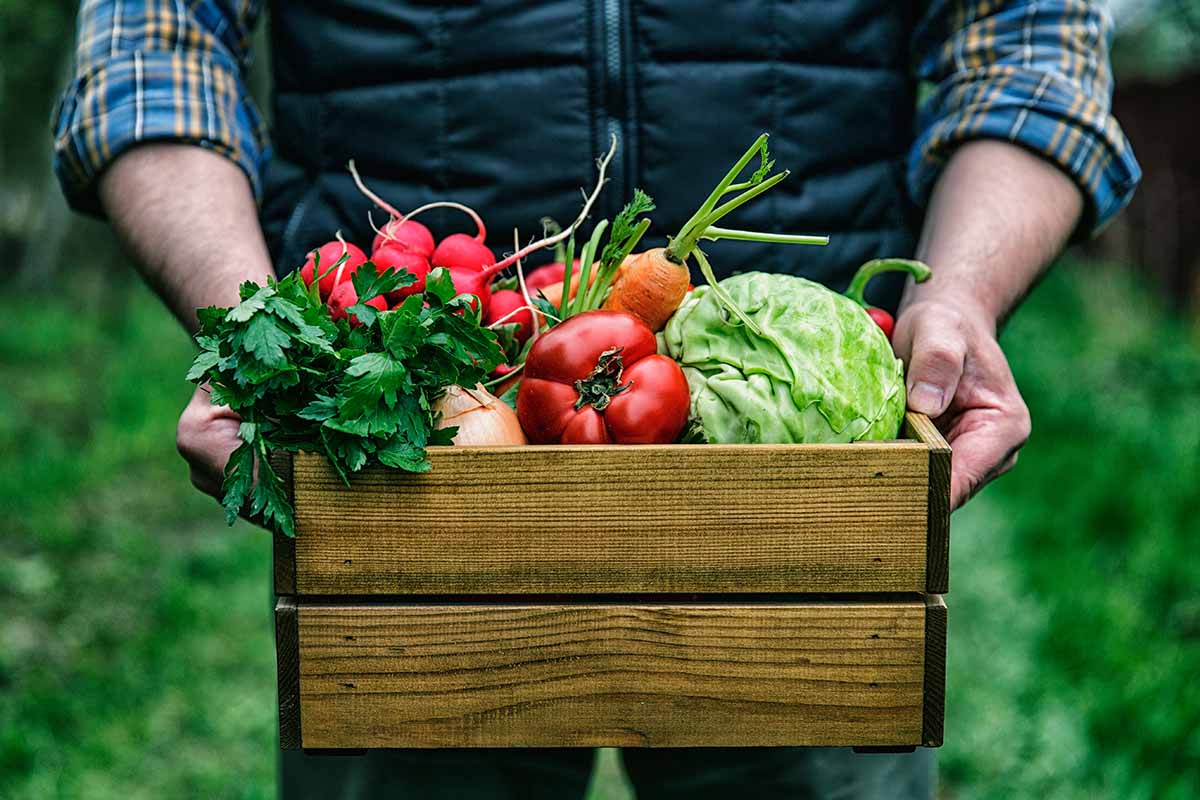
A close up horizontal image of a gardener holding a wooden box filled with a variety of freshly harvested vegetables.

A successful vegetable harvest takes some forethought to produce. Every gardener must plan which crops they’re going to grow and lay out their space in advance. Several important factors must be considered before you ever press seed to soil, but don’t be intimidated – it’s easier to figure out than you might imagine.

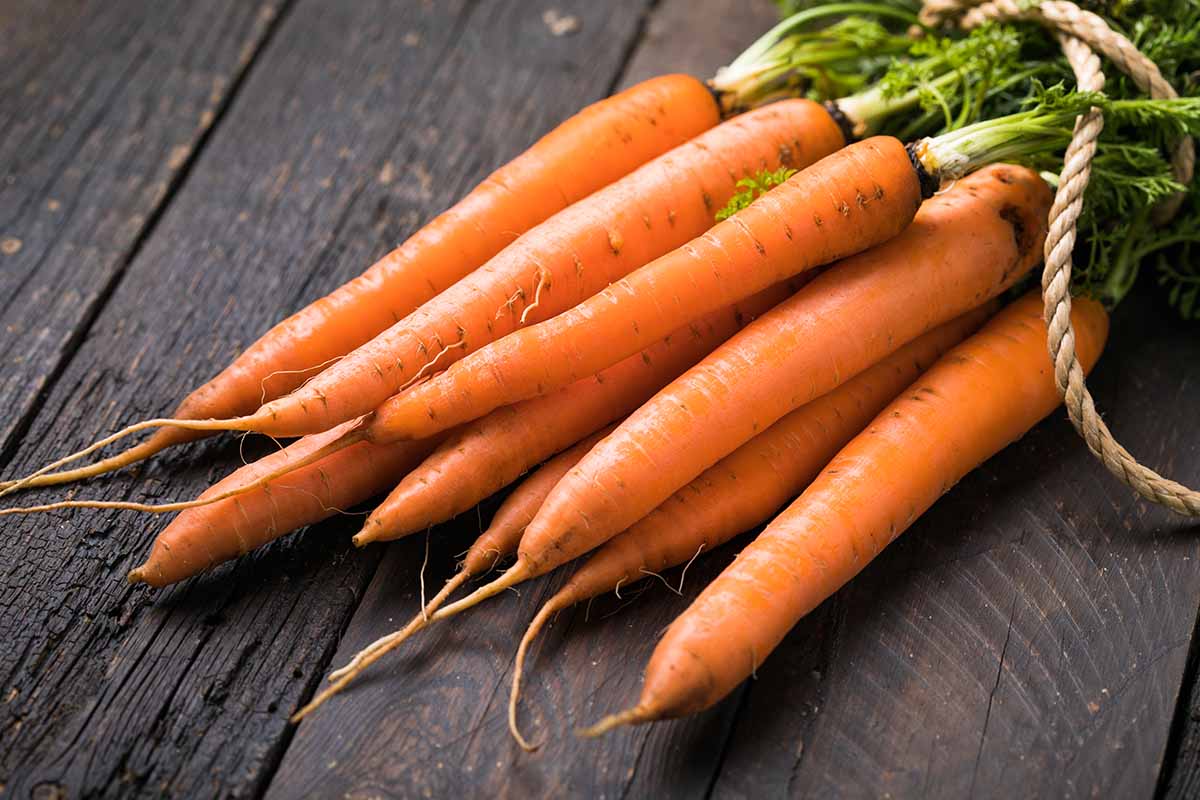
13 of the Best Carrot Varieties to Grow at Home

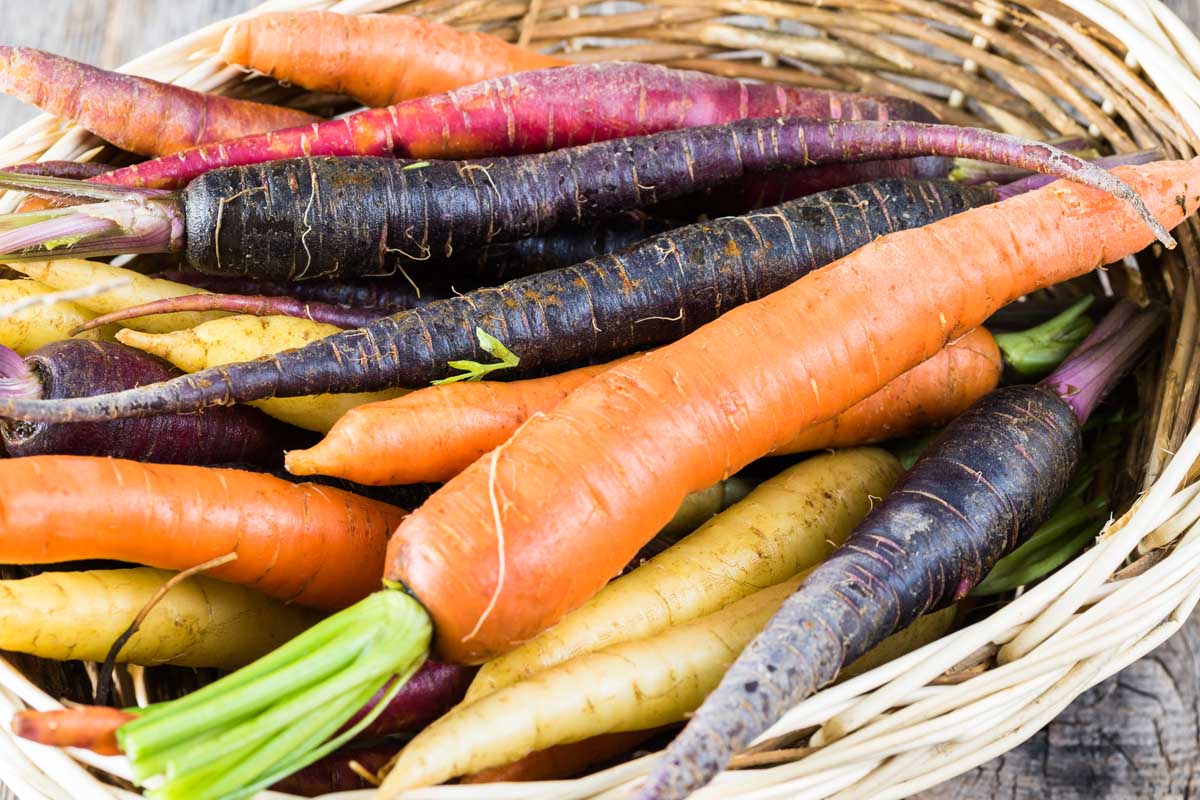
Different varieties and colors of fresh carrots in a wicker basket.

Carrots – whether roasted, raw, tossed up in a stir fry, cooked in a cake, or used to create a snowman’s nose, everyone loves this popular and versatile veggie. From your standard orange variety, to purple and even rainbow carrots, read on to find out about the best varieties to grow at home now!

How to Plant and Grow Pigeon Peas

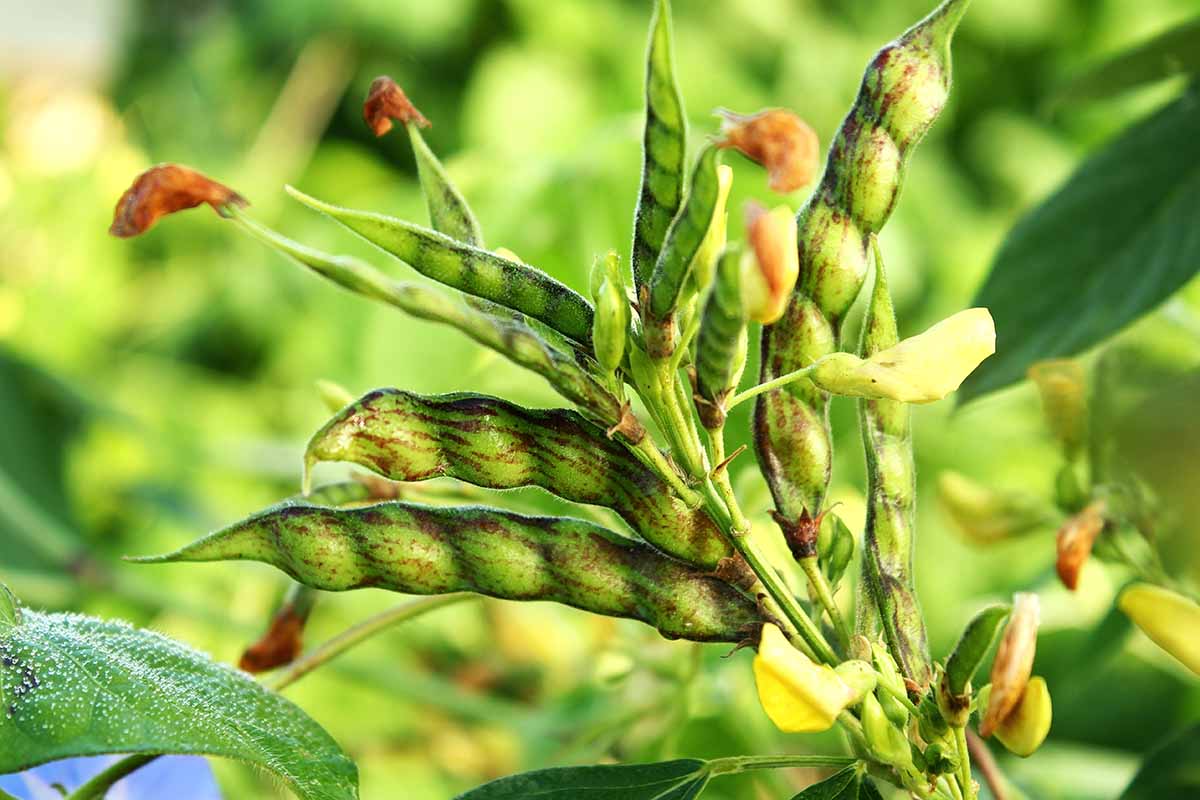
A close up horizontal image of pigeon peas (Cajanus cajan) growing in the garden pictured in bright sunshine on a soft focus background.

Pigeon peas are a multipurpose legume to plant in your garden or containers. The seeds are edible fresh or dried, and the plants also fix nitrogen, provide a source of mulch, and attract beneficial insects. Learn how to grow pigeon peas as annuals in colder regions or as self-seeding bushy perennials in Zones 9 to 12.

What’s the Difference Between Late, Mid, and Early Season Potatoes?

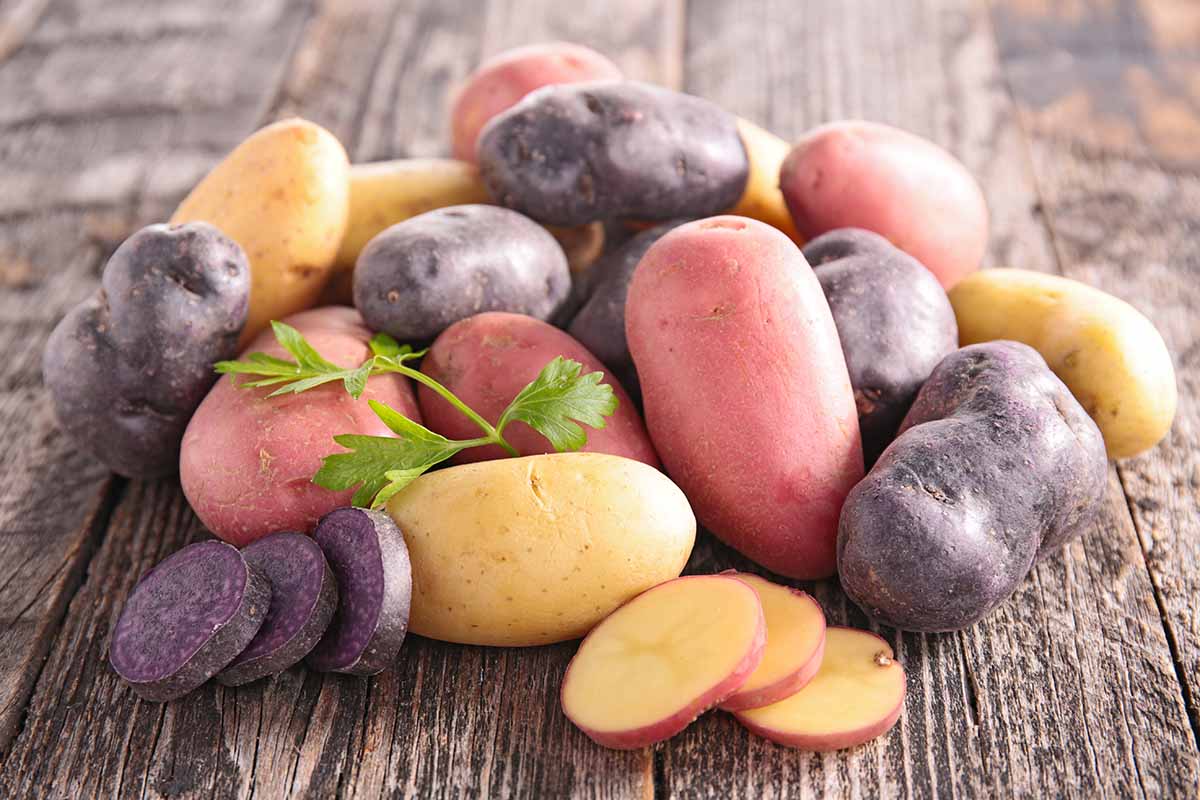
A close up horizontal image of a pile of different types of potatoes on a wooden surface.

Knowing the different types of potatoes enables you to choose the one that will work best in your garden or kitchen. But there’s some confusion out there about which fall under the early, mid, and late categories. This guide clears up the confusion so you can get planting and select the right type for your needs.

17 of the Best Shelling Pea Varieties to Grow in Your Garden

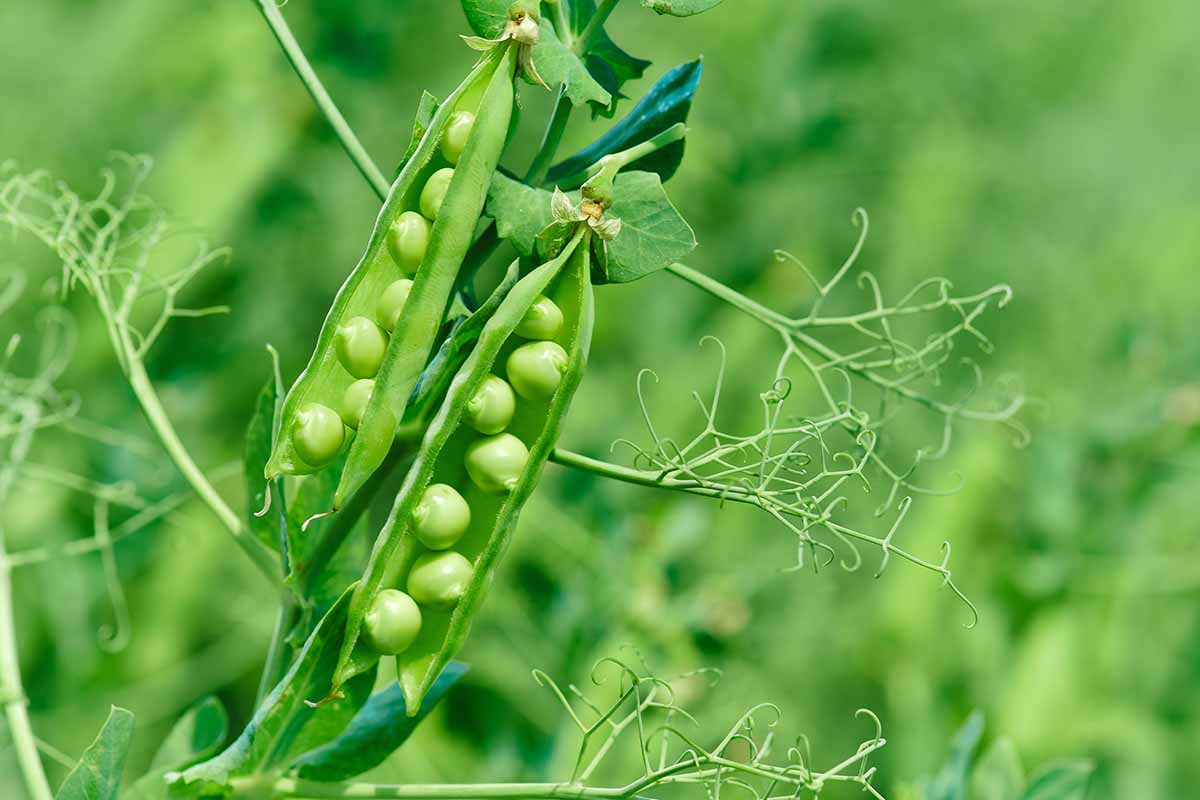
A close up horizontal image of pods split open to reveal the peas inside, growing in the garden pictured on a soft focus green background.

Grow a bumper crop of shelling peas to eat and freeze when you choose the best variety for your home garden. Different types of English peas offer early harvest, heat tolerance, or short vines. One hybrid produces 13 seeds per pod and others are purple! Learn more about 17 top shelling peas to plant in our roundup.

How to Plant and Grow Snow Peas

A close up horizontal image of snow peas in the garden pictured on a soft focus background.

Snow peas are cool-weather vegetables that even beginning gardeners can succeed with. They taste great in stir fries and salads, and veggie-hating kids love to eat them fresh from the vine.This guide shares growing tips for top yields, picks for the best varieties, and recipes for enjoying snow peas in your cooking.

37 of the Best Spinach Cultivars to Grow in Your Garden

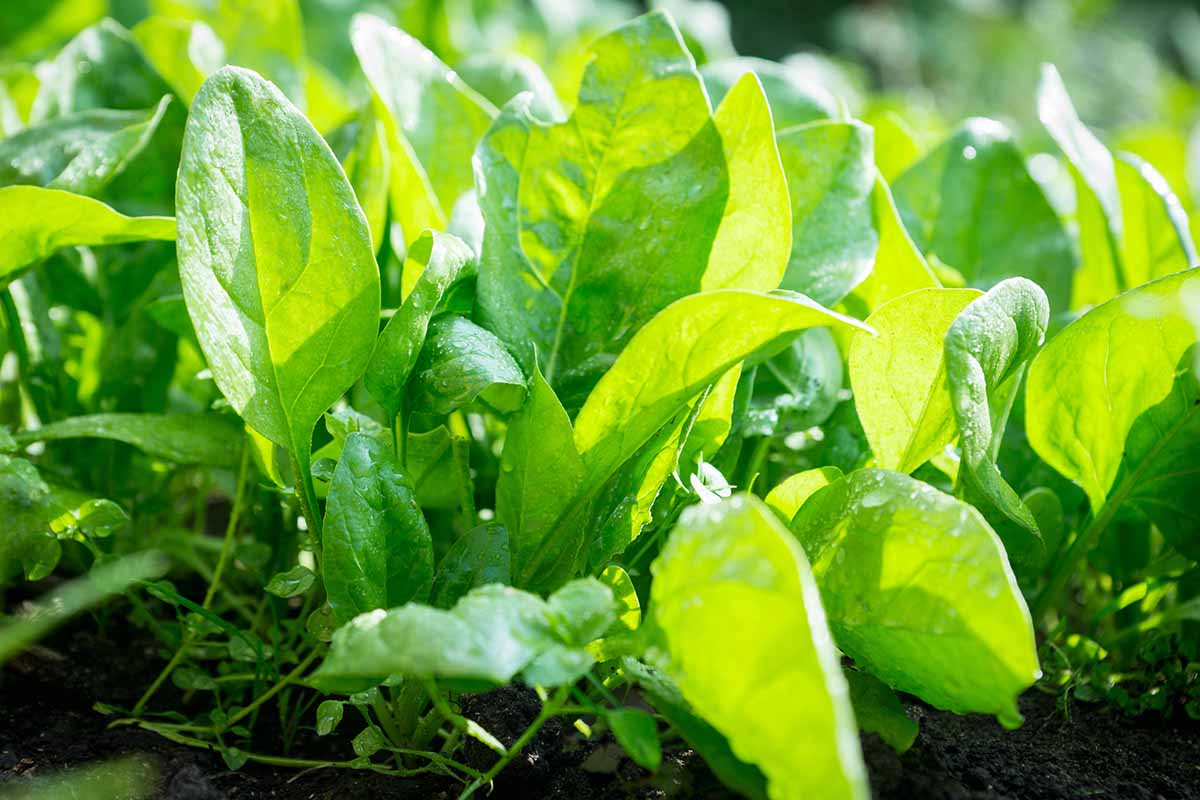
A close up horizontal image of spinach growing in the garden pictured in light sunshine.

With so many fantastic spinach cultivars out there, it’s hard to choose. Narrowing down your options is probably the most challenging part of growing spinach, in fact. We make the task easier by sharing the details of 37 excellent cultivars so you can find the best picks for your garden, to meet your particular needs.

How to Plant and Grow Napa (Chinese) Cabbage

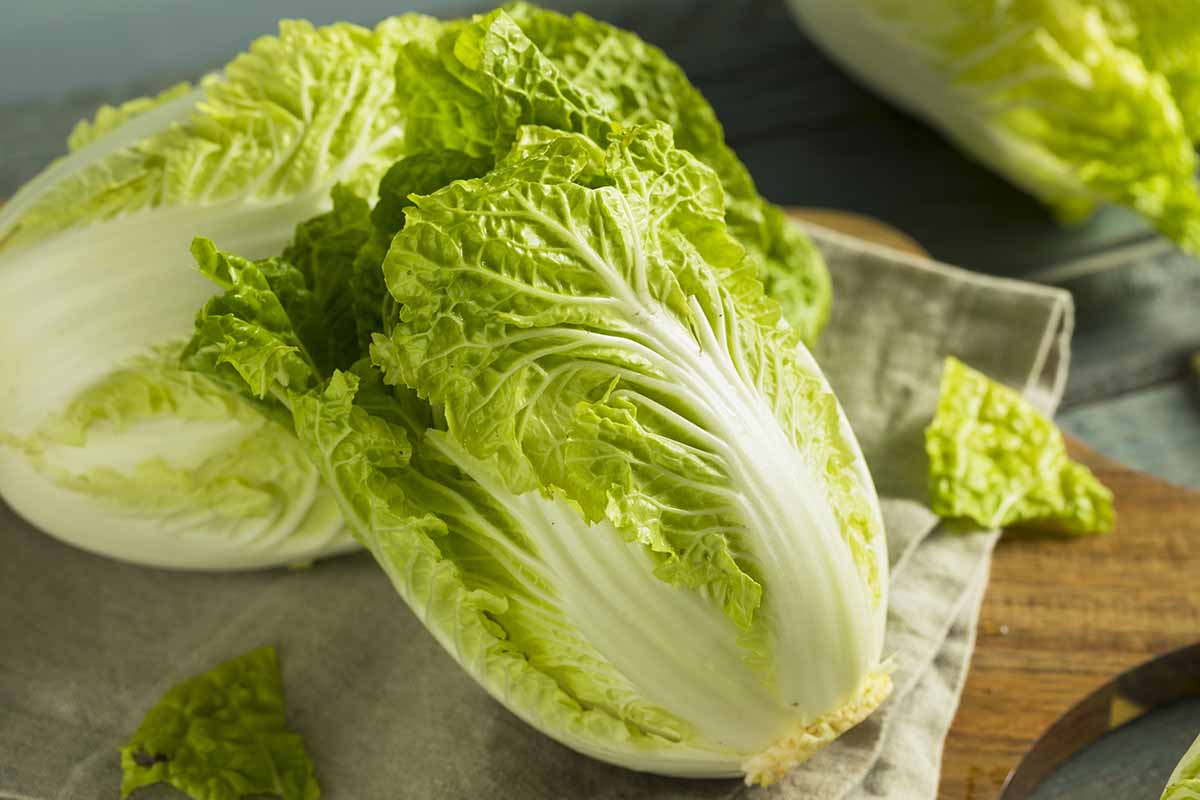
A close up horizontal image of freshly harvested napa cabbage.

Some plants in the brassica group are a bit of a challenge to grow (hello, brussels sprouts). But napa cabbage is fairly easy. It’s also versatile in the kitchen thanks to its mild flavor and tender leaves. Whether this is your first try or you want to take your harvest to the next level, this guide will help you out.

21 of the Best Sweet Potato Varieties for Your Garden

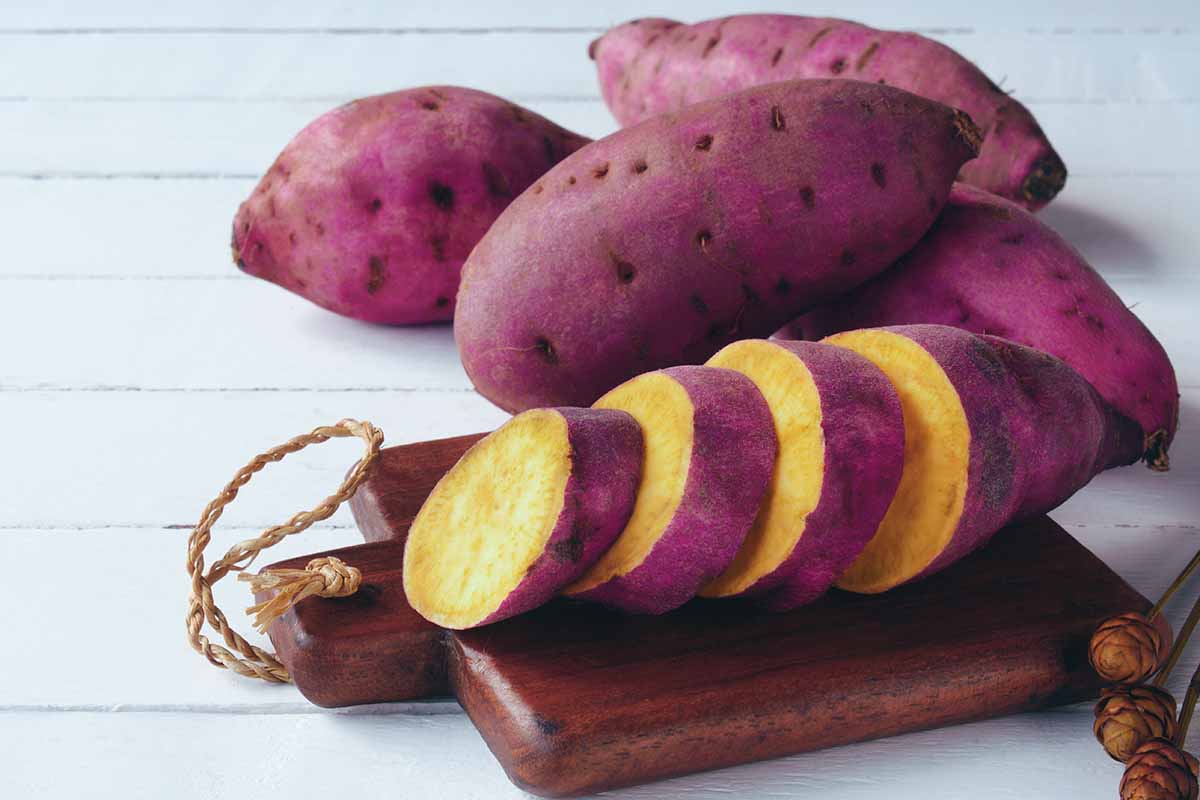
A close up horizontal image whole and sliced sweet potatoes on a wooden chopping board.

Sweet potatoes provide pretty foliage, pleasing flowers, and best of all, delicious and nutritious tuberous roots. You’ve probably only seen a few varieties at the grocery store, but we have 21 tantalizing cultivars for you to pick from and plant in your own garden. Discover the best sweet potato varieties now.

When is the Best Time for Planting Tomatoes?

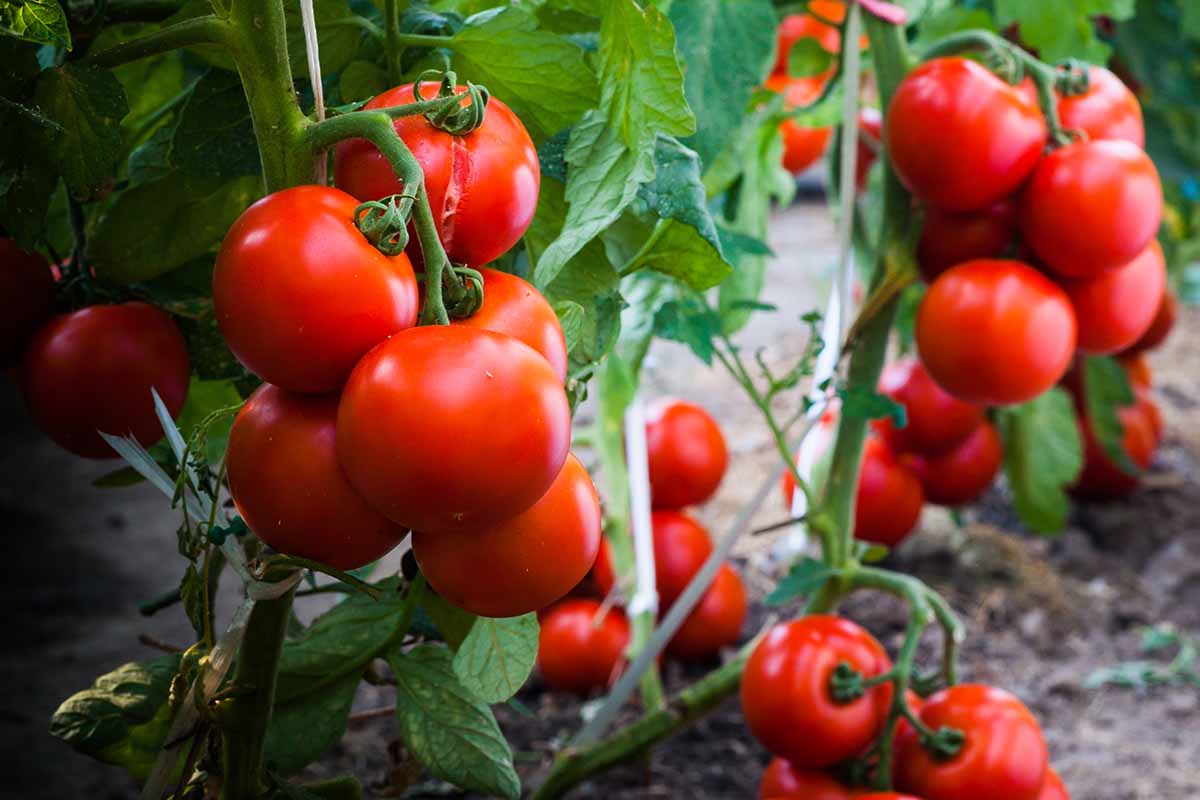
A close up horizontal image of ripe red tomatoes growing in the garden.

Wondering when it’s the right time to plant tomatoes? If you start too soon you risk harming or even killing the plants, but wait too long and they may not have enough time to fully mature and produce a harvest. Read on to learn how to determine the optimal time to start tomato seeds and plants in your climate.

21 of the Best Pickling Cucumbers to Grow in Your Garden

A close up horizontal image of pickling cucumbers growing in the garden.

Pickling cucumber plants produce a bumper crop. Eat them fresh and then harvest a bounty for homemade pickles. The best varieties to grow in your garden include gherkins, heirlooms like ‘Boston Pickling,’ and dwarf types to grow in pots. We’ve rounded up the top choices, so you can pick your favorite and get growing.

When to Plant Bok Choy in the Garden

A close up horizontal image of bok choy growing in the garden.

Are you wondering when it’s the right time to plant bok choy? These cool-weather crops will bolt easily if temperatures become too hot, and a heavy freeze may kill the plants. Learn the optimal time to sow bok choy seeds or set out transplants for spring and fall harvests in your climate. Read more now.

How to Grow Mesclun in Your Garden for Spring Mix Salads

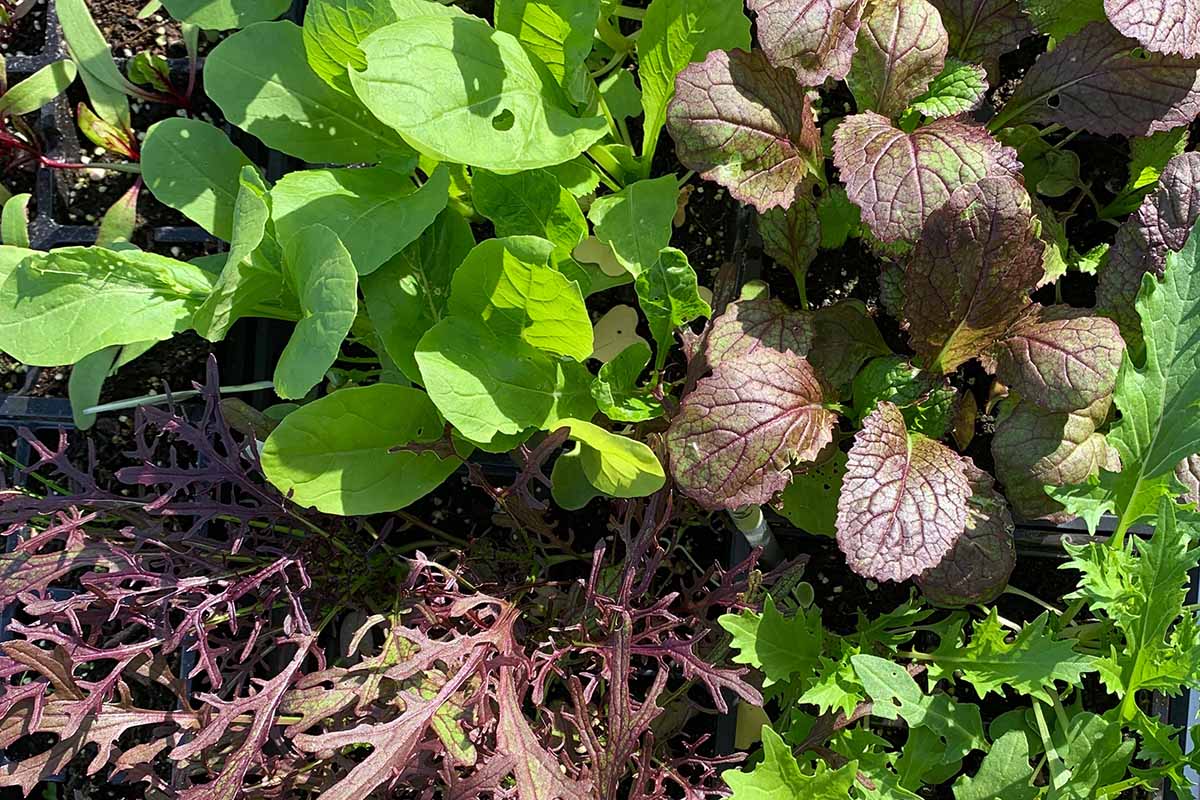
A close up horizontal image of mesclun growing in the garden.

Mesclun is a traditional French favorite that’s gained popularity with American diners and home gardeners alike. Want to grow your own reliable supply of spring mix leafy greens and herbs? Here’s the scoop on planting and caring for this cool-weather crop, along with cut-and-come-again harvest tips and recipe ideas.

Put Up Your Cukes: How to Grow Cucumbers on a Fence

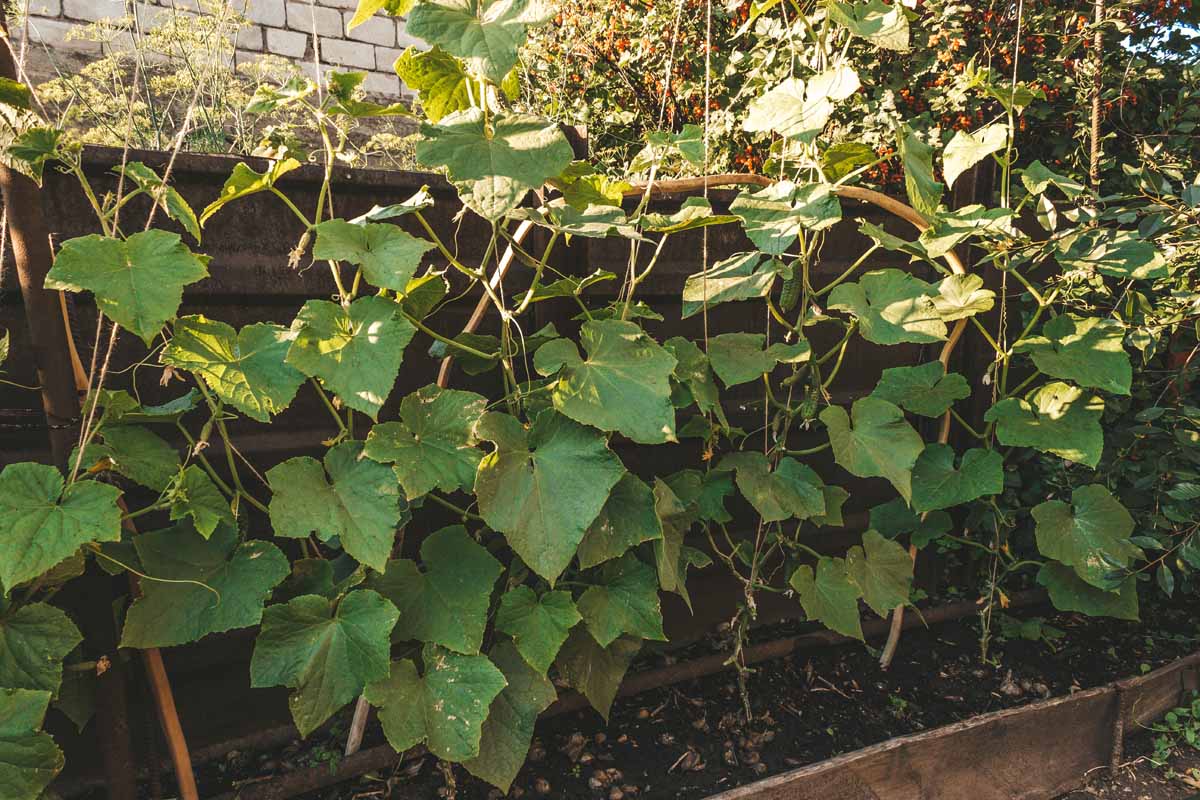
A close up horizontal image of cucumber plants growing in a raised garden bed supported by a wooden fence pictured in light sunshine.

Aerial cucumbers are stars of the summertime vegetable garden. Just a few reasons to plant cucumbers on a fence include saving space, getting better yields, and preventing slug infestation. Our guide tells you how to choose the best site, variety of cucumber, and type of fencing for vertical growing. Read more now.

Tips for Growing Bok Choy in Containers

A close up horizontal image of bok choy growing in plastic containers.

If you love bok choy but don’t have space in the garden, try growing it in containers instead. These tasty Asian greens are easy to grow in pots on the patio or even an apartment balcony. Learn everything you need to succeed with container-grown bok choy, from sowing to harvest, in this guide. Read more now.

How and When to Harvest Leaf Lettuce

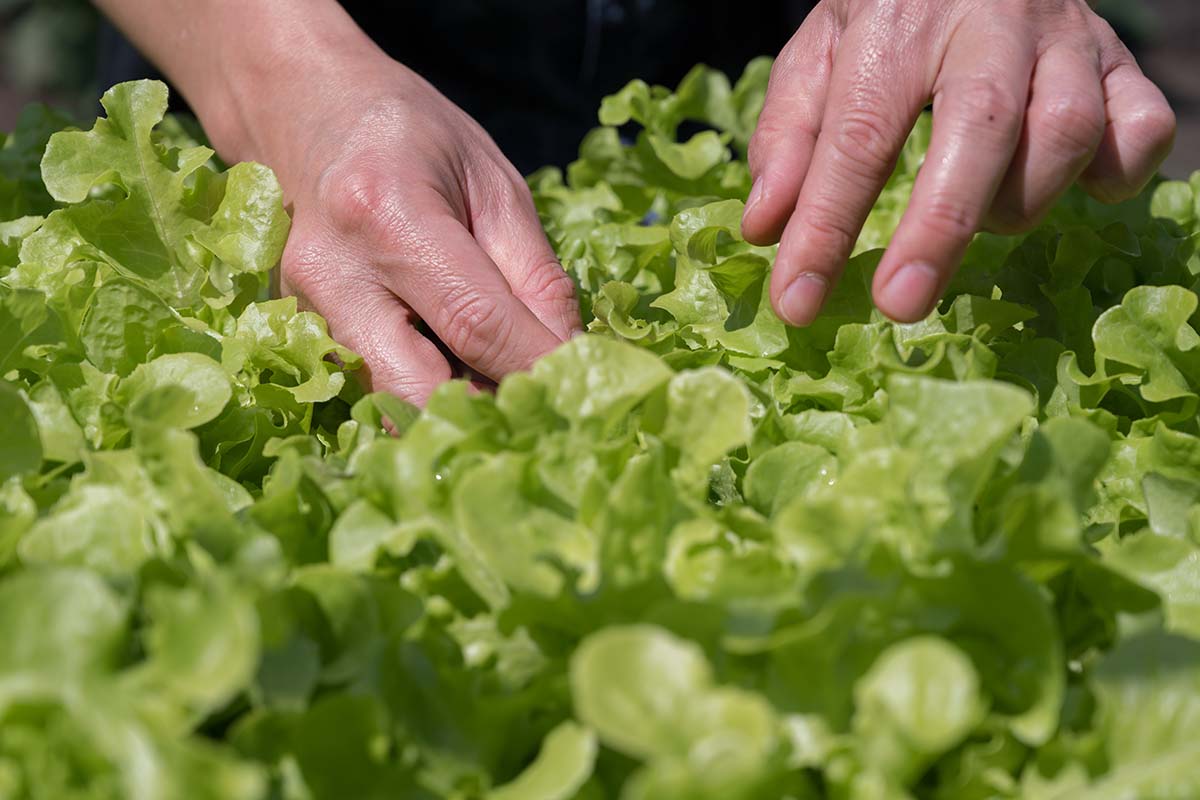
A close up horizontal image of a gardener harvesting leaf lettuce.

Avoid bolting and say goodbye to scant yields by choosing the best time to pick homegrown leaf lettuce. Whether you’re growing microgreens, baby leaf, or full-size greens, these harvest methods will help you pick the best-tasting lettuce at the peak of freshness. Tasty salads are in your future, so read more now.

Why Homegrown Lettuce Is Bitter and How to Prevent It

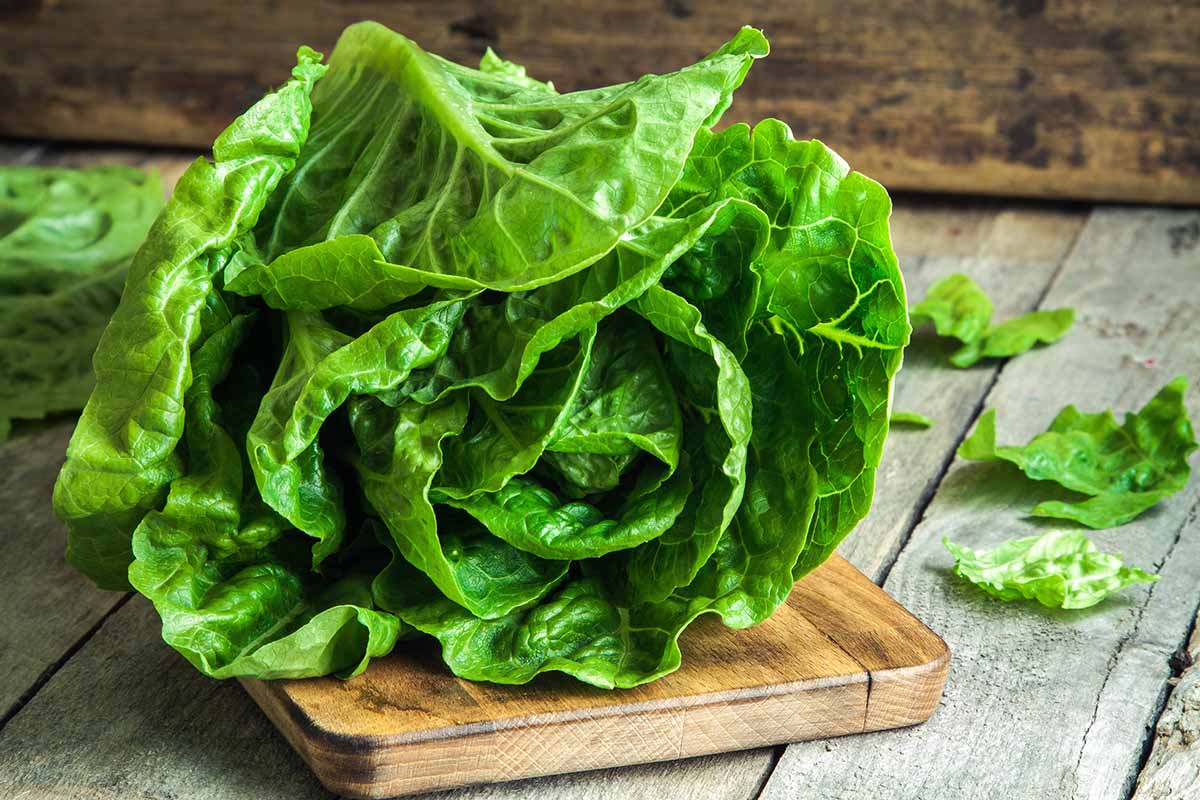
A close up horizontal image of a freshly harvested lettuce on a wooden chopping board.

Bitter lettuce is such a disappointment. Potential causes include too little water, too much heat, or early-season bolting. In this guide, learn how to prevent a harsh taste when you sow or tend this salad staple. The trick is to select the best varieties, give your plants plenty of water, and harvest on schedule.

23 of the Best Slicing Tomatoes to Grow in Your Garden

A close up horizontal image of beefsteak tomatoes growing in the garden.

Juicy, homegrown slicing tomatoes, fresh off the vine and the bigger the better? Yes, please! This list covers 23 of the best sandwich varieties you can grow in your garden. Get ready for BLTs, fresh salsa, and caprese salads galore once these heirloom and hybrid beefsteaks start producing fruit ripe for slicing.

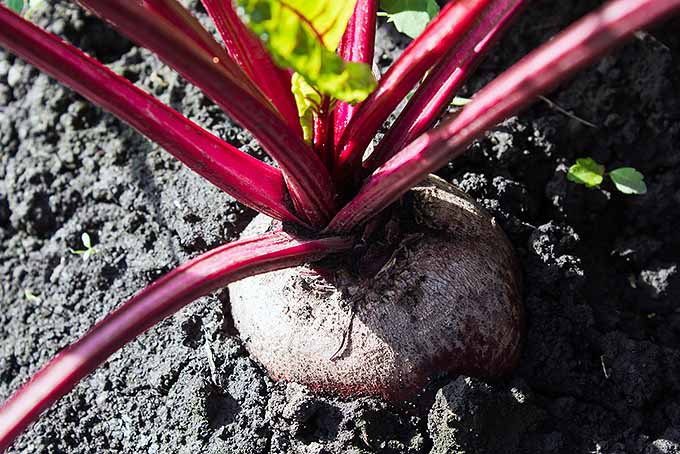
How to Plant and Grow Beets

Growing Beets | GardenersPath.com

If you’re planting for spring or fall, don’t forget to put beets on your list! From ruby-red to gold and even white varieties – and even sweeter, less beety tasting types – learn how to grow, harvest, cook, and even get healthy with these colorful roots right here at Gardener’s Path.

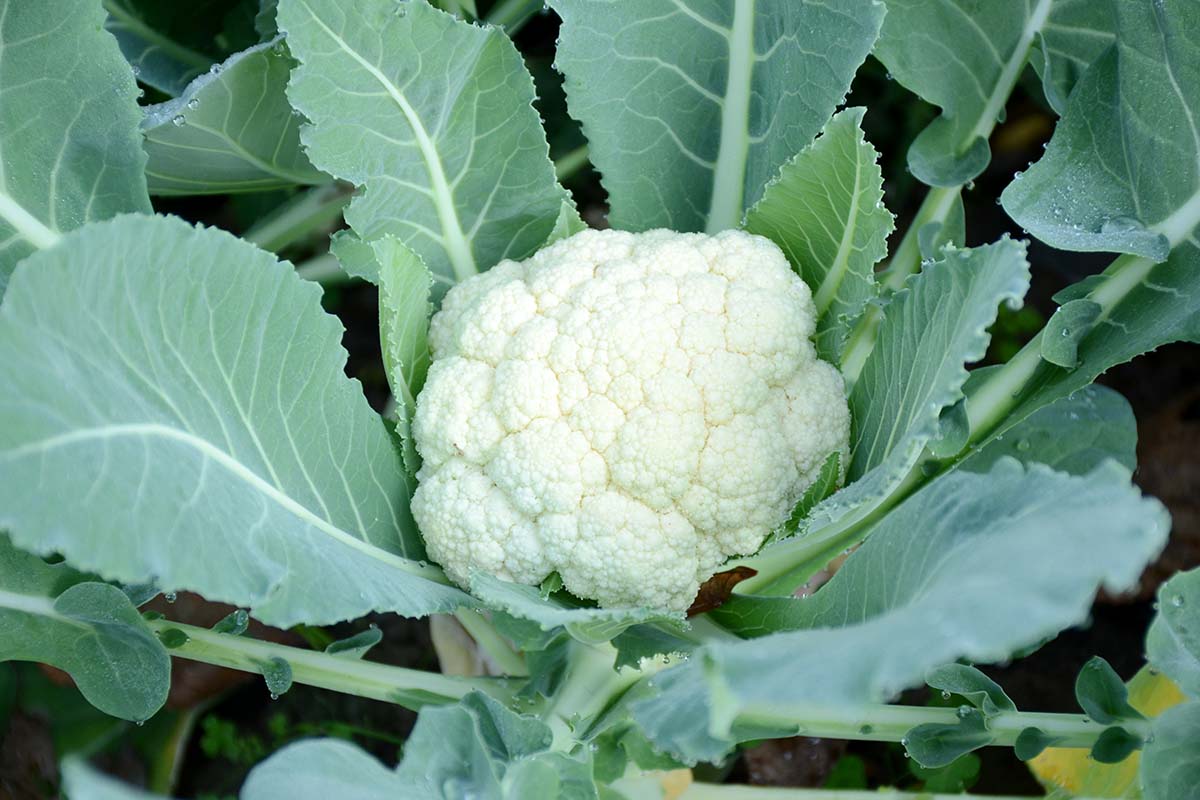
How to Grow Cauliflower, a Challenging Cool-Weather Crop

A close up horizontal image of a small cauliflower head developing in the garden.

Cauliflower has a reputation for being a difficult cool-weather crop to grow, but don’t let that stop you. With an understanding of temperature and watering needs, you’ll soon be cultivating white, purple, orange, and green varieties packed with antioxidants and vitamin C. Learn how to grow your own cauliflower now.

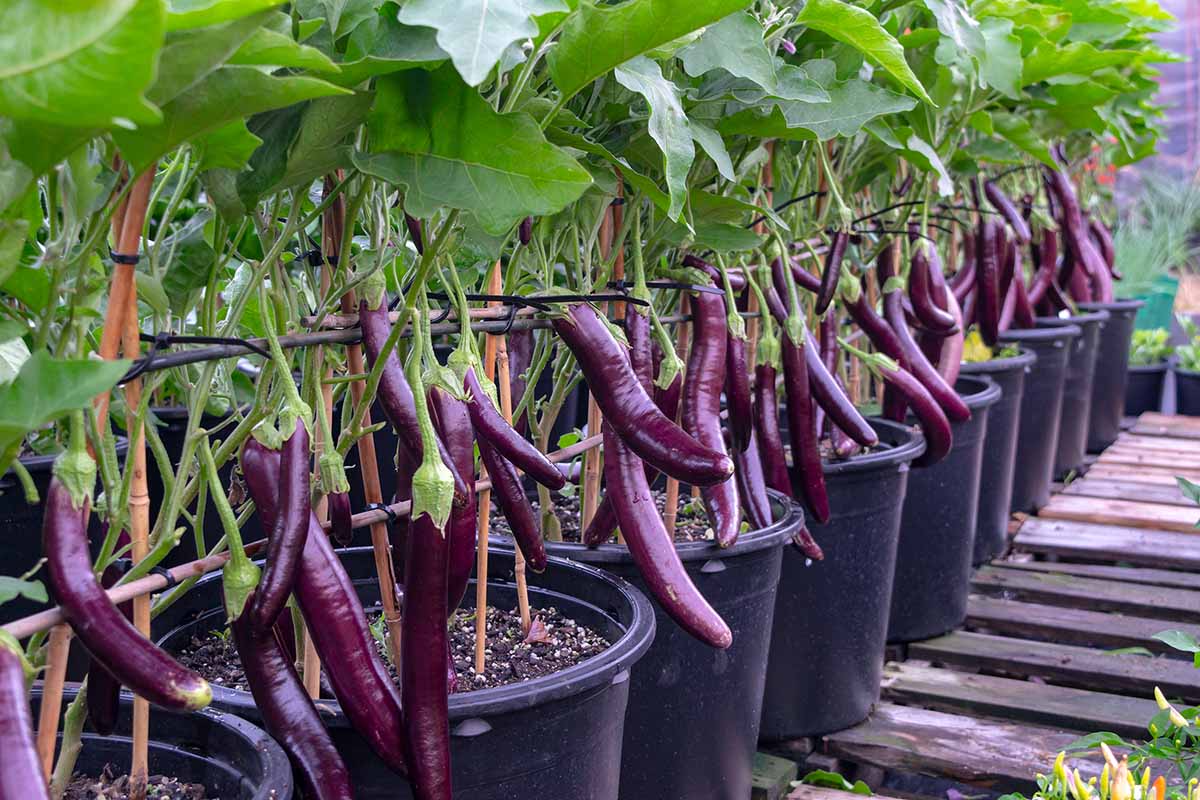
How to Grow Eggplant in Containers

A close up horizontal image of a row of containers with purple eggplants.

Eggplant is a delicious, nutritious warm-weather crop. If you want to harvest homegrown eggplant for your pasta dishes, curries, and more, but don’t have room in your garden, why not try growing it in containers? Planting in pots saves garden space and helps extend the growing season. Read more now.

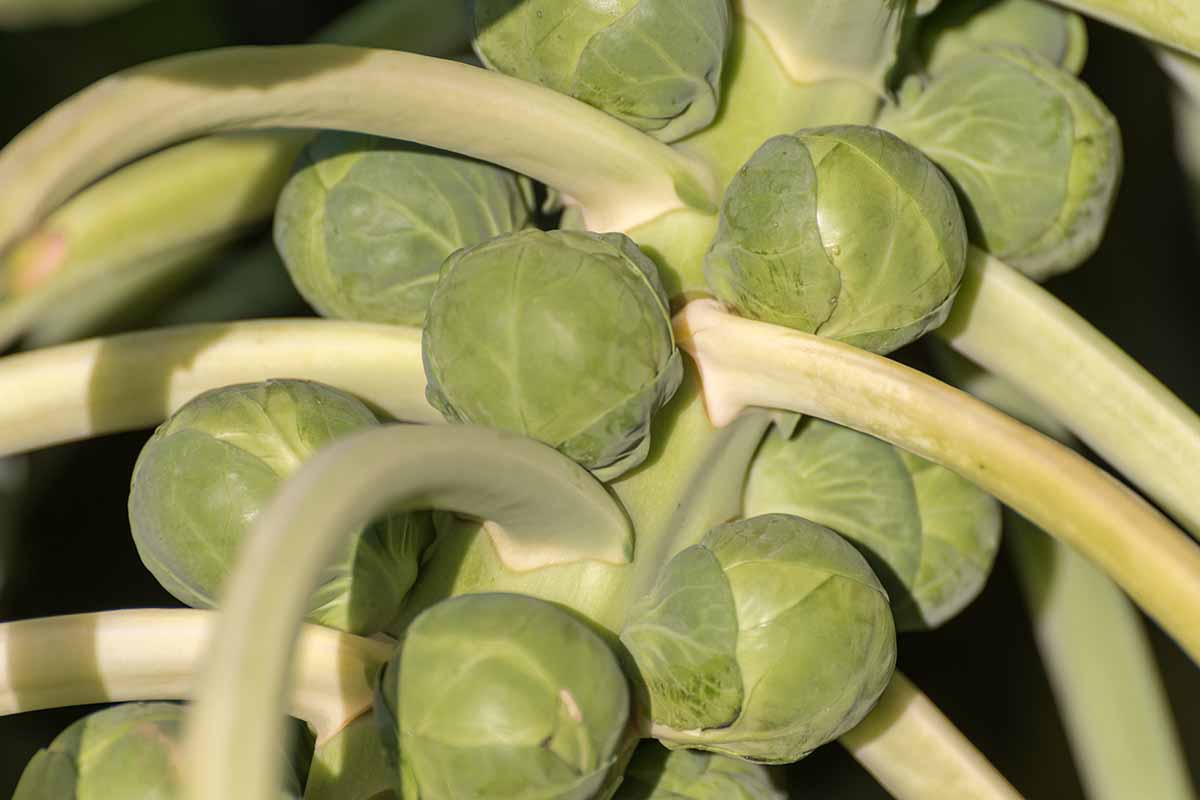
How to Plant and Grow Brussels Sprouts

A close up horizontal image of brussels sprouts ready to harvest pictured in light sunshine.

Are you a fan of Brussels sprouts? Gotten over your childhood hatred of the green gems? Homegrown sprouts taste even better than the ones you’ll find at the store. They’re challenging to grow, but the flavor is well worth the effort. Don’t be discouraged, find your way to success with sprouts now in this guide.

Healthy and Tasty: How to Grow Alfalfa Sprouts and Microgreens at Home

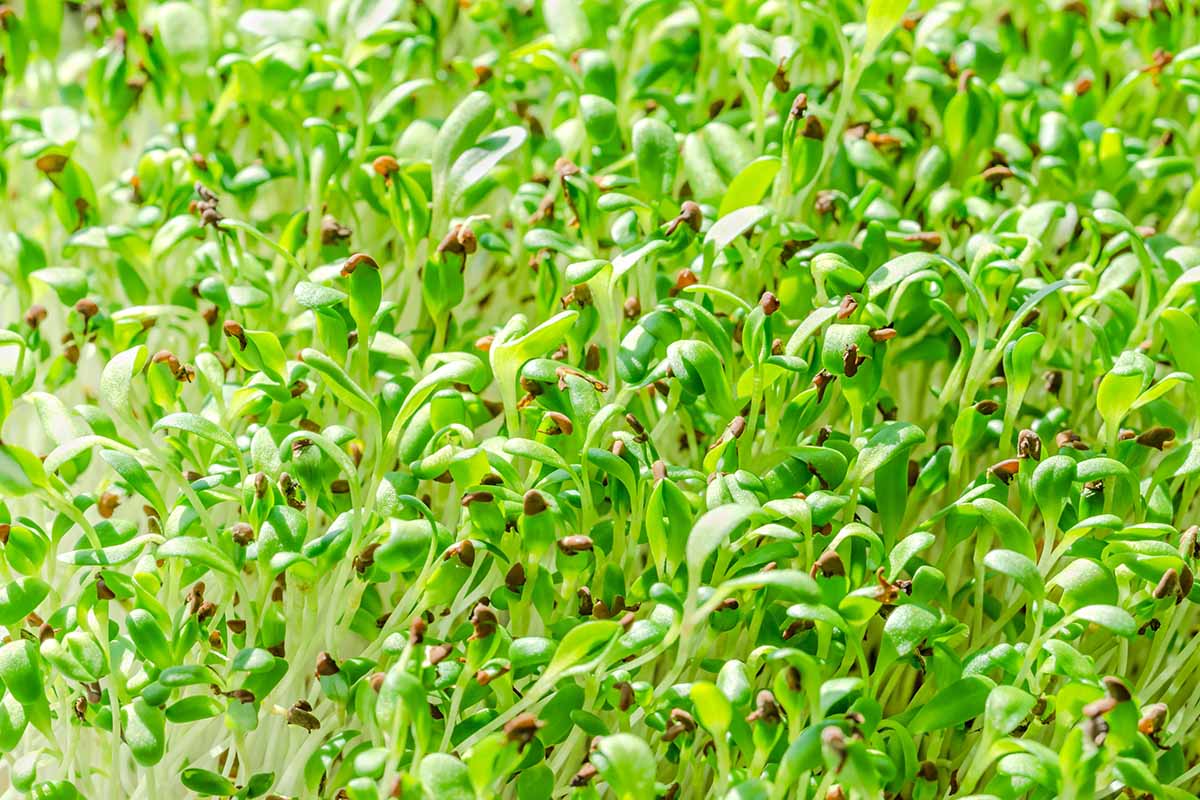
A close up horizontal image of alfalfa microgreens.

Fresh alfalfa sprouts or microgreens grown at home are healthy and tasty. In the cold months, they’re a welcome source of fresh produce. And this indoor gardening project is simple enough for beginners and kids, with results in days. Here are the basic how-to’s, along with advice on food safety and some recipe ideas.

Can You Regrow Parsnips from Kitchen Scraps?

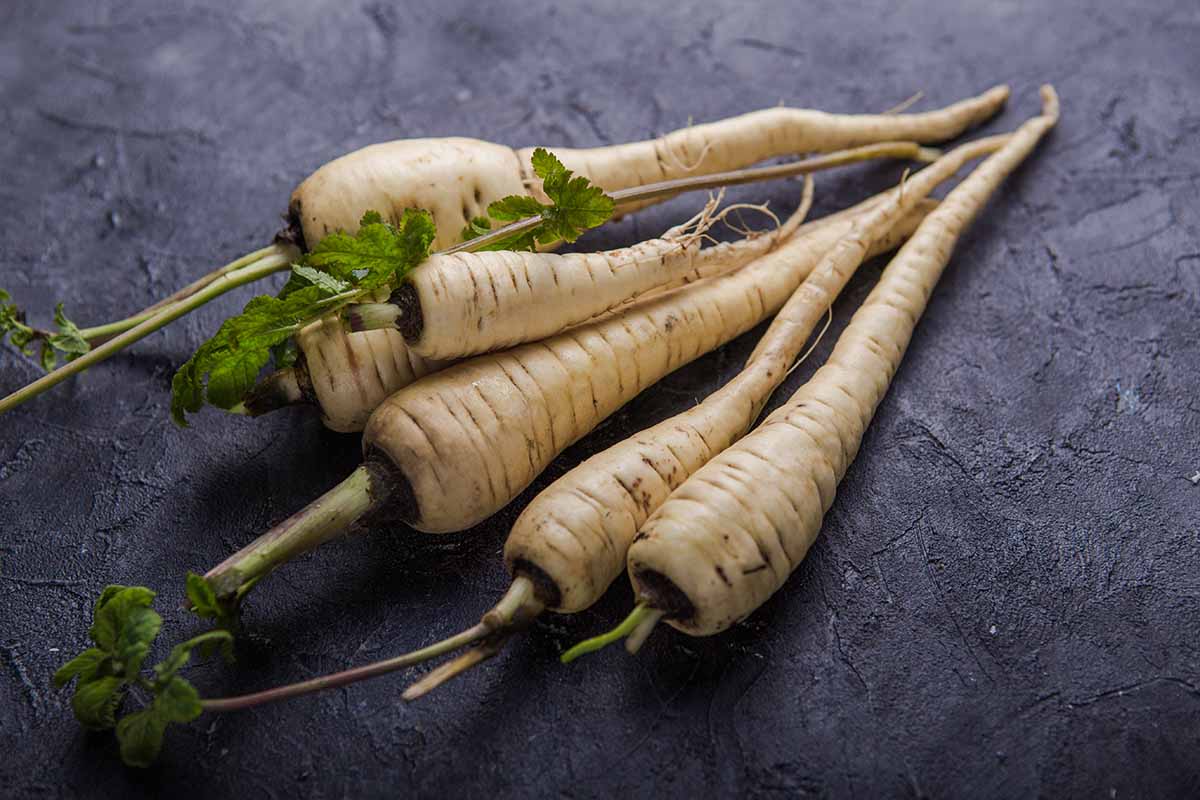
A close up horizontal image of freshly dug parsnips on a dark gray surface.

Is it really possible to regrow parsnips and other root vegetables from scraps, or is it just a bunch of internet hype? While you may be able to grow fresh foliage from leftover tops, don’t expect the plant to produce new roots. Continue reading to learn more about growing parsnips from kitchen scraps.

9 of the Best Companion Plants for Kohlrabi

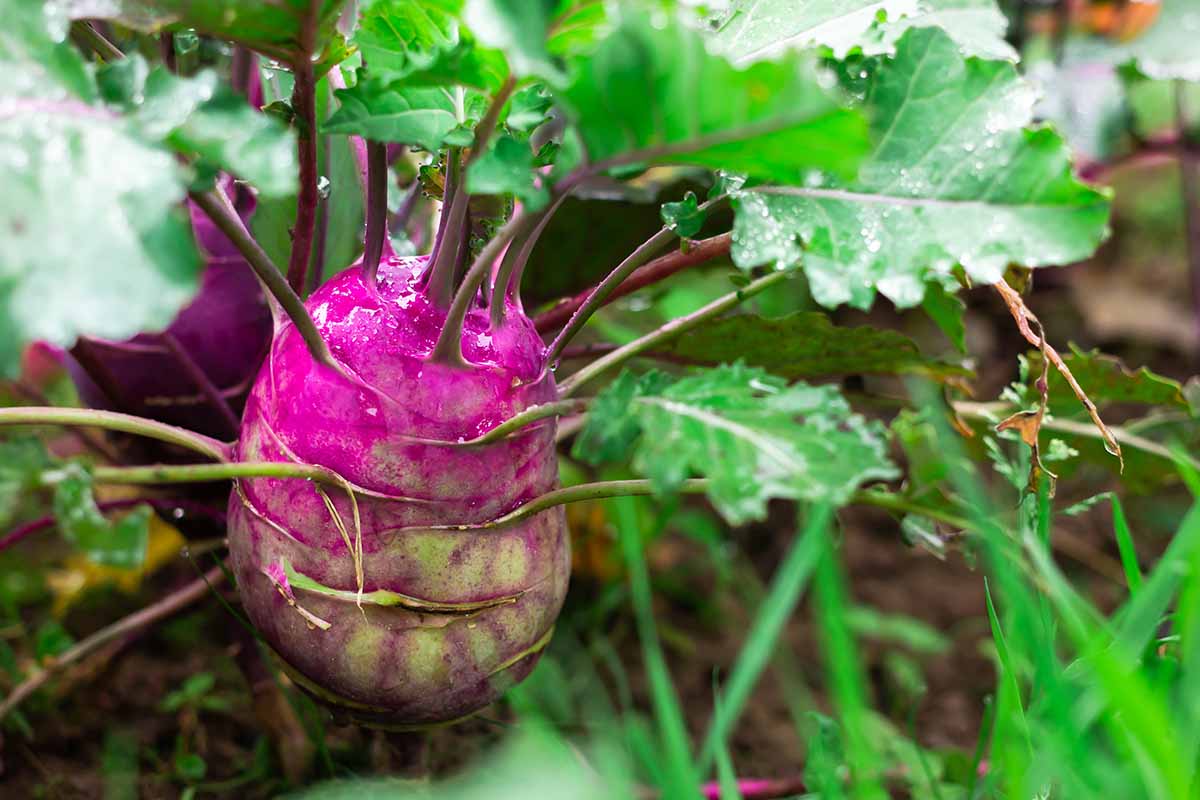
A close up horizontal image of a kohlrabi plant growing in the vegetable garden.

Some of the best kohlrabi companions may provide pest control, enrich the soil, or conserve water, and they look appealing next to this purple or light green cool-season veggie too. Our guide shares the most beneficial companions to plant next to this offbeat above-ground brassica, and which plants make bad neighbors.

Do You Need to Protect Lettuce from Frost in the Garden?

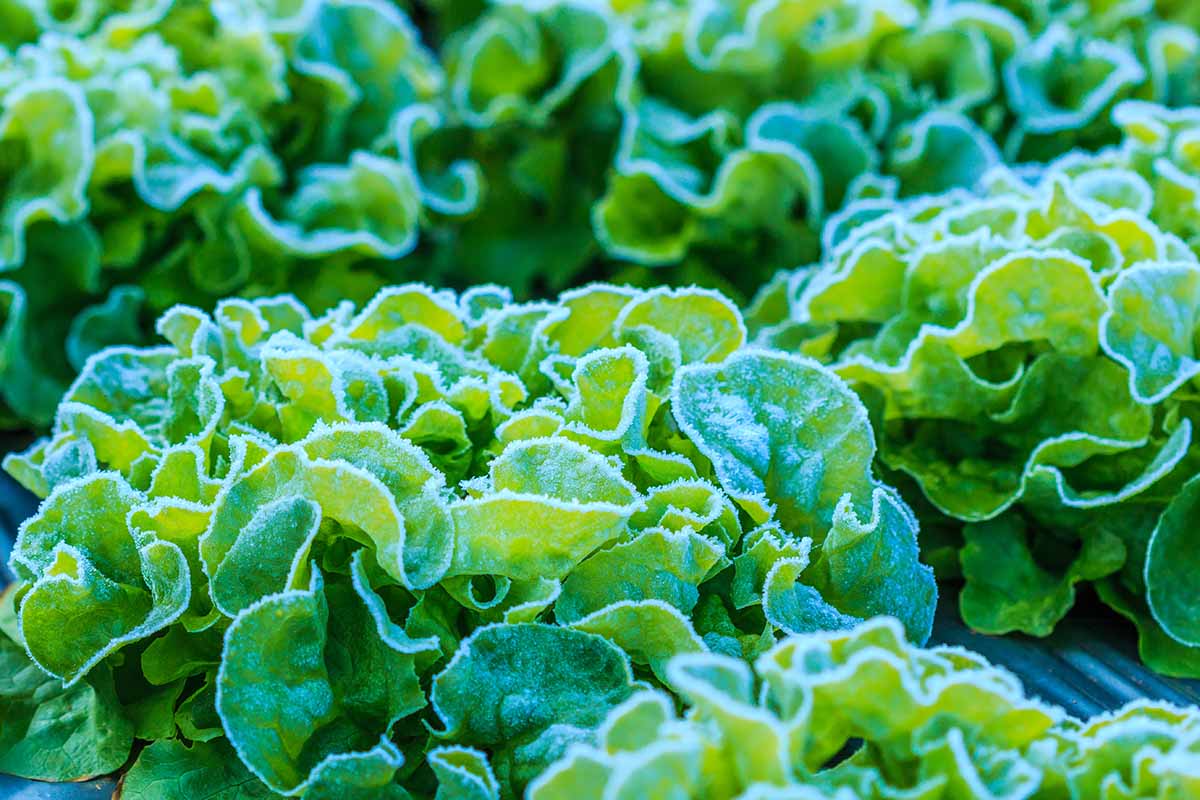
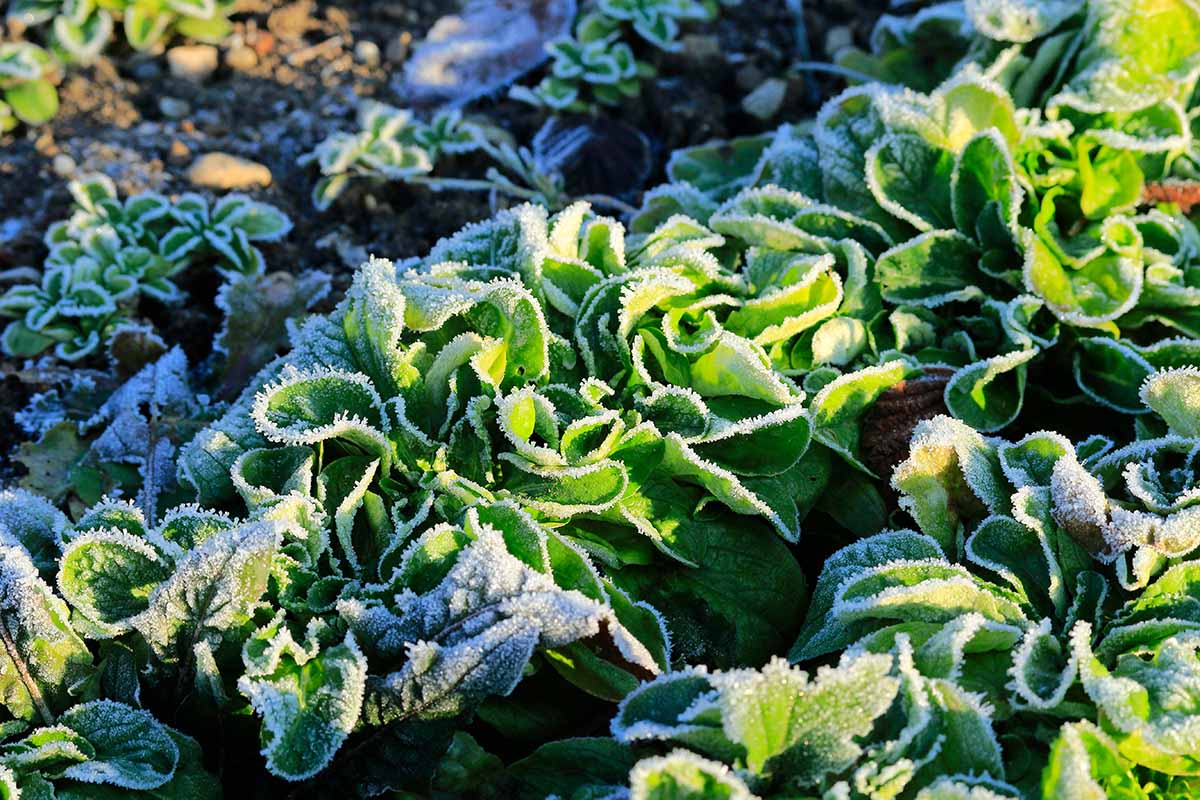
A close up horizontal image of lettuce under a covering of frost.

Lettuce thrives in cool weather, but is frost too much for this leafy green? In this guide, we share the most frost-tolerant lettuce varieties to grow in your garden, along with ways to protect salad greens in freezing temperatures. Avoiding frozen roots is the key to fresh lettuce through fall and into the winter.

How to Plant and Grow Celery Root (Celeriac)

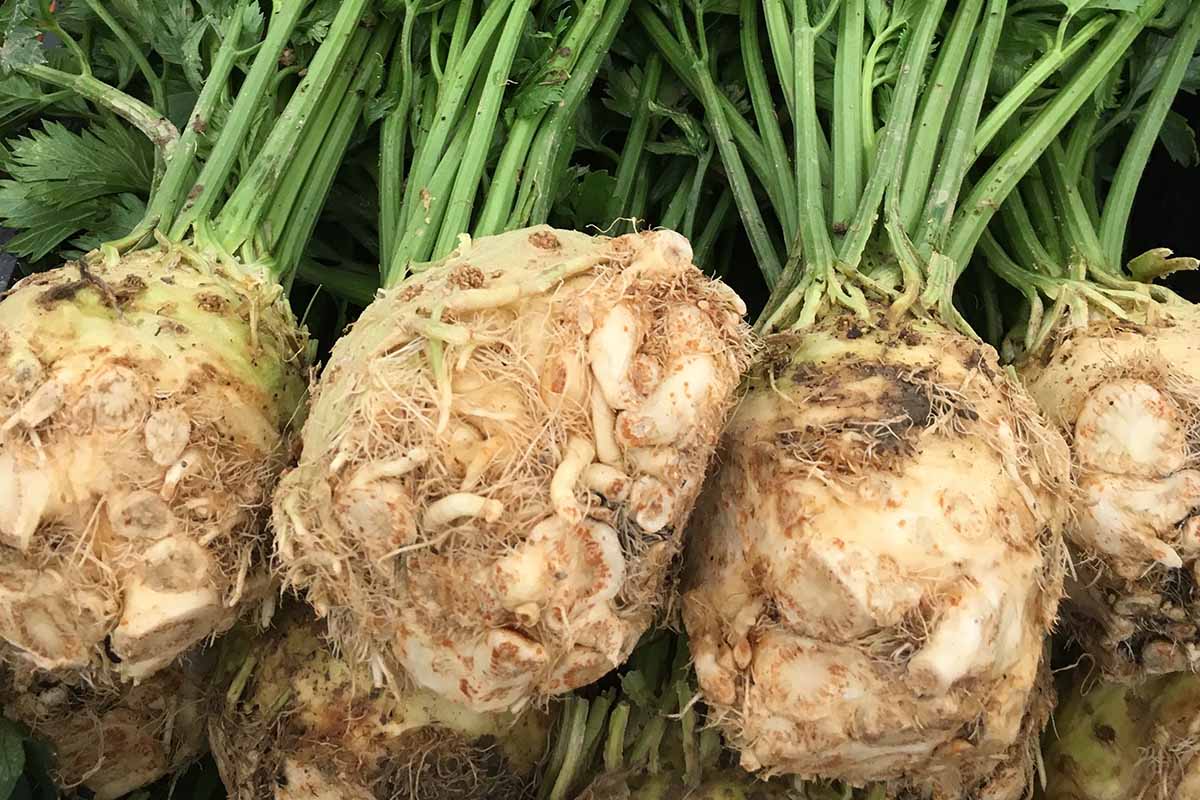
A close up horizontal image of celeriac roots in a pile.

If you’ve never tried celeriac, you’re in for a treat. This crisp cousin to celery is the perfect root vegetable for making soups and fries, or for eating raw in a salad. But is it hard to grow? Is it just like growing celery? Learn everything you need to know to grow your own celery root in our guide. Read more now.

Pick Early and Often: How to Harvest Mustard Greens

A close up horizontal image of mustard greens growing in the garden.

Harvest the tastiest mustard greens by picking early and often. These fast-growing Asian and Southern greens may be best at microgreen, baby leaf, or full size, depending on the variety. Just don’t let them get too large and bitter. Here’s how to pick broadleaf, tatsoi, and mizuna types at their peak.

7 Hardy Salad Greens for Winter Gardens

A close up horizontal image of lettuce growing in the garden covered in a light dusting of frost.

Cold weather doesn’t have to put an end to the gardening season. There are plenty of frost-tolerant leafy greens that can be grown easily, well into the winter months. Continue reading for a list of yummy salad greens to grow in cold conditions, as well as some important factors to consider when growing winter greens.

How to Grow and Harvest a Winter Parsnip Crop

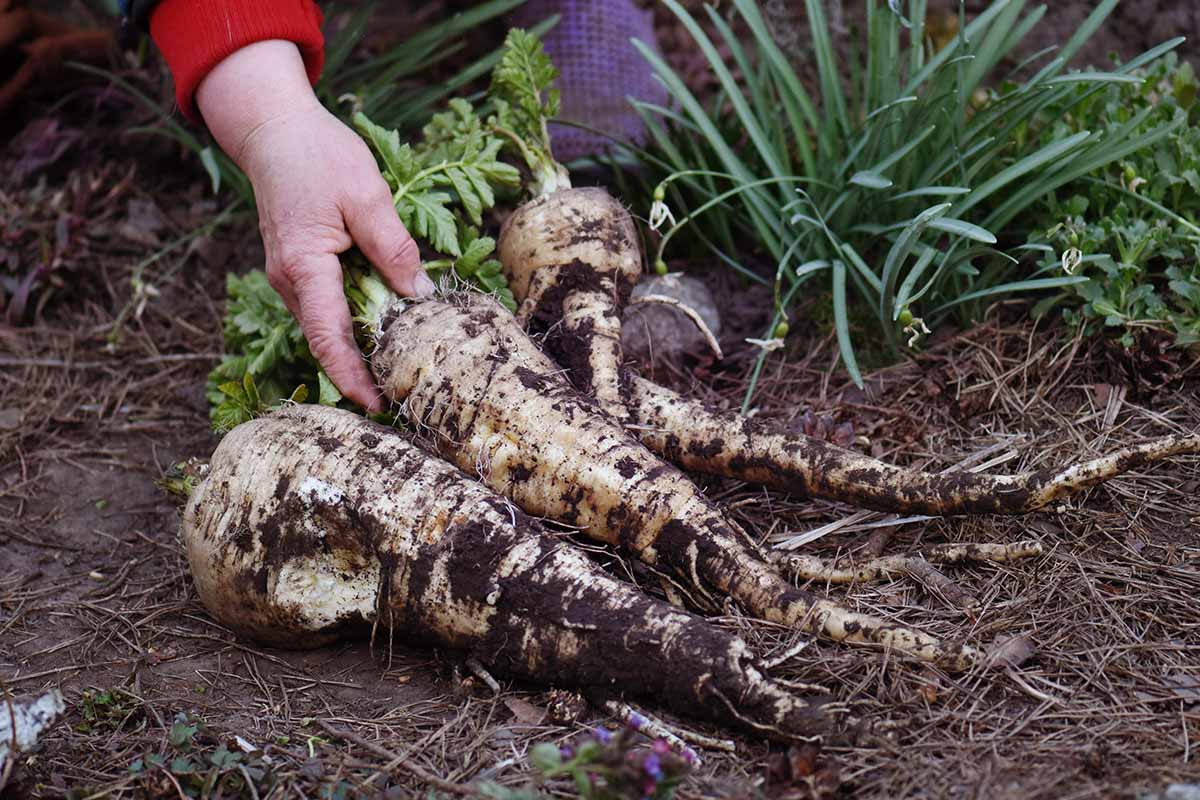
A close up horizontal image of freshly harvested parsnips set on the ground.

There aren’t many veggies you can harvest fresh from the soil in the dead of winter. For the most part, the growing season is long gone. But parsnips can survive even the bitter cold and they taste better for it. In this guide, we’ll help you figure out when to plant and how to harvest this underappreciated root crop.

How to Overwinter Cold-Hardy Swiss Chard

A close up horizontal image of Swiss chard growing in the fall garden.

Nutritious, prolific, and easy to grow, Swiss chard is a productive biennial that can be overwintered and harvested for a second growing season in areas with cool or mild winters. But they do best with a little outside help to ensure survival in frigid conditions. Learn how to overwinter cold-hardy Swiss chard here.

Bok Choy vs. Baby Bok Choy: What’s the Difference?

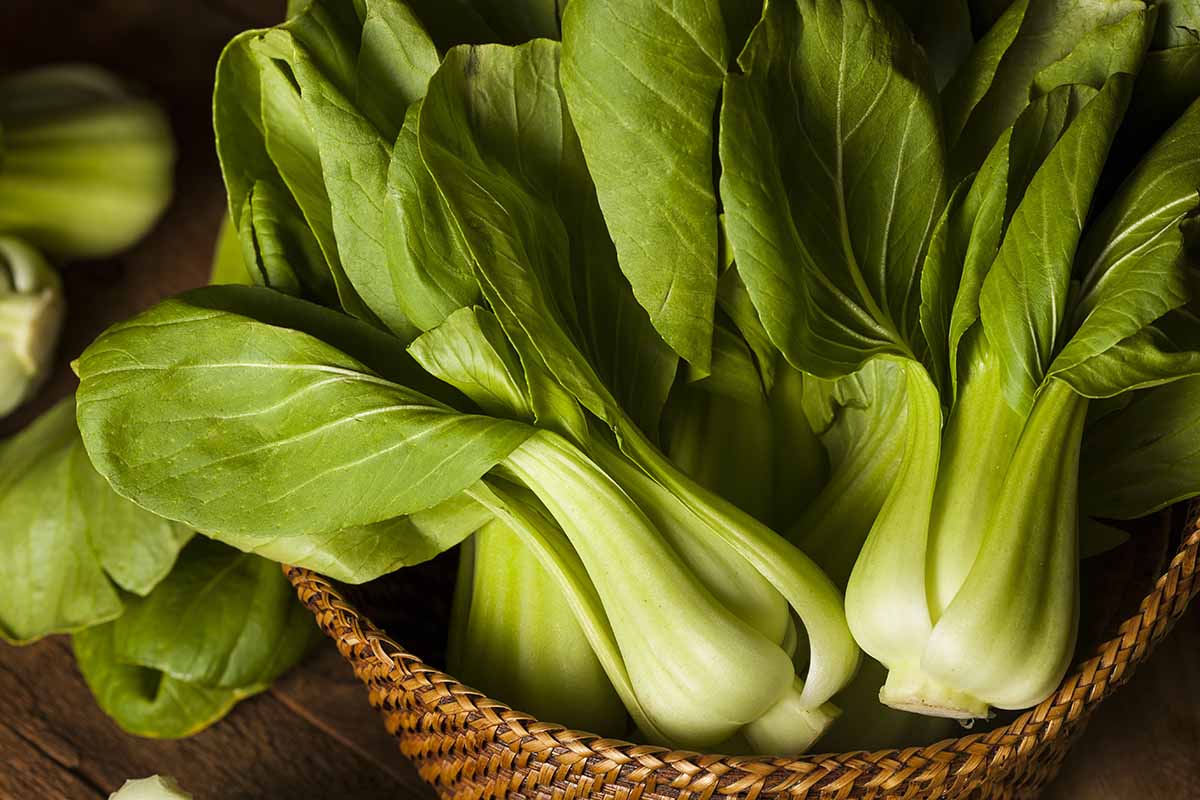
A close up horizontal image of bok choy in a wicker basket.

If you’re wondering if there’s any difference between bok choy and baby bok choy, we can assure you that there is, indeed, a difference. But it’s not as major as you might think. In this guide, find out what sets baby bok choy apart from its full-size counterpart and explore our favorite baby varieties. Read more now.

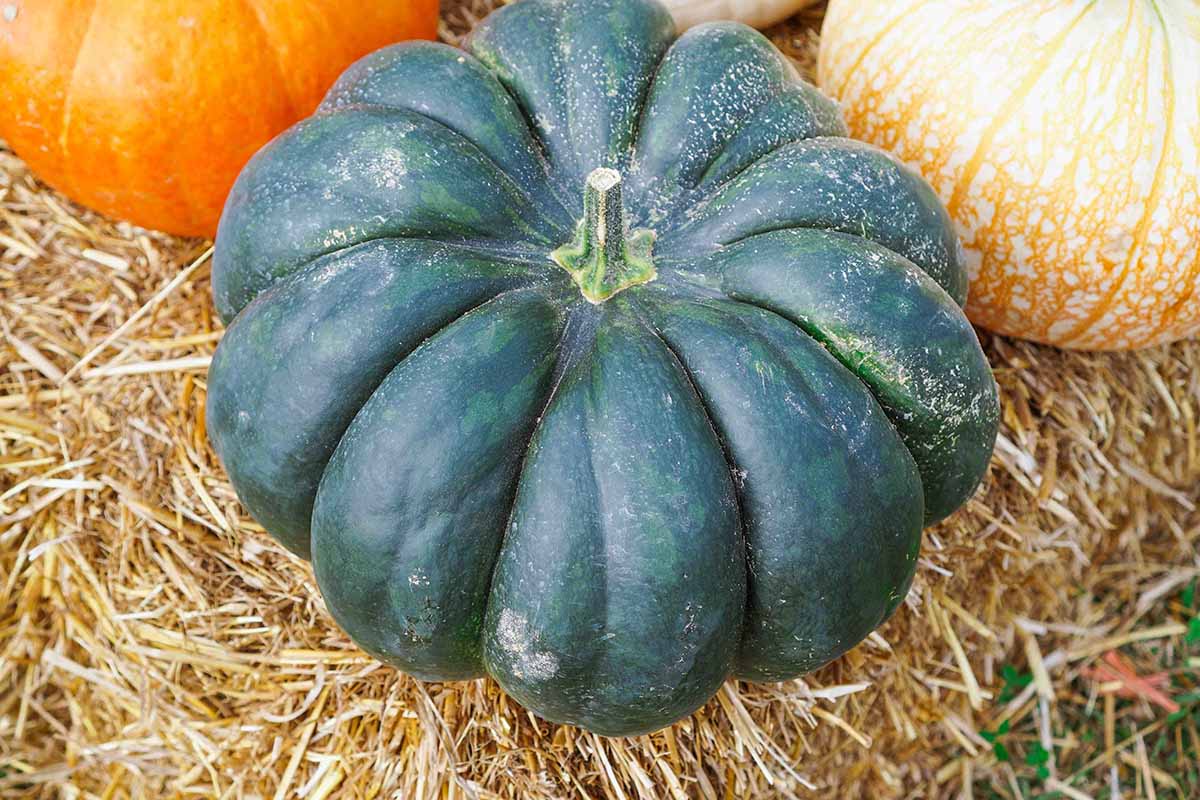
How Long Can You Keep a Pumpkin? Post-Harvest Storage Tips

A close up horizontal image of freshly harvested pumpkins.

Don’t let homegrown pumpkins rot before you can cook or carve them! Store the pumpkin harvest in a way that maximizes shelf life and flavor. This guide tells how long you can keep competition, pie, and jack-o’-lantern pumpkins after picking, and shares tips for storing them through Halloween – or even December.

9 Diseases That Can Destroy Your Swiss Chard

A horizontal image of colorful Swiss chard growing in a garden border.

Homegrown Swiss chard does double duty with its beautiful stems and incredible flavor. But disease can ruin its appealing appearance and its fantastic flavor, denying you the harvest you’ve worked so hard for. A little prevention goes a long way, but if disease still takes hold, there are things you can do. Read more.

7 Reasons Why Homegrown Celery May Be Skinny

A close up horizontal image of celery growing in the vegetable patch.

Celery is not the easiest plant to grow. The seeds are tiny and have to sit on top of loose, organically-rich soil to germinate in sunlight. And sometimes, the crunchy ribs you’ve been waiting for turn out to be thin and dry instead of plump and juicy. Read on for 7 reasons for skinny celery and how you can avoid it.

How to Grow Parsnips From Seed

A close up horizontal image of freshly harvested parsnips set on the ground.

Parsnip seeds have a reputation for being hard to germinate. Lots of gardeners complain that they’re a challenge to tease out of the ground. The truth is, you just need to know the right steps for making it happen and you can find reliable success. Fresh seeds, a good soak, and some patience will have you on your way.

Understanding and Managing Cabbage Black Rot

A close up horizontal image of a cabbage leaf showing symptoms of black rot.

Cabbage black rot is a devastating cruciferous vegetable disease that begins subtly. Its signature foliar discoloration starts at the leaf margins, and usually goes unnoticed until it is so extensive that an affected plant cannot be salvaged. Read on for all you need to know to recognize and manage cabbage black rot.

How to Overwinter Onions Planted in the Fall

A close up horizontal image of onions sprouting in the garden.

Most onions are cold hardy, but some are known to withstand very low temperatures and freezing, powering through the winter chill for a more robust spring harvest. With a well-chosen planting site, you can easily produce a crop from seeds or sets, and avoid losing your crop to many types of pests and disease.

Tips for Growing Parsnips in Containers

A close up horizontal image of freshly harvested parsnips set on the surface of the soil.

Parsnips are earthy, tasty, often overlooked root vegetables that shine in a variety of dishes. If you want to grow this cousin to carrots and parsley, you might wonder if you have space in the garden. But you don’t need it! You can grow parsnips in containers instead. Learn everything you need to know in our guide.