17 Unusual Fruits and Vegetables for your Backyard Landscape

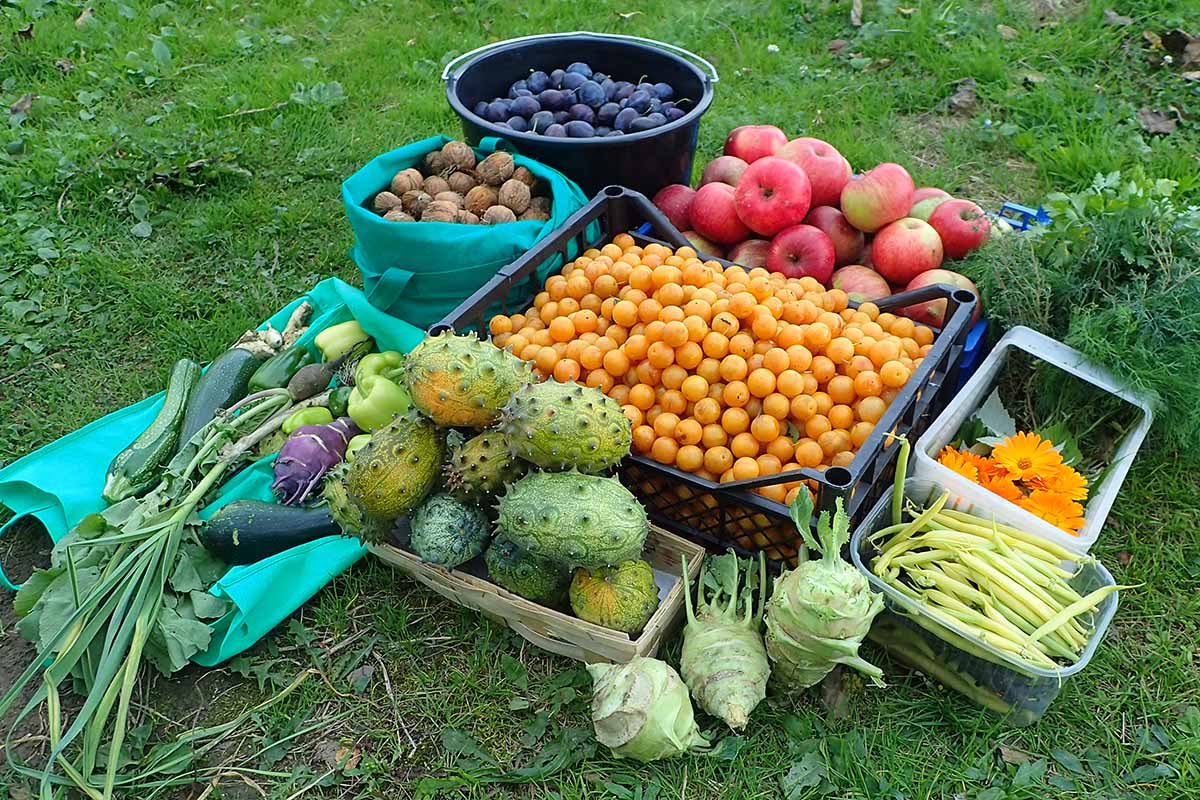
A close up horizontal image of a variety of different fruits and vegetables freshly harvested from the home garden.

From surprisingly colored garden veggies to unexpectedly adorable berries, from teensy cucumbers to oversized beans, there are a wealth of unique edible plants you can grow in your backyard landscape. Ready to discover 17 unusual – and delicious – fruits and vegetables you can grow at home? Read more now.

The Scientifically-Backed Benefits of Companion Planting

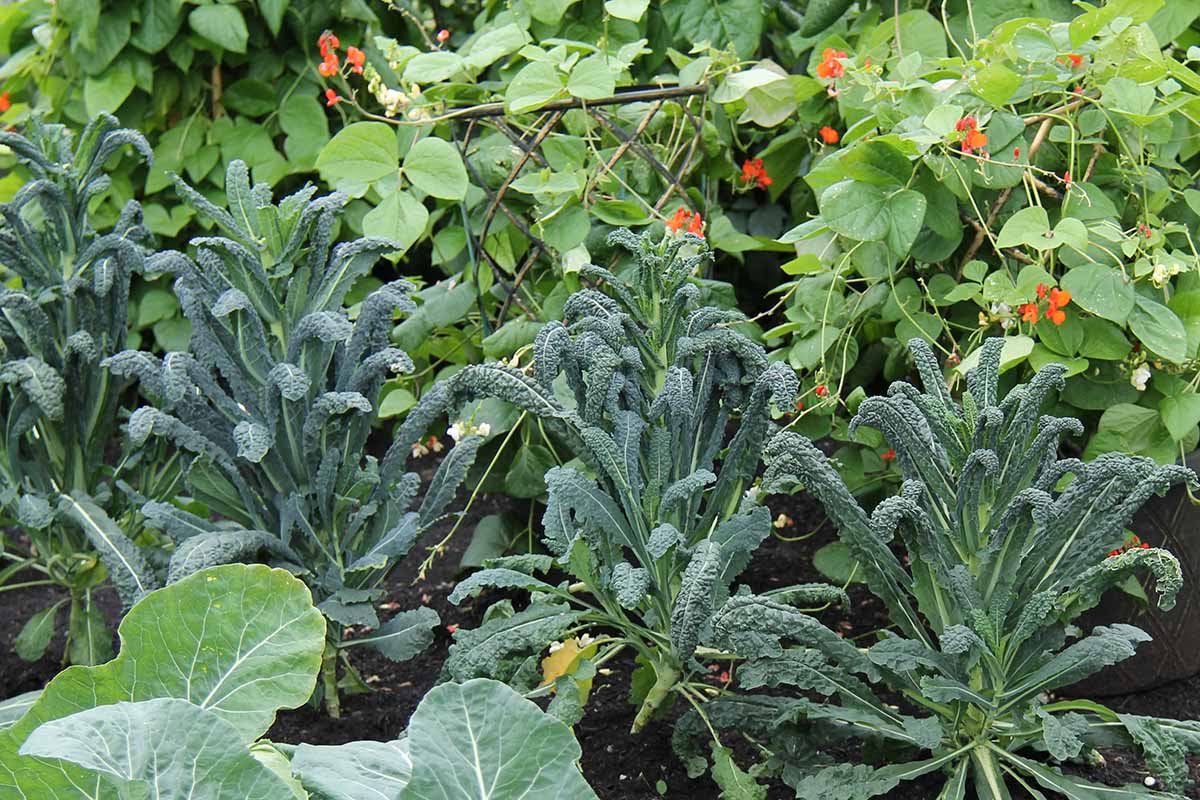
A close up horizontal image of dinosaur kale growing with runner beans in a vegetable garden.

You may have already learned many great companion plant combinations, but do you understand the science behind why they work? From controlling pests to preventing soil erosion, companion planting is a key element among organic backyard gardening practices. Read our guide on the benefits of companion planting now.

17 of the Best Leafy Garden Greens to Grow at Home

A close up horizontal image of a variety of different greens freshly harvested from the garden.

Whether you’re on a health kick or just looking for new crops to try, there are so many leafy garden greens you can grow in your garden. You can easily fill your veggie patch with these nutritious plants, some of which may be new to you. Learn about 17 types of tasty leafy garden greens in this guide. Read more now.

How to Plant and Grow a Survival Garden

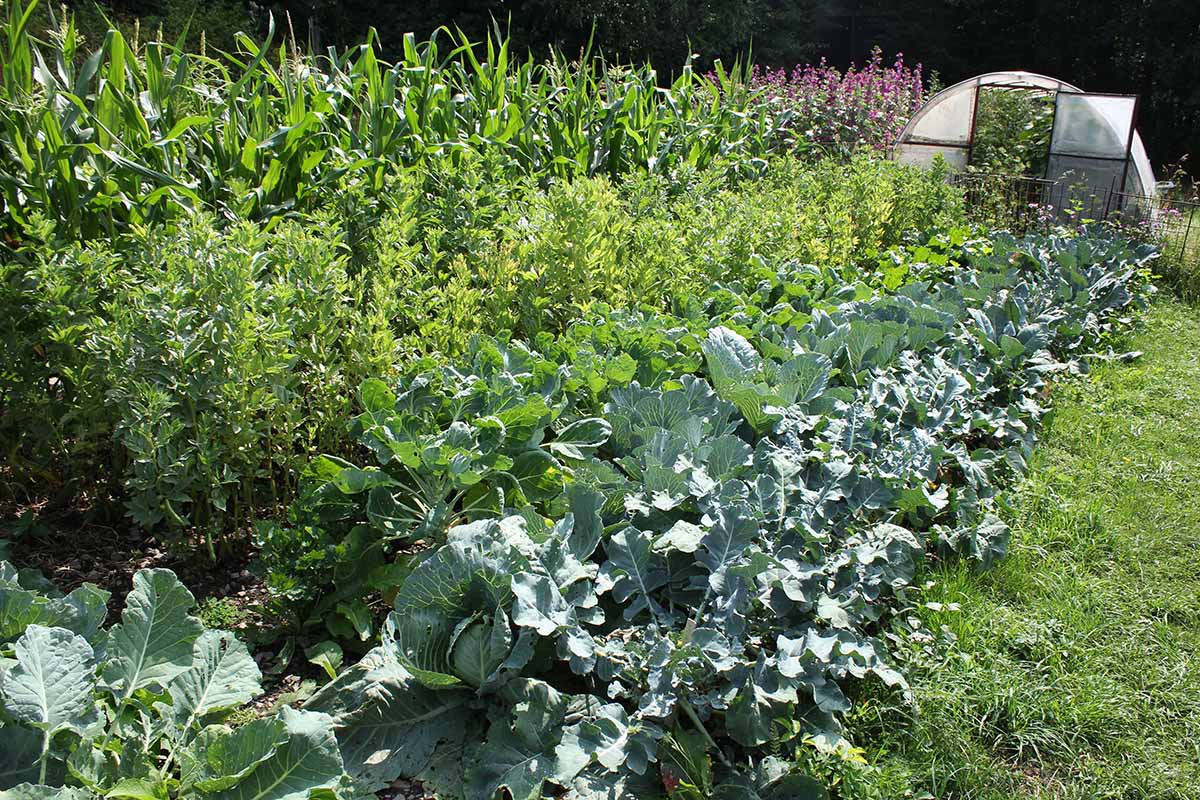
A close up horizontal image of a large survival garden growing a variety of different vegetables with a tunnel house in the background.

Growing a garden large enough to feed your family all year is an incredibly rewarding feat. You can enjoy daily homegrown meals while helping the environment and fostering a connection to your food source. And in case of an emergency, you will be prepared. Read on to learn how to plan and grow a survival garden.

9 of the Best Fast-Growing Vegetables and Herbs for Your Garden

A vegetable garden with rows of mature crops in bright sunshine.

Impatient for a homegrown harvest you can serve or snack on? Opt for quick-growing vegetables and herbs that yield tasty, fresh ingredients, some in just 14 days. These early-season homegrown shoots, microgreens, and even a flower will perk up your end of winter, pantry-based meals. Forget slow and steady! Read more.

How to Plant and Grow Buttercup Squash

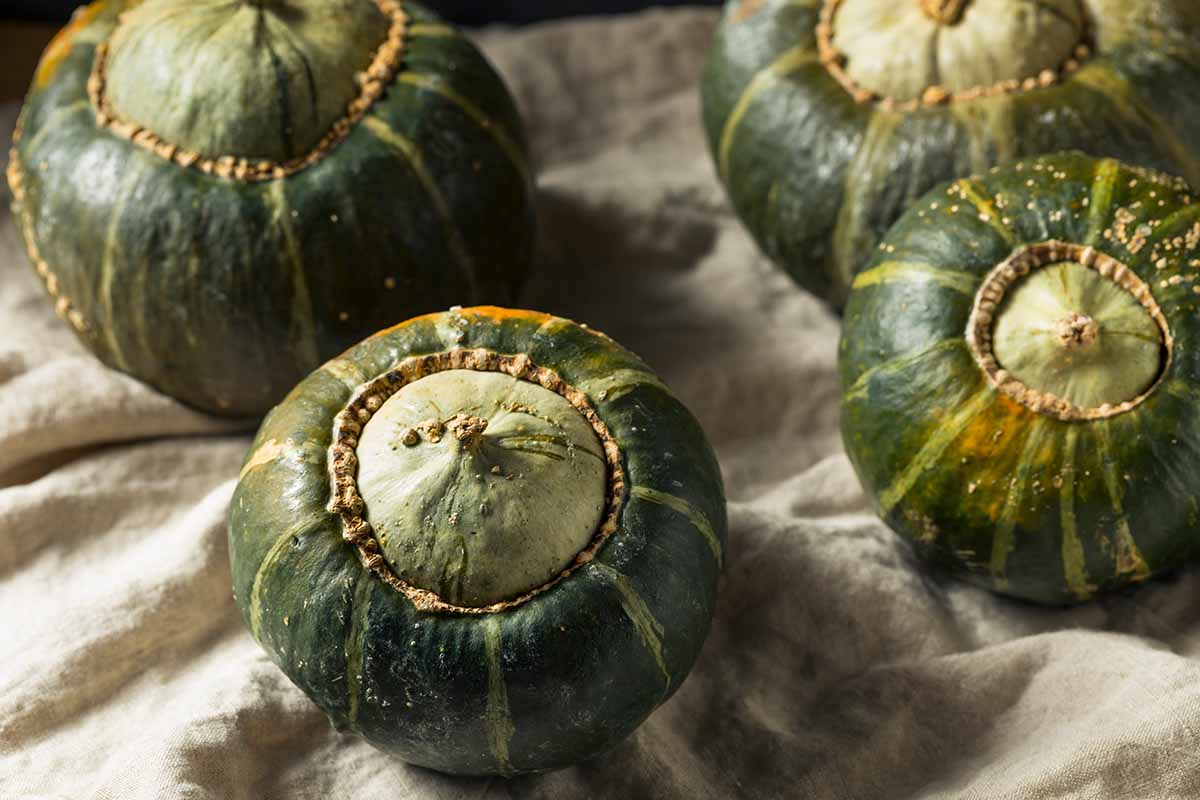
A close up horizontal image of freshly harvested buttercup squash fruits set on a fabric surface.

Buttercup squash is a compact winter variety that has a luscious flavor and texture, plus they’ll keep for months in a cool location. Since you won’t find this variety easily at the grocery or farmer’s market, so if you want to enjoy them, you’ll have to grow your own. Learn how to grow buttercup squash in this guide.

35 of the Best Bush Bean Varieties to Grow at Home

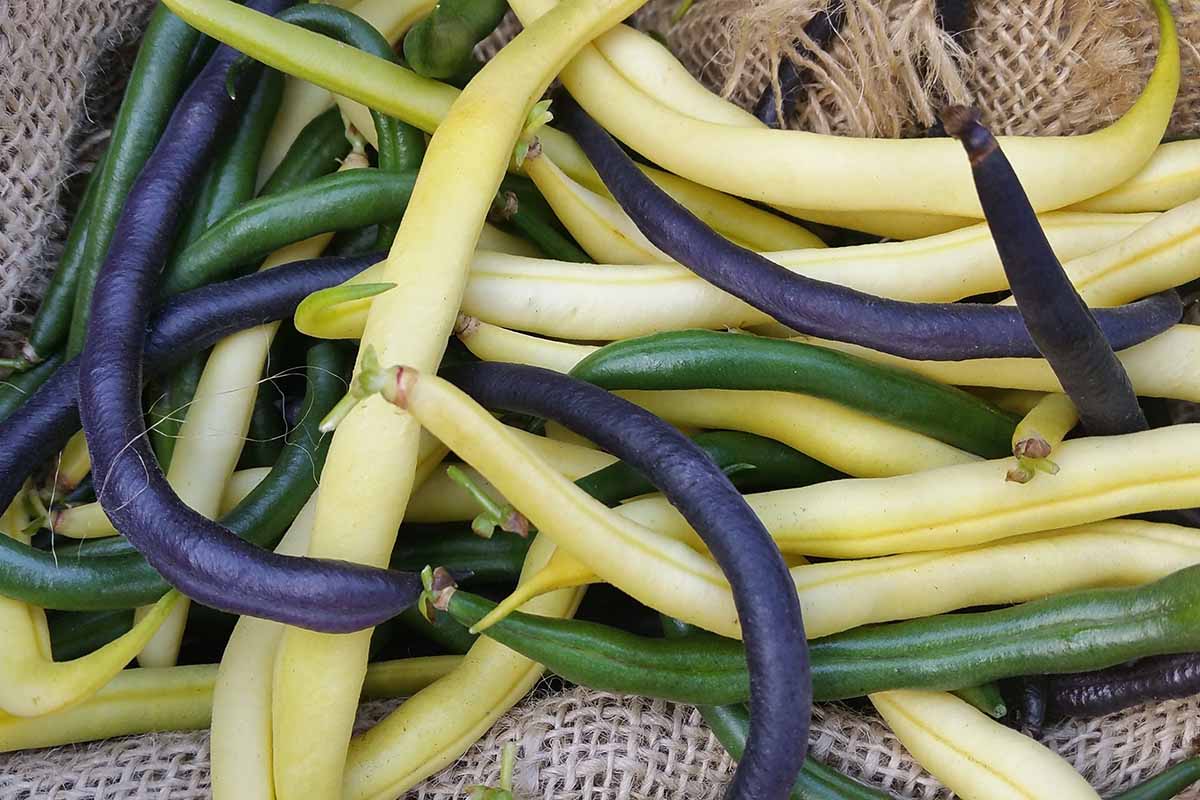
A close up of various different colored bush beans set on a hessian surface, there are green, purple, and yellow varieties.

Ready for a tour of 35 of the best bush bean varieties? Whether you are growing in planters, worried about bean diseases, or dealing with unusually hot or cool summer conditions, there’s a variety for every garden. Discover the best classic snap, stringless, filet, wax, purple, and Romano bush varieties. Read more now.

How to Identify and Manage 11 Common Bean Diseases

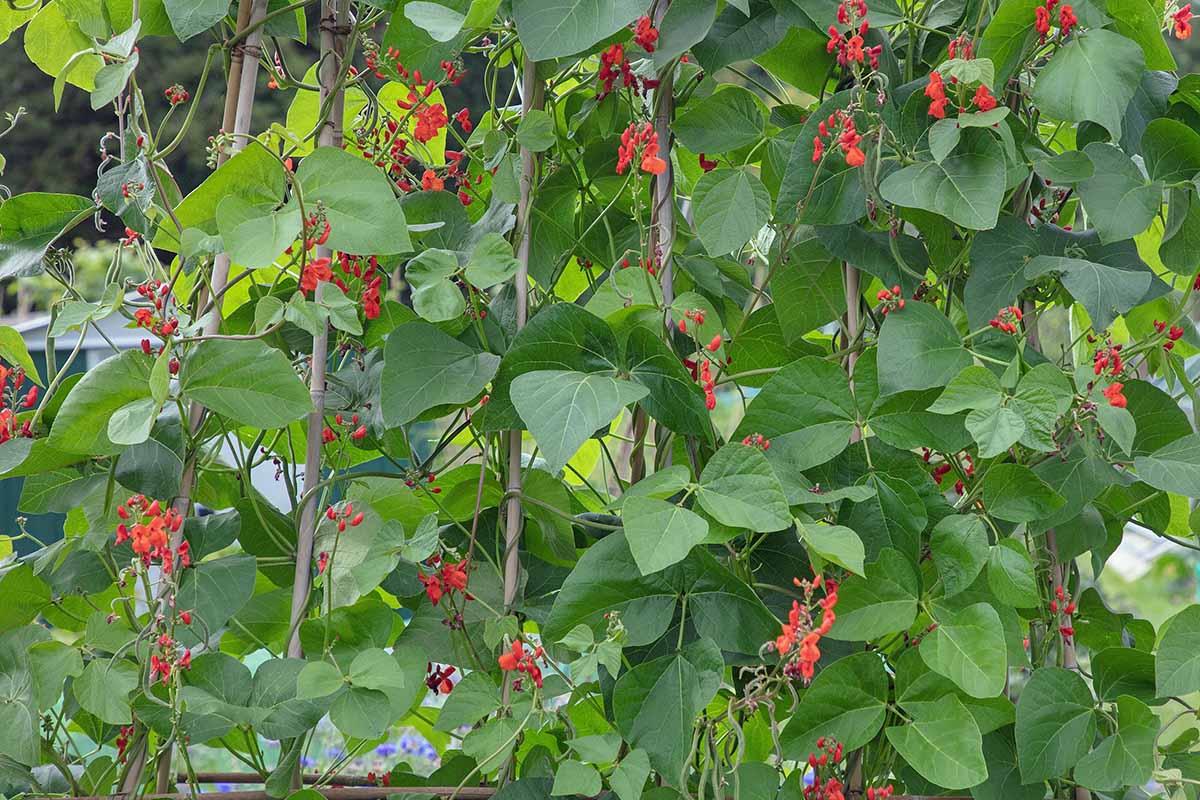
A close up horizontal image of scarlet runner beans growing in the summer garden.

Bean plants are susceptible to a range of fungal, bacterial, and even viral diseases that can reduce yields and affect pod quality. Recognizing early symptoms and understanding how these pathogens spread can help limit damage in the garden. Learn how to identify and manage 11 common bean diseases in this guide. Read more.

How to Identify and Control 15 Common Pea Pests

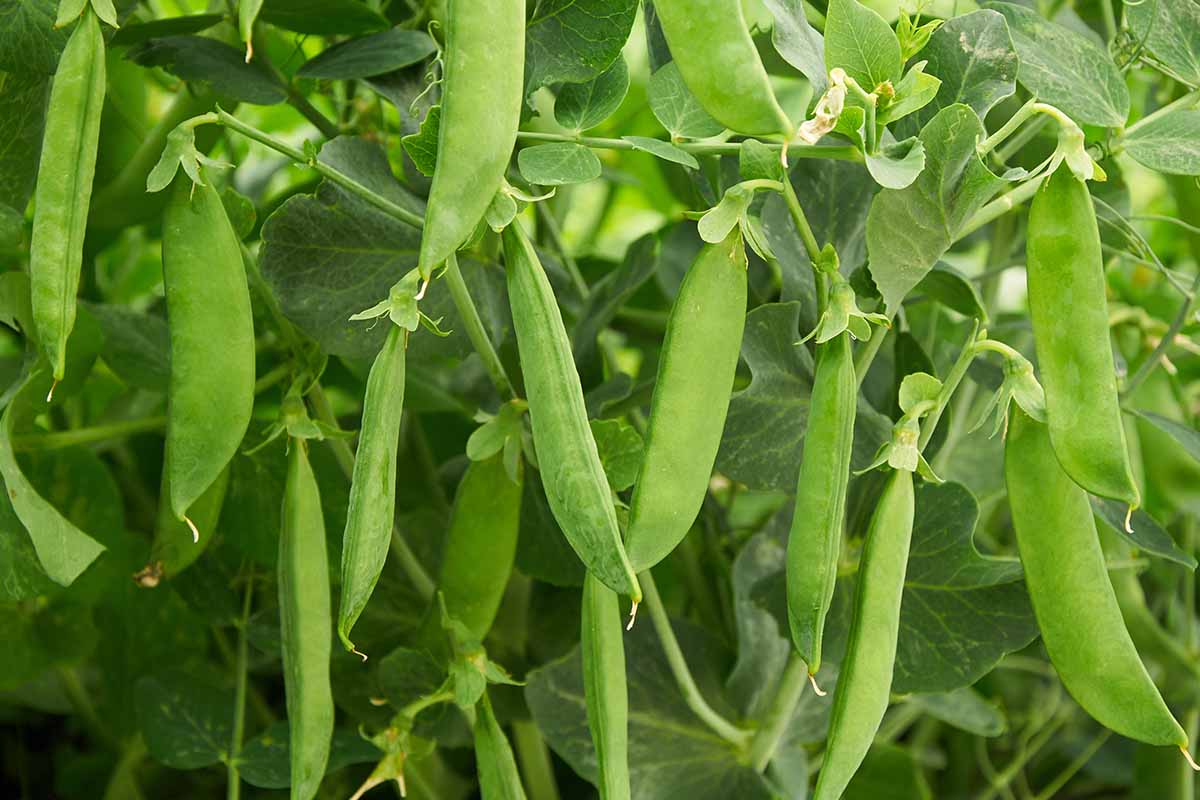
A close up horizontal image of peas growing in the garden.

Are you growing peas in your vegetable garden? From rabbits and snails to cutworms and aphids, there are many pests that attack and feed on peas. Some of these critters are just a bit of a nuisance, while others are downright dangerous and can kill your plants overnight. Learn about 15 common pea pests in this guide.

Vegetable Seeds: Which to Sow Outdoors vs. Indoors?

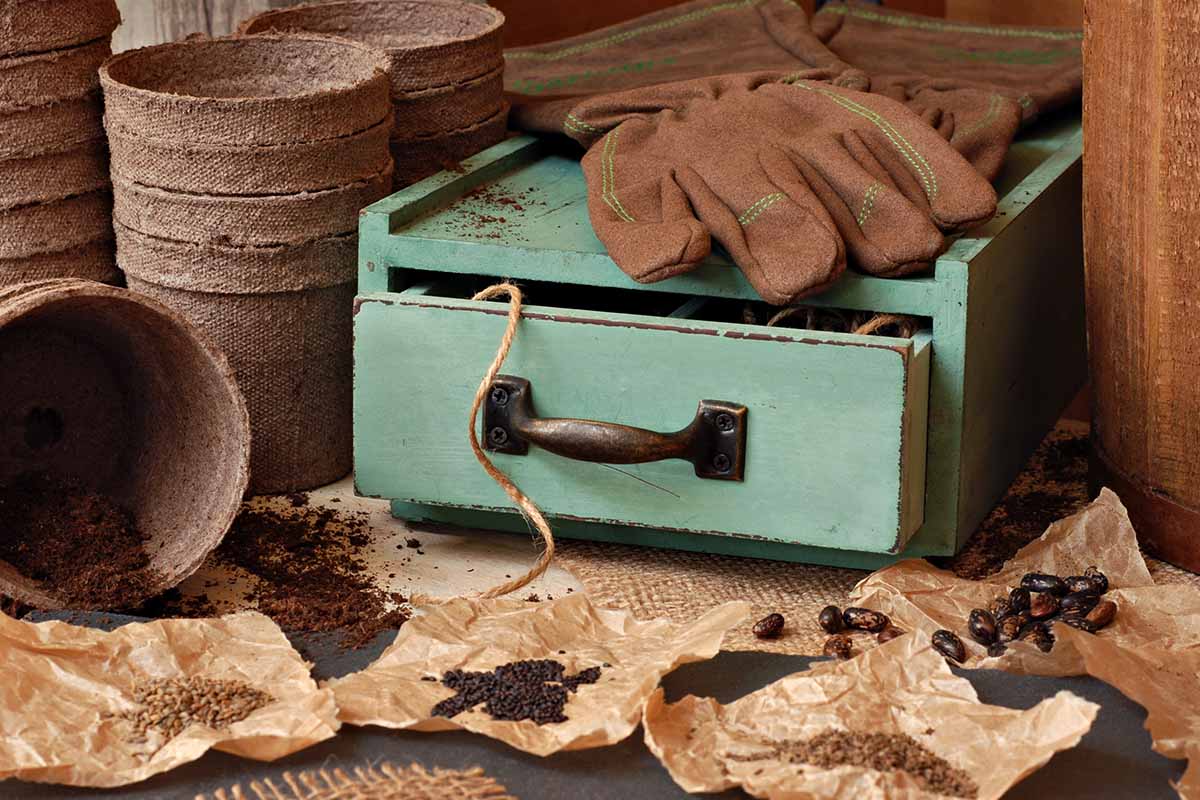
A close up of a small rustic green cabinet surrounded by baking paper containing seeds ready for planting. To the left of the frame are some biodegradable seed starting pots and a pair of gloves.

Some vegetable seeds should be sowed directly in the garden – while others are more successful when started indoors, and transplanted later. Find a list of which veggies are which, understand the reasons behind these guidelines – and learn about some exceptions you should know about, too. Read on to learn more now.

How to Grow Sweet and Tender Red Russian Kale

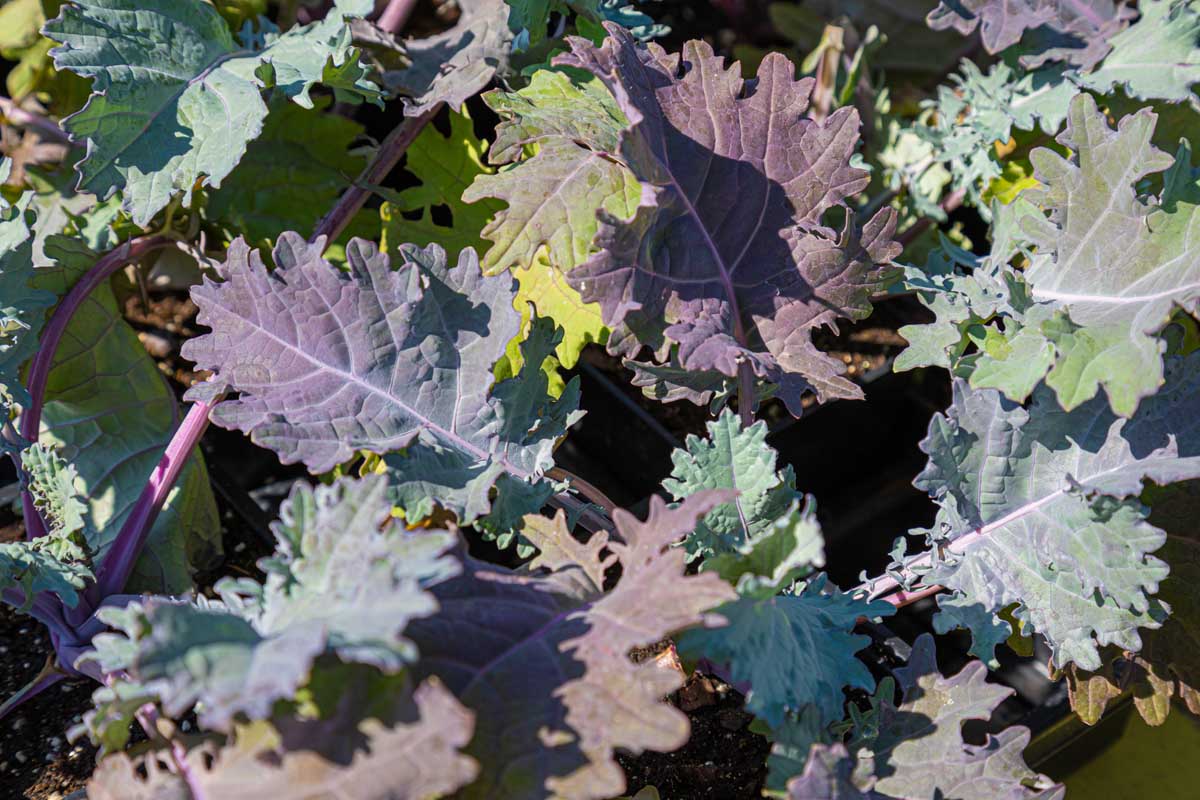
Close up picture of Russian red kale leaves growing on the plant. Ranging from light green to pale purple, the flat leaves with jagged edges are pictured in bright sunshine.

Red Russian kale is an heirloom variety with sweet, tender leaves and distinctive purple-red stems. This cultivar matures in 50 days for full-sized leaves or 25 days for baby greens, and its flavor improves after a light frost. Learn how to grow this beautiful and productive variety in your spring or fall garden now.

How Large Do Beet Roots and Greens Grow?

A close up horizontal image of freshly harvested round beets set on the ground by the wooden surround of a raised garden bed.

Beets come in all kinds of shapes and sizes, from tiny one-inch table cultivars to massive sugar and fodder types that can grow six feet long or more. Aboveground, the foliage can be correspondingly sized. Learn all about the sizes of beet roots and leaves to help plan how much space you need in your garden. Read more.

How to Start Annuals Indoors from Seed

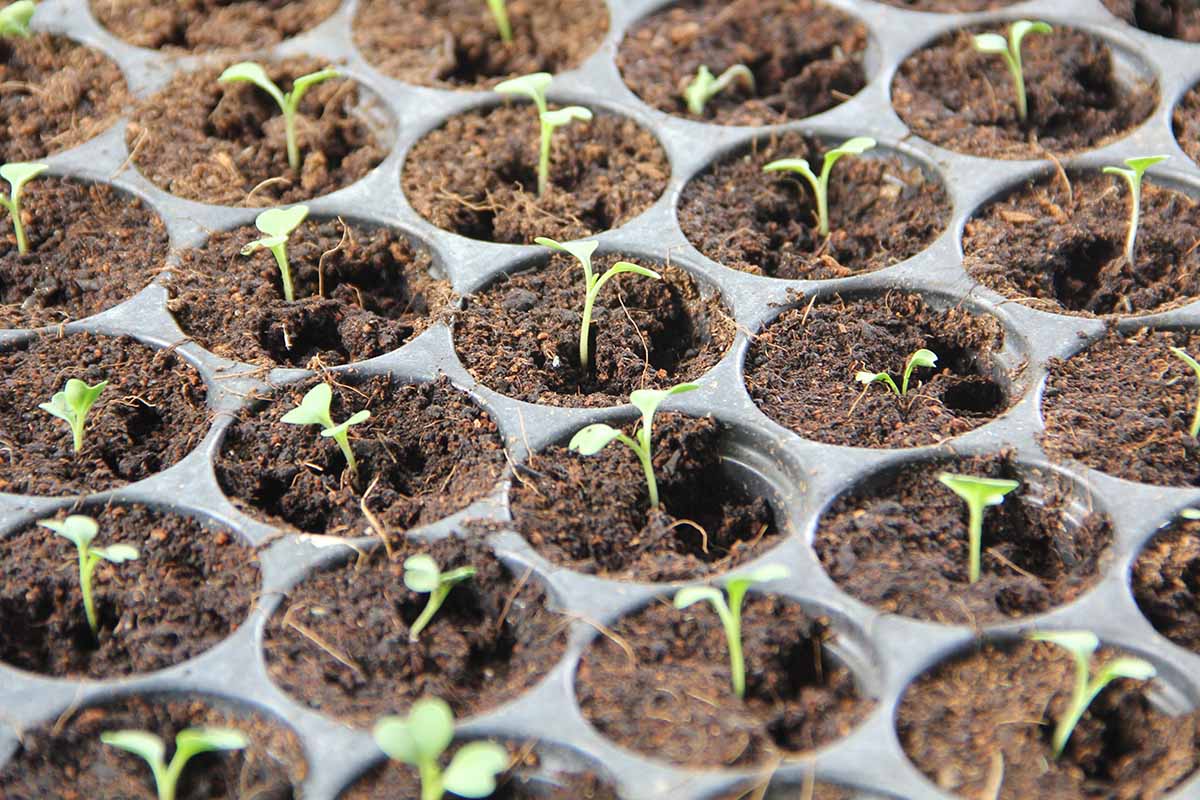
A close up horizontal image of seedlings pushing through the soil of starter cells.

Are you itching to get into the garden, but it’s still too cold outside? Satisfy your craving to play in the dirt by starting seeds indoors. With an egg carton and potting medium, you can grow flowers, herbs, and vegetables to transplant outside when the weather warms. Learn how on Gardener’s Path.

How to Plant and Grow Broccoli Rabe (Rapini)

A close up horizontal image of broccoli rabe florets and foliage.

Broccoli rabe is a cool season veggie that will spice up your spring or fall harvest with its compelling flavor profile. It’s easy to sow directly from seed and is a fast grower, so when planning a diverse assortment of leafy greens for your homestead or garden, don’t forget tasty rapini. Keep reading to learn more.

Learn How to Grow Your Own Morel Mushrooms

A close up horizontal image of morel (Morchella) mushrooms growing in spring sunshine.

Morel mushrooms are prized for their nutty, earthy flavor but are difficult to cultivate. These fungi require specific moisture levels, temperature conditions, and substrate to fruit successfully. Results are unpredictable, and it can take up to five years before fruiting. Learn how to grow morel mushrooms in this guide.

How to Overwinter Hot Pepper Plants

A close up horizontal image of red peppers ripe and ready to harvest growing in a pot on a patio, pictured on a soft focus background.

Hot peppers are typically grown as annuals, but did you know that you can overwinter these perennial plants for a larger harvest next season? With the right preparation, you can keep your favorite varieties dormant in the winter months and they’ll come back healthy in spring. Learn how to winterize hot pepper plants.

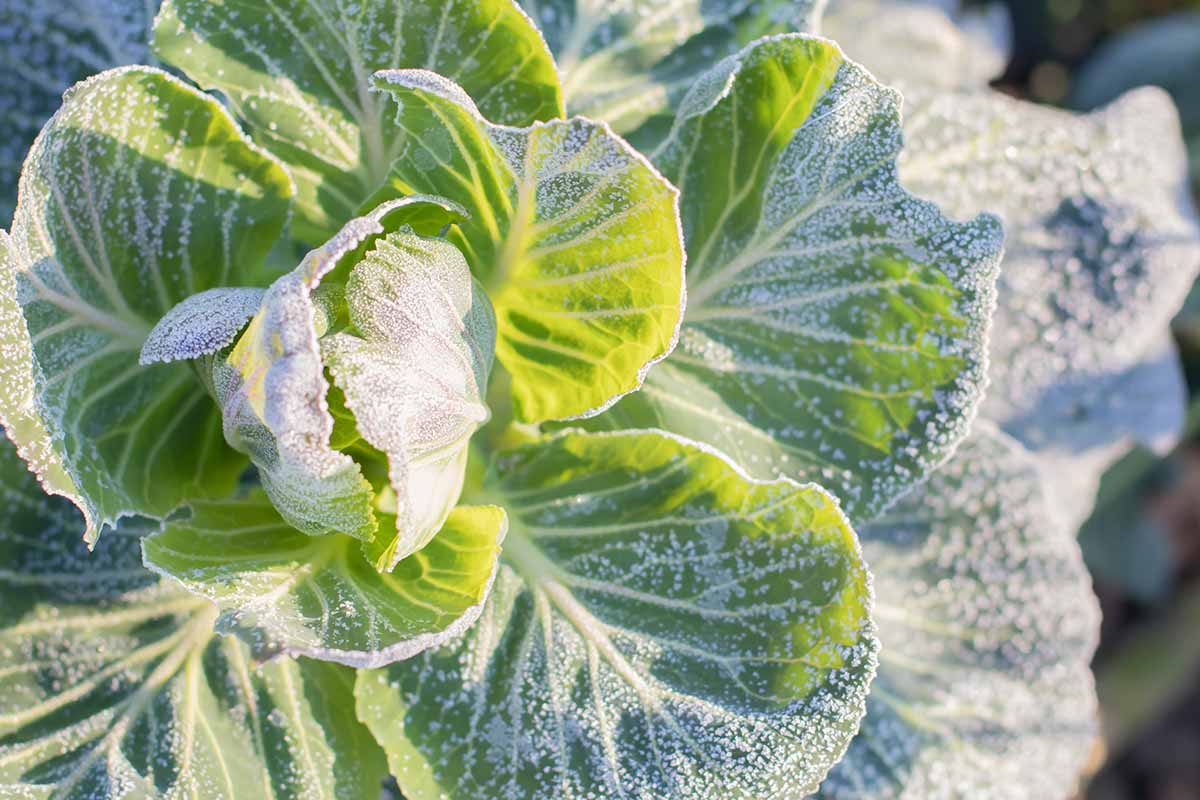
How to Manage Frost Damage in the Fall Vegetable Garden

A close up horizontal image of a cabbage head covered in frost in autumn.

When the thermometer takes a sudden dive, you may wake up to a vegetable garden coated with frost. Some crops can tolerate it, but others are ruined instantly. Learn about the hardiness of vegetables, what to do when frost is in the forecast, and how to deal with the damage that may occur in this guide. Read more now.

9 of the Best Collard Greens Varieties to Grow at Home

A close up, top down picture of a large Brassica oleracea var. acephala, aka collard greens, growing in the garden, with large dark green leaves and light colored veins.

Want to grow your own collard greens in the garden? These veggies are a Southern favorite, packed with fiber and healthy nutrients. Delicious raw or cooked, growing your own leafy greens is the best way to add more to your diet. Learn about nine of the best cultivars and choose your favorites in this guide. Read more now.

How to Plant and Grow Radishes in Containers

A close up horizontal image of different colored radishes freshly harvested and cleaned, set on a dark gray surface.

With a fantastic crunchy texture and mild or fiery, peppery taste, radishes are a rewarding crop with very early yields. With fast-growing roots, they thrive in the cool temperatures of spring and fall, and are quick and easy to cultivate. Learn how to grow radishes in containers in this guide. Read more now.

How to Identify and Manage Downy Mildew in Lettuce

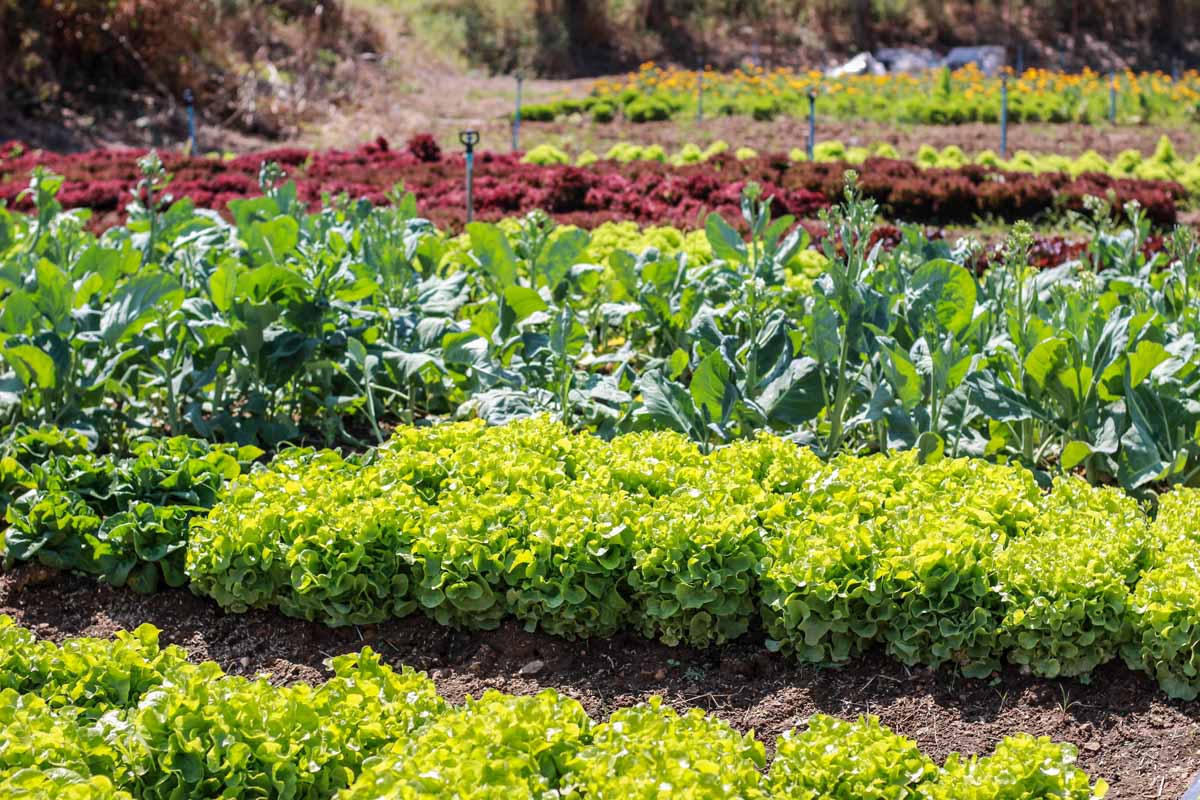
A close up horizontal image of rows of different types of lettuce growing in the garden.

Downy mildew is a persistent disease that affects lettuce crops. It creates yellow spots on leaves and fuzzy growth on undersides, potentially ruining entire harvests. Quick identification and immediate action are crucial for managing outbreaks. Learn effective prevention and treatment strategies in this guide. Read more.

10 Garlic Families to Know About for the Garden

A close up horizontal image of a wooden bowl filled with hardneck garlic pictured in bright sunshine.

Garlic is a must-have for the kitchen with flavors that vary from sweetly nutty to pungently spicy, and heat levels from mild to wasabi-like. And it’s easily grown, with varieties suitable for both cold and mild winter locations. To best match your needs, check out the 10 garlic families to know about for the garden.

19 of the Best Cauliflower Varieties to Grow at Home

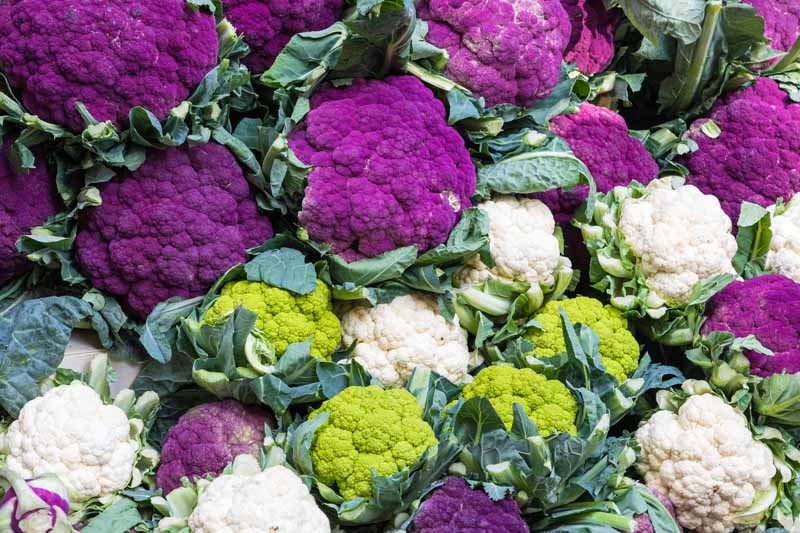
Green, purple, and white cauliflower heads on display.

Grow cauliflower for a healthy garden-to-table experience. Choose white snowballs, Italian greens and purples, and orange “cheddars.” Packed with antioxidants, vitamin C, and fiber, raw and cooked dishes showcase its mild, sweet-to-nutty flavor. Find the best varieties and where to buy them, here on Gardener’s Path.

27 of the Best Beet Varieties to Grow at Home

A close up horizontal background image of a pile of beets in different colors, with their roots attached.

Do you want to plant some new beet varieties in your garden? Delicious and nutritious, there are many different cultivars available in different shapes and colors from the popular ruby-red roots to golden, striped, and white types. Check out our roundup of 27 top picks and choose your favorite. Read more now.

19 of the Best Broccoli Varieties to Grow (Plus 3 Bonus Options!)

A close up horizontal image of a head of broccoli growing in the garden pictured in light sunshine on a soft focus background.

Broccoli is a cool-season crop grown for its crisp stems and tightly packed florets. With many cultivars available, you can choose from compact heading types, long-season hybrids, or sprouting varieties that produce an abundance of side shoots. Learn about 19 of the best broccoli varieties (plus 3 bonus options) now.

How to Grow Broccoli in Containers

A close up horizontal image of freshly harvested broccoli heads set on a rustic wooden surface.

Broccoli is a cool weather crop that’s nutritious and delicious. If you want to harvest tender, homegrown broccoli for your soups, quiches, and sides, but don’t have room in your garden, why not try growing it in containers? Planting in pots saves space in your garden and can extend the growing season. Read more now.

37 of the Best Lettuce Varieties For Your Garden

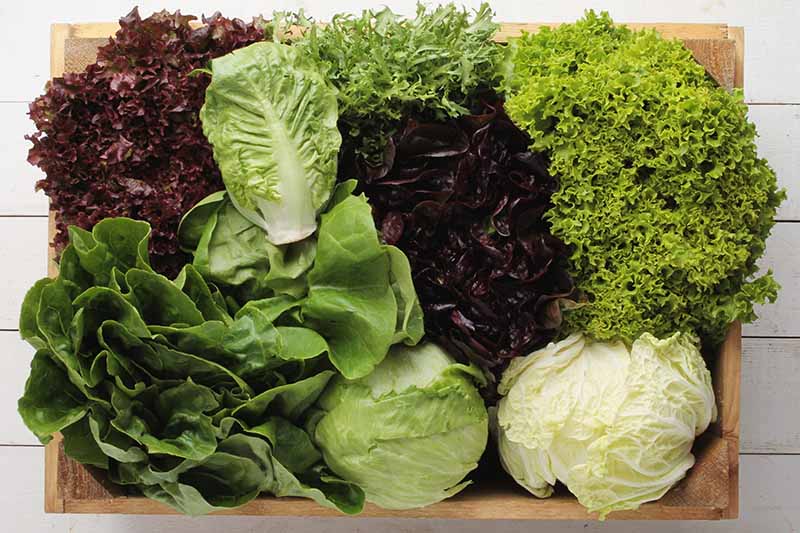
A close up of eight different varieties of lettuce, from tight headed iceberg to frilly red cultivars, set on a wooden board on a white surface.

Lettuce is an easy to grow, nutritious addition to your vegetable patch. There are lots of cultivars available in a variety of sizes, shapes, colors, and textures. From the classic crunch of the crisphead to the delicate, tender oak leaf, there’s sure to be one to suit you. Discover 37 of our favorite lettuce varieties.

11 of the Best Kohlrabi Varieties to Grow at Home

A close up horizontal image of a pile of light green kohlrabi at a market.

Whether you already love kohlrabi or it’s entirely new to you, it’s the perfect time to start making plans to grow some in your garden. Which cultivar should you choose? We’ve rounded up our favorites to make your selection a little easier, with top picks that are perfect for a variety of tastes and garden sizes.

13 of the Best Kale Varieties for the Home Garden

A close up horizontal image of different varieties of kale growing in the garden pictured in light sunshine fading to soft focus in the background.

Kale is a leafy vegetable in the brassica family that’s related to the cabbage. It thrives in the coolest temperatures of the growing season. Read on for 13 of our favorite types. Choose cultivars with exceptional heat or cold tolerance to suit your needs, and grow the most flavorful and tender kale you’ve ever eaten.

How to Plant and Grow Chantenay Carrots

A close up horizontal image of Chantenay carrots growing in the garden ready for harvest.

Red to the core and just right for raised beds, ‘Chantenay’ carrots grow about five to six inches long. Their compact, tapered shape performs especially well in heavier or shallow soils where long-rooted varieties can be challenging. Learn how to plant and grow your own ‘Chantenay’ carrots in this guide. Read more now.

How to Plant and Grow Romanesco Broccoli

A close up, top down horizontal image of a Romanesco broccoli head fading to soft focus in the background.

If you’re fascinated by Romanesco broccoli, you might be surprised to find that it’s totally doable to grow your own at home. In addition to its mathematically precise yet artistic look, this brassica has a nutty flavor that’s even better when homegrown. Learn how to plant and grow Romanesco in this guide. Read more now.

How to Grow Danvers Carrots: A Heavy Soil Hero

A close up horizontal image of 'Danvers' carrots with the tops still attached set on a wooden surface.

A bright orange heirloom, the ‘Danvers’ carrot is great for gardeners with heavy soil. Plant it in the spring and again in fall for an easy-pull storage crop. You can’t beat that homegrown carrot taste, and ‘Danvers’ produces high yields – even in areas with clay soil and shorter growing seasons. Read more now.

31 of the Best Companion Plants for Potatoes

A close up horizontal image of freshly dug potatoes cleaned and set on the ground in a field pictured in light sunshine.

Growing potatoes organically? Companion planting helps with natural pest control and may improve your harvest. Growing your root crops alongside carefully chosen vegetables, herbs, and flowers creates a thriving garden ecosystem without chemicals. Learn about 31 of the best companion plants for potatoes in this guide.

Learn How to Grow Cucumbers in Pots and Containers

A close up horizontal image of cucumber plants with ripe, ready to harvest fruit growing in large planters and pots.

Homegrown cucumbers are a tasty treat for salads, slicing, and pickling, featuring a mildly sweet flavor and juicy, satisfying crunch. Easily cultivated, the compact varieties make attractive and productive potted plants as well. Learn how to plant and grow cucumbers in pots and containers in this guide. Read more now.

Troubleshooting Yellow Leaves on Zucchini: 7 Common Causes

A close up horizontal image of a zucchini plant infected with a disease that has caused the leaves to turn yellow and wilt.

Zucchini is a prolific warm-season crop with large, leafy foliage that’s key to fruit development. But when those vibrant leaves turn yellow, it can signal issues ranging from pest infestation to poor drainage. Learn how to diagnose and resolve seven common causes of yellowing leaves on zucchini in this guide. Read more.

What’s the Best Type of Mulch for Tomato Plants? 7 Top Options

A close up horizontal image of red ripe and green unripe tomatoes growing on the vine covered in droplets of water and pictured on a soft focus background.

Are you unsure whether you should mulch your tomatoes? There are several materials that make excellent mulch for these summer vegetables. It’s beneficial for a variety of reasons, from enriching the soil to regulating temperature. Learn about seven of the best types of mulch for tomatoes in this guide. Read more now.

Garlic and Tomatoes: Garden Companions for Healthy Plants

A close up horizontal image of harvested and cleaned bulbs of garlic with the scapes still attached.

Garlic is an excellent companion plant for tomatoes as it contains sulfur compounds that produce odors that repel many pests. Planting these two species together requires a little planning but delivers excellent results. Learn more about companion planting tomatoes with garlic in this guide. Read more now.

Birds Eating Your Tomatoes? Learn How to Protect Your Crop

A close up horizontal image of red, ripe tomatoes growing in the garden pictured in bright sunshine on a soft focus background.

Are birds poking holes in your Beefmasters, tearing into your cherry tomato harvests, or leaving your Roma vines looking worse for wear? Discover practical, effective strategies to keep your tomato crop safe from hungry avian visitors, and learn which common deterrents just don’t work in this guide. Read more now.

25 of the Best Eggplant Companion Plants

A close up horizontal image of ripe purple eggplants growing in the garden ready to harvest pictured on a soft focus background.

Growing eggplant organically? Carefully selecting plant partners to grow with this delicious, warm season crop can reduce pest and disease damage, protect the soil, and reduce water loss. Plus, taking this approach can make your garden more productive. Discover 25 of the best companion plants for eggplant in this guide.

7 Reasons Why Tomato Plants Flower But Fail to Fruit

A close up horizontal image of a cluster of ripe red tomatoes growing in a sunny garden pictured on a soft focus background.

Are your tomato plants flowering but failing to produce fruit? It’s a common issue with several possible causes, from poor pollination and heat stress to excess nitrogen. Whether you’re growing in containers or garden beds, learn about seven common reasons why this happens and what do to about it in this guide. Read more.

What’s the Difference Between Butter Beans and Limas?

Top down view of lima beans in the pods with one pod being partially shelled.

Wondering about the difference between limas and butter beans? They’re the same type of legume, though Southerners usually call them butter beans and cook them with pork. To successfully grow either one in your garden, choosing the type that grows well in your region and space is more important than what you call them.

How to Harvest and Store Carrot Seeds

Saving seeds from your homegrown carrots now can ensure a bounty of garden vegetables in future seasons. If left to flower, each plant produces over a thousand seeds, so saving them is a no-brainer in terms of cheap food production. Learn how to harvest and store your own carrot seeds with this guide. Read more now.

13 of the Best Lima and Butter Bean Cultivars to Grow in Your Garden

A close up horizontal image of a pile of lima and butter beans.

From baby limas to towering ‘King of the Garden,’ you’ll find 13 of the best butter bean and lima bean cultivars to grow in your garden right here. Some are bush varieties, others top 10 feet tall and need support. A few picks are heirloom standouts, and some produce extra early for those with short growing seasons.

How to Identify and Control Beet Mosaic Virus

A close up horizontal image of young fresh beet leaves growing in the garden pictured in light sunshine on a soft focus background.

Strange patterns on your beet leaves? It could be beet mosaic virus. This disease affects beets, spinach, and related crops, plus it spreads fast through feeding aphids and infected sap. Learn more about the common symptoms of beet mosaic virus, and how to prevent and control it in this guide. Read more now.

11 of the Best Pumpkins to Grow for Pies, Puree, and Other Treats

A close up of an autumnal kitchen scene, with a pie, a rolling pin, unshelled walnuts, and three pumpkins on a rustic wooden surface on a dark background.

If you want to grow pumpkins to make pie, puree, and other delicious treats, which variety should you plant? While you can make pie out of many pumpkin cultivars, some have sweeter flesh than others. Learn about 11 of the best pie pumpkins to grow in your garden now on Gardener’s Path.

How to Plant Your First Vegetable Garden: A Beginner’s Guide

A wicker basket sitting in a vegetable garden and filled with freshly harvested veggies.

If you’re new to the world of vegetable gardening, you’re in for a treat! Fresh veggies have a flavor that can’t be beat, and they’re healthy and nutritious. Plus, growing your own is friendly on the budget, and gardening is an excellent way to reduce stress. Learn all about these positive benefits right here on Gardener’s Path.

When and How to Prune Zucchini Plants

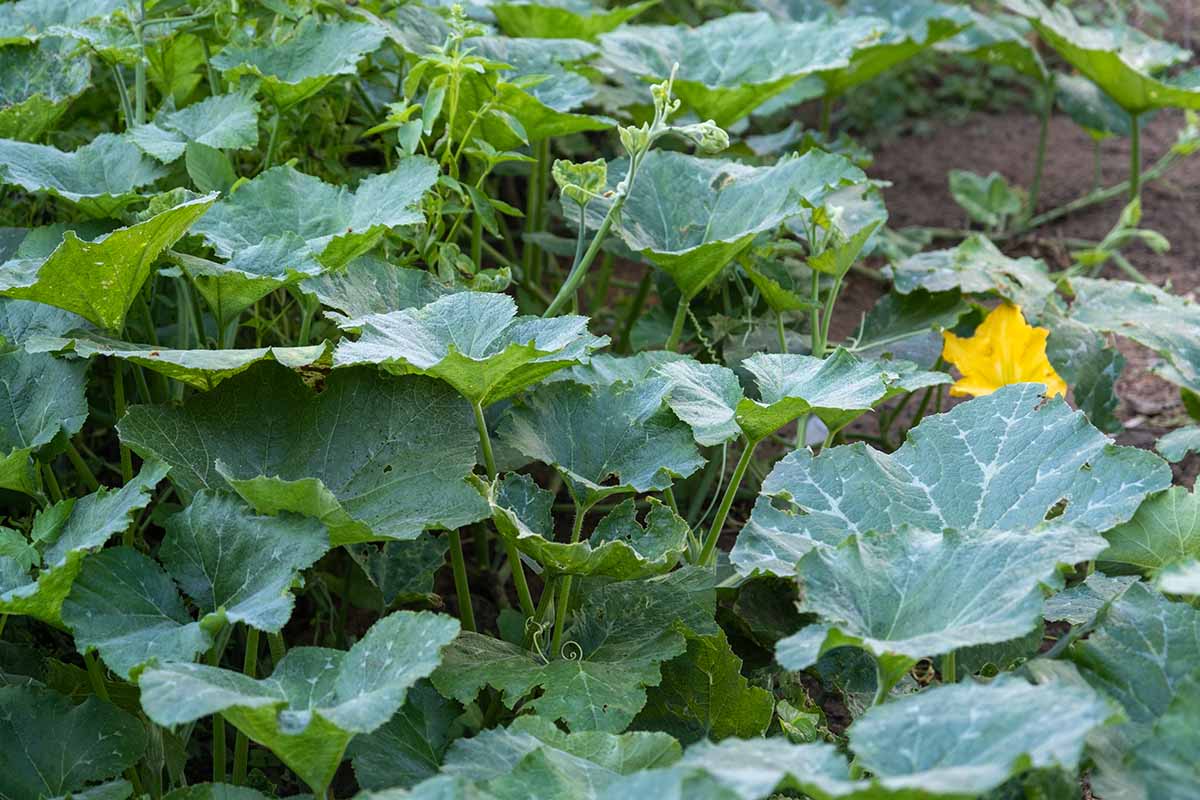
A close up horizontal image of summer squash vines taking over the backyard.

Zucchini plants may need pruning to get rid of damaged or diseased leaves, or to discourage crowding and shading. Our guide tells how and when to prune zucchini without harming the vines or bush plants. It also shares ways to avoid this garden chore with ample spacing and by choosing compact varieties to grow. Read more.

How to Plant and Grow Serrano Peppers

Plant with green and red serrano pepper fruit hanging from it.

Serranos are extremely popular in Mexico and it’s easy to see why. They’re moderately spicy without setting your mouth on fire, and the juicy flesh makes them ideal for salsas and other sauces. The plants aren’t challenging to grow – you’ll be harvesting a serrano bounty in just a few months with our tips. Read more.

How and When to Harvest Scallions

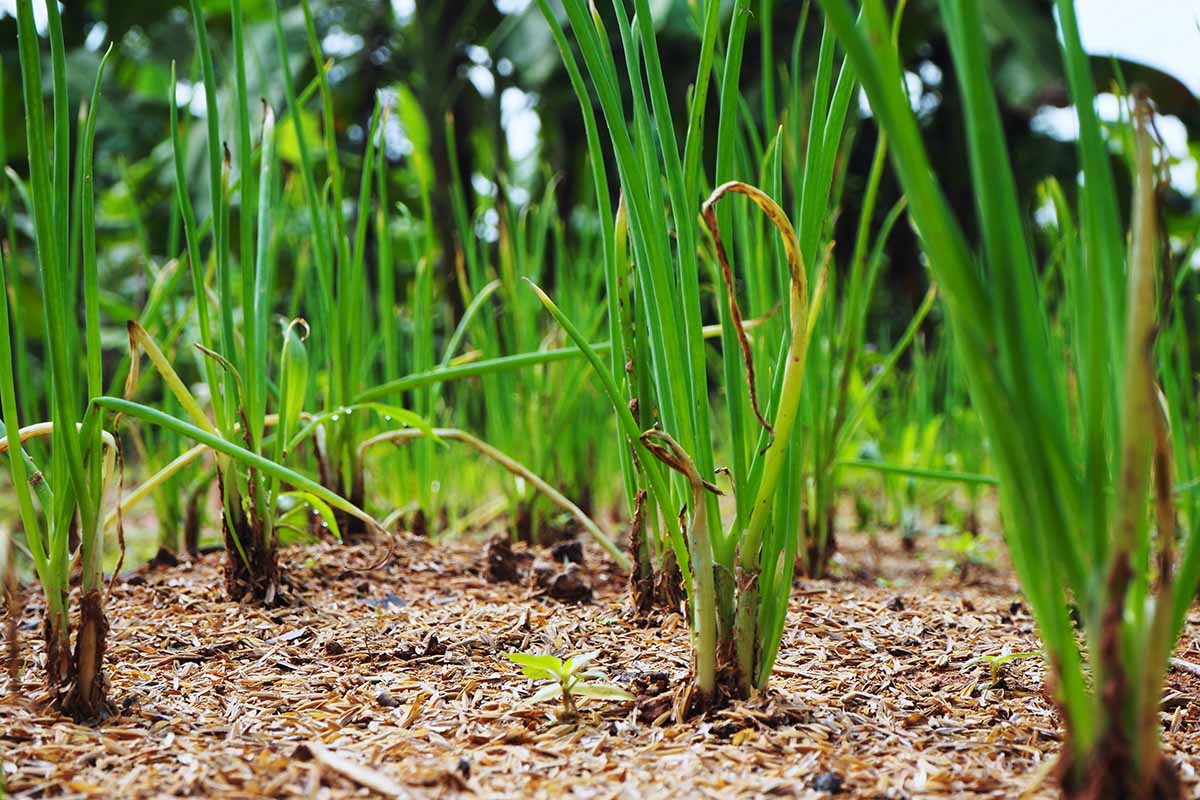
A close up horizontal image of scallions growing in the garden ready for harvest.

When you grow scallions in your vegetable garden, you can harvest the stalks to use like chives, pull full-size green onions for salads and recipes, or pick edible blooms for garnishes and flavored oils. Our guide tells when and how to pick bunching onions for peak flavor and to keep the perennial plants productive.

How to Use Straw Mulch in the Vegetable Garden

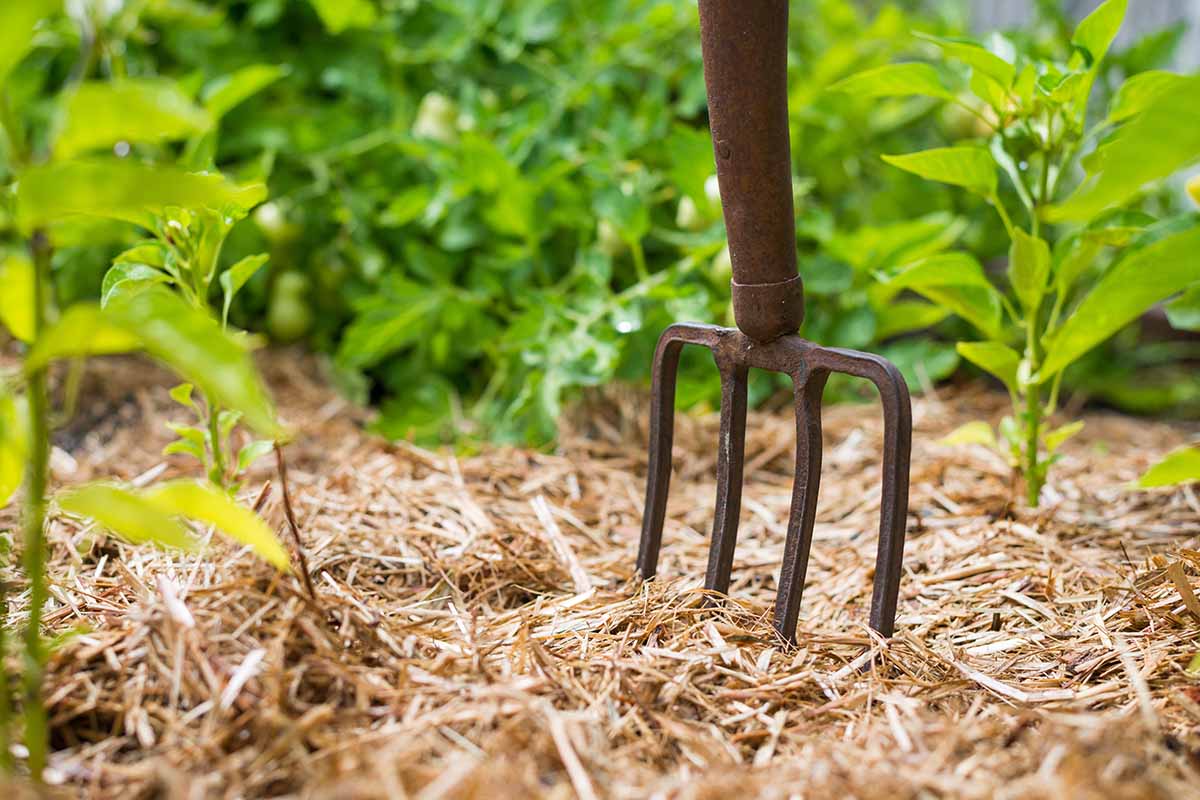
A close up horizontal image of a gardening fork set upright in the veggie garden.

Straw is a byproduct of growing grain crops that happens to be a highly beneficial material for mulching vegetable gardens. It is light and easy to work with, fairly inexpensive, and can drastically reduce time spent weeding and watering. Learn more about using straw as mulch for vegetables in this guide. Read more now.

Why Carrots Crack: Tips for Preventing Split Roots

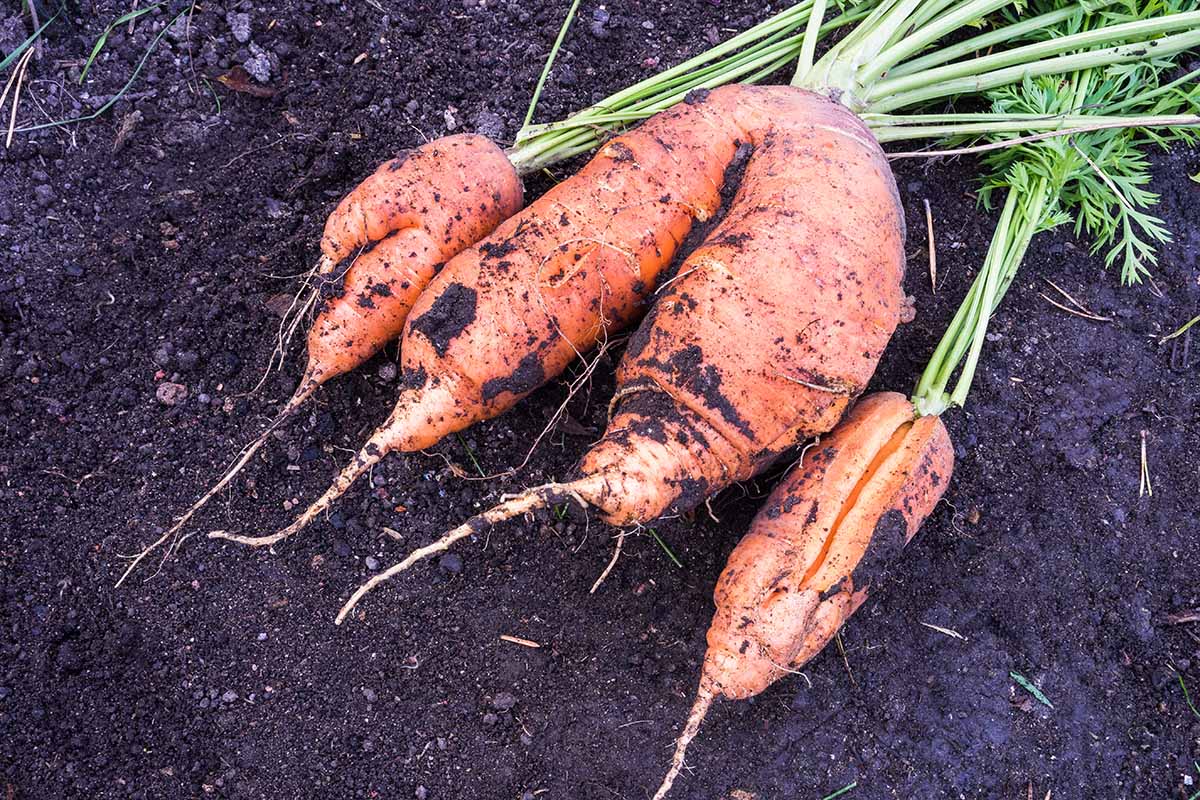
A close up horizontal image of freshly harvested carrots that are cracked and deformed set on dark rich soil.

Whether you’re a home gardener or you hope to sell your harvest, growing “pretty produce” is hard. Many root vegetables may crack. But split carrots, while edible and usually delicious, are some of the worst offenders. Thankfully, this is easy to prevent through better moisture management and by making other changes.

5 Reasons Your Eggplant Blossoms Are Falling Off

A close up horizontal image of a purple eggplant blossom growing in the garden pictured in light sunshine on a blue sky background.

Few things are more rewarding than growing your own eggplant. But what if your plants keep dropping flowers? How will they ever produce fruit? In this guide, you’ll learn the most common reasons that blossoms drop or fail to develop in the first place. A healthy crop of aubergines can still be yours! Read more.

How to Grow Sweeter Tomatoes in Your Garden

Close up of cherry tomatoes growing on the vine in the garden.

Want to grow juicy, sweet tomatoes with the best flavor? Our guide tells you how to select the sweetest varieties and encourage sugary flavor with proper growing conditions. Rich soil, supplemental water, and vine pruning are all important. Grow the best tasting cherry, plum, and beefsteaks in your summer garden.

5 Reasons Why Your Pumpkin Isn’t Producing Fruit

Mature orange pumpkin growing on the vine.

You’ve sown and nourished pumpkins, and they’ve grown vines, leaves, and flowers. But you’re not seeing any fruit at all. Or maybe you see some fruit, but far less than you expected. What went wrong? In this article, you’ll learn the top 5 reasons why your pumpkin isn’t fruiting, plus what to do next. Read more now.

How to Identify and Control Powdery Mildew in Beets

A close up horizontal image of freshly harvested beets set on a kitchen counter.

Powdery mildew is a fungal infection that affects a vast number of garden crops, including beets. The pathogen thrives in warm, dry weather and can rapidly reduce your beet harvest as well as making the leaves inedible. Learn how to identify and effectively treat this common disease in this guide. Read more now.
Purple Produce: Should You Eat More Purple Fruits and Veggies?

A close up of a variety of different purple vegetables and fruits set on a wooden surface.

Purple fruits and vegetables get a lot of praise for offering powerful health benefits. Here we explore what makes foods purple and dive into the nutrition facts. We also cover ideas to grow and eat more purple produce at home. Embrace the power of purple! Read more now to learn what makes purple produce so special.

How Long Does Kohlrabi Keep? Tips for Proper Storage

A close up horizontal image of a whole kohlrabi and one that is cut in half set on a wooden chopping board, pictured on a soft focus background.

Kohlrabi is a cool-season Brassica with a bulbous stem that can be eaten raw or cooked. After harvest, you may be wondering how long they’ll keep and how best to store these vegetables. Learn how to prepare and store kohlrabi in the fridge and at room temperature to maximize freshness in this guide. Read more now.

How to Plant and Grow Beefsteak Tomatoes

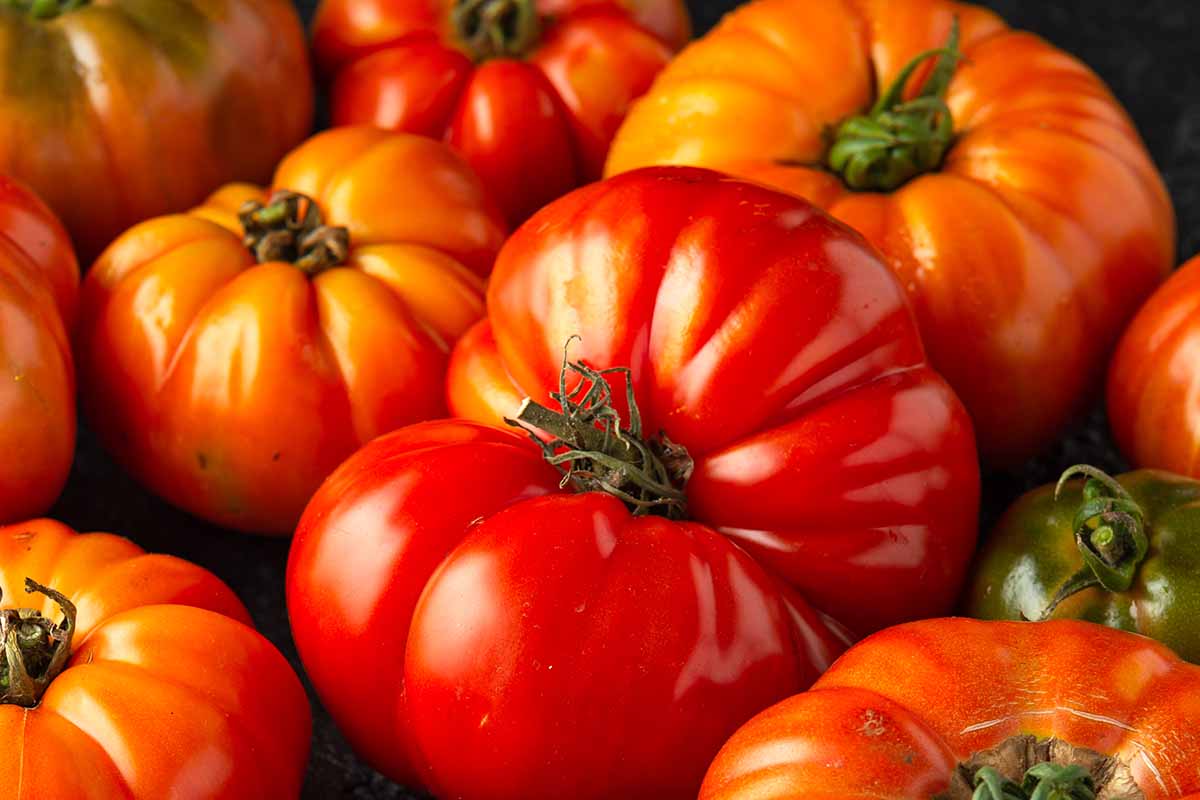
A close up horizontal image of red beefsteak tomatoes freshly harvested.

The beefsteak tomato is a large mutant fruit that caught the eye of early Mesoamericans and has been beloved ever since. Growing the big brother of America’s favorite vegetable isn’t unlike cultivating other tomatoes, but there are a few things you should know. Learn how to care for this hefty tomato in this guide.

25 of the Best Radish Varieties to Grow at Home

A close up horizontal image of different radish varieties in a pile on a kitchen counter.

Selecting the best radishes to grow in your garden is as fun as eating them, whether fresh, roasted, or pickled. The choices include red, round heirlooms, daikon types, and a few in rainbow colors and unusual shapes. Certain hybrids can even beat the heat. Discover 25 of the top radish varieties in this guide.

Cucumber Hollow Heart Causes and Solutions

Slices of cucumber showing hollow heart or holes in the center of the fruit.

When the cucumber you grew in your garden reveals an empty cavity, you’re dealing with a condition called hollow heart. It could result from a soil deficiency or poor growing conditions, but bugs and disease are not factors. Our guide covers the most likely causes, and provides solutions and preventive measures.

Learn How to Grow Spinach in Containers

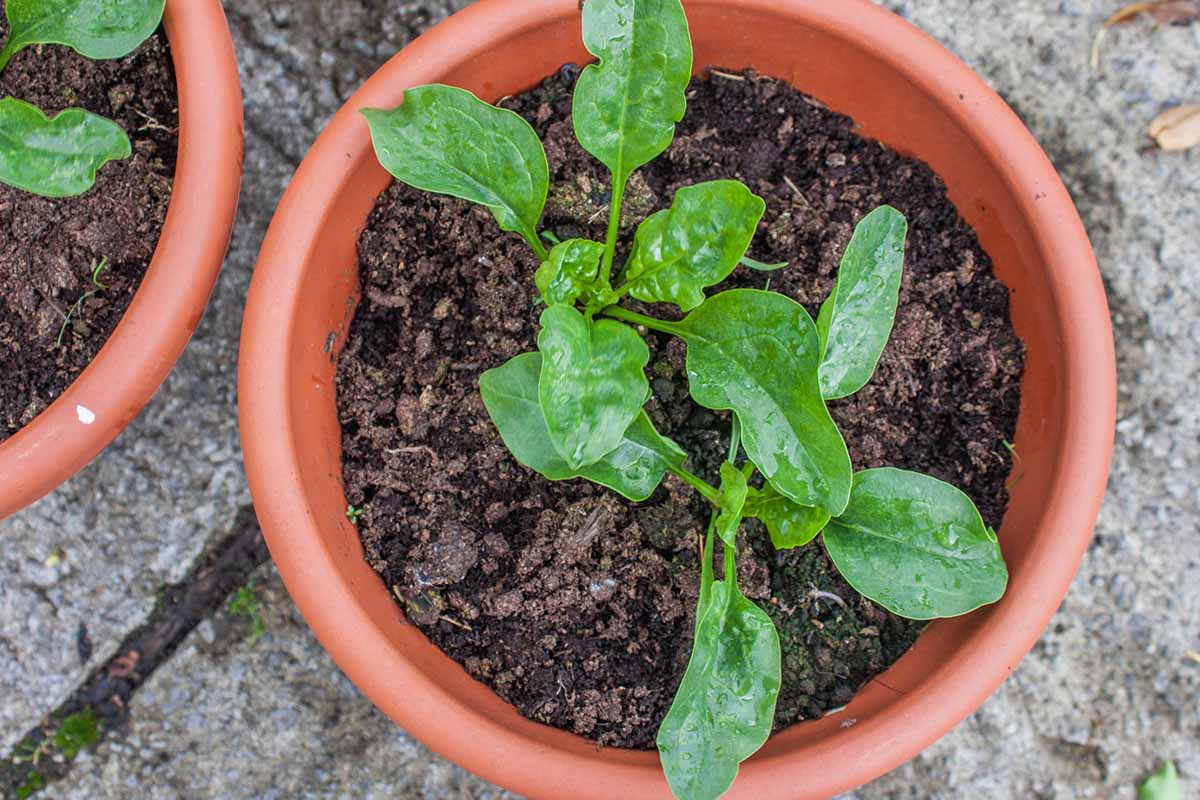
A close up top down image of a spinach plant growing in a terra cotta pot.

Spinach is nutritious and delicious, perfect for a wide range of recipes. If you want to save space in the garden or only have room on your balcony or patio, why not grow it in containers instead? This leafy green is easy to grow in pots and planters and this guide will walk you through the process. Read more now.

When and How to Harvest Swiss Chard

A close up horizontal image of bunches of rainbow Swiss chard with bright red and orange stalks and dark green leaves.

With exceptional nutritional value, Swiss chard is an easily grown super green that features heat and cold tolerance, glossy savoyed leaves, and bright, colorful stalks. And it offers an extra-long growing season when the leaves are harvested correctly. Join us right now to learn the best ways to harvest Swiss chard.

How to Plant and Grow Navy (Boston) Beans

A close up horizontal image of two hands splitting open a dried navy bean pod to reveal the white seeds inside.

Navy beans, aka haricot or Boston beans, are small white shelling beans that originated in Peru and can be grown as annuals in Zones 3 to 12. Ready to harvest after 85 to 100 days, navy beans are perfect for soups, chilis, and classic Boston baked beans. Learn how to grow navy beans in this guide. Read more now.

When and How to Trim Pumpkin Vines

A field of pumpkin plants with large green leaves, yellow flowers, and small developing fruits.

If you’re wondering how and when to prune your pumpkin vines to keep them healthy and productive, you might feel confused. By trimming your pumpkin plants, you’ll grow an abundant harvest of gourds, and minimize pest and disease issues. In this guide, you’ll discover which vines to trim, and how and when to do it.

How and When to Fertilize Zucchini Plants

Four ripe zucchini fruit growing on the vine.

Delicious and incredibly versatile, zucchini is an easy-to-grow favorite among foodies and gardeners. This guide will walk you through the steps required to give your plants the nutrients they need to flourish! Read on to get the scoop on how and when to feed your zucchini for healthier plants and increased yield.

How Much Sun Do Tomatoes Need?

A close up horizontal image of ripe tomatoes with droplets of water on the surface of the fruits growing in bright sunshine.

The key to growing big, colorful, juicy tomatoes is plenty of light and moisture. These sun lovers can’t perform their best without lots of time basking in bright light. Learn all about tomato plant light exposure needs from seed to harvest, including tips to manage heatwaves, in this guide. Read more now.

The Best Companion Plants to Grow with Pumpkins

The large orange pumpkins laying on the ground near the vines from which they were harvested.

Pumpkins are an excellent crop to grow for a bounty of gourds for fall decorations and, of course, pie. But what should you grow alongside your pumpkins? Learn about the best companion plants to grow in your pumpkin patch for pest control, soil improvement, and to maintain diversity in your garden. Read more now.

Eggplant Spacing: How Far Apart to Plant

A close up horizontal image of small Solanum melongena fruits growing in rows in the garden.

Eggplant spacing might seem straightforward, but once you dive into the world of aubergines you’ll realize the plants come in a few different sizes. Even more intriguing, eggplants can be grown as short-lived perennials and the spacing requirements change accordingly. To find out everything you need to know, read more now.

17 of the Best Companion Plants to Grow with Leeks

A close up of freshly harvested leeks set on the ground in the garden.

Cool-season leeks are suited to USDA Hardiness Zones 5 to 10 and prefer full sun, fertile soil, and moderate moisture. Consider interplanting these alliums with one or more companion plants that share similar cultural requirements. Discover 17 of the best companion plants for leeks in this guide. Read more now.

How to Plant and Grow Banana Squash

A close up horizontal image of a pile of harvested and cured orange banana squash fruits.

Banana squash are wonders of the garden. These large winter squash look like oversized pink or blue bananas, weigh over 60 pounds, and have sweet flesh that is perfect for roasting, baking, or turning into warming autumn or winter soups. Learn how to plant and grow banana squash in this guide. Read more now.

Why Is My Asparagus Thin? Tips for Growing Thick Spears

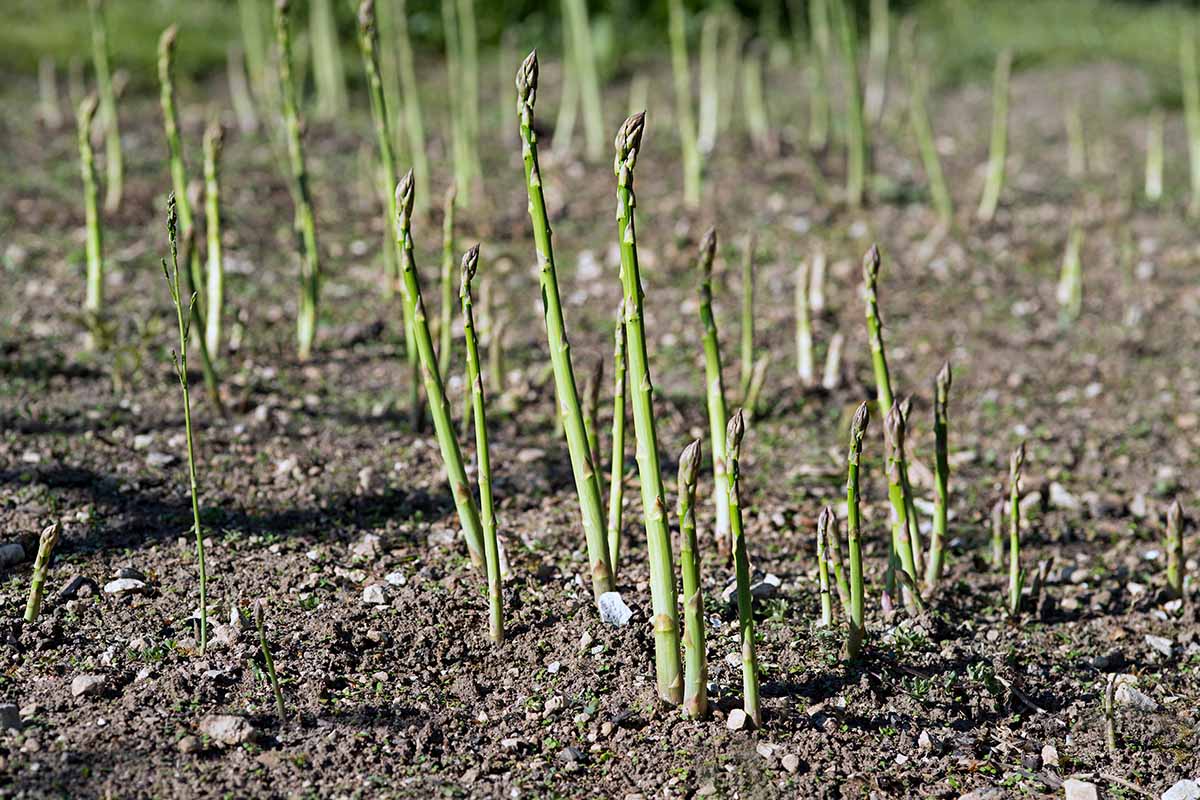
A horizontal image of young asparagus spears growing in a field in spring.

Wondering why your asparagus plants consistently produce weak, thin spears? A number of factors such as lack of water, nutrient deficiency, and overharvesting can result in skinny spears. Fortunately these problems aren’t too hard to fix. Read on to learn about the causes and solutions for thin asparagus.

Can You Eat Radish Greens? How to Use Radish Leaves

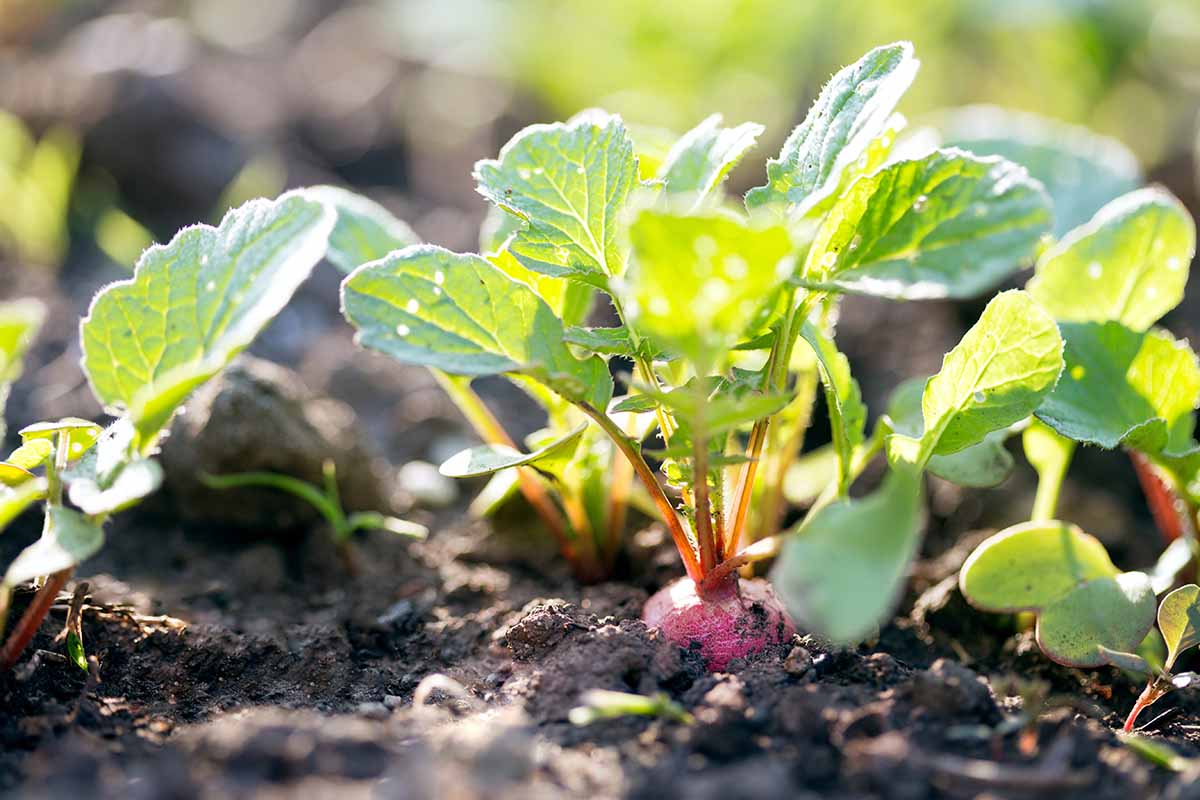
A close up horizontal image of radishes growing in the garden.

Yes, you can eat radish greens that sprout from the roots in your veggie garden. Baby leaves add zing to a spring mix, while larger leaves can join other cole crop leafy greens in a mix for braising or stir fries. Or, skip the root harvest and pick radish sprouts or microgreens just a few days or weeks from sowing.

Tips for Growing Super Sweet 100 Tomatoes

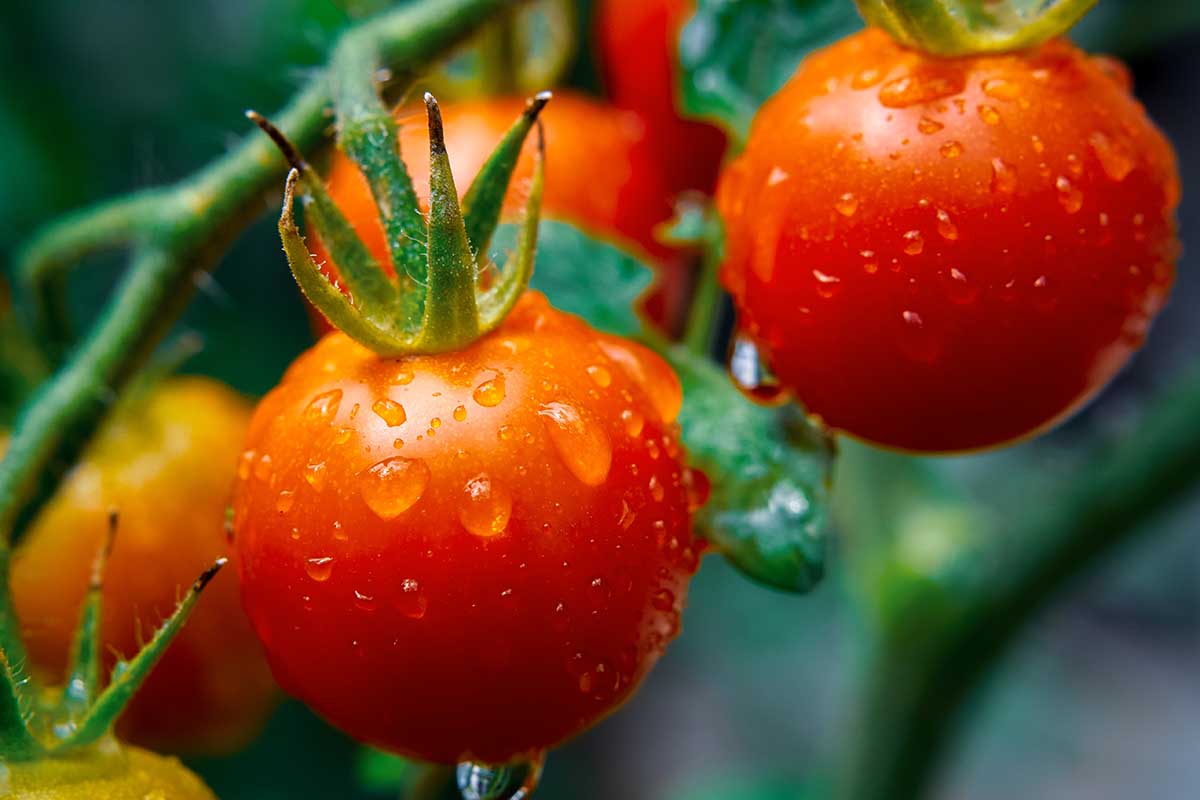
A close up horizontal image of ripe 'Supersweet 100' tomatoes covered with droplets of water pictured on a soft focus background.

Want to pick hundreds of cherry tomatoes from a single homegrown plant? Grow ‘Supersweet 100’ to harvest a bounty from midsummer to first frost. The hybrid plants are disease-resistant, and yield sweet fruits for fresh eating, cooking, and preserving. Our tips will help you grow a bumper crop of ‘Supersweet 100.’

11 of the Best Winter Squash Varieties to Grow in the Garden

A close up horizontal image of a pile of different types of winter squash.

Thinking of growing winter squash? Make sure to choose the best variety to match the length of your growing season and the size of your garden. And of course, you’ll want to pick a cultivar that will please your palate too! Keep reading to discover 11 of the best winter squash cultivars and find your new favorite.

9 of the Best Companion Plants to Grow with Corn

Pumpkins and corn being grown together in a raised bed.

Corn is a popular crop around the world, and it’s easy to grow in the garden. If you’re growing corn you’ll need to know the best companion plants to repel pests, provide groundcover, and fix nitrogen in the soil. Learn about the Three Sisters planting method and what to plant with your corn crop. Read more now.

15 of the Best Asparagus Varieties to Grow at Home

A close up horizontal image of a variety of different colored asparagus spears set on a dark gray surface trying to look artistic.

Spring-harvested asparagus spears are delicious perennial vegetables in shades of green, purple, and white. Growing requirements include a full-sun placement with fertile, slightly acidic, well-draining soil in Zones 3 to 10. Discover 15 of the best varieties for home gardeners in this guide. Read more now.

How to Grow Jalapeno Peppers

A close up horizontal image of freshly harvested green jalapenos set on a piece of fabric indoors.

Jalapenos are compact, productive chili pepper plants that produce medium-sized fruits with moderate heat. The glossy green pods ripen to red or purple and can be eaten fresh, pickled, or dried. The plants thrive in warm temperatures with plenty of sun. Learn how to grow jalapeno peppers in this guide. Read more now.

21 of the Best Summer Squash Varieties for Your Garden

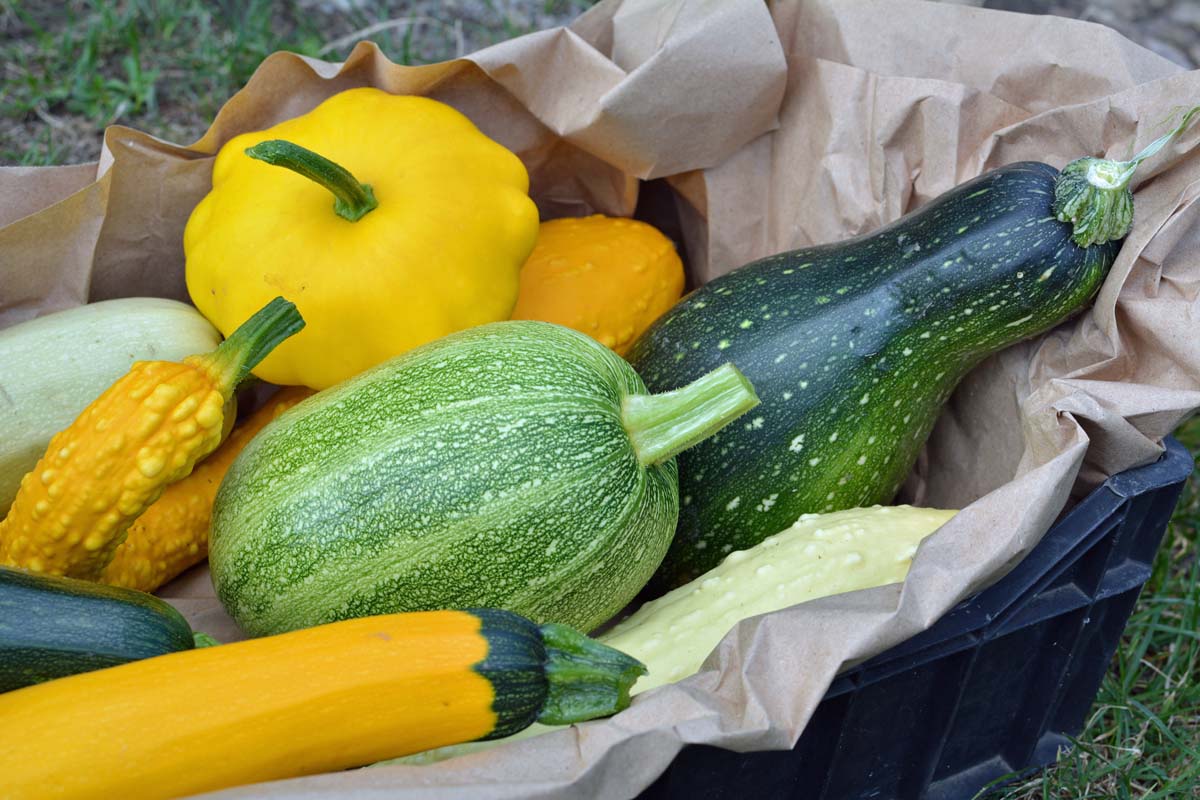
A close up of a black plastic crate, lined with brown paper containing a number of different summer squash varieties, in yellow and different shades of green.

Want to grow your own summer squash? These veggies are available in a delicious assortment of colors, shapes, patterns, and sizes. Whether you prefer your squash grilled, stuffed, spiralized, or sauteed, you have your pick for the garden. Discover 21 of the best summer squash varieties and choose your favorite now.

How to Plant and Grow Okra in Your Home Veggie Patch

Close up of a pair of human hands holding a pile of freshly harvested okra pods.

Okra is a flowering plant with elongated, edible pods that are frequently used as a thickening agent in gumbo. With colorful varieties ranging from dwarf to over eight feet, it’s as pretty in the garden as it is functional. Read on to learn how easy it is to grow okra in your vegetable patch, here on Gardener’s Path.

7 of the Best Varieties of Popcorn to Grow Your Own

Ears of glass gem popcorn with yellow, red, and purple colored kernels in a wicker basket.

The must-have movie companion, popcorn is one of the most popular snacks around. Whether you prefer it salty, sweet, or smothered in butter, if you’re a fan of popcorn and are thinking of having a “pop” at growing your own, then check out our handy roundup of the best varieties to grow, now on Gardener’s Path.

What Are the Different Types of Cucumber Plants You Can Grow?

Cucumbers hanging from the vine in home vegetable garden.

Which type of cucumber should you plant in your garden? All types grow fast and have high yields, but each has unique benefits, too. Vining types save space, pickling fruits hold up to processing, and seedless varieties may grow without pollinators. This guide to cucumber categories will help you explore your options.

How to Recognize and Manage 9 Common Cauliflower Pests

A close up horizontal image of rows of cauliflowers growing in the garden.

Cauliflower is a cool-weather cole crop that can be temperamental, even under the best of circumstances. When insects feed on it, a whole new set of challenges arises. Read on to discover nine of the most common cauliflower pests that feed on foliage, heads, and roots, and learn about effective treatment options.

When and How to Harvest Radishes

A close up horizontal image of freshly harvested red radishes set on the ground outdoors, pictured on a soft focus background.

An excellent crop for beginning gardeners, radishes are fun, easy, and fast to grow. These members of the mustard family are also easy to pick – but it’s important to get the timing right. And depending on the type, you may need a hand tool to help with the task. Learn how to harvest radishes in this guide. Read more now.

Tips for Growing Cushaw Squash

A close up horizontal image of a pile of cushaw squash harvested from the garden and set in the sun to cure.

Cushaw squash is a large winter variety, with delicious, meaty, moist flesh. The fruits are shaped like crooknecks and can weigh up to 20 pounds. Since you’re unlikely to find them at the grocery store or farmer’s market, you’ll need to grow your own. Learn how to plant and grow cushaw squash in this guide. Read more now.

How to Plant and Grow Winged Beans

A close up horizontal image of winged beans (Psophocarpus tetragonolobus) growing in the garden, ready for harvest as immature pods.

Winged beans (Psophocarpus tetragonolobus) are tropical, vining legumes that grow as perennials in Zones 10 to 12 and as annuals elsewhere. The entire plant is edible, and the ruffled, feather-like pods are a visual treat, as well. Learn how to plant and grow winged beans aka four-angled beans in this guide. Read more now.

11 of the Best Vegetables to Grow in Pots and Containers

Tomatoes and other vegetables planted in terra cotta pots, on a wooden deck.

Want to start growing your own vegetables but you don’t have much space to spread out? Is it your goal to make the most of every nook and cranny of your small garden, balcony, or windowsill? Learn more about the best varieties of vegetables to grow in pots and containers, now on Gardener’s Path. Read more.

How Far Apart to Space Kohlrabi Plants

A close up horizontal image of kohlrabi (Brassica oleracea var. gongylodes) plants growing in the vegetable garden.

Delicious with a crisp texture, kohlrabi is easy to grow in the cool season garden. Whether you’re growing in rows, raised beds, or with the square foot gardening method, you’ll need to ensure they are spaced appropriately to allow the bulbous stems to develop. Learn how far apart to space kohlrabi in this guide.

How to Plant and Grow Buttercrunch Lettuce

A close up horizontal image of a 'Buttercrunch' lettuce head growing in the garden.

Ask any gardener what they’re growing this season, and more than likely, that list will include lettuce. Buttercrunch is one of the most popular varieties for the home garden, with a soft, buttery texture perfect for wraps, sandwiches, and salads. Learn how to triumph over pests and pitfalls when growing buttercrunch.

How to Plant and Grow Radicchio

A close up horizontal image of a pile of radicchio heads freshly harvested and set on a wooden surface.

Radicchio is a cool-weather crop perfect for when most other vegetables in the garden have turned up their toes. The bitter leaves are as gorgeous as they are tasty, and the flavor improves after a frost. If you’re ready to give this moderately challenging plant a go, our guide will cover all you need to know. Read more.

When and How to Harvest Broccoli

A close up of freshly harvested broccoli heads with the foliage removed, set in a wooden box.

Broccoli is one of those veggies that offers so much more than we often give it credit for. This staple crop can be harvested for its large heads, as well as its young tender leaves and side shoots. Read more now to learn how to harvest and store broccoli, and pick up some delicious recipe ideas too.

How to Plant and Grow Malabar Spinach

A close up horizontal image of the succulent green foliage of malabar spinach (Basella alba) growing in the garden.

Malabar spinach (Basella alba) is a vining perennial that produces flavorful green leaves and stems. This heat-tolerant crop grows as a perennial in Zones 7-10 and as an annual elsewhere. The flavor can resemble that of spinach but a bit more acid in the flavor. Learn how to grow malabar spinach in this guide. Read more.

Tips for Growing Hatch Peppers

A close up horizontal image of a pile of freshly harvested green Hatch peppers in a wicker basket.

Hatch peppers are appreciated for their smoky, earthy flavor and varying heat levels, making them extremely versatile in the kitchen. They thrive in warm climates with full sun and nutrient-rich soil. Learn more about Hatch peppers and how to grow these flavorful chiles in your garden in this guide. Read more now.

21 of the Best Tomato Companion Plants (And 3 to Avoid)

A close up horizontal image of basil and yellow tomatoes growing as companions in the vegetable garden.

Are you wondering which herbs, flowers, or veggies make the best companion plants for your tomatoes? Different combinations of plants provide a variety of benefits which include adding nutrients to the soil, protection from pests, or attracting pollinators. Discover 21 of the best tomato companion plants in this guide.

How to Plant and Grow Yard Long (Chinese Long) Beans

A close up horizontal image of yard long beans growing in the garden, ready for harvest.

Yard long beans are annual legumes that produce extra-long, thin pods. Also known as Chinese long or asparagus beans, they are delicious and extremely popular in Asian cuisine with purple, green, red, or cream pods. Learn how to plant and grow yard long beans in your vegetable garden in this guide. Read more now.

How to Plant and Grow Habanero Peppers

A horizontal close up of two red, ripe habanero peppers growing on a plant in the garden.

If you like hot peppers, habaneros are the go-to for heat lovers. The fruits have just the right level of heat, balanced with a pleasing smoky, fruity flavor. There are numerous cultivars with different heat levels to please any palate. Learn all about how to plant and grow these intensely flavorful chilies in this guide.

How to Grow Chickpeas (Garbanzo Beans)

A close up horizontal image of chickpea (garbanzo bean) plants growing in the garden pictured in bright sunshine.

Chickpeas aka garbanzo beans are versatile legumes delicious in hummus, curries, fritters, stews, and salads. They are surprisingly easy to grow in the home garden if you have the right conditions, and are sown in spring then harvested in fall. Learn how to plant and grow your own chickpeas in this guide. Read more now.

13 of the Best Varieties of Patty Pan (Scallop) Squash

A horizontal photo of a variety of patty pan squashes in a wooden basket.

Scallop squash are tender, tasty, and beautifully shaped, resembling pies or flying saucers. And with a wide selection of different types to choose from, even the pickiest gardener is bound to find a patty pan that will become a new favorite. Discover 13 of the best types of patty pan squash in this guide. Read more now.

How to Grow ‘Pirat’ Butterhead Lettuce

A horizontal close up of a green and purple variegated leaf of 'Pirat" lettuce.

‘Pirat’ lettuce is a disease-resistant, adaptable, and absolutely delicious cultivar. It’s slow to bolt even in hot weather and is hardy enough to survive a frost. The soft, crisp leaves on loose heads take your salads and sandwiches to the next level. Learn how to plant and grow this butterhead type in this guide.

When and How to Harvest Garden Peas

A close up horizontal image of ripe, ready to harvest pea pods growing in a sunny garden.

Garden peas are legumes with edible seeds inside tough, fibrous pods. These annuals are suited to cultivation in Zones 3 to 10 and prefer full sun and moist, well-drained, organically-rich soil. Plants have bushy or vining growth habits and can produce one crop or multiple. Learn how to harvest garden peas in this guide.

How to Plant and Grow ‘Oscarde’ Oak Leaf Lettuce

A horizontal close up photo of a Oscarde lettuce plant growing in a garden with bright green and dark red leaves.

‘Oscarde’ lettuce is an oak leaf variety that has a beautiful appearance and exceptional flavor, with reddish-brown leaves and bright green centers. It’s incredibly tough and won’t even flinch in a hard freeze – but it doesn’t enjoy hot weather. Learn how to plant and grow ‘Oscarde’ in this guide. Read more now.

How to Plant and Grow Patty Pan (Scallop) Squash

A horizontal photo of a white patty pan squash growing in a garden with a blossom closed to the left of the squash.

If you love summer squash why not add some interest to your patch (and plate) with delightful looking and delicious patty pan? These scallop-shaped squash grow on compact bush plants rather than vines, taking up little room in the garden. Learn how to plant and grow patty pan squash in this guide. Read more now.