
Cucurbita maxima
Buttercup squash is a compact winter variety with a delicious flavor and delectable texture. Plus, fruits will keep for months in cool storage, providing hearty food all winter long.
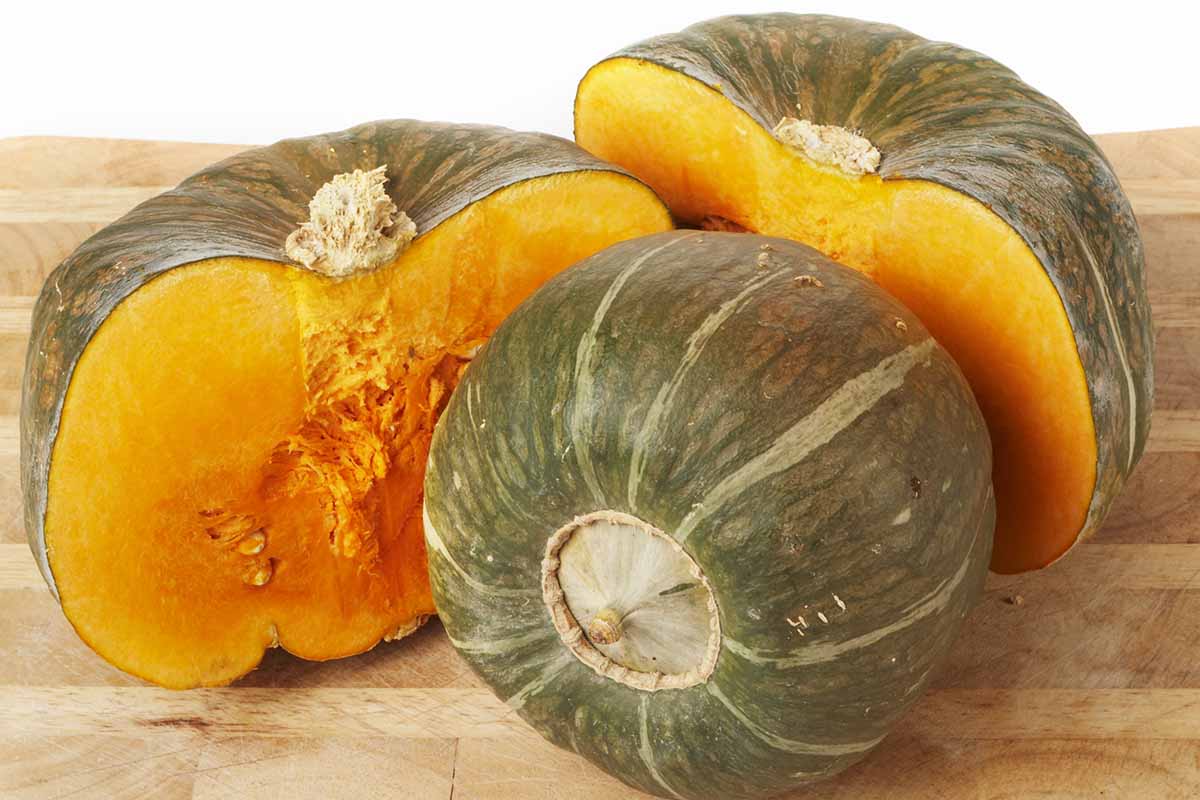
One of the best types of winter squash for eating steamed or roasted with little seasoning, buttercup squash has sweet, dry, yellowish-orange flesh.
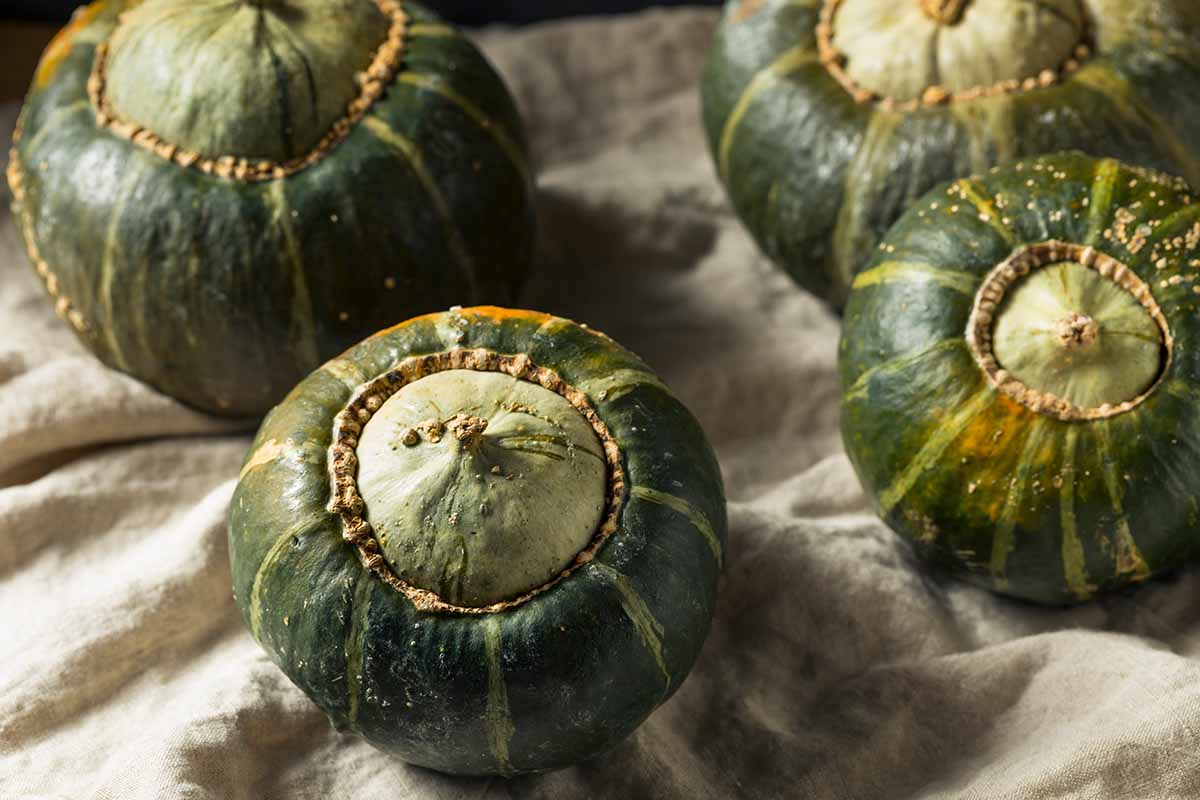
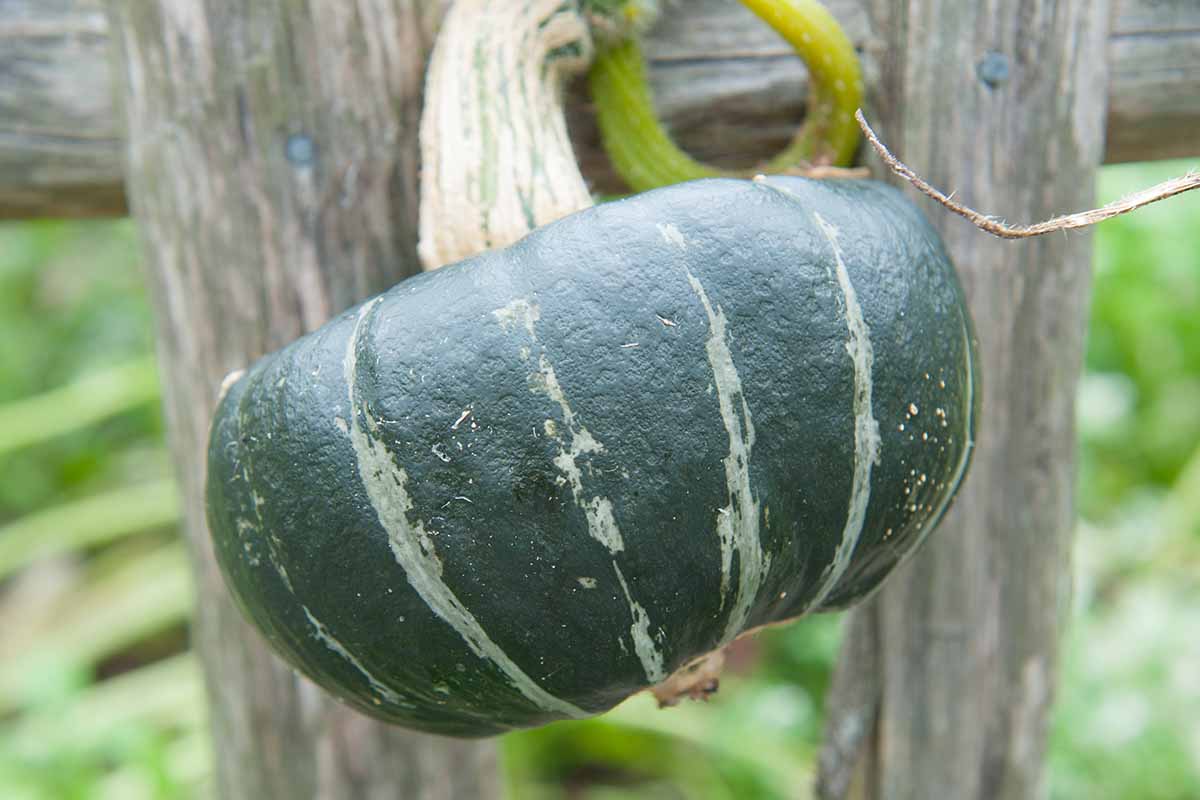
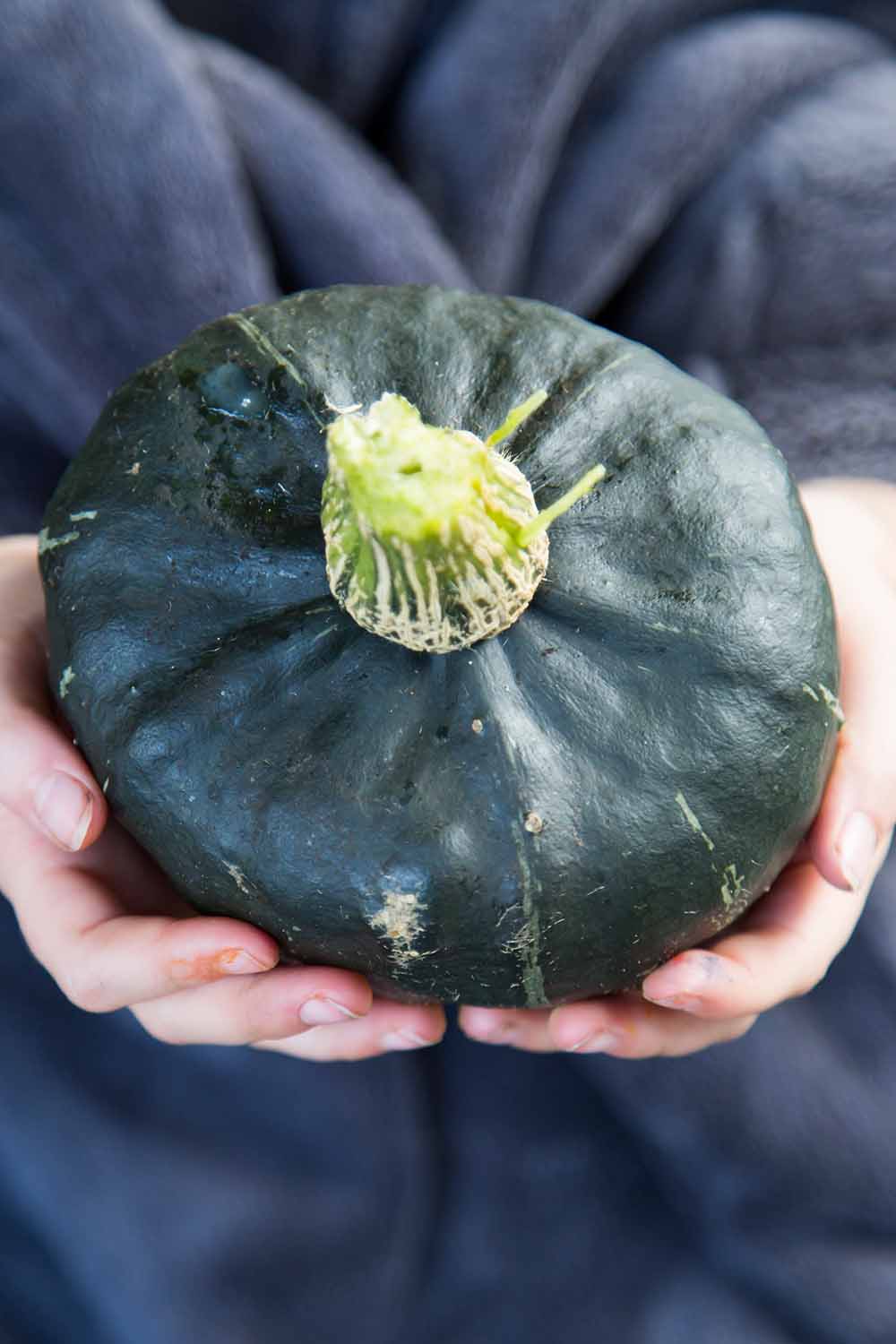
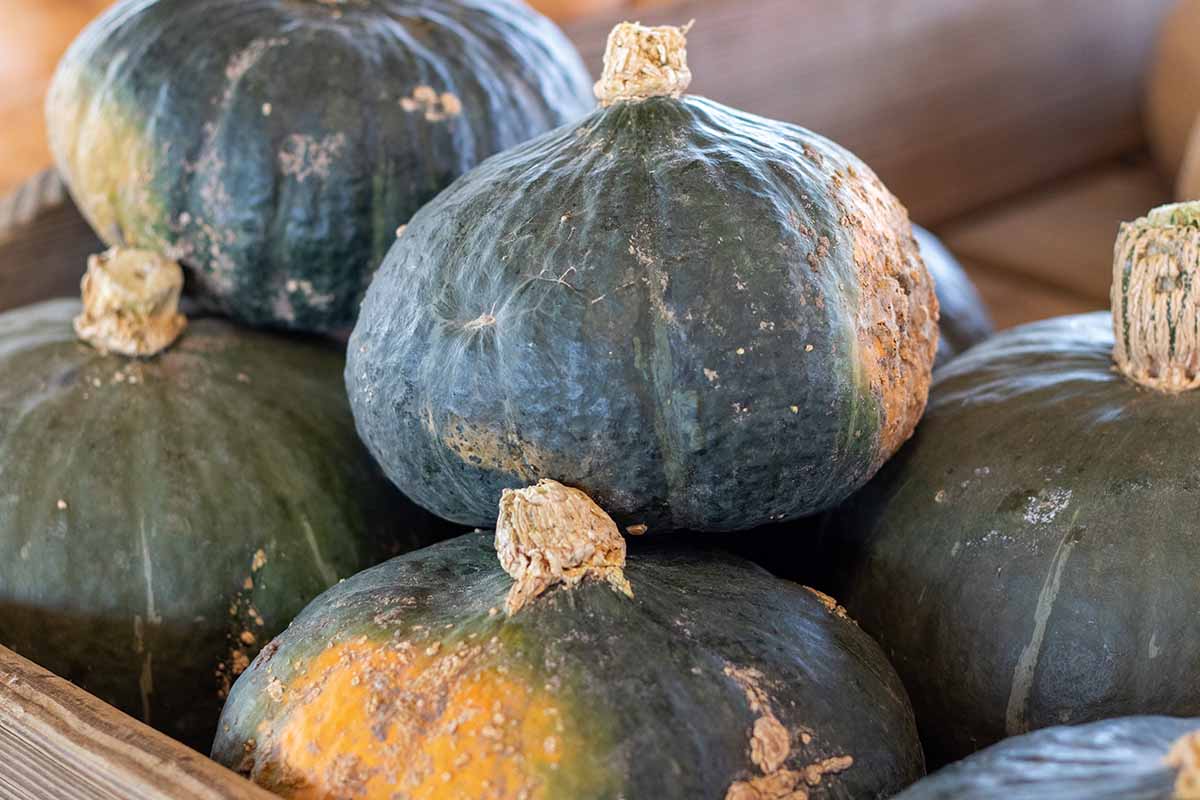
The skin is dark green with light green stripes.
We link to vendors to help you find relevant products. If you buy from one of our links, we may earn a commission.
Some cultivars grow on bushes or short vines, making buttercup ideal for compact gardening spaces.
Here’s what I’ll cover:
What You’ll Learn
Buttercup squash is a type of Cucurbita maxima, a South American species which also gave rise to other staples of the vegetable garden, such as Hubbard, turban, and banana squash.
This type was bred in North Dakota to serve as a substitute for sweet potatoes, which require warmer nights and a longer growing season than is available in that northerly state.
This winter squash variety is a summer annual that grows during warm or hot weather and will be killed by frost or freezing temperatures.
You can grow them in USDA Hardiness Zones 3 to 11, where they will receive the 90 to 95 days of warm weather needed to reach maturity.
Quick Look
Common name(s): Buttercup squash
Plant type: Annual vining or semi-bush vegetable
Hardiness (USDA Zone): 3-11
Native to: South America
Bloom time / season: Summer
Exposure: Full sun
Soil type: Sandy, loamy, well draining
Soil pH: 6.0-6.8, slightly acidic
Time to maturity: 90-95 days
Spacing: 10 feet between rows
Planting depth: 1 inch (seeds)
Mature size: 3 feet wide by 15 feet long
Water Needs: Moderate
Taxonomy
Order: Cucurbitales
Family: Cucurbitaceae
Genus: Cucurbita
Species: Maxima
Ready to harvest at a size of two to five pounds, the fruits are borne on semi-bush or vining plants that are roughly three feet wide and up to 15 feet long.
Buttercup is very similar to kabocha squash although the two types were developed in different locations – buttercup in North Dakota, and kabocha in Japan.
The main difference between the two is that kabochas have slightly dryer flesh, and buttercup squash have a gray blossom scar on their undersides known as a button.
However, many commercial growers group these two types together because of their similar culinary uses and growing needs.
Ready to start growing? Let’s begin at the beginning!
How to Sow
Plan where to grow these plants before you sow, perhaps with the help of a gardening journal.
You’ll need an area that can accommodate the vines reaching up to 15 feet long, depending on the variety you choose.
And be sure to wait until a week after the last average spring frost before you sow or transplant.
Direct Sowing
Squash seedlings generally don’t respond well to being transplanted, so it’s best to start seeds directly in the garden. Here’s how:
- Prepare the soil by removing any weeds or dead vegetation, and mixing in a few shovelfuls of compost, then water well if it hasn’t rained recently.
- Make a mound in the center of the planting area and sow two to three seeds an inch deep in the middle of the mound.
- Pat down to ensure good contact, then water in.
- Keep the soil evenly moist but not waterlogged and expect germination in roughly 10 days.
Continue watering as needed to keep the soil moist but not soggy, tapering off how often you irrigate as the plants become established.
Start Seeds Indoors
If your growing season is quite short, you may want to start seeds indoors three to four weeks before the last frost.
Sow seeds one inch deep in biodegradable seed starting pots filled with seed starting medium.
Squash seedlings don’t appreciate transplanting and using biodegradable pots minimizes root disruption.
Place the pots in a location that receives six to eight hours of direct sun – or the equivalent from a grow light – and temperatures between 70 to 95°F.
Keep the seed starting medium evenly moist before and after germination, which should happen within 10 days.
After the last spring frost date, harden the seedlings off before transplanting, as you would with other annuals started indoors.
Transplanting
Prepare the garden patch by removing spent vegetation and weeds, and mixing a few shovelfuls of compost into the soil. You may also want to water the soil ahead of time if it’s quite dry.
Use a hori hori or garden trowel to dig a hole for each plant. Make the holes twice as wide and deep as the pots.
Break off the rims of the biodegradable pots and set the pot into the hole.
If you bought transplants from the nursery and they are in plastic pots, carefully remove the root ball, taking care not to damage the roots, and set it in the hole.
Backfill with soil. Water in after transplanting and keep the seedlings well-watered for the next week or so, until they become established.
How to Grow
Like other winter squash, these cucurbits are tender and will not stand up to winter frost.
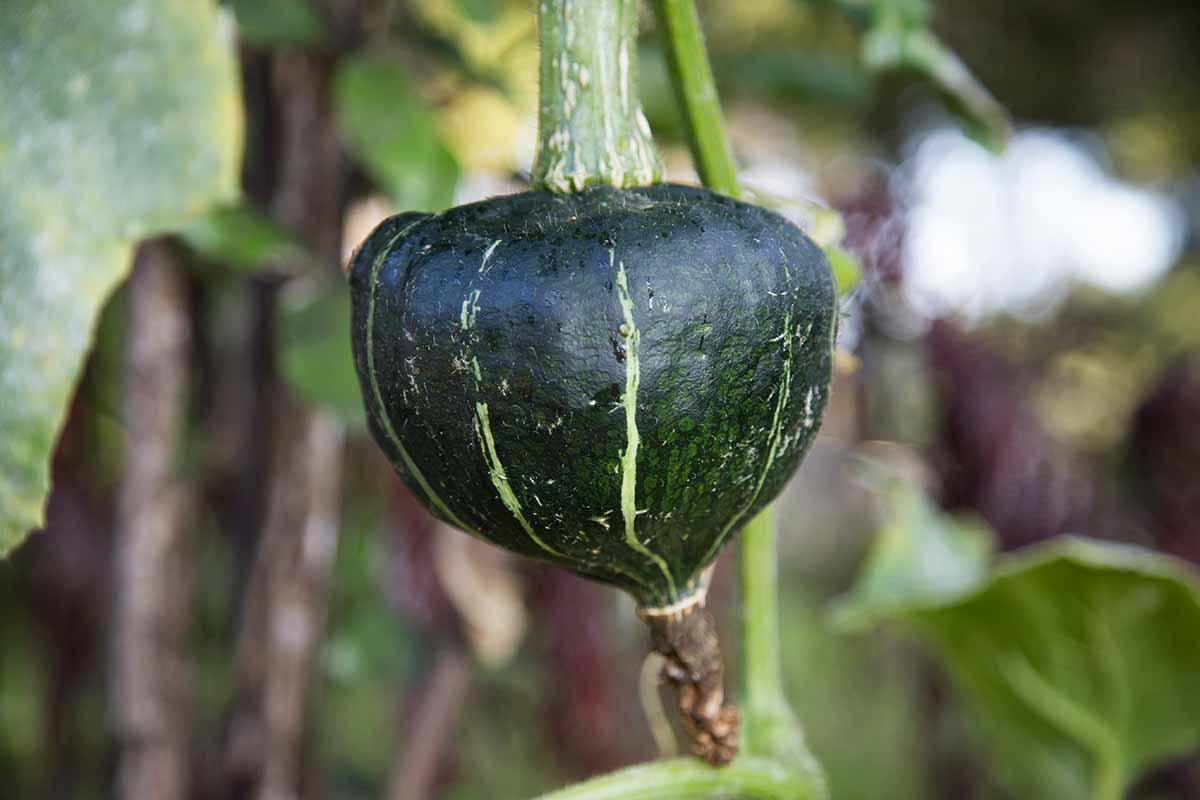
That means that you’ll need to wait until after your last spring frost to sow or transplant.
And if you’re not using floating row covers, you’ll also need to harvest before frost returns in autumn.
Light
The vines may flourish in partial shade, but to produce a crop, direct sunlight is key.
Make sure you choose a location that receives at least six, but preferably eight hours of sun per day for a bountiful harvest of healthy fruits.
Soil
Buttercup squash will happily grow in loamy garden soil enriched with organic matter and a pH range of 6.0 to 6.8.
If you aren’t sure what your garden soil is like, conduct a soil test and amend according to the results.
Water
As with other winter types, it’s best to water buttercup squash deeply, but infrequently.

Watch plants for wilting as a sign that they are thirsty. Depending on the weather, you may need to irrigate once or twice a week during the hottest days of summer.
To prevent fungal diseases taking hold on wet foliage, water at the ground level rather than overhead using sprinklers.
Fertilizing
Compost makes the best fertilizer for buttercup squash.
Be sure to mix some well-rotted compost into the soil before planting, and add a side dressing of compost once or twice during the growing season as well.
A couple of handfuls per plant will do the trick.
Cultivars to Select
Ready to select which type of buttercup squash to grow in your garden?
Here are some good options:
Bonbon
An All-America Selections winner in 2005, ‘Bonbon’ has orange colored, sweet flesh with a creamy texture.
Fruits weigh four to five pounds and are born on highly productive plants in 95 days after sowing or transplanting.
Burgess Buttercup
‘Burgess Buttercup’ is the original buttercup squash cultivated in North Dakota as a sweet potato substitute.
This open-pollinated variety is a cross between ‘Quality’ and ‘Essex Hybrid,’ two turban squash cultivars.
‘Burgess Buttercup’ is a vining type that produces harvestable fruit in 95 days.
Fruits weigh three to five pounds each and have richly flavored flesh that is a deep orange hue.

You can find ‘Burgess Buttercup’ seeds in a variety of packet sizes at High Mowing Organic Seeds.
Butter Belle
‘Butter Belle’ produces two- to three-pound fruits on high-yielding, semi-bush plants.
Fruits have delicious orange flesh and are ready to pick in 90 days.

You can find ‘Butter Belle’ seeds in an array of packet sizes at True Leaf Market.
Maintenance
In addition to the simple fertilizing approach mentioned above, the other two maintenance tasks for this crop are weeding and mulching.

Weeding is particularly important when plants are young and trying to become established. Once they take off, they will be able to hold their own against weeds.
One thing that can help keep weeds at bay is a light layer of mulch around the plants.
Pests and Disease
If you have the sun, water, and soil needs under control, there are two problems that can get in the way of an abundant buttercup harvest – pests and diseases.
Here’s what you’ll need to watch out for:
Pests
While beneficial insects abound, there are other bugs out there that can get in the way of us growing our own food.
Check your plants for these problematic insects:
Aphids
Aphids are tiny, but they can cause big problems. They feed directly on the foliage of plants, so check stems and leaf undersides.
Learn how to deal with aphids here.
Squash Bugs
While aphids tend to congregate on the bottom sides of leaves, be sure to also check for squash bugs around the crown of the plant, below the cover of the foliage.
These true bugs can decimate your crop when feeding on leaves and stems.
Read more about squash bugs here.
Whiteflies
If you notice a sprinkling of white specks scattered across the leaves of your plants – check more closely, those specks may be whiteflies.
Check out our guide to whiteflies here.
Disease
Be sure to check your plants for signs of disease as well. Here’s what you should look for:
Blossom-End Rot
Blossom-end rot is a physiological condition caused by a lack of calcium as a result of watering issues.
The fruit will start developing and then rot appears at the base. This condition affects other cucurbits like zucchini as well.
Downy Mildew
Downy mildew causes yellow or green spots along with a fuzzy growth on the leaves.
This disease is caused by water molds, fungal-like pathogens that proliferate in humid conditions.
Remove and destroy infected foliage immediately, improve air circulation around plants, and avoid overhead watering to reduce humidity levels.
Powdery Mildew
Powdery mildew appears as white, powdery spots on leaves, stems, and sometimes fruit.
This fungal disease thrives in warm, dry conditions with high humidity and spreads rapidly through airborne spores.
Infected leaves may yellow and die, reducing vigor and fruit production.
Learn more about powdery mildew here.
Harvesting
Buttercup squash is usually ready to harvest in about 90 to 95 days from sowing. Make a note in your calendar and keep an eye on your plants as harvest date approaches.
Wait until the rind of the fruit hardens and the vines and stem turn brown before harvesting.
Remove the fruit from the vine with a pair of clean garden snips, leaving a couple of inches of stem attached.
After removing the fruits, leave them out in the sun for a week to harden before moving them indoors.
Buttercup squash needs to be cured for a month in warm, dry conditions before moving to cool storage – aim for 80 to 85°F.
After the curing period, the fruit will be ready to eat or to move into cool storage.
You can store them in a basement, garage, or root cellar. The ideal temperature for this type of storage is 50 to 60°F with 50 to 70 percent humidity.
Cooking Ideas
There are many different soups you can make with this winter squash variety – a couple of favorite flavor combinations that go well are peanut butter and chili pepper, or sage and cranberry.
You’ll hardly need a recipe for those – just cook and puree the flesh, add water or stock, and flavor with the seasonings of your choice.
If you really want to impress your friends or family, you might also try using buttercups to make veggie patties – you’ll find a recipe on our sister site, Foodal.
If what you really need right now is a hearty and comforting meal without too much fuss, this butternut and leek galette is just the ticket.

Just switch out the butternut with buttercup and you’ll be good to go.
Think of it as an upgrade rather than a substitute! You’ll find the recipe at our sister site Foodal.
Dehydration is another option to consider. You can turn these healthy veggies into long-storing savory snacks or ready-made ingredients for your camping trips.
Learn more about dehydrating produce here.
Squash That Are Cute as a Button
Stick to our recommended best practices for growing these winter squash and before you know it, you’ll be ready to harvest a delicious crop of homegrown, long-keeping vegetables!
Do you have a favorite buttercup squash cultivar? Or a recipe of your own that you’d like to share with our readers?
Let us know in the comments section below. And if you need help troubleshooting any problems, feel free to pose your questions there as well!
If you want to learn more about growing winter squash in your garden, check out these guides next: