39 Common Weeds That You Can Eat or Use for Medicine

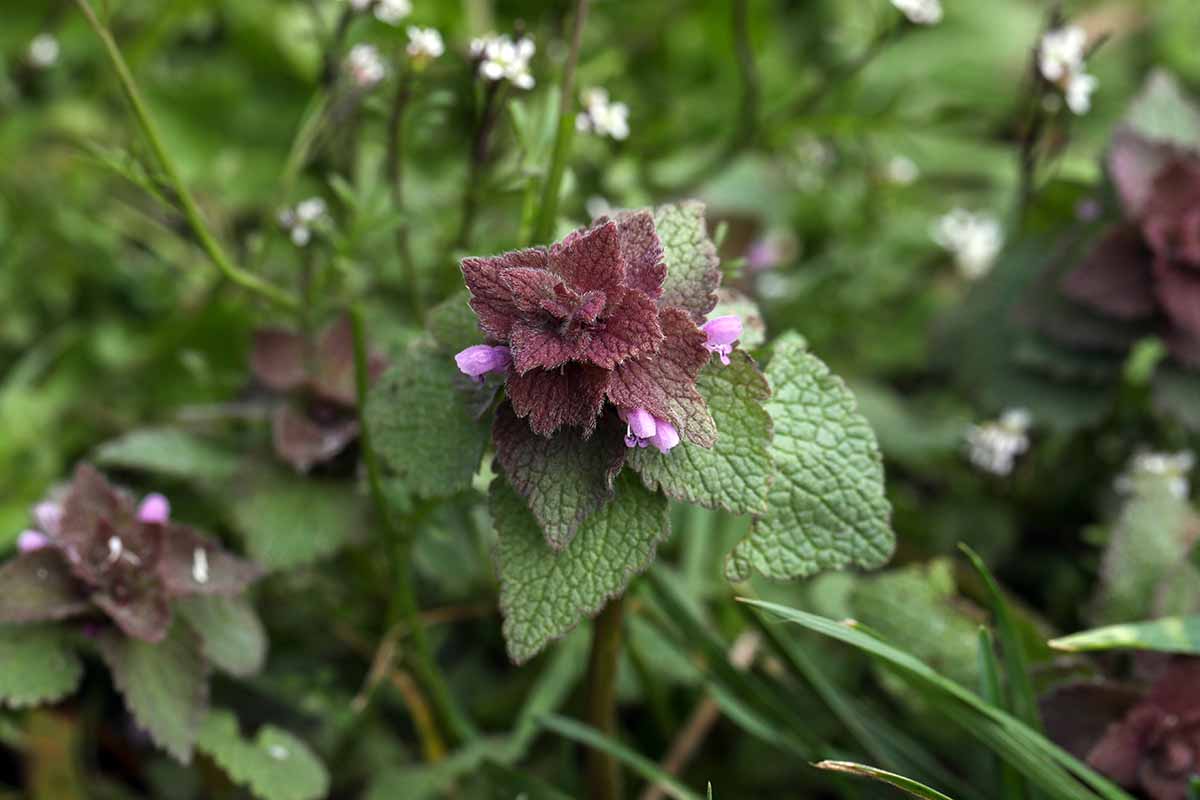
A close up horizontal image of dead nettles growing wild pictured on a soft focus background.

Weeds can be wonderful. Don’t believe me? One bite of chickweed salad and you’ll probably be begging the notorious weed to visit your garden. Even the dreaded kudzu or garlic mustard can be welcome visitors once you know what to do with them. Learn about 39 common weeds that are both edible and have medicinal uses now.

Tips for Growing an Abundant Edible Herb Garden

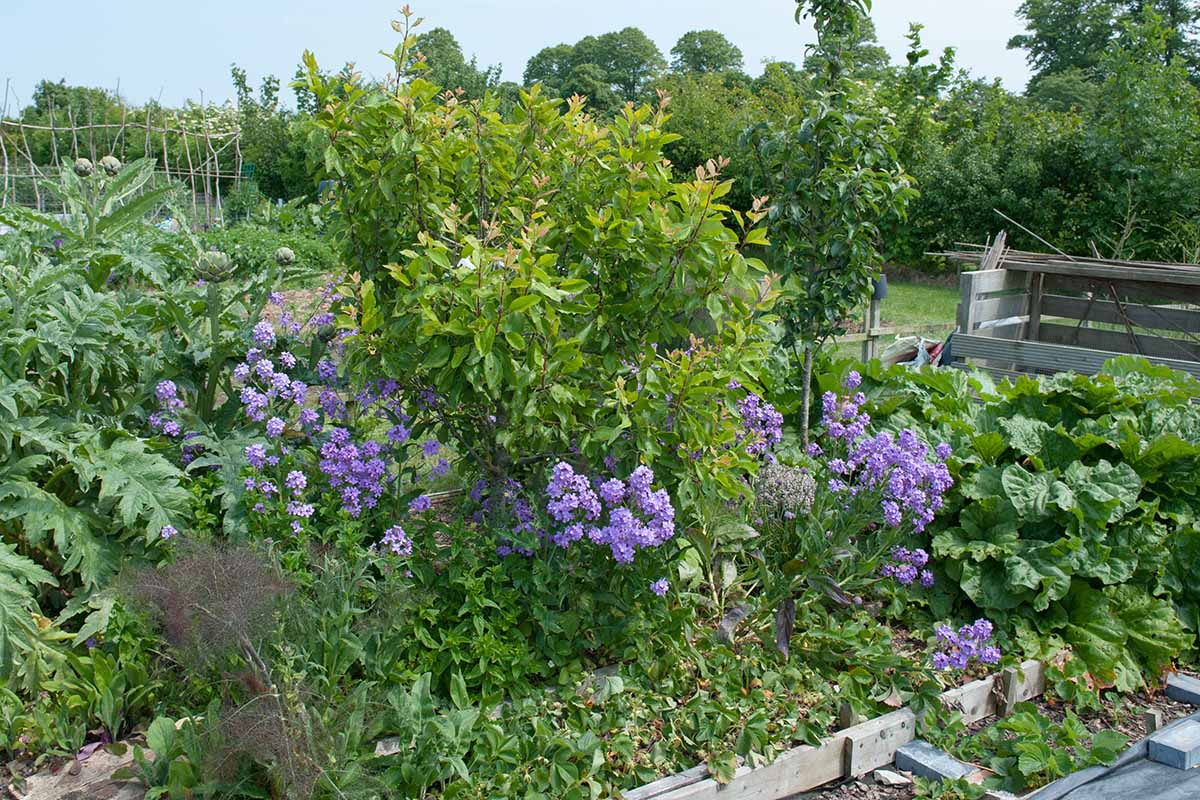
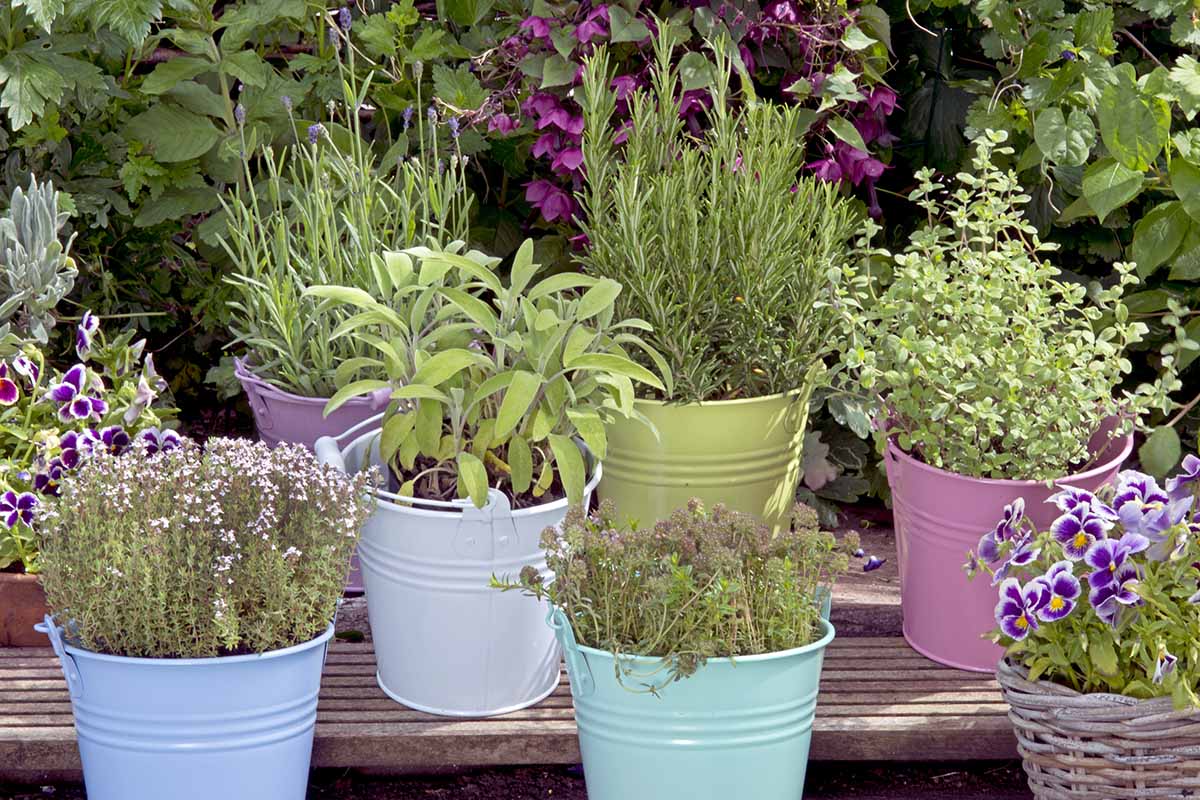
A close up horizontal image of an abundant herb garden growing a variety of different plants.

Highly aromatic and flavorful for beverages, cooking, and the grill, herbs also have pretty flowers that attract important pollinators. And they’re among the best companion plants for keeping flower and veggie patches healthy and pest free. Join us now and read all the best tips for edible herb gardens in this guide.

How to Plant and Grow Epazote (Wormseed)

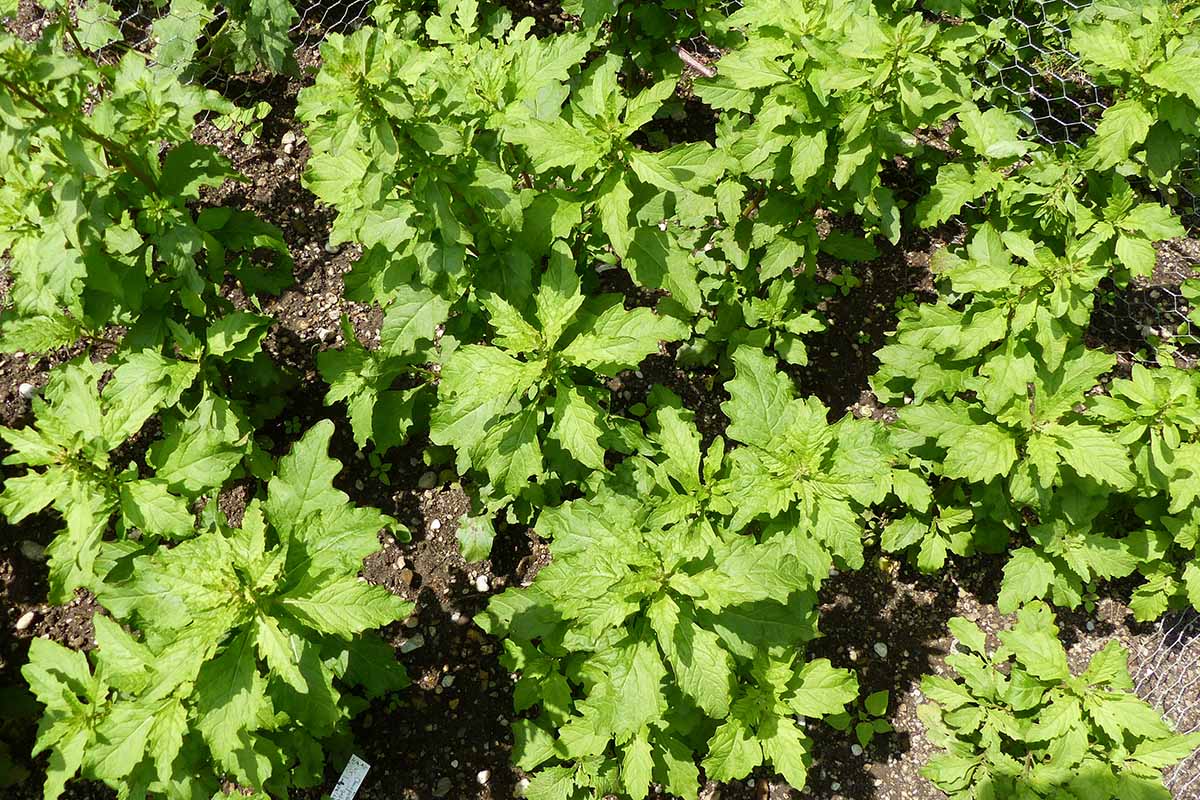
A close up horizontal image of epazote herb (Dysphania ambrosioides) growing in a kitchen garden, pictured in bright sunshine.

Epazote is a pungent, aromatic herb that has been a cornerstone of Mexican and Central American cooking since the time of the Aztecs. Its jagged green leaves have a complex, hard-to-pin-down flavor combining hints of mint, citrus, anise, and oregano. Learn how to plant and grow epazote in this guide. Read more now.

Learn How to Plant and Grow Shiso Herb (Perilla)

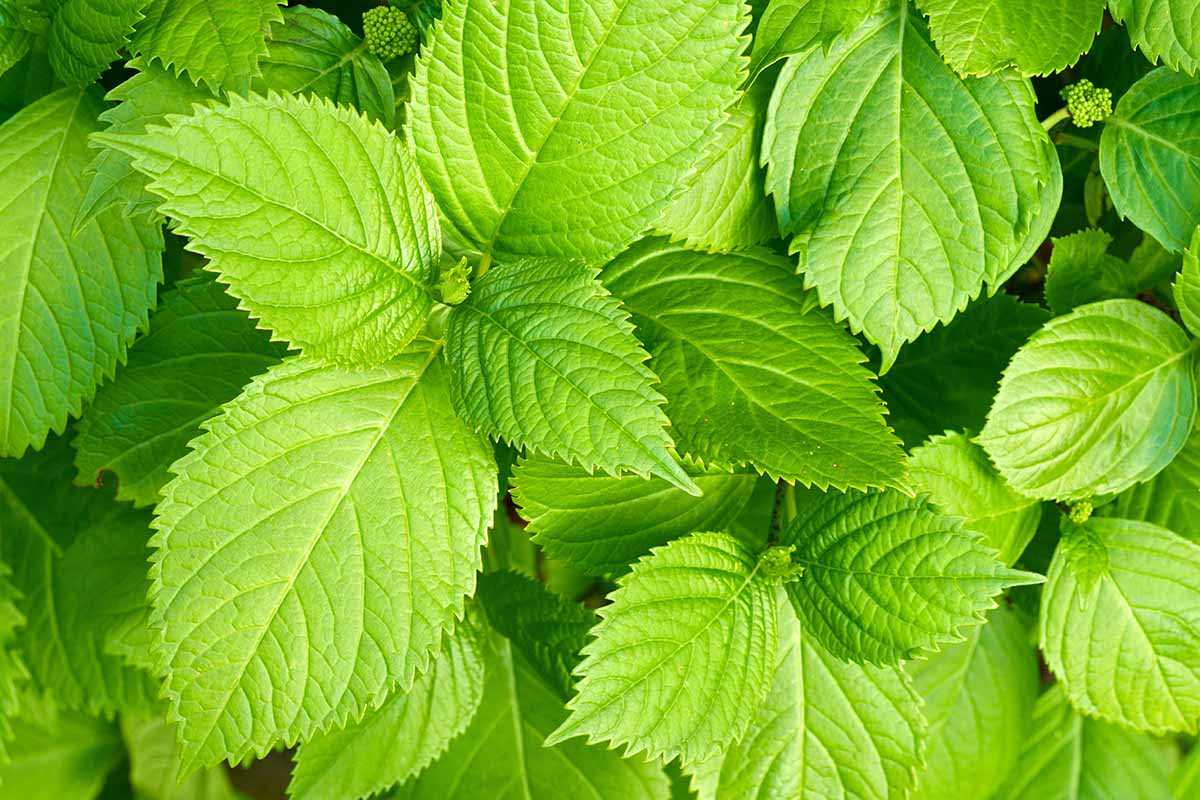
A close up horizontal image of the bright green leaves of shiso herb growing in the garden.

Shiso is a fragrant annual herb with frilly, flavorful leaves in shades of green or purple. A staple of Japanese, Korean, and Chinese cuisine, shiso is easy to grow from seed in full sun and well-draining soil. It’s a rewarding and versatile addition to any herb garden. Learn how to plant and grow perilla in this guide.

9 of the Best Fast-Growing Vegetables and Herbs for Your Garden

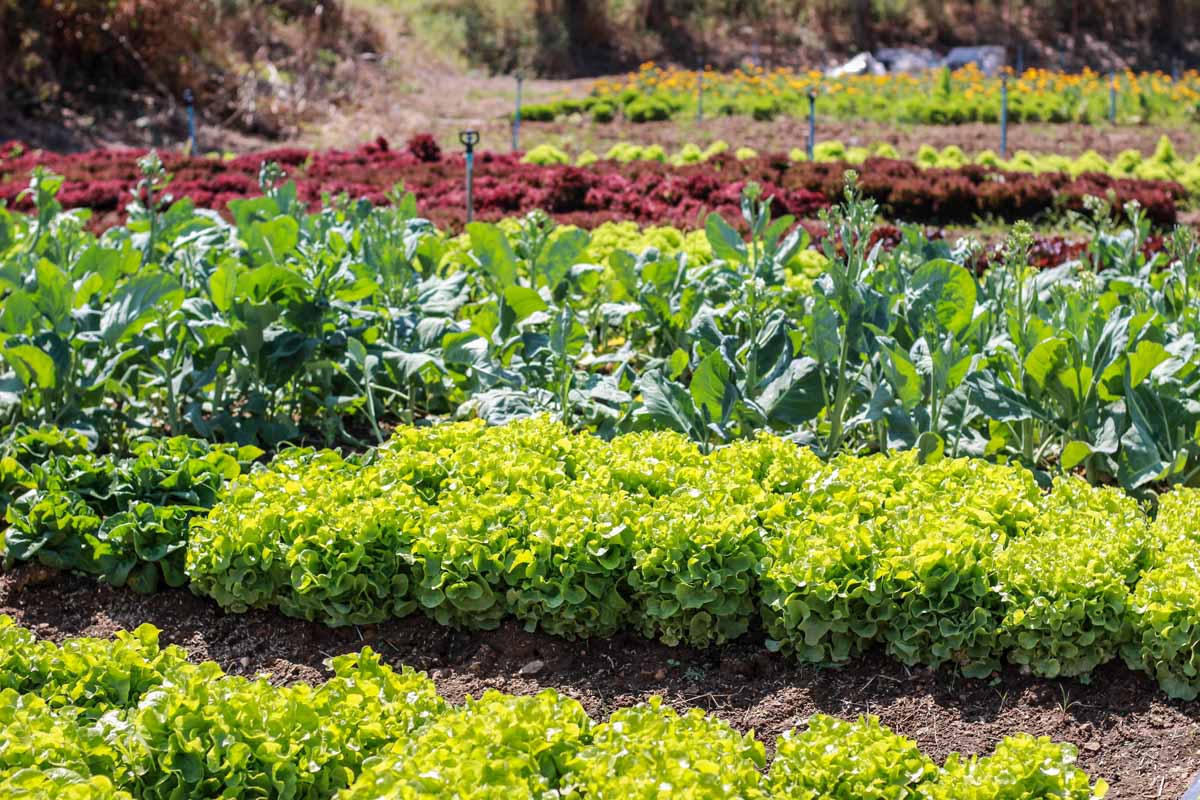
A vegetable garden with rows of mature crops in bright sunshine.

Impatient for a homegrown harvest you can serve or snack on? Opt for quick-growing vegetables and herbs that yield tasty, fresh ingredients, some in just 14 days. These early-season homegrown shoots, microgreens, and even a flower will perk up your end of winter, pantry-based meals. Forget slow and steady! Read more.

21 Aggressive Herbs to Cultivate With Care

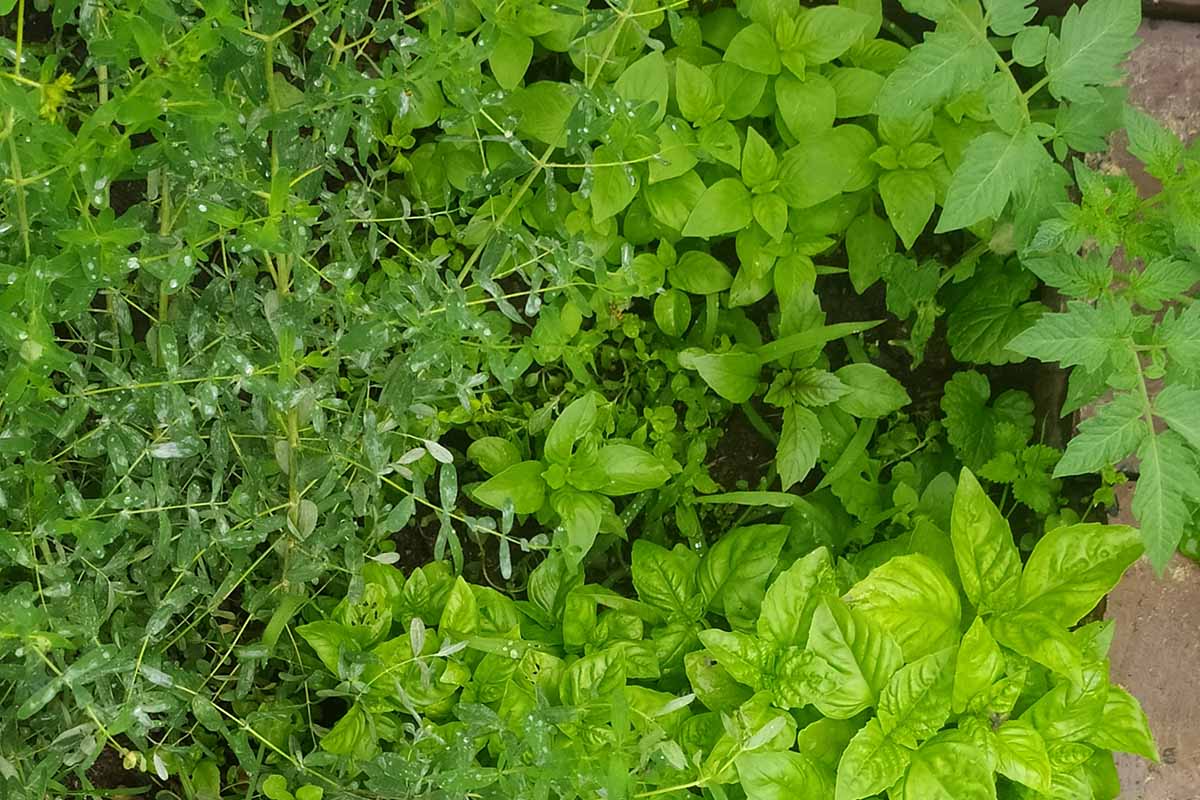
A close up of a mixed herb garden with a variety of species growing in a large pot.

Having a varied kitchen herb garden is convenient, but did you know that some culinary and medicinal herbs have aggressive tendencies and the potential to crowd out neighboring plants and spread around the garden? Learn about 21 potentially invasive herbs and find helpful ideas for curbing unwanted growth in this guide.

How to Plant and Grow Summer Savory

A close up horizontal image of summer savory herb growing in the garden.

Highly aromatic with a piquant flavor, summer savory is an easily grown annual. It makes a fragrant, low-growing edging plant for the garden, is valued in the kitchen, and has some qualities that may surprise you. Join us for a closer look at how to grow this often underutilized herb. Read more now.

Spring Care Tips for Your Herb Garden

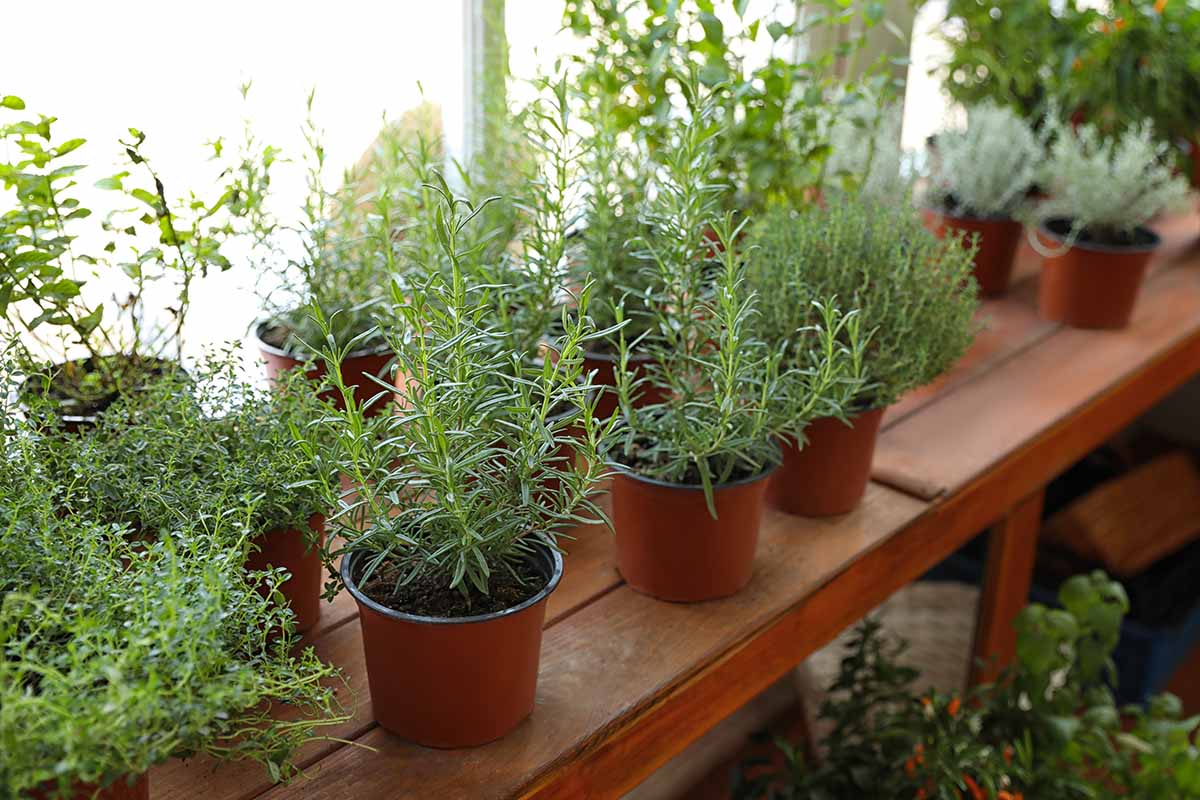
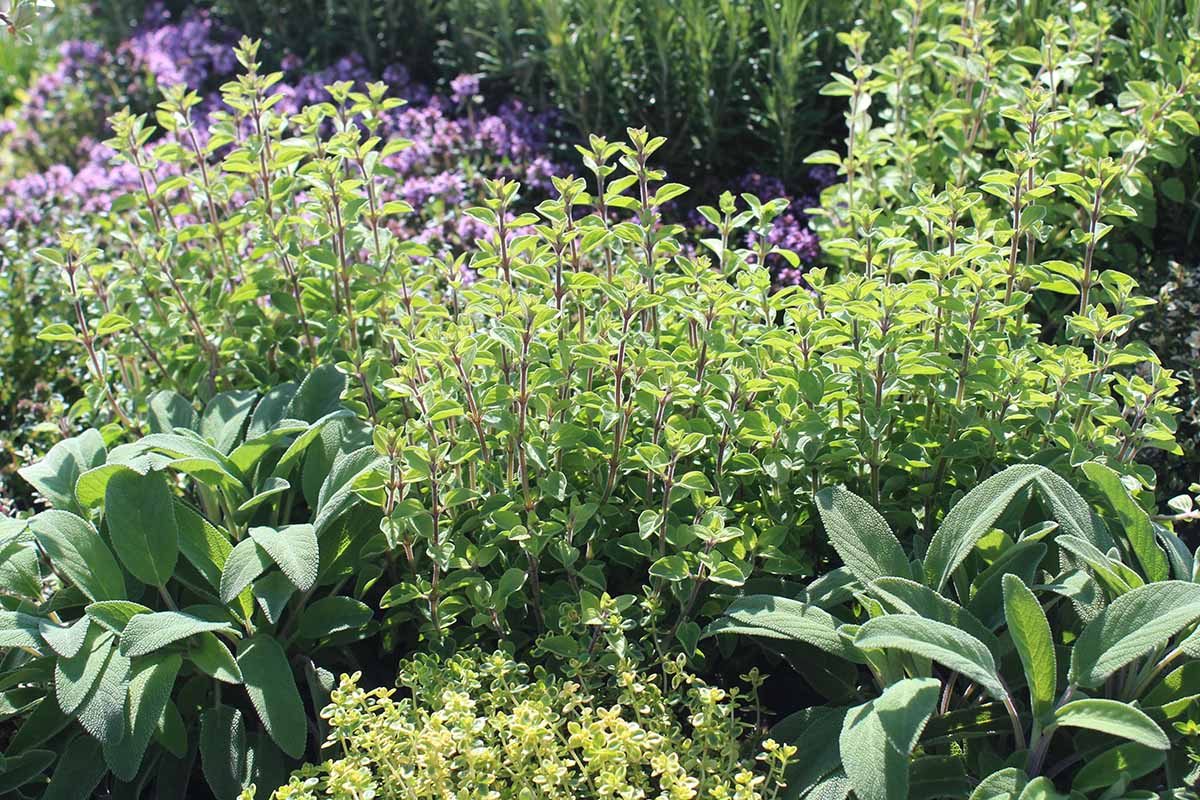
A close up horizontal image of a variety of different herbs growing in the garden pictured in bright sunshine.

Herbs are wonderfully low maintenance plants. And with just a little bit of care and attention in the spring, these aromatic, tasty, and healthful edibles will flourish for your enjoyment. From top-dressing to propagating, join us for all the details you need on how to care for your herb garden!

Make Soothing Herbal Tea for Coughs, Colds, and the Flu

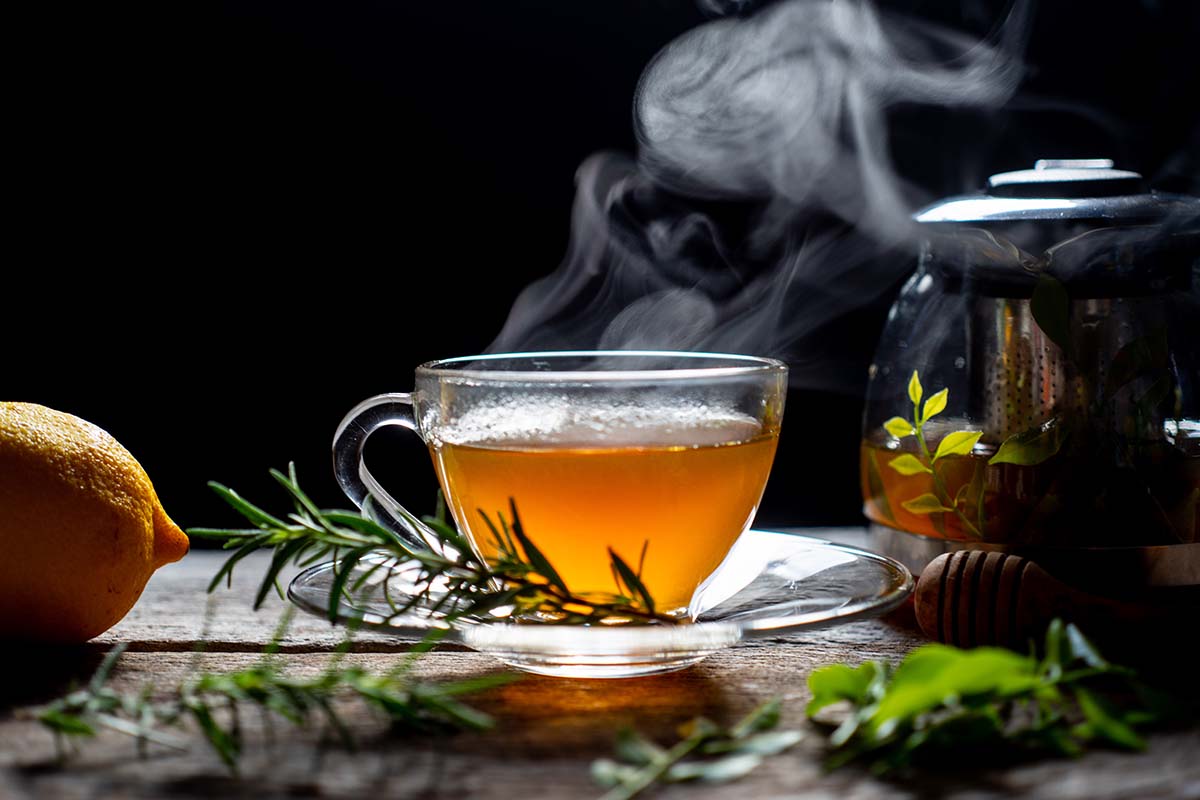
A close up horizontal image of a cup of hot herbal tea.

Why suffer through the miserable symptoms of a cough, cold, or the flu when you can find fast relief with an easy-to-make batch of soothing herbal tea? Prepared with fresh, natural ingredients, you can start feeling better in just 10 minutes with a steaming mugful of this brew. Read the step-by-step guide now.

Combat Cold Season Naturally with Herbs and Plants from the Garden

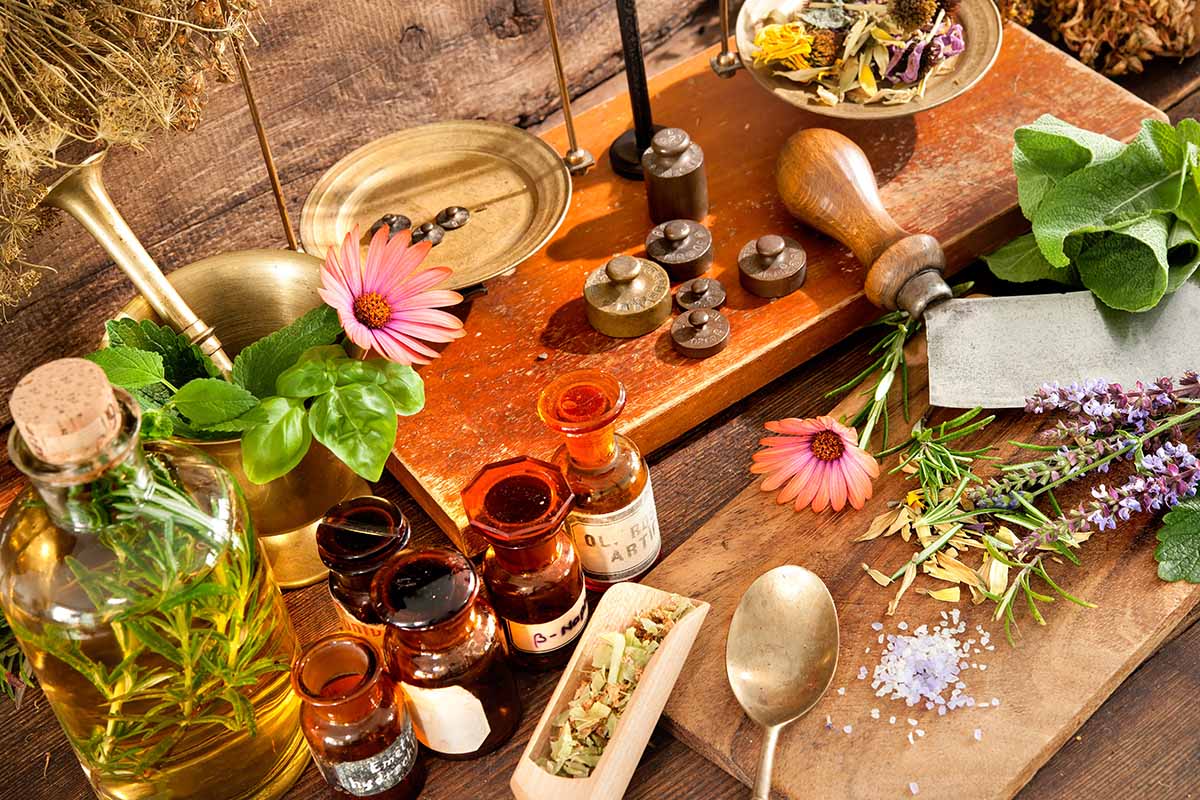
A close up of the ingredients of a herbal apoethecary.

Herbs, flowers, and fruits have been used for millennia to provide natural, wholesome relief from the discomfort of cold and flu symptoms – and many can be grown in your own garden. Join us now for a look at some of the most popular and easily grown plant-based medicinals to combat cold season naturally with herbs.

How to Winterize Your Herb Garden

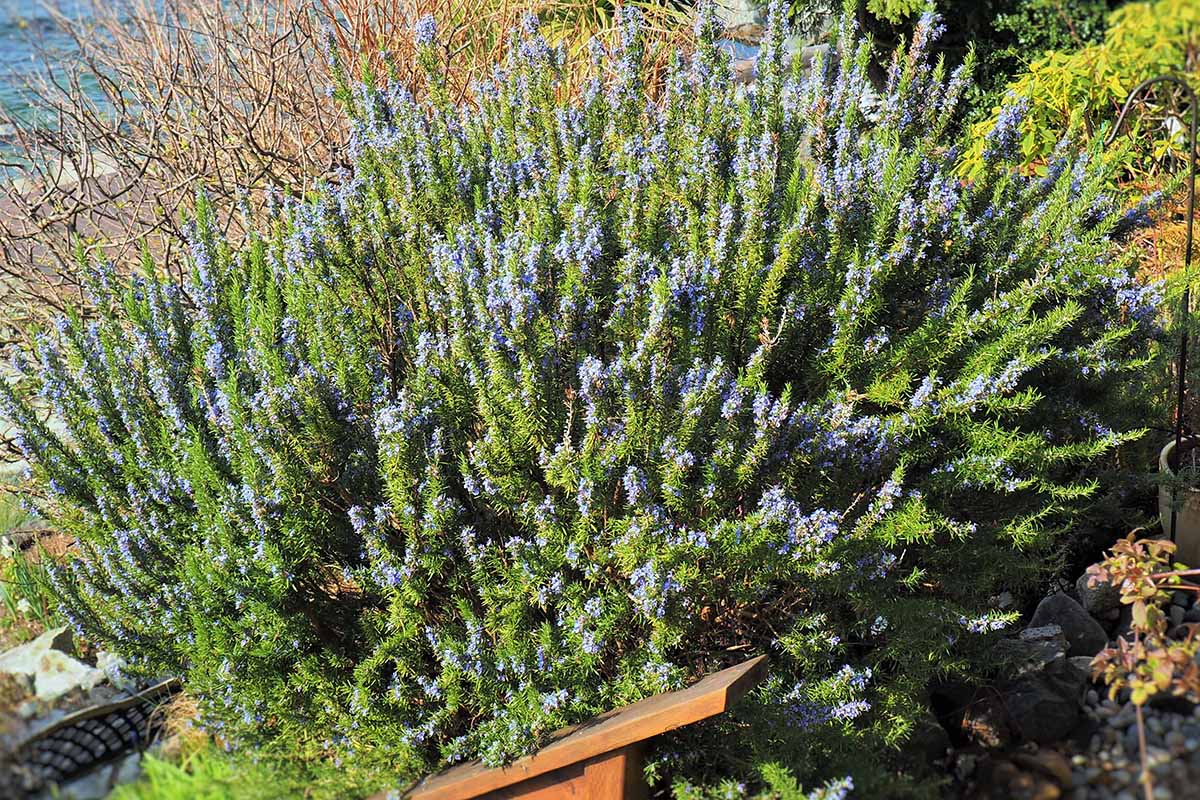
A horizontal image of a large rosemary shrub with blue flowers growing on a hillside with the sea in the background.

Protecting heat-loving herbs through the short days and cold temperatures of winter is a smart move that results in the return of healthy, vibrant plants in spring. Learn which plants to bring indoors and which can stay outside with the right protection. In a few simple steps, learn how to winterize your herb garden.

How to Grow Parsley in Winter

A close up horizontal image of curly parsley growing in the garden covered with a light dusting of snow.

If you mourn the loss of garden-fresh herbs with the arrival of cold weather, take heart. There are a few that still continue to produce leaves in winter, and parsley’s one of them – so you can enjoy the fresh taste in your favorite recipes all year. Learn how to grow parsley in winter in this guide. Read more now.
23 of the Best Basil Varieties for the Home Herb Garden

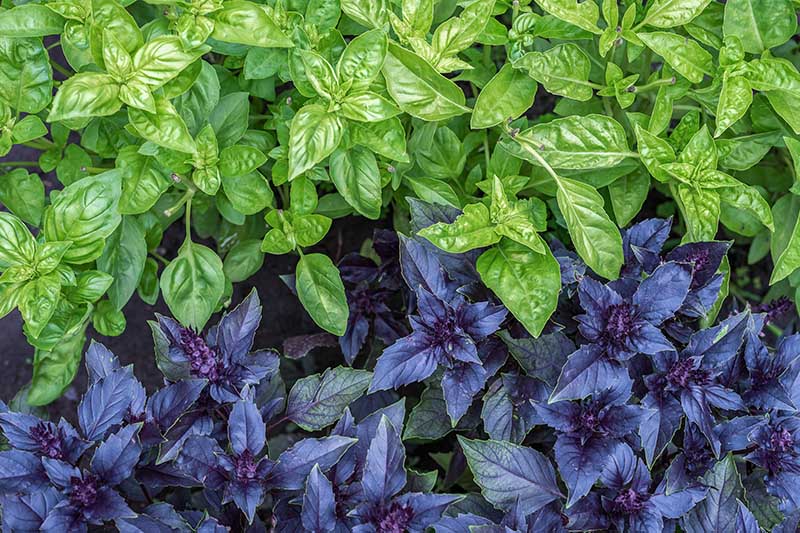
A close up of two different varieties of Ocimum basilicum, the top of the frame shows a green-leaved type, and at the bottom a cultivar with dark purple foliage.

Tasty and fragrant, basil is a delicious ingredient when eaten fresh or added to recipes. Its lush growth and pretty flowers have great ornamental appeal. Did you know that there are a number of different basil cultivars available? Learn about 23 of our favorite basil varieties to add to your herb garden. Read more now.

23 of the Best Cold-Hardy Herbs that Survive Winter

A close up horizontal image of a variety of different types of cold-hardy herbs.

When you sow cold-hardy culinary and medicinal herbs, you don’t have to plant them every year. From bergamot to wintergreen, there are sweet and savory perennial and biennial species and cultivars for use in a variety of dishes. Learn about 23 of our cold-hardy favorites to grow at home. Read more now.

How to Grow and Care for Bacopa (Water Hyssop)

A close up horizontal image of the succulent green foliage and small white flowers of Bacopa monnieri aka brahmi pictured on a soft focus background.

Bacopa monnieri, also known as water hyssop or brahmi, is a moisture-loving herb that thrives in gardens, ponds, and even aquariums. With small, succulent leaves and delicate flowers, it’s known for its use in supplements to support memory and reduce anxiety. Learn how to grow and care for bacopa in this guide. Read more.

Learn How to Plant and Grow Agrimony in Your Herb Garden

A close up horizontal image of the yellow flowers and serrated foliage of Agrimonia eupatoria aka common agrimony.

Agrimony (Agrimonia spp.) is a hardy, herbaceous perennial herb with tall spires of yellow flowers that thrives in full sun and poor soil. It’s a favorite among pollinators and also valued for its use in natural dyeing and herbal remedies. Learn how to grow agrimony in your home herb garden in this guide. Read more now.

Learn How to Grow Anise in Pots and Containers

A close up horizontal image of anise (Pimpinella anisum) flower heads pictured in light sunshine on a dark background.

Anise is a popular annual herb, the ripe seeds used for flavoring sweet and savory dishes as well as a variety of spirits with a sweet flavor of licorice. Easy to grow in vegetable gardens, the plants can also be cultivated in planters, if the vessels are big enough. Learn how to grow anise in containers in this guide.

When and How to Harvest Anise Seeds

A close up horizontal image of anise (Pimpinella anisum) growing in the garden.

Sweet anise is prized for its zesty licorice flavors and is widely used in baked goods, beverages, confections, and savory dishes. An easy to grow annual herb, the plants need 100 frost-free growing days for flower heads to ripen but they can also be harvested green. Learn when and how to harvest anise seeds in this guide.

11 of the Best Cilantro Companion Plant Pairings

A close up horizontal image of cilantro aka coriander growing in the herb garden pictured on a soft focus background.

Cilantro, also known as coriander, is one of the most powerful plant partners in the organic vegetable garden. Its mounds of early blooms attract pollinators, as well as beneficial insects which in turn help control pest populations. Learn about 11 of the best cilantro companion plant pairings in this guide. Read more now.

13 of the Best Rosemary Varieties

A close up horizontal image of a large rosemary shrub in full bloom with bright blue flowers pictured in a sunny spot.

A favorite herb for using fresh or dried, rosemary is also a handsome, aromatic ornamental with needle-like leaves and masses of small blue flowers. Plants thrive in low water and poor soil conditions and are suitable for containers, ground covers, hedges, and more. Discover 13 of the best rosemary varieties in this guide.

Creeping Thyme: Plant and Grow this Aromatic Ground Cover

A close up horizontal image of purple flowering creeping thyme (Thymus praecox) growing over a rockery.

With its dense, mat-like form, creeping thyme makes for a beautiful and aromatic living mulch between stepping stones. Come summertime, lilac flower clusters attract bees, butterflies, and other pollinators. Drought tolerant, low maintenance, and edible, this plant is sure to put a smile on your face in any season.

13 of the Best Dill Varieties for Your Herb Garden

Mature dill plants growing in the garden with dappled sunlight.

Dill is a popular addition to the herb garden. Its feathery, fragrant foliage adds interest to the landscape and livens up many a homecooked meal. There are a number of different cultvars available, that vary in size, flavor, and time to maturity. Learn about 13 of the best dill varieties and find your favorites now.

How to Plant and Grow Greek Oregano

A close up horizontal image of Greek oregano (Origanum vulgare var. hirtum) growing in the garden pictured in bright sunshine on a soft focus background.

Greek oregano is one of the most popular culinary herbs to grow for a reason. A common seasoning in pizza and pasta sauce, this spicy and flavorful perennial is also amazingly hardy and very easy to grow in the home garden. Continue reading for more information on how to grow and use Greek oregano.

Learn How to Transplant a Bay Laurel Tree

A close up horizontal image of the foliage of a bay laurel tree growing in the garden ready for transplanting to a different location, pictured on a soft focus background.

If you are growing bay laurel in containers indoors or out in the garden and it’s getting too big for its current home, it may be time to transplant. If you need to move your bay tree, check out this guide to learn when and how to transplant bay laurel and ensure it thrives in its new location. Read more now.

How to Propagate Thyme from Cuttings, Layering, and Divisions

Small thyme plants growing from cuttings in a plastic pot.

Learn how to propagate thyme effortlessly! Whether you’re using cuttings, layering, or divisions, this guide breaks down each method step-by-step for thriving plants. Perfect for gardeners of all levels, discover tips and tricks to expand your herb garden and keep thyme growing fresh year-round. Learn more now!

Is Bee Balm Invasive? Learn How to Control Monarda

A close up horizontal image of a large stand of red bee balm flowers growing in the garden taking over an area.

Bee balm (aka Monarda) is one of the most popular plants in North American gardens, but it’s also one of the most likely to get out of control. Is it worth it? With careful placement, the right strategy and tools, and a bit of time, controlling bee balm is easy and worth the effort! Read more to learn our top tips.

How to Plant and Grow Stinging Nettle in Your Garden

A close up of the leaves of a Urtica dioica plant on a dark soft focus background.

Though often overlooked as an undesirable weed, stinging nettle is an astonishing plant with an abundance of uses, many dating back for thousands of years. Learn to appreciate this forager’s favorite and discover tips for growing, harvesting, and using nettle greens Read more now.

How to Grow an Aromatic Chamomile Lawn

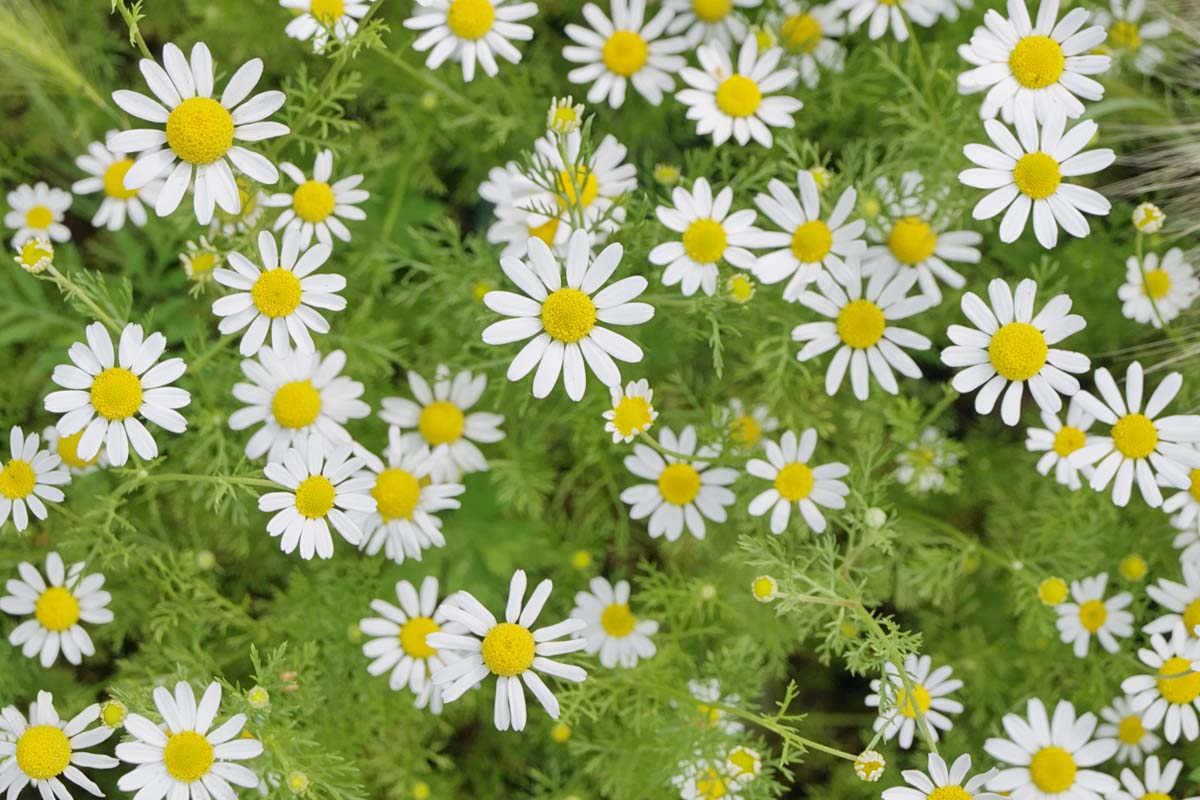
A close up horizontal image of white and yellow daisy like flowers growing in the garden fading to soft focus in the background.

Are you sick and tired of always having to mow the lawn? Instead, save time, money, and water by converting your grass yard to low-growing chamomile. Chamomile lawns improve the soil and attract pollinators while greatly reducing maintenance. Continue on to learn how to grow chamomile as a lawn alternative.

How to Grow and Care for Common Thyme

A close up horizontal image of a small thyme bush growing in a garden border pictured in light filtered sunshine.

Thyme is best known for its culinary uses, but the easy-to-grow herb is also medicinal and a valuable ornamental plant. It adds a subtle charm to front borders, attracts beneficial insects, and makes a perfect companion plant for many other landscape favorites. Learn how to grow thyme in this guide. Read more now.

Why Won’t My Bee Balm Flower?

A close up horizontal image of a purple flower pictured on a soft focus background.

If it’s well into summer and your bee balm plants still aren’t displaying their signature colorful fountainhead flowers, check out this guide to pinpoint whether the problem is your climate, soil fertility, irrigation, crowding, pests, or disease issues. Then, get them blooming in no time with these tips. Read more.

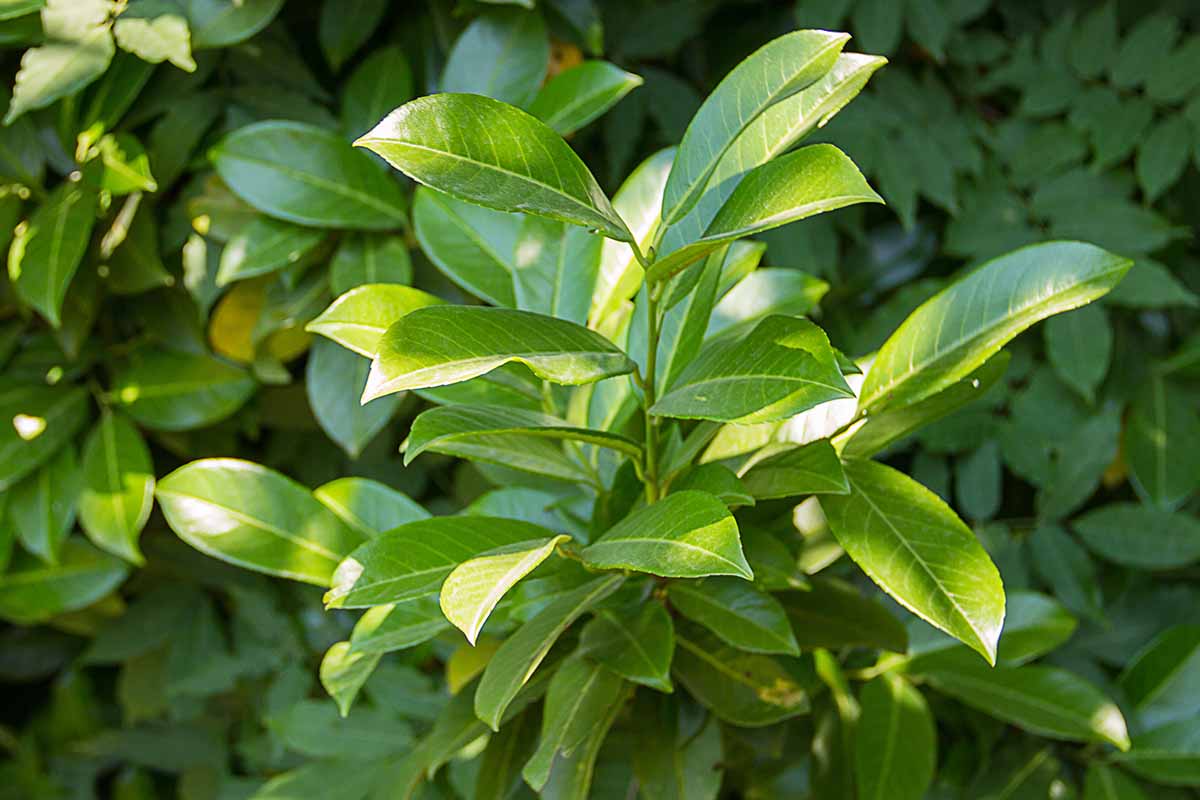
How to Propagate Bay Laurel From Cuttings

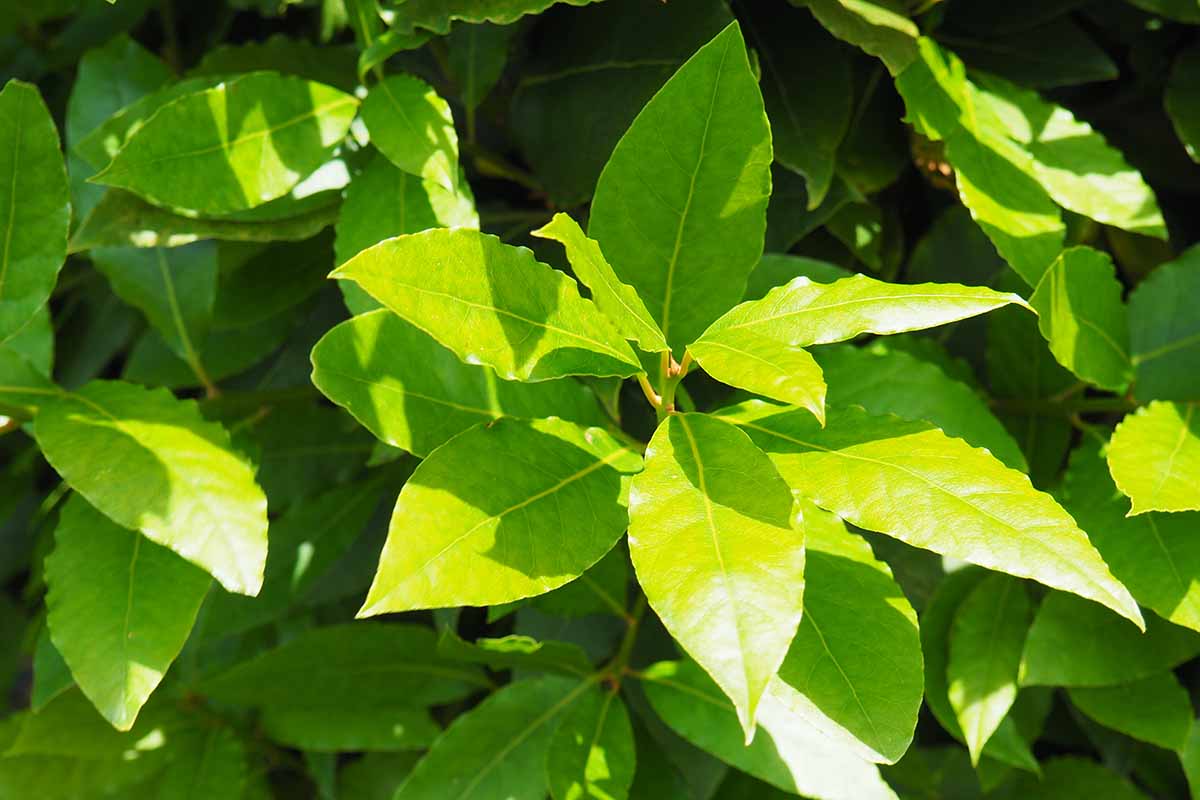
Close up of the leaves of a bay laurel tree.

If you’ve ever shopped for bay trees at the nursery, you know they can be pricey. No need to shell out the green – if you’re up for a challenge, why not propagate one at home via cuttings? This comprehensive guide will walk you through taking and growing bay tree cuttings the right way for the best chance of success.

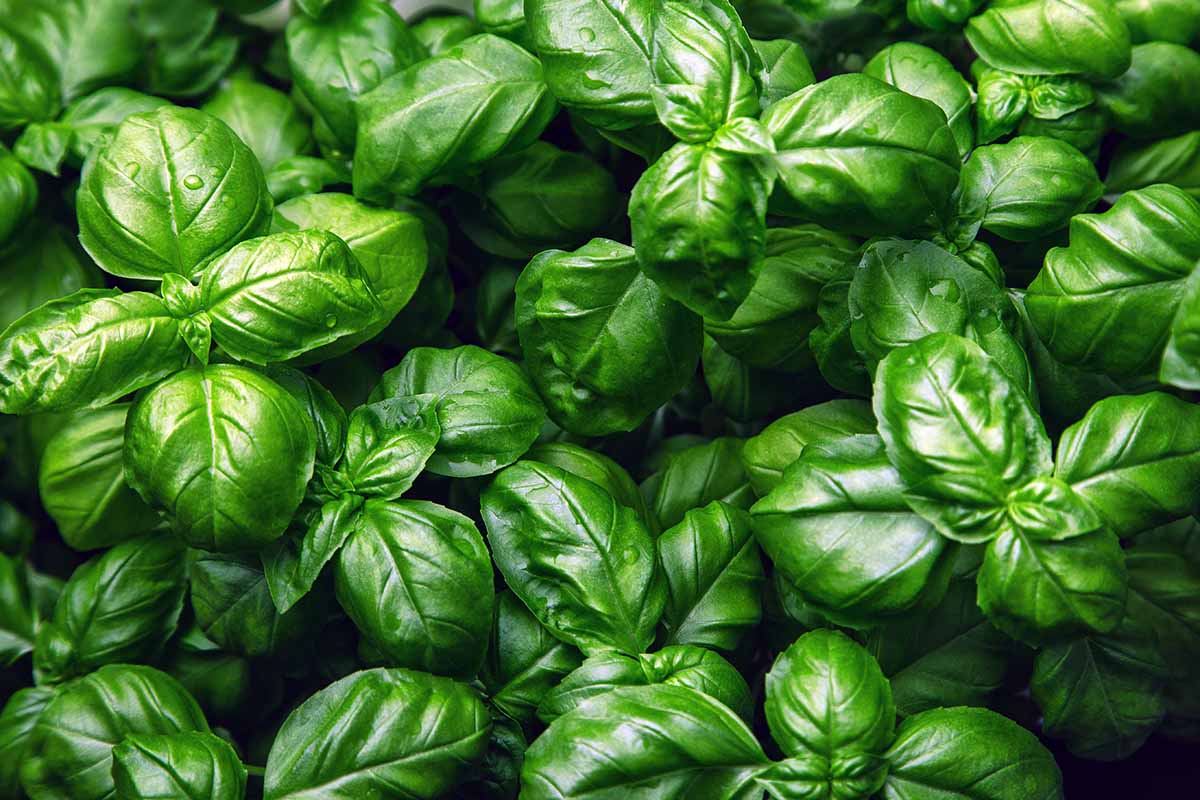
How to Plant and Grow Genovese Basil

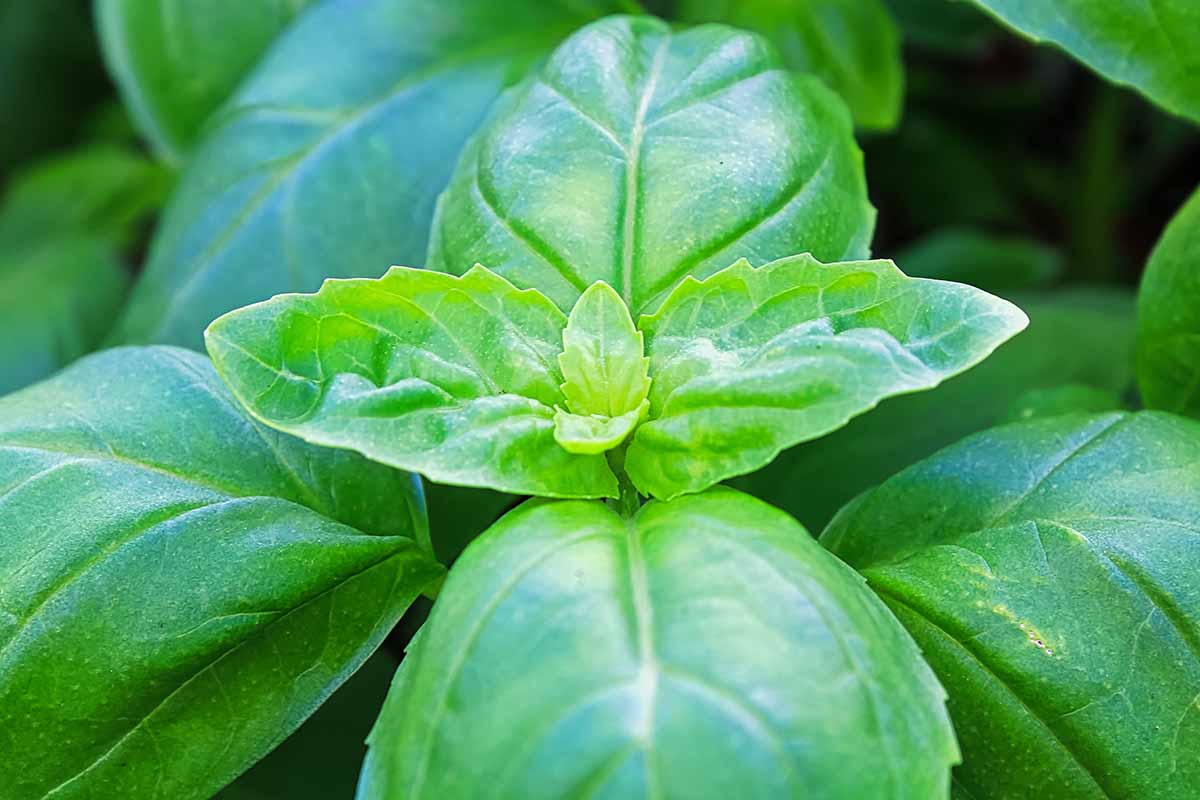
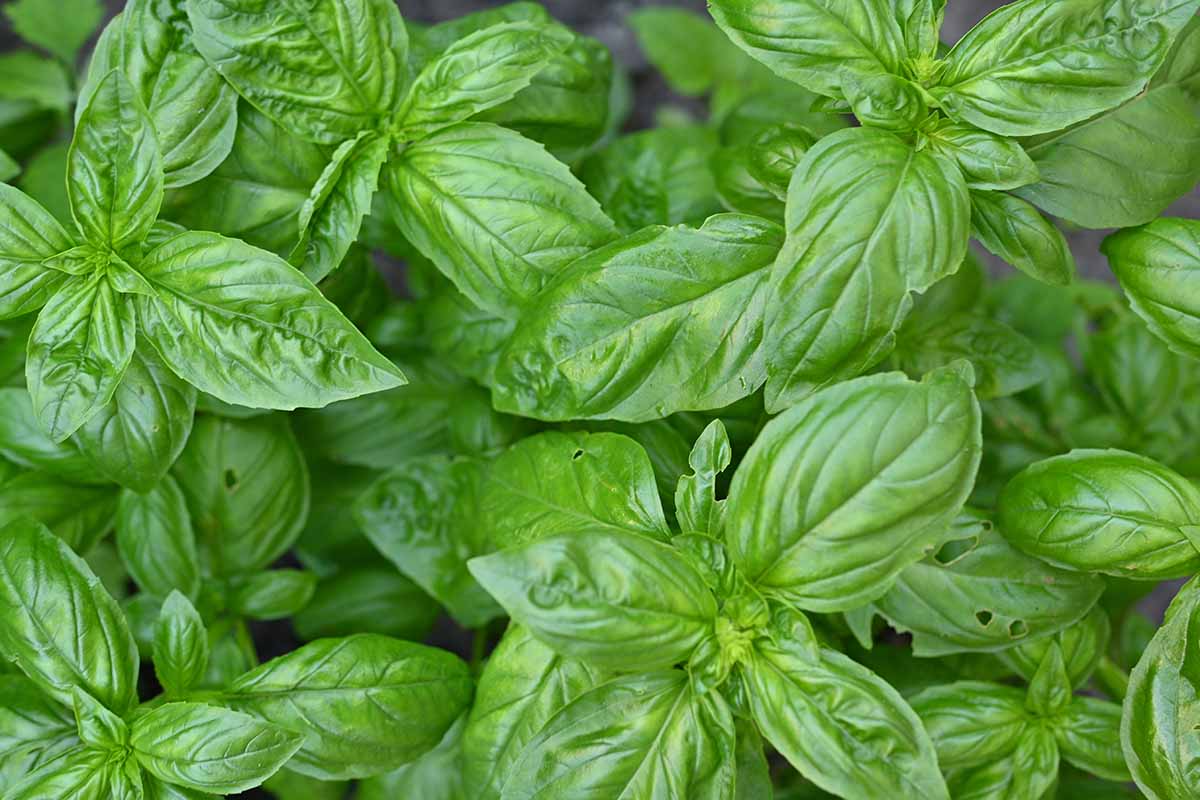
Close up of green leaves of Genovese basil. Selective focus with blurred background.

A highly fragrant herb with a full, zesty flavor, the leaves of ‘Genovese’ basil are widely used fresh and in sauces, pasta, pizza, and more. These fast-growing plants are easily cultivated and highly rewarding, producing more leaves the more they’re harvested. Read more now to learn how to grow ‘Genovese’ basil.

How to Dry and Store Fresh Garden Herbs

Flowering medicinal herbs tied up into bundles for drying.

Humans have been drying herbs for as long as we’ve been cultivating plants, and for good reason. It’s a classic choice for preserving all that flavorful goodness, retaining flavor while preventing rot so you can enjoy the harvest for months to come. Learn more about this simple process, with several options to choose.

How to Grow Chamomile in Pots and Containers

A large terracotta pot filled with white flowering chamomile plants.

Chamomile is boisterous in the garden, self-seeding where you least expect it. Planting it in a pot can keep this herb under control. There are just a few things you need to succeed, including the right container, soil, and location. Read more now to learn everything you need to know to grow chamomile in a container.

How to Grow Rosemary in Pots and Containers

A close up horizontal image of a rectangular planter growing a variety of herbs on a balcony.

Bring the pungent evergreen foliage of rosemary onto your deck or patio by growing it in containers. If you don’t have room in your garden, this versatile, easycare herb grows happily in pots and planters and provides ornamental interest in addition to its culinary uses. Learn how to grow rosemary in containers now.

How to Plant and Grow Feverfew: A Medicinal and Visual Delight

A close up horizontal image of Tanacetum parthenium flowers growing in the garden.

Widely considered by herbalists to be a natural remedy for headaches, feverfew also happens to be an attractive landscaping plant. With white and yellow daisy-like flowers atop green feathery stems, this colorful herb is a fantastic addition to the garden. Learn how to plant and grow feverfew in this guide. Read more now.

How to Grow Bay Laurel Trees from Seed

A close up of a bay leaf tree with bright green leaves and fruit developing, with water droplets covering the foliage, pictured on a soft focus background.

Looking to grow bay laurel from seed? This guide will help you through the process of harvesting the seeds, encouraging them to germinate, and transplanting seedlings to the garden. We’ll also help you figure out what went wrong if you run into trouble. All you need is a little patience and this article to get started.

How to Plant and Grow Sweet Cicely

A close up horizontal image of flowers and foliage of sweet cicely (Myrrhis odorata) growing in the garden.

Sweet cicely (Myrrhis odorata) is a perennial herb native to Europe, suited to cultivation in USDA Hardiness Zones 3 to 7. The flowers, leaves, roots, stems, and seeds have an anise-like aroma and flavor, and it’s easy to grow. Learn how to cultivate sweet cicely in your herb garden in this guide. Read more now.

How to Plant and Grow Common Sage

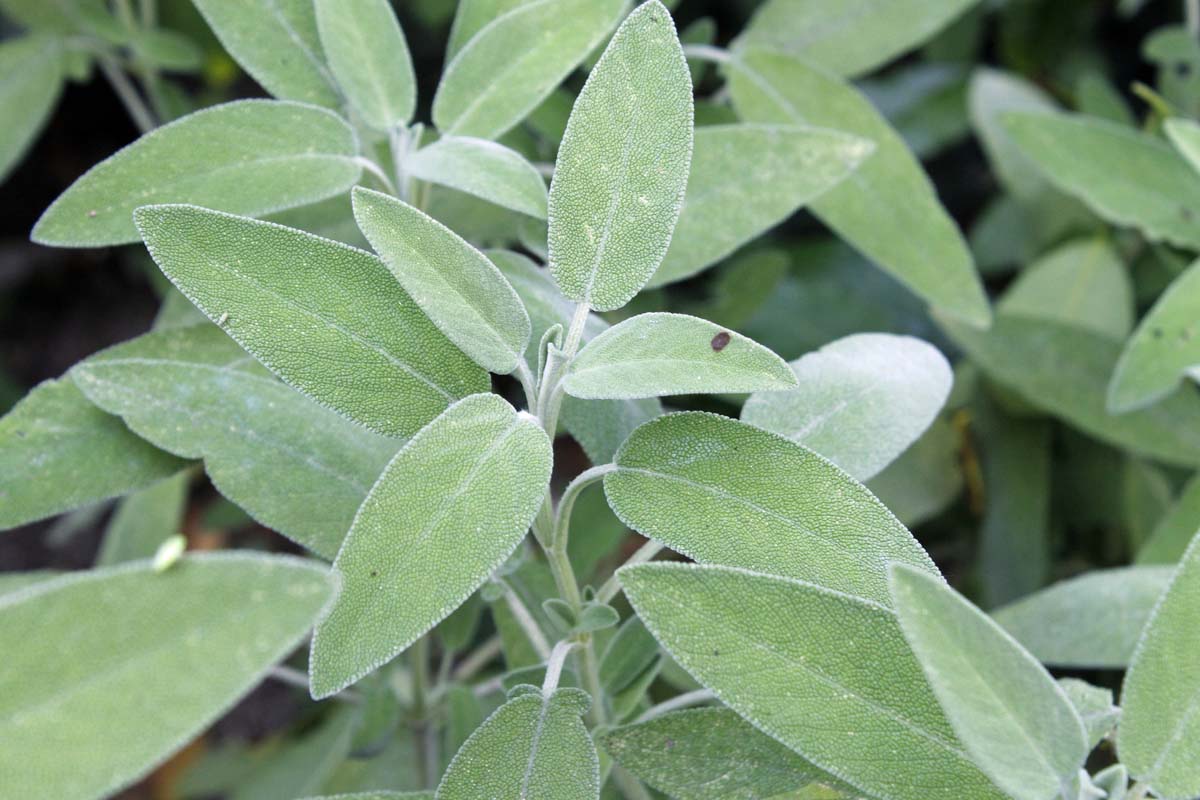
Close up of Common Sage growing in a herb patch.

Common sage is a versatile, savory herb often found in the company of parsley, rosemary, and thyme. Do you enjoy the flavor of sage in recipes like meat rubs and stuffing? It’s time you started your own supply. Learn how easy it is to grow this essential Mediterranean herb in the garden or a container. Read more now.

How to Grow Parsley in Your Home Herb Garden

A green curly leaf parsley plant is growing in a corner of a landscape, bordered by large rocks and a wooden fence.

Parsley has a rich and storied history, and its substantial health properties and usefulness as a garden herb are timeless. Easy to grow and propagate, this attractive herb is a welcome addition to veggie patches and flower containers, and storage of surplus stock is simple as well. Get all the details on how to grow and enjoy parsley – read more now.

Tips for Growing Hyssop in Containers

A close up horizontal image of hyssop flowers growing in the garden pictured on a soft focus background.

True hyssop is a perennial herb with a zesty flavor and spires of pretty blue-violet flowers that bloom for weeks from summer until frost. A staple in herb gardens and kitchen potagers, the plants also make handsome ornamentals and can be clipped for a formal shape. Learn how to grow hyssop in containers in this guide.

How to Plant and Grow Hyssop

A close up horizontal image of the purple flowers of Hyssopus officinalis growing in the summer garden.

Hyssop is a fragrant culinary and medicinal herb with blue, purple, pink, or white flowers that attract a variety of pollinators. It’s a relative of mint that doesn’t spread aggressively, and is ideal for growing in rock gardens, borders, or containers. Learn how to grow and use hyssop in this guide. Read more now.

How to Grow Parsley in Pots and Containers

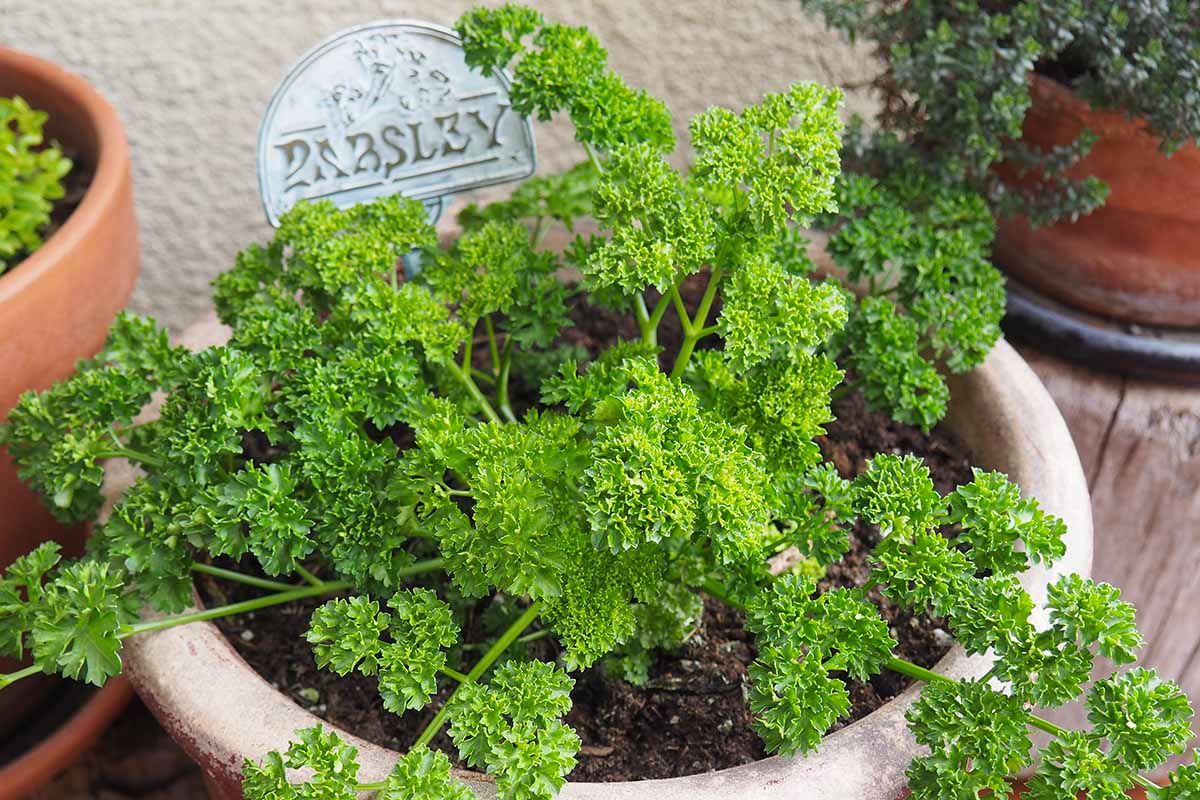
A close up horizontal image of parsley growing in a large terra cotta pot set on a wooden deck.

Parsley is a nutritious, highly aromatic, and richly flavored herb, with tasty leaves that are used in a wide variety of savory dishes to brighten and balance flavors. The pretty foliage is a must-have for convenient kitchen gardens and is easily grown in pots. Learn how to grow parsley in containers in this guide.

How to Plant and Grow Chives

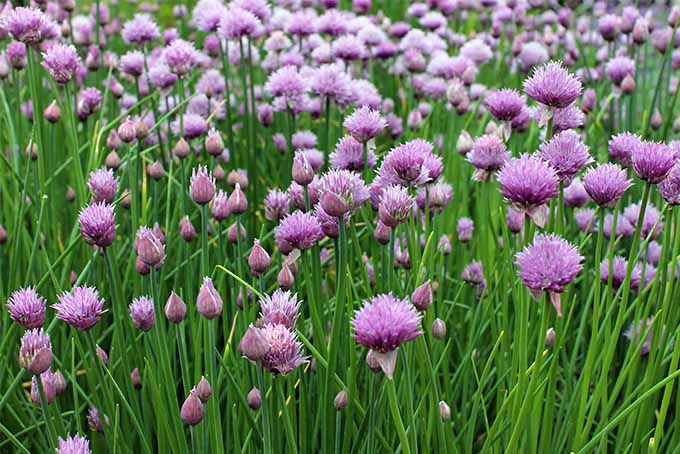
The frame is filled with blooming green chives with pink and purple flowers.

Chives (Allium schoenoprasum) are versatile alliums suitable for cultivation in the ground, raised beds, or containers, making them ideal for small-space and kitchen gardens. These easy-care perennials offer flavor, beauty, and even some pest control benefits. Learn how to plant and grow chives in this guide. Read more.

How to Plant and Grow Clary Sage

A close up horizontal image of a pink and white clary sage flower stalk growing in the garden pictured in bright sunshine on a soft focus background.

Clary sage (Salvia sclarea) is an aromatic herb with a history of medicinal and culinary use, and the pretty flowers make it popular as an ornamental planting. Native to Mediterranean Europe and Central Asia, it thrives in Zones 5 to 9 as a short-lived perennial. Learn how to plant and grow clary sage in this guide.

How to Plant and Grow Greek (Bush) Basil

A close up horizontal image of Greek or bush basil growing in the garden.

Greek or bush basil is naturally petite with a pleasing compact, round shape and correspondingly small leaves. It’s perfect for growing in containers, either outdoors or indoors in the kitchen on a windowsill. It has all the flavor of sweet basil in a compact form. Learn how to plant and grow Greek basil in this guide.

When and How to Water Basil Plants

A horizontal close up shot of the green leaves of a basil plant with water drops.

If you want healthy basil plants with lots of tasty leaves, you need to make sure you water the right way. Too much moisture causes disease and rot, and not enough results in bolting or slow growth. Learn how and when to water for the healthiest basil plants and how to promote the most flavorful leaves in this guide.

How to Grow and Care for Cleveland Sage

A close up horizontal image of a bee feeding from a purple Cleveland sage (Salvia clevelandii) flower pictured on a soft focus background.

Cleveland sage, often referred to as blue or fragrant sage, starts blooming just as spring transitions to summer. Growing well in Zones 9-11, this short-lived perennial thrives in full sun and requires little beyond some fertile, well-draining soil.. Learn how to plant and grow Cleveland sage in this guide. Read more now.

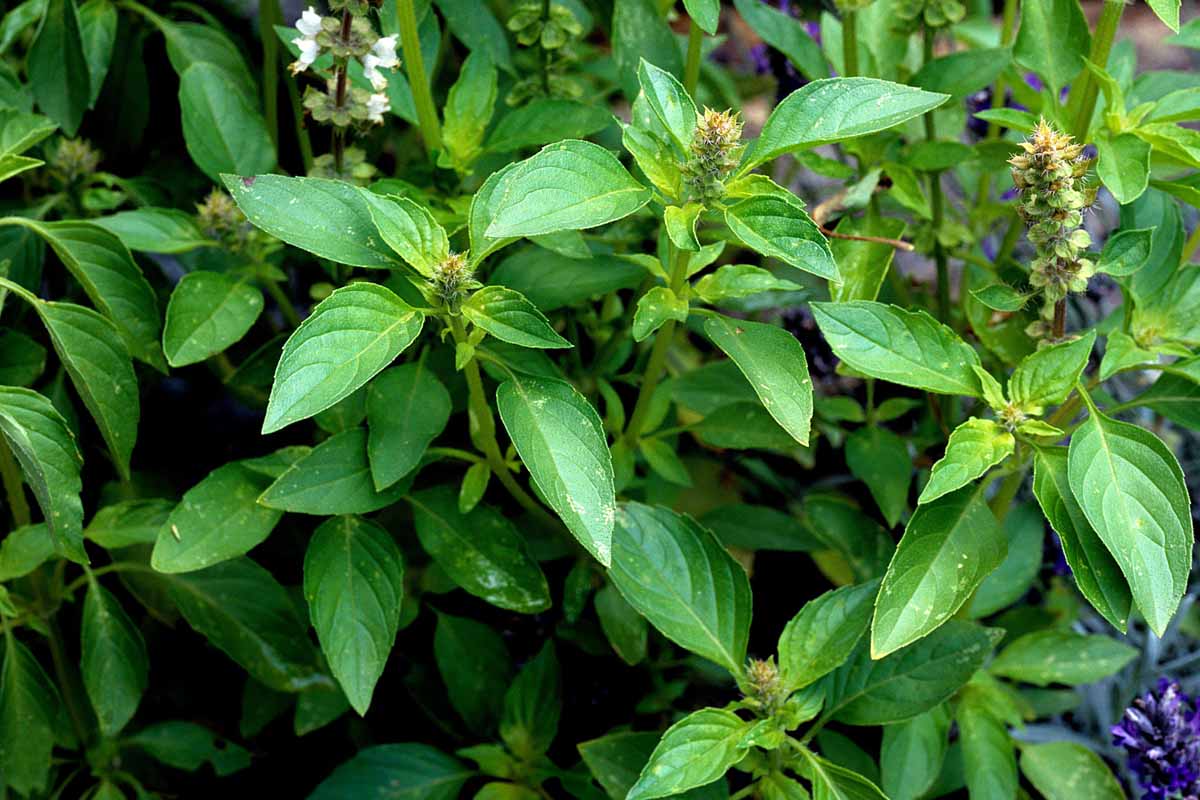
Tips for Growing ‘Sweet Dani’ Lemon Basil in Your Herb Garden

A close up horizontal image of a 'Sweet Dani' basil plant growing in the home herb garden.

‘Sweet Dani’ basil is a lemon cultivar that stands out for several reasons. It’s more disease-resistant than other basils and it grows fast, with a clean, sweet lemon flavor that can be used in savory and sweet dishes. No wonder it’s an award-winning herb! Our guide provides all the details you need to grow your own.

Tips for Growing Lemon Verbena Indoors

A close up horizontal image of the leaves of lemon verbena (Aloysia citrodora) growing in a pot pictured on a soft focus background.

Lemon verbena, Aloysia citrodora, is a herb with a woody, shrublike growth habit. Native to South America, it is perennial in USDA Hardiness Zones 8 to 11 and a summer annual or houseplant elsewhere. Learn how to grow lemon verbena indoors for a handy year-round supply of citrus-flavored leaves in this guide. Read more.

How to Winterize Bay Laurel

A close up horizontal image of a small bay laurel shrub growing in the garden in a winter landscape, pictured in bright sunshine.

In the right location, bay laurel trees have moderate cold hardiness and can survive a hard frost. You can improve their cold resistance by some preparations in fall. Adding a thick mulch, frost blankets, and by moving containers into a sheltered spot can ensure your bay trees survive the winter. Learn more in this guide.

How to Grow ‘Polish Red’ Garlic

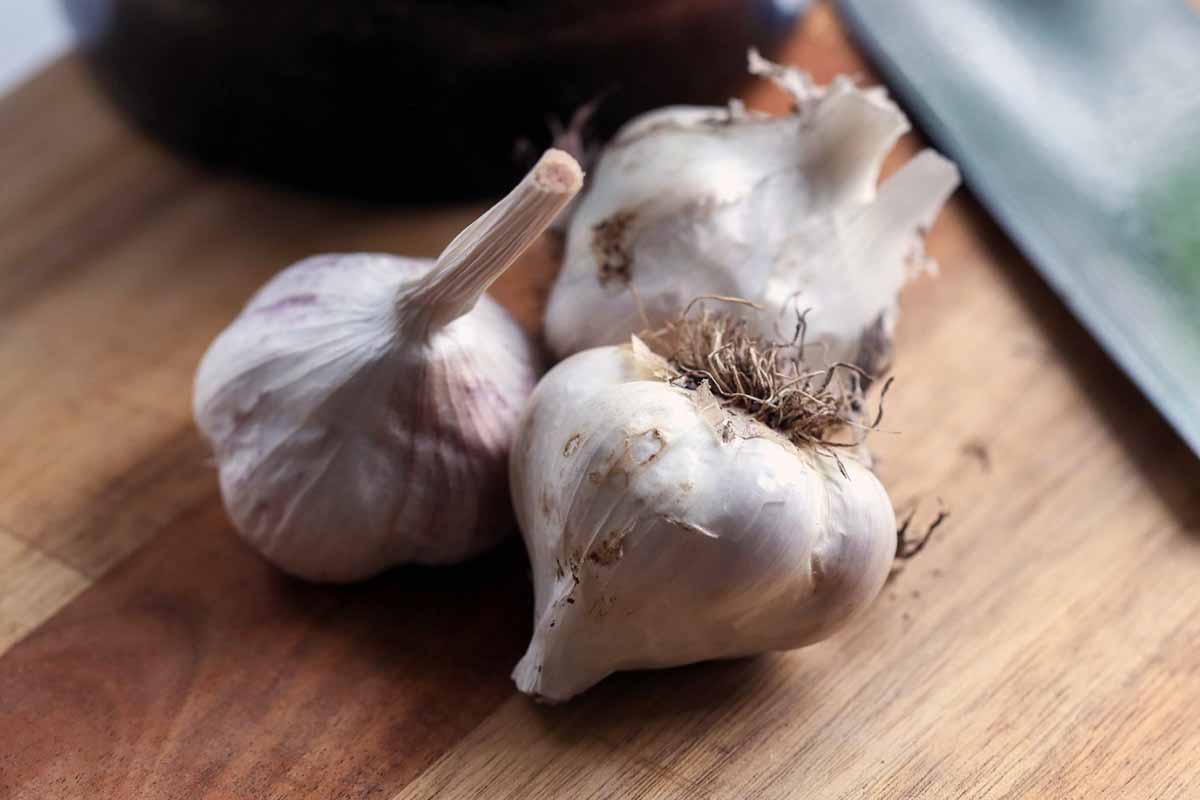
A close up horizontal image of a 'Polish Red' garlic bulb set on a wooden surface with cloves scattered around it.

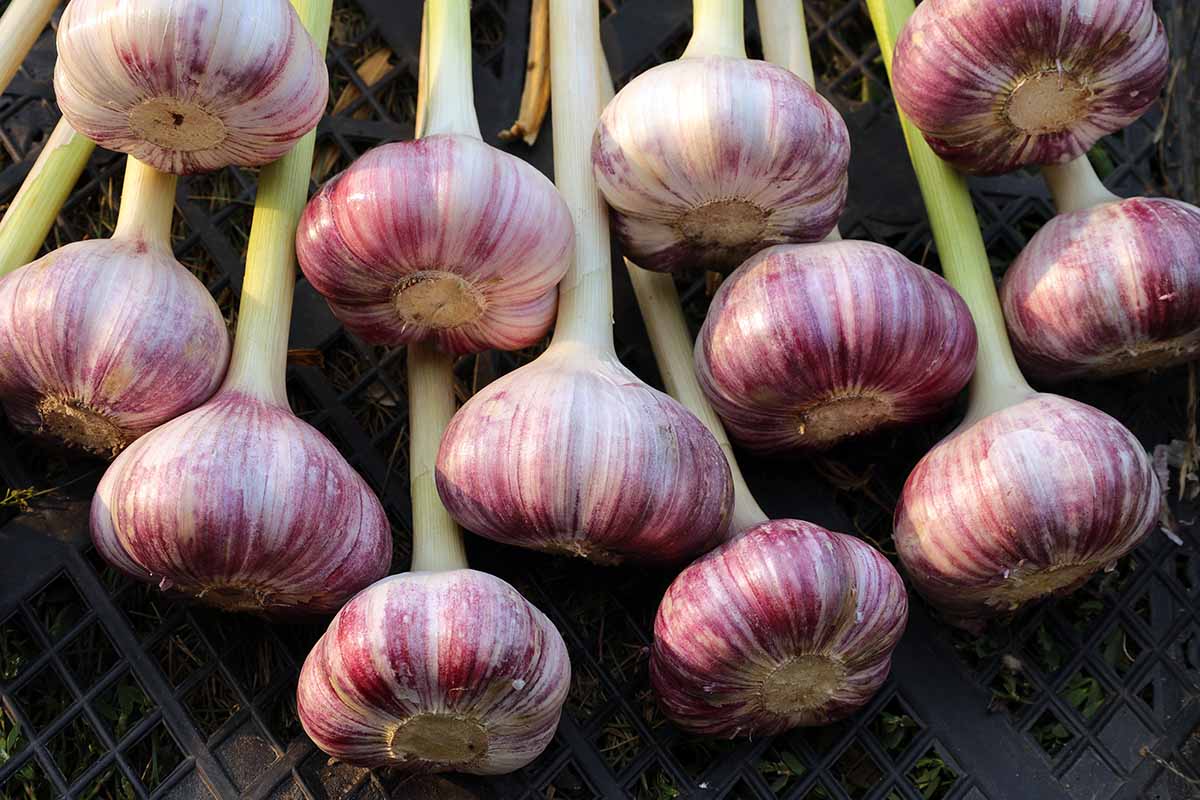
‘Polish Red’ has all the wonderful garlicky flavor we love but without the sulfurous bite. The large cloves of this softneck artichoke type are full of garlic goodness, but they won’t burn your sinuses when you take a bite. Interested in growing your own? Learn how to plant and grow ‘Polish Red’ garlic in this guide.

When and How to Prune Bay Laurel

A close up horizontal image of the foliage and buds of bay laurel growing in the garden.

Grown for their flavorful, savory leaves, bay laurel trees are also highly versatile as ornamentals for containers, hedges, and topiary. But for a dense, showy thicket of glossy green leaves, and a manageable size, they benefit from pruning every year. Learn when and how to prune bay laurel in this guide. Read more now.

What to Do If Your Garlic Flowers

A horizontal close up photo of a garlic scape beginning to flower in a vegetable garden.

If you’re growing garlic, at some point your plants will likely produce flower stalks as they mature. But unlike ornamental alliums, these are generally undesirable as they take energy away from bulb production. Learn all about why garlic flowers and what to do when it happens in this guide. Read more now.

Can You Grow Garlic From Seed?

A horizontal photo of several garlic bulbs and loose cloves in a vintage wooden bowl on a wooden table.

Gardeners usually start garlic from cloves or maybe even the tiny little bulbils, but these plants also grow seeds inside the flower head. Can you use these seeds to propagate new plants? Yes and no. Confused? We’ll explain how to propagate garlic from seed and why you might want to try in this guide. Read more now.

9 Reasons Your Basil Plants Are Wilting and Drooping

A close up horizontal image of the bright green foliage of a healthy basil plant.

Basil, with its versatile flavor, is a must-have in the herb garden. The plants enjoy moist soil and a full sun location and are generally easy to care for. But what do you do if your basil is wilting and drooping? Learn about nine common reasons why basil may wilt and how to resolve it in this guide. Read more now.

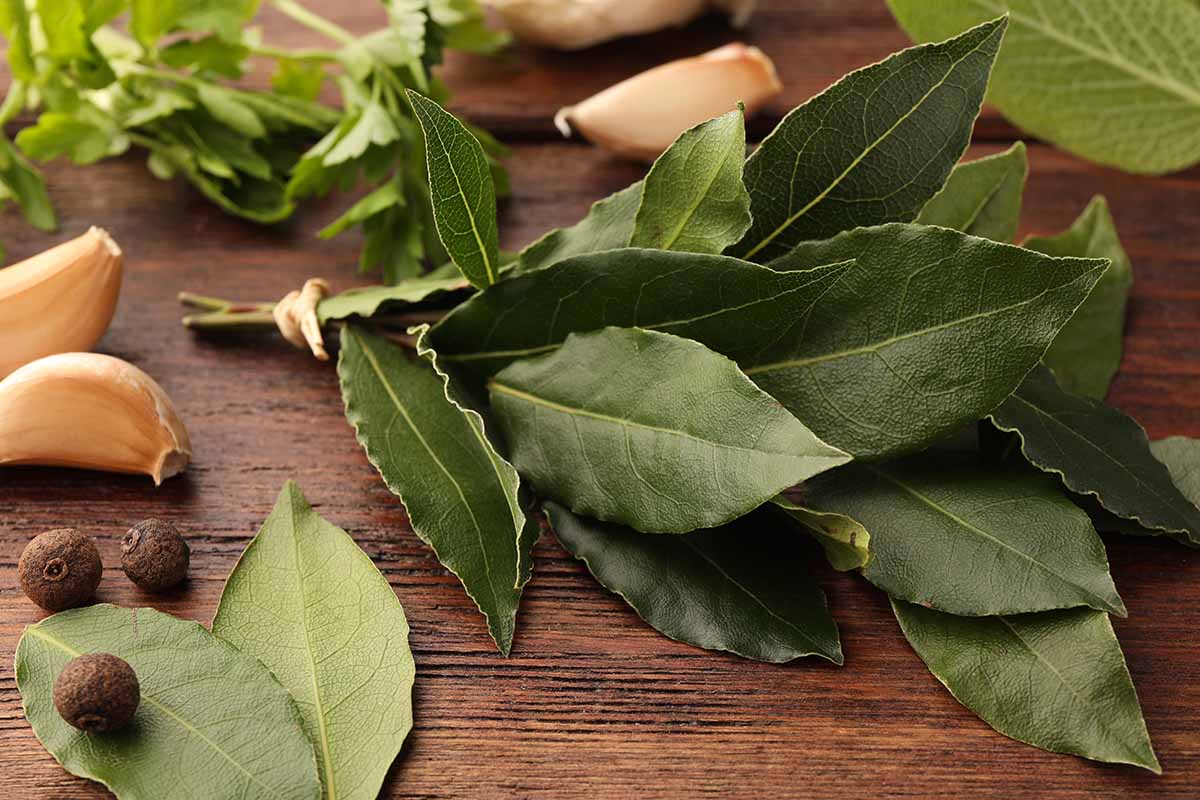
Learn About 9 Types of Bay Trees

A close up horizontal image of aromatic fresh bay leaves on a wooden chopping board with garlic and other spices.

Sweet bay (Laurus nobilis) isn’t the only plant that goes by this common name. Many species are referred to as “bay,” and lots of them are edible, with a similar flavor to the type we use as a spice. Learn more about nine different bay plants, how they differ from the common type, and whether they are edible. Read more.

When and How to Harvest Bay Leaves

A close up horizontal image of the branches of a bay tree growing in the garden, pictured in light sunshine.

You’ve planted, nurtured, and grown your glorious bay laurel shrub, and now it’s time to start using the leaves in your cooking. But when is the best time to harvest? And which leaves should you pick? How many of them can you take at once? Learn when and how to harvest bay laurel leaves in this guide. Read more now.

19 of the Best Companion Plants to Grow with Lavender

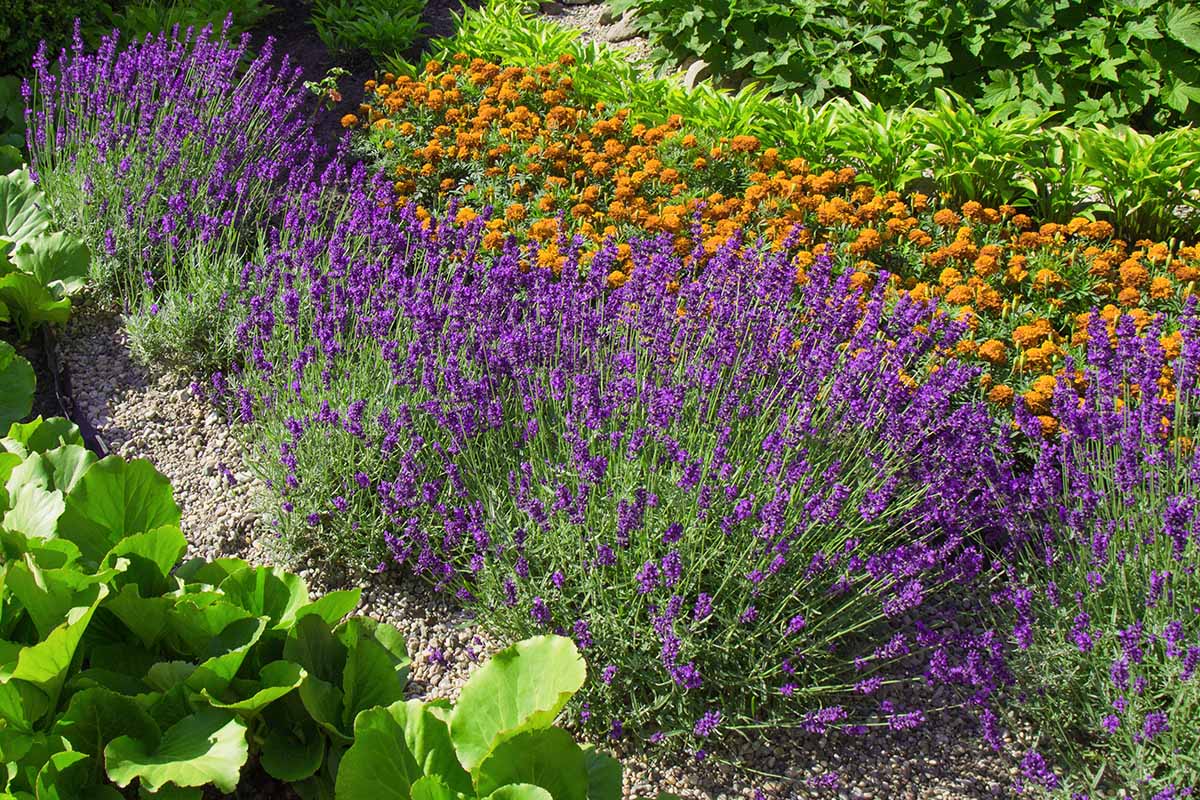
A close up horizontal image of lavender growing in the garden with a variety of companions.

Lavender is a fragrant, flowering perennial for Zones 4 to 11 that prefers full sun, lean soil, and low moisture. When shopping for companion plants, it is essential to consider cultural requirements before aesthetics. Discover 19 companion plants for lavender to enjoy a manageable and attractive garden scheme. Read more.

How to Plant and Grow Mountain Mint (Pycnanthemum)

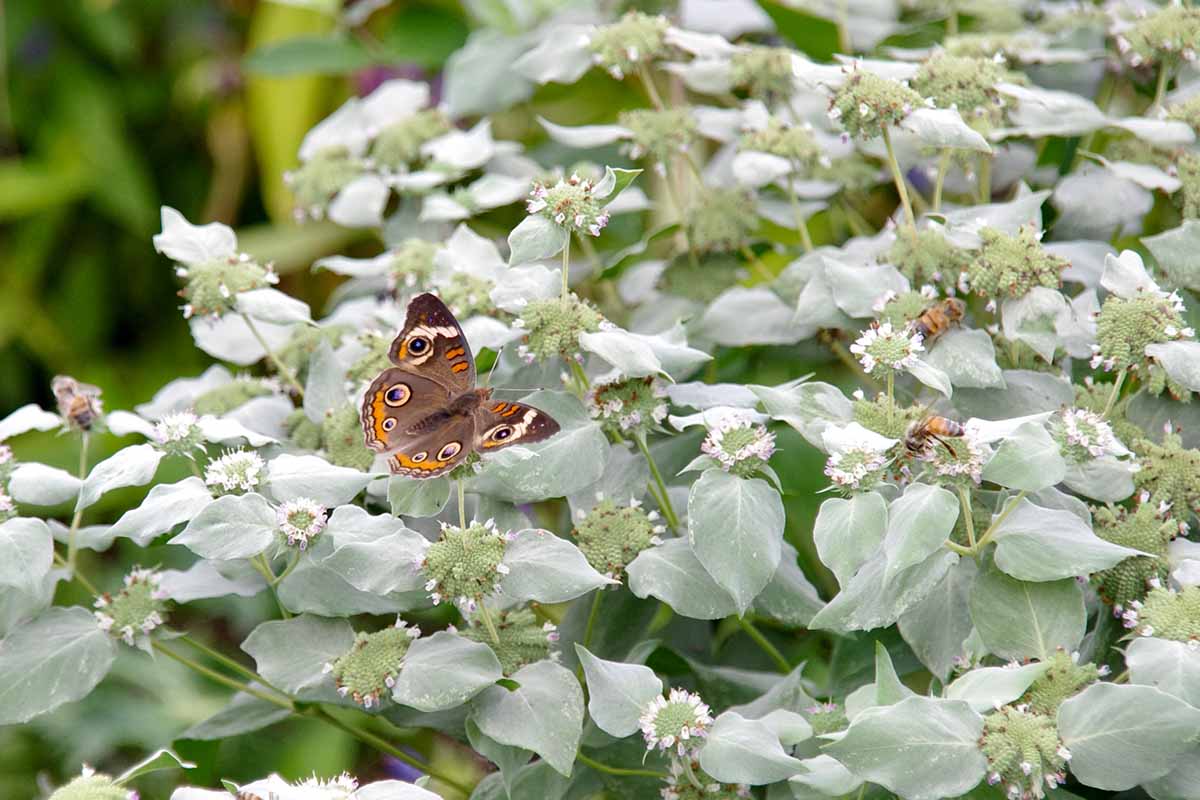
A close up horizontal image of a common buckeye butterfly and honeybees foraging from the flowers of a mountain mint plant.

With mounds of fragrant foliage and silvery flowers, mountain mint is a floral pot of gold for beneficial insects and pollinators. These aromatic herbs are native to large swaths of the US and Canada, and there are many varieties for different growing conditions. Learn to grow mountain mint in this guide. Read more now.

5 Common Causes of Holes in Basil Leaves

A close up horizontal image of basil foliage with holes in the leaves pictured on a soft focus background.

The flavor of basil is unmistakable and having fresh leaves on hand in the herb garden is a treat. But when you harvest those leaves and find they have holes, it can destroy your dinner plans. Learn how to identify five common reasons for holes in your basil leaves and how to fix the problem in this guide. Read more now.

How to Control Dandelions in the Lawn and Garden

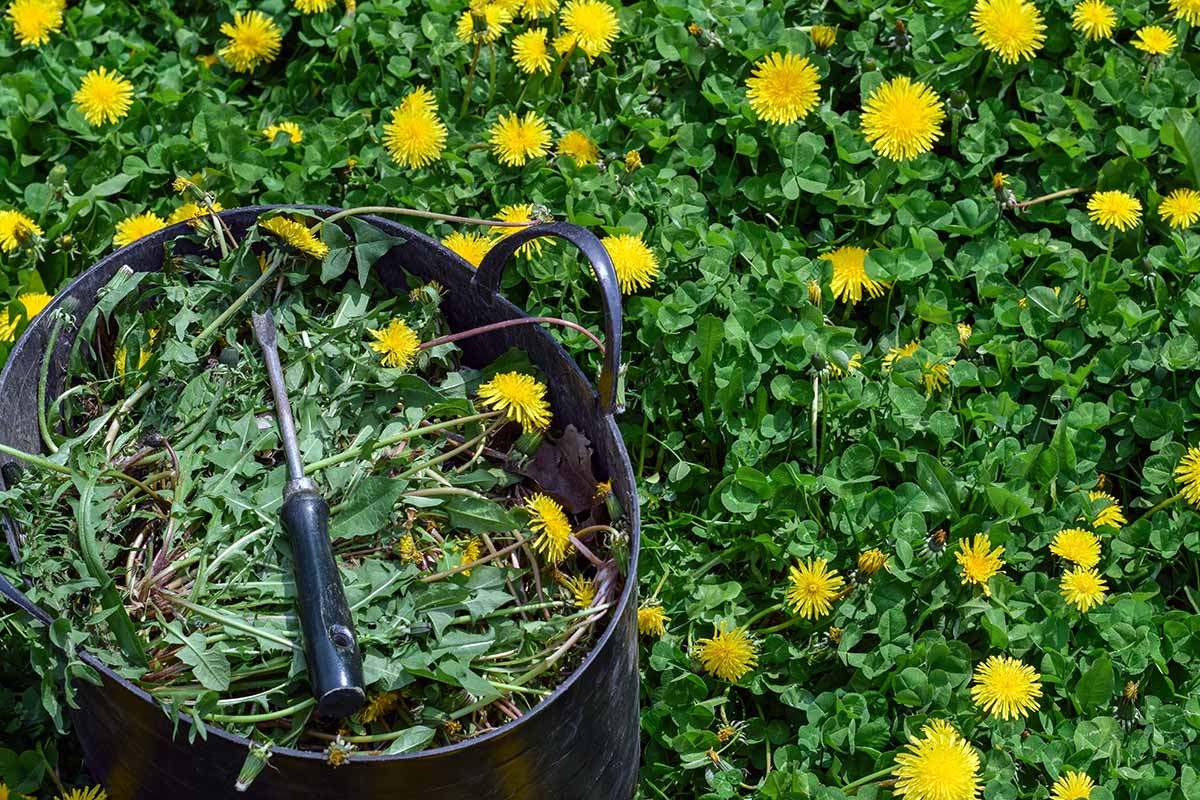
A horizontal close up photo on a black garden bucket filled with pulled dandelion weeds.

Dandelions can mar the beauty of a meticulously cultivated garden or lawn. They’re ubiquitous and will pop up whenever they’re given the opportunity. This guide will explain how to take charge and control dandelions in your backyard. We’ll also bust a few myths and discuss methods that don’t work. Read more now.

How and When to Fertilize Basil

A horizontal close up of several basil leaves on one plant.

Basil is a popular and easily grown frost-tender annual herb beloved for the sweet anise flavor and zesty fragrance of its foliage. And for vigorous, bushy plants with an abundance of leaves, frequent feeding is needed. Find all the information about how and when to fertilize basil for tasty, luscious leaves in this guide.

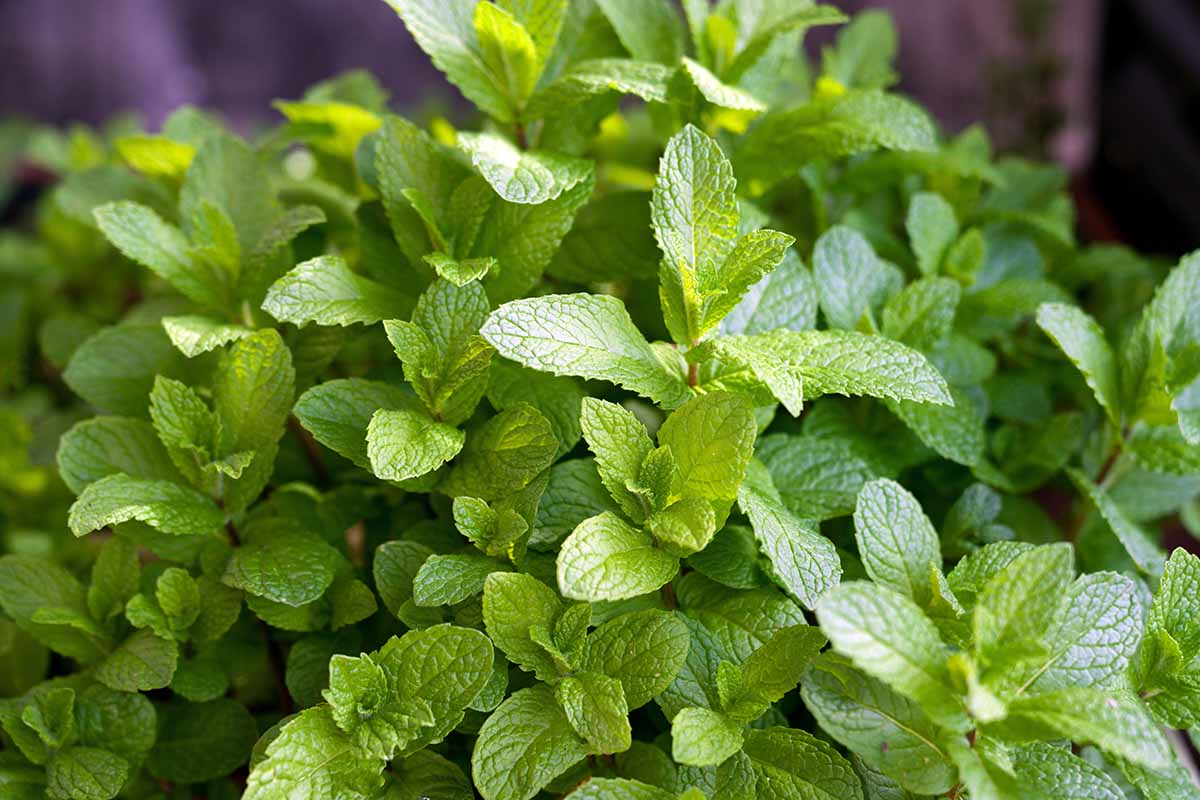
15 of the Best Mint Varieties to Grow at Home

A close up horizontal image of the foliage of a mint plant growing in containers outdoors.

With a bright, sweet flavor, pretty flower spires, and fast growth, mint is a favorite herb used as a ground cover, potted kitchen herb, or as an ornamental. And with a wide range of scented, flavorful varieties, there are several suitable for most settings. Learn about 15 mint of the best mint varieties in this guide.

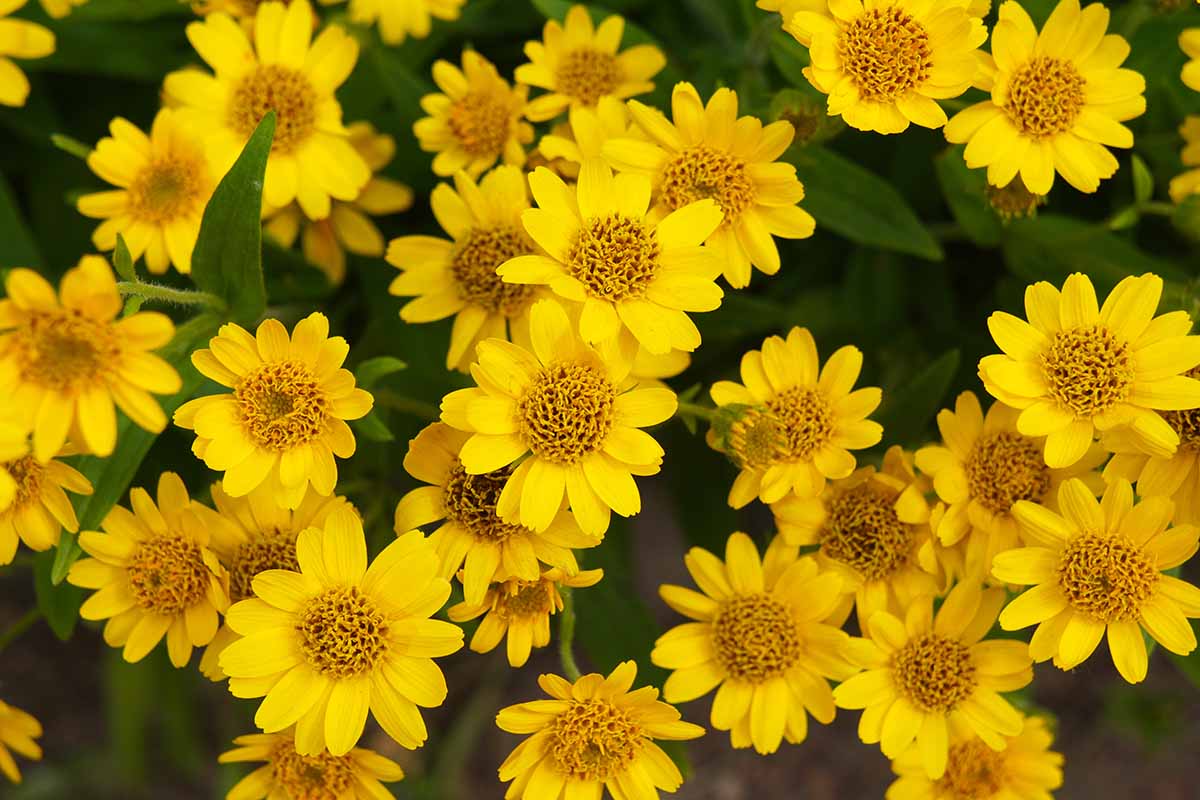
How to Plant and Grow Arnica

A horizontal image of bright yellow Arnica chamissonis flowers growing in the garden with foliage in soft focus in the background.

Arnica is a fast-growing, hardy perennial with fragrant yellow flowers that can be harvested for their medicinal properties. Resistant to most pests and diseases, and attractive to pollinators, arnica makes a great addition to any garden! Learn how to grow and care for arnica in this guide. Read more now.

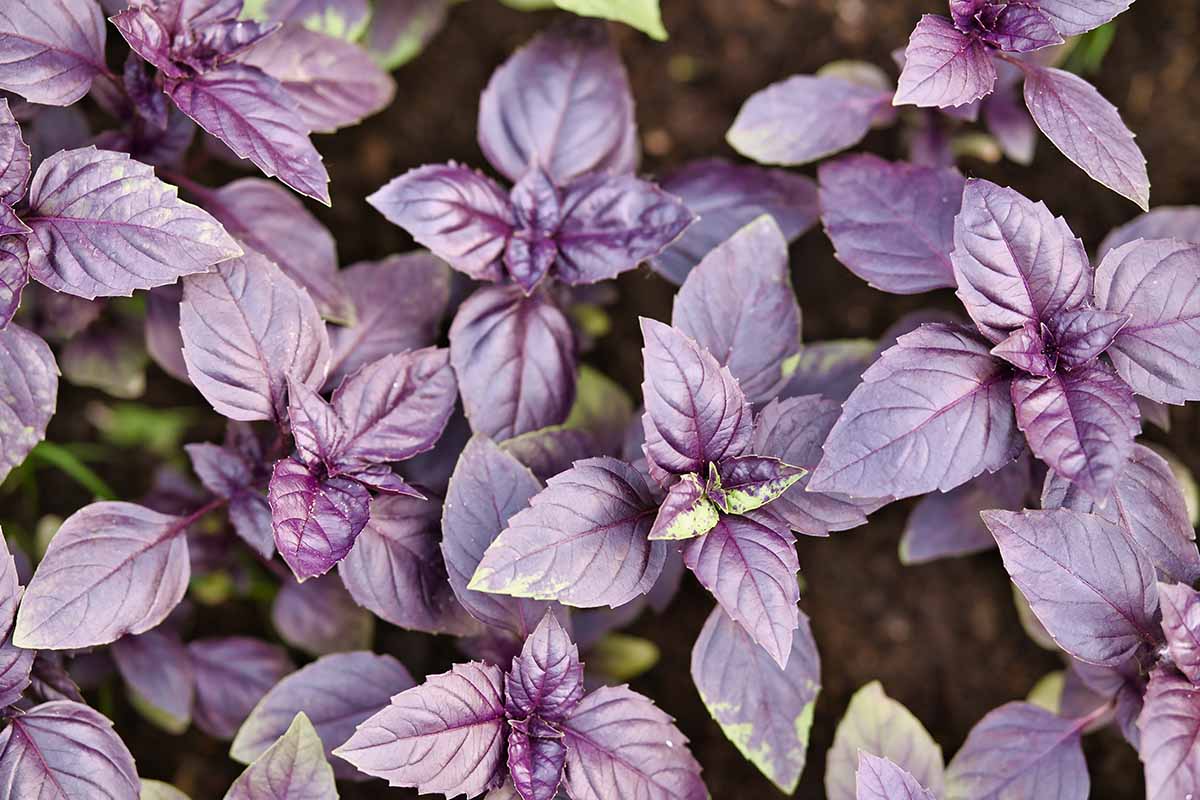
How to Plant and Grow ‘Dark Opal’ Basil

A horizontal close up of the dark purple leaves of a 'Dark Opal' basil plant.

‘Dark Opal’ basil is beautiful enough to be a garden ornamental but it has all the spicy, citrusy flavor you expect from standard sweet basil. It’s a dual-purpose option for the herb garden. Learn how to care for this deep purple basil cultivar so you can enjoy the dramatic leaves as a garden feature or kitchen herb.

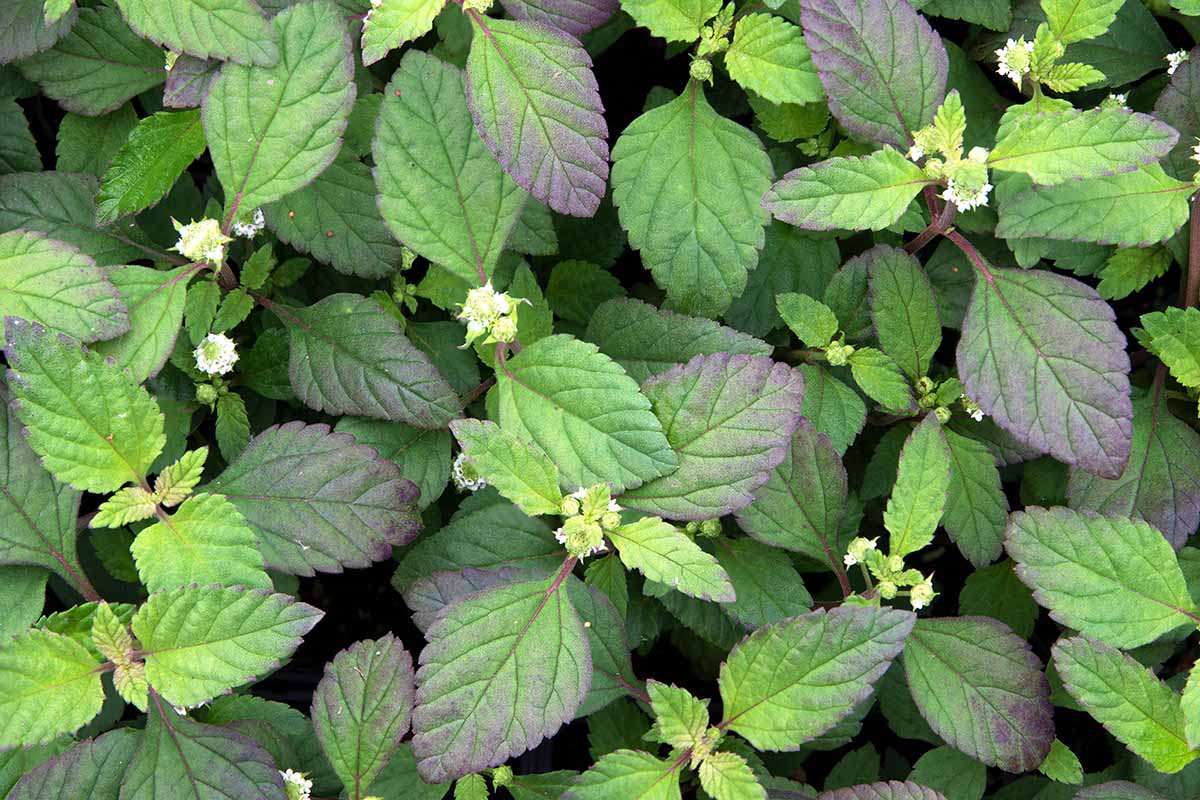
How to Plant and Grow Aztec Sweet Herb

A horizontal photo shot from above of Aztec sweet herb plants growing together.

Aztec sweet herb is extremely sweet, adaptable, and easy to grow in warmer climates, from Zone 9b and up. But it might be too easy to grow, and can spread readily if you leave it unchecked. Learn about growing, controlling, and how to use up all of your Mexican lippia, aka honeyherb, in this comprehensive guide.

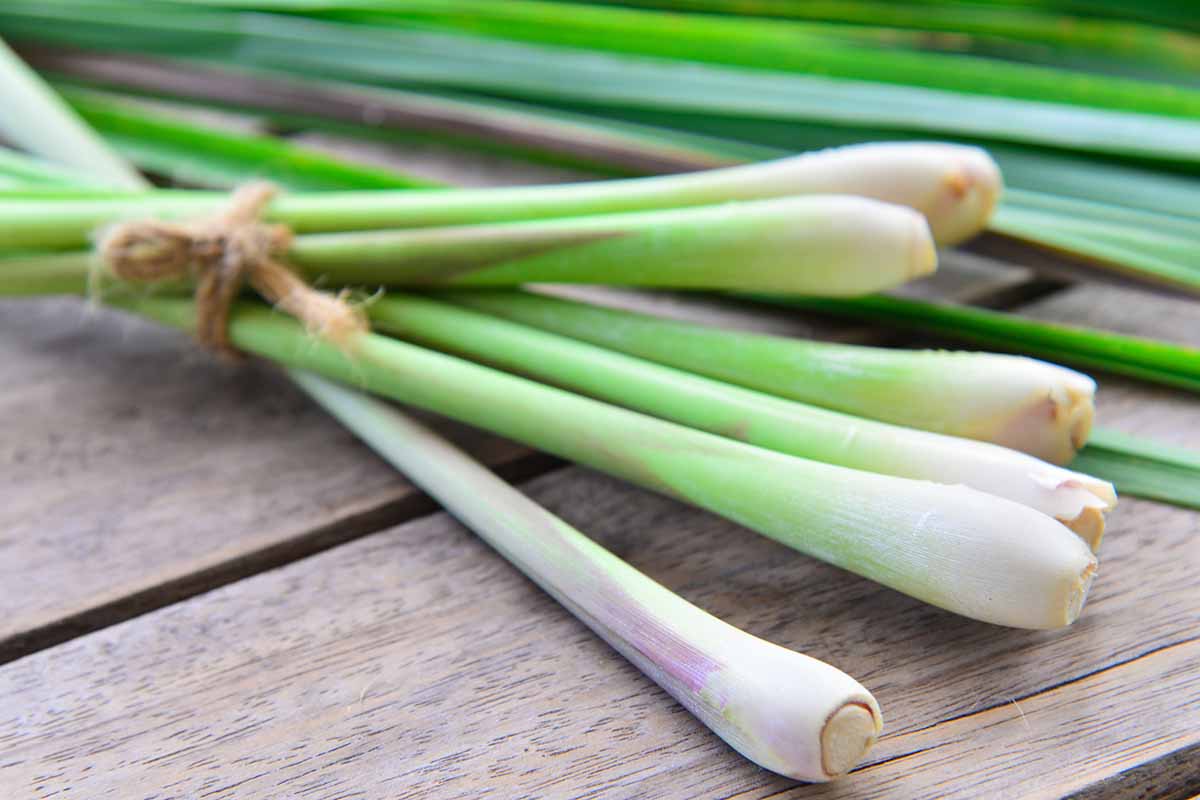
Tips for Growing Lemongrass Indoors

A close up horizontal image of freshly harvested lemongrass (Cymbopogon citratus) stalks set on a wooden surface.

Lemongrass is a tropical, perennial grass with fragrant stalks and leaves that add citrus flavor to a variety of dishes. If you want to enjoy this tasty herb year-round, you can cultivate the plants indoors. In this guide, we cover propagation and growing advice so you can easily cultivate your own lemongrass indoors.

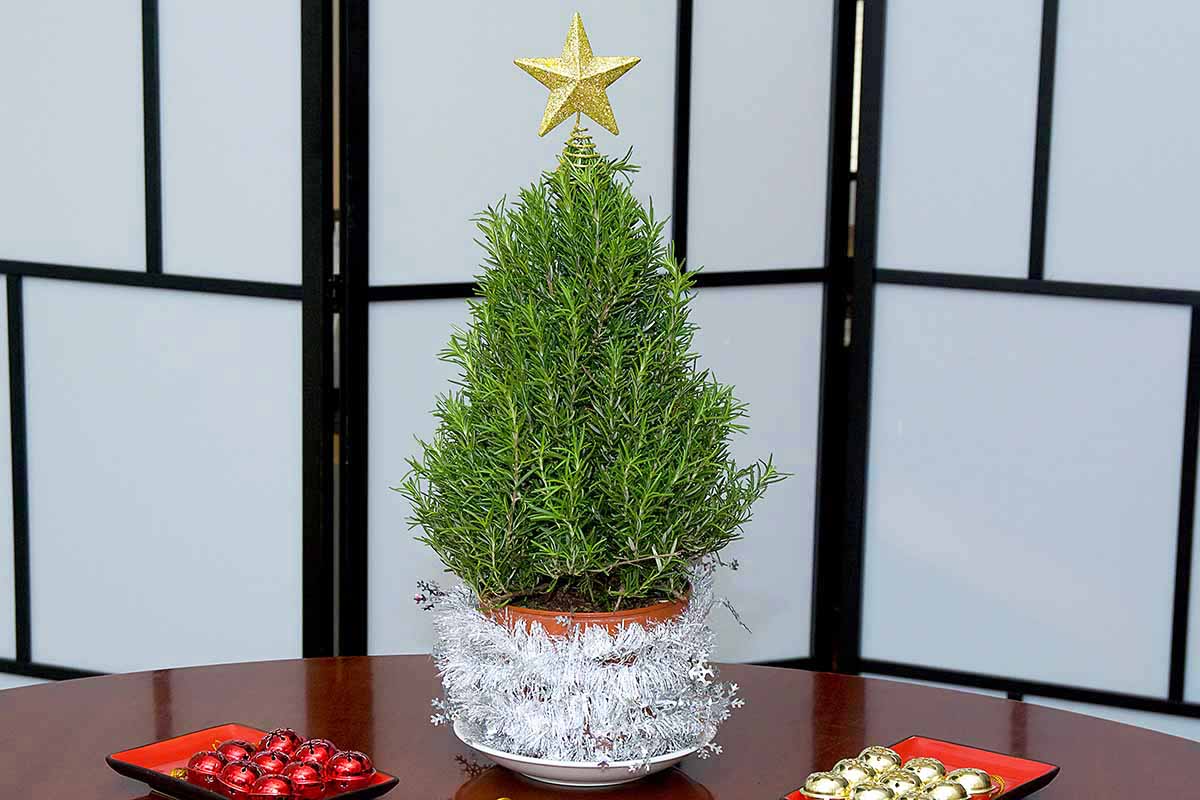
How to Care for a Rosemary Christmas Tree

A horizontal image of a rosemary Christmas tree sitting on a wooden table. The tree is in a terra cotta pot wrapped in shiny garland and a gold star sits on top.

If you don’t have the room for a full-sized tree, bring the cheer the holidays into your home but in miniature with a cute little pruned and shaped rosemary Christmas tree. Learn how to prune a rosemary plant into a mini Christmas tree and how to care for it during the holidays and beyond in this guide. Read more now.

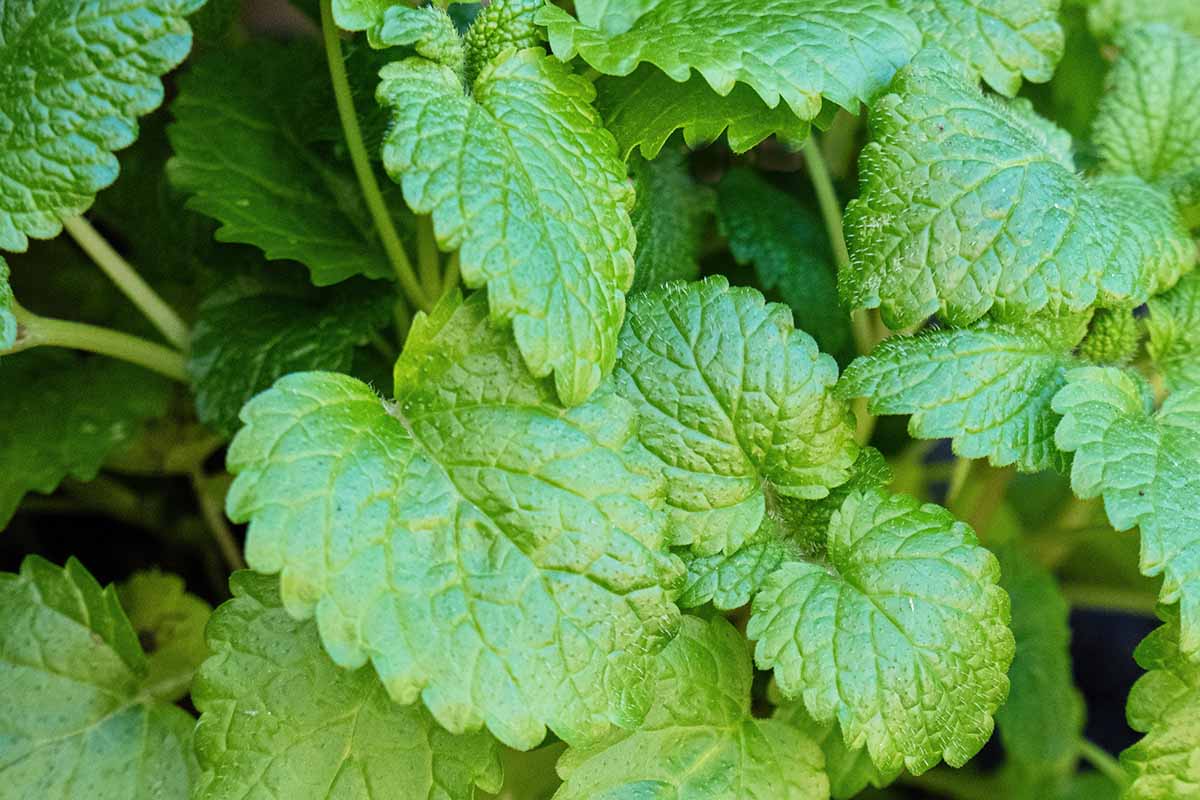
Tips for Growing Lemon Balm Indoors

A horizontal close up of Melissa officinalis growing in an outdoor garden.

Aromatic and citrusy, lemon balm can be used to flavor a variety of beverages and foods from cocktails and tea to pesto. Plants are easy to grow in the garden and go dormant in cold weather, but you can still enjoy this tasty herb year-round by growing plants inside. Learn how to grow lemon balm indoors in this guide.

How to Grow ‘Polish Hardneck’ Garlic

A close up horizontal image of three 'Polish Hardneck' garlic cloves set on a wooden surface.

‘Polish Hardneck’ is the garlic lover’s garlic. The flavor is rich, robust, and complex. It lasts in storage somewhere cool for months, and the skin comes off the cloves readily, so it’s easy to cook with and eat. The big, white bulbs are ready in about 240 days and they contain lots of cloves. What’s not to love?

How and When to Harvest Chicory Roots and Leaves

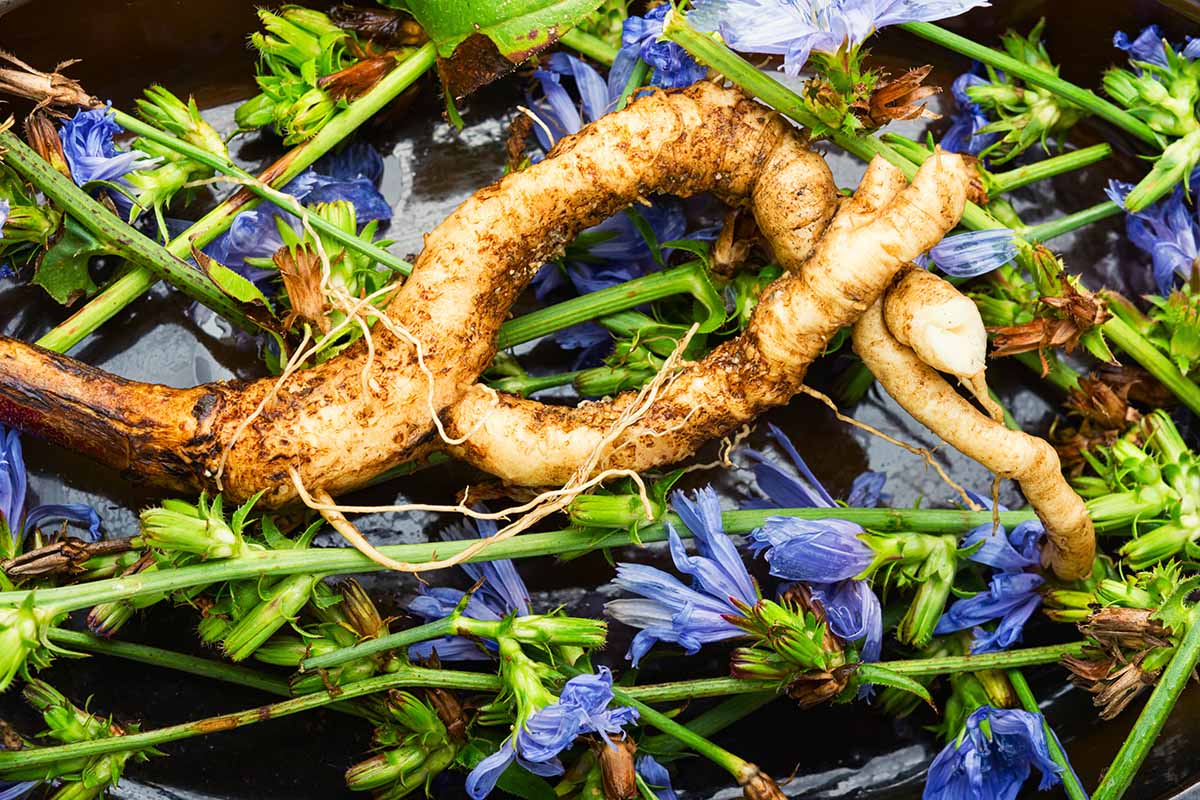
A top down shot of two chicory roots on top of harvested chicory leaves and blooms.

Learn everything you need to know about harvesting chicory plants in this comprehensive guide. Find out when to harvest for optimum flavor, and master the best methods for harvesting both nutrient-rich leaves and roots. Discover valuable tips for preservation and storage to enjoy this herb year-round. Read more.

When and How to Harvest Caraway Seed

Close up of a caraway flower head with mature seeds ready for harvest.

Caraway is an aromatic herb that is entirely edible. Usually grown as a biennial, flowers yield to fruit in the second year. We call this fruit seed, and use it to flavor foods like classic rye bread. Read on and learn when and how to harvest the pungent seed for recipes and future crops, right here on Gardener’s Path.

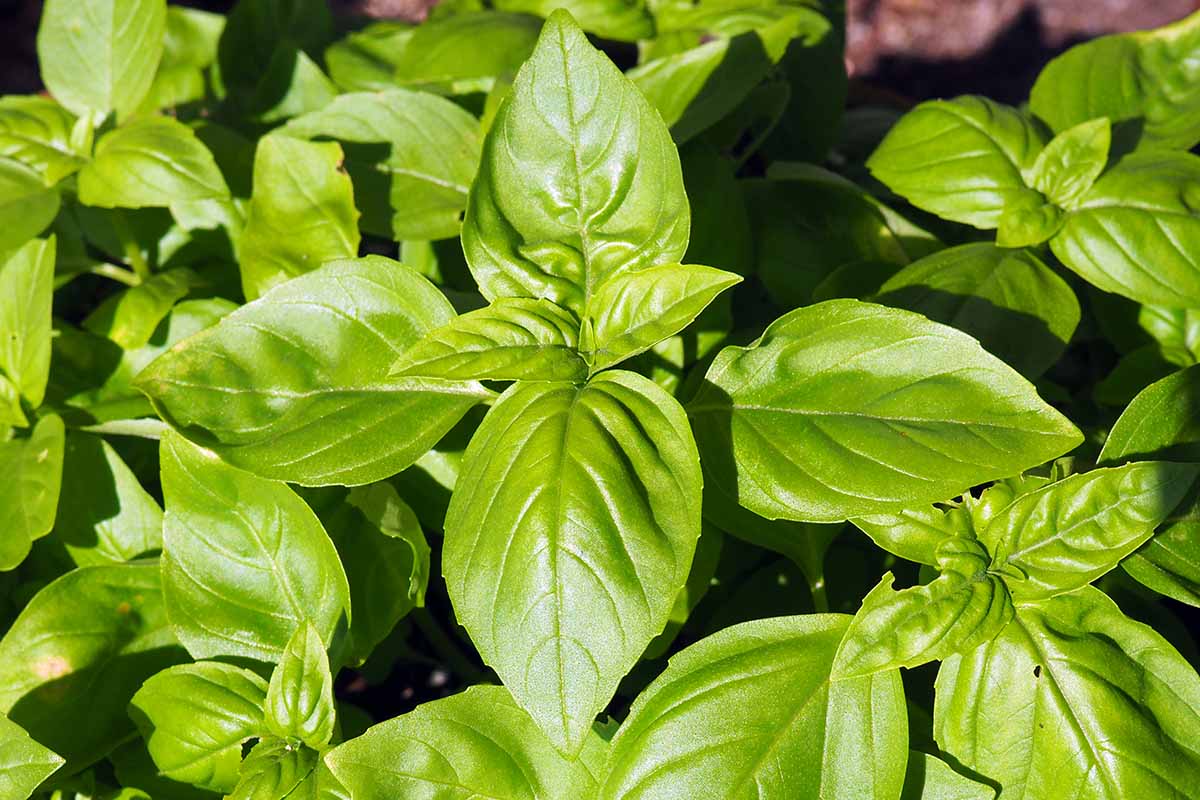
How to Plant and Grow Basil

A close up horizontal image of basil foliage growing in a sunny spot in the garden.

A beautiful, warm weather herb with large, aromatic leaves, sweetly spicy basil is widely used to flavor both savory and sweet foods and beverages. Easily cultivated and fast growing, it’s an excellent container plant and a natural in herb and kitchen gardens. Keep reading to learn how to grow basil.

7 Reasons Why Garlic Leaves Fall Over

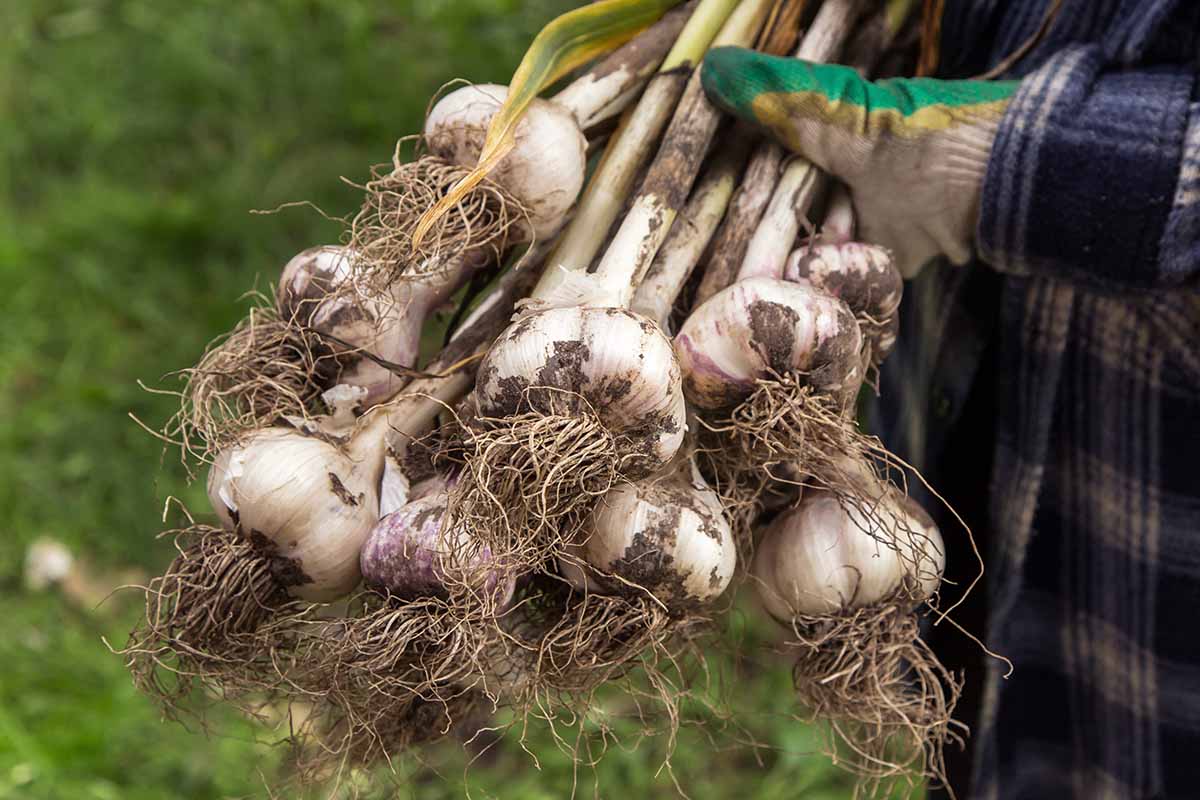
A horizontal photo showing a close-up of a bunch of freshly harvested garlic held by two hands in green garden gloves.

Are the leaves of your garlic plants falling over? Several things may cause the foliage to collapse when growing your own garlic, from wind and pests to watering issues and disease. If you want to be able to dig into the tasty bulbs once they mature, you need to figure out the cause of this problem and how to fix it.

Lemongrass Winter Care: How to Prepare for the Cold

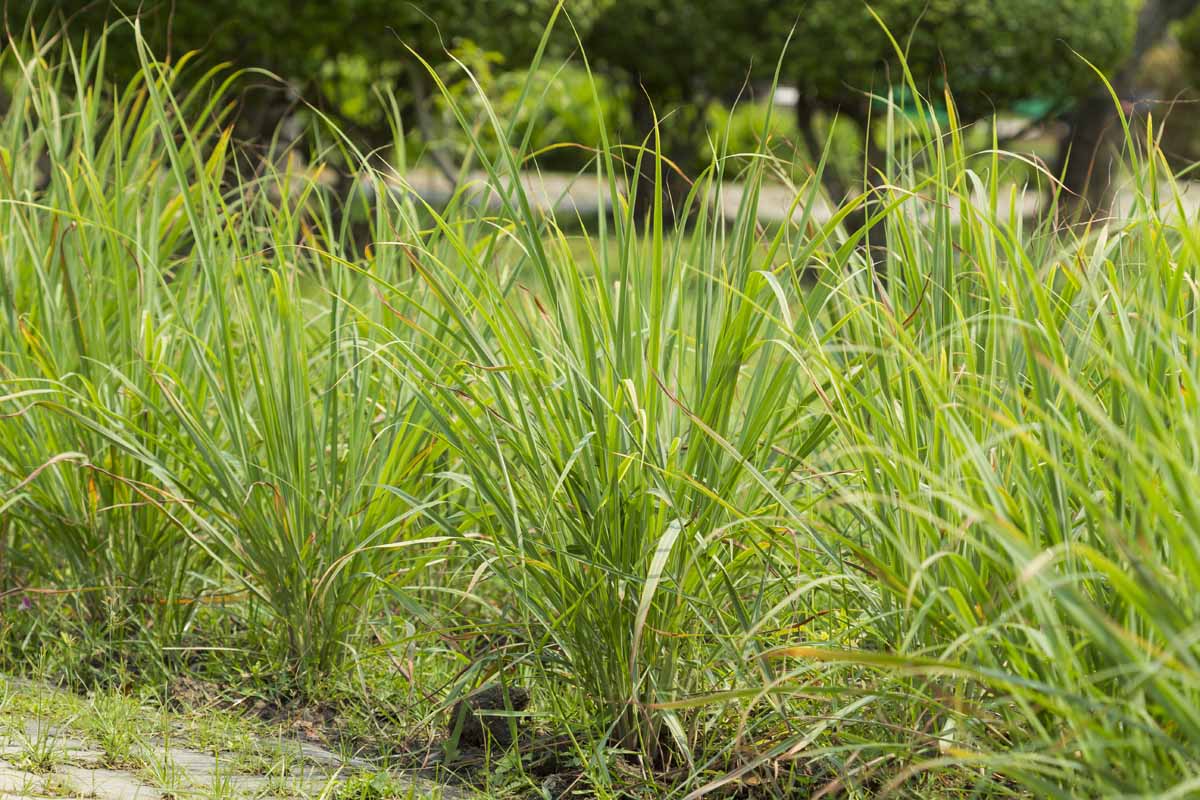
A row of lemongrass plants growing in the garden with long, thin, upright, green leaves. In the background are trees and vegetation in soft focus.

Lemongrass brings a tropical touch to your garden, with its long leaves and citrusy scent. But it needs a bit of extra care and attention if it’s to survive the winter chill. To learn what steps to take to prepare your plants for the change of season, and the protection they need for overwintering, read more now.

How to Plant and Grow Winter Savory

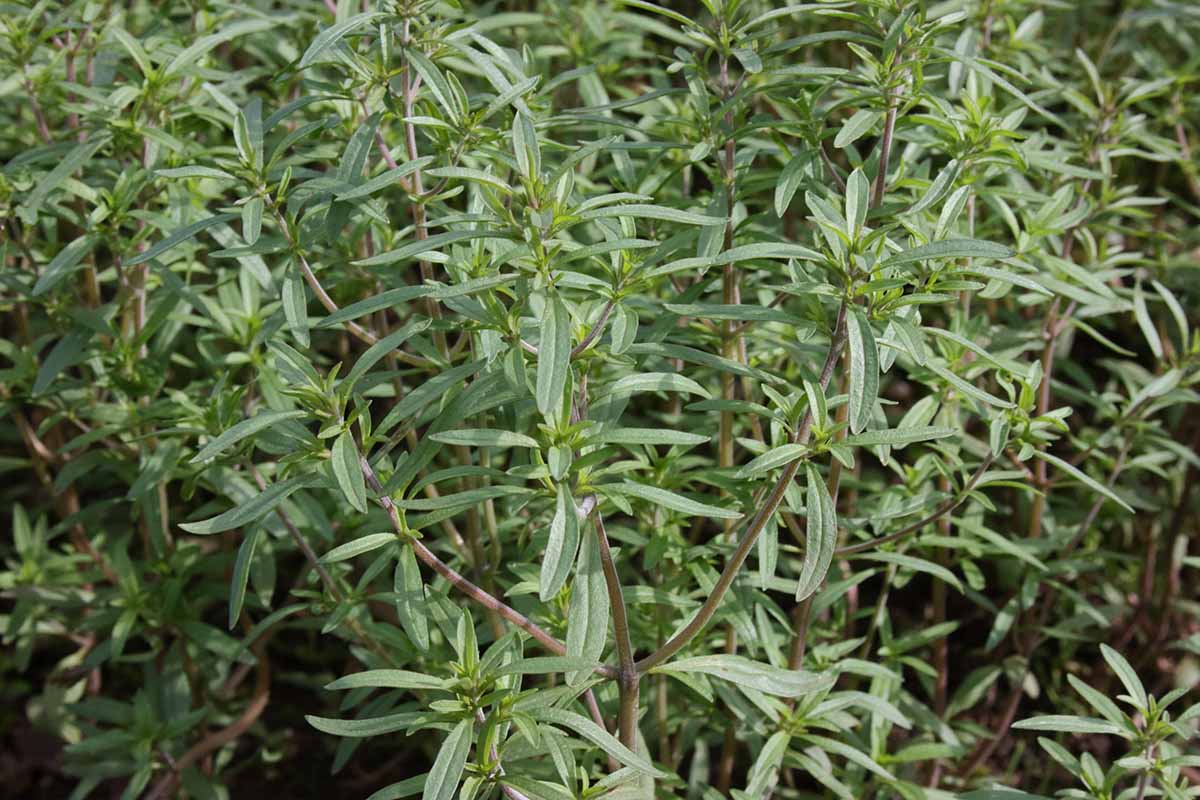
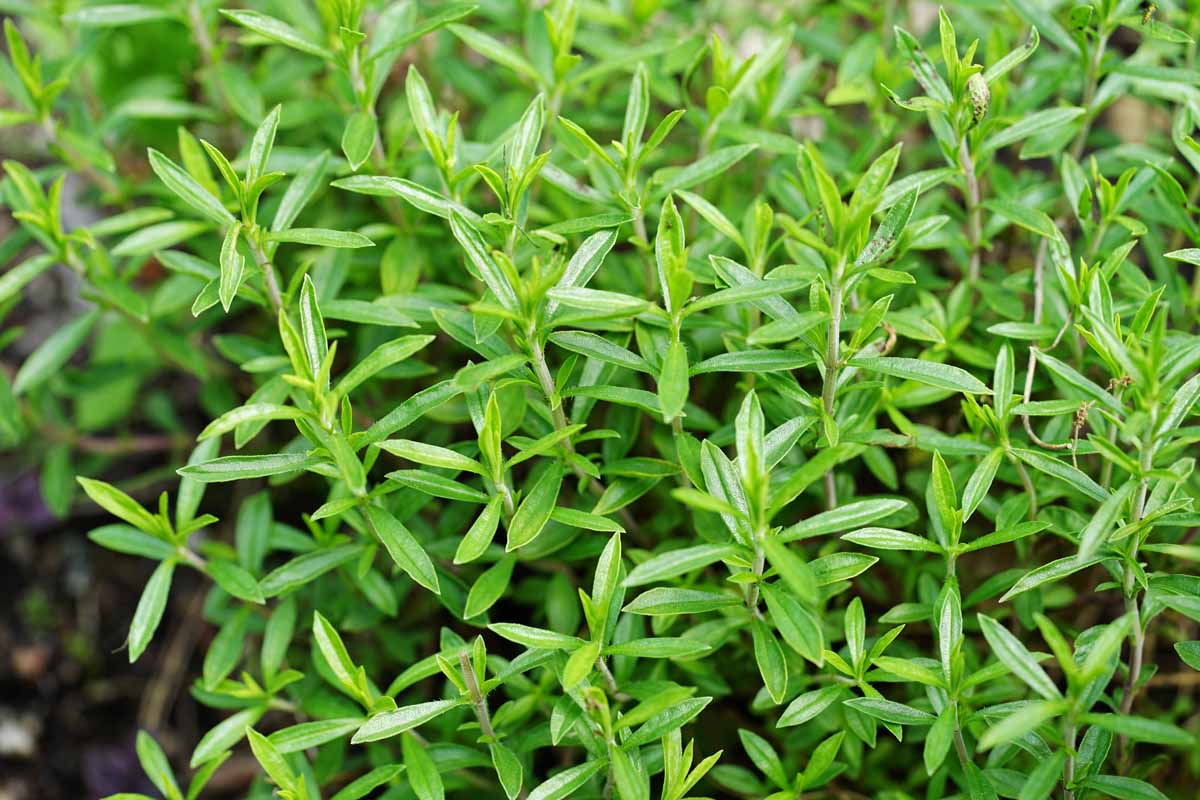
A close up of a Satureja montana plant, with long thin bright green leaves against a dark background in soft focus.

Winter savory is the perennial cousin of the annual summer variety, and its evergreen leaves can be enjoyed in recipes year-round. This easy-to-grow herb adds a peppery umami flavor to bean dishes, game, meat, and stuffing, and makes a great companion plant in the garden. Read more now to learn how to grow your own.

How to Identify and Control 7 Garlic Diseases

A close up horizontal image of freshly harvested garlic bulbs pictured on a soft focus background.

Don’t let terrible garlic diseases deprive you of your harvest. Whether it’s botrytis rot or a nasty case of downy mildew, pathogens can kill your plants and rot your bulbs. Learn what to look for, how to tell one disease from another, how to prevent problems, and what to do if diseases do show up. Read more now.

How to Harvest and Save Basil Seed

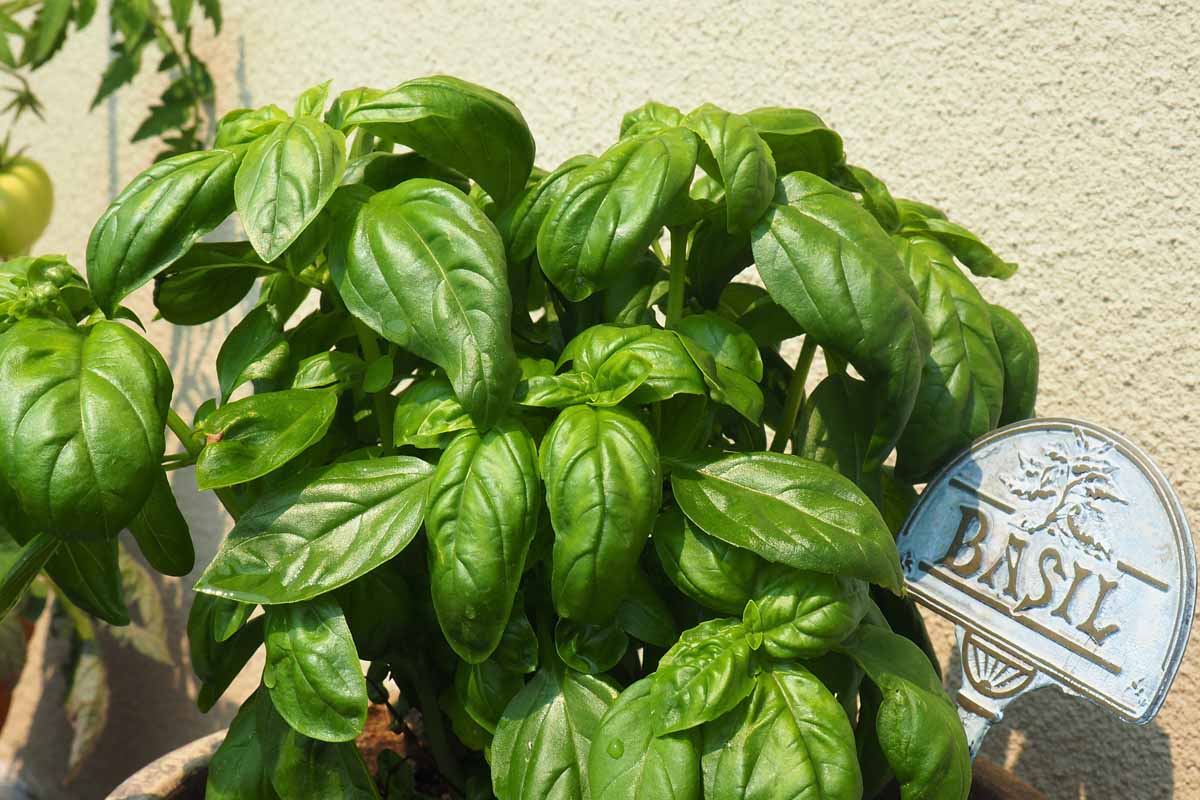
A close up horizontal image of a large basil plant growing in a pot in bright sunshine with a metal plant sign to the right of the frame.

Building your own supply of top-performing garden seeds is fun and easy – an economical way to ensure constant access to your favorite flowers, herbs, and veggies. Curate your own heritage collection and avoid the disappointment of market whims and disappearing varieties. Here’s how to harvest and save basil seed.

How to Cure and Store Garlic from the Garden

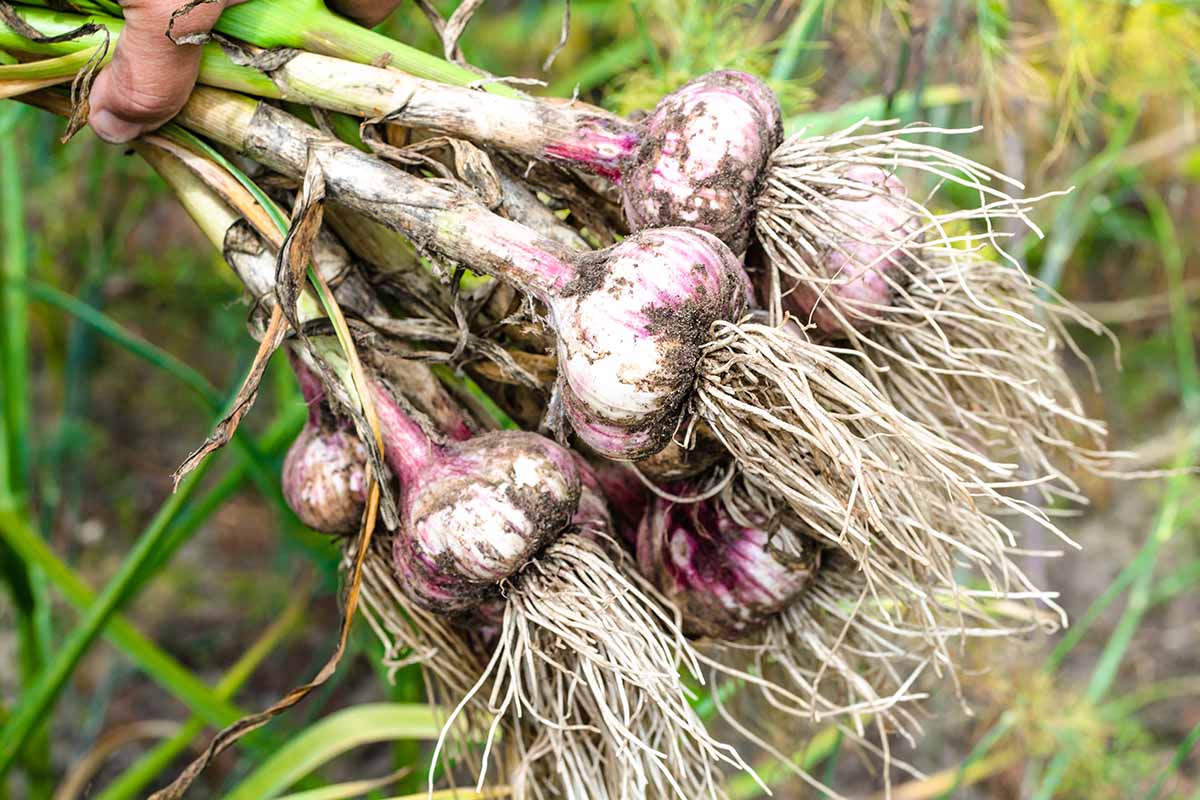
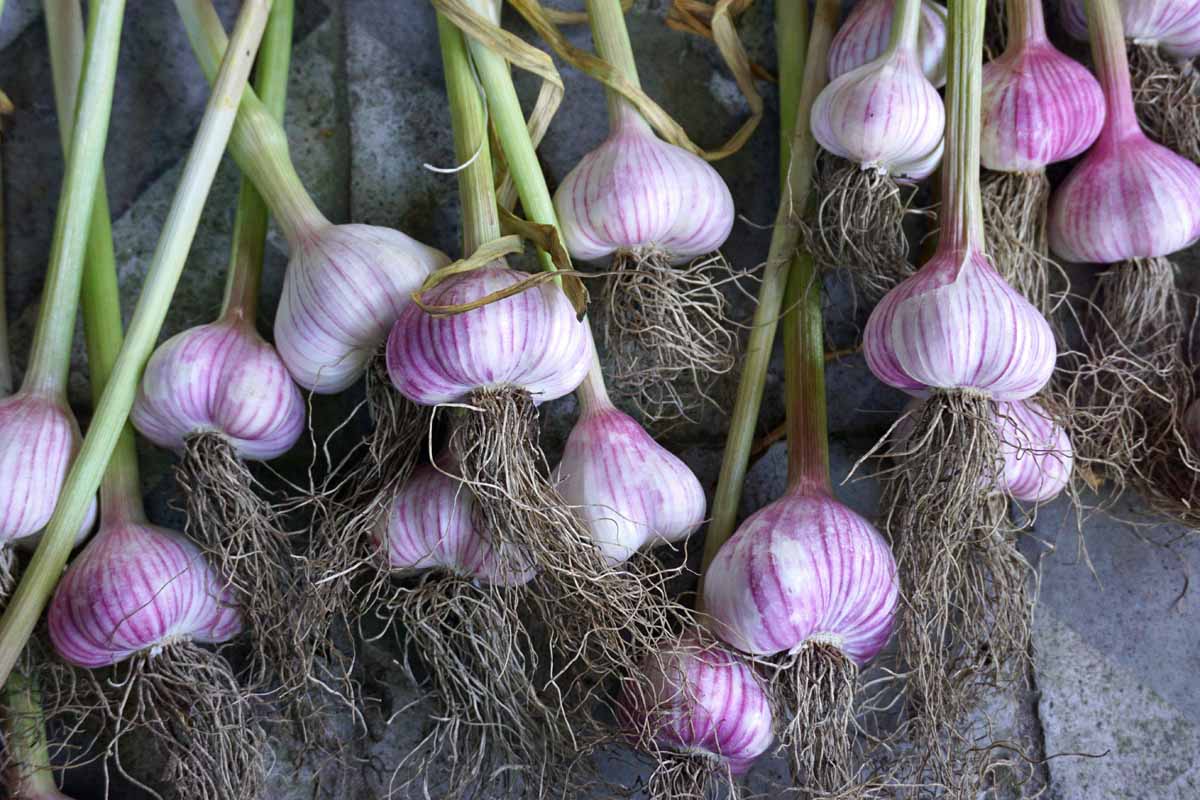
Freshly harvested softneck garlic from the garden with roots and tops still attached set on a tiled surface.

Garlic is a kitchen must-have. And you can enjoy the rich flavor of your own harvest year-round with one, or all, of our storage methods. Use a traditional braid to hang bulbs from the rafters, or try them dehydrated, frozen, or even pickled. Find out how to cure and store garlic from the garden now. Read more.

How to Grow and Care for Bay Laurel Trees

A close up horizontal image of bay laurel foliage pictured in bright sunshine on a soft focus background.

Bay laurel is a beautiful and easy-care perennial evergreen that’s a popular ornamental for containers, hedges, privacy screens, and topiary specimens. Plus, the aromatic leaves are a must-have as a kitchen seasoning and for herb blends. Find all the details on how to grow and care for bay laurel right here. Read more.

The Three Ways to Propagate Garlic

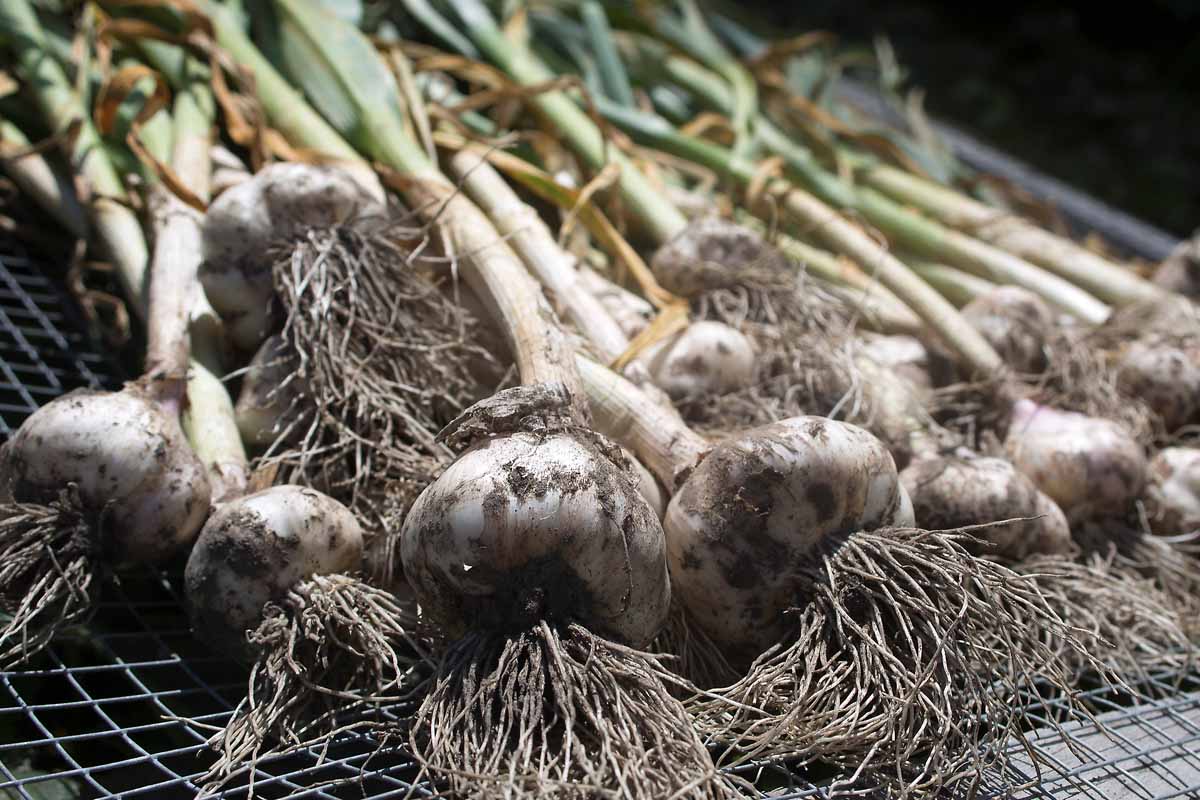
A close up of Allium sativum bulbs with the roots and foliage still attached, set out to dry on a wire mesh in the sun.

If you love garlic and want to grow your own, you’ll need to know how to propagate it. Learn about the three different methods of propagating garlic – from cloves, bulbils, or from seed. Discover the pros and cons of each method and you’ll be on your way to an aromatic garlic garden in no time. Read more now.

How to Propagate Rosemary Plants

A close up horizontal image of rosemary plants growing in the garden.

Rosemary is a delightfully aromatic herb that is most commonly propagated from stem cuttings or by layering. Armed with the right information and just one established plant, you can easily grow countless more. Learn about the various methods of propagating rosemary in this step-by-step guide. Read more now.
15 Ways to Use Dandelions for Food and Medicine

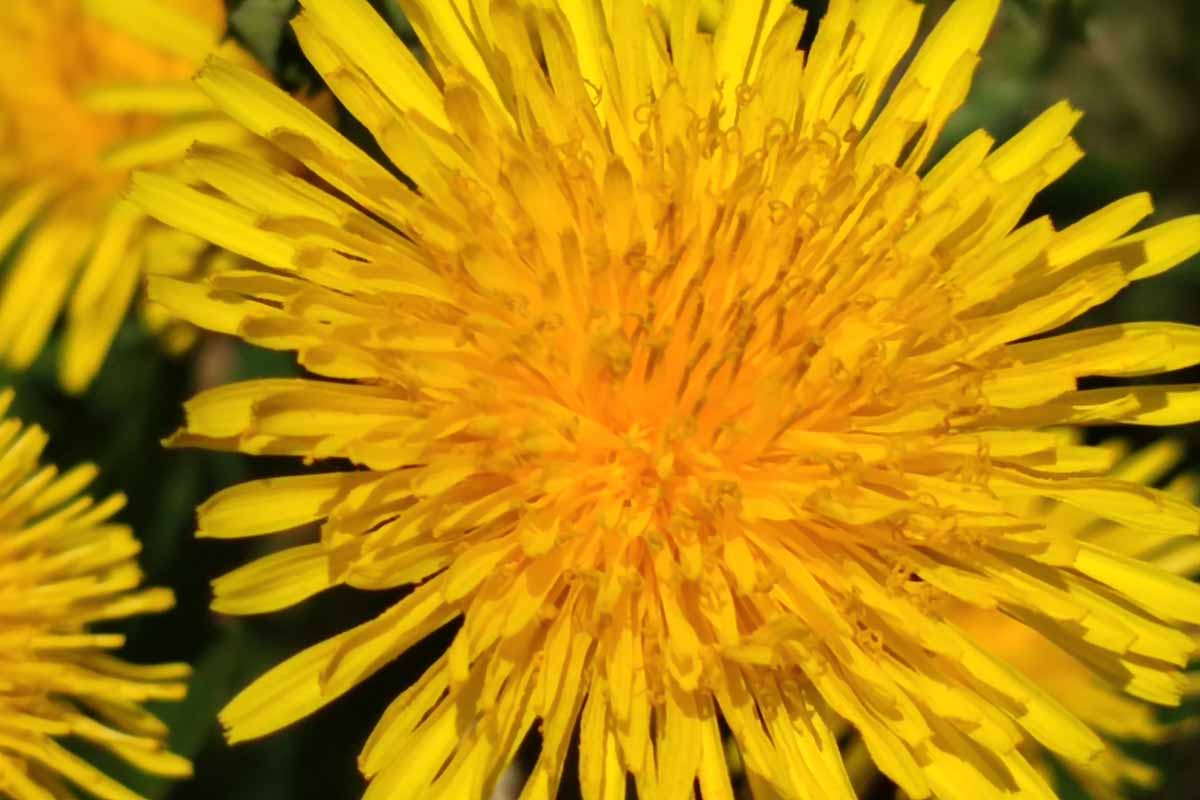
A close up horizontal image of a yellow dandelion flower pictured in bright sunshine on a soft focus background.

Pretty dandelions are overcoming their “weedy” reputation. The leaves, roots, and flowers are full of good stuff on top of being delicious, and can be used in many ways, both as food and medicine. Here are 15 ways, from a coffee substitute to a healing tincture, to use these nutritious and health-promoting plants.

Tips for Growing Garlic in Warm Climates

A close up horizontal image of freshly harvested garlic bulbs set on a rubber mat in light sunshine.

Everyone should have garlic in their garden, even those in hot areas. Garlic takes little space, repels pests, and produces abundantly. It’s possible to grow anywhere in the continental US, but those in warmer regions need to use a few tricks like picking the right types, mulching, and knowing when to plant. Read more.

How to Plant and Grow Bee Balm

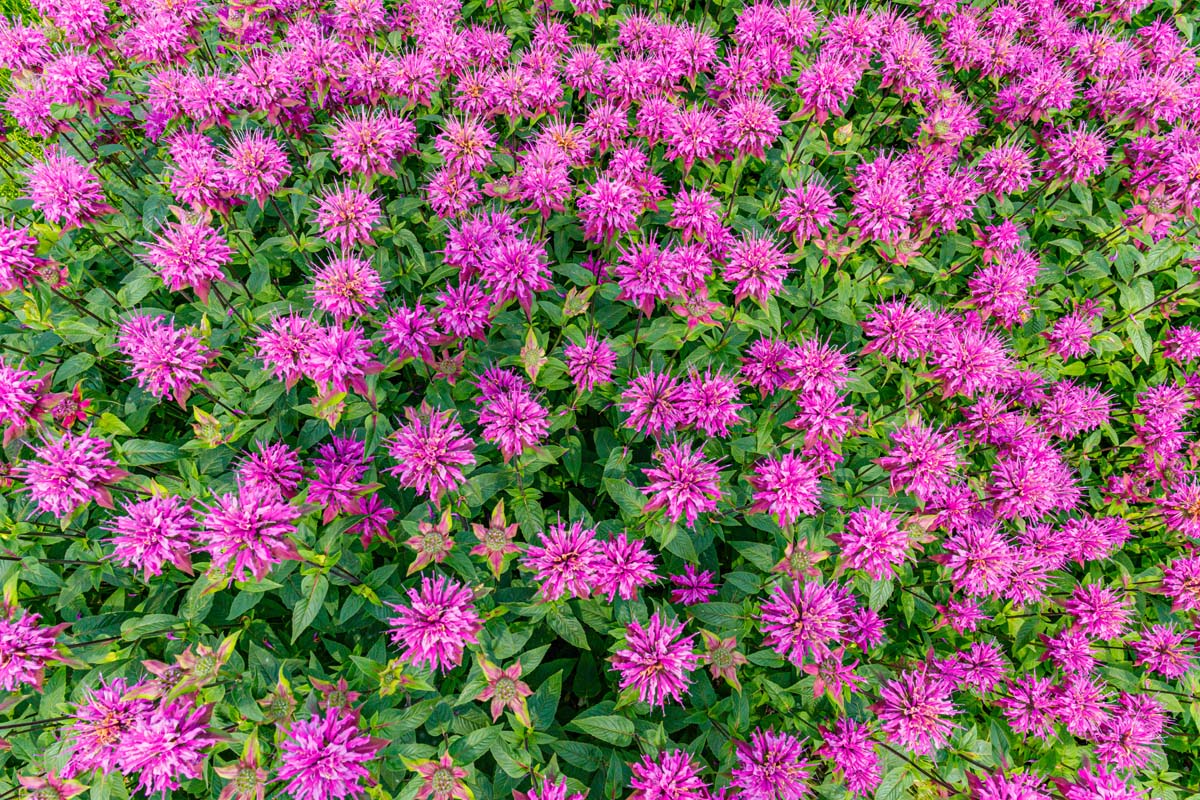
A top down close up of a border planted with bright purple monarda blossoms. The vibrant color contrasting with the dark green foliage in the light sunshine.

Uniquely beautiful, edible, and medicinal, bee balm makes a spectacular addition to any perennial garden. Just ask the butterflies, bees, and hummingbirds when they come flocking to your garden en masse. Learn how to grow, harvest, and use this herbaceous perennial now.

How to Harvest and Store Seed Garlic for Planting

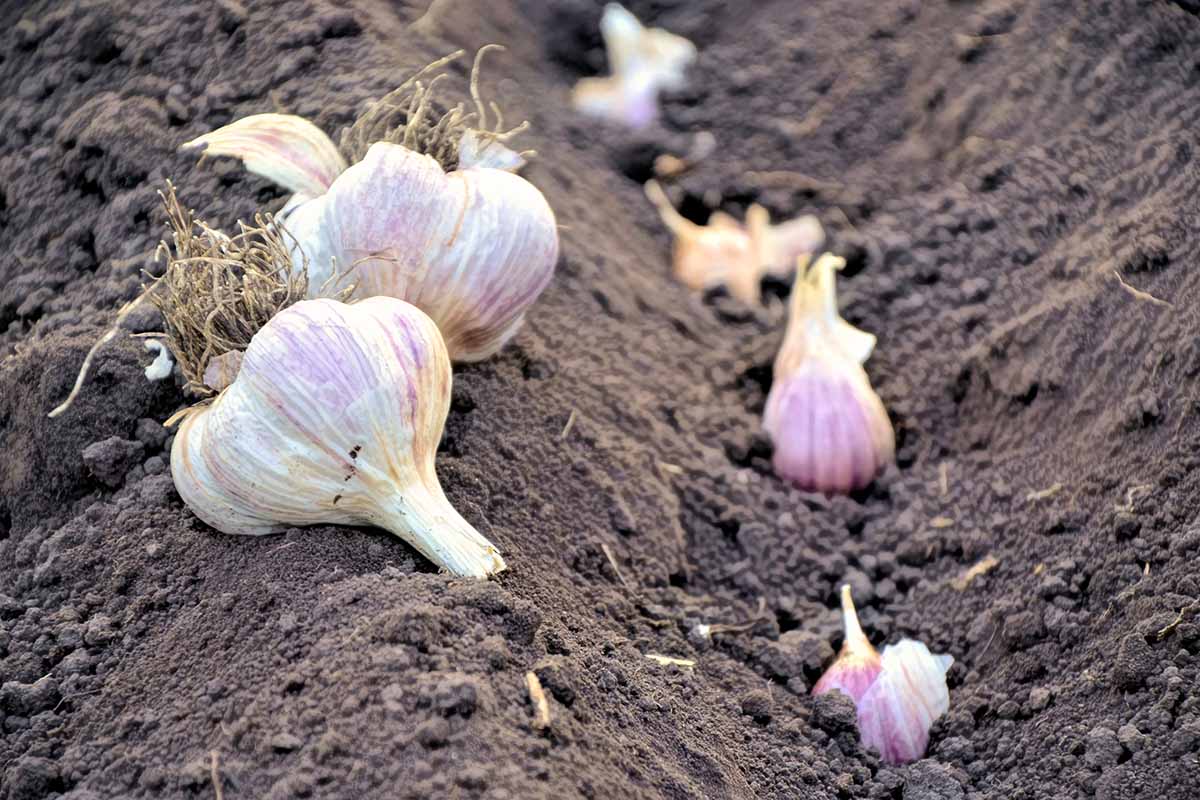
A close up horizontal image of seed garlic planted in the garden in dark, rich soil.

You’ve planted and successfully raised healthy garlic bulbs and now you want to store some of them to plant for next year. You don’t want all that hard work to go to waste, right? This guide explains how to harvest, clean, cure, and store your bulbs the right way to make them last long enough for planting. Read more.

15 Tropical Herbs and Spices to Grow in Your Garden

A close up horizontal image of a variety of different herbs and spices both fresh and dried.

Looking for tropical herbs and spices to grow in the garden? Take a look at our selection of warming rhizomes, flavorful leaves, and spicy seeds and fruits – these options are delicious additions to the homegrown spice rack. Keep reading to discover 15 different tropical herbs and spices you can grow in the backyard.

How to Grow ‘Chet’s Italian Red’ Garlic

A close up horizontal image of bulbs and cloves of 'Chet's Italian Red' garlic set on a wooden surface.

‘Chet’s Italian Red’ is a softneck garlic that brings less heat to the table than other types. Its subtle flavor is a nice change from that classic spicy kick. Discovered in Washington State, this easy to grow, low maintenance variety is definitely worth seeking out. Learn more about it in this guide. Read more now.
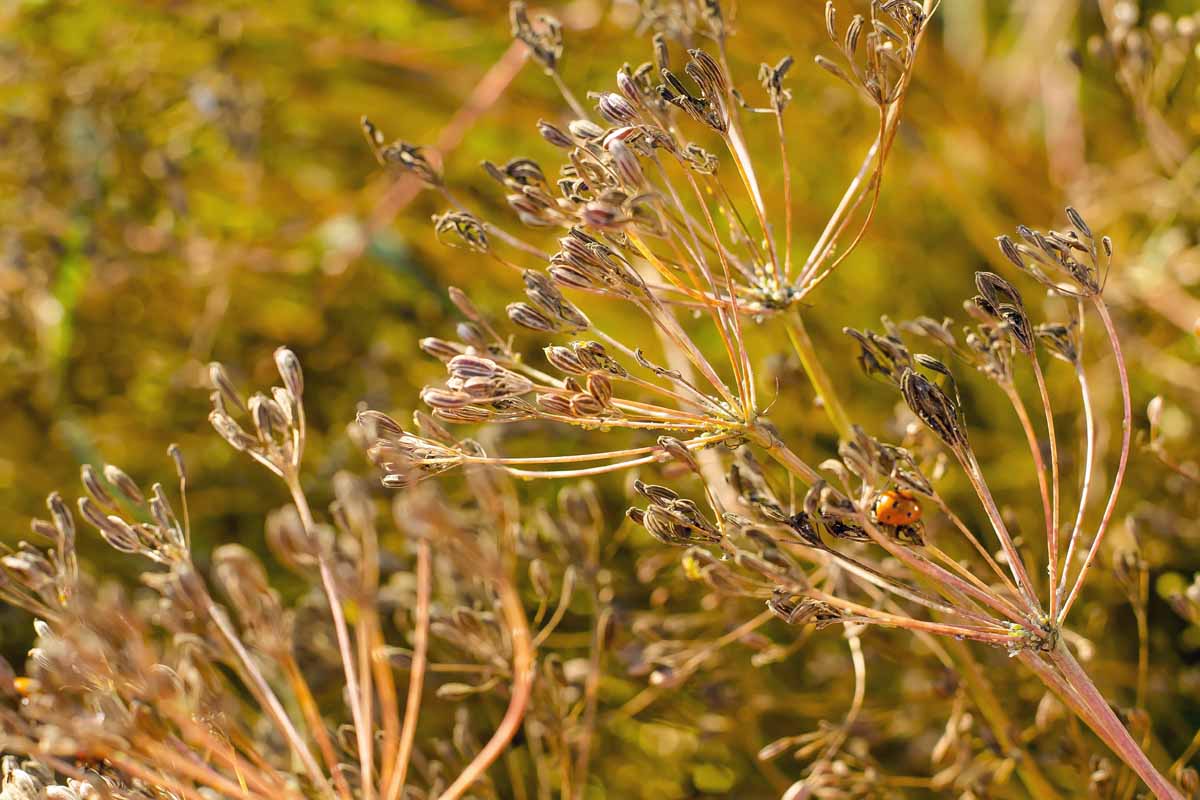
How to Control Lemon Balm and Keep It from Taking Over

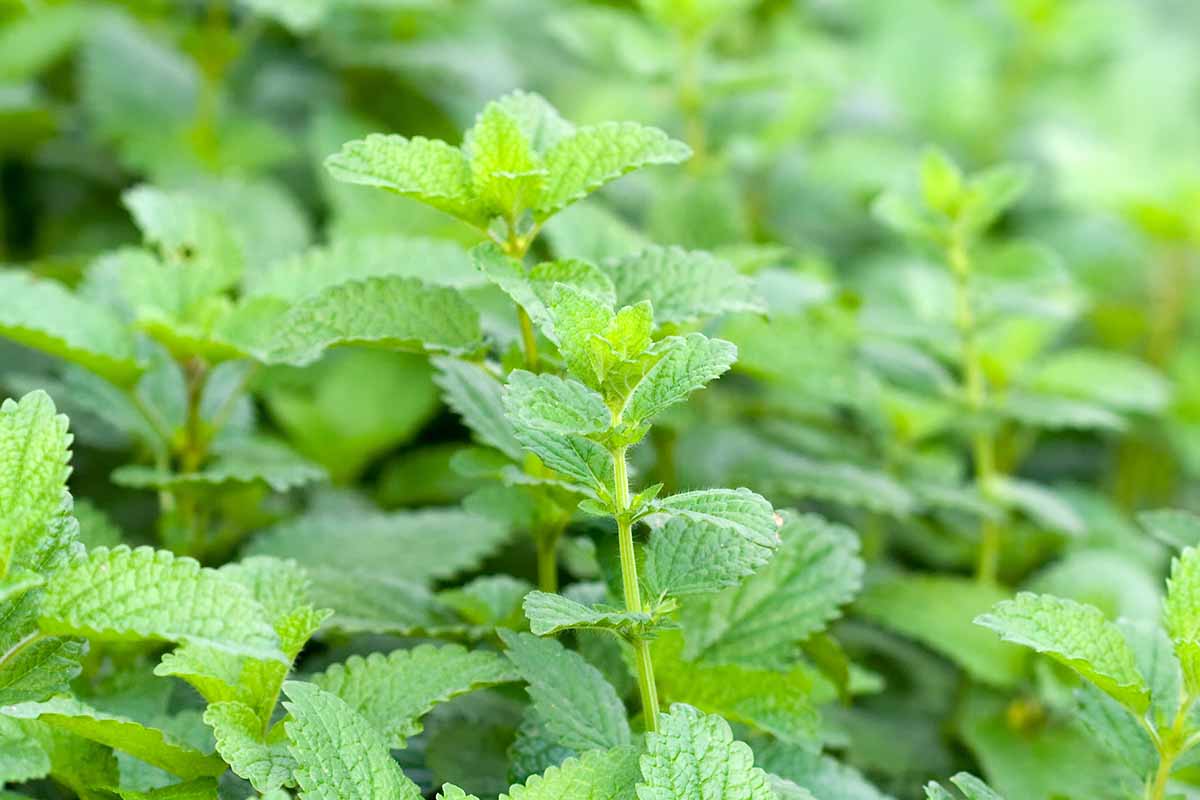
A close up horizontal image of lemon balm growing in the garden, fading to soft focus in the background.

Learn easy and effective strategies for keeping lemon balm under control in your garden or landscape. Our guide will help you easily manage the herb’s overgrowth and create a beautiful, thriving garden. Enjoy an abundance of lemon balm in areas you desire rather than where it chooses to sprout. Read more now.

How to Grow and Care for Coneflowers, A Native American Favorite

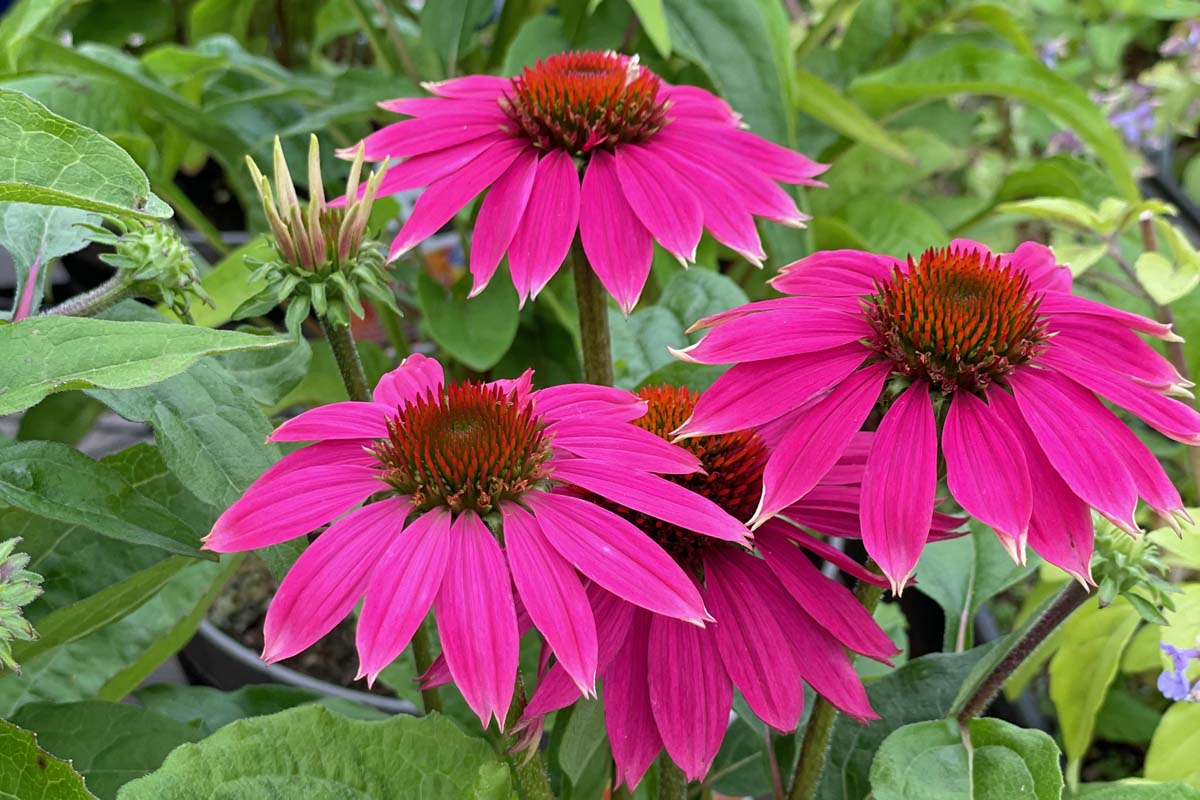
A close up horizontal image of bright pink coneflowers (echinacea) growing in the garden with foliage in soft focus background.

Coneflowers are a triple threat. They’re easy to grow, undeniably pretty and they’re also useful in the medicine cabinet, as you probably know. You can even make use of echinacea in the kitchen, which may come as a surprise to you! Ready to add these North American native beauties to your garden? Read more now.

Benefits of Black Garlic and How to Use It

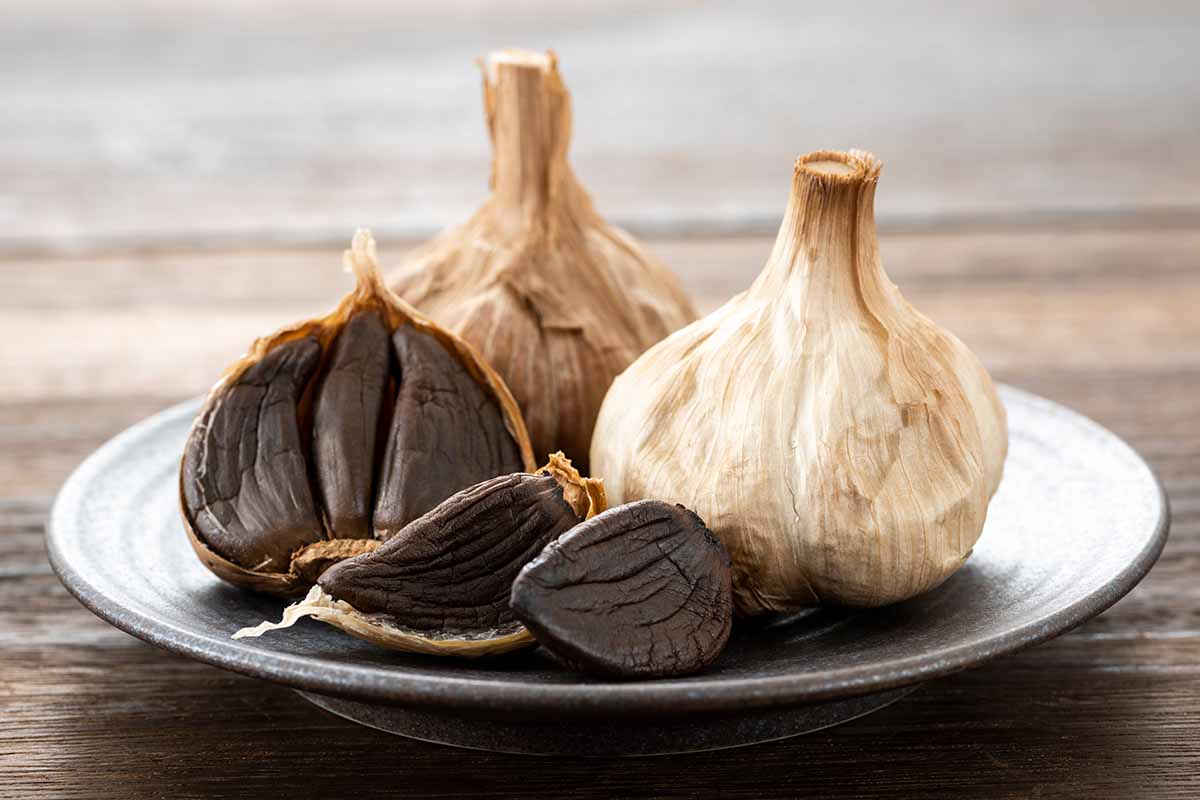
A close up horizontal image of bulbs and cloves of black garlic set on a dark gray plate on a wooden surface.

The flavor of black garlic isn’t as strong as that of fresh or cooked garlic, and it’s packed with healthy compounds! Uncover the secrets of black garlic including its history, how to make it, and where to buy some. Discover its unique culinary characteristics and how to use it, with some fun recipes to try. Read more.

5 of the Best Ways to Freeze Fresh Herbs

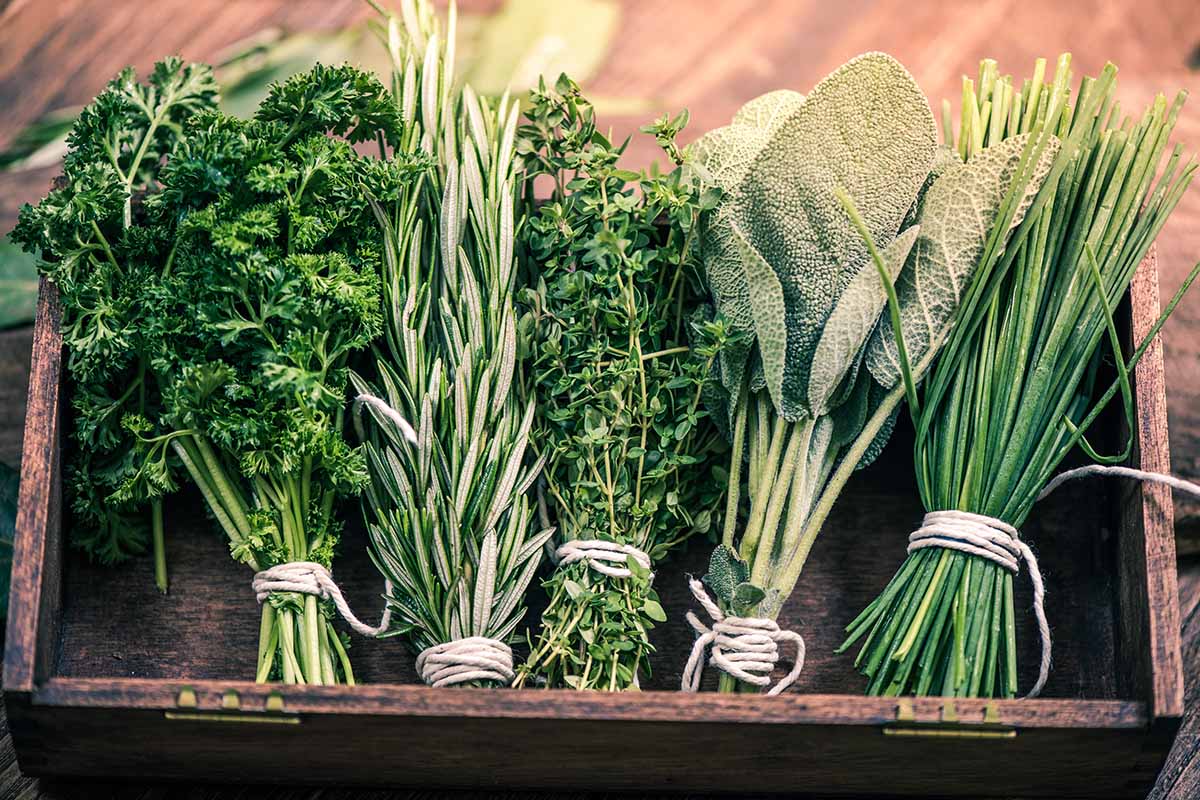
A close up horizontal image of a wooden tray with freshly harvested parsley, rosemary, thyme, sage, and chives, all tied in individual bunches with string and set on a wooden surface.

When your herb garden produces more than you can use fresh, freezing is a great way to preserve their flavor, fragrance, and nutrition. It’s fast, easy, and there’s no specialized equipment needed. Plus, it’s a smart way to reduce food waste. Learn about five of the best ways to freeze herbs in this guide. Read more now.
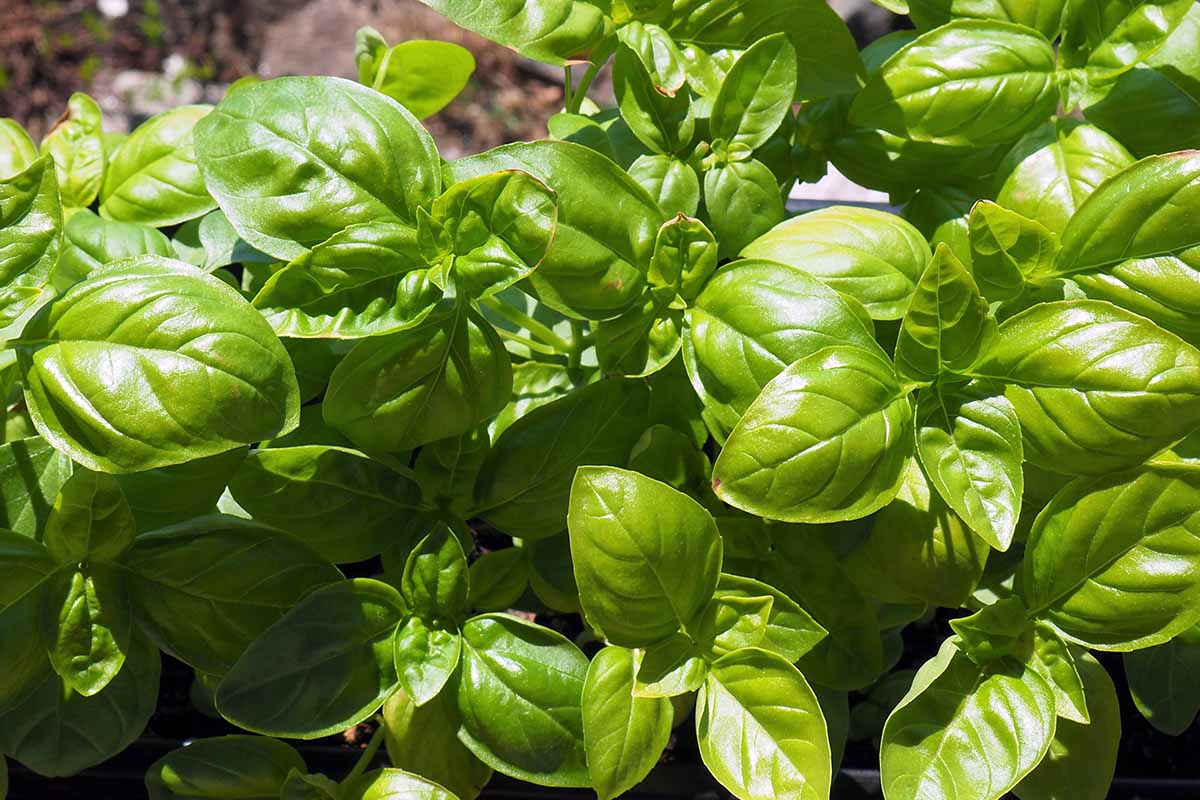
What’s the Difference Between English and German Chamomile?

A close up of the delicate white flowers of Matricaria chamomilla or German Chamomile in the summer garden.

Did you know there are two different types of chamomile with different growth habits and uses? German chamomile has cheerful flowers just waiting to be turned into tea, while English chamomile is ideal for growing as a low-maintenance ground cover. Learn about the differences between English and German chamomile now.
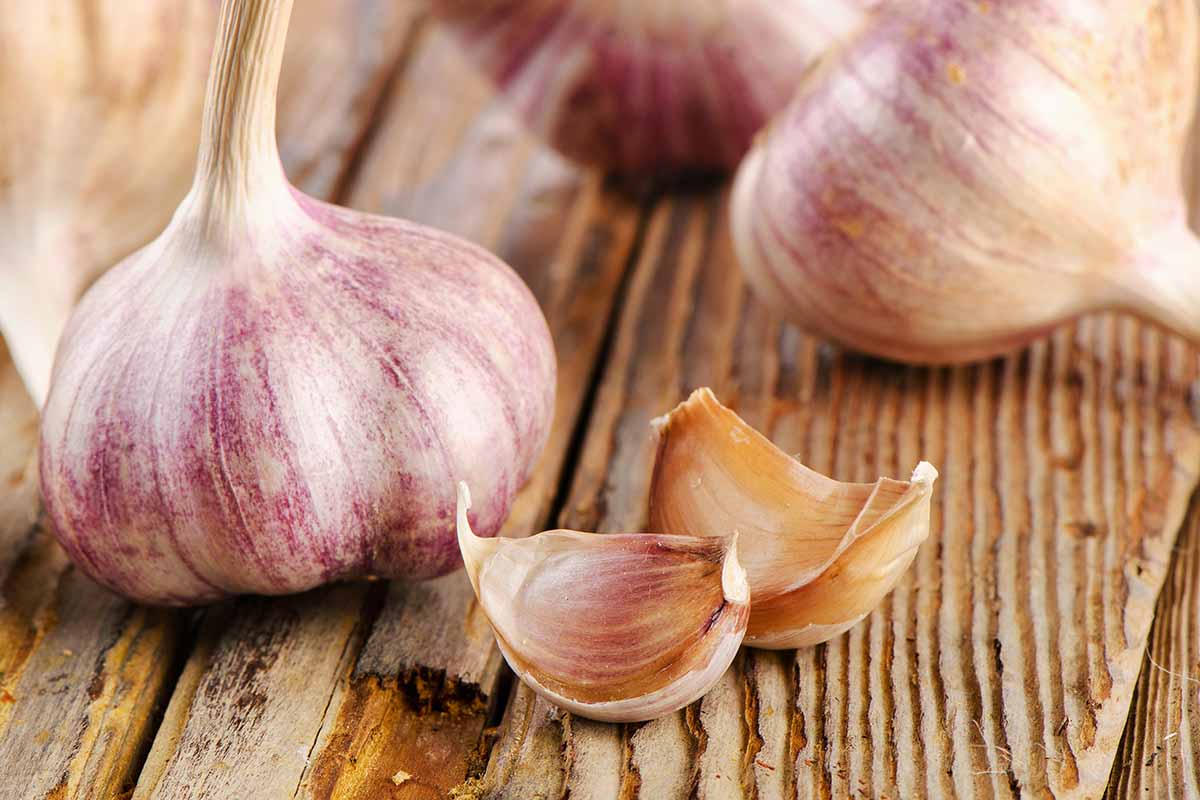
How to Grow and Care for Pineapple Sage

A close up horizontal image of the bright red flowers of pineapple sage (Salvia elegans) growing beside a wooden deck.
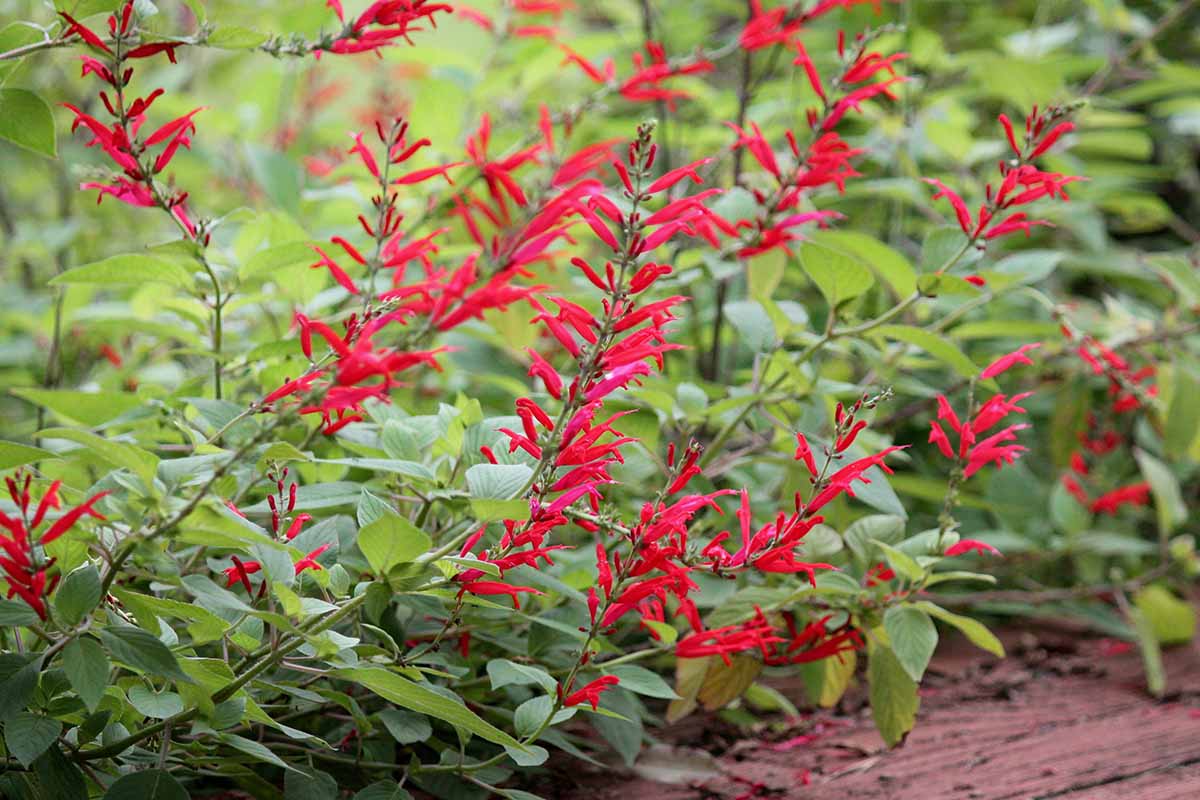
With its showy red flowers and irresistible scent, pineapple sage is an aromatic star of the summer garden. Plus, if you grow this plant with your herbs or veggie crops, it will attract a multitude of pollinators and beneficial insects with its bright blooms. Keep reading to learn to grow and care for pineapple sage.

How to Grow and Care for Calamint

A close up horizontal image of calamint in bloom with tiny pink flowers growing in the garden.

Calamint is a fragrant perennial plant that makes an attractive member of an herb garden or flower bed. These bushy plants, covered with small white, blue, pink, or purple flowers, attract beneficial bees and butterflies, and are a delight to behold. Read more now to learn how to grow and care for calamint.

Chicory Health Benefits and Uses

A close up horizontal image of dark green freshly harvested chicory leaves set on a wooden surface.

Common chicory has beautiful flowers, and it offers a multitude of culinary uses from brewed root beverages to sauteed leafy greens. It also brings a wide variety of health benefits with nutritious vitamins and antioxidants! Read on to learn how this powerful plant will make a great addition to your homegrown diet.

How to Grow and Use Motherwort

A close up of the dark green serrated leaves of motherwort growing in the garden.

Have you ever thought of growing motherwort? Or do you already have an abundance growing wild in your garden, and you’re unsure of what to do with it? This hardy perennial herb has a reputation for reducing anxiety and supporting women’s health. Read more to learn how to grow, harvest, and utilize this powerful plant.

How to Propagate Angelica

A large patch of Angelica archangelica with purple stems and bright green umbels growing in the garden with trees in the background.

Angelica is a beautiful biennial herb that has been grown for centuries for its aromatic edible stems, medicinal roots, and large bold foliage. This majestic plant can be propagated in a number of different ways and is easy to grow once you know how to get it started. Read on to learn how to propagate angelica.

Rosemary: How to Grow This Classic Garden Herb

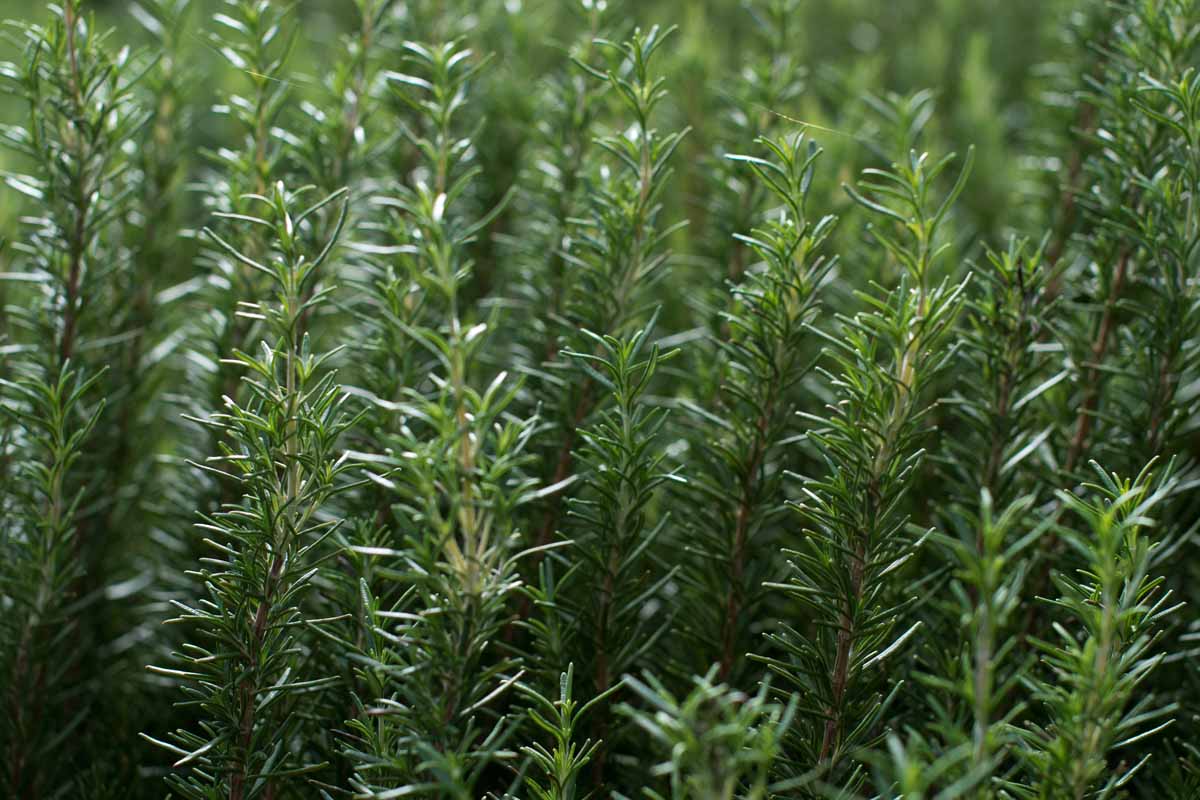
Close up of the needled of rosemary plants growing in a herb garden.

Few plants are as versatile as rosemary. Highly fragrant, this evergreen is covered with pretty flowers in spring, is beloved in foods, and well-suited for growth in containers, as ground covers, specimens, or sculpted into topiaries. Here’s what you need to know about rosemary and how to grow this classic garden herb.