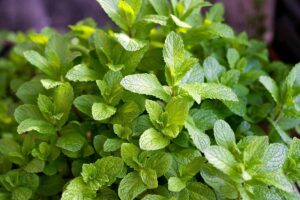
A flavorful favorite for cottage, herb, and vegetable gardens, anise aka aniseed (Pimpinella anisum) is also well-suited for growth in containers, planters, and kitchen potagers.
While the tender young shoots and leaves are sometimes used in the kitchen, the plant is most often cultivated for the small, strongly flavored seeds that have a distinctive taste of licorice, similar to fennel or tarragon.
An annual herb with a sweetly aromatic scent, anise is popular for its many culinary uses in foods like baked goods, candies and confections, as well as savory and Mediterranean dishes, plus alcoholic beverages such as absinth, anisette, and ouzo.

We link to vendors to help you find relevant products. If you buy from one of our links, we may earn a commission.
The attractive plants grow two to three feet tall and produce stems of fine, fern-like foliage and tall flower stalks with large, loose umbels of small white or yellow blooms that open in June and July.
The clusters of small flowers draw in a range of pollinators including bees, butterflies, hummingbirds, and moths, and after flowering, the small, tangy fruits are ready for harvesting in August or September.
And while anise can grow readily in containers, the plants need pots that are large enough to accommodate the lengthy taproot.
In our guide to growing anise, we cover more about this herb and how to cultivate it in the garden.
Are you ready for some sweet licorice flavors in your container garden this year? Then let’s dig into how to grow anise in containers and pots.
Here’s a quick look at what’s ahead:
What You’ll Learn
Cultivation Basics
An annual herb, anise grows best in a full sun location with light, fertile soil that’s well-draining. A slightly acidic to neutral pH of 6.0 to 7.0 is ideal.

The plants need six to eight hours of sunshine per day but may struggle with intense afternoon sunlight. Some light shade in the afternoon hours can provide welcome relief, especially in hot regions.
As the plant has a large taproot, anise doesn’t transplant well after the initial seedling phase and direct sowing seed is the easiest way to propagate.
Fast growing, anise needs a warm climate with 120 frost-free growing days to develop the flavorful seeds.
Anise also exhibits good pest repellent properties, deterring the likes of aphids, cabbage moths, and root-knot nematodes.
The main essential oil, (E)-anethole, can be used as a spray to keep cats and dogs out of the garden as well.
Container Choices
Anise is very well suited to container growth, provided the long taproot has room to spread and grow.

The taproots can grow 20 to 24 inches long, although it’s typically less in containers.
Choose a growing vessel that’s a minimum of 12 inches deep and the same in diameter to provide ample space.
Planters can be made of any materials including ceramic, fiberglass, fiberstone, hypertufa, metal, terra cotta, or wood.
The one non-negotiable is that the containers must have drainage holes. Wet soil is a leading cause of problems like root rot.
I always like to line the bottom of my garden pots with a two-inch layer of porous drainage material. This helps to keep water moving freely and prevents the bottom layer of soil where the roots dwell from becoming soggy.
Use a catchment saucer to prevent water discharge from staining decks and patios or elevate containers on pot toes to ensure excess water escapes freely.
Growing Medium
Anise thrives in fertile, well-draining soil with a light, lofty tilth and a slightly gritty or sandy texture.

But don’t overdo the grit, you want just enough to improve saturation so the medium absorbs water quickly and drains freely.
Use a good quality commercial potting soil and amend as follows for best results:
- To ensure the soil is fertile and light, mix in one part of compost, well-rotted manure, or worm castings.
- To improve water saturation and drainage, mix in just less than one part of gritty materials such as landscape sand, pea gravel, or stone chips.
Now let’s have a look at how to start your anise plants.
Starting Seedlings
Anise seeds are available in most good plant nurseries, just make sure you purchase seeds for planting, not those for culinary use.

You can find seeds in a variety of packet sizes available at Eden Brothers and True Leaf Market.
Before sowing, move containers filled with amended soil into a full sun location.
For optimal germination rates, use fresh seeds – viability wanes after two years – and make sure it’s warm enough so the soil temperature is between 60 to 70° F before sowing.
A few hours before planting, water the soil to moisten it thoroughly.
For a 12-inch pot, sow three or four seeds directly onto the moist soil, spaced evenly a few inches apart.
Cover with a quarter of an inch of soil and water gently.
Seeds germinate in one to two weeks. After six weeks of growth, thin to the two healthiest plants – more than two plants per pot isn’t recommended or you risk overcrowding.
If you live in a region with short summers, you can start seedlings indoors, but do so in small, biodegradable starter pots that can be transplanted directly into the container when conditions are favorable.
CowPots are ideal for fussy seedlings that don’t like being transplanted.
Made from cow manure, they’re 100 percent biodegradable and break down quickly after being planted in soil.

You can find CowPots available at Arbico Organics.
To start indoors, sow two seeds per CowPot as outlined above and keep the pots in a warm location with bright light until they can be transplanted to their permanent containers when the weather warms up.
Maintenance
Anise plants aren’t heavy feeders, and if grown in organically-rich potting soil amended as discussed, they require little additional fertilizing.

You can scratch in a slow-release fertilizer with a flower boosting formula that has more phosphorus than nitrogen, such as 3-6-4.
Burpee’s Organic Tomato and Vegetable Granular Plant Food fits the bill nicely, and it’s available at Burpee.

Keep the soil lightly moist, but not wet, until plants are rooted and seedlings are a few inches tall.
After plants are established, they have good tolerance for heat and dryish conditions.
You can allow the top two inches of soil to dry between water applications, providing one inch of water per week.
In hot, dry conditions, containers may need to be watered every few days to prevent the soil from drying out completely.
Harvesting
Harvesting the seed pods takes place at the end of the growing season, in late summer or early autumn.

For the most flavorful seeds, wait for the seed pods to ripen and change color from green to beige, gray, or tan before harvesting.
Snip the seed heads with a few inches of stem attached to make shaking out the seeds easier.
Place the seed heads in a warm, dry, and sunny location for a few more days to finish drying if needed.
When they are dry, invert the seed heads into a paper bag and shade vigorously to dislodge the seeds.
To separate the chaff from the seeds, on a day with a light breeze, slowly pour the seeds into a bowl from a height of five or six inches, allowing the air current to waft away the light chaff while the heavier seeds fall into the bowl.
Collect the cleaned seeds and store in an envelope in a cool, dry, and dark cupboard until needed.
Green seeds can also be harvested, but the flavor is milder than brown ones.
To harvest green seeds, wait until flowering has finished then snip the umbels and hang in a cool, dry room with good air circulation to cure and dry for three or four weeks.
Once the green seed heads are dry, crack open the pods with your fingers and collect by shaking the seeds into a bag as outlined above.
Learn more about how to harvest anise seeds here.
Sweet Licorice Flavor
Easy to grow, with sweet, licorice flavored seeds, anise is a favorite herb for kitchen potagers and containers throughout the garden.

Be sure to use a planter that’s large enough to accommodate the long taproot and place in a sunny spot to enjoy the flowers and the many pollinators they attract.
Feed lightly and water regularly until it’s time to harvest the flavorful seeds!
Are you growing anise in containers? Let us know in the comments section below!
And for more information about growing anise, add these guides to your reading list next: