How to Grow and Care for Anise Hyssop Flowers
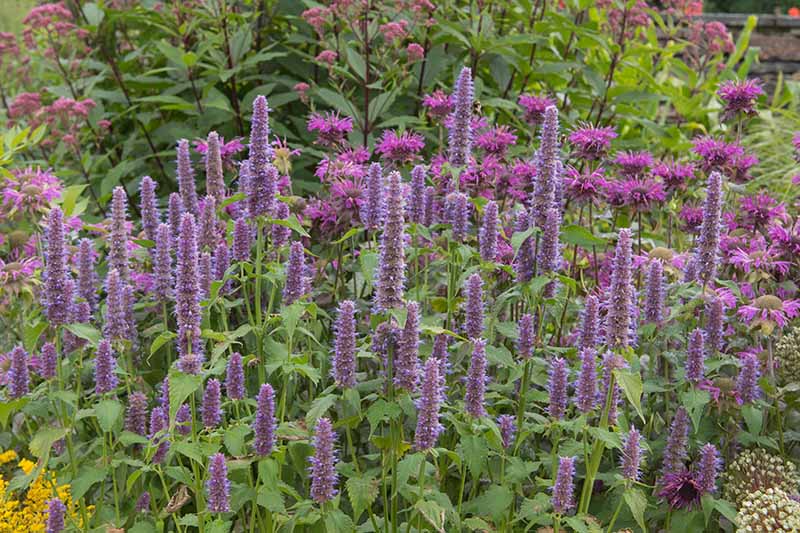
A close up of a clump of Agastache foeniculum, with tall upright flower stems, pictured in a backyard setting.

Are you looking for a perennial native flower to naturalize in your yard? Anise hyssop is the answer for sun-filled border gardens, where its lavender spikes create a showy swath of color throughout the summer months. Learn how to grow and care for this easy-to-grow, deer-resistant plant. Read more now.
How to Harvest Angelica

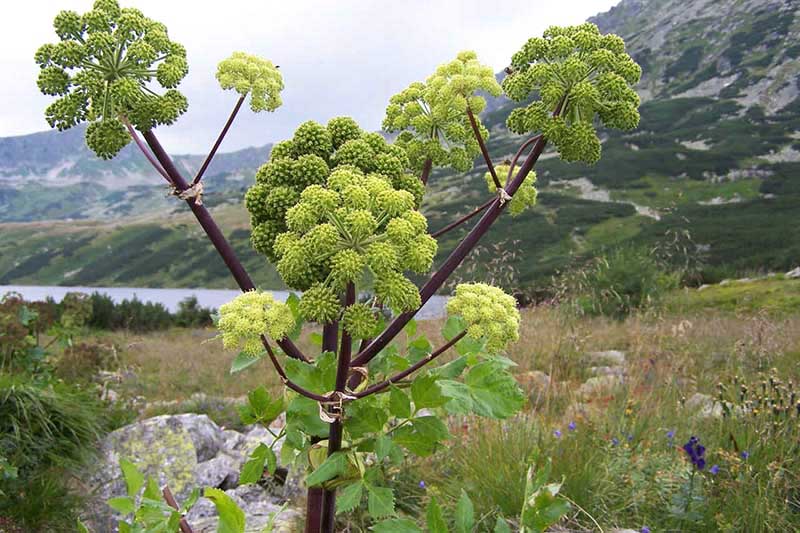
A large angelica plant with green foliage, purple stems, and large flower heads pictured growing on the side of a lake with mountains in soft focus in the background.

If you are growing angelica in your garden, you may not know that all parts of the plant are edible. With a rich history of use in food and medicine, this fragrant herb has a variety of culinary and medicinal uses. Discover how to harvest and use the leaves, stems, and roots of your angelica plant. Read more now.
How to Plant and Grow Ramps

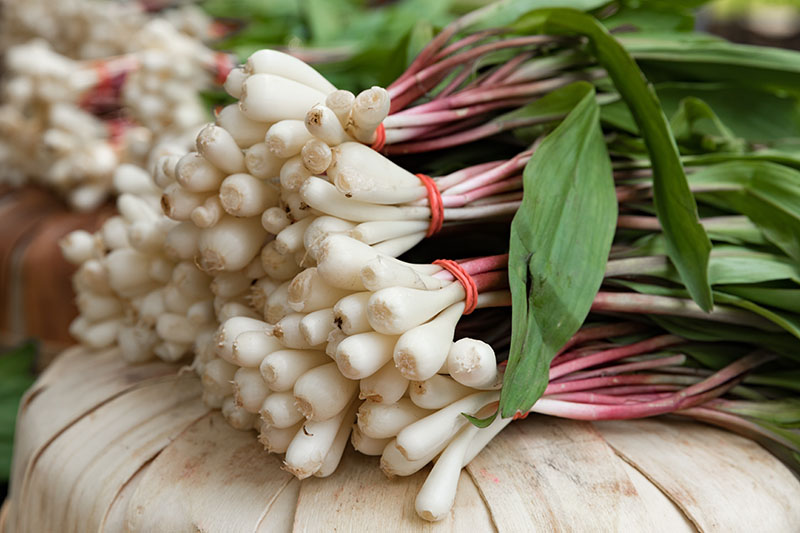
A close up picture of bunches of ramps at a farmer's market with the roots removed, the bulbs cleaned, held together with elastic bands, on a soft focus background.

Ramps are an incredibly delicious treat in the kitchen, but they’re overharvested in the wild. The solution? Grow your own. Ramps are a fuss-free plant once they’re established, with a flavor that can’t be imitated. Our guide to growing Allium tricoccum includes everything you need to get started. Read more now.

Gardening at Home: 31 of the Best Kits to Get Started

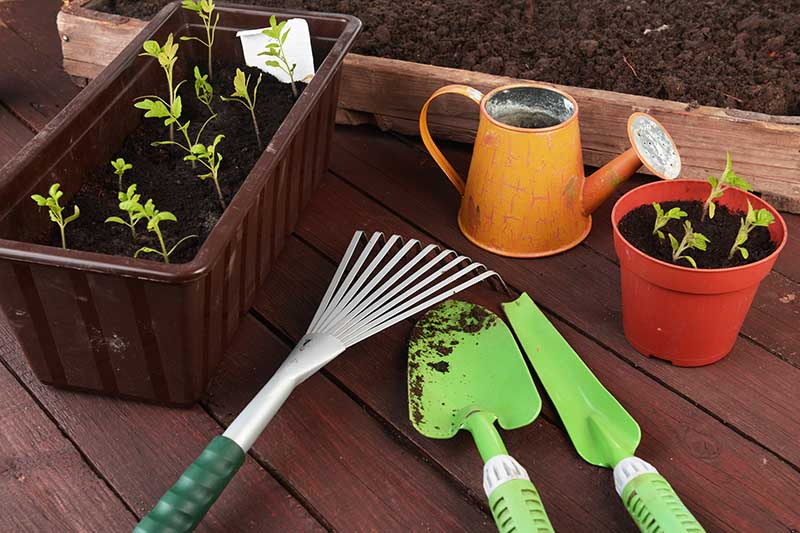
A close up of various gardening tools for indoor gardening with a watering can, pots and seed starter trays, and small hand tools, set on a wooden surface.

It’s the perfect time to start growing your own herbs, fruits, veggies, and mushrooms at home, or to take up a new hobby like terrarium-making or succulent propagation. We’ve found the best kits to help you get started. Most include everything you need, with helpful instructions. Pick your favorite, and get growing!

9 of the Best Companion Plants to Grow with Garlic

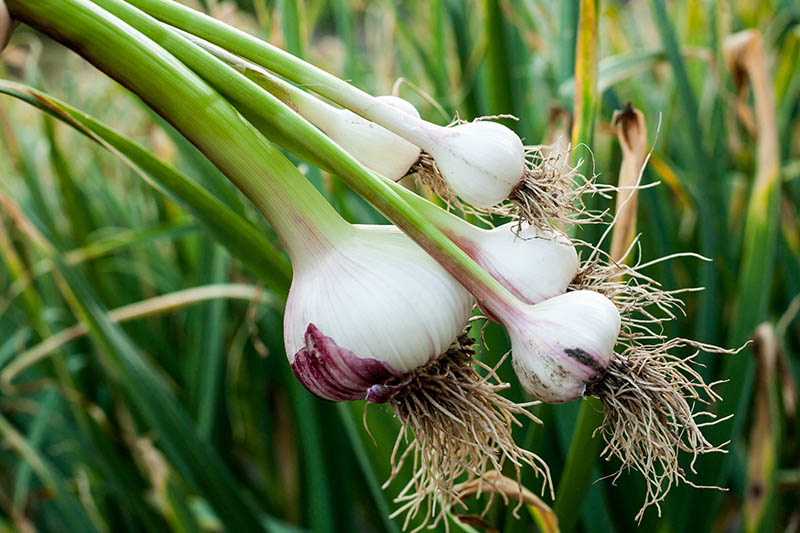
A close up of freshly harvested Allium sativum with roots still attached on a soft focus background.

Garlic boasts a deliciously pungent smell and makes an excellent repellent of pests and even fungi. While there’s a short list of plants not to grow alongside garlic, the list of plants that thrive next to garlic is longer. We narrow down the nine best options for you to companion plant with garlic. Read more now.

How to Grow Mexican Oregano

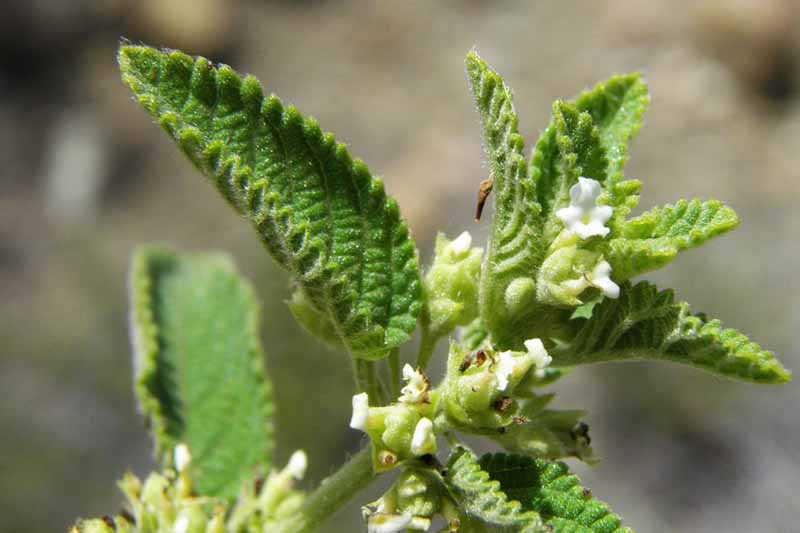
A close up of the leaves and small flower buds of Lippia graveolens pictured in light sunshine on a soft focus background.

Are you open to adding a delicious taste of Latin America to your culinary garden? Consider growing Mexican oregano, the flavorful, citrusy herb whose large, woody shrub form is easy to grow. If you’re north of Zone 9, you can grow this Mexican native as an annual, or bring a container of it indoors to overwinter.

Can Crocus Grow in the Cold and Snow?

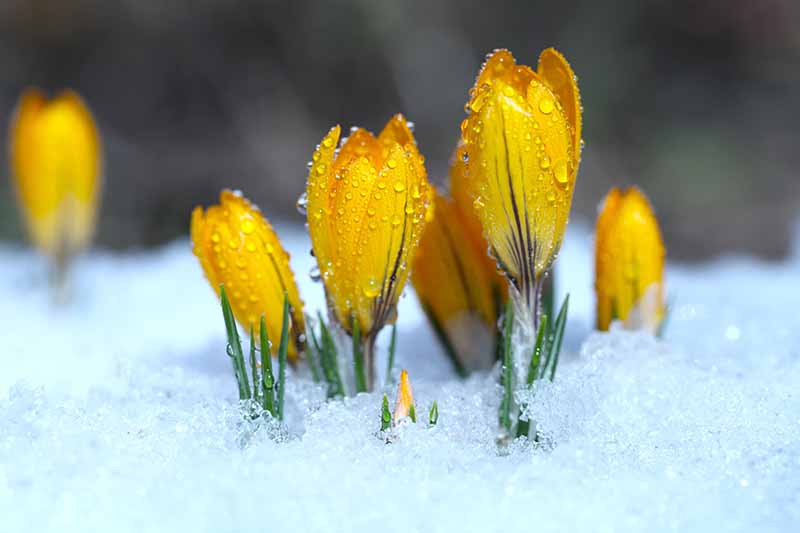
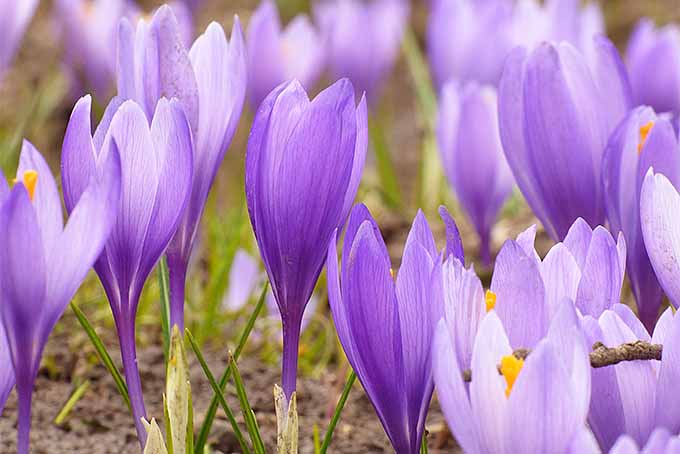
A close up of yellow crocus blooms pushing through the snow in early spring with water droplets on their petals in filtered sunshine on a soft focus background.

Crocuses are known for dotting lawns and gardens with vibrant hues of purple, pink, and yellow just when winter seemed it would never end. They’re also famously hardy. But can they survive the most frigid winter temperatures? What if they bloom just before a cold snap or blizzard? Can they grow in snow? Find out now.

The Best Companion Plants to Grow with Dill

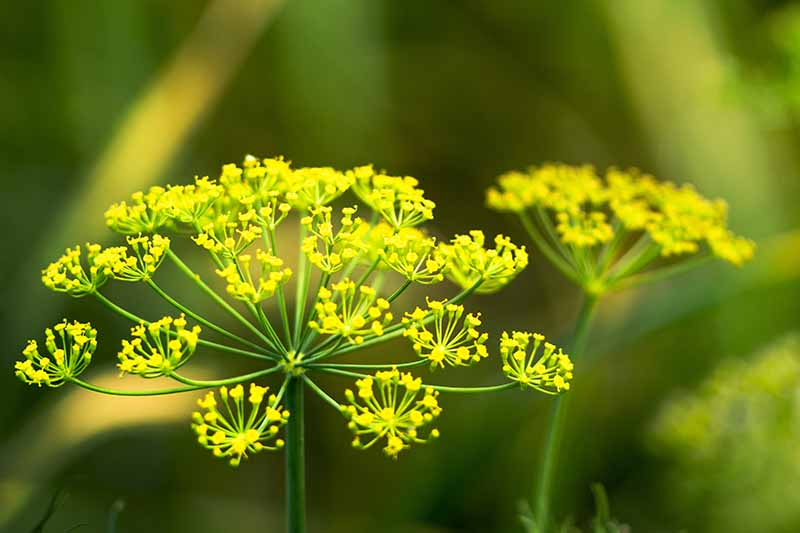
A close up of a yellow flower of the Anethum graveolens plant in filtered sunshine on a soft focus green background.

Gardeners appreciate dill’s attractive, feathery leaves and its commanding presence in the landscape. But before you add this herb to your garden, carefully consider what you plant nearby – there are good partners out there as well as potential foes. Learn more about the best and worst companion plants for dill now.

How to Grow Chives in Containers

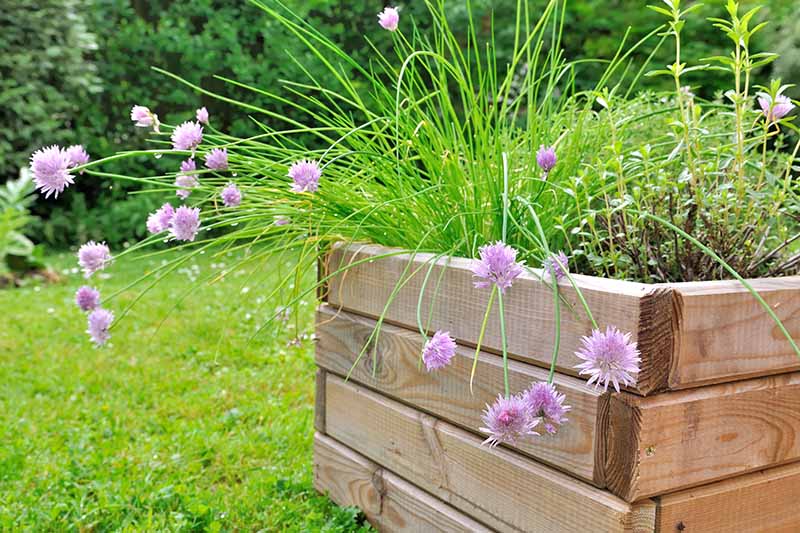
A wooden container with a large flowering Allium schoenoprasum plant with other herbs. In the background is a lawn and a hedge in soft focus.

Chives are wonderful for adding a light oniony flavor to any number of savory dishes, including soups, salads, and baked potatoes. It’s a cinch to grow your own, especially in pots and containers that are easy to access from the kitchen, whether that’s on the back porch or on a sunny windowsill indoors. Read more now.

The Best Cold Hardy Rosemary Varieties

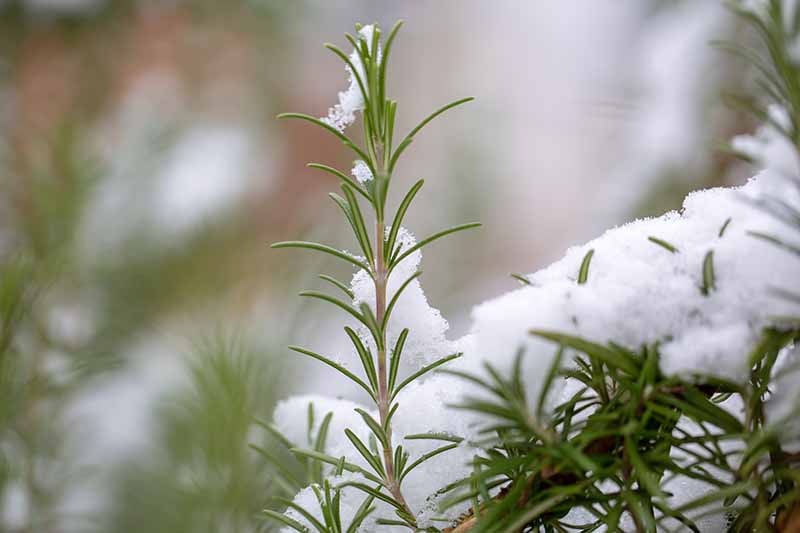
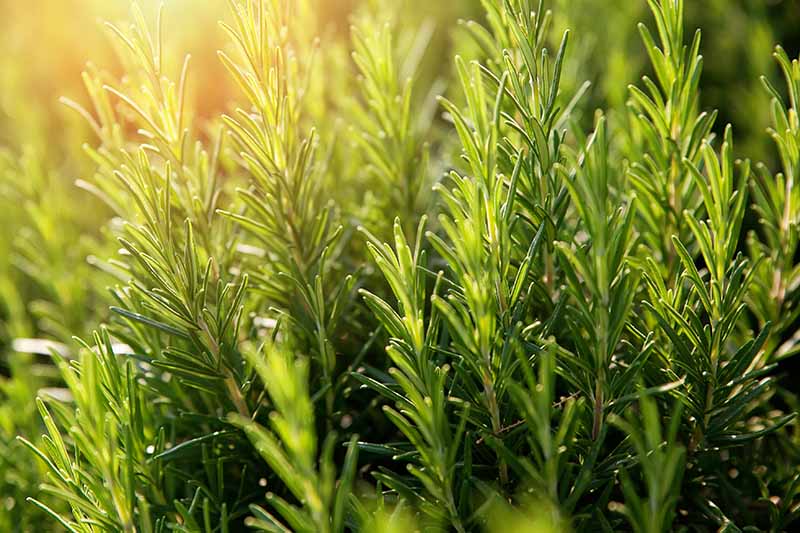
A close up of a rosemary sprig with frost on its delicate leaves, in the background is the frost-covered bush fading to soft focus.

Do you live in USDA Hardiness Zones 5-7 and would like to overwinter rosemary? This pungent, warm-weather herb from the Mediterranean is commonly used to season savory dishes and provides interest in the garden. Learn about the different cold-hardy varieties that can withstand brutally cold weather. Read more now.

How to Protect Rosemary Plants in the Winter

A close up of a rosemary plant growing in the garden in bright filtered sunlight, reflecting off the leaves and making some of them appear golden in color.

If you’re growing rosemary in your garden, you might be wondering if it can survive the winter outside. Depending on your growing zone, there are a number of measures you can take to help your plants through the colder months, including mulching and potting-up. Learn how to protect your rosemary plants this winter.

Ginger Houseplant Care Tips: How to Grow Ginger Indoors

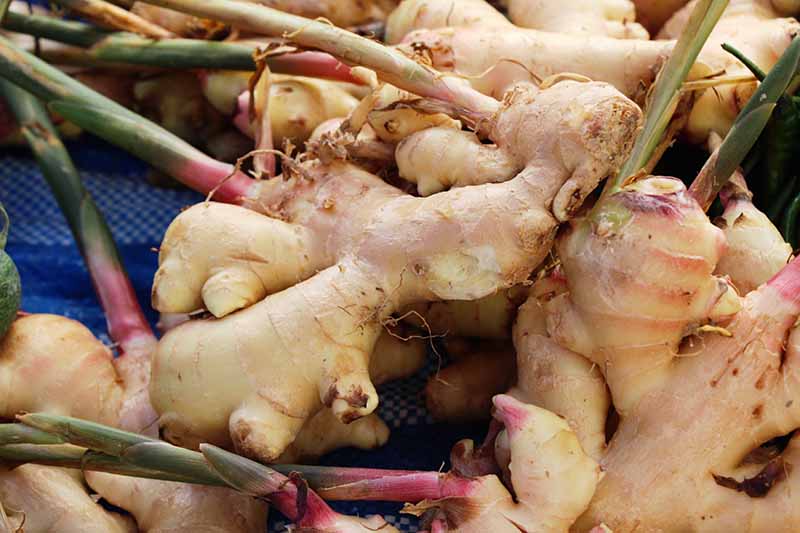
A close up of ginger rhizomes on a blue surface. The roots have started to sprout and the stems are pink at the bottom, contrasting with the green further up.

Did you know that you can grow ginger indoors all year long? In fact, growing ginger in containers alongside your other houseplants is surprisingly easy, and will reward you with a consistent supply of fresh juicy roots. Learn tips and tricks for growing this tropical herb in containers indoors in any climate.

How to Grow Flavorful Cardamom in Your Home Garden

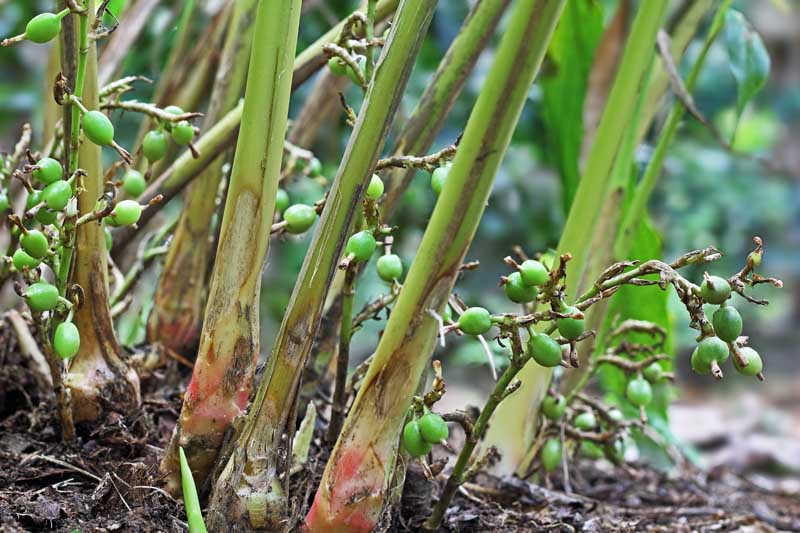
Green cardamom pods still on the bush.

Looking to add a taste of the tropics to your garden? Consider growing green cardamom, the spicy, citrusy, minty spice that’s used to season Indian and Middle Eastern savory dishes, as well as delicious breads and pastries the world over. Learn more about growing this delicious spice now on Gardener’s Path.

How to Identify and Control Caraway Pests and Diseases

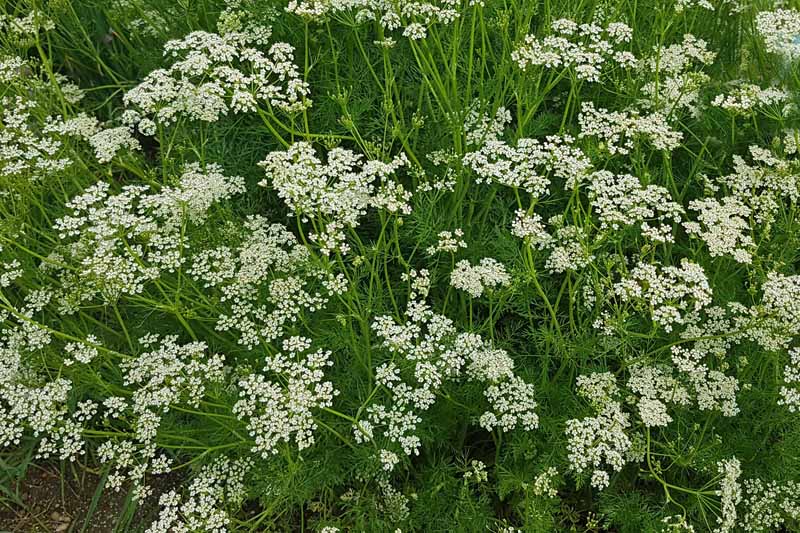
A field with caraway plants in bloom.

If you’re growing caraway in your herb garden this year, you may have to deal with insect pests or diseases that are common to this plant. Read on to learn about preventative measures, how to recognize signs of trouble, and methods for addressing an infestation or infection, in this concise guide.

How to Grow and Use Capers

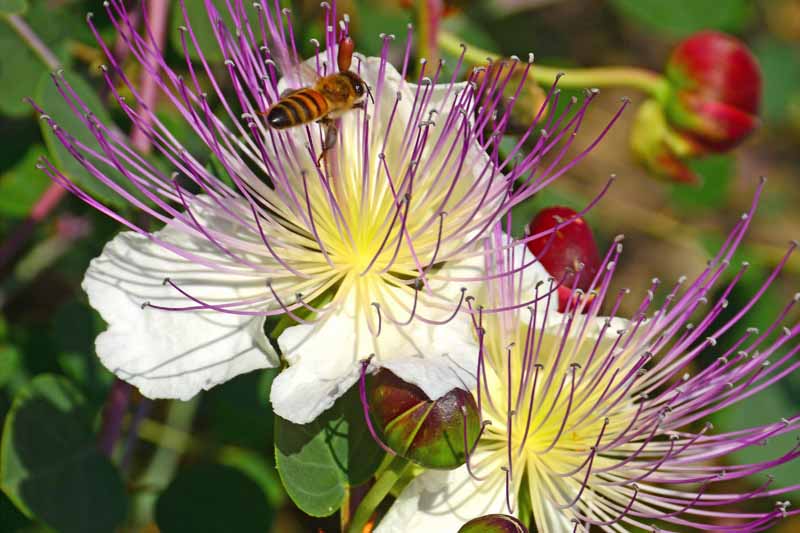
Close up of of the purple, white, and yellow blooms of the caper bush, Capparis spinosa.

Looking for an intriguing edible plant with spectacular flowers that will astound the neighbors? Consider growing caper bush, a Mediterranean native whose preserved fruit makes a delicious addition to many dishes. Learn more about growing this tough beauty — and preserving the fruit — now on Gardener’s Path.

Grow Faassen’s Catmint for Durable Summer Color

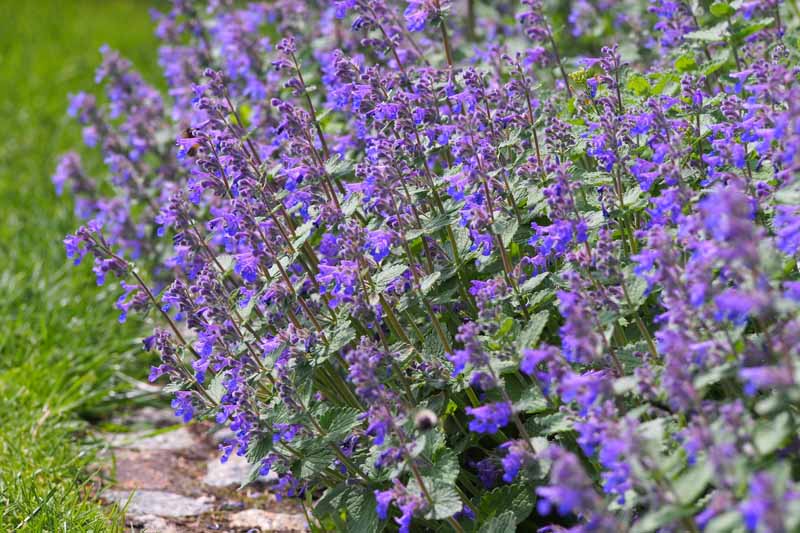
Purple lavender flowers of Fassen's Catmint in bloom.

Faassen’s catmint is a mounded perennial that’s drought heat and tolerant, and unlike its cousin catnip, it doesn’t drive kitties crazy. You’ll love the gray-green foliage and lavender-blue flowers, not to mention the butterflies and hummingbirds this plant attracts. Learn how to grow it now with our in-depth guide!

How to Plant and Grow Caraway

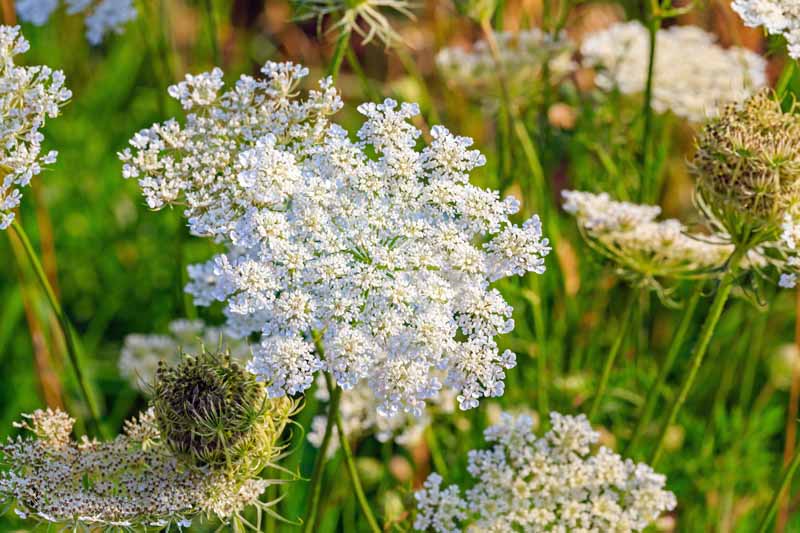
Close up of the blooms of the caraway plant or meridian fennel or Persian cumin or Carum carvi.

Caraway is a biennial herb for USDA Hardiness Zones 4 to 10. In the first year, enjoy its tender leaves in salads. And in the second, reap an abundance of seeds for use in breads, slaws, and savory dishes. Learn all you need to know to cultivate this edible plant in your garden this year,