Tips for Growing ‘Nevada’ Lettuce

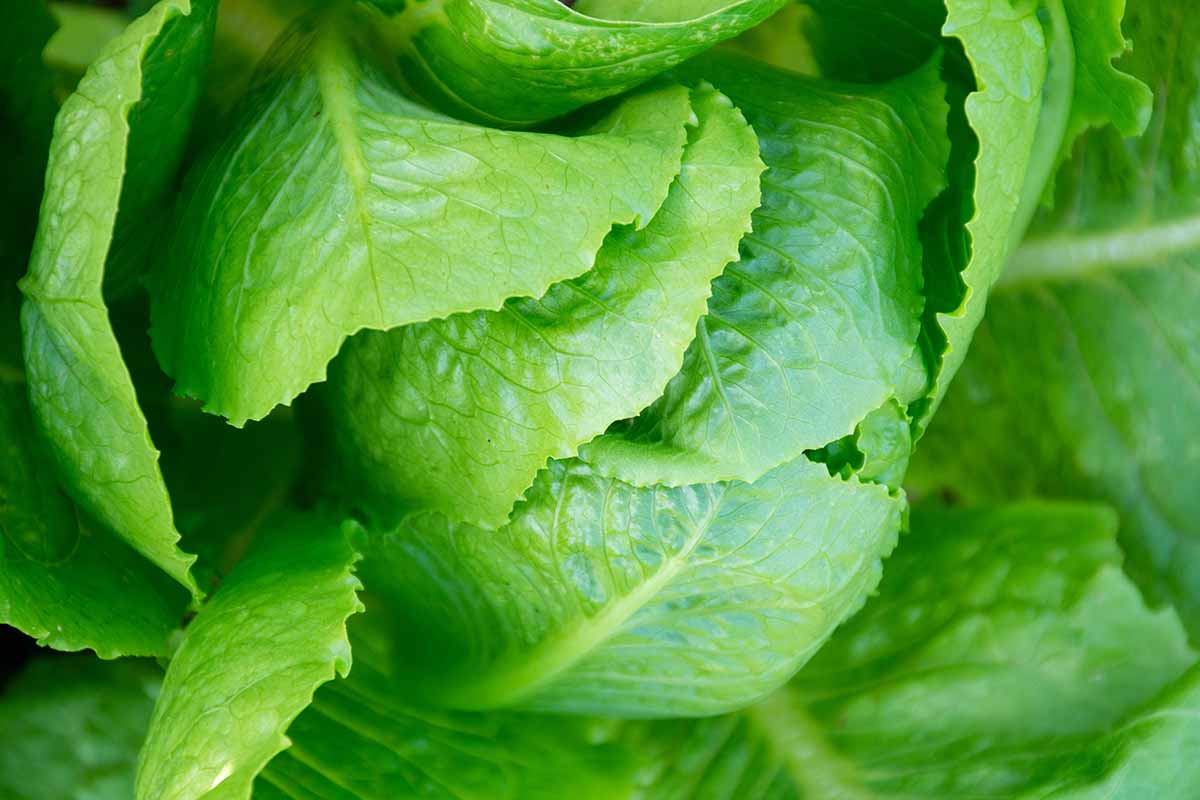
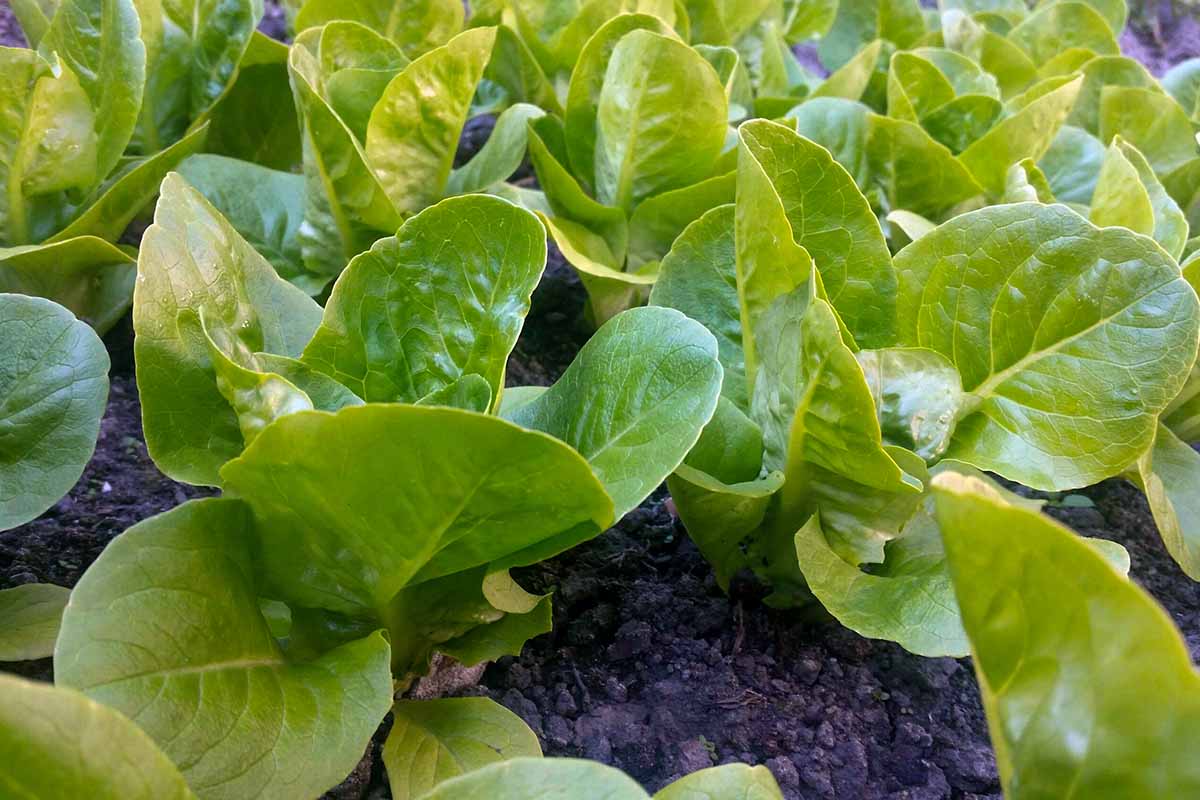
A close up horizontal image of 'Nevada' lettuce growing in a container.

Looking for a fantastic lettuce that grows in warm weather? ‘Nevada’ is a summer crisp aka Batavian cultivar that is slow to bolt, heat tolerant, and flavorful. It’s truly an exceptional cultivar that will quickly become a favorite in your veggie patch. Learn how to plant and grow ‘Nevada’ lettuce in this guide. Read more.

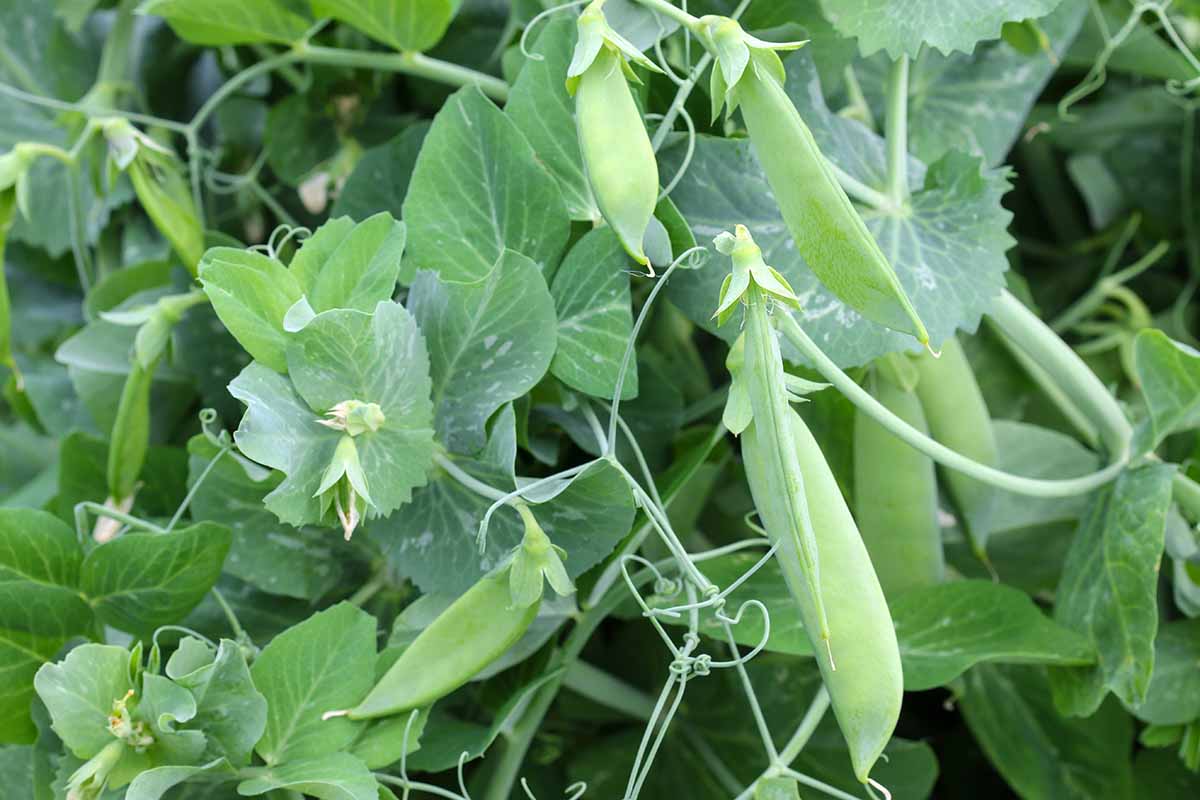
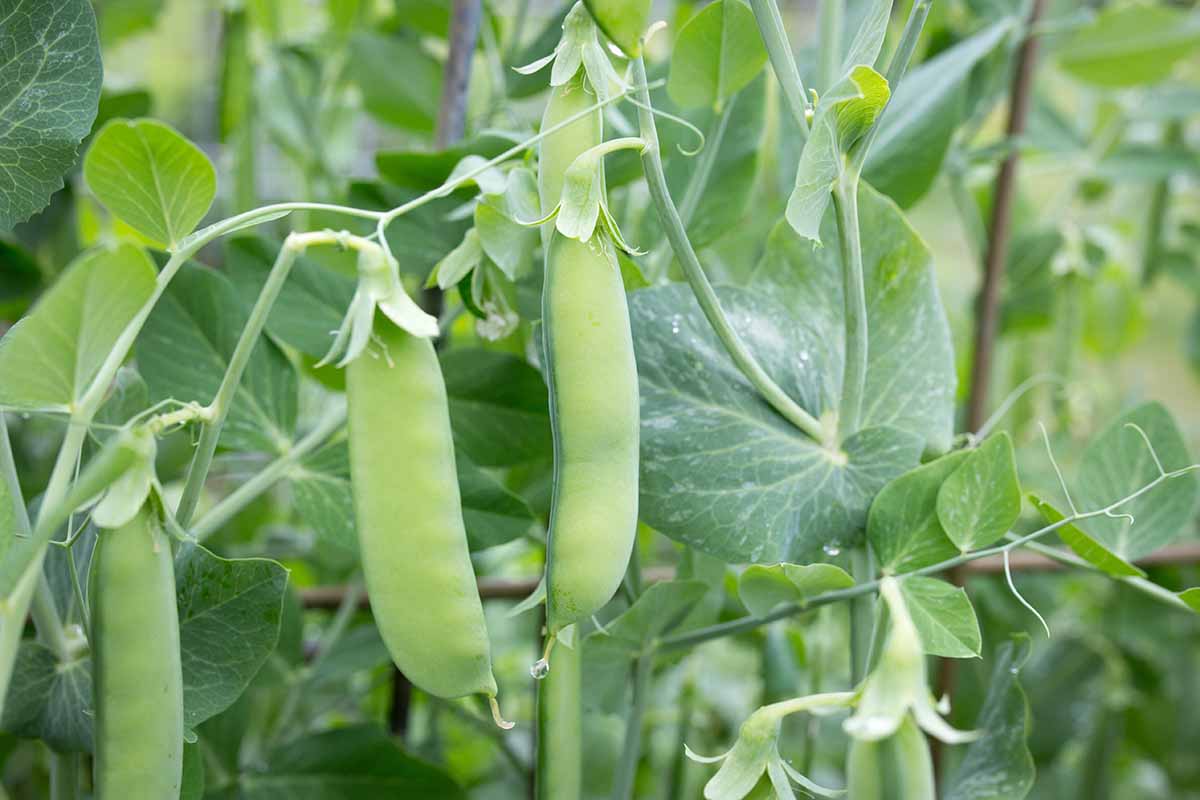
Tips for Growing ‘Sugar Bon’ Peas

A close up horizontal image of 'Sugar Bon' pea plants growing in the garden with ripe pods ready for harvest.

‘Sugar Bon’ is a type of snap pea that grows just one to two feet tall, perfect for smaller vegetable gardens. The diminutive, self-supporting plants produce high yields of delicious, sweet, edible pod peas while also being more heat tolerant than many other types. Learn how to plant and grow these legumes in this guide.

9 of the Best Celery Cultivars for Your Garden

A close up horizontal image of a freshly harvested celery plant set on a wooden chopping board. In the foreground are chopped stalks.

If you want to grow your own celery, you may not know that there are several different varieties available, including self-blanching types, bolt-resistant varieties, and even a unique cultivar with purple stems! Discover 9 of the best celery cultivars to grow at home and choose your favorite now. Read more.

How to Plant and Grow Turban Squash

A close up horizontal image of a big pile of freshly harvested turban squash in bright orange and red.

Turban, aka Turk’s turban squash is a winter variety instantly recognizable with its colorful, funky-shaped fruits that can weigh over five pounds. While not the most flavorful, the gourds can be used for stuffing and they make wonderful additions to autumn displays. Learn how to plant and grow Turk’s turban in this guide.

How to Save Mustard Green Seeds for Planting

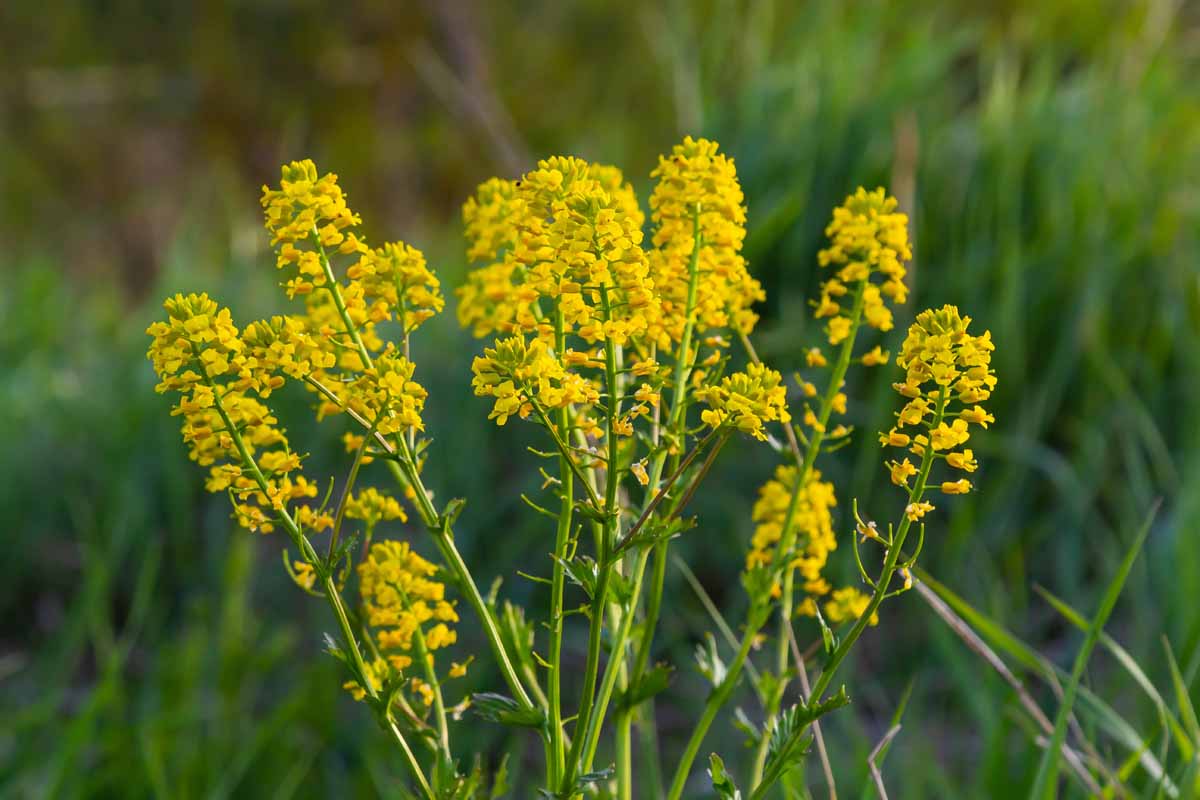
Close up of yellow flowers and seed pods of mustard plants.

Fast-growing and spicy, homegrown mustard greens will produce a lot of seeds that can be collected and stored for future planting. Saving seeds from your plants is an economical way to ensure a bountiful crop of your favorite varieties in future seasons. Discover when and how to harvest your own mustard green seeds.

Why Is My Cauliflower Turning Purple?

A close up of a cauliflower head that should be developing white curds but instead is tinged with purple discoloration, set amongst the dark green leafy foliage.

Cauliflower can be a challenging cool-weather crop to grow in the home garden. Sometimes, developing curds that should be snowy white take on a purplish hue. Learn what causes this phenomenon, how to avoid it, and what it means in terms of crop quality. We’re discussing purplish cauliflower, here on Gardener’s Path!

How to Plant and Grow Kale

A close up horizontal image of red curly kale growing in the home vegetable garden.

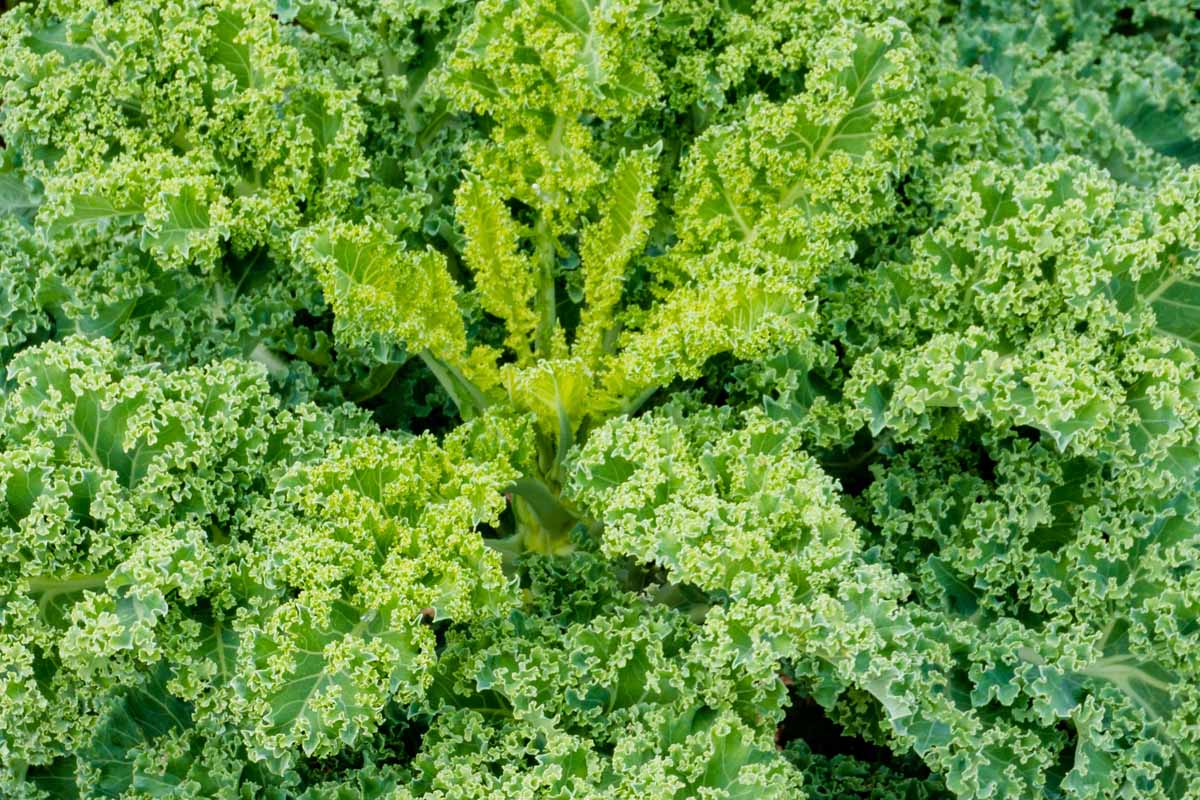
A loose leaf member of the cabbage family, kale is a cool season vegetable with sweet to earthy flavors and superb nutrition. Easily cultivated in beds or containers, successive plantings can be harvested almost year round. Learn how to plant and grow kale for delicious, healthy greens in this guide. Read more now.

25 of the Best Chinese Cabbage Cultivars to Grow at Home

A horizontal close up photo of the outer leaves of a head of cabbage.

If you love sweet, mildly flavored leaves that can be cooked or eaten raw, then you probably love Chinese cabbage. There are many different types that you can pick from. Napa cabbage, pak choi, and tatsoi make up the Chinese cabbage group. Discover 25 of the best cultivars to grow at home in this guide. Read more now.

5 Reasons Why Your Celery Tastes Bitter (And What to Do About It)

A close up horizontal image of rows of celery plants growing in the garden with dark soil in the foreground.

If you’re growing celery, you might be wondering how to keep it from becoming too bitter. Or maybe you harvested stalks that you can barely eat, they’re so acrid. Discover why your celery is bitter and what you can do to fix it in this guide. Plus, we share favorite recipes for even the bitterest celery. Read more now.

17 of the Best Red Potato Varieties to Grow at Home

A horizontal photo of red organic potatoes in a wooden bowl on a cloth covered table.

Red potatoes have a similar skin color but they can vary dramatically in size, shape, and texture. Some have yellow flesh and others are white and creamy, and many cultivars have enhanced disease-resistance. Learn more about 17 of the best red potatoes to grow in your vegetable garden in this guide. Read more now.

19 of the Best White Potato Varieties to Grow at Home

A horizontal photo of a wooden bowl filled with white potatoes. Several peeled potatoes are along side the bowl on a wooden table.

White potatoes come in lots of sizes and shapes, with many disease-resistant, high-yielding cultivars. Whether you want a good chipper or to make some of the smoothest mashed potatoes you’ve ever seen, there’s a variety to suit your needs. This guide explores 19 of the best white potato varieties to grow at home.

How to Plant and Grow ‘Wando’ Peas

A close up horizontal image of a 'Wando' pe growing in the garden pictured on a soft focus background.

Love English peas but have a hard time narrowing down which variety to grow? ‘Wando’ is an adaptable bush-type English pea that is prolific, tough, and cold-hardy. If you love shelling types, this is going to be a new favorite thanks to the sweet, flavorful pods. Learn how to plant and grow ‘Wando’ peas in this guide.

How to Grow and Use Chinese Broccoli

A close up horizontal image of freshly harvested Chinese broccoli in a wicker basket set on a wooden surface.

Looking for a new leafy green vegetable to grow this season? Chinese broccoli is a quick-growing crop similar to broccoli, but with tender shoots and a more distinct bittersweet flavor. All parts of this plant are edible, including the stalks, leaves, and florets. Read on to learn more about growing Chinese broccoli.

Can You Eat Kale That Has Turned Yellow?

A close up of dark green healthy curly kale plants growing in the garden bathed in light sunshine.

Kale comes in several varieties, ranging in color from light green to deep purple. But when the leaves start turning yellow, you may be wondering if they’re safe to eat. To learn more about why your leaves may have changed color and whether you can still eat kale that has turned yellow, read more now.

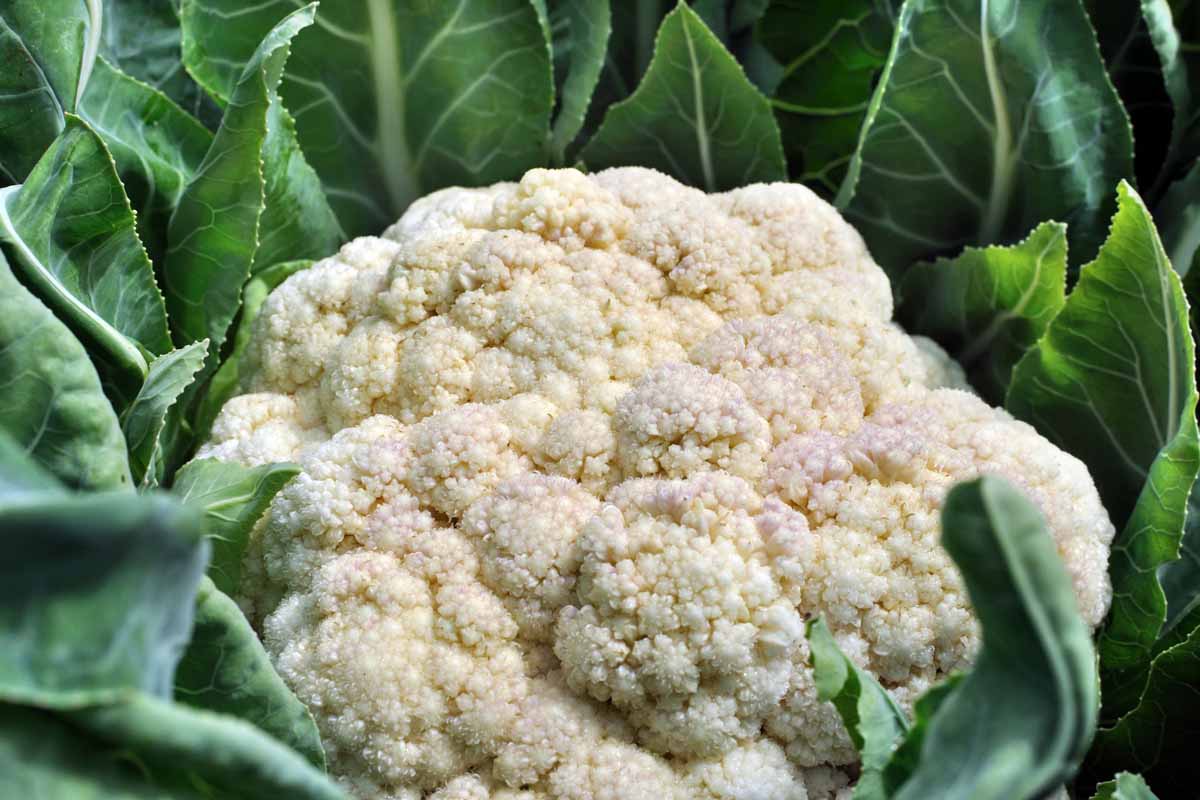
9 Cauliflower Head Disorders and How to Avoid Them

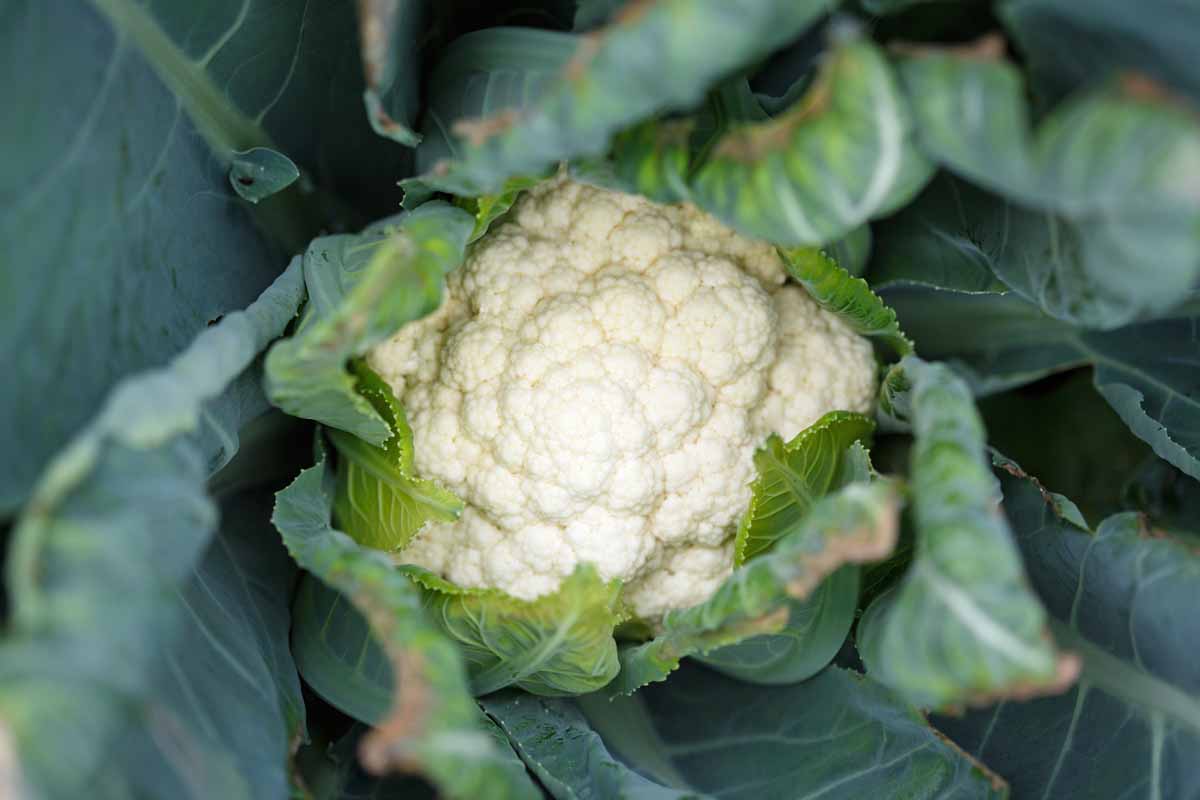
A close up of a cauliflower head, well developed and a creamy white color nestled between dark green foliage in bright sunshine.

Cauliflower is a cool weather crop that can be challenging to cultivate. Sometimes growing conditions are less than optimal and the heads don’t form as they should. Join us to learn about 9 common disorders that may cause irregular cauliflower head formation, and measures to avoid them. Read more now.

9 of the Best Arugula Varieties for Your Vegetable Patch

A close up of a leaf of an arugula plant with dark green foliage growing in the garden pictured on a soft focus background.

Nothing tastes better than fresh, homegrown arugula. Did you know that there are numerous varieties to choose from, each with a slightly different flavor, texture, or color? We round up nine of the best varieties of arugula for you to grow in your vegetable garden this season. Learn more about our favorites now.

How to Choose the Right Growing Medium for Starting Seeds

A horizontal close up of a black plastic seed starting tray filled with black soil.

Are you planning to start vegetables, flowers, or other plants from seed? If so, potting medium is one of the essential supplies, and there are a variety of different types of potting soils to choose from. Learn more about how to select the right growing medium for starting seeds in this guide. Read more now.

Learn How to Plant and Grow Leeks

A hand from the right of the frame grasping the stem of a mature leek plant, ready to pull it out of the soil. To the left and in the background are rows of the same vegetable, with dark soil surrounding them, in bright sunshine.

Underutilized in American kitchens but delicious and worthy of a larger role in everyday recipes, leeks are easy to grow. They require rich soil, a good amount of water, and lots of sun. Read on for expert tips and advice about how to add this member of the onion family to your garden, and dine like the French do.
9 of the Best Cabbage Varieties to Grow at Home

Top down view of different types and colors of cabbage heads.
Whether you enjoy it in sauerkraut, soup, or coleslaw, cabbage is a versatile addition to your vegetable patch. With different colors, textures, and sizes there are lots of varieties to choose from. Learn more about the different types of cabbage and choose the perfect one for your garden. Read more now.

How to Choose the Best Pots and Trays for Starting Seeds

A horizontal photo of different types of biodegradable and plastic seed starting pots and trays.

Are you planning to start garden plants from seed? When it comes to choosing trays or pots, there are many different options: plastic, rubber, silicone, or biodegradable. And you can even make your own DIY pots. Learn more about the different types of pots and trays for starting seeds in this guide. Read more now.

How to Plant and Grow Nantes Carrots

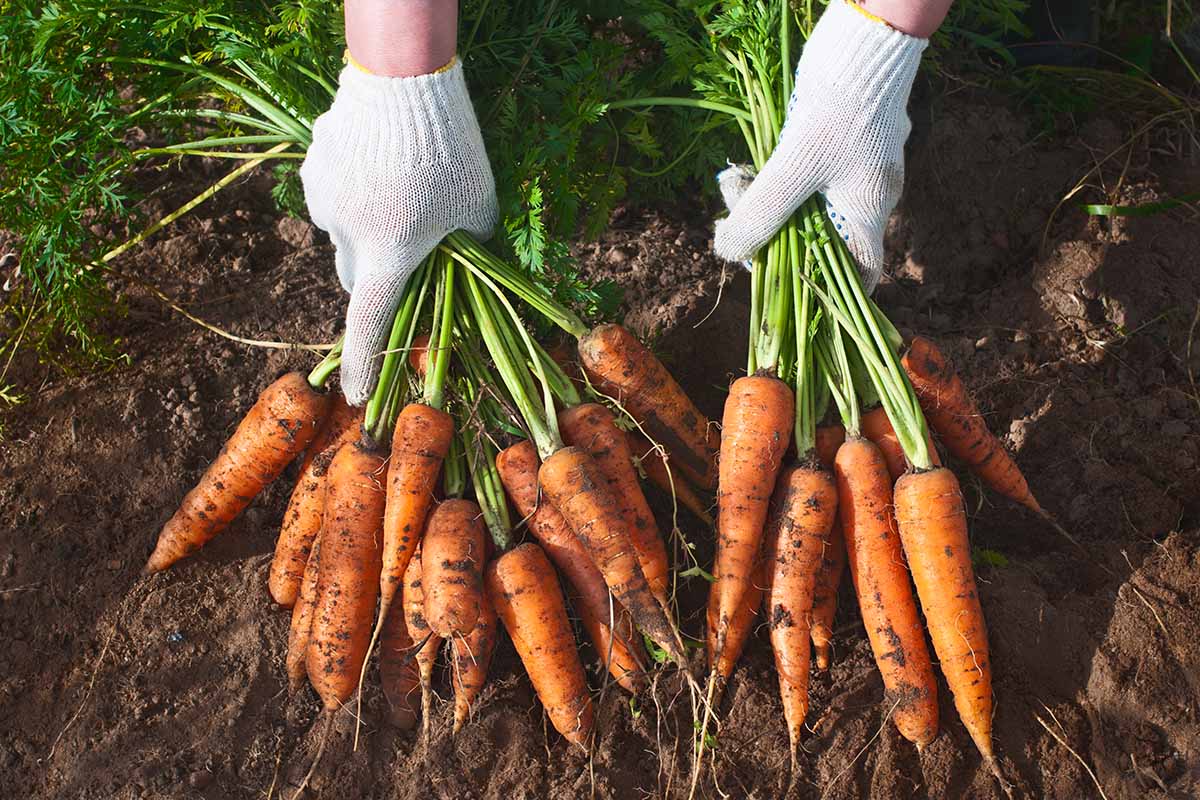
A close up horizontal image of gloved hands holding bunches of freshly harvested Nantes carrots.

‘Nantes’ could become your new favorite carrot to grow in the garden. It’s tender and sweet, bright orange, and virtually coreless. And you can eat this variety without peeling it first. This guide covers how to sow and care for this crop, and enjoy the haul. Zoodles, carrot cake, and roasted roots are all on the menu.

How to Plant and Grow Ghost Peppers

A close up of ripe ghost peppers, ready for harvest, growing on the plant, surrounded by foliage and fading to soft focus in the background.

Do you like hot peppers? If you can stand the heat, why not try growing ghost peppers? Once thought to be the hottest pepper in the world, the bhut jolokia packs an almighty punch of flavor and adds sizzling heat to a variety of dishes. Learn how to plant and grow ghost peppers with these top tips. Read more now.

Learn How to Grow Tomatoes From Seed

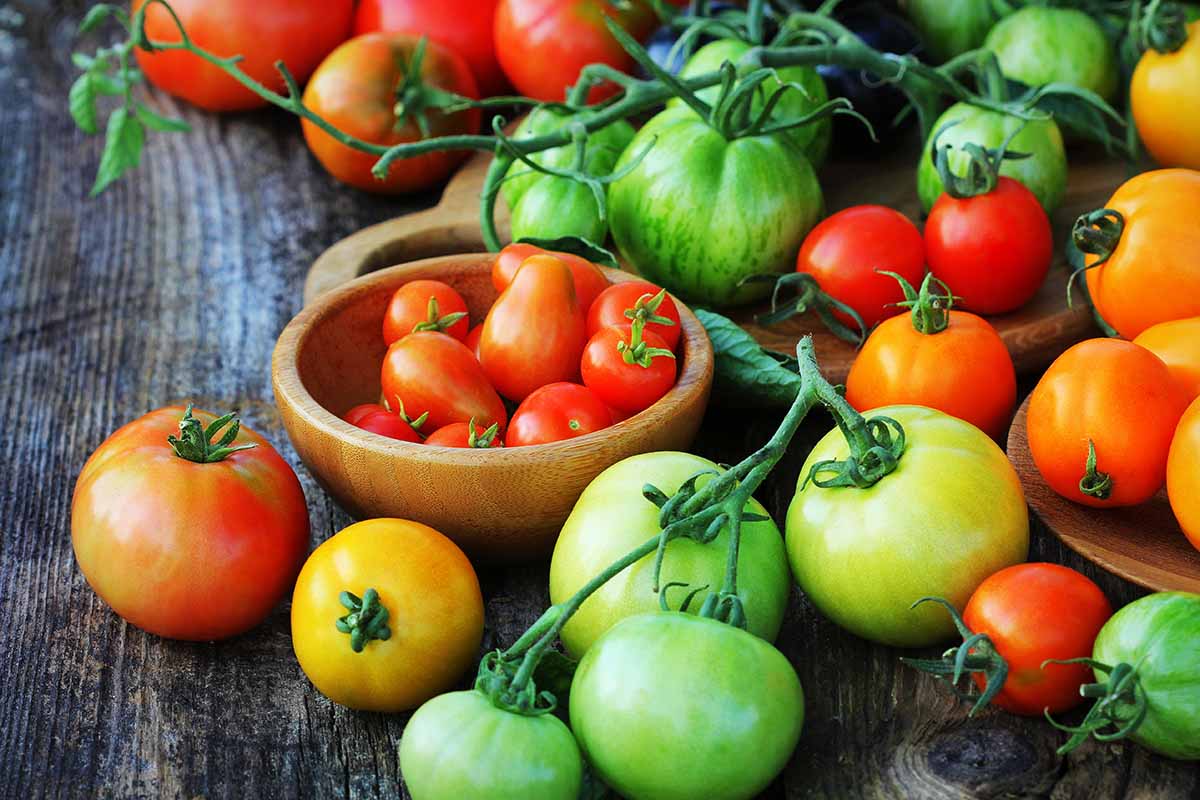
A close up horizontal image of freshly harvested tomatoes on a wooden surface and in bowls.

Want to grow tomatoes from seed? It’s easy to start these delicious summer vegetables from the comfort of home, and then transplant them to your garden. We explain when to start and what you’ll need, with step by step instructions. Learn how to start your own seeds and harvest a bumper crop of juicy ripe tomatoes now.

11 Must-Have Supplies for Starting Seeds

A horizontal photo of a gardener with a trowel shoveling fresh soil in a seed starting pot.

Are you planning to grow seed starts for a vegetable garden or flower border? Seeds are an obvious requirement, but there are a number of other supplies you’ll need as well, like potting medium and containers. Have a look at our checklist of 11 supplies you need for starting seeds here. Read more now.

How to Overwinter Artichoke Plants

A close up horizontal image of artichoke plants under a covering of snow in the vegetable garden.

Artichokes are perennials that can produce for decades, but gardeners in cold regions often grow them as annuals. If you live in a northern climate, you can do some preparations before winter to keep your plants coming back year after year. Learn how to winterize artichoke plants in this guide. Read more now.

Tips for Growing Cabbage in Containers

A close up horizontal image of a cabbage head covered in droplets of water ready for harvest.

Are you short of gardening space in your yard but love growing cabbage? Or maybe your garden doesn’t have the right soil for these brassicas? Don’t worry, you can grow these cool-weather plants in containers instead. Learn more about how to plant and grow cabbage in containers in this guide. Read more now.

How to Identify and Prevent Sunscald on Tomatoes

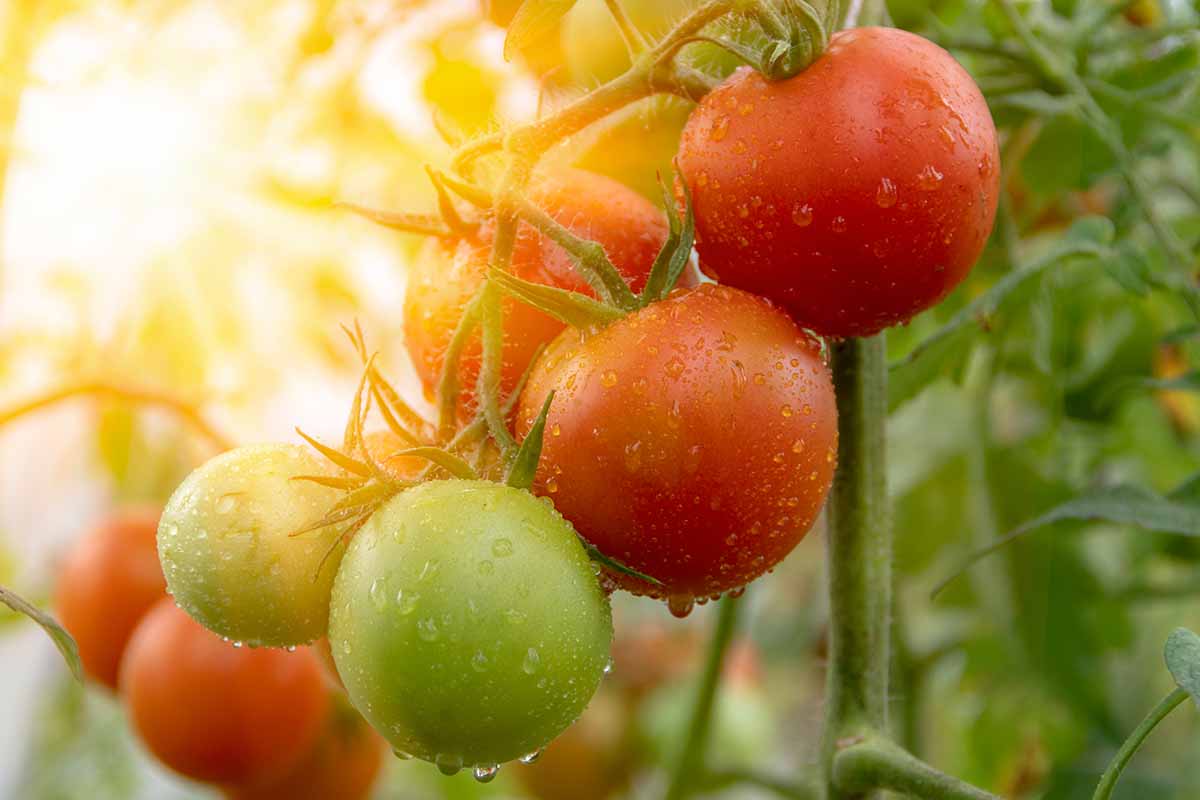
A close up horizontal image of a cluster of tomatoes growing on the vine with droplets on the surface of the fruit, pictured in light evening sunshine, on a soft focus background.

If you notice discoloration on the outside of your tomatoes, they might have sunscald. This problem results in light green, yellow, or brown patches. It’s caused by a combination of heat and too much sunlight. Learn more about this physiological disorder and how to prevent it so you can enjoy perfect tomatoes. Read more.

Growing Carrots and Other Hosts for Black Swallowtail Butterflies

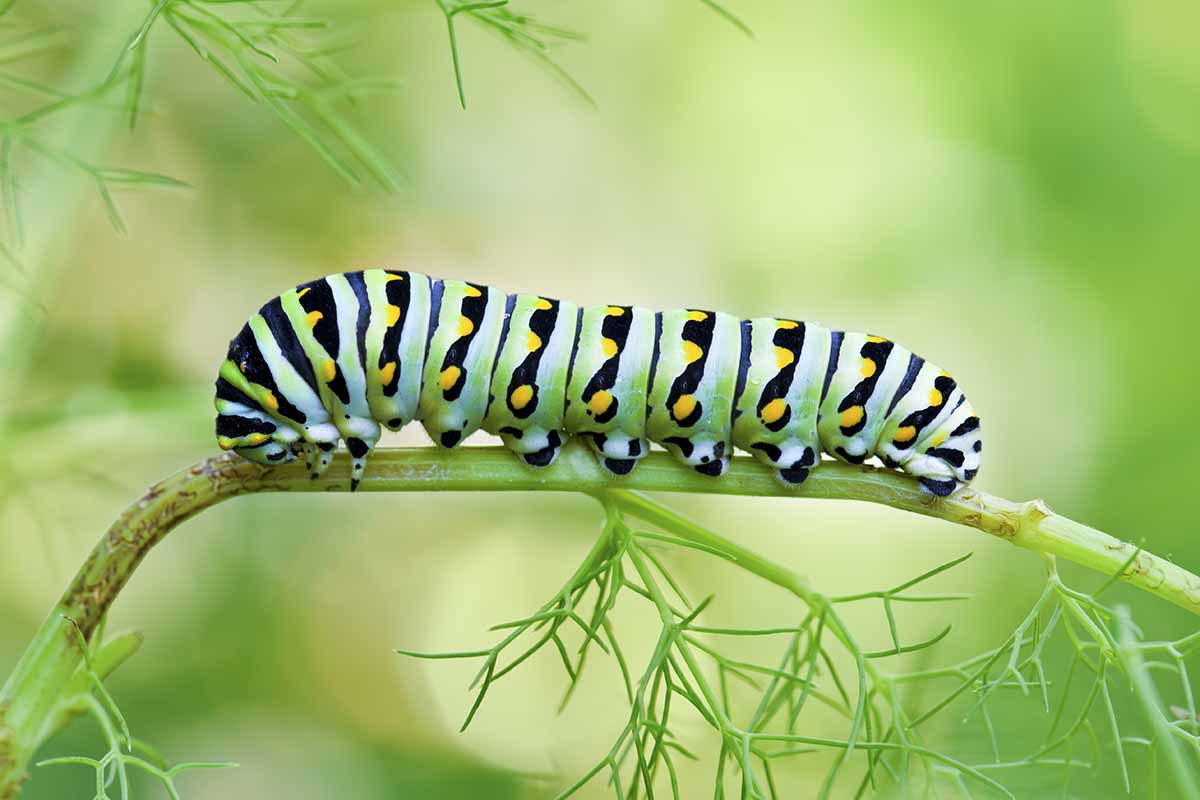
A close up horizontal image of a black swallowtail butterfly larva eating a carrot plant.

Interested in growing garden plants to attract black swallowtail butterflies? Members of the carrot family are a favorite of these pollinators, which can make their homes in our gardens at many different stages. Learn more about growing plants in the carrot family for black swallowtail butterflies in this guide. Read more.

When and How to Harvest Zucchini

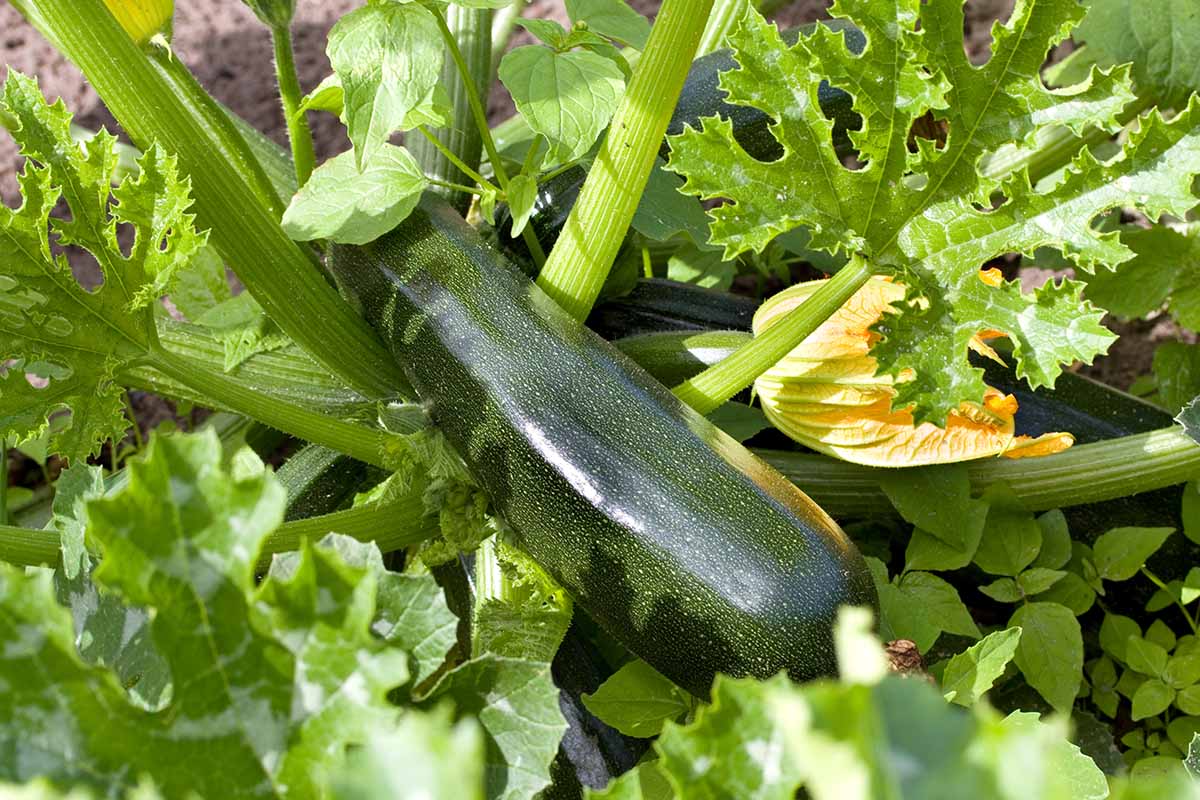
A horizontal photo of a ripe, ready-to-harvest zucchini in a garden.

Easy to grow, everyone’s favorite green summer squash is also a breeze to pick with the right technique. You can’t just tear these vegetables off the vine, a more refined approach is required. You’ll also want to make sure you get your timing right. Learn more about how to harvest zucchini in this guide. Read more now.

Reasons and Fixes for Hollow Zucchini

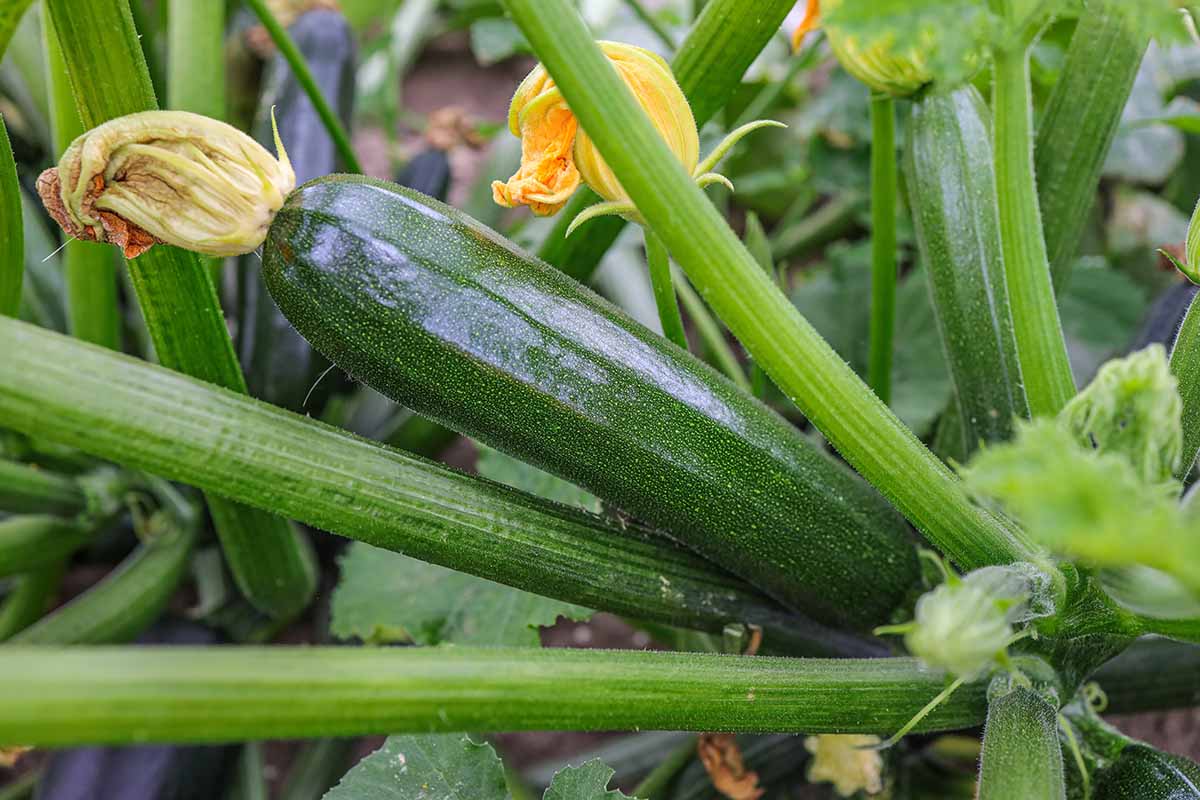
A horizontal close up of a zucchini growing on a vine in a garden bed.

If you slice into your freshly harvested zucchini fruits and find the center hollowed out, you’re probably dealing with hollow heart. Hollow centers can be caused by pollination problems, water issues, or nutrient deficiencies. Learn more about this issue and how to prevent and manage it in this guide. Read more now.

How to Plant and Grow Parris Island Cos Lettuce

A close up horizontal image of a head of 'Parris Island Cos' lettuce growing in the garden ready to harvest.

‘Parris Island Cos’ lettuce is a heat- and drought-resistant romaine type that forms crisp, cupped leaves with a mild flavor and refreshing crunch. This cultivar is mosaic virus resistant and doesn’t bolt easily. Learn more about how to plant and grow this tried-and-true variety in this guide. Read more now.

How to Identify and Manage 11 Carrot Diseases

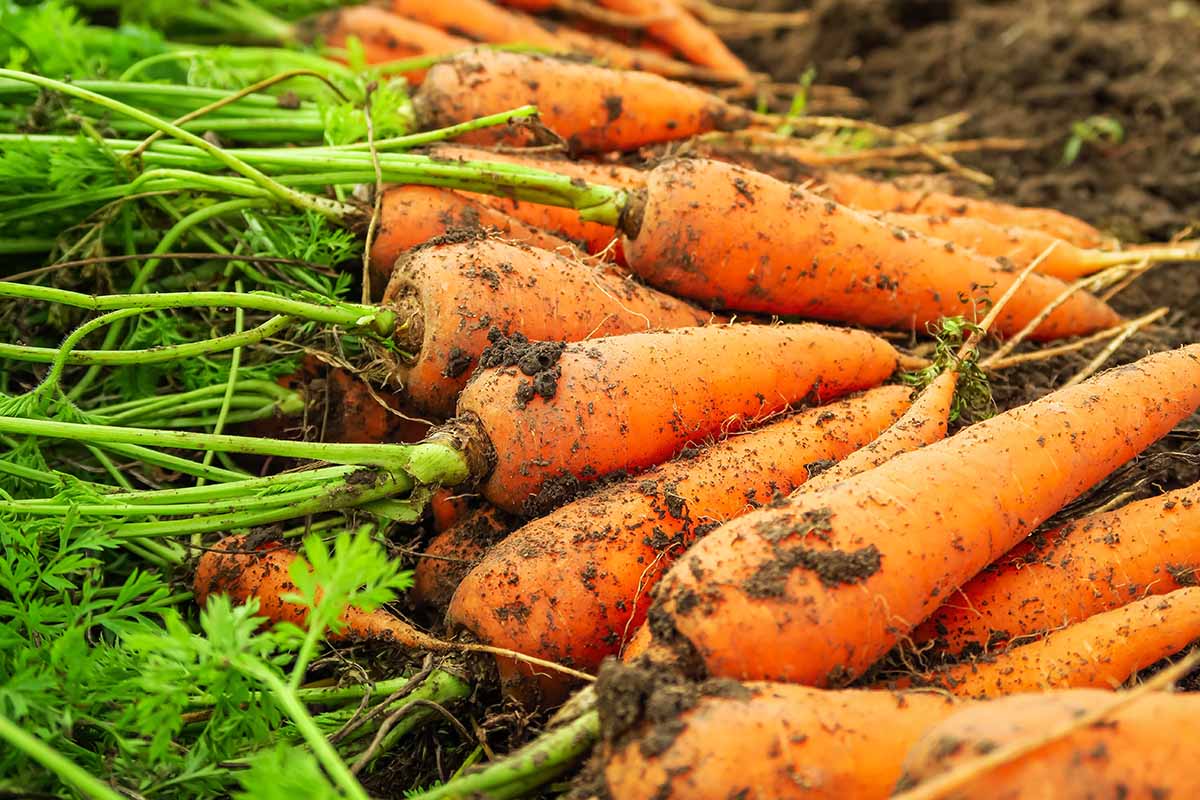
A close up horizontal image of a pile of freshly harvested carrots set on the ground in the garden with the tops still attached.

Carrots are a staple in the vegetable garden but they can fall prey to a number of diseases, from mild, mostly inconsequential problems like powdery mildew to the harvest-destroying white rot. Learn about 11 common carrot diseases and how to identify, prevent, and treat them in this guide. Read more now.

How to Plant and Grow Scarlet Runner Beans

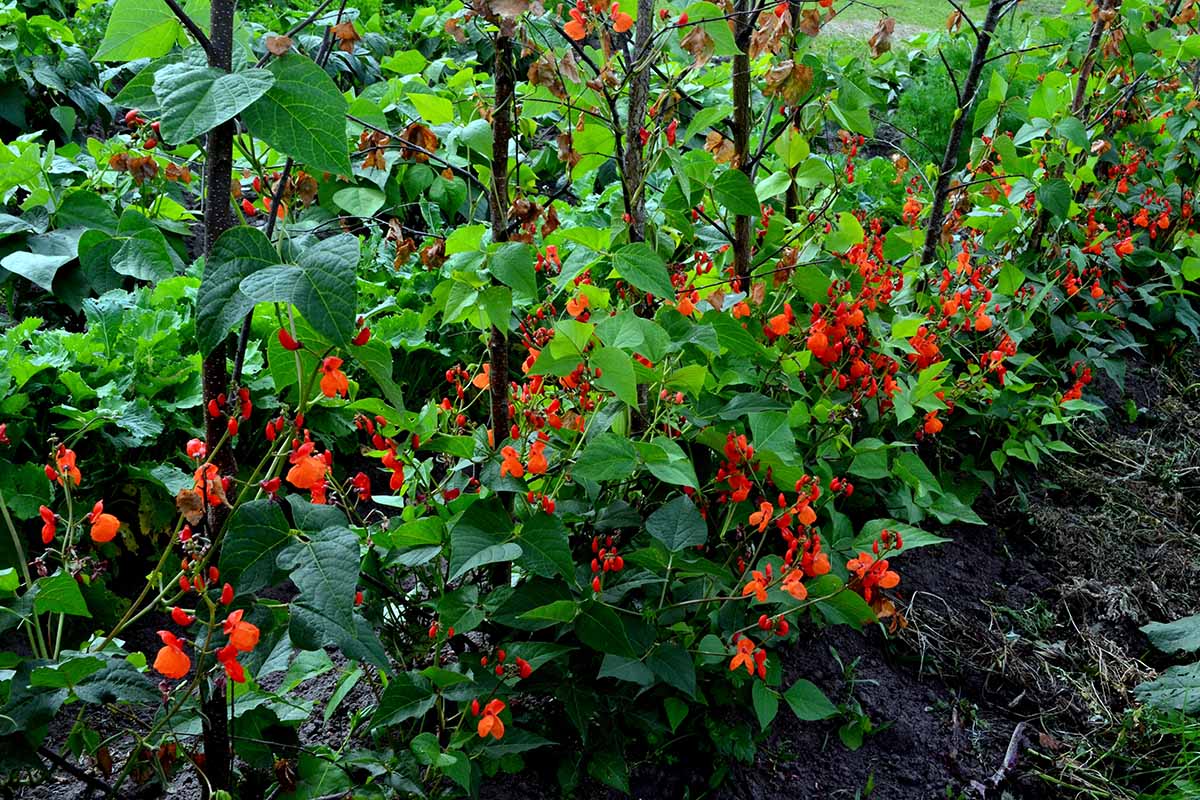
A close up horizontal image of scarlet runner beans growing in the vegetable garden in full bloom.

Loved for both their ornamental and edible qualities, scarlet runner beans have bright red blooms that attract pollinators. Plus, these climbing plants have some advantages over regular pole beans and there are many different cultivars to choose from. Learn how to grow and care for scarlet runner beans in this guide.

How to Plant and Grow Miner’s Lettuce (Claytonia)

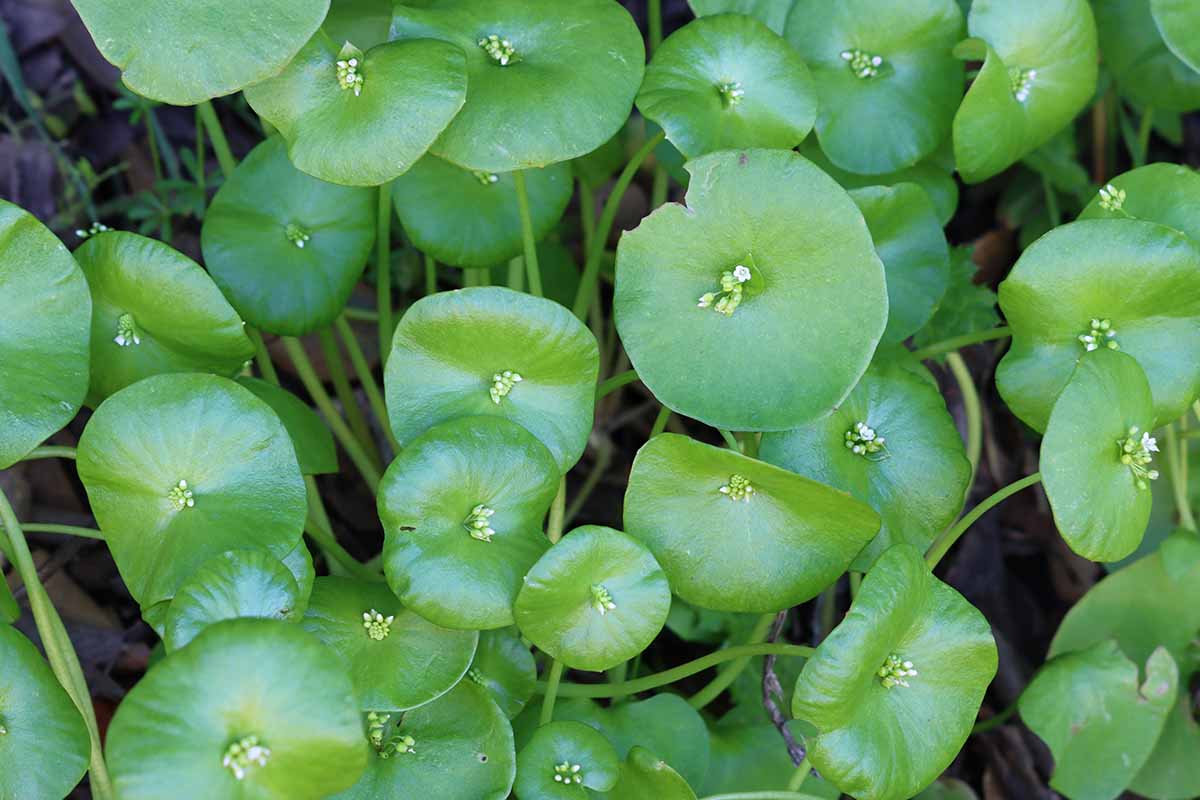
A close up horizontal image of miner's lettuce (Claytonia perfoliata) in full bloom growing wild.

Miner’s lettuce is a nutritious, delicious green with a delicate flavor and refreshing crunch. It’s easy to grow and thrives in cool temperatures. Miners used to carry it with them into the mines to stave off malnutrition and it’s popular with foragers. Learn how to plant and grow claytonia in this guide. Read more now.

Why Pea Plants Fail to Produce Pods (and How to Fix It)

A horizontal close up of pea plants with no pods.

If you’re growing peas and the plants look healthy but fail to produce pods, there are a number of different reasons why this may happen. From lack of nutrients to excessively warm temperatures, in this guide we’ll help you figure out why your peas aren’t producing the flavorful pods and what to do about it. Read more.

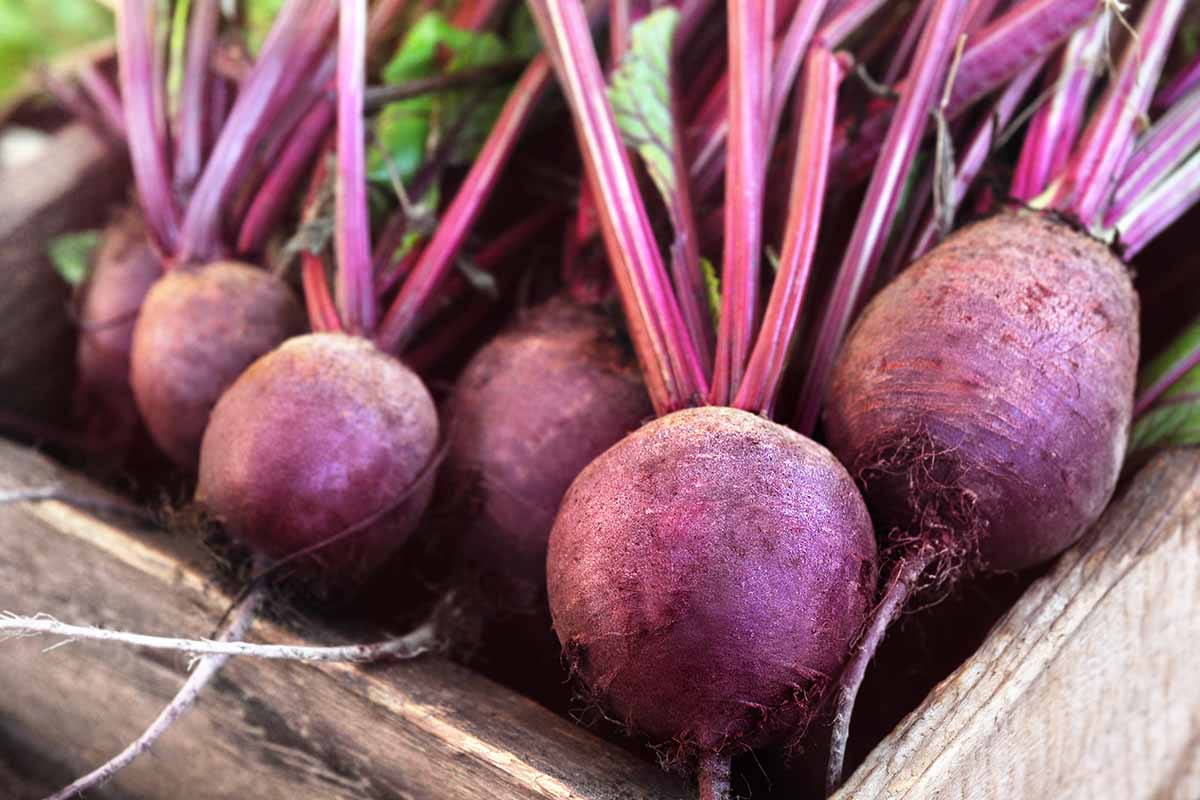
How to Prevent Beet Plants from Bolting

A close up horizontal image of freshly harvested and cleaned beets in a wooden box.

Under stressful conditions such as too much heat or lack of moisture, many garden vegetables will bolt, or send out flowers to complete their lifecycle prematurely. This can cause the roots to become woody and tough, and the leaves to turn bitter. Learn more about bolting in beets and how to prevent it in this guide.

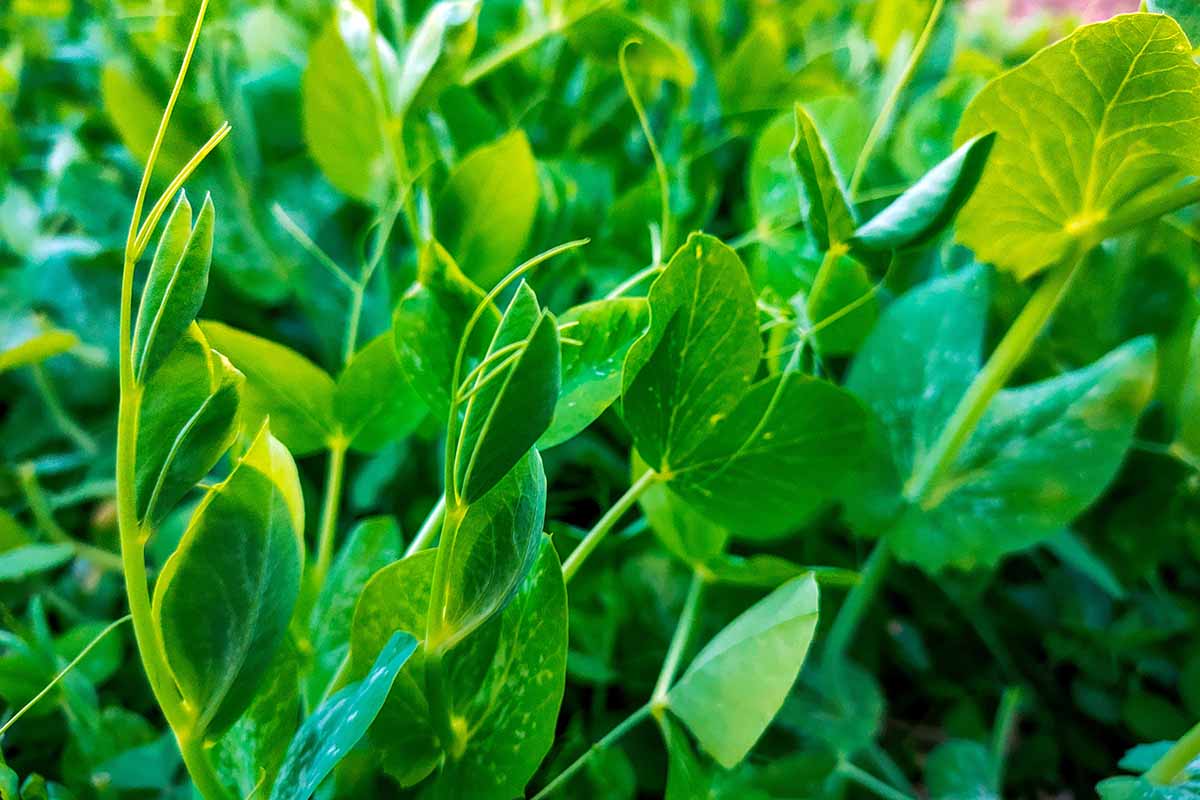
How to Grow and Harvest Pea Shoots

A horizontal close up of pea shoots growing in dark, rich soil.

Pea shoots, the young and tender growing tips of pea plants, are an early spring treat with a decidedly gourmet appeal. Plus, these delicious garden greens are easy to grow and harvest, and can be part of your low waste gardening strategy. Learn how to grow and harvest pea shoots in this guide. Read more now.

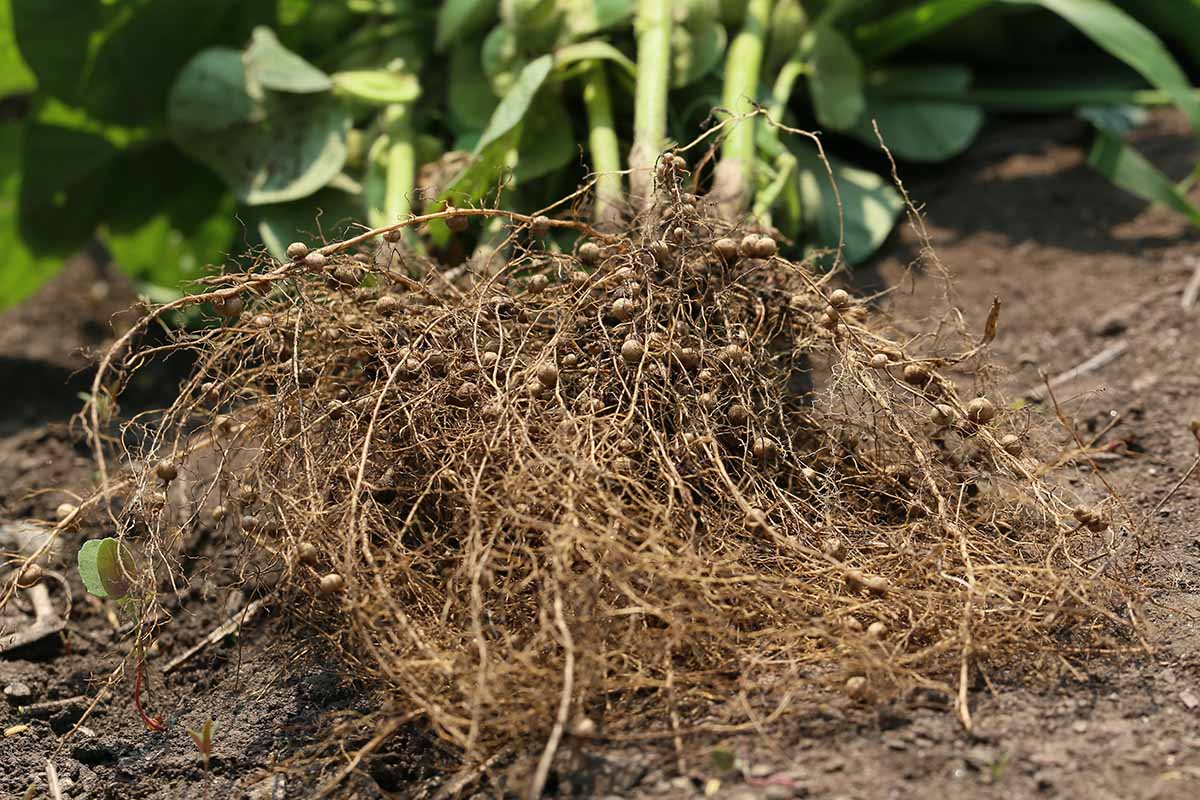
7 Types of Legume Inoculants and How to Use Them

A close up horizontal image of a plant dug up showing the nodules on the roots.

Through the power of microbial action, inoculants help legumes convert nitrogen from the air into soil nitrogen they need to grow and thrive. Using these beneficial microbes can mean the difference between a paltry harvest and a plentiful one! Learn about 7 legume inoculants for the garden in this guide. Read more now.

How to Grow Potatoes in Straw

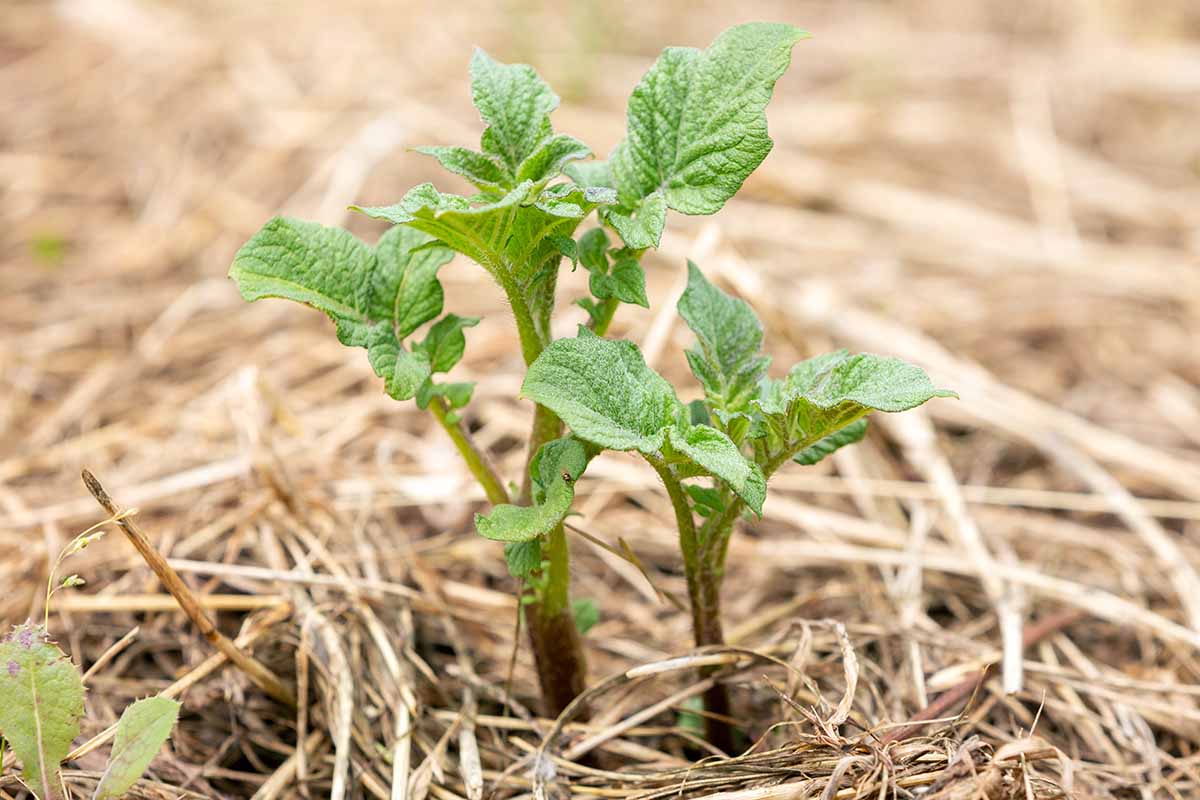
A horizontal photo of a side view of young potato sprouts growing in straw.

Growing potatoes in straw is a simple, yet effective way of yielding delicious tubers. It’s cheap, saves you work, yields clean potatoes, and that’s just the beginning! In our guide, we’ll discuss the benefits of growing spuds in straw, a list of what you’ll need, and a thorough how-to. Read more now.
How to Plant and Grow Watercress

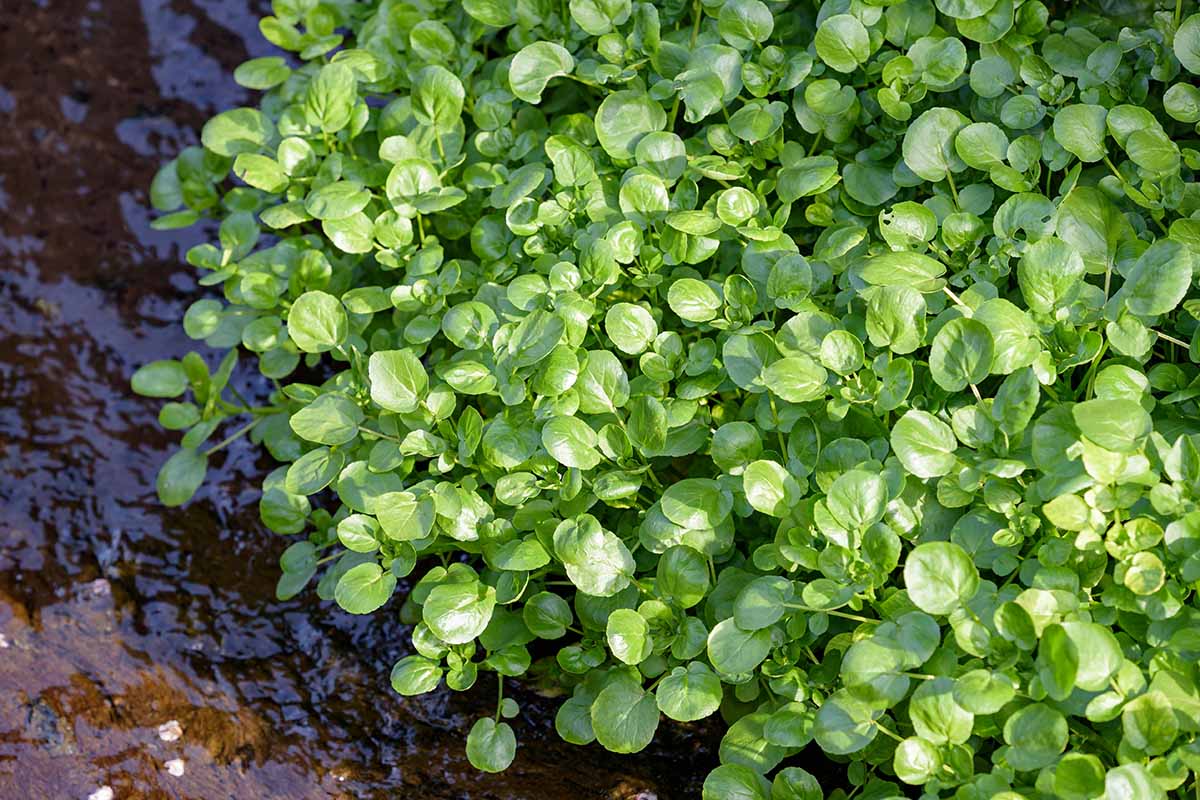
A horizontal photo of watercress plants growing in water.

Watercress is literally the most nutritionally dense vegetable you can grow, according to the CDC. Plus, you don’t need running water to grow this peppery little plant, in spite of what you may have heard. Learn more about growing watercress in the soil, water, or hydroponically in this comprehensive guide. Read more now.

Tips for Growing Golden Beets

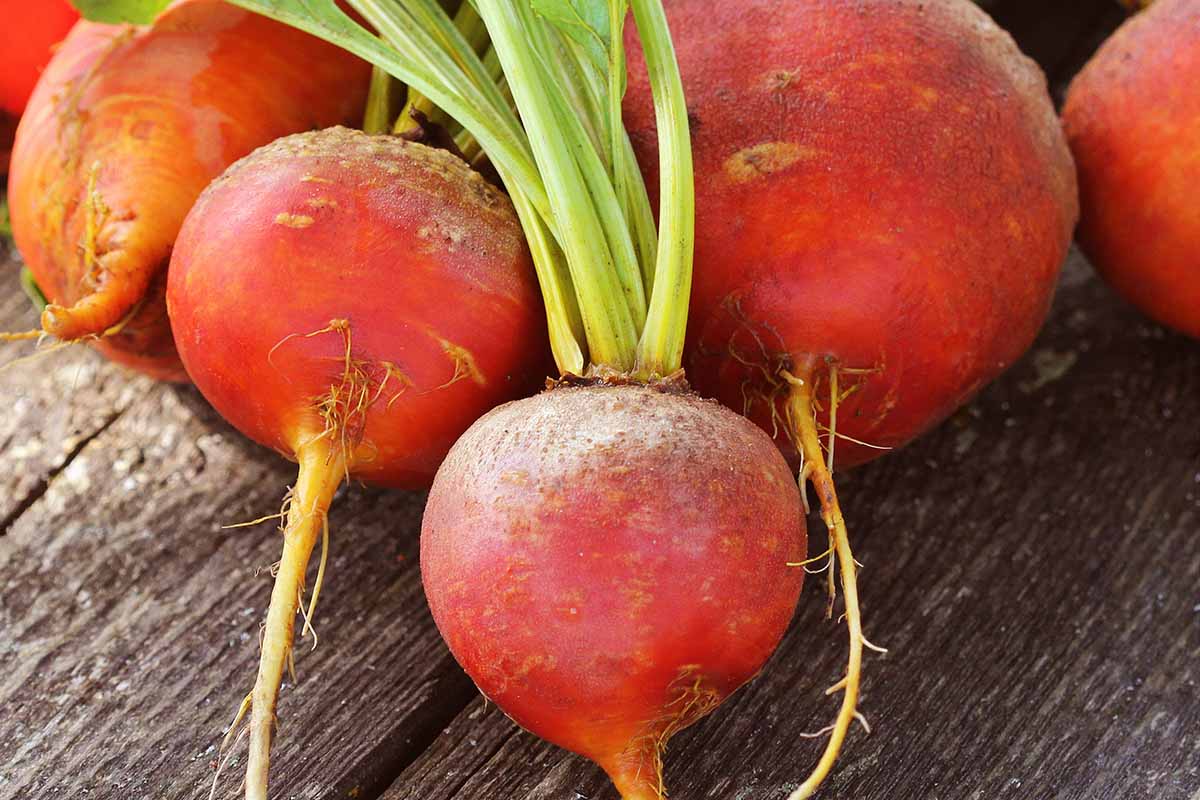
A close up horizontal image of a pile of golden beets harvested and cleaned and set on a wooden surface.

Red and purple beets are super, but yellow and gold ones are arguably better. Golden beets are sweeter and less earthy than their darker cousins, and they’re undeniably pretty on the plate. In this guide, we’ll introduce some of the best cultivar options and how to plant and grow the most flavorful golden beets.

How to Plant and Grow Leaf Lettuce

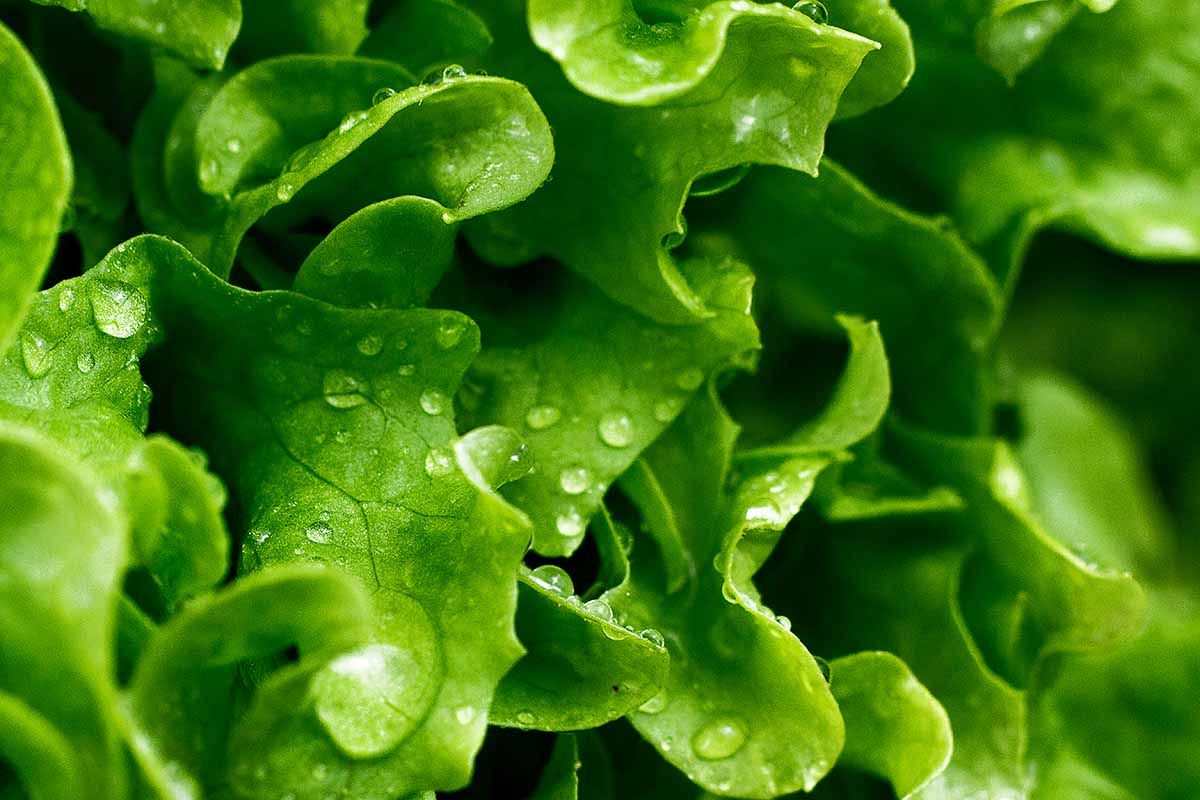
A horizontal close up of green leaf lettuce with water droplets on the leaves.

Ready to always have fresh salad ingredients for harvesting? You need to grow leaf lettuce. An easy-to-grow annual vegetable for the home gardener, leaf lettuce requires proper cultivation for peak tastiness. Our guide has all the info you need, from sowing protocols to plant health care. Read more now.

How to Plant and Grow Spinach

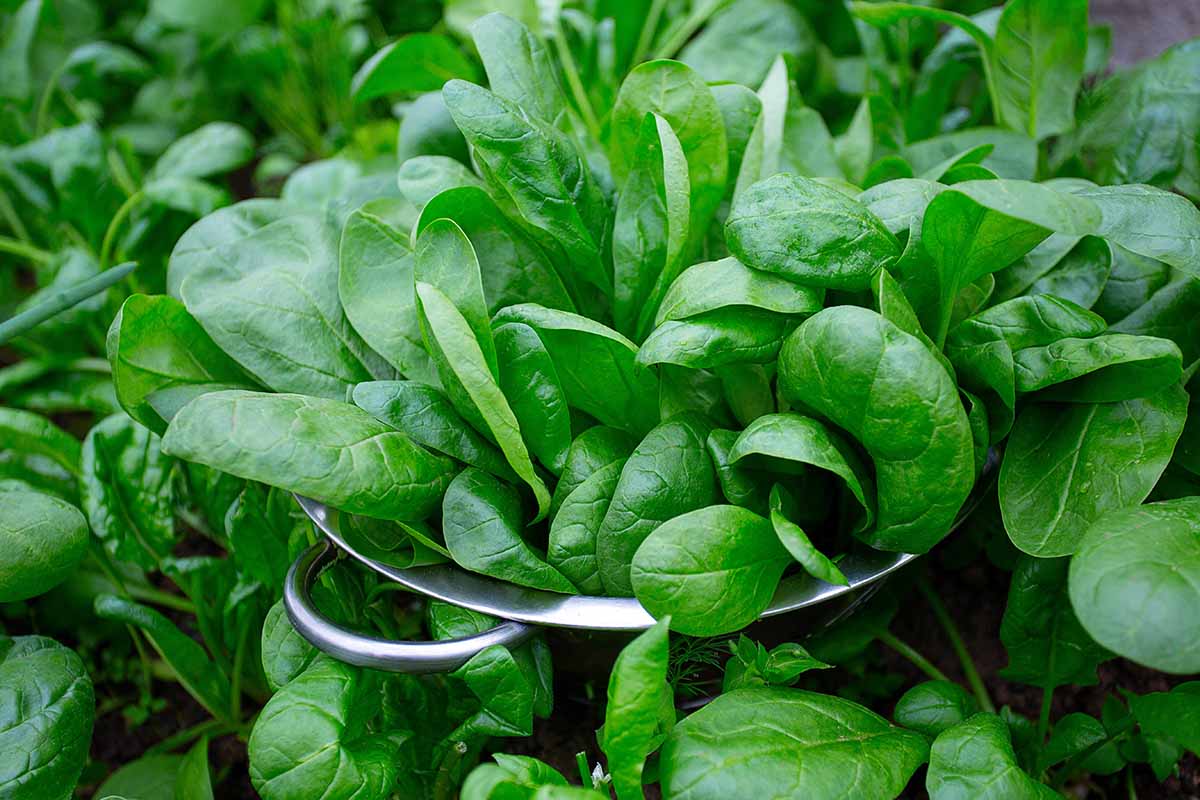
A horizontal photo of fresh spinach leaves in a metal colander in a garden.

Spinach is a fast growing, highly nutritious annual vegetable grown for its tender, tasty leaves that can be eaten raw or cooked. A cut-and-come-again crop, repeat sowing gives multiple harvests, and it thrives in cool temperatures but can also be grown in summer with light shade. Learn how to grow spinach in this guide.

Tips for Growing Cayenne Peppers

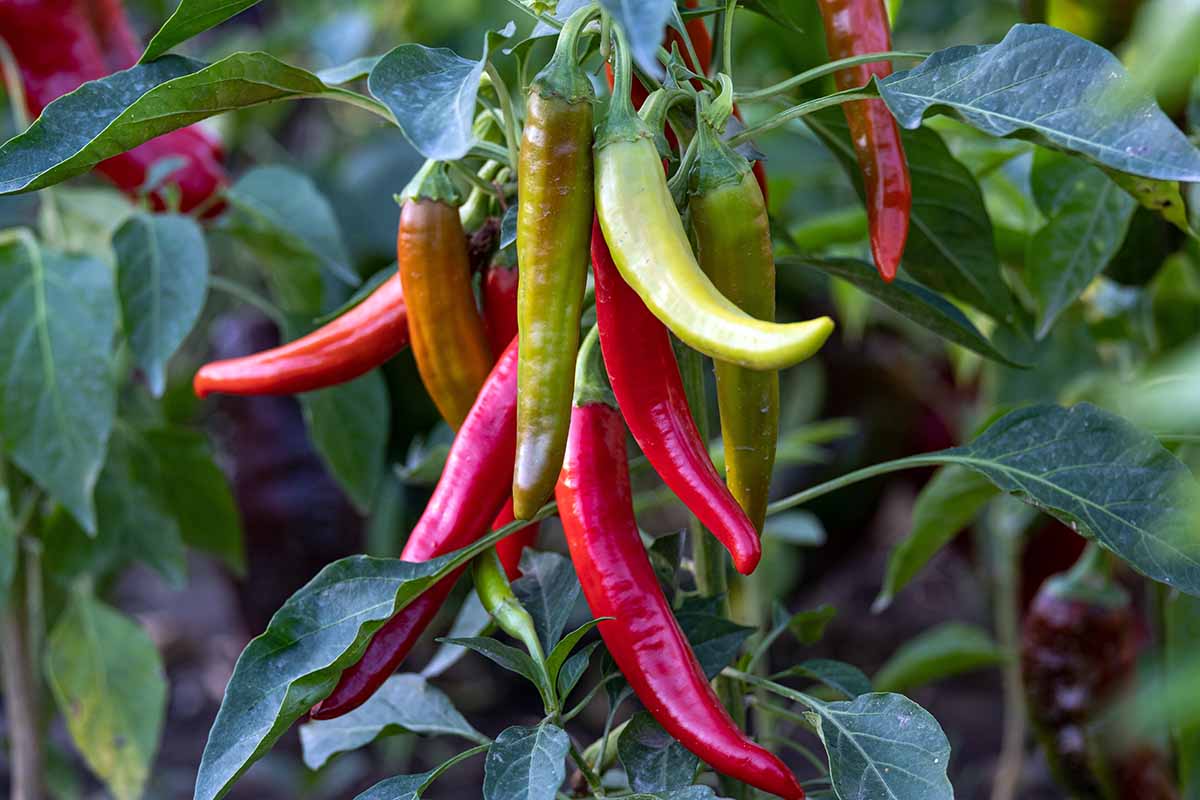
A horizontal photo of a pepper plant with several chili peppers ranging from a pale green to ripe bright red.

Do you like spicy food? Then you should be growing cayenne peppers in your garden. There are over a dozen cultivars, with one to suit any preference, and they mature quickly, so you can dig in sooner. Learn about the different cultivars and how to start, plant, and care for these smoky, spicy chili treats.

How to Identify and Manage Soft Rot in Lettuce

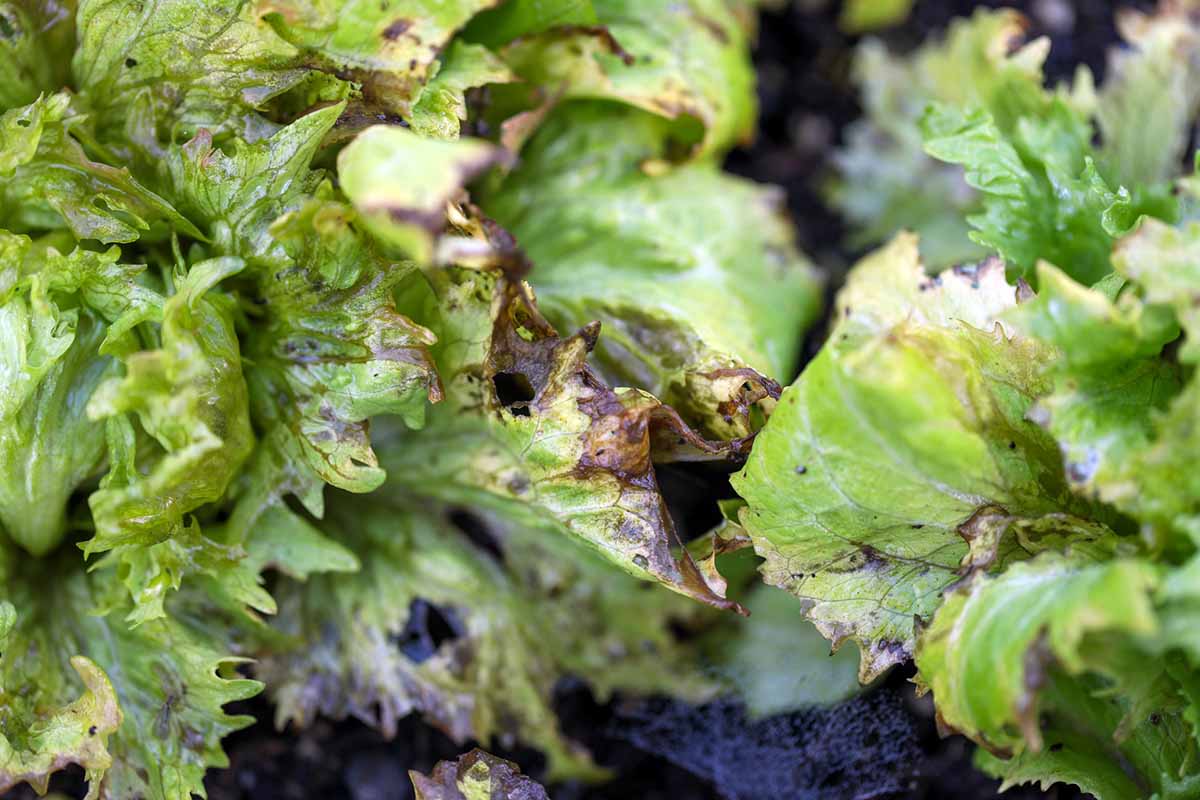
A horizontal close up of a lettuce leaf with soft rot on the edges of the leaf.

Soft rot in lettuce is a terrible, awful, no-good bacterial disease. As you might have guessed from the name, it causes rotten, soft areas in lettuce plants. It can completely destroy your lettuce heads, and there’s no known cure. Learn more about what you can do to prevent and deal with soft rot in lettuce in this guide.

How to Identify and Treat 5 Common Arugula Diseases

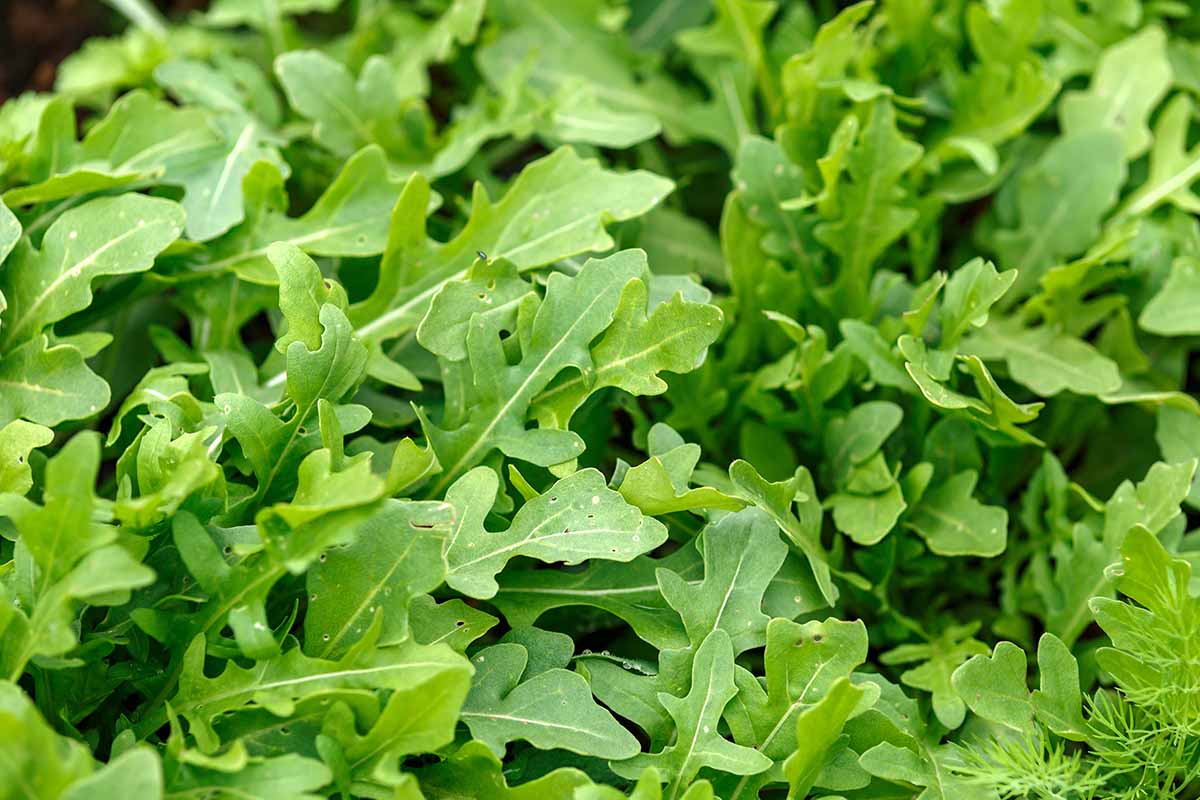
A horizontal close up photo of fresh green arugula leaves.

Arugula is generally a tough, resilient plant, but if disease happens to come its way, acting fast is crucial. To do that, you need to know what to watch for and what to do if you see problems. This guide explains 5 common arugula diseases, from downy mildew to bacterial leaf spot, and how to deal with them.

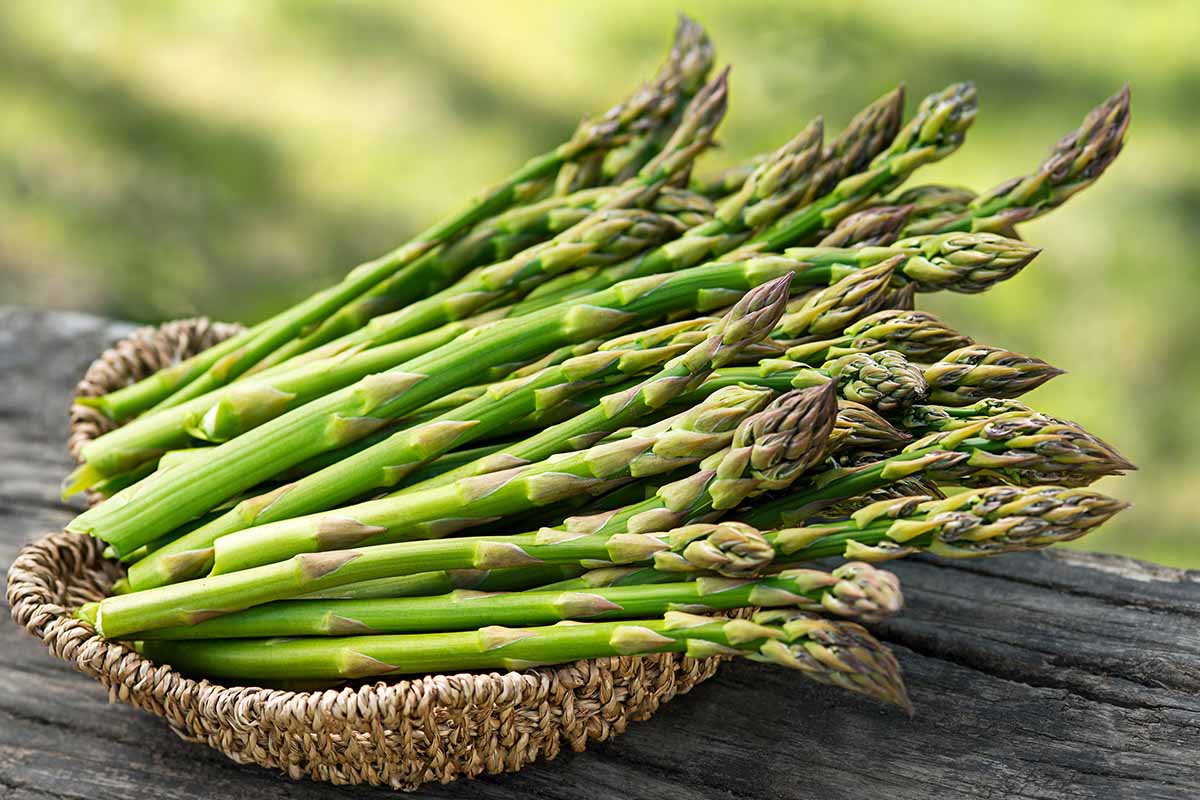
How to Plant and Grow Asparagus

A close up horizontal image of a wicker basket filled with a bunch of freshly harvested asparagus spears set on a wooden table outdoors pictured on a soft focus background.

Asparagus intimidates some gardeners. As a perennial, it takes a different skill set than something like zucchini or lettuce. But don’t let it scare you. You can succeed with cultivating those tasty little spears. We’ll help you become an asparagus growing professional with this comprehensive growing guide.

3 Common Causes of White Spots on Lettuce

A horizontal shot of a head of lettuce on a wooden table. White spots are visible on the leaves of the lettuce.

If you’re growing lettuce and you notice white spots on the leaves, you need to act fast to save your crops. Spotting on the leaves can be caused by a couple of different diseases as well as a particular pest. Learn what causes white spots on lettuce and what to do about it in this guide. Read more now.

How to Plant and Grow Butterkin Squash

A horizontal photo of a Butterkin squash on a wooden table. In the background are several other varieties of winter squashes.

‘Butterkin’ is a hybrid cross between a pumpkin and a butternut squash, giving you the rounded shape of a pumpkin with the sweet nutty flavor of a butternut. This winter squash variety is relatively low-maintenance and can be stored up to six months after curing. Learn how to plant and grow ‘Butterkin’ in this guide.

How to Plant and Grow ‘Sugar Daddy’ Peas

A horizontal shot of sugar snap pea pods hanging from a plant with flowers closed up.

‘Sugar Daddy’ is a wonderful sugar snap pea variety. It has the delightfully plump, juicy orbs with a sweet, herbaceous, slightly fruity flavor, minus the annoying pod strings. Plus, it’s resistant to powdery mildew. Learn all about propagating, planting, and growing ‘Sugar Daddy’ in this guide. Read more now.

How to Plant and Grow ‘Winter Density’ Lettuce

A horizontal close up of several young, green winter density lettuce plants.

‘Winter Density’ is a fantastic crisp, juicy cross between butterhead and romaine lettuce. It’s tolerant of frost and won’t bolt in mild heat. Plus, it’s resistant to most fungal diseases, making growing it a cinch. Learn how to plant, and grow ‘Winter Density’ lettuce in this comprehensive guide. Read more now.

13 of the Best Purple and Blue Potato Varieties

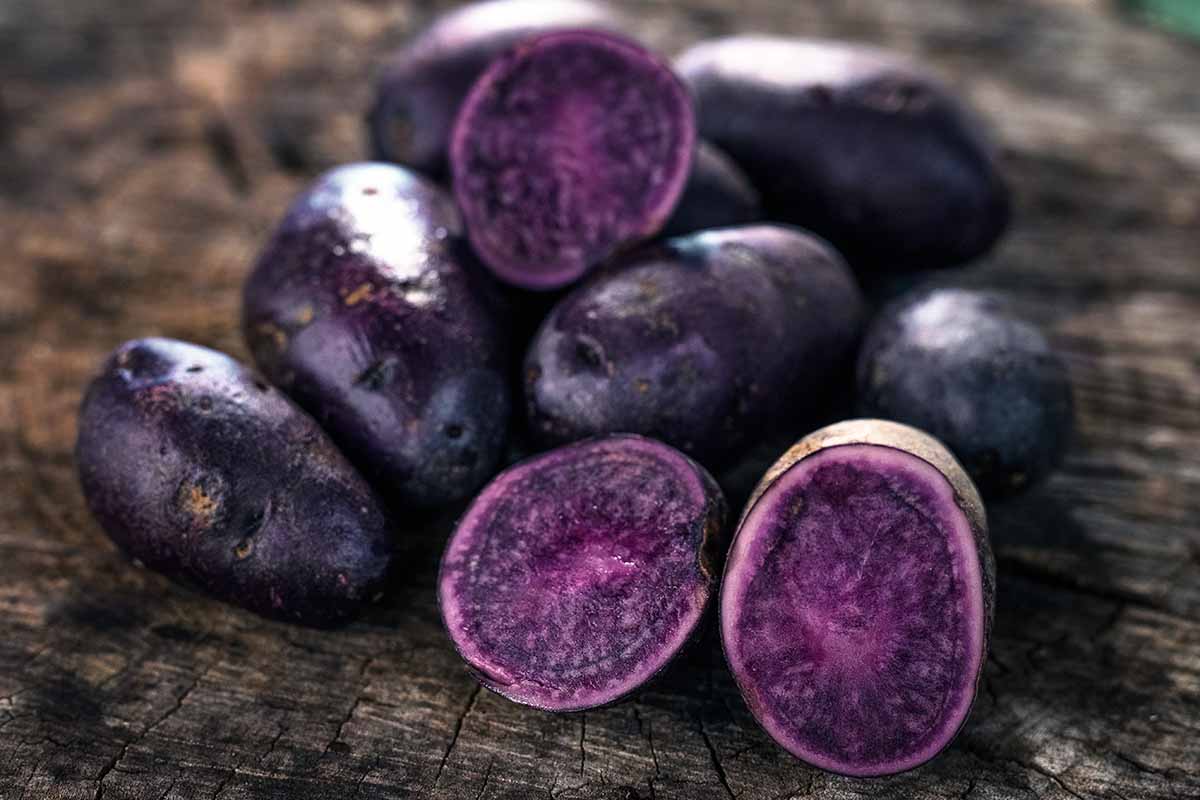
A close up horizontal image of a pile of sliced and whole purple potatoes set on a wooden surface.

Purple and blue potatoes are healthier for you than your average spud and come in eye-catching hues sure to wow everyone at the dinner table. Some are colored all the way through the flesh and others feature white flesh. Learn about 13 of the best blue and purple potato varieties to grow at home in this guide. Read more.

15 of the Best Brussels Sprout Varieties to Grow at Home

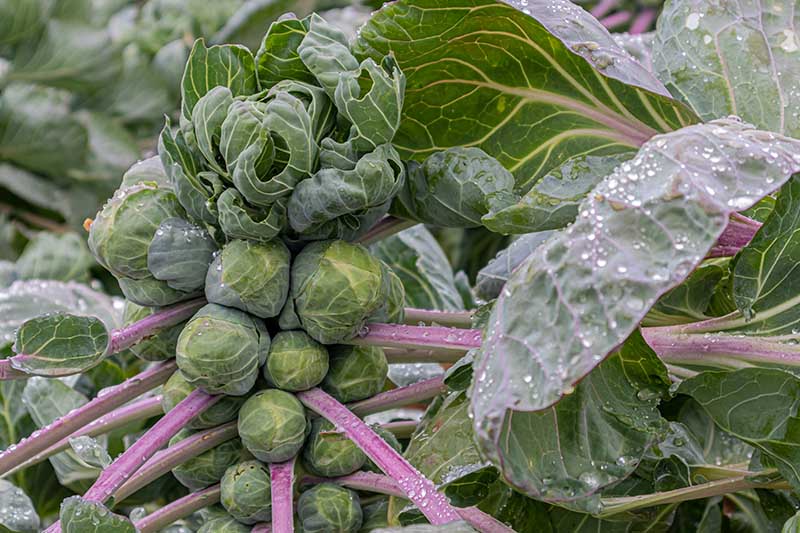
A close up horizontal image of a mature brussels sprout plant growing in the garden, with purple stems and buds ready to harvest pictured with water droplets on the leaves.

Looking for a type of brussels sprout that won’t tip over in the wind, or one that won’t succumb to deadly mildew? How about a cultivar with tiny buds that are perfect for freezing? No matter what you’re looking for, we have 15 of the best varieties of brussels sprouts to share that are sure to suit your needs.

How to Plant and Grow Shallots

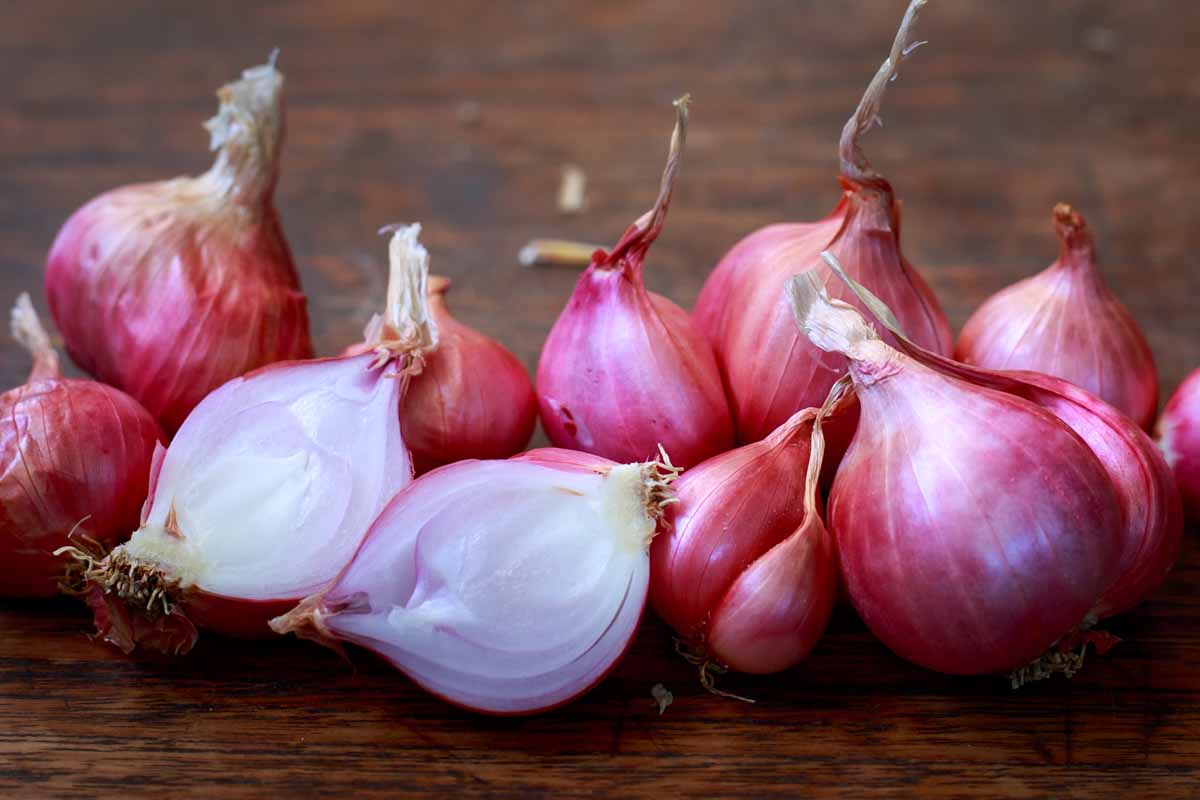
A close up horizontal image of red shallots both whole and sliced in half set on a wooden surface.

Shallots are a type of onion that has a sweet, mild flavor beloved of fine-dining chefs that can be difficult to find in the grocery store. Why not try growing your own? Discover how to plant and grow gourmet shallots in your garden now with this guide. Plus, we’ll share our favorite recipe ideas! Read more now.

How Do I Know When My Pumpkin Is Ripe? Picking and Harvest Tips

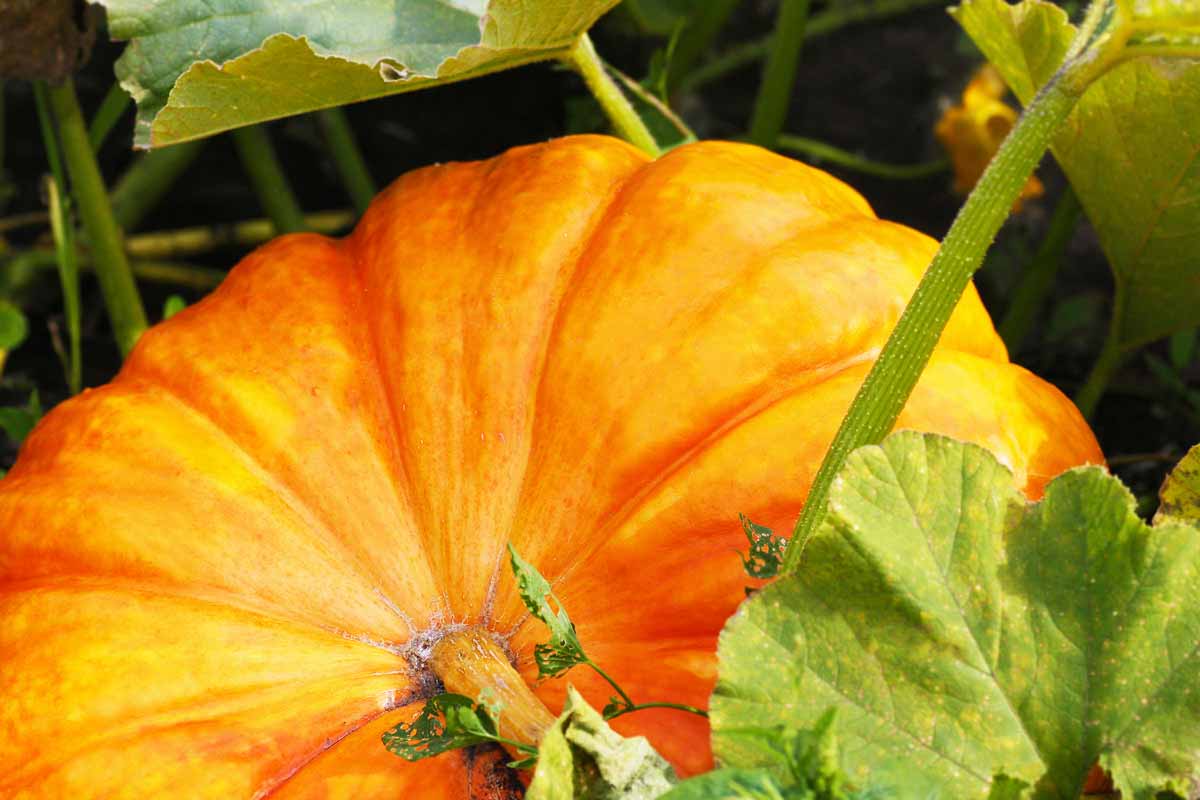
A close up horizontal image of a large orange pumpkin ripening on the vine, surrounded by foliage pictured on a soft focus background.

Are you having trouble figuring out how to tell if your homegrown pumpkins are ripe and ready for picking? In this guide, we reveal the five signs that your gourds are ready to harvest. Plus, we discuss the proper way to pick a pumpkin and the one important step you shouldn’t miss. Learn all you need to know now.

How Nutritious Is Raw Kale?

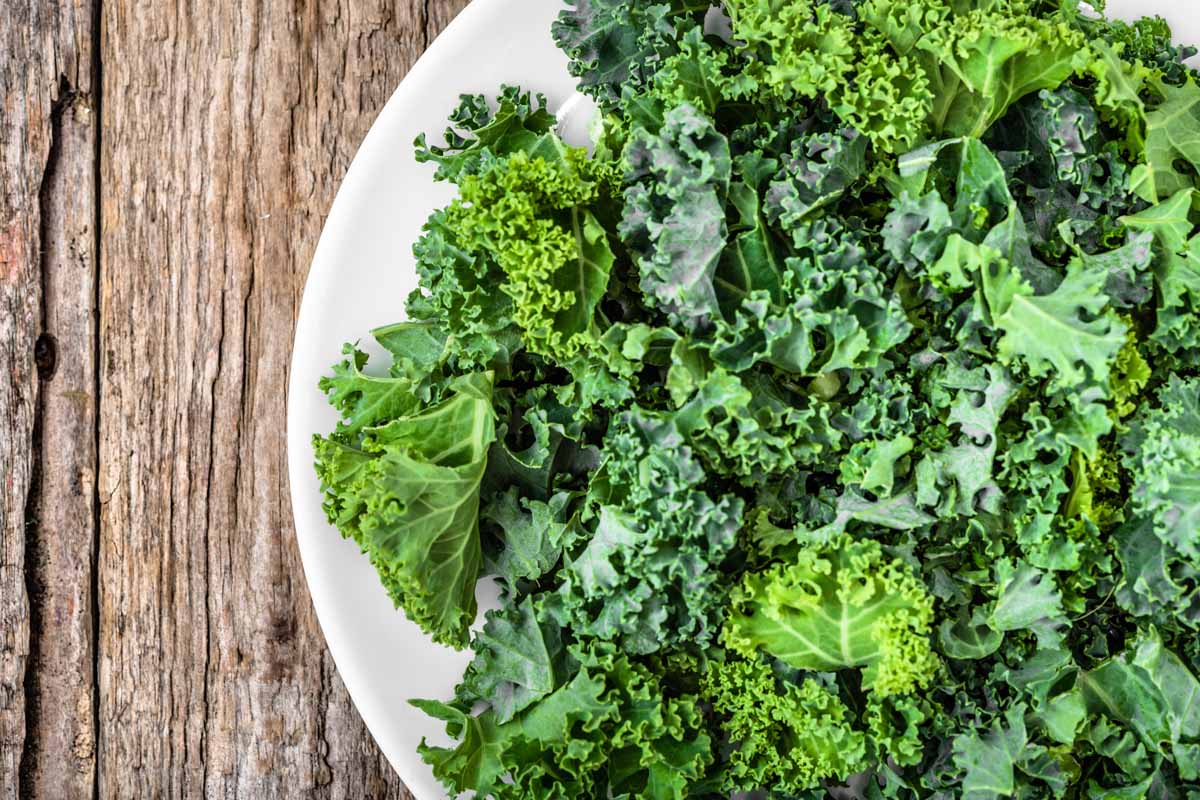
A close up of a white plate with fresh bright green curly kale leaves, pictured on a wooden surface.

Often labeled as a superfood, kale is a trendy leafy green that’s found in everything from salads and grain bowls to smoothies and juices. But how nutritious is raw kale actually, and are there any potential downsides to eating it? Read more about the potential health benefits of eating raw kale now.

How to Plant and Grow Savoy Cabbage

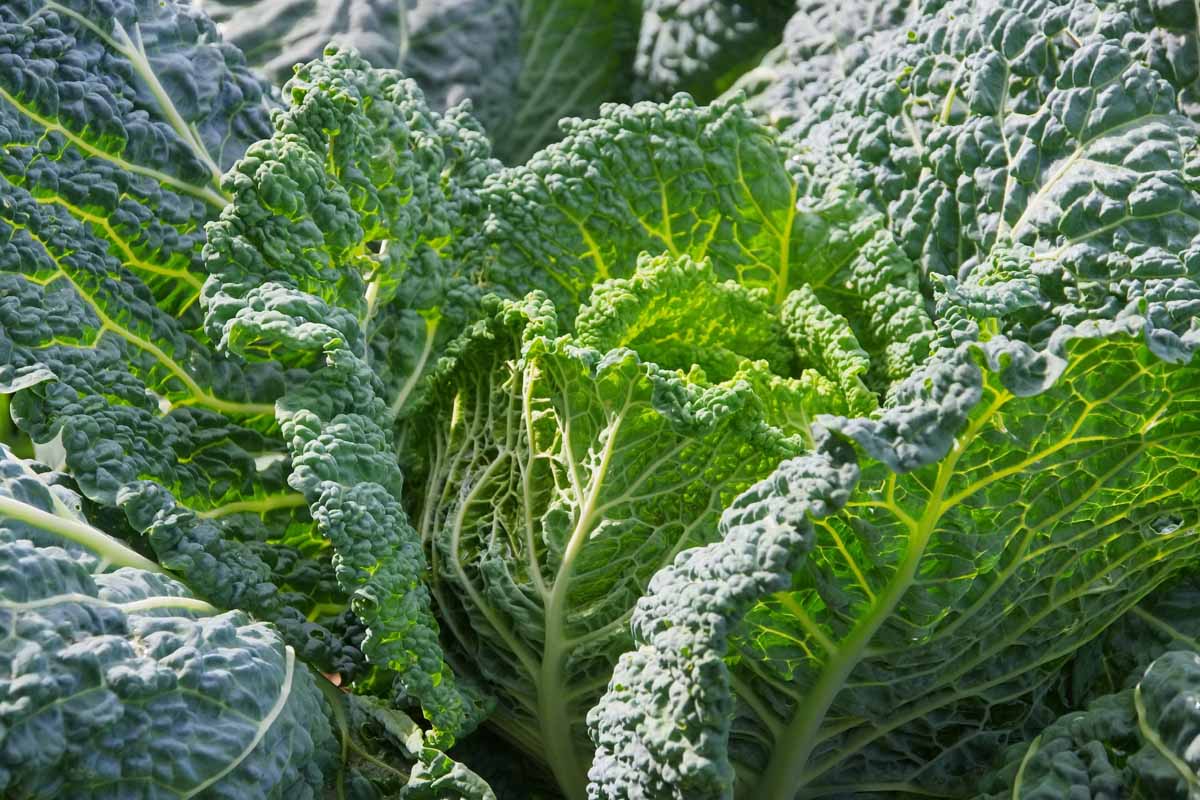
A close up of a developing savoy cabbage head with dark green wrinkly outer leaves and lighter green inner leaves closer to the head, in bright sunlight.

You’ve probably heard of green and red cabbage, but what about savoy? This variety has crinkled green leaves with a sweet flavor. Its deep green color and visually interesting texture make it a beautiful addition to your garden. Crunchy yet tender, this is a fantastic variety for using in slaws. Learn more now.

When and How to Blanch Maturing Cauliflower Heads

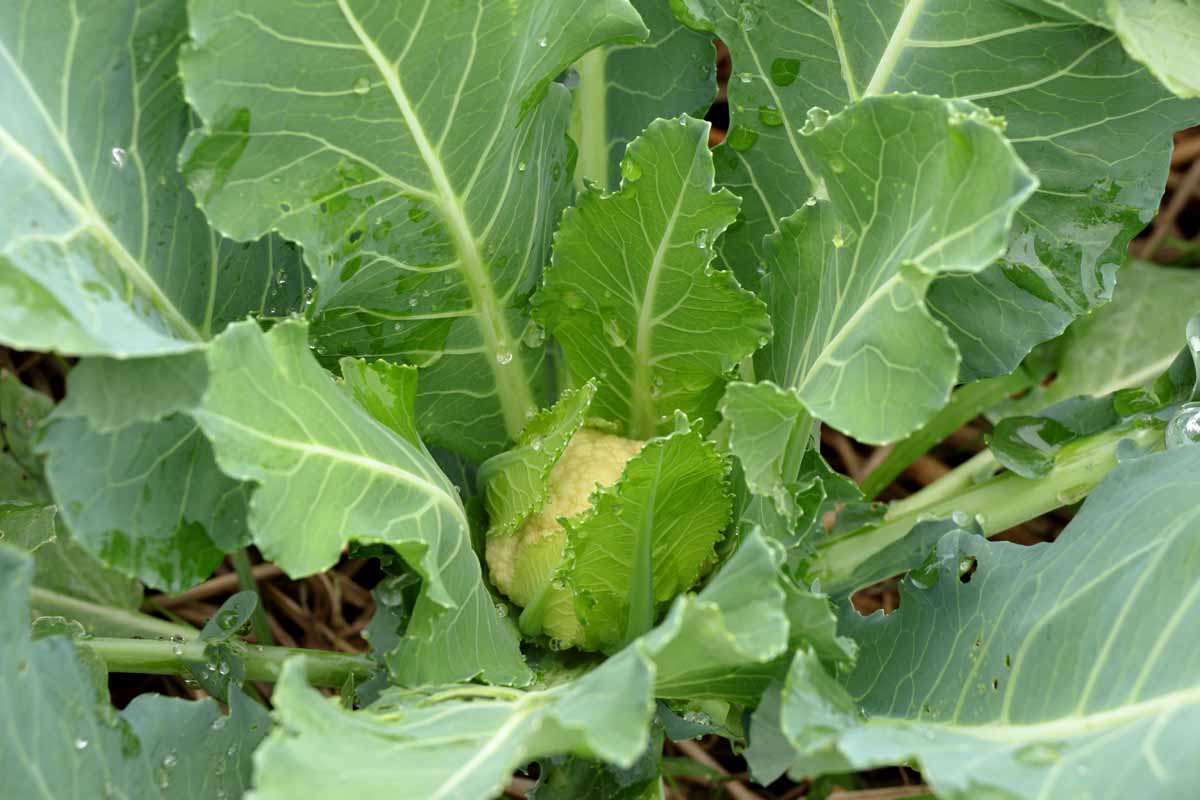
A close up of a small developing cauliflower head, the white curds just visible beneath the small inner leaves. The outer leaves are large and flat with white veins and stems, covered in small droplets of water.

Cauliflower is a cool-season crop that can be challenging to cultivate. Did you know that some varieties require your intervention to be able to produce unblemished heads? The technique is called blanching, and it protects the developing heads from sun damage. Learn when and how to do it. Read on for easy instructions.

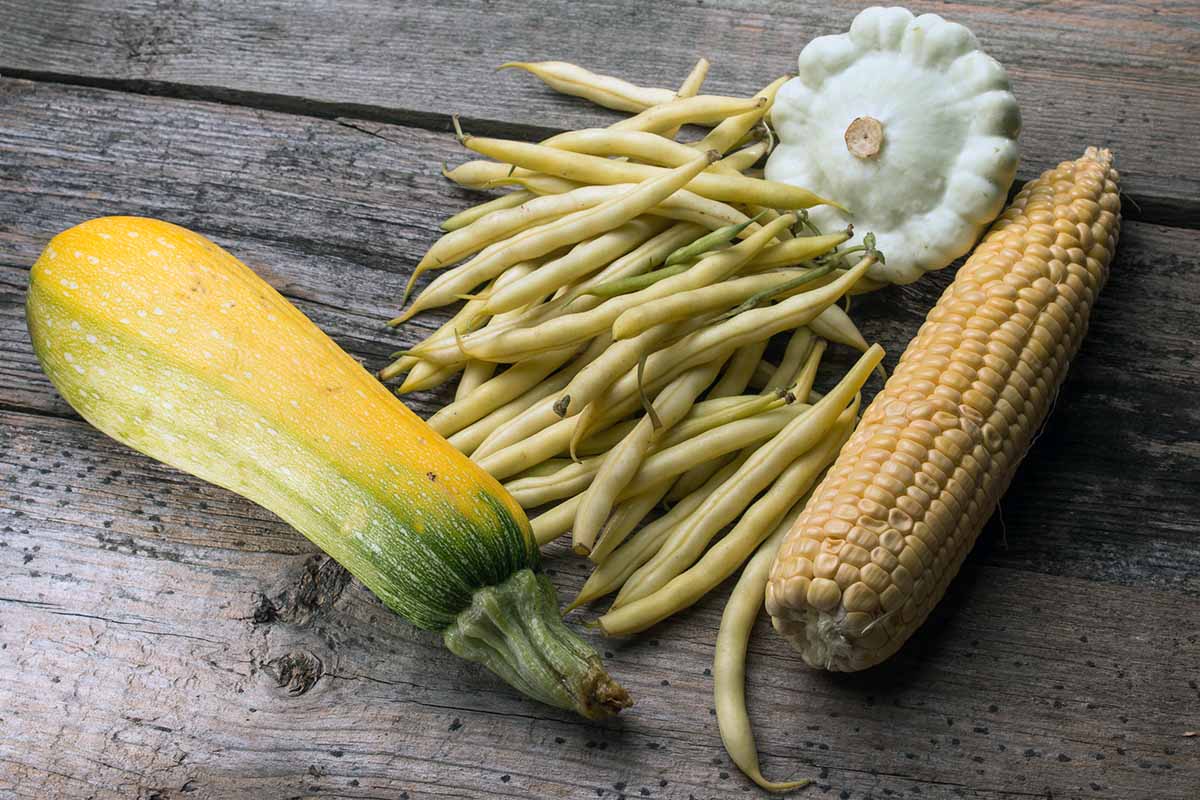
Growing a Three Sisters Garden: Beans, Corn, and Squash

A horizontal close up of a yellow squash, a bunch of yellow pole beans, a small white squash and an ear of Indian corn grouped together on a rustic wooden table.

Discover the rich history of the three sisters garden, a sustainable planting method rooted in Native American traditions. Learn how to cultivate corn, beans, and squash together to harness their companion planting benefits for a bountiful harvest. Explore the synergy of this agricultural technique.

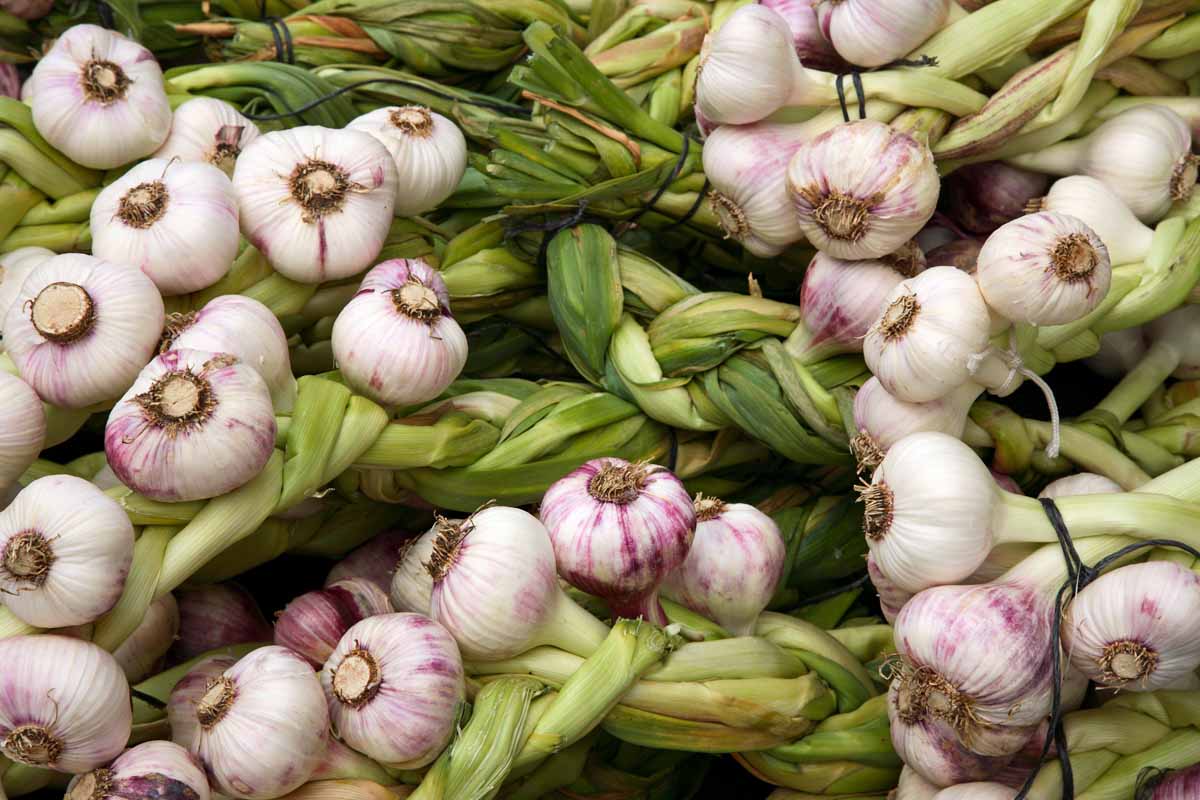
Tips for Growing Garlic in Containers

A close up of Allium sativum softneck variety, recently harvested, with the roots removed and the scapes braided to be hung up to cure.

If you love the aromatic flavor of garlic in your cooking, why not try growing it at home in containers? Planting in pots saves space in your garden and gives you a head start on the long growing season. With our tips, you’ll be enjoying your own homegrown harvest of deliciousness. Learn how to grow garlic in containers now.

13 Common Beet Pests: Identification, Control Tips, and Prevention

Image of a beet plant growing in the garden with leaves wilting in the sun and damage to the roots by soil-borne nematodes.

Beet pests can completely derail your harvest. From maggots that chew up the roots to miners that tunnel through leaves, there are plenty of bugs to watch out for that can quickly destroy a healthy plant. This article will arm you with the knowledge you need to identify and eradicate the most common beet foes.

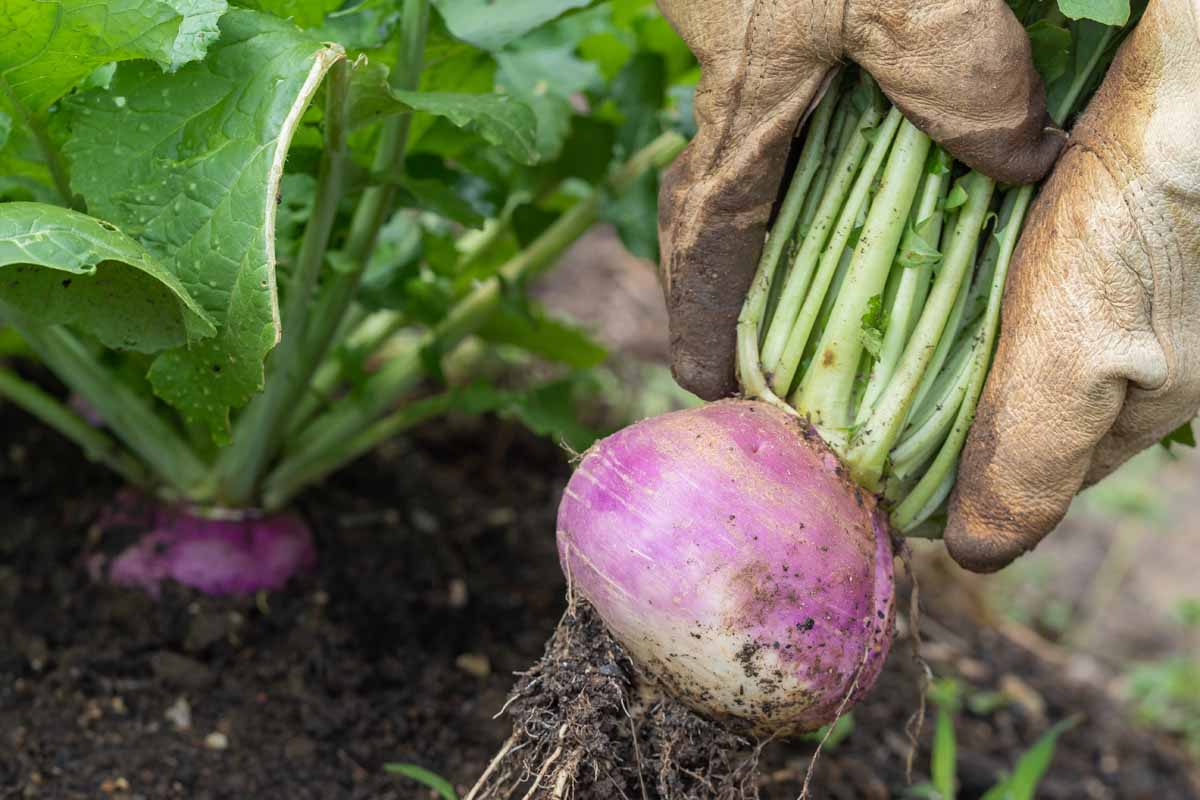
What Causes Turnips to Crack or Rot?

A close up horizontal image of gloved hands pulling a fresh turnip root out of the ground. In the background are other mature plants pictured in soft focus.

You fertilized, watered, and fussed over your turnips for weeks, and it’s time to pull them from the ground. But instead of perfectly-shaped roots, you find cracked, split, or rotten ones instead. What went wrong? What could you have done differently? Read on to learn what causes these issues and how to prevent them.

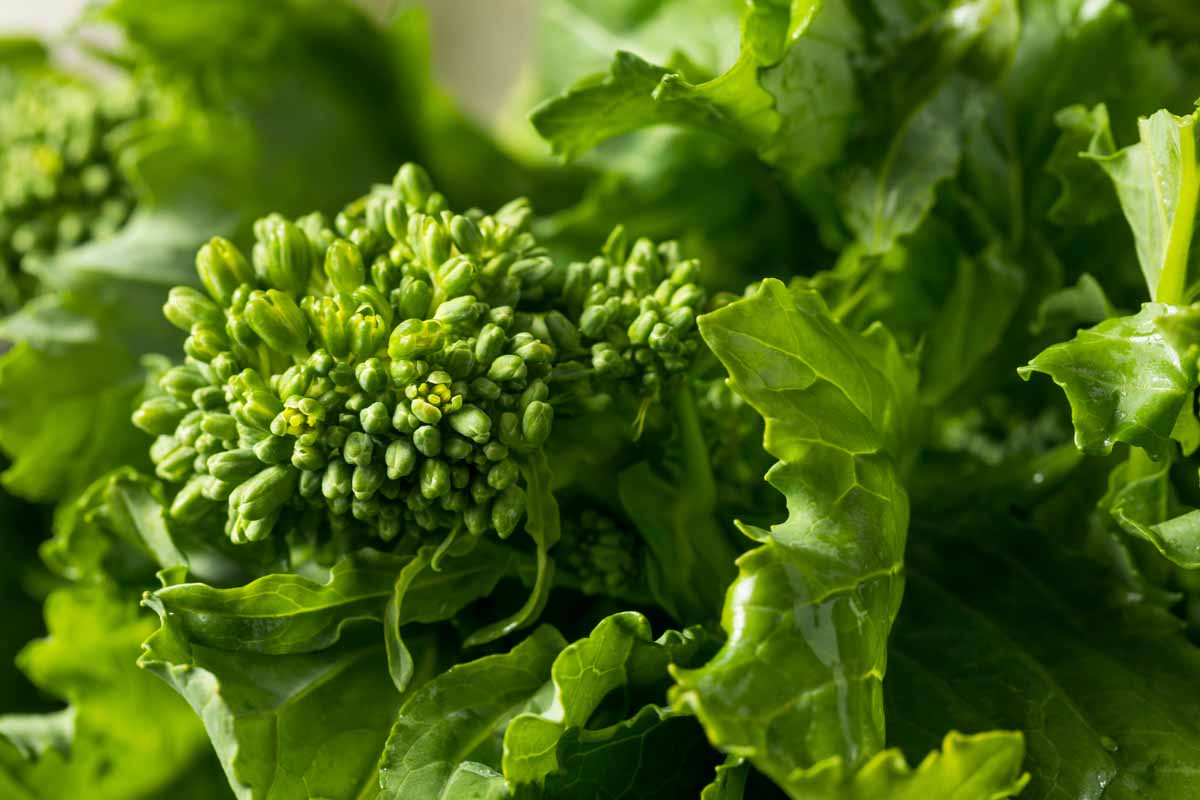
What Is the Difference Between Broccoli Rabe and Broccolini?

A close up of a floret and the foliage of broccoli rabe growing in the garden in light sunshine.

Is there a difference between broccolini and broccoli rabe? Or are they the same? These two veggies look a lot alike and have similar names. But they are different – in their origins, how they grow in the garden, and how you’ll want to use them in the kitchen! To learn what distinguishes these two veggies, keep reading.

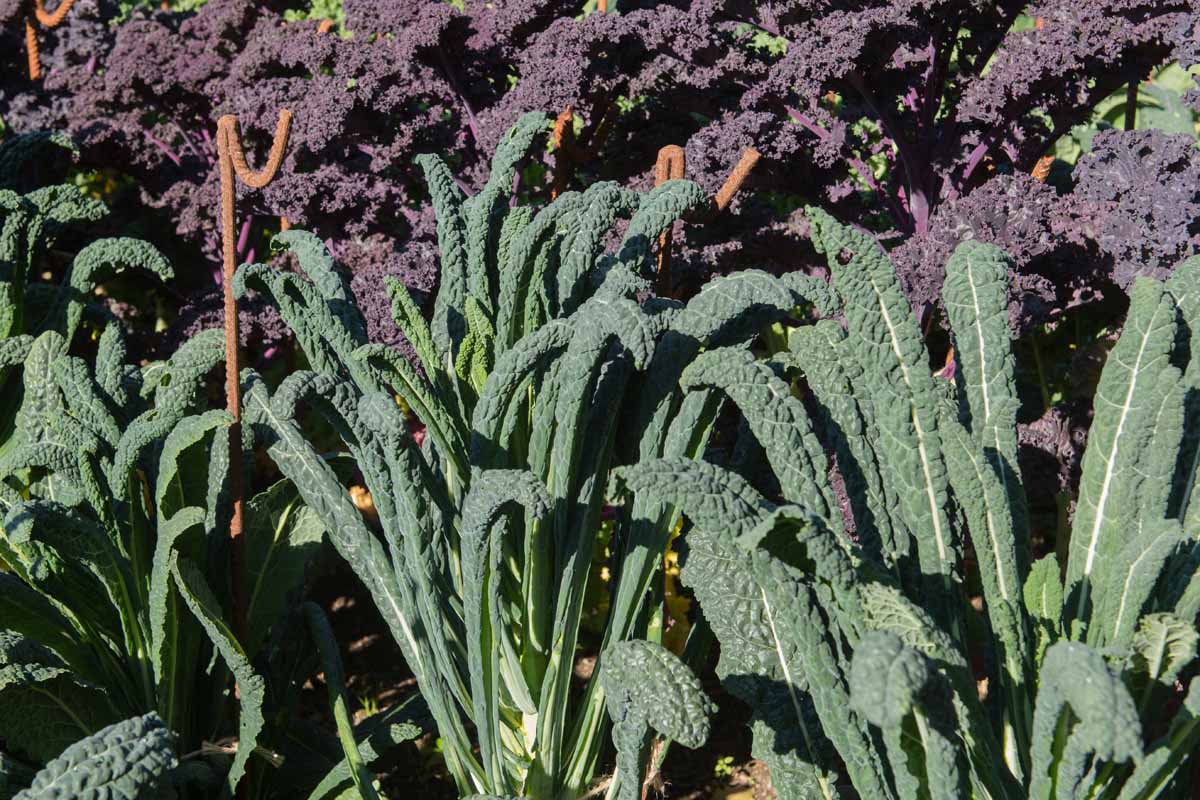
Sun Recommendations for Planting Kale

A close up of Tuscan and purple kale plants growing together in the garden in bright sunshine with metal stakes in between them.

Choosing to grow kale in the home garden is an excellent choice. Who doesn’t want a fresh patch of healthy leafy greens to pick from, right in the backyard? But knowing how much sunshine per day this cruciferous vegetable requires? That’s another question. To find out how much sun to provide your kale, read more now.

Why Is My Cauliflower Fuzzy? Troubleshooting Tips for Ricing in Curds

A close up of a cauliflower head that has gone fuzzy around the edges, a condition known as ricing, pictured amongst dark green foliage.

Cauliflower is one of the more difficult cool-weather crops to grow. If climate, soil, and moisture conditions are not ideal, the curd may not mature as it should. Sometimes, instead of being smooth, it looks fuzzy. Learn what causes this, how to avoid it, and if the affected crop is edible. Read more now.

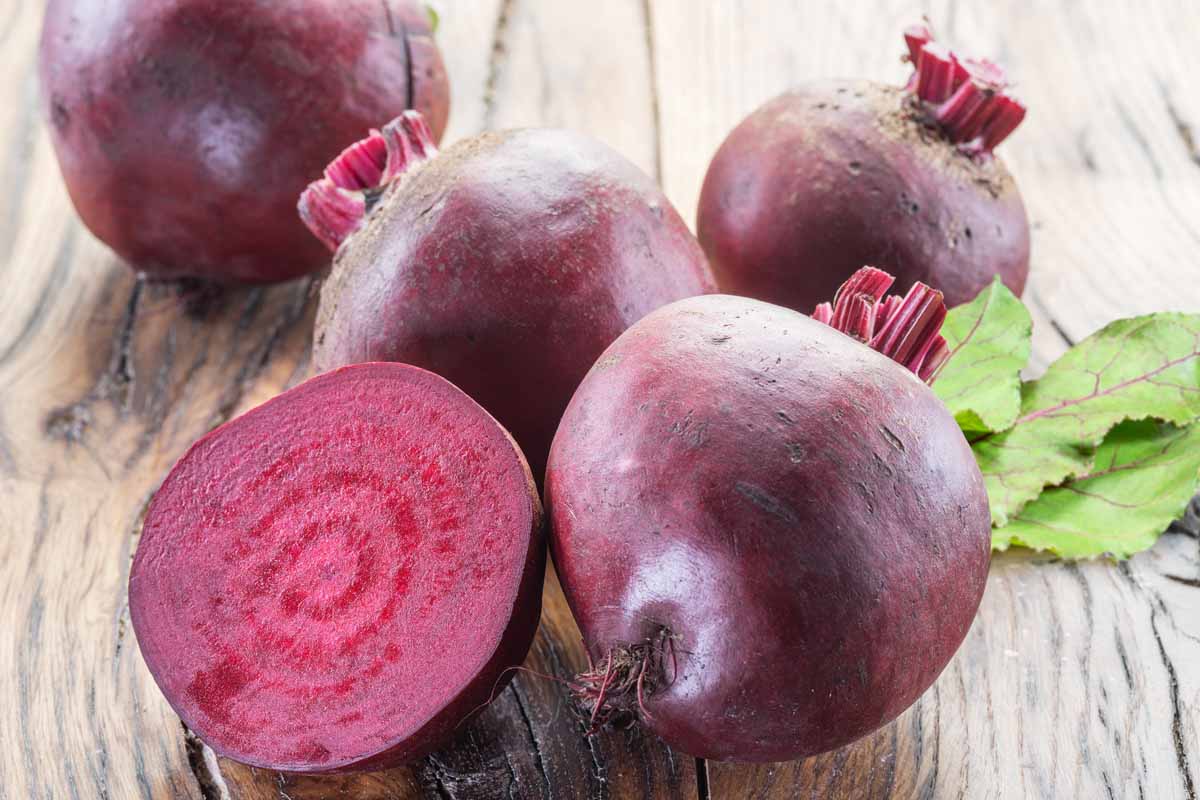
Health Benefits of Beets

A close up horizontal image of deep red beetroots freshly harvested and cleaned and set on a wooden surface.

Hunting for a root vegetable teeming with health benefits? Look no further than the beet. This earthy vegetable contains several key nutrients that are vital to our health. With a plethora of cultivars to choose from, you’ll be eager to add them to your garden. Read on to learn about what this veggie has to offer.

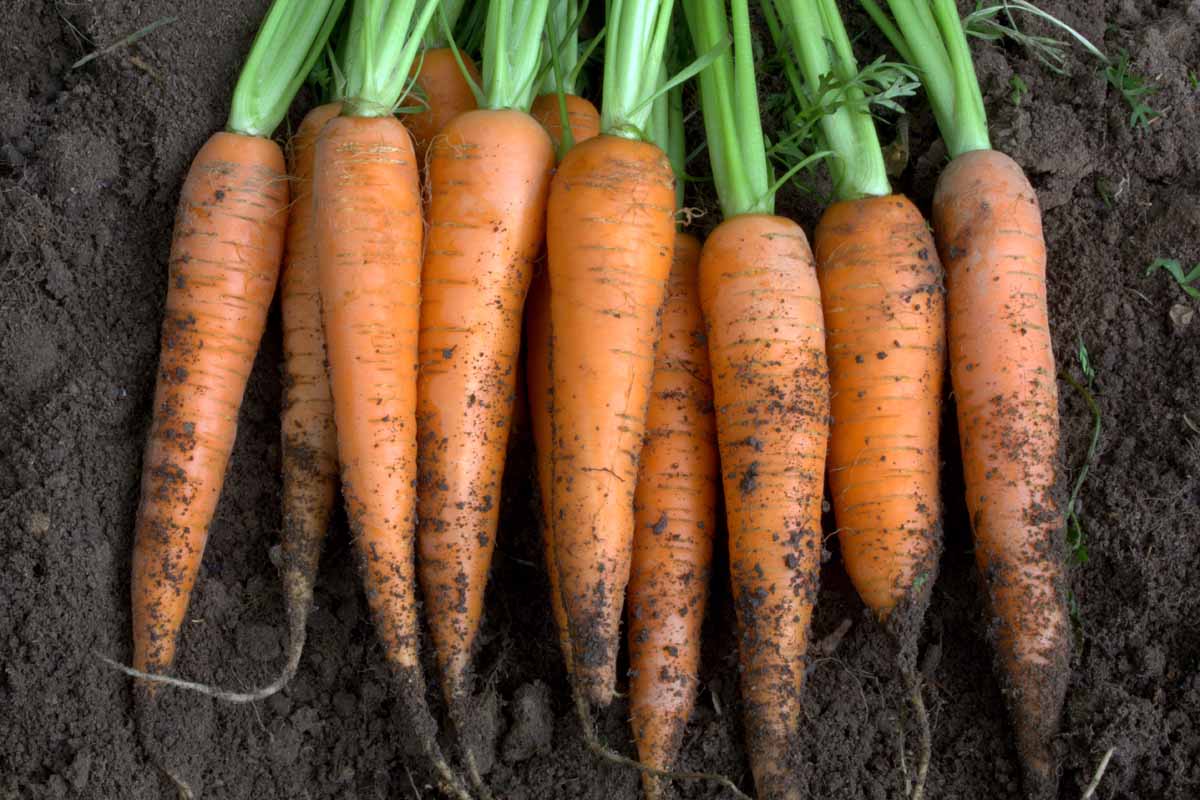
Tips for Growing Carrots Indoors

A close up of freshly harvested carrots with soil still on the roots and tops still attached set on rich, dark garden soil.

If you love the taste of homegrown carrots but haven’t had much success with them in your garden, why not try growing them indoors? An indoor garden can provide you with a year-round harvest of fresh, sweet, and tasty roots – and it’s easy when you know how to grow them successfully. Read more now to get our tips.

Health Benefits of Turnip Greens

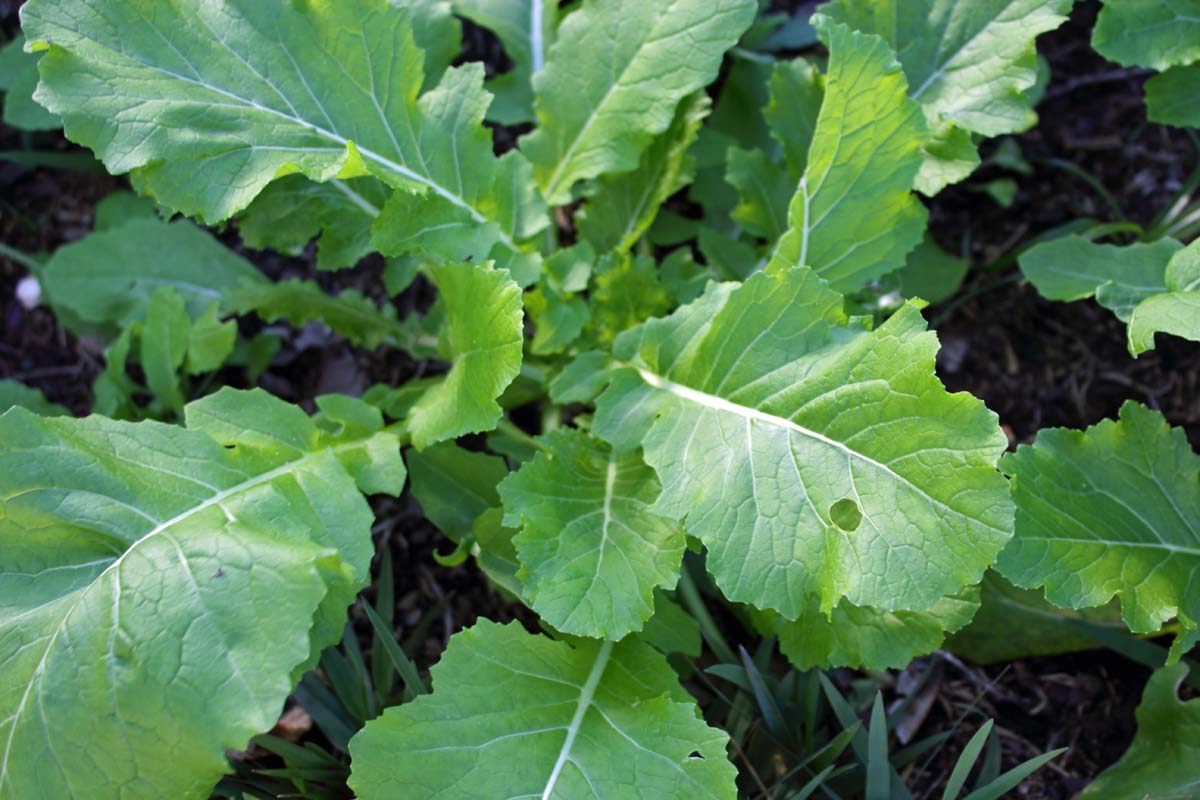
Top down view of the greens of a turnip plant growing in a garden.

Turn up your diet quality with turnip greens! This leafy vegetable packs in a powerful nutritional punch. Turnips are best known for their roots, but don’t forget to keep the tops too! Adding the homegrown greens to salads or sauteing them with aromatics offers many robust health benefits. Read on to learn more.

Tips for Growing Collard Greens in Winter

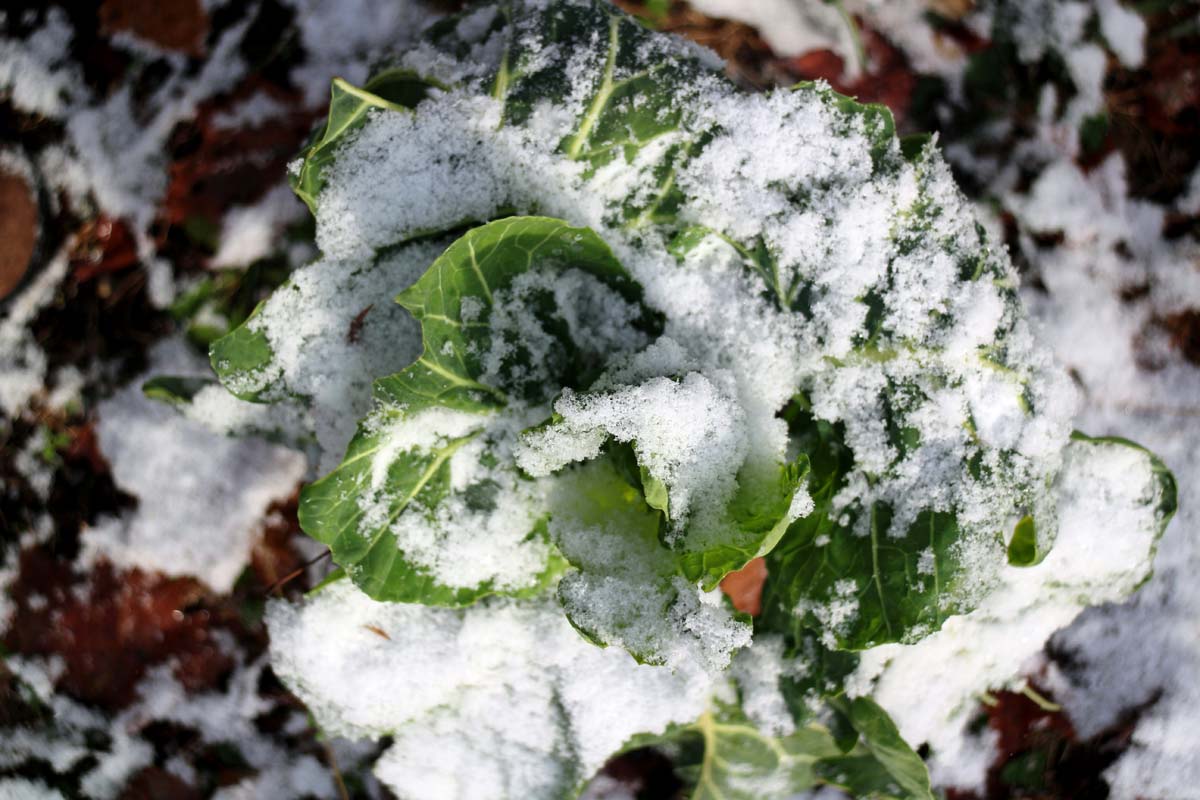
Top down image of a collard green plant (Brassica oleracea var. acephala) growing under a light coat of snow.

Did you know you can grow collard greens in the winter months? Collard greens are very cold hardy and a touch of frost improves their flavor and texture. With just a few simple tips, you can enjoy fresh homegrown greens long after other crops have withered. Learn how to grow collards in cold weather in this guide.

How to Plant and Grow Swiss Chard

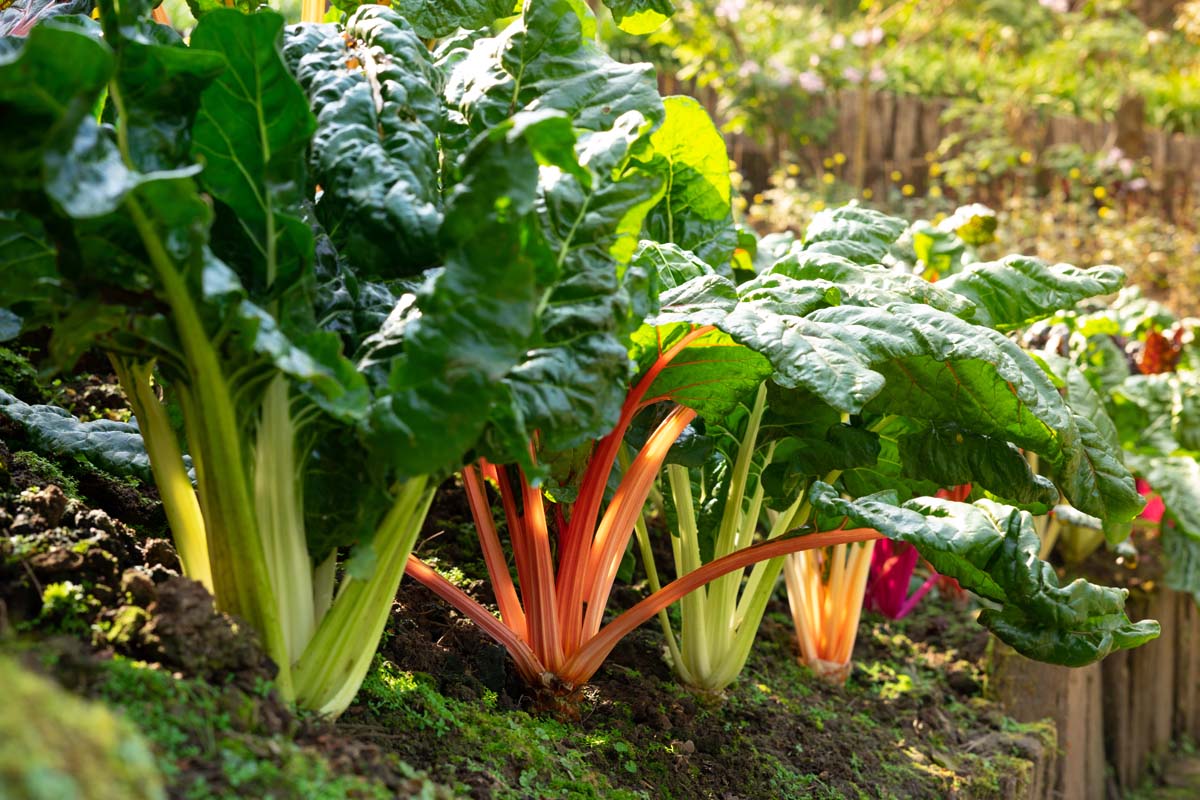
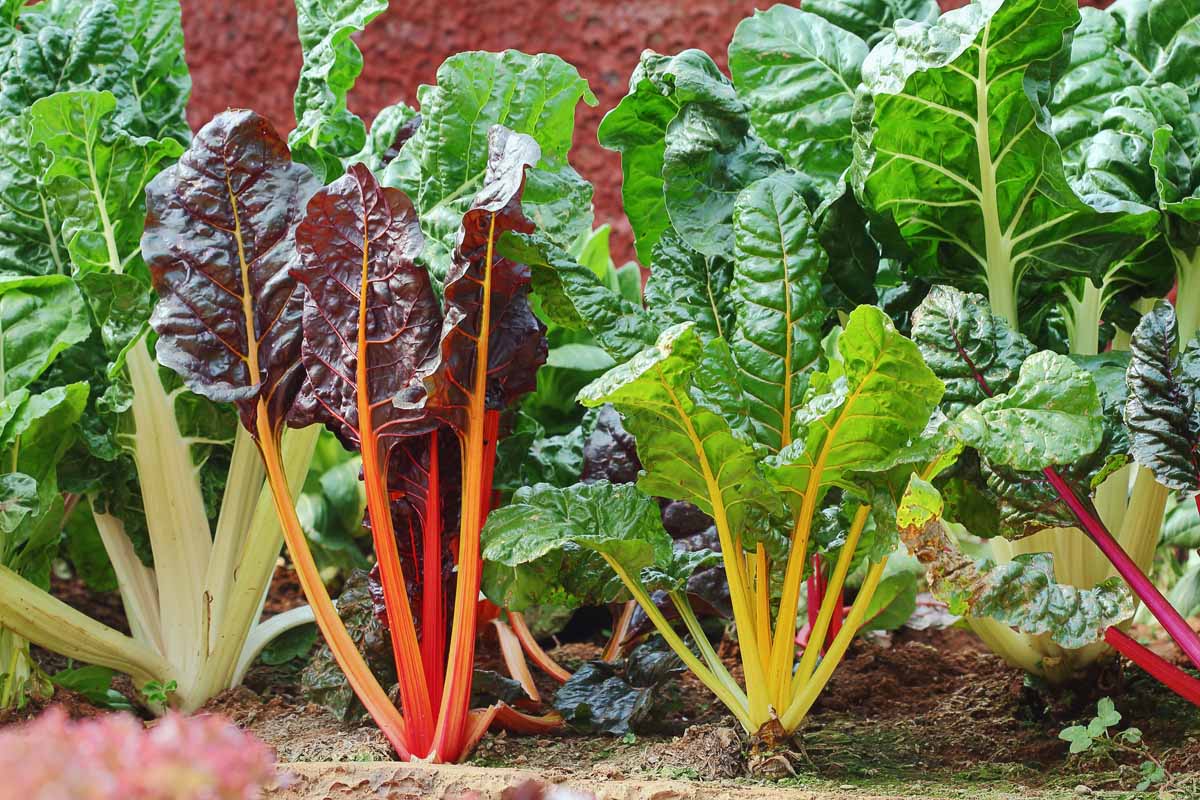
A row of swiss chard with orange, red, and green stalks.

Are you interested in expanding your repertoire of leafy green vegetables in the garden? Then colorful Swiss chard is for you. Cold and heat tolerant, it produces multiple harvests per season, and can be eaten cooked and raw in a variety of dishes. Learn how to cultivate it in your garden, here on Gardener’s Path.

What Month Should You Sow Kale?

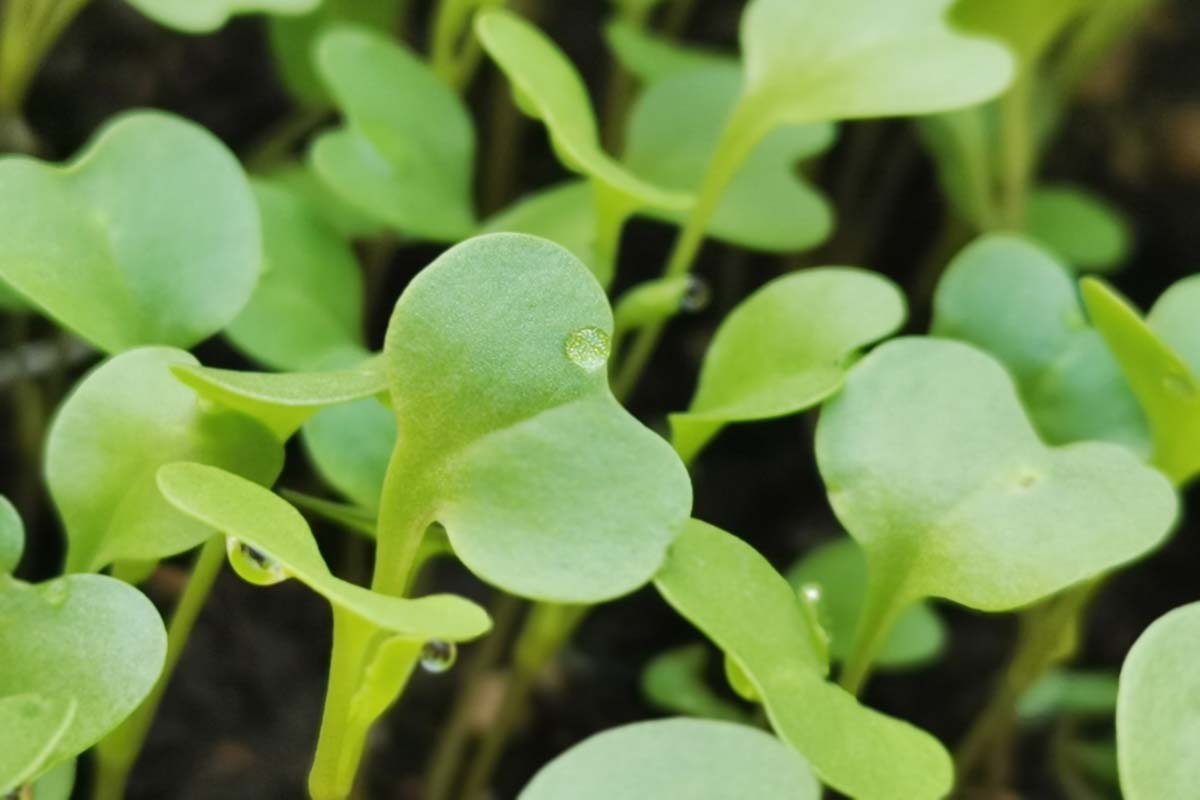
A close up of little green kale seedlings, with beads of water on some of the leaves, the background is more of these seedlings, and the dark earth underneath them in soft focus.

If you want to grow kale, an important first step is figuring out when you should sow the seeds. Assessing various factors, including where you live and the time of year, can help you to figure this out. By planting at the right time, you will be rewarded with an abundant harvest of nutritious greens. Read more now.

Broccoli Buttoning: What Causes Multiple Tiny Heads?

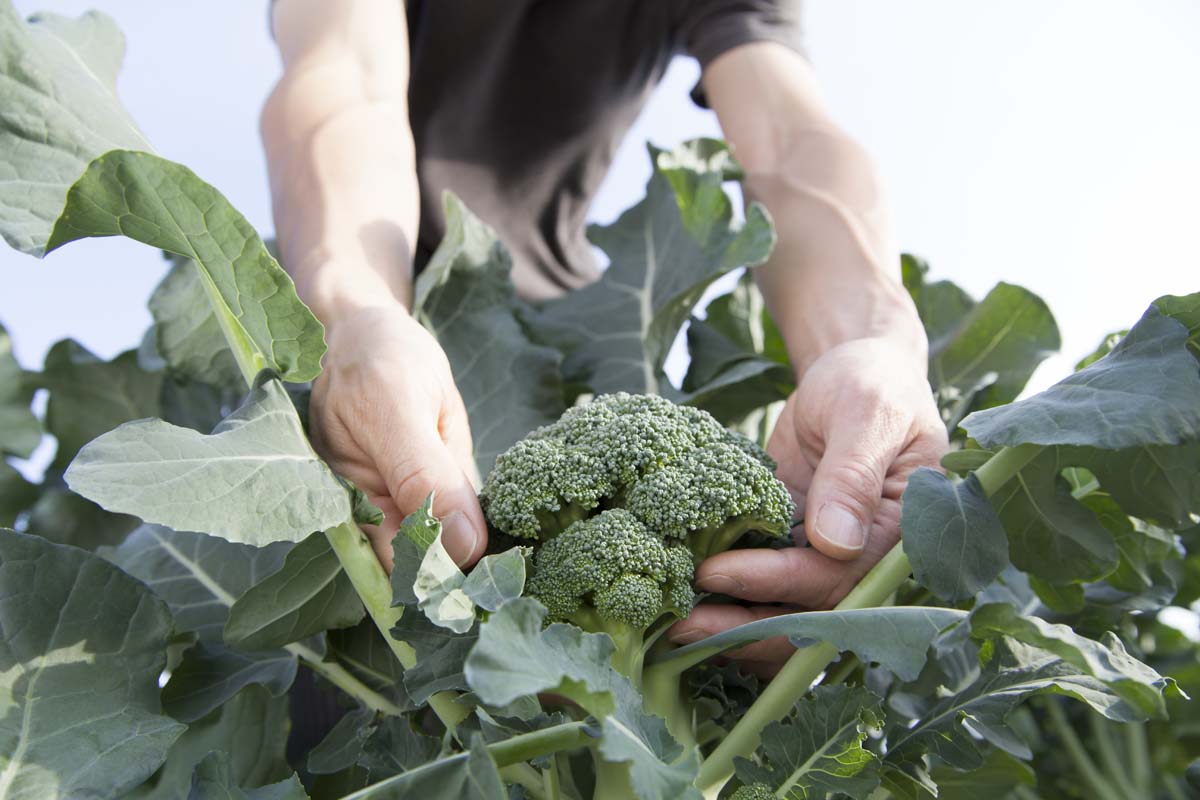
A close up of two hands cupping a mature broccoli head, in between large, leafy green foliage on a white background.

Broccoli isn’t the easiest cruciferous vegetable to cultivate. It needs cool weather and a host of other favorable growing conditions. Sometimes, instead of one large, compact head, multiple small ones called buttons develop. Learn why this happens, and what measures you can take to avoid it, here on Gardener’s Path.

How to Grow Cauliflower in Containers

A close up horizontal image of a small cauliflower head developing on the plant surrounded by dark green foliage.

Craving homegrown cauliflower but you’re short on garden space? Struggling with soil-borne diseases in the veggie patch? Don’t worry! Growing your own cauliflower in a container is easier than you might expect. Our guide will arm you with the knowledge you need, from selection and planting to troubleshooting and more.

How and When to Harvest Beets

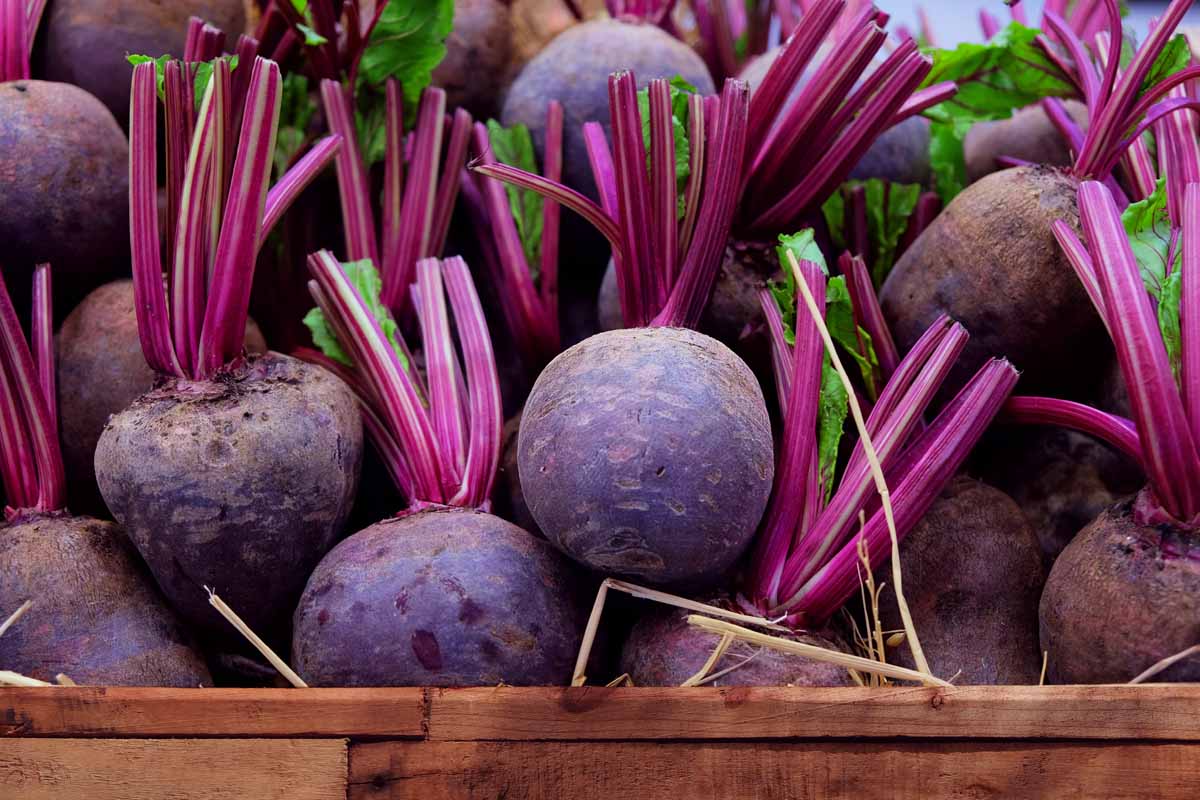
A wooden box containing harvested beets, the soil cleaned off them and the stems cut about two inches above the root. The roots are a deep purple, contrasting with a little of the green foliage still attached and the bright purple stems.

Juicy, vibrant, and packed with nutrients, beets are one crop that’s worth growing in abundance in your garden. Luckily, harvesting this delicious root is easy and options for preservation are almost endless. Read more now for tips and tricks on how to harvest and store beets, plus some fun recipe ideas to try.

How to Stop Turnips from Bolting and Going to Seed

Can’t understand why your turnip crop keeps bolting? Bolting is caused by stress on plants and can be easily addressed with a few simple tricks. Learn what factors can cause bolting in turnips and explore some ways that you can prevent your turnip crop from bolting. Read more now.

What Are the Health Benefits of Homegrown Collard Greens?

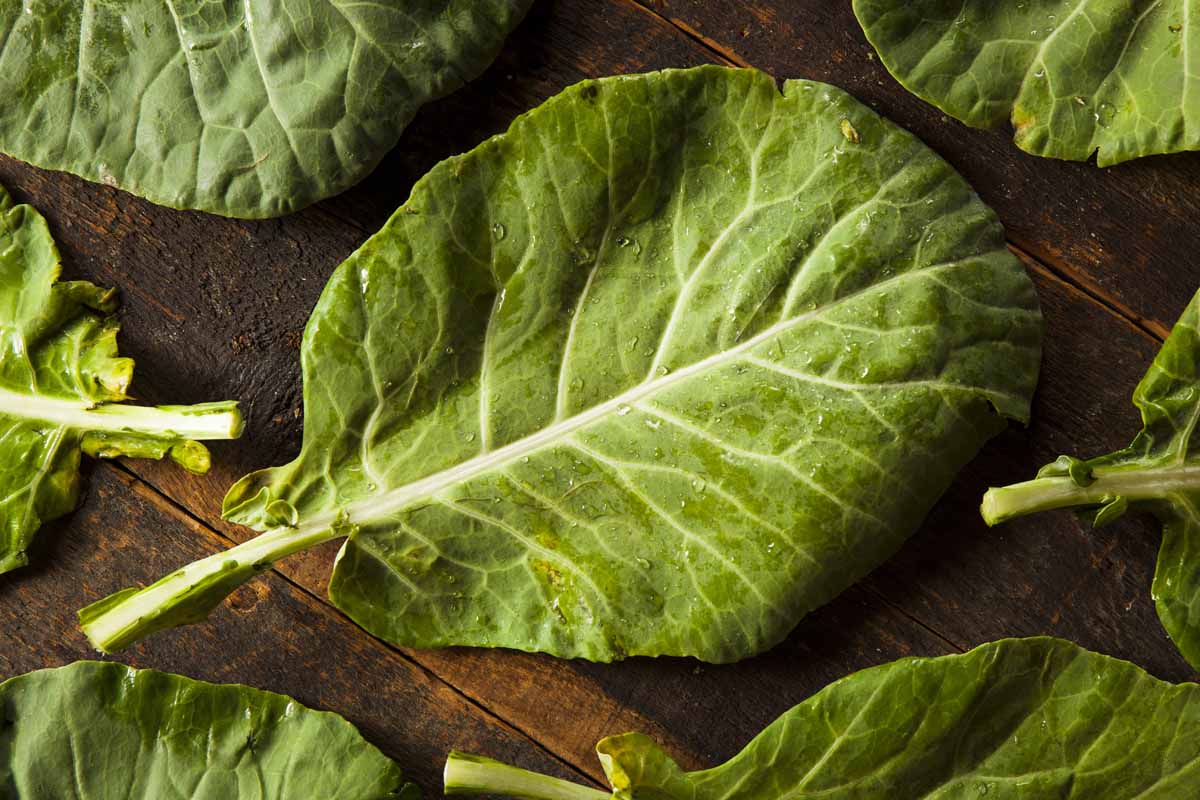
A close up of freshly harvested and cleaned collard greens, with light droplets of water on the leaves set on a wooden surface.

You may know collard greens as a Southern side dish staple, but did you know they also offer a multitude of potential health benefits? With plenty of vitamins, minerals, and fiber, collards make a great addition to your diet. And they can be quite simple to grow – a no-brainer to add to your garden! Read more now.

The Best Companion Plants to Grow with Kale

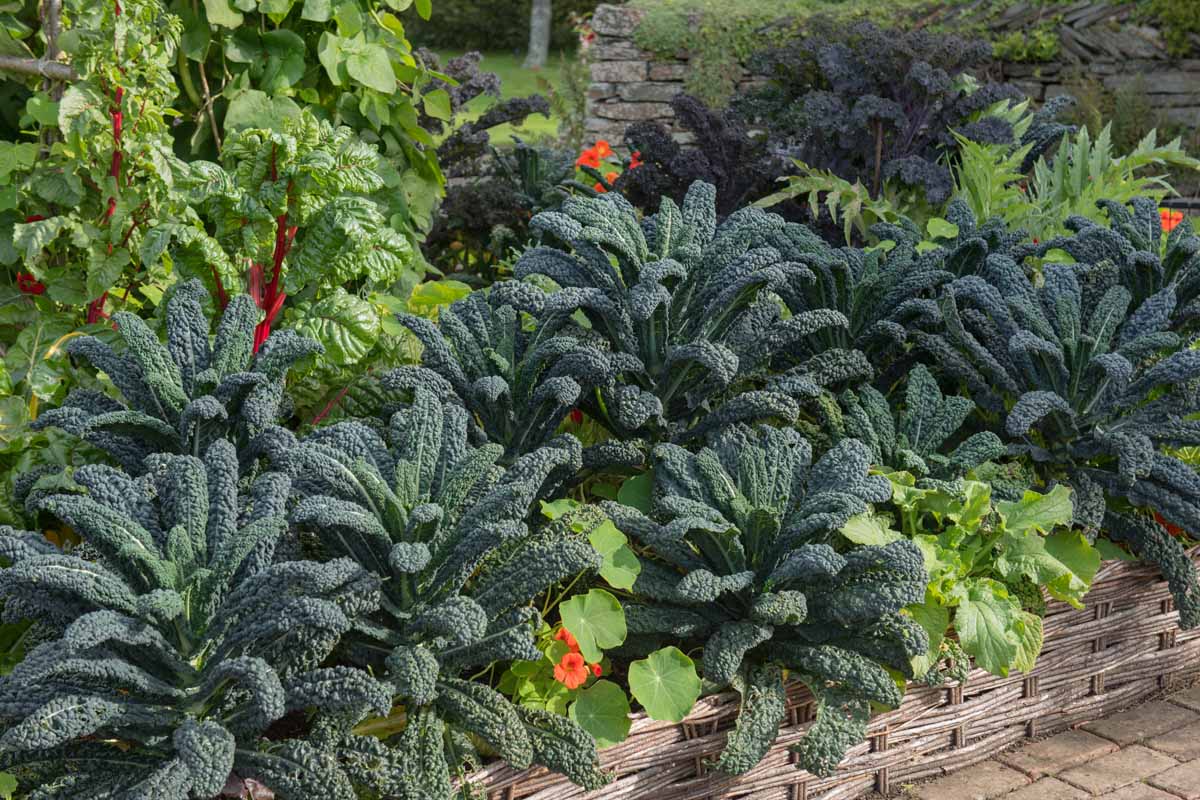
A close up of a raised garden bed with mature, healthy Tuscan kale growing amongst bright nasturtium flowers, an other leafy vegetable plants in light sunshine.

Planting kale in your vegetable garden? You’ll want to know the best common companion plants for this garden veggie. If so, you have come to the right place. Learn which plants will attract beneficial insects, repel pests, provide ground cover, and act as nitrogen fixers for this garden staple. Read more now.

5 Reasons Your Pumpkin Vine Isn’t Blooming

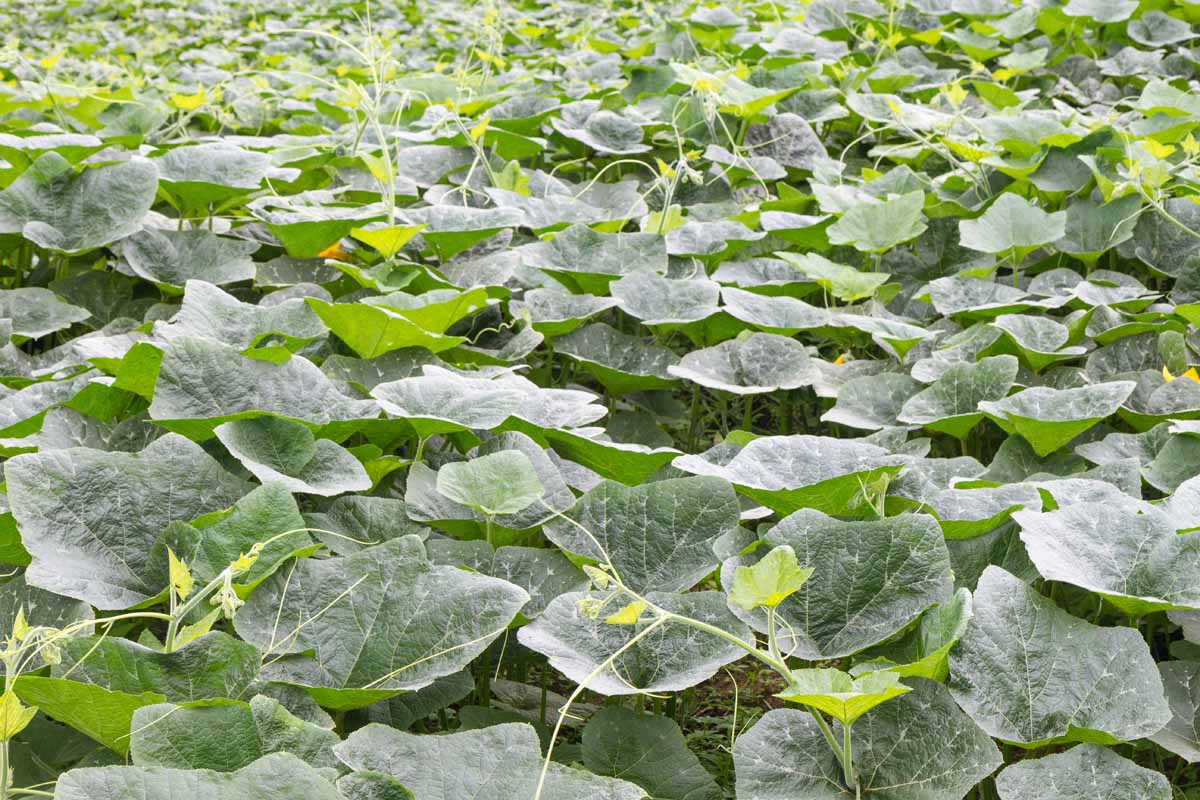
A large pumpkin patch with abundant, large leaves but no flowers.

You’ve nourished and cared for your pumpkin seedlings, and they’ve grown vines and leaves. Flowers should’ve appeared by now, but you don’t see any blooms – and no flowers means no fruit. Did something go wrong? Read more now to learn the top 5 reasons why your pumpkin vine isn’t blooming, and what to do about it.

9 of the Best Chard Varieties to Grow at Home

A close up of a garden bed showing a row of chard plants, each with different colored stems contrasting with the large dark green leaves. Between the plants is rich soil and the garden is pictured in light sunshine.

Chard makes a nutritious and colorful addition to your vegetable patch. This leafy green is easy to grow and there are lots of varieties to choose from. With different flavors, textures, and colors you’re sure to find a variety perfect for your garden. Learn more about the different types of chard with our 9 top picks.

How to Harvest and Store Kale Seeds

Top down view of a large, healthy curly leaved kale plant.

Kale has healthy nutrients, a delicious taste, striking beauty, and is easy to grow – making it a beloved staple in the vegetable garden. Why not increase your enjoyment of this super-veggie with plants grown from your own seed collection? Smart, organic, and economical, here’s how to harvest and store kale seeds.

Troubleshooting Deformed Beets and Reasons Why Beets Are Too Small

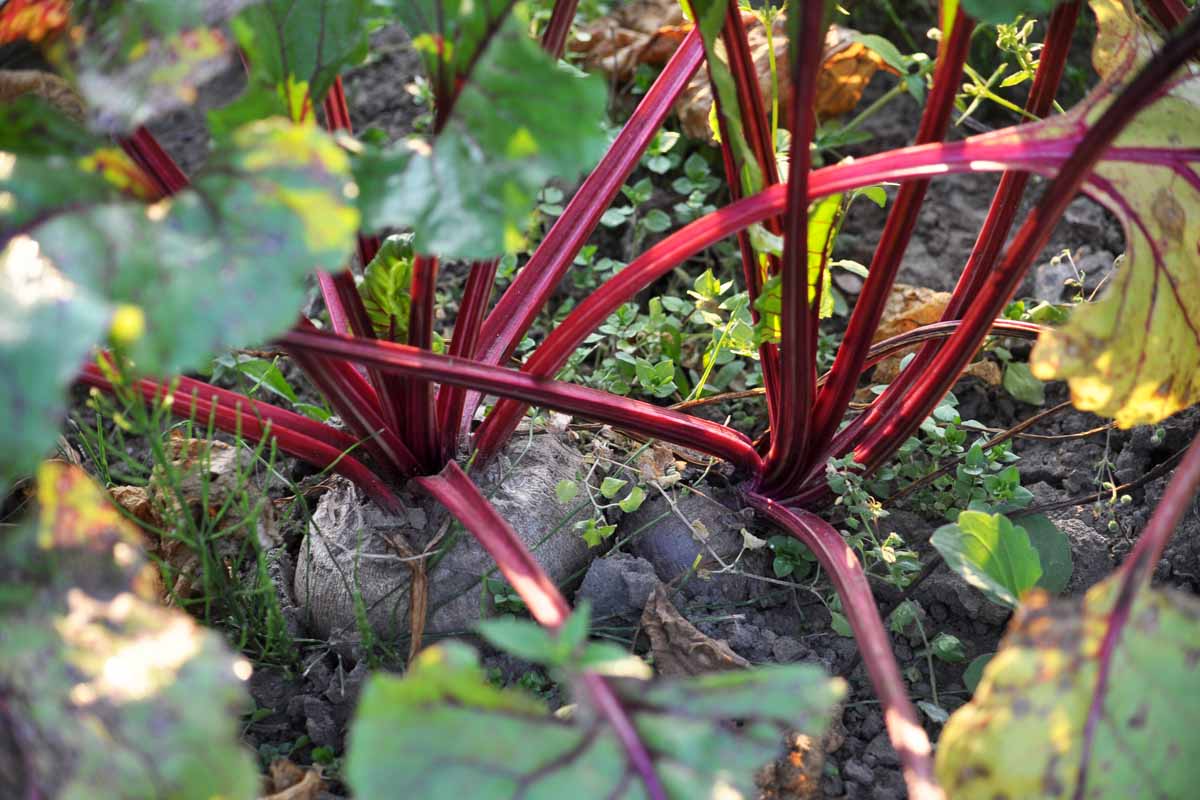
A close up horizontal image of beets growing in the garden with the roots too close together potentially causing them to be deformed.

There’s nothing worse than nurturing your beets all season long, only to discover at harvest time that they’re too small or totally deformed. This article will help you understand why your beets aren’t picture-perfect, and what to do about it to avoid this devastating problem next time you try growing beets.

How to Grow Winter Cabbage for a Late-Season Harvest

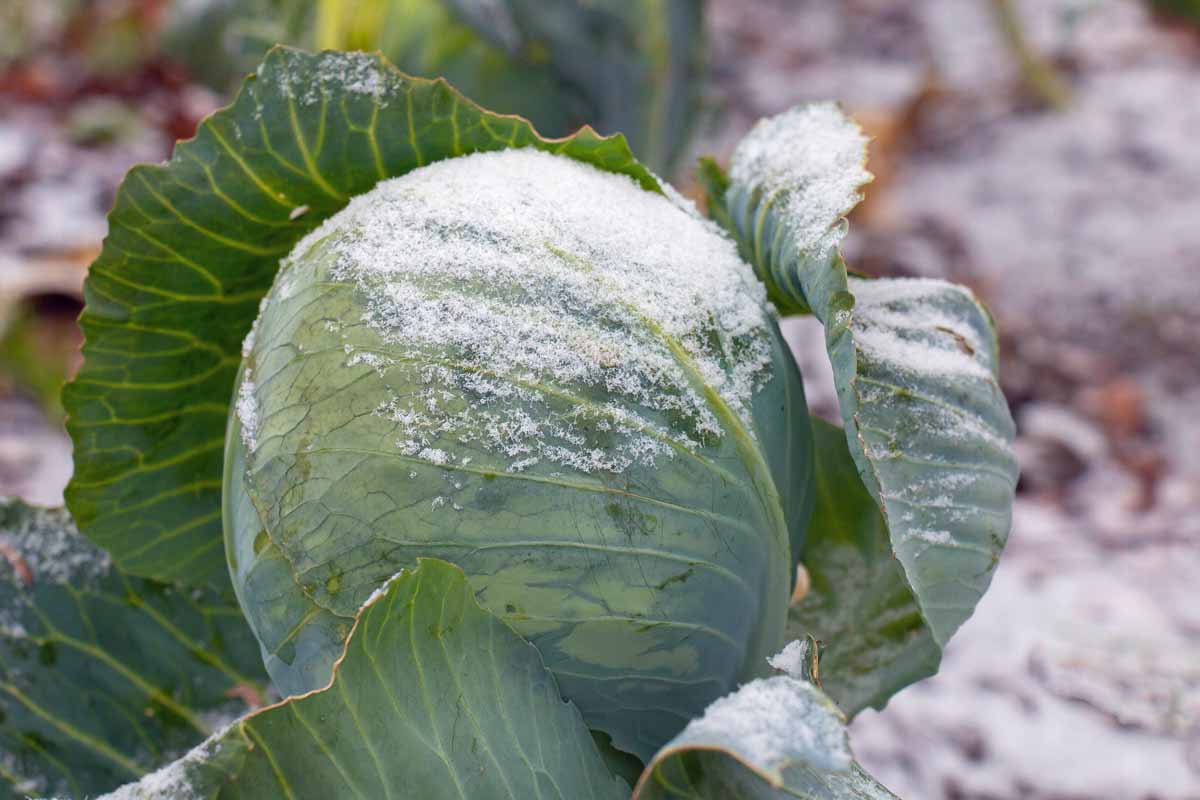
A close up of a cabbage head with a light dusting of frost. The outer leaves have separated from the tight inner ones.

If you’re looking to pull a fresh, crisp vegetable from your winter garden, consider winter cabbage. Storage varieties can withstand cold temperatures and frosts without sustaining much damage. Learn about important factors such as planting dates and crop protection for a successful late-season harvest. Read more now.

How to Turn Green Pumpkins Orange After Vines Die

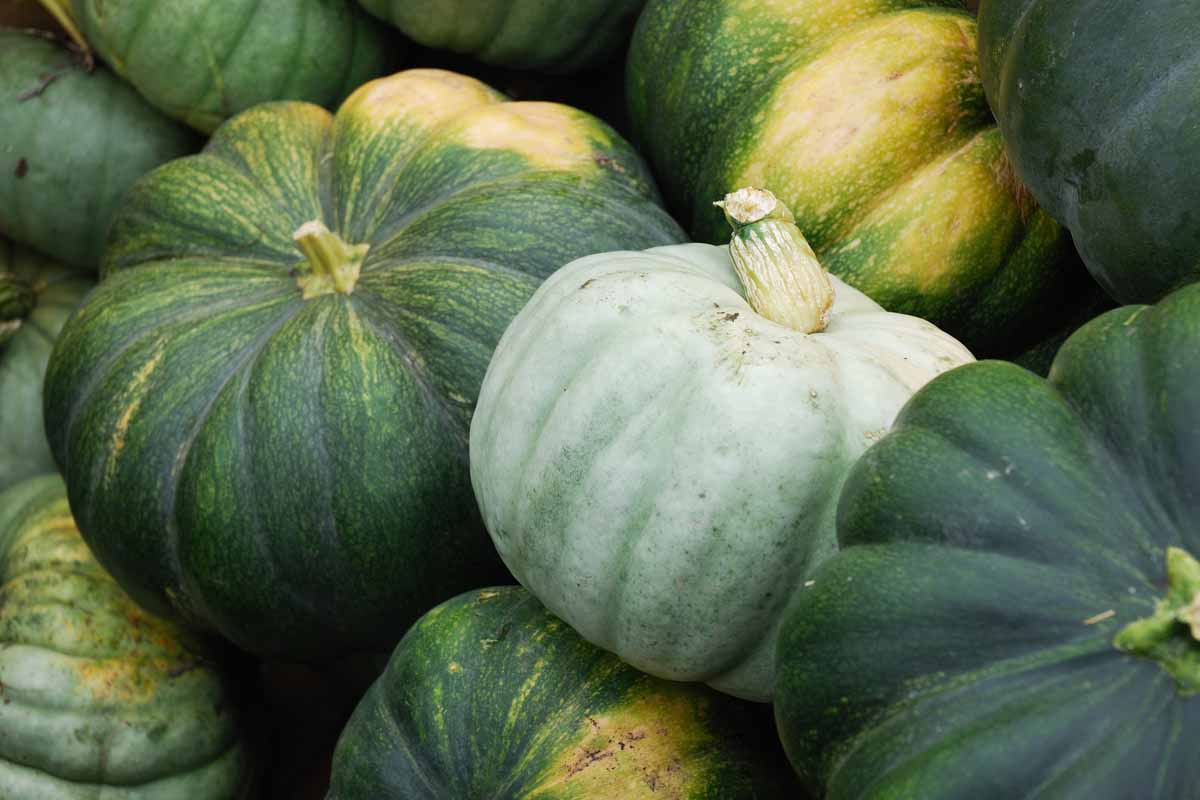
A close up horizontal image of a pile of green pumpkins freshly harvested.

If your pumpkin vine died just a few weeks before harvest time, you’re probably at a loss for what to do with your green pumpkins. But did you know there’s something you can do to help them turn orange? In this guide, learn our favorite trick, and discover a few reasons why vines may die early. Read more.

How to Save Pumpkin Seeds from Your Garden to Roast and Eat

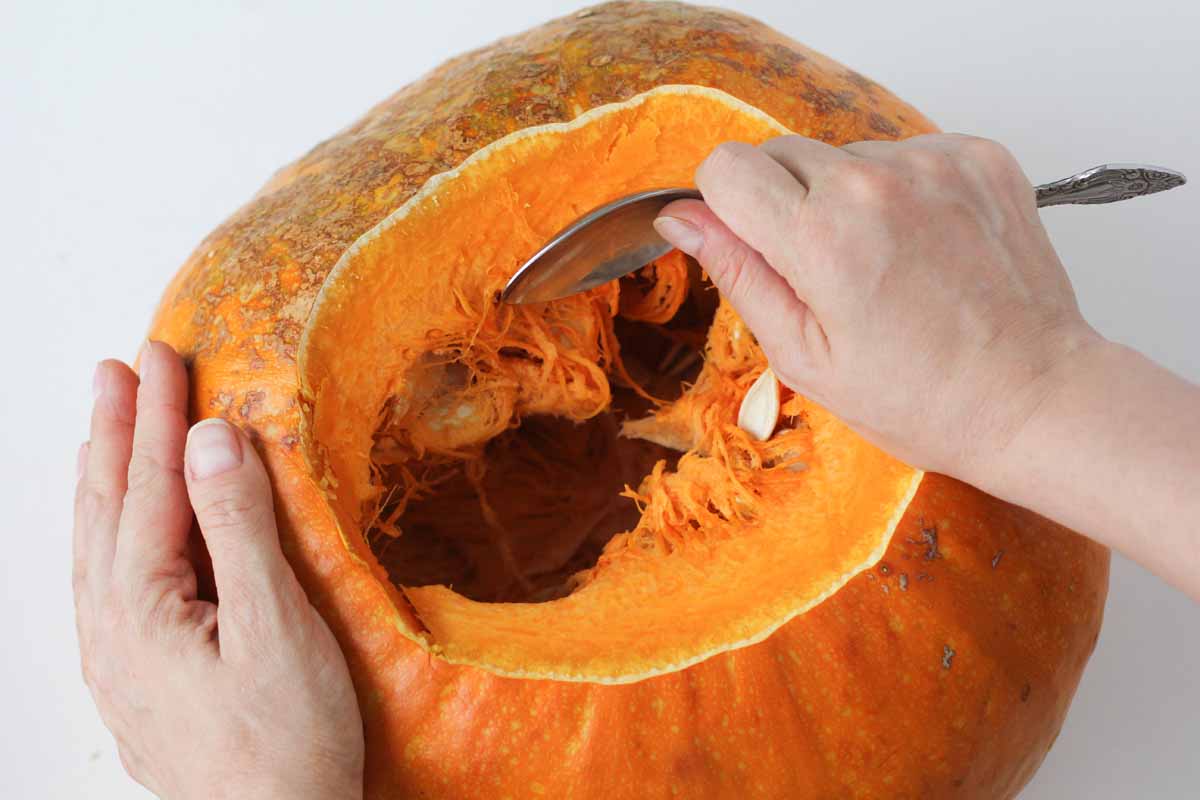
A close up horizontal image of two hands using a metal spoon to scoop out the flesh from an orange pumpkins.

Whether you grow field, pie, or hull-less pumpkin varieties, saving the seeds to eat is a bonus! Here’s how to pick the best varieties to grow if you want to roast the seeds, and how to spot the winter squash with the most seeds. Follow these selection and collection tips for a nutritious harvest ready to roast.

How to Plant an Autumn Vegetable Garden

A close up of a man's hand, planting a garlic bulb in a small furrow in the soil. His other hand is holding a wicker basket, containing more garlic bulbs. The background is soft focus soil and grass.

Carrots, and cabbage, and collards, oh my! Fall is here and it’s time to head back to the garden to plant your autumn vegetable crops. For a bountiful harvest from your fall veggie patch, there are a few tips and tricks you’ll need before you sow your seeds and transplant your seedlings. Ready to learn more? Read on!

How Nutritious Is Raw Cabbage?

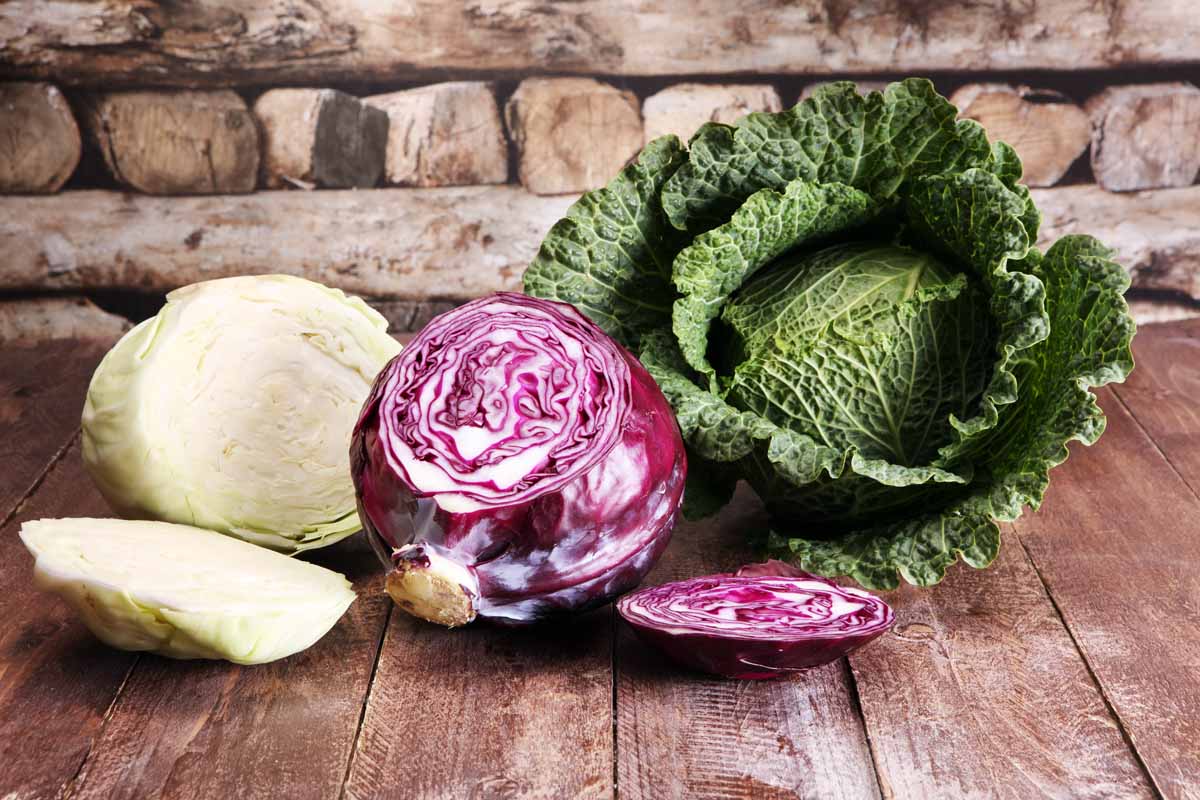
A wooden surface with three different Brassica oleracea vegetables on it. From the left, a white one, chopped in half, in the center a red variety with a slice out of it, and to the right a savoy cabbage, whole.

While it may not be as trendy as cauliflower or kale, cabbage is a low calorie vegetable that packs a serious nutritional punch. A member of the Brassica genus, cabbage is rich in several important vitamins, minerals, and antioxidants. Want to find out just how nutritious raw cabbage actually is? Read more now.

How and When to Harvest Arugula

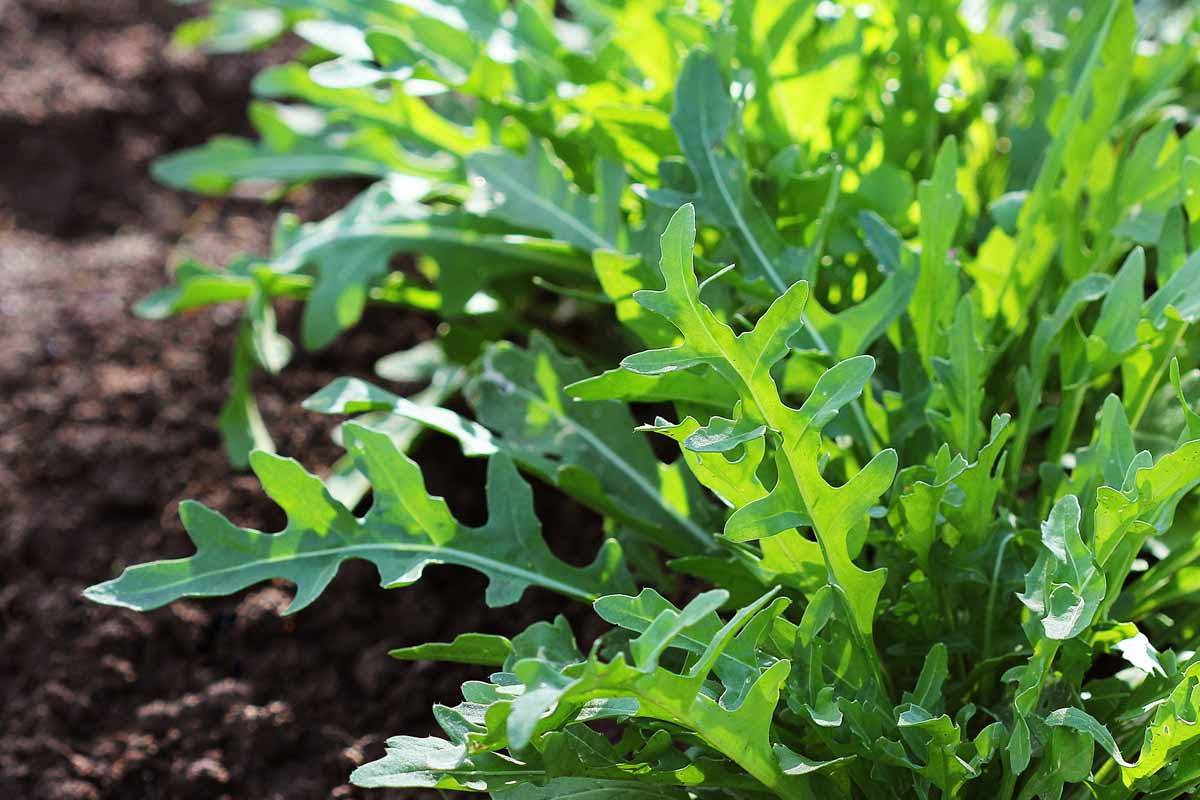
A close up of arugula (Eruca vesicaria) growing in a row in the garden.

Are you growing arugula in your garden and wondering when and how to harvest it for crispy leaves with the tastiest flavor? Find out how to pick baby greens for a mild flavor or enjoy a peppery kick from more mature leaves. Get the best out of your greens and learn how and when to harvest arugula. Read more now.

17 of the Top Mushroom Growing Kits for Home Gardeners

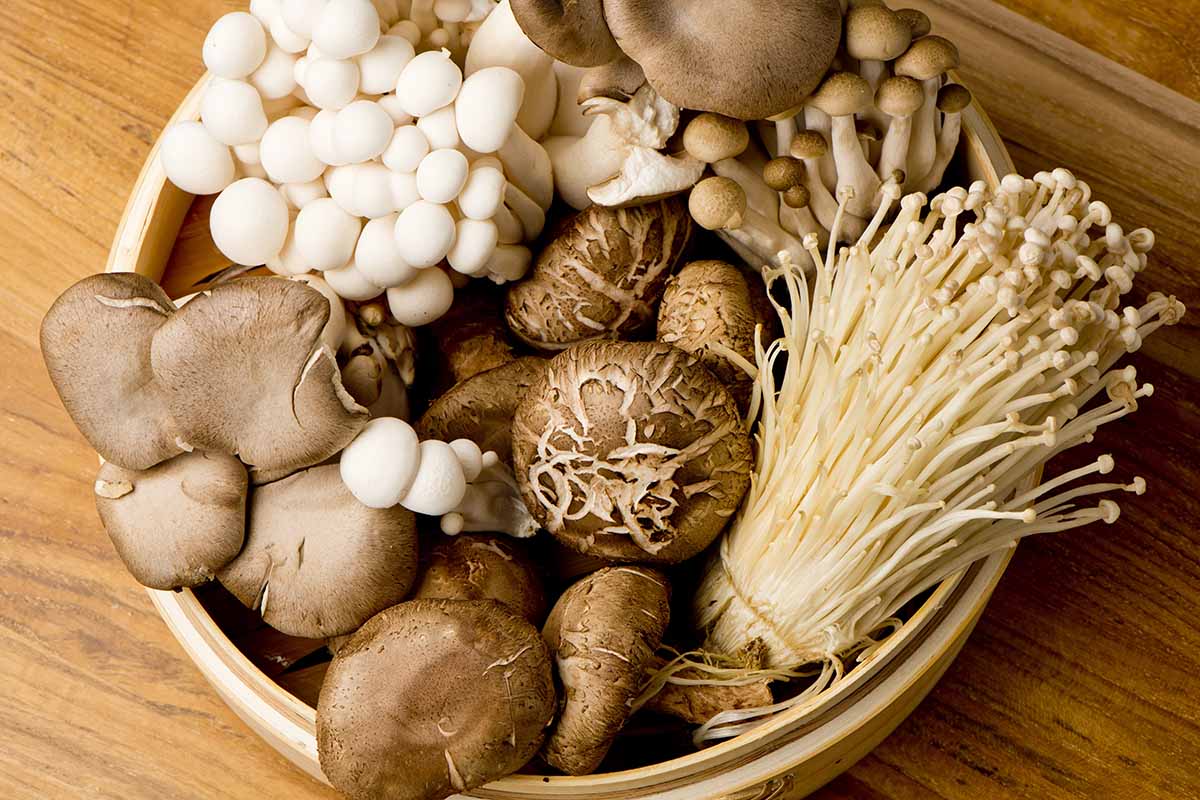
A close up horizontal image of a bowl filled with different kinds of mushrooms set on a wooden surface.

Want to try your hand at growing your own crop of mushrooms indoors? There’s a wealth of grow kits available, offering a variety of different types of delicious, edible fungi, with options for budding mycologists as well as experienced growers. Learn more about 17 of the best mushroom growing kits now. Read more.

11 Reasons Why Your Cauliflower May Not Form Heads

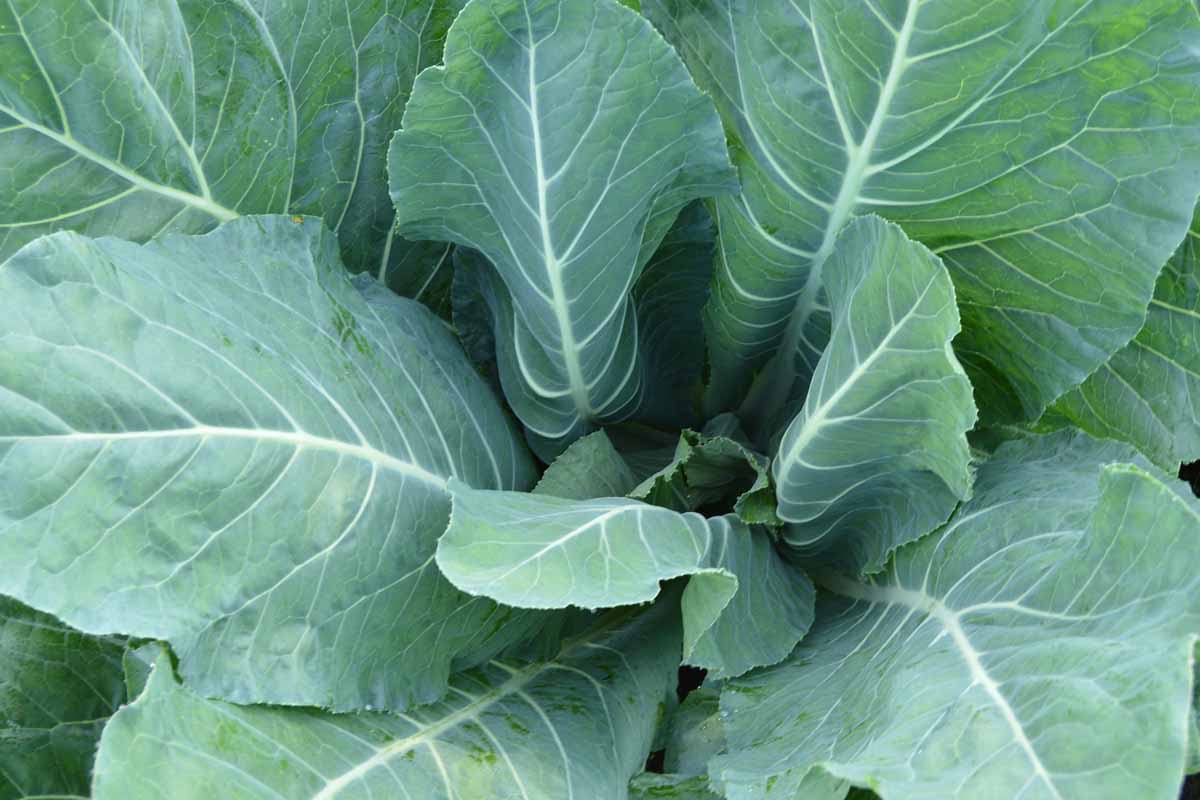
A close up, top down picture of green cauliflower foliage, the white veins and stems clearly visible against the light green of the leaves.

Cauliflower is a cool-weather crop that is often challenging to grow. Sometimes it yields an abundance of snowy white, purple, green, or even orange heads. Other times, you’re rewarded with mounds of foliage, but there’s not a single head in sight. To discover 11 reasons why this may happen, read more now.

7 of the Best Companion Plants to Grow with Chard

Image of a wooden raised garden bed planted with chard, lettuce, marigolds, and a variety of other companion plants.

Are you looking for the best companion plants for your Swiss chard? Whether you want them to deter pests, add nutrients to the soil, or serve as a living mulch, some excellent options are available that may help your chard to thrive. Discover the top garden buddies for these tasty and colorful leafy greens now.

How to Harvest Brussels Sprouts

A close up of a brussels sprout stalk with mature buds ready for harvesting, on a soft focus background.

Are you growing brussels sprouts in your garden and wondering how best to harvest them? There’s nothing better than a homegrown sprout, fresh off the stalk. Learn when to pick them for the sweetest flavor and the different ways to go about it – plus some maintenance tips to ensure you get the best crop. Read more now.

How to Cure and Store Garlic from the Garden

Freshly harvested softneck garlic from the garden with roots and tops still attached set on a tiled surface.

Garlic is a kitchen must-have. And you can enjoy the rich flavor of your own harvest year-round with one, or all, of our storage methods. Use a traditional braid to hang bulbs from the rafters, or try them dehydrated, frozen, or even pickled. Find out how to cure and store garlic from the garden now. Read more.

When and How to Cut Back Asparagus Foliage

Image of rows of asparagus plants growing in the garden with trees in soft focus in the background.

Growing asparagus at home is worth some extra effort. One way to increase productivity and improve plant health is to cut back dead foliage in the fall. Before the freezing temperatures of winter take hold, you can prepare your asparagus plants to survive and thrive, ready to grow in spring. Learn more now.

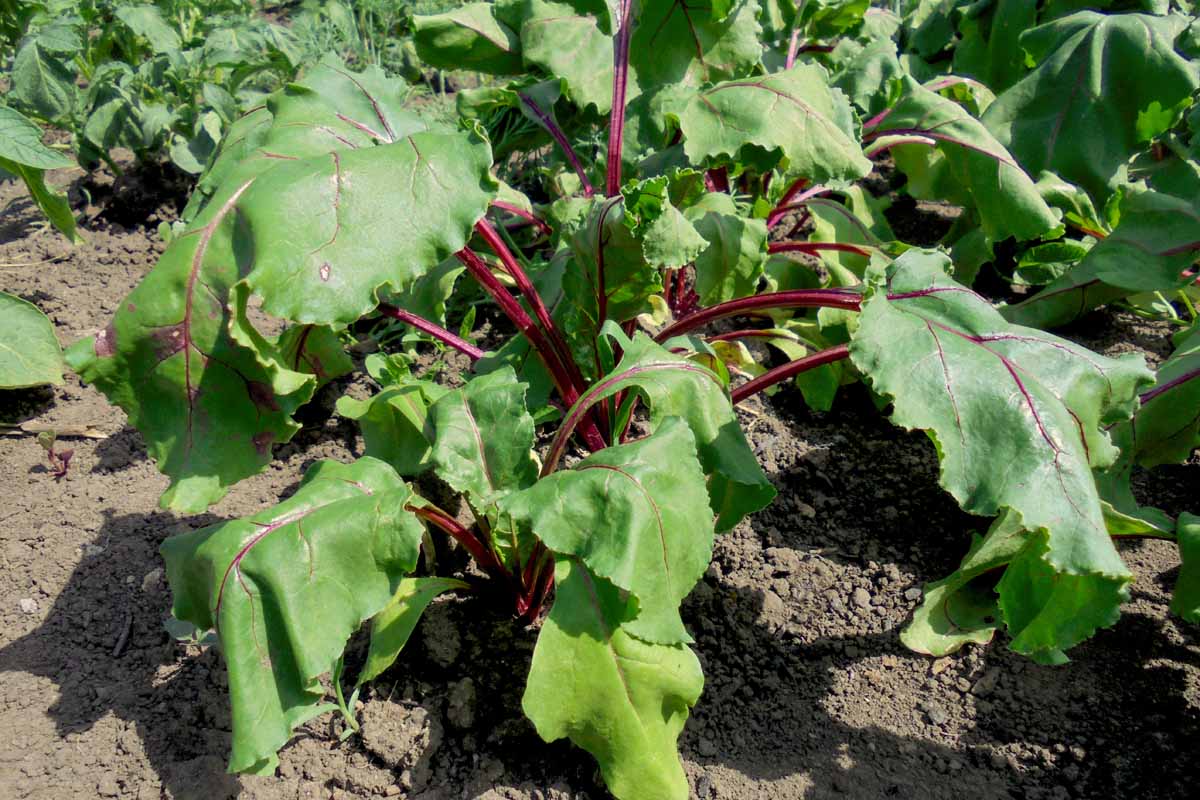
How to Harvest Beet Greens

A close up top down picture of beet greens growing in the garden with bright green leaves and dark red stems and veins.

Are you curious about harvesting the leaves from your beet plants to use in the kitchen? Cooking up tasty plant-based dishes with this often overlooked source of fresh greens is a great way to reduce food waste and add another healthy vegetable to your diet. To learn how and when to harvest beet greens, read more now.

Why Does My Broccoli Have Loose, Bitter Heads?

A close up of a head of broccoli with the florets starting to separate a little bit, surrounded by large, bluish green leaves, pictured in bright sunshine.

Growing broccoli can be a challenge. Our aim is to produce flavorful, tight heads, but sometimes the result is loose, bitter ones and huge disappointment. Join us to learn the reasons for less than ideal outcomes, and how to avoid them, as we discuss broccoli with loose, bitter heads. Read more now.

When and How to Harvest Kale

Close up of a dark, leafy cavolo nero plant, with large leaves on the outside, and small, tender new shoots at the center, in bright sunlight.

Harvesting kale is an easy task once you know when and how to do so. If you harvest correctly, kale can provide you with greens for weeks on end. The leaves are not only packed with nutrition but edible at different sizes. Baby greens are great in salads and larger leaves are a versatile cooking green. Read more now.

When and How to Harvest Turnips

A close up of a bunch of freshly harvested turnips on soil in the sunshine. The roots are round and bulbous and the green stems and foliage are still attached.

Think it might be time to harvest your turnip crop, but you’re not quite sure of how to proceed? Luckily, harvesting turnips is easy with a little gardening know-how. Read more now to learn how and when to harvest homegrown turnip roots and greens, plus the best storage practices and some bonus recipe ideas.

The Three Ways to Propagate Garlic

A close up of Allium sativum bulbs with the roots and foliage still attached, set out to dry on a wire mesh in the sun.

If you love garlic and want to grow your own, you’ll need to know how to propagate it. Learn about the three different methods of propagating garlic – from cloves, bulbils, or from seed. Discover the pros and cons of each method and you’ll be on your way to an aromatic garlic garden in no time. Read more now.

How to Store Carrots In the Ground

A close up picture of a brown plastic basket full of harvested bright orange carrots with their green foliage removed.

When it’s time to harvest your crops, have you ever wondered what to do with an overabundance of root vegetables? What if your homegrown carrots could be left in the soil for the winter? Leaving carrots in the ground is a great way to keep them fresh during the winter months – given the right conditions. Read more now.

How to Grow Swiss Chard in Containers

A close up horizontal image of a Swiss chard plant with red stalks and dark green leaves growing in a ceramic container, pictured in bright sunshine with a white wall in the background.

Looking for a cool-season veggie that you can grow in a container? Swiss chard lends itself nicely to potting since it doesn’t mind crowded roots and isn’t too demanding. This guide will walk you through selecting a container, planting seeds or transplants, taking care of your crop, and troubleshooting pesky problems.