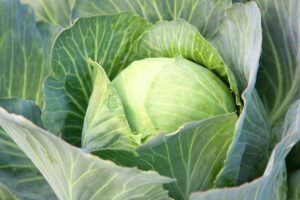
Lactuca sativa ‘Nevada’
‘Nevada’ lettuce is named for a hot, dry state, which gives us a hint that this French crisp type withstands summer heat without bolting.
So whether you live in the hot desert or a more accommodating climate, you can enjoy this sweet head lettuce.

We link to vendors to help you find relevant products. If you buy from one of our links, we may earn a commission.
The apple-lime green, crunchy leaves have a crisp snap and a mild, nutty flavor in large, loose heads.
The glossy, thick leaves have a gorgeous ruffled shape with a crunch that is tempered by the smooth, buttery texture.
All types of lettuce are pretty easy to grow and ‘Nevada’ isn’t going to break with that tradition.
In fact, it’s easier to cultivate if you live in a hot region than many other types. If you’re ready to add ‘Nevada’ to your vegetable garden, let’s dig in!
Here’s what I’ll cover:
What You’ll Learn
‘Nevada’ is a French crisp, summer crisp, or Batavian type. These types of lettuce originated in the 1600s in what is modern France, Belgium, and the Netherlands.
Since then, there have been hundreds of cultivars bred out of the original summer crisp.
Quick Look
Common name(s): Nevada lettuce
Plant type: Herbaceous annual vegetable
Hardiness (USDA Zone): 2-11
Native to: Mediterranean region
Bloom time / season: Spring and fall
Exposure: Full to partial sun
Soil type: Loose, rich, well-draining
Soil pH: 6.0-6.5, slightly acidic
Time to maturity: 55 days
Spacing: 9 inches
Planting depth: 1/8 inch (seeds)
Mature size: 9 inches wide x 12 inches high
Water Needs: Moderate
Taxonomy
Order: Asterales
Family: Asterales
Genus: Lactuca
Species: Sativa
Cultivars: Nevada
In the early 1900s, American growers started refining their own cultivars better adapted to local growing climates, including ‘Nevada.’
The thick leaves have a distinctly crisp crunch, with a buttery texture. ‘Nevada’ has large, open heads that resist tip burn and bolting.
How to Sow
Similar to all other lettuces, you have the option for starting the plants from seed or by purchasing seedlings.
From Seed
Start the seeds just before or right after the last predicted frost date in your region. Ideally, the soil should be about 40°F and not any colder when you sow the seeds.
You can also start them in the late summer about two months before the first predicted frost.

In fact, you can succession sow every two weeks throughout the growing season with a break during the hottest months if the temperatures climb above 85°F regularly.
When you’re ready to sow, work lots of well-rotted compost into the soil to loosen it up and improve drainage. Water the ground well.
Sow the seeds about an eighth of an inch deep in the soil. Keep the ground moist and in under a week, seedlings should start to pop out of the soil.
Thin them to about six inches apart.
Transplanting
So long as it isn’t super hot, like over 85°F, or super cold, like well below freezing, you can transplant seedlings in the ground.

You can even grow ‘Nevada’ during the winter in areas where the soil doesn’t freeze solid.
Though they tend to cost more, starting with transplants means your lettuce is ready faster than if you sow seeds. You can be harvesting in about five weeks.
Before you transplant, work some well-rotted compost into the ground. Then, dig a hole the size of the growing container.
Remove the seedling from the growing container and set the lettuce in the hole.
Firm the soil up around the plant and water well.
How to Grow
Generally, summer crisp or Batavian types are happiest in cooler climates.
Climate and Temperature
As mentioned, this cultivar tolerates warmer weather and won’t bolt in the summer heat, while also retaining its flavor and crispness.

Grow ‘Nevada’ in full sun or a bit of afternoon shade – aim for about six hours of direct sunlight.
If you live in a hot region, grow your lettuce somewhere that is shaded during the afternoon heat.
Or, somewhere that you can easily place some shade cloth to protect the plants during the hottest part of the day.
If you have a heatwave, cover the plants with an umbrella or shade cloth to help keep them cool. They’re generally fine in a cold snap.
A brief drop below freezing won’t hurt them, though you can cover them in frost cloth if you want.
Soil
This cultivar thrives in loose, organically-rich, well-draining soil with a slightly acidic pH of 6.0 to 6.5.
Water
Keep the soil consistently moist and don’t let any weeds grow in the area. A thick layer of straw mulch can help suppress weeds and retain moisture.
Companion Planting
Avoid growing lettuce near brassicas as they share some nasty pests and diseases. But calendula, carrots, cilantro, parsnips, and radishes are all fine.
Alliums, marigolds, and nasturtiums also make good companion plants for lettuce because they help deter some of the bugs that feed on your greens.
Fertilizing
There’s no need to fertilize lettuce if you worked in compost when you planted, but feel free to side-dress with well-rotted manure a few weeks after planting if you want.
Where to Buy
‘Nevada’ is extremely popular because it’s so resilient and tolerant of a range of conditions. That’s why you’ll find it at so many retailers.

I source my seeds from High Mowing Organic Seeds because all of their seeds are organic and they sell them in a huge range of quantities, from 500 to five million seeds.
Or you can find conventional seeds in quantities ranging from one gram to 25 pounds at True Leaf Market.
Managing Pests and Disease
As with all lettuces, rabbits and deer think of them as their personal salad buffet. Fencing or protective cloches can help keep them away.
It’s a fact of life that pests are also going to want a bite of your lettuce. Aphids, beetles, caterpillars, fungus gnats, slugs and snails all feed on lettuce.
I find that slugs and snails are my biggest foe and they especially love to burrow into the space between the leaves. I use a bread slurry trap to keep mollusks out of my vegetable patch.

Researchers Robin Veasey, Maria Cordoba, Andrew Colton, Rory McDonnell, and Leonard Fujimoto at Oregon State University found that bread dough is more attractive than anything else they tested for attracting slugs.
They published their findings in the journal Insects in 2021.
Me and my fellow Master Gardeners hand out yeast and a bread dough recipe at events to help encourage gardeners to give it a try.
Since I make sourdough, I just use the excess starter I have.
I put it in a shallow container that I bury at soil level in the garden and then I tent a little chicken wire over it to keep birds and other small critters out.
For all the other potential pests, check out our guide to lettuce pests.
‘Nevada’ is moderately resistant to downy mildew, lettuce mosaic virus and extremely resistant to bottom rot.
That doesn’t mean that it can’t be infected by any of these diseases, but it’s far less common and the plant is less likely to suffer from serious symptoms.
Watch out for bacterial leaf spot, which you can learn about in our guide to lettuce diseases. ‘Nevada’ is susceptible to leaf spot, which causes black lesions on the outer leaves.
Harvesting
The mature heads are ready for harvest after 48 to 55 days. But you can actually cut off the baby heads at four weeks and the plant will grow a second head in another six weeks.

You can cut the leaves as needed throughout its lifespan, or harvest the entire head using a sharp knife to cut through the stem at the base, as close to the soil as possible.
Enjoy Those Summer Salads
Not all lettuces are the same, and I don’t just mean that there’s a difference between iceberg and buttercrunch.
Even among the French crisp types there are attributes that make each cultivar unique. ‘Nevada’ has a lot going for it that sets it apart from the rest.

What draws you to this cultivar? Are you in a hot, dry region? Or just love summer crisps and want to grow one of the best? Let us know what you love about ‘Nevada’ and how you plan to use it in the comments section below.
And for more information about growing lettuce in your vegetable garden, add these guides to your reading list next: