
Tradescantia spp.
Beautifully variegated or in soothing shades of solid green, spiderworts are easy-care houseplants that will provide masses of vines to beautify your indoor space.
These fast growers allow you to add a lot of vegetation to your home quickly, without too much fuss. They are certainly proving to be excellent for me.
Many years ago I had something of an indoor jungle – my home was filled with houseplants. I loved being surrounded by all that lush greenery.
But then I moved overseas, and every houseplant I owned needed to be rehomed.
We link to vendors to help you find relevant products. If you buy from one of our links, we may earn a commission.
Many years later, having returned from my life abroad, I’ve finally decided to start cultivating an indoor jungle again.
And spiderworts are an integral part of this project and I started with two tiny pots of T. zebrina.
Thanks to some easy propagation and quick growth, those two pots have been transformed into four large houseplants, plus two additional small specimens I just started from cuttings.
In this guide I’ll fill you in on the best way to keep them looking gorgeous, and meanwhile, our inch plants can keep busy filling our homes with new foliage.
Here’s what I’ll cover:
What You’ll Learn
Spiderwort is a common name that refers to many species in the genus Tradescantia.
This genus is part of the Commelinaceae family, also called the spiderwort or dayflower family – so named because many species in this family have flowers that only last a single day.
The Tradescantia genus is made up of 75 species, many of which have a “wandering” or vining growth habit.
These species originate in the Americas, spanning a distance as far north as Canada and as far south as Argentina.
Those that are grown as houseplants generally originate in tropical areas of Central and South America.
In their native habitat and in areas where they have naturalized, spiderworts grow in moist soil in woodlands, rainforests, and riparian areas.
Quick Look
Common name(s): Spiderwort, wandering dude, wandering willie, wandering trad, inch plant
Plant type: Evergreen herbaceous perennial
Hardiness (USDA Zone): 7b-12b (outdoors)
Native to: Central America
Exposure: Full sun to part shade. Bright, indirect light
Soil type: Organically rich potting mix, well-draining
Soil pH: 6.0-8.0, slightly acidic to slightly alkaline
Growth Rate: Fast
Mature size: 6-12 inches tall by 12-48 inches wide (depending on species or cultivar)
Best uses: Houseplant, ground cover, spiller
Taxonomy
Order: Commelinales
Family: Commelinaceae
Genus: Tradescantia
Species: Chrysophylla, fluminensis, pallida, sillamontana, spathacea, zebrina
These tender evergreen perennials have a spreading growth habit, forming thick mats of vegetation, and they are able to root into the soil from their vines, particularly at leaf nodes.
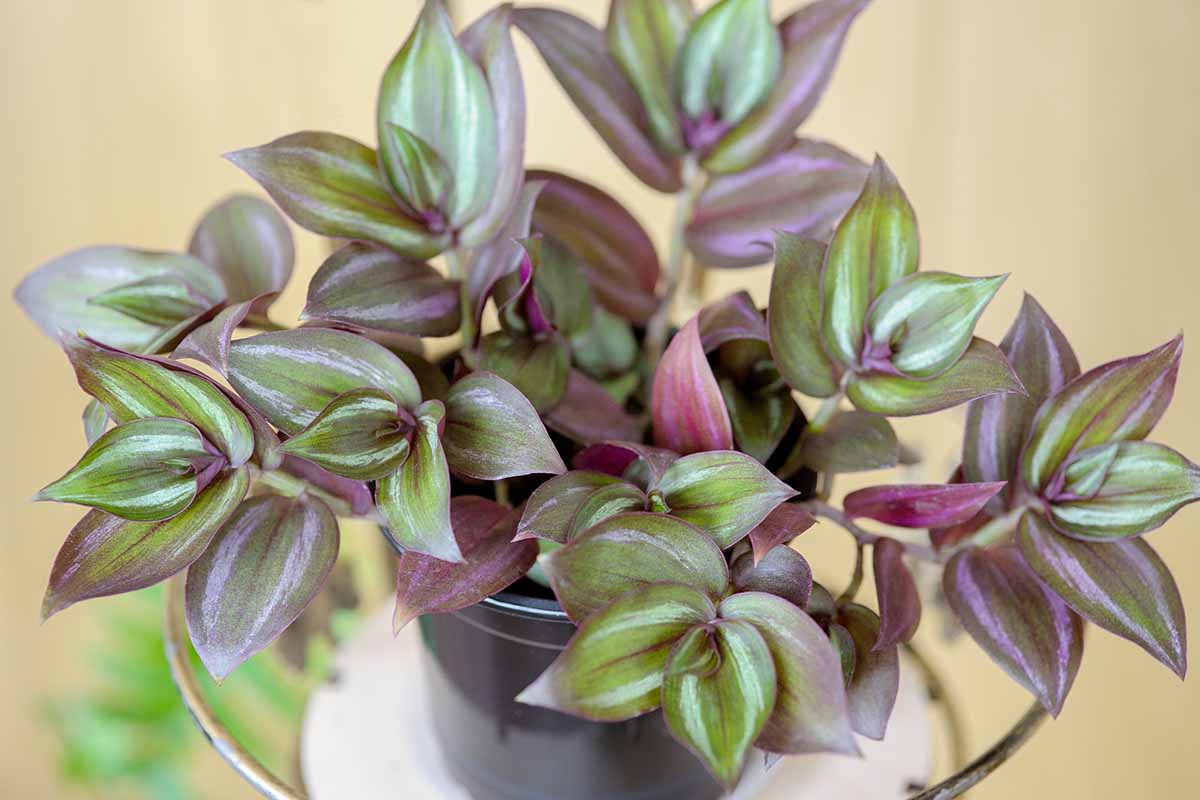
When grown as houseplants, that spreading growth habit translates into long, trailing vines.
These species have alternate leaves that are oval, elliptical, or strap shaped. Some types are variegated, while others are solid green or solid purple in color.
The leaves are fleshy, feeling almost like the foliage of succulents.
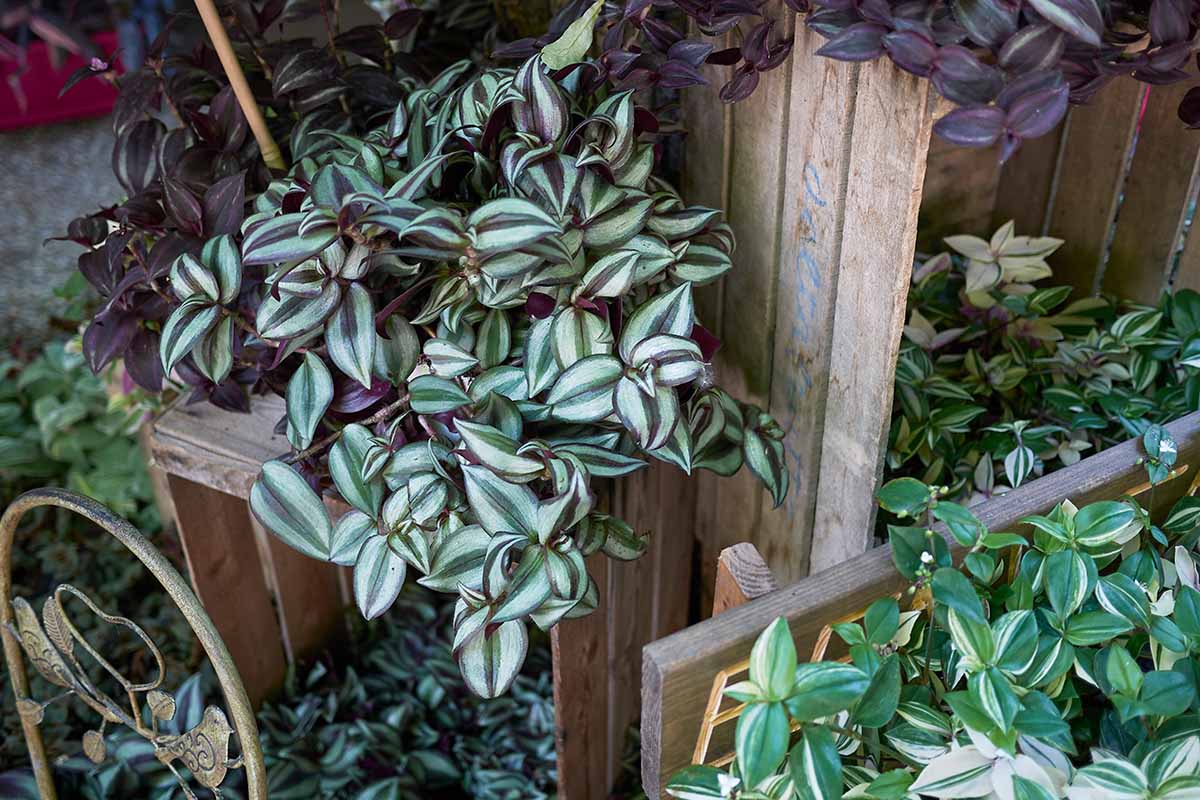
The foliage and stems are covered with small hairs, some species more than others. Much like the hairs found on tomato stems, these hairs are able to grow into roots as the plants spread.
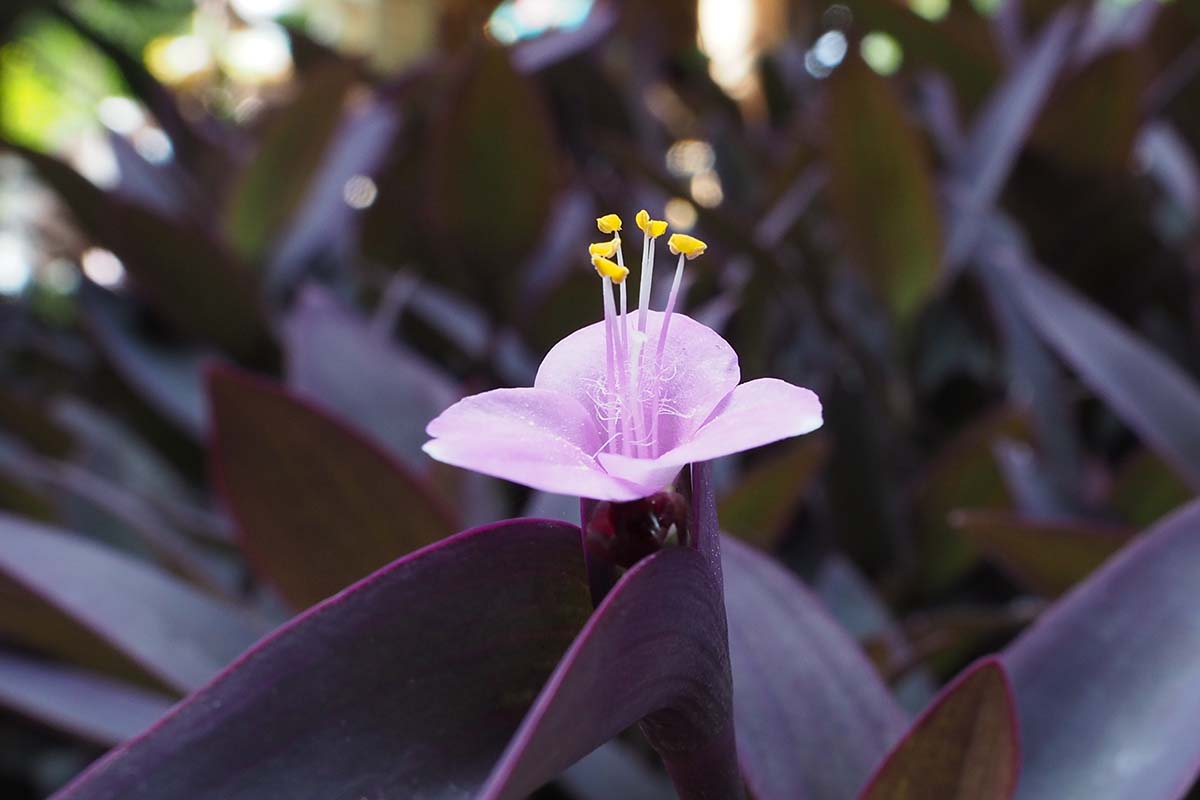
Small, three-petaled flowers emerge from the ends of stems. These delicate blooms can be pink, white, blue, or purple, depending on the species or cultivar.
You may be more familiar with a common name for these houseplants – “wandering Jew,” an outdated name replaced by the cute-sounding “wandering dude” or “wandering Willie.”
Or you can do as the Aussies do and call yours “wandering Trad.”
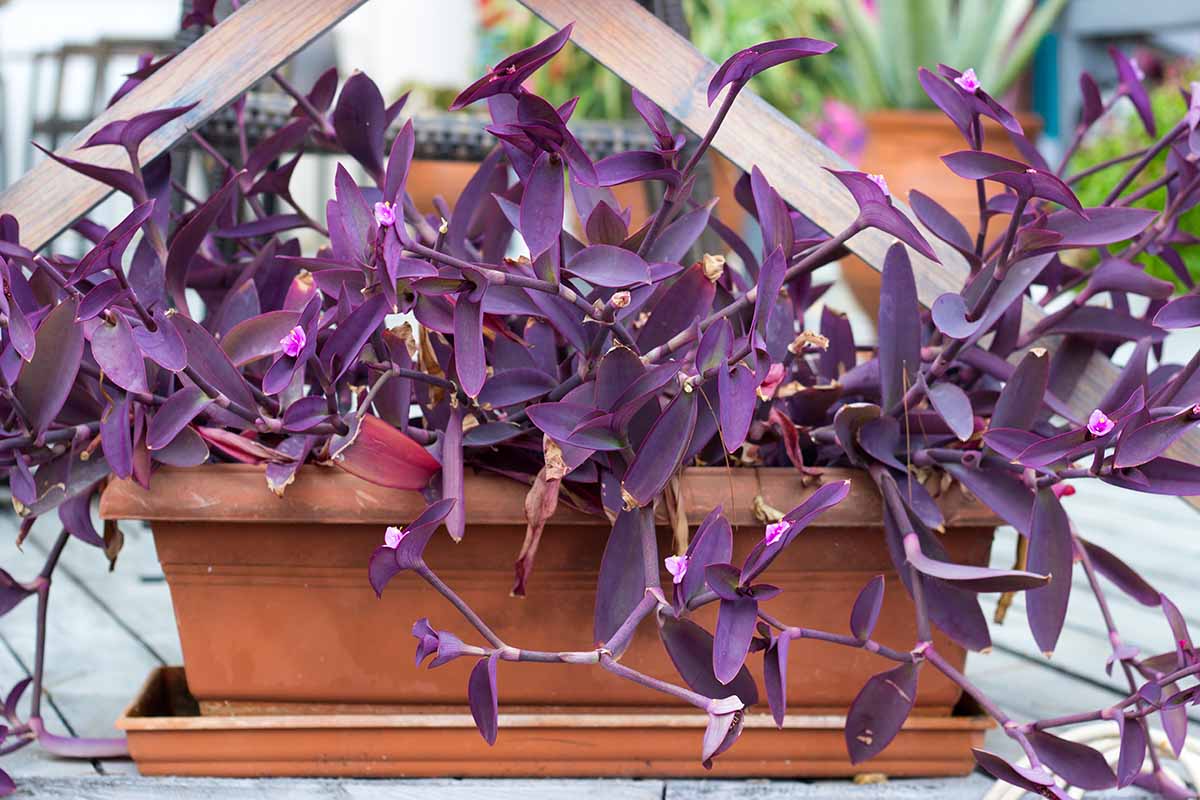
Another common name, “inch plant,” refers to the spacing between leaves. And to me at least, these seem to grow an inch per day – another possible inspiration for this name!
Tradescantia can be grown outdoors as annuals or as perennials in USDA Hardiness Zones 7b to 12a, depending on the species.
However, before you decide to take advantage of any species of spiderwort for its ground covering properties, be forewarned that these plants can be quite invasive.
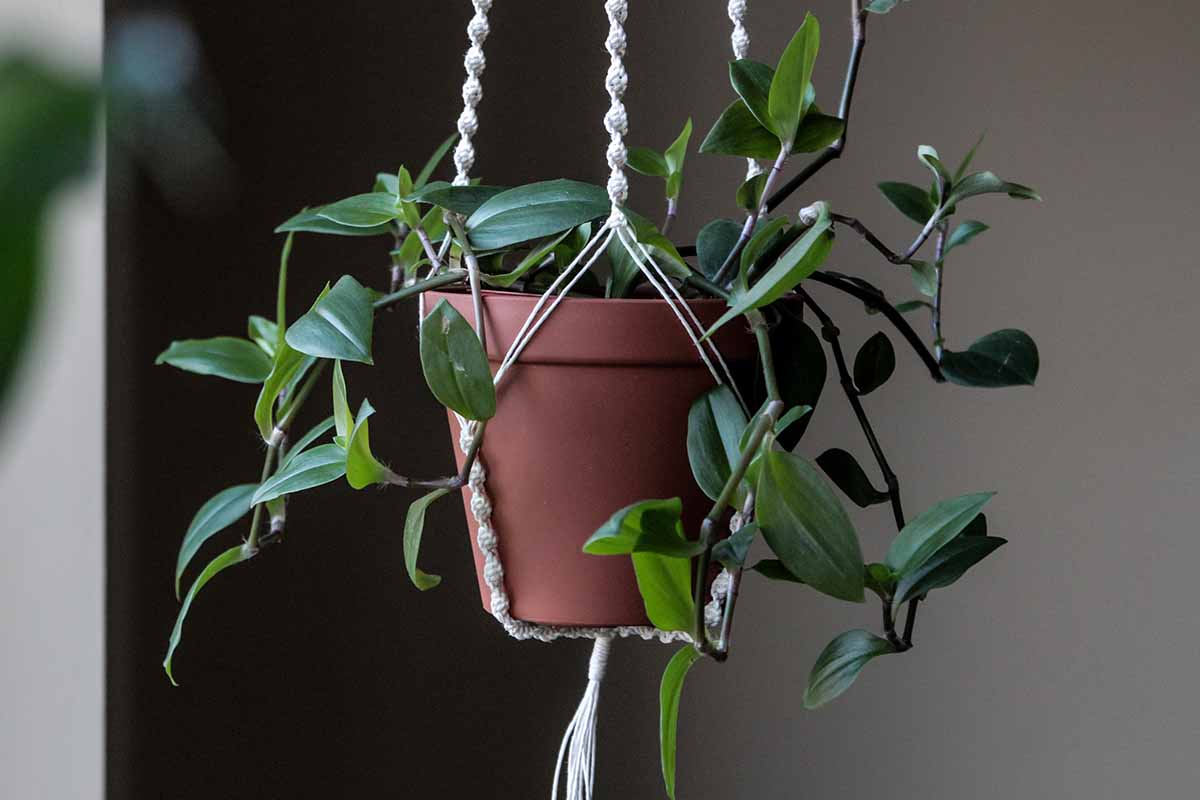
Spiderworts look marvelous when their long vines can cascade over the rims of their pots and trail down, so hanging baskets and plant stands are both excellent options for showcasing your plants.
If you prefer, you can prune the plant and give it a more bushy or upright shape – more on that later in this artcle.
A Note of Caution:
Some Tradescantia species can cause contact dermatitis in certain individuals, so consider wearing protective gloves when handling these plants if you are prone to skin reactions.
The ASPCA does not provide safety information for all species of Tradescantia, but lists T. fluminensis as toxic to dogs and cats.
If you have small children or pets, keep these houseplants out of reach, just to be safe.
How to Grow
Growing and caring for spiderwort is easy.
These are general tips that work for most types of Tradescantia, but always be sure to check specific growing information for your chosen species as there may be slight differences in requirements.
Light
Spiderworts are fairly flexible and will adapt to light conditions ranging from full sun to medium light.
Ideally, select a location in your home with bright, indirect sunlight.
I have personally grown T. zebrina in both full sun on the south side of my home and in indirect medium light on the northeast side of my home.
My spiderworts grew faster in full sun, but they also tolerate northeast exposure without any signs of stress.
If you don’t have much natural light available, you may want to consider supplementing with a grow light.
You can read more about what type of lamps to use for your plants in our dedicated article on grow lights for indoor gardening.
And if you place your spiderwort outdoors during the summer, find a location where it receives some shade during the hottest part of the day, since some species will scorch under too much direct sun.
Temperature and Humidity
Tradescantia houseplants are tender perennials, and they do well when kept at around 70°F or at least somewhere in the range of 50 to 80°F.
Since spiderworts originate in wet, tropical zones, they appreciate a bit of extra humidity.

While certainly not as fussy about humidity as prayer plants or orchids, daily misting is a good idea, particularly if you live in an arid climate like I do, or if your indoor air is particularly dry during winter.
Spritz them in the morning rather than at night, to minimize the risk of fungal infection.
Soil
They do best in peaty, well-draining soil with a pH of 6.0-8.0, so regular houseplant potting soil will work fine.

I particularly like Tank’s Houseplant potting mix, which contains coconut coir instead of peat moss and is available at Arbico Organics.
Water
Spiderworts have moderate moisture needs, but they are fairly tolerant.
The best rule of thumb is to let the top one to two inches of soil dry out in between waterings.

Water the surface of the soil instead of holding your watering can directly over the plant.
Reduce watering somewhat during the winter months since they don’t need quite as much water during the cooler weather.
Fertilizer
When growing outdoors, spiderwort plants have access to a rich diversity of nutrients and minerals in the soil which is constantly being refreshed.
That doesn’t happen for houseplants, so it helps to provide some fertilizer, particularly during the active growing season of spring and summer.
I like to fertilize my houseplants with worm compost tea, an organic option.
If you have a worm compost bin of your own, you can use some of the castings to make a fertilizer “tea” for your spiderworth.
Earthworm Compost Tea Organic Fertilizer
Or if you haven’t yet added vermicomposting to your skill set, you can purchase ready-made earthworm “tea” packets from the Earthworm Technologies Store, available via Amazon.
Species and Cultivars
Now that you have the basics of good spiderwort care down, are you ready to explore your options? Here are a couple of top picks.
Purple Heart
‘Purple Heart’ is a cultivated variety of T. pallida, a species native to Mexico.
This variety has solid purple foliage and delicate pink flowers. Its elliptical leaves are long, with purple undersides, and the plant also has purple stems.

Also known as T. pallida ‘Purpurea,’ it is sometimes taxonomically classified as Setcreasea purpurea. It also goes by the common names “purple queen” or “purple spiderwort.”
When grown in shady conditions, its foliage takes on a green color. To ensure that deep purple hue this plant is known for, place it in a location where it will receive full sun.
This species can survive outdoors year-round as a perennial in USDA Hardiness Zones 7b to 11a.
You can find ‘Purple Heart’ available in three-inch pots from Smoke Camp Crafts Store via Amazon.
Silvery Inch Plant
Next up, silvery inch plant is one of the common names for the species T. zebrina.

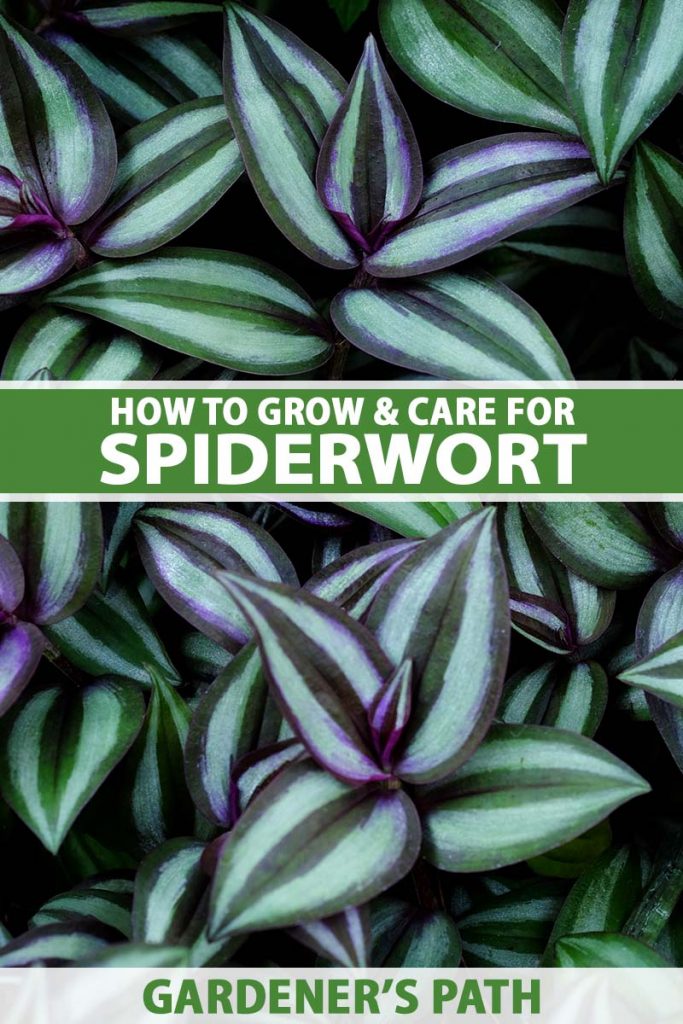
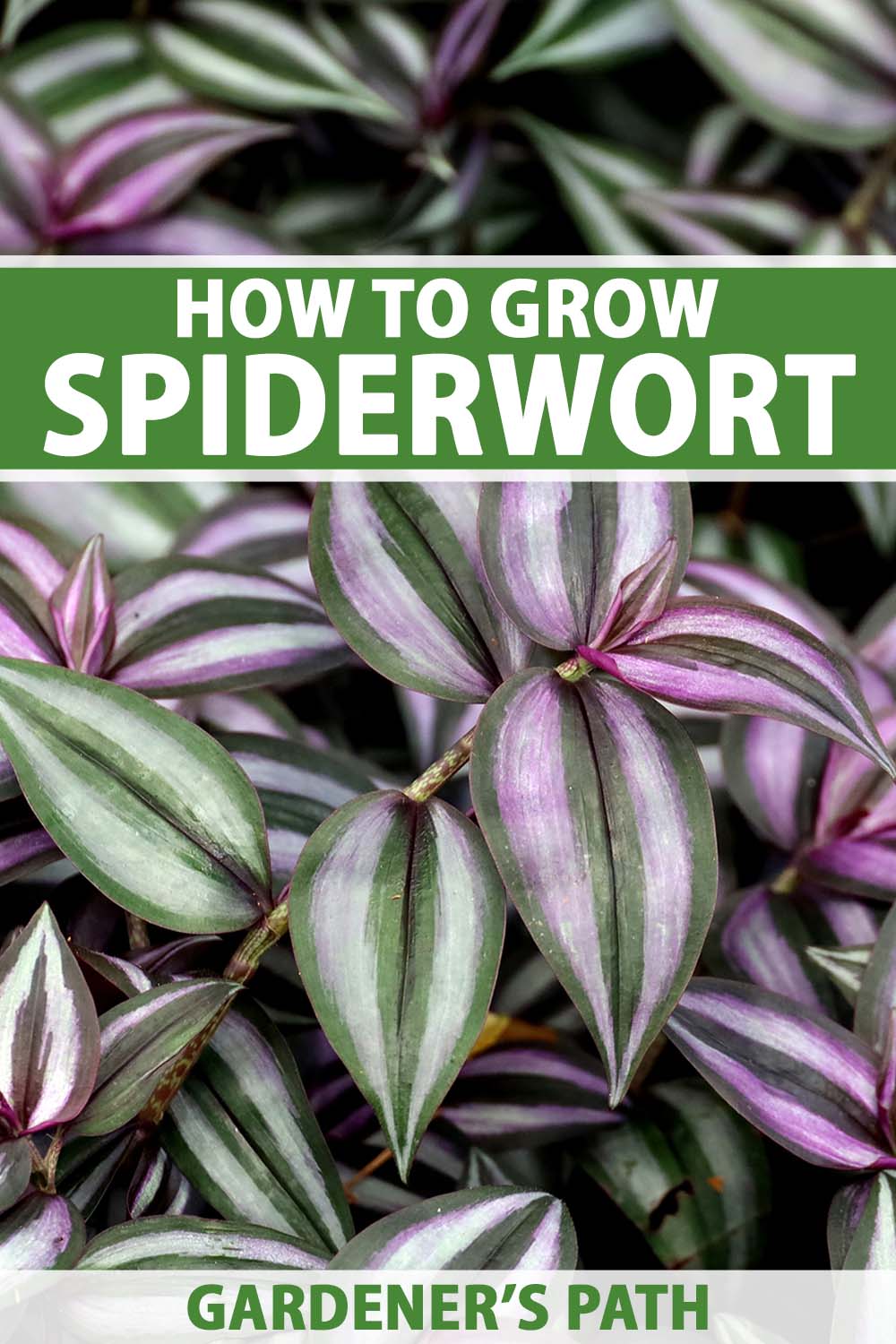
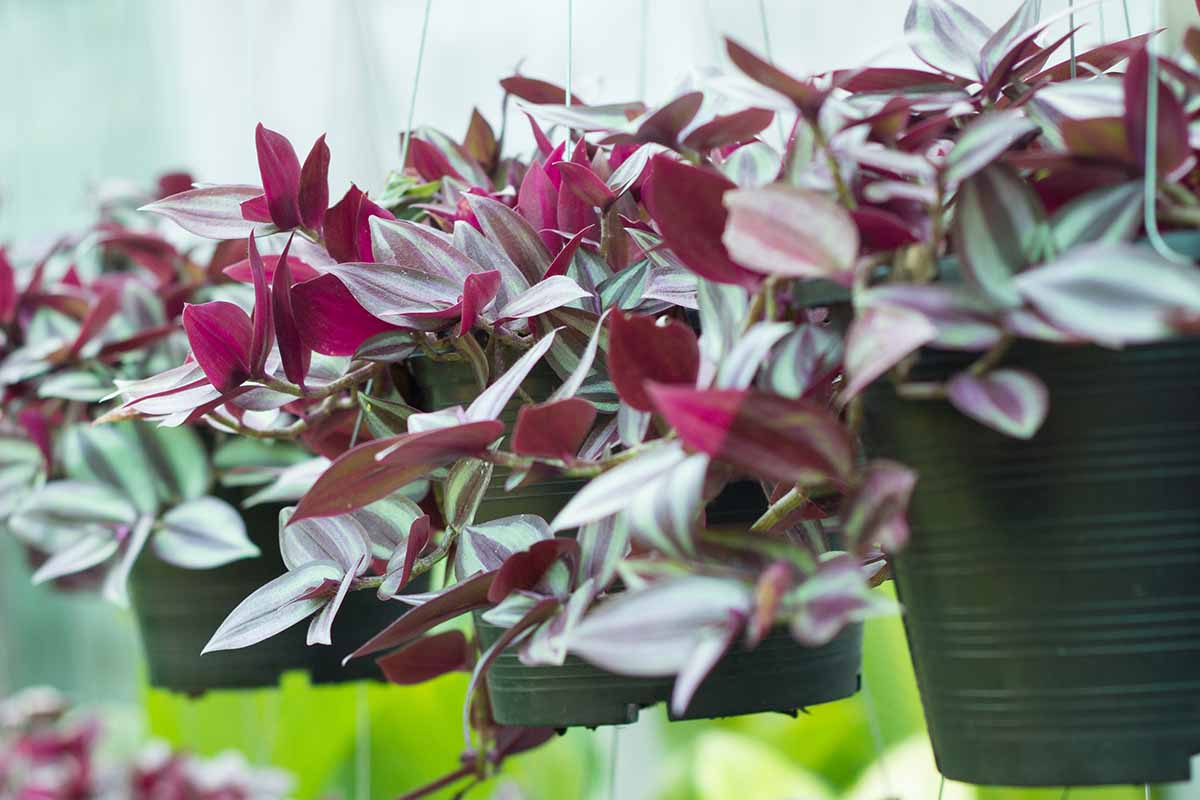
This species sports green and purple leaves with silver stripes on the leaf uppers, and maroon undersides.
The silver stripes on the foliage are iridescent, shimmering when the light hits them.
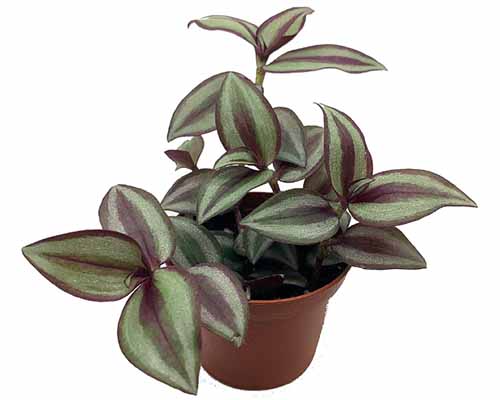
You’ll find silvery inch plant in two-and-a-half-inch pots from Hirt’s Gardens via Walmart.
Want More Options?
There are many other gorgeous cultivars to discover, so be sure to read our article on some of the most intriguing varieties of spiderwort.
Maintenance
For a fuller-looking specimen, pinching or cutting back vines will help to encourage bushier growth. Where you make your pinch or cut, the stem may branch.
Shorter stems will also be able to grow upwards rather than trailing down, giving a more upright appearance.

If your plant starts to look a bit scraggly, feel free to cut your spiderwort back fairly drastically, leaving only a few inches of stem intact.
If you want your inch plant to have long, trailing vines, there’s a trick to help with this as well:
Instead of hanging the container from a ceiling hook, try letting your plant grow on a flat surface for a while, which will encourage the stems to spread out horizontally.
When the stems are sufficiently long, you can hang it and its vines will cascade down.
Repotting
Your Tradescantia will not need to be repotted very often. When the soil starts drying out too quickly between waterings, you may want to repot or simply replace the potting medium.
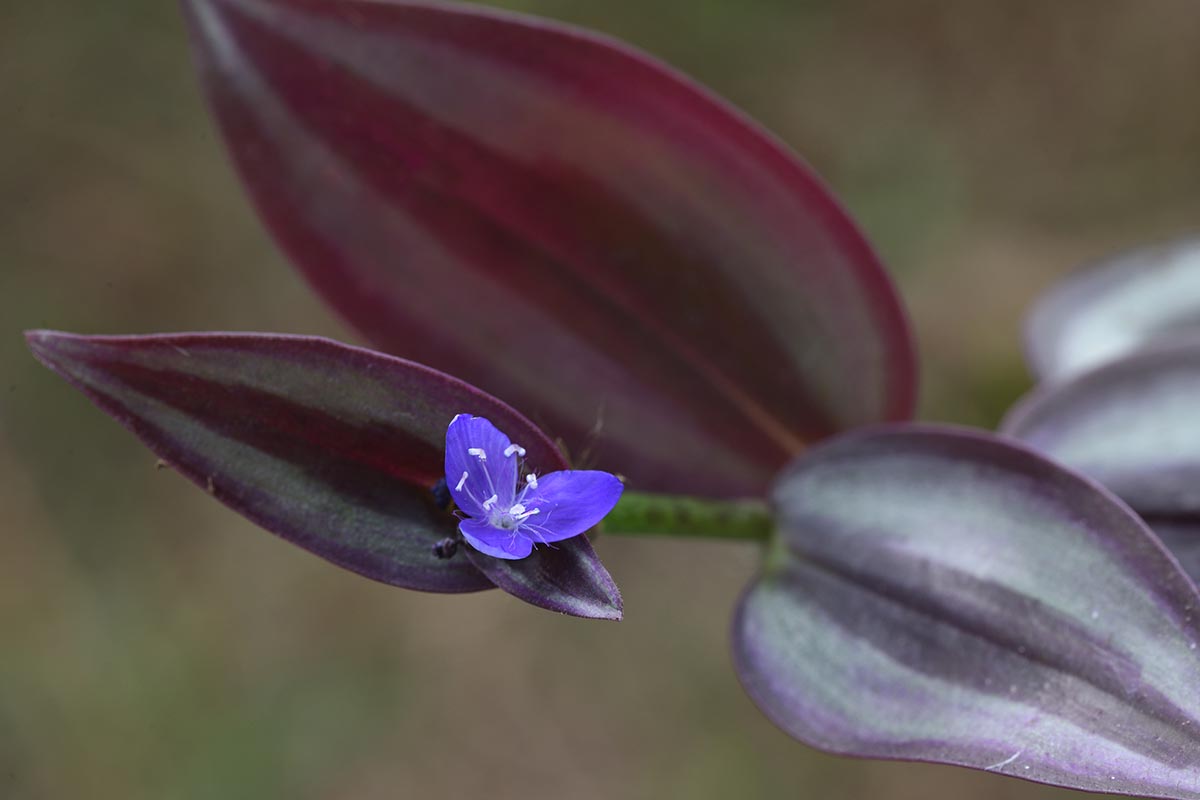
If you see roots emerging through drainage holes or from the soil surface – this is a good sign that it’s time to repot.
Choose a pot that is only one to two inches larger than the current container, and make sure it has drainage holes.
Once you have your soil and new pot at the ready, remove the plant from its old pot. If it looks a bit root bound, gently loosen up the outer layer of roots.
Place some soil in the new pot and position your plant on top of this layer – make sure you have about an inch of space available from the surface of the soil to the rim of the pot.
Fill in with soil, and water your freshly repotted spiderwort.
Propagation
The easiest and most accessible way to propagate wandering dudes is via cuttings.
From Cuttings
You won’t need much skill or experience to succeed with this type of propagation project, so it’s great for kids, beginning gardeners, and brown thumbs.
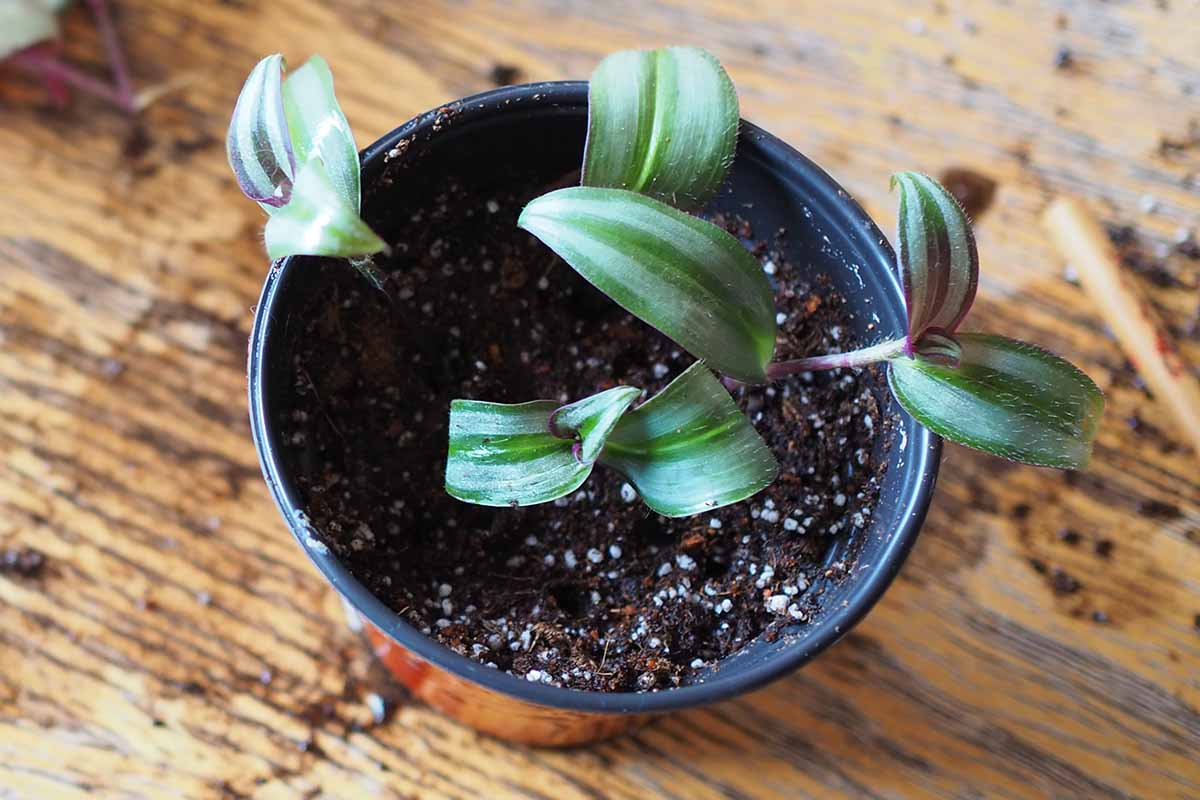
You can either take cuttings and let them root in a glass of water, or simply place your new, unrooted cuttings directly into a pot of prepared houseplant soil.
If you’d like step-by-step instructions, check out our guide to spiderwort propagation.
Pests and Disease
Wandering dudes aren’t particularly prone to either diseases or pest infestations.
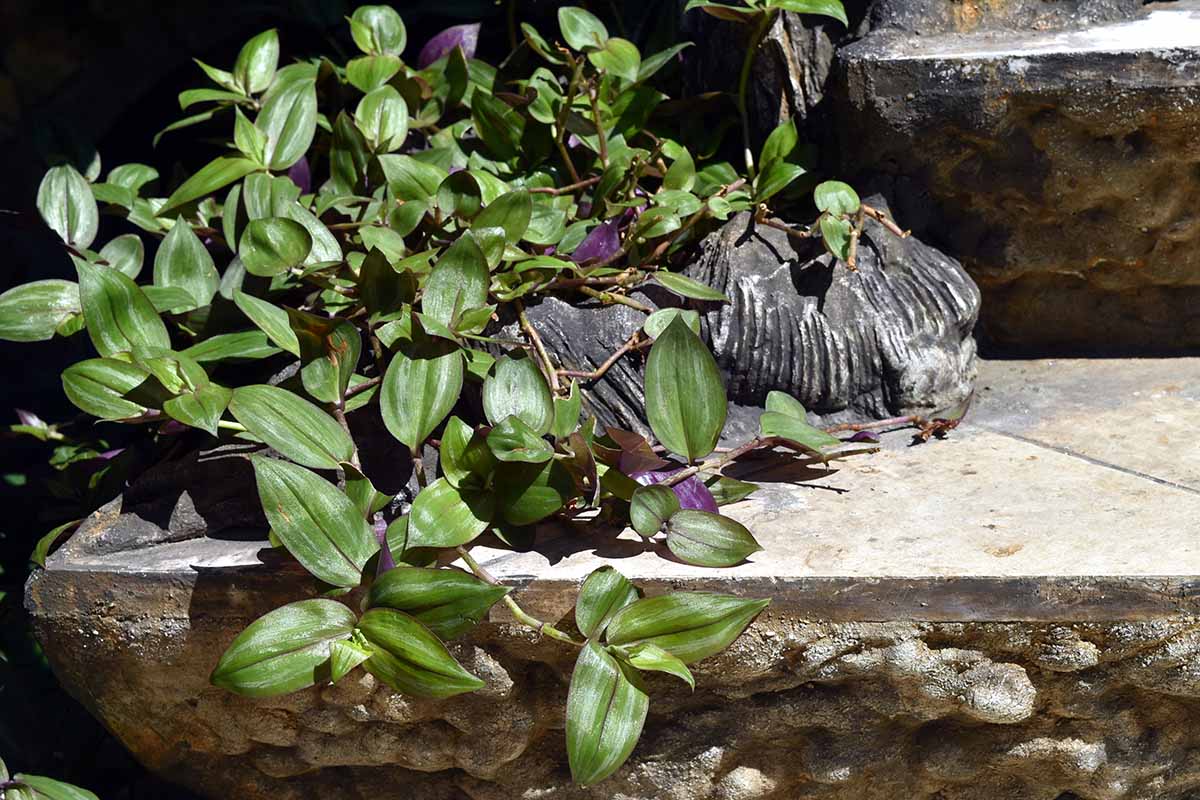
That’s one of the reasons these plants can so easily become invasive when grown outdoors.
Here are some of the most common diseases and pests to affect these houseplants:
Pests
Even the most resilient of houseplants can succumb to an insect infestation.
Aphids
Aphids are tiny sap-sucking insects that tend to set up camp on the undersides of foliage. They suck nutrients out of plants, which sometimes results in curled or wilted leaves.
As they feed, they excrete honeydew, a sticky substance that can provide a foothold for sooty mold.
To treat an aphid infestation, first try removing them with a blast of water, either from a garden hose or from the spray nozzle on your sink or bathtub.
Neem oil can be used as a nontoxic insecticide. Simply apply the product according to the manufacturer’s instructions.
Learn more about how to manage aphids here.
Mealybugs
Mealybugs are another group of nutrient suckers. They are white and fuzzy, and may give your inch plant the appearance of having bits of cotton stuck on it, particularly on the stems.
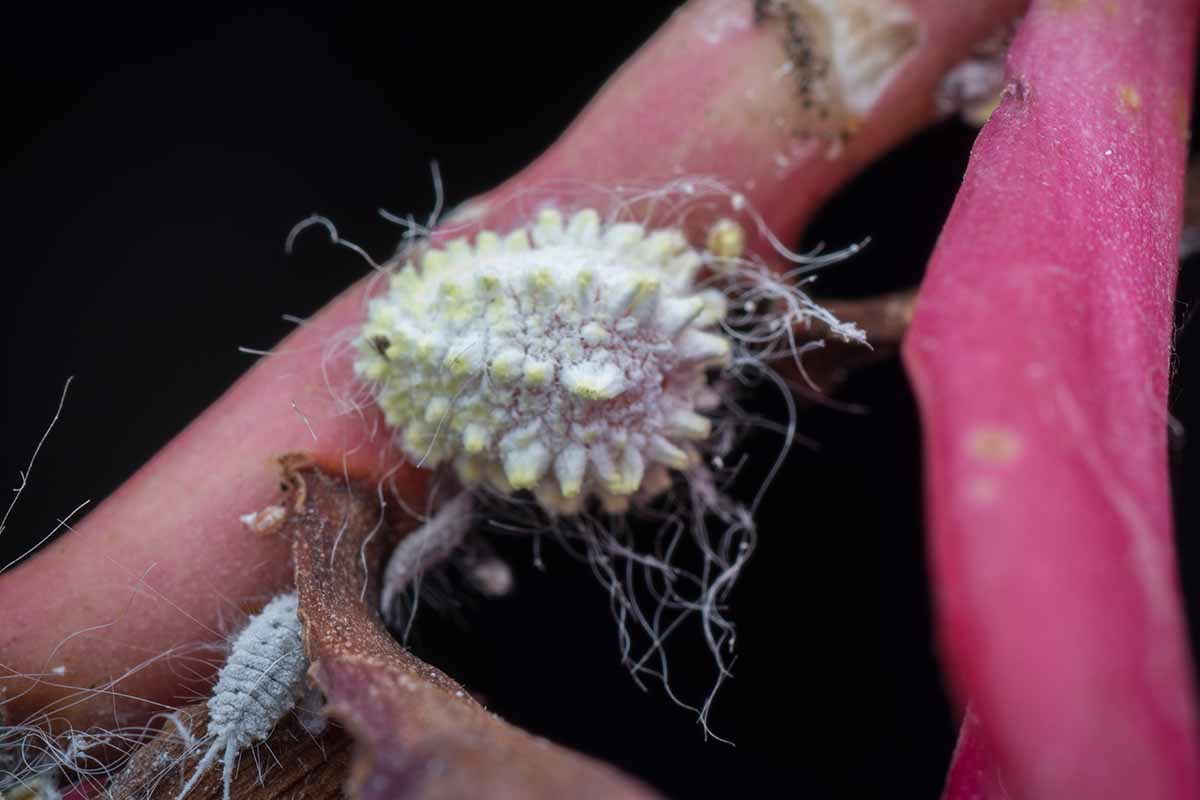
Mealybugs can be wiped away with a damp paper towel, or they can be killed with an application of neem oil.
Find more tips on identifying and controlling mealybugs here.
Scale
To an untrained eye, scale may be hard to spot – they look like tiny brown bumps and can be mistaken for bits of dirt.
Under a brown shell, there’s an insect attached to your plant, greedily feeding.
Scale can appear on either leaves or stems and can cause foliage to turn yellow. You can pick off the pests by hand or treat the plant with neem oil.
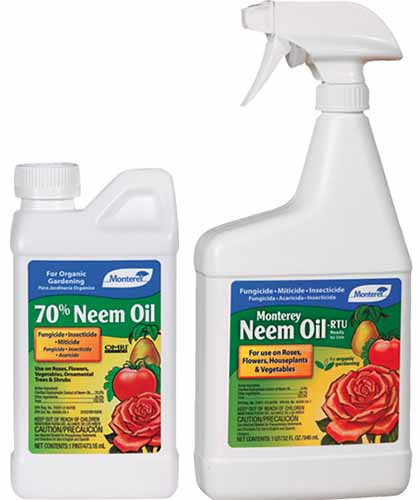
You can find Monterey neem oil available at Arbico Organics.
Find more information on controlling scale insects here.
Disease
If your spiderwort is looking sickly, you should check for root rot, which is caused by soggy soil.
Oversaturated soil prevents the roots from absorbing oxygen. Oxygen starved roots can rot, preventing the foliage from receiving the water it needs.
And to make matters worse, the soil and rotting roots can provide the perfect conditions for bacteria and fungi to invade.
To prevent the soil from becoming waterlogged, make sure the pots have good drainage, and only water when the top inch or two of soil has dried out.
To remedy a case of root rot, remove the plant from its soil, trim back any rotting roots, repot, and make sure to either adjust watering or provide better drainage.
An Indoor Jungle, Inch by Inch
If you have let spiderwort into your heart, you should now be prepared to also let it into your home, and to keep it happy there.
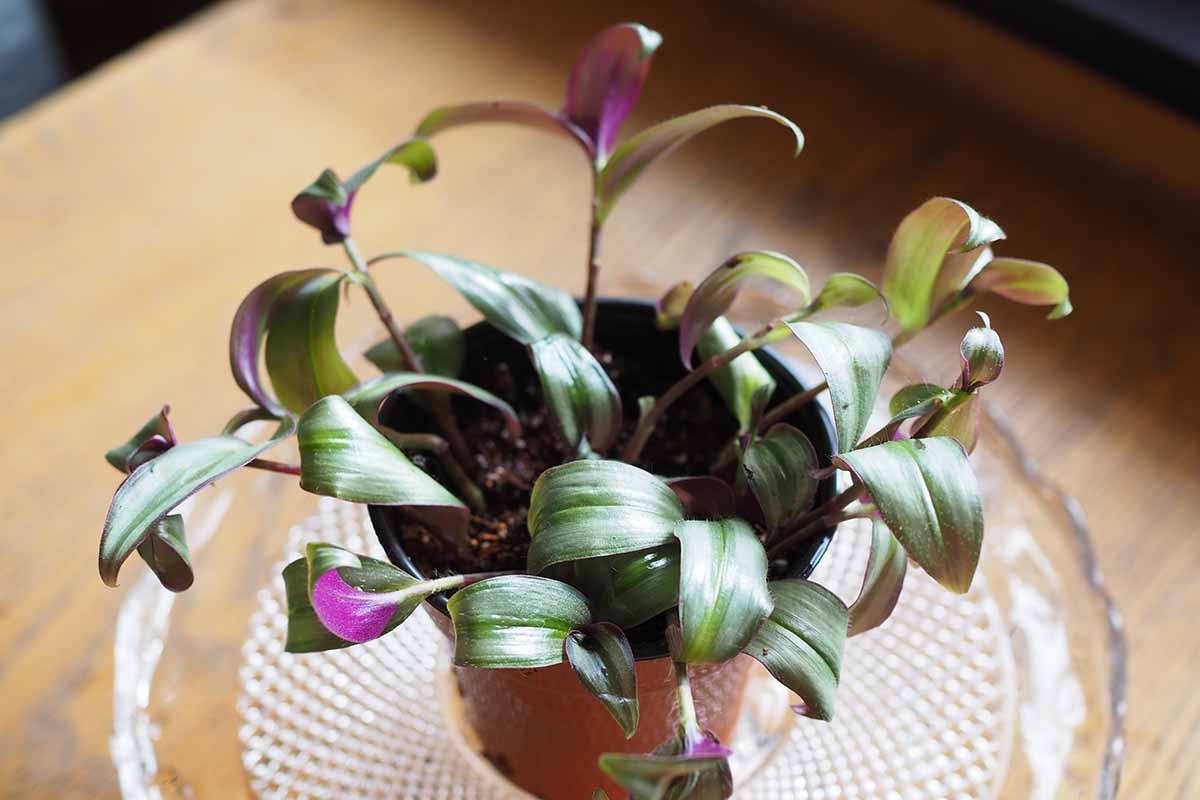
What do you love the most about this plant – how easy it is to care for, how fast it puts out new foliage, or how supremely simple it is to propagate? Let me know below in the comments section below!
If filling your home with houseplants and creating your own indoor jungle sounds like a marvelous idea, here are a few other articles to read next:



I don’t have any problem growing. I’d like to know what kills it. Nothing I have used seems to work.
Hi Ed, You must have some growing outside that has become weedy. We have an article scheduled on this topic that will be coming up in the future. In the meantime, I would recommend digging up the plants, trying your best to get all of the plant material when you do so, then throwing them in the trash (instead of composting them.) Then plant something else in the same area, something that is a strong grower and will hold its own, so the spiderwort doesn’t have the resources it needs to grow back. If you let me know your location,… Read more »
Can you tell me what’s the name of this plant?
Hi Harlene,
Thanks for sharing your photos.
I’m not 100% sure, but my best guess would be that this plant is Tradescantia sillamontana ‘White Velvet’ with a bit of coloring from more direct sun exposure. You can read more about that one in our article on 9 of the most beautiful spiderworts. There are a couple of other fuzzy tradescantias but to me, ‘White Velvet’ seems like the closest match to your plant.
Hope this helps!
They are beautiful and very easy to grow!