How to Grow Hellebores, the Winter-to-Spring Sensation

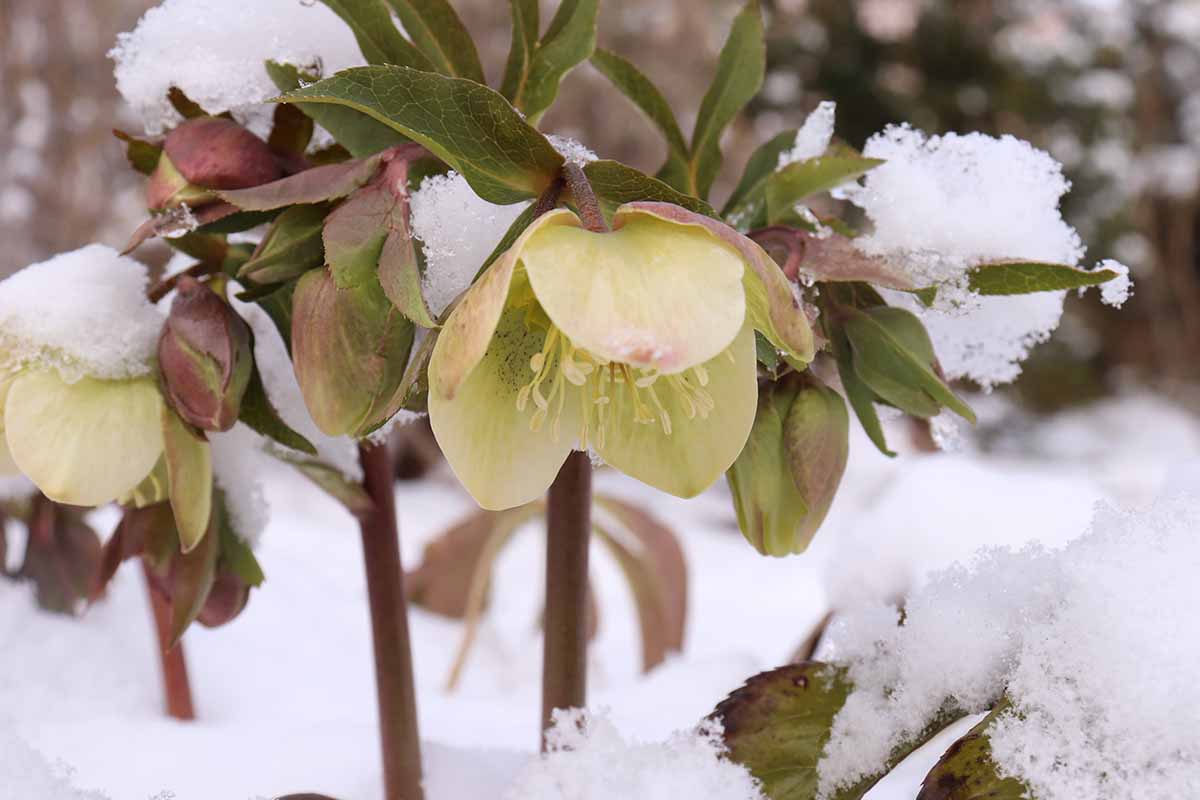
A close up horizontal image of purple hellebores growing in the late winter garden covered in a dusting of snow.

If you’re looking for unique perennial flowers, hybrid hellebores are for you. Also known as Lenten roses, they’re perfect for moist, shady locations in the garden, and reward with cheerful blossoms in late winter and early spring. Learn how to cultivate these evergreen early bloomers in this guide. Read more now.

15 of the Best Double Hellebore Varieties for Your Garden

A close up horizontal image of pink and white double hellebore flowers growing in the late winter garden, pictured in light sunshine.

Nothing shows that spring is on the way like the nodding heads of hellebore flowers in the snow. If you eagerly anticipate these hardy late-winter perennials, prepare to fall in love. Read on to discover 15 of the best double hellebore varieties with robust blossoms in irresistible colors. See our favorites now.

Hellebore Classification: A Guide to the Different Types

A close up horizontal image of deep red hellebore flowers growing in the late winter garden.

Perennial hellebores add color to the late-winter garden, when many plants are still dormant. There are numerous varieties and each has unique characteristics. Some are more common in the home garden, while others are quite rare. Learn more about the classification of the Helleborus genus in this guide. Read more now.

How to Collect Hellebore Seeds for Plant Propagation

CLose up of mature green hellebore flower showing the seeds in the middle of the bloom.

Collecting and sowing fresh hellebore seeds is a cost-effective way to propagate them in home gardens. If you are enjoying the blossoms of this lovely late-winter flower, why not increase its presence in your landscape by gathering seeds to plant where you like? Learn how to collect and sow hellebore seeds now.

9 Reasons (and Fixes!) for Hellebore Leaves Turning Brown

A horizontal close up of a light pink hellebore bloom with a yellow center.

Hellebores are some of the earliest flowers to appear at the end of winter, a sure sign that spring is on the way. If the leaves of your plants are turning brown, it can be as a result of something simple like too much water or a deadly disease. Learn about nine causes of browning foliage in this guide. Read more now.

How to Grow Hellebores in Containers

A horizontal close up photo of a hellebore plant with dark red blooms and yellow flower centers.

Delicate in appearance yet hardy and tough, hellebores are unique, winter flowering perennials bearing showy, rose-like blooms when other plants are hiding from the cold. Often grown in shady beds and borders, they also make outstanding potted plants. Learn how to grow hellebores in containers in this guide. Read more now.
When and How to Prune Hellebores

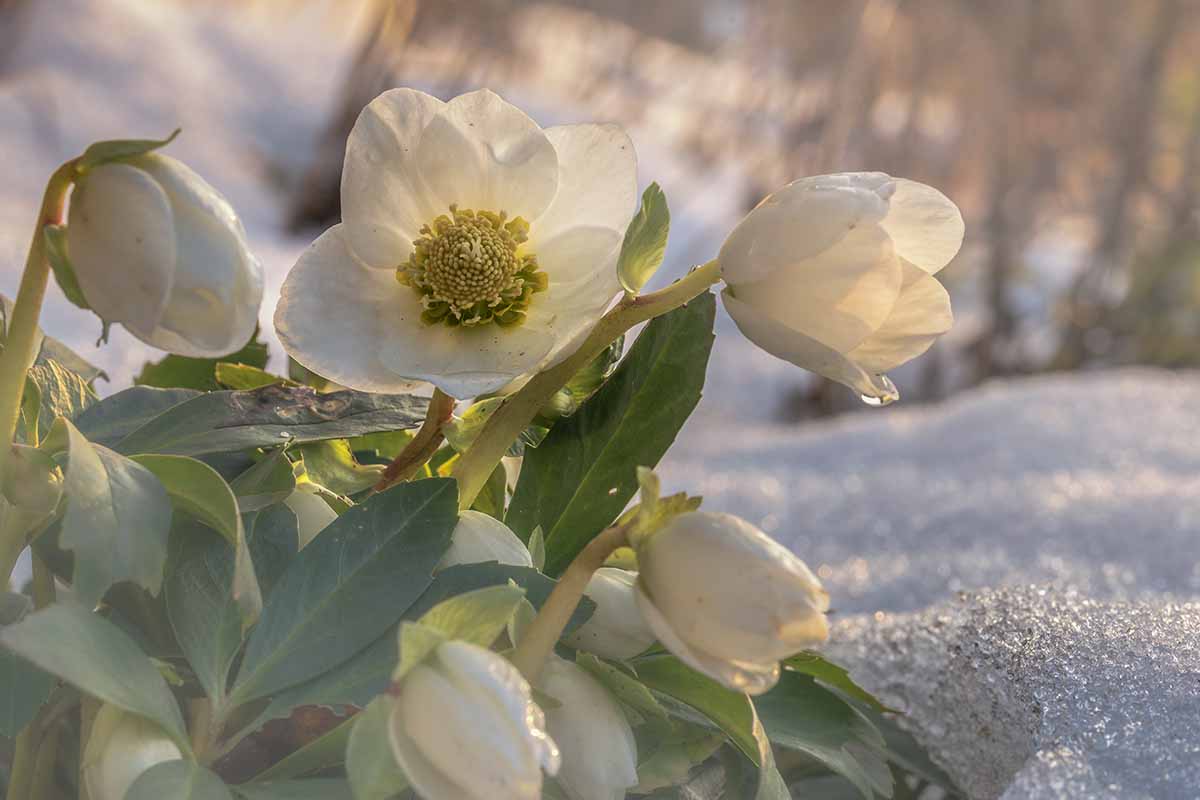
A close up horizontal image of pink hellebore flowers growing in the early spring garden.

Hellebores are some of the earliest flowers to bloom in Zones 4 to 9, and the nodding green, pink, or white-hued blossoms are a welcome sight, often appearing before the snow has melted. Pruning can help give them a tidy appearance and keep them healthy. Learn when and how to prune hellebores in this guide. Read more now.
How to Divide and Transplant Hellebores

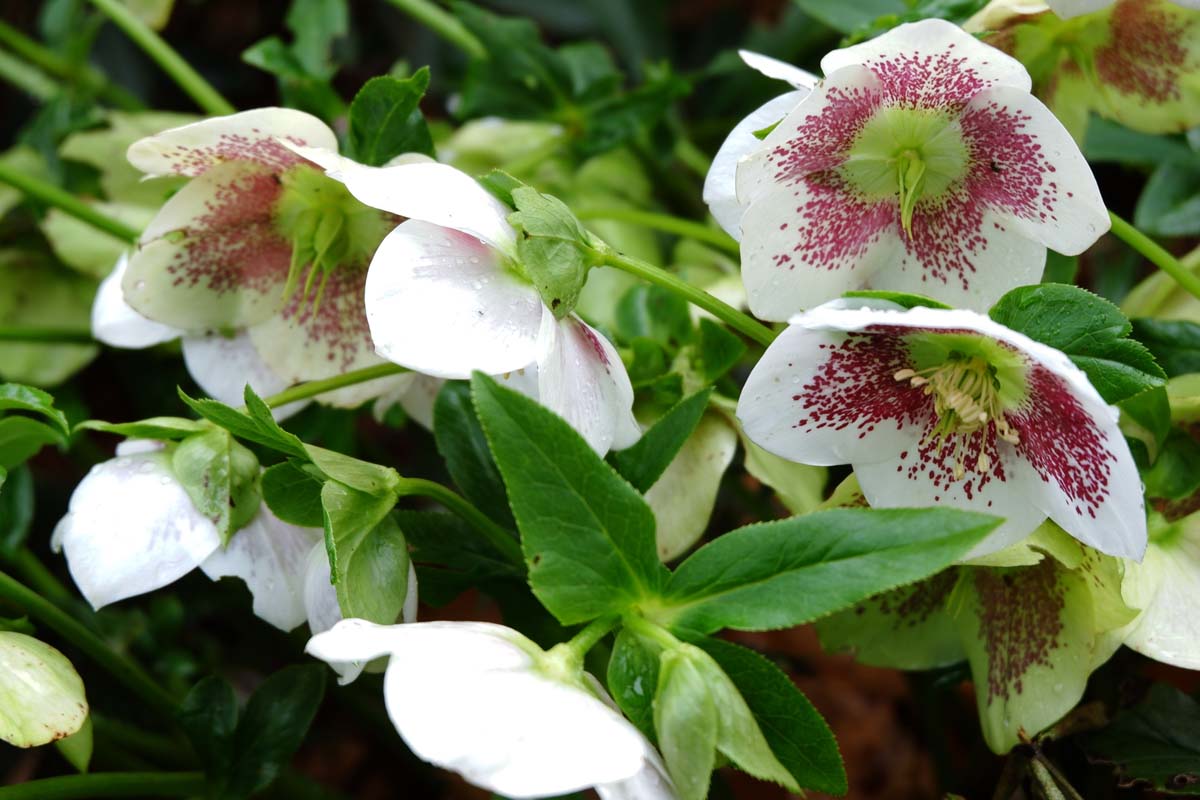
A close up of white flowers with purple specks of the hellebore plant just starting to form seeds in the center, surrounded by bright green foliage on a soft focus background.

Hellebore is one of the earliest plants to bloom, often popping up right through the snow. If you love it, why not learn how to propagate your own? By dividing your plants and replanting the divisions, you can have more wherever you like, and save money in the process. Read more now to learn how easy it is.

Why Hellebores May Fail to Bloom (And What to Do About It)

A close up horizontal image of hellebore flowers in full bloom in the late winter garden covered with a light dusting of snow.

Gardeners love the winter color Lenten roses provide, but there are several common problems that can cause your hellebores not to bloom. Disease, watering or light exposure issues, planting depth, and more can all result in zero blossoms. Learn more about what causes hellebores to fail to flower and how to fix them.

The Best Hellebore Planting Companions

A close up horizontal image of white hellebores growing in the winter garden.

The hellebore is a classic and classy addition to all but the sunniest gardens. But it’s at its best when it has the right planting companions nearby to help it to show off and shine. Learn all about the hellebore’s best annual, perennial, and tree and shrub planting companions in this guide. Read more now.
How to Identify and Control Hellebore Pests

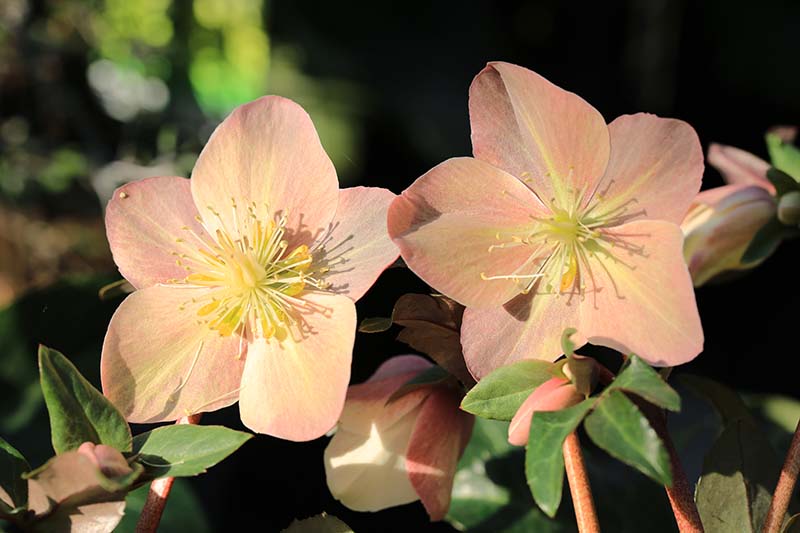
A close up horizontal image of two peach colored hellebore flowers growing in the garden pictured in bright sunshine on a soft focus background.

Hellebores provide color in the late winter to early spring garden with their delightful cup-shaped flowers. While they are typically trouble-free, these robust plants can occasionally suffer from infestations. Learn how to identify and control the most common hellebore pests in this guide. Read more now.
How to Identify and Treat Hellebore Diseases

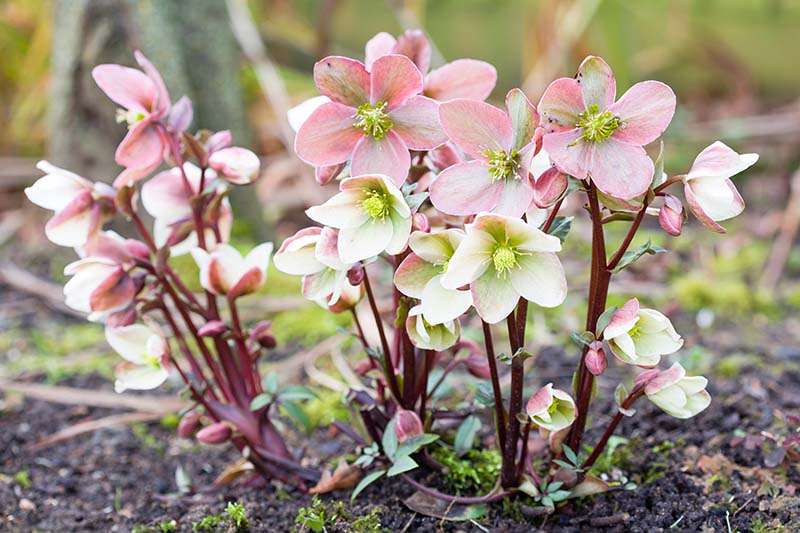
A close up horizontal image of a clump of early-spring flowering hellebores in pink and cream pictured on a soft focus background.

Hellebores provide color in the late winter to early spring landscape and are typically trouble-free. However, there are some diseases that may infect your plants, caused by fungi, water molds, and a particularly virulent virus. Learn how to identify and treat common hellebore diseases in this guide. Read more now.
What Is Hellebore Black Death?

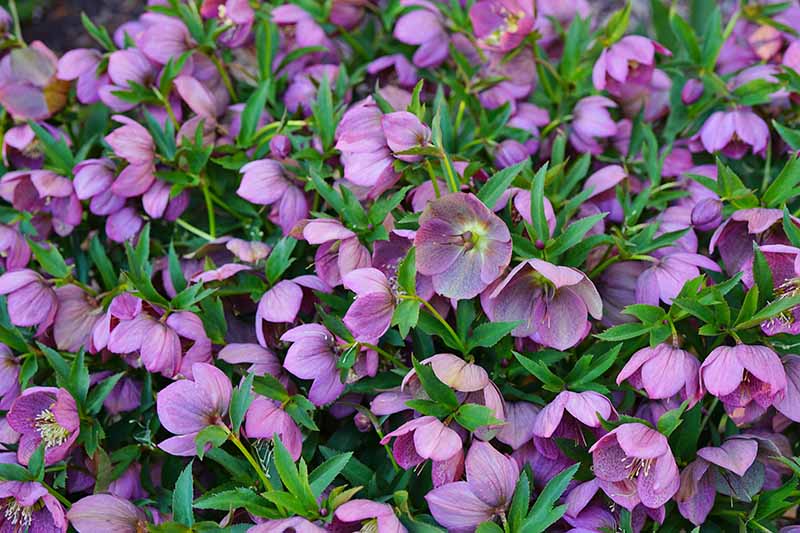
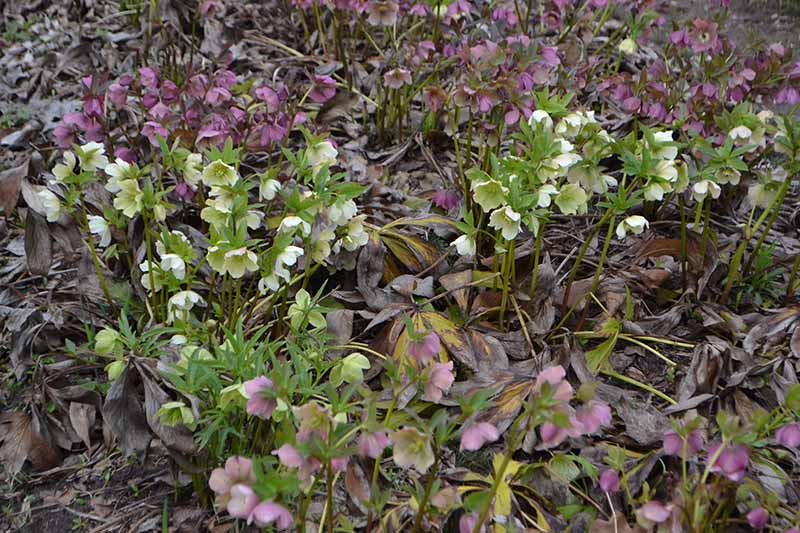
A horizontal image of a large swath of hellebore flowers blooming in the late winter garden.

If you’re growing hellebores and they are showing signs of disease, you’ll need to rule out hellebore black death. This incurable viral infection is characterized by black streaks on the leaves, stems, and flower bracts. Learn more about this devastating disease and how to identify it in this guide. Read more now.
Are Hellebores Toxic to Animals or People?

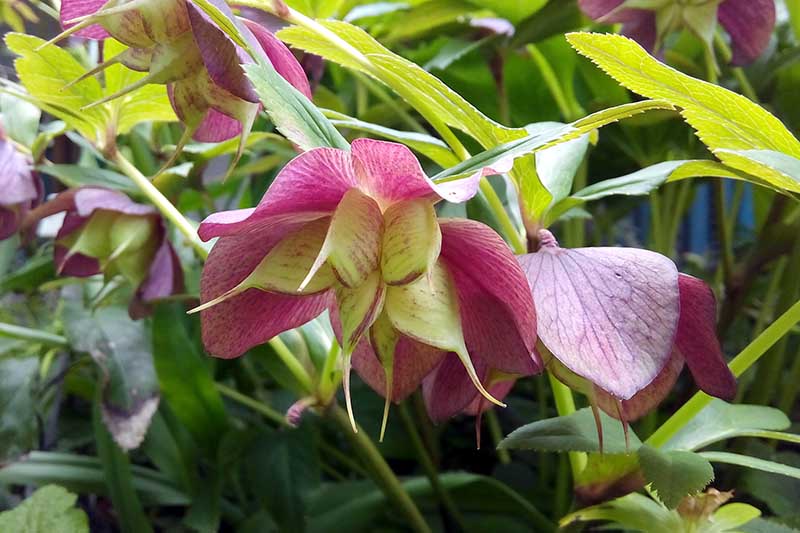
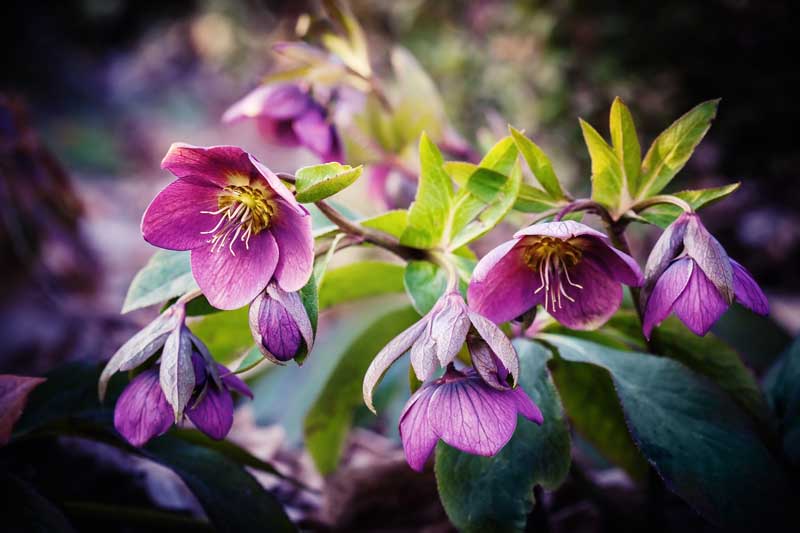
Pink-Purple hellebore flowers with vegetation.

Despite their use as a medicine in previous eras, all parts of hellebores are toxic if eaten by children or animals. Key symptoms include diarrhea, vomiting, and convulsions in serious cases. Read on to learn what to do if your dogs, cats, or horses ingest hellebore and to learn more about the poisons involved.

7 Tips for Planting Hellebore Seeds

A close up of a pink hellebore flower with large seeds developing in the center, surrounded by foliage in light sunlight on a soft focus background.

Are you longing for color in the late winter garden, when most plants are still dormant? Hardy flowering hellebores fit the bill. Easy to sow, they reward with an abundance of sweetly nodding blossoms in an array of colors. Chase the winter blues away with these 7 tips for planting hellebore seeds. Read more now.

How to Propagate Hellebores

A close up of a bed of purple hellebore flowers surrounded by delicate green foliage.

The hellebore is an early-blooming perennial that is best known for having nodding flowers that grow through the snow. It is propagated by three methods. Discover what all three methods mean to the home gardener, and which two can be done at home with our guide to understanding hellebore propagation. Read more now.