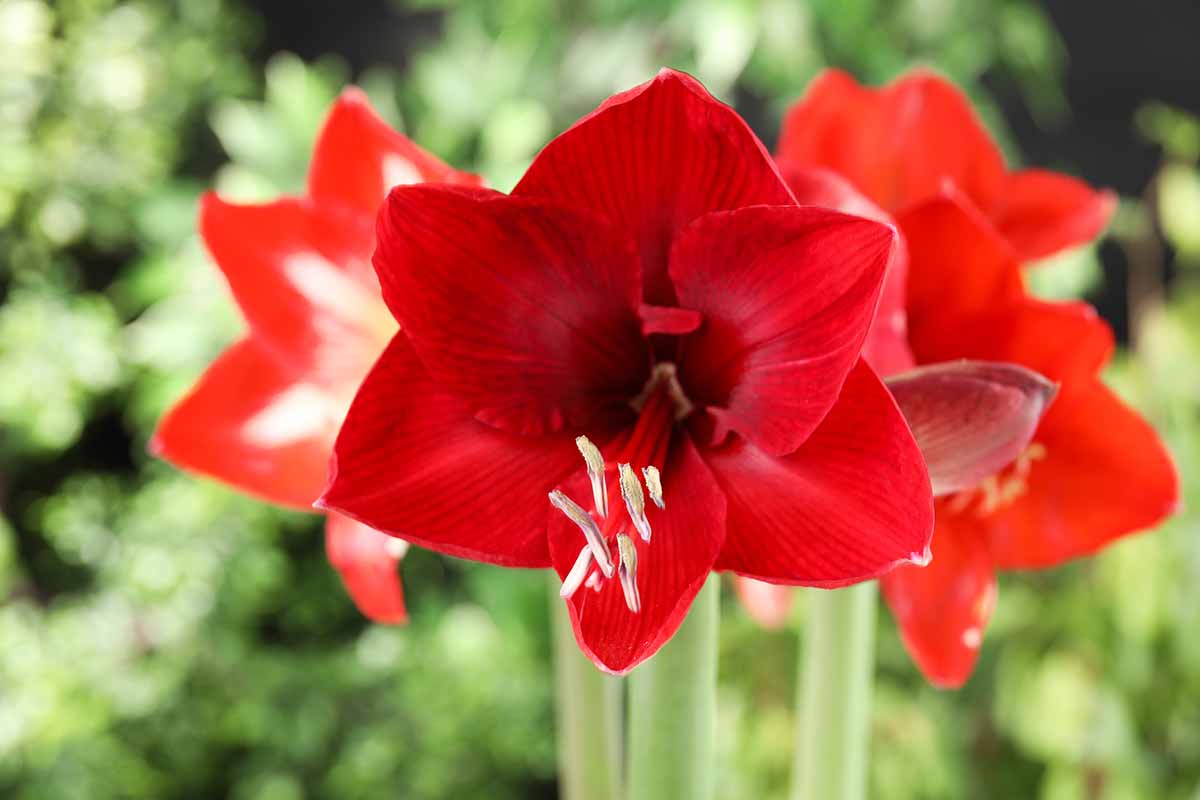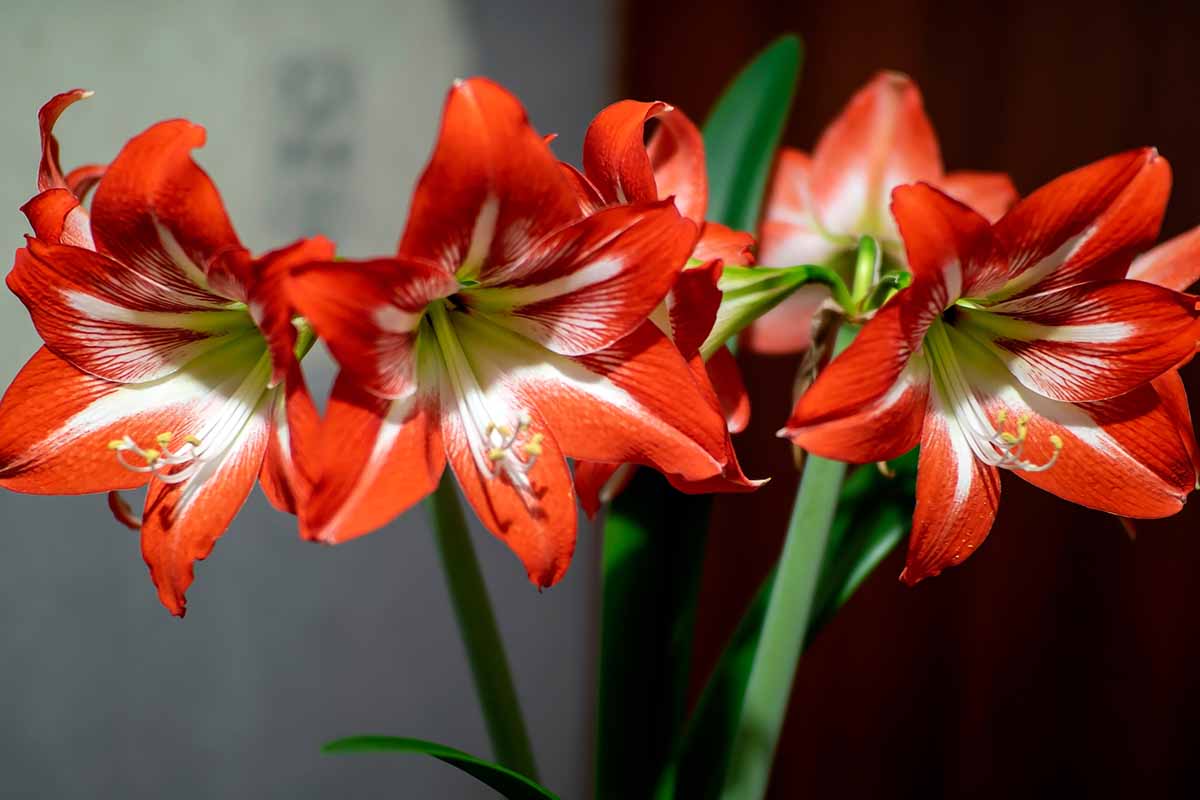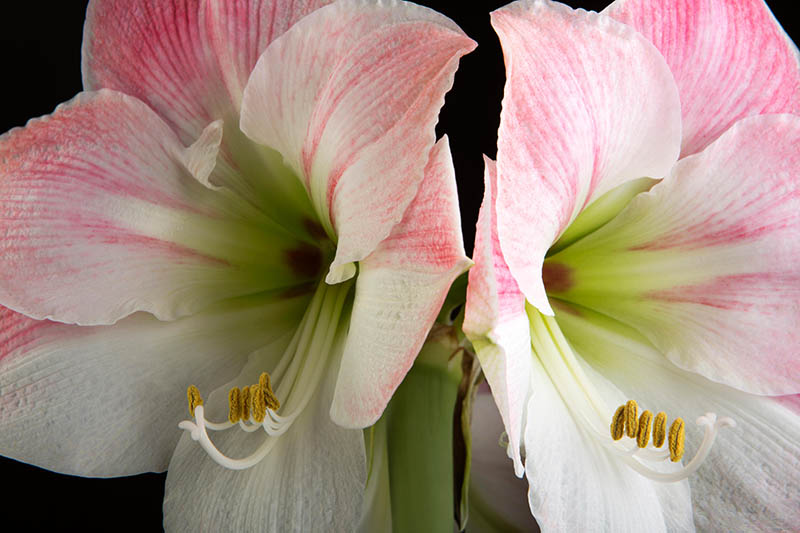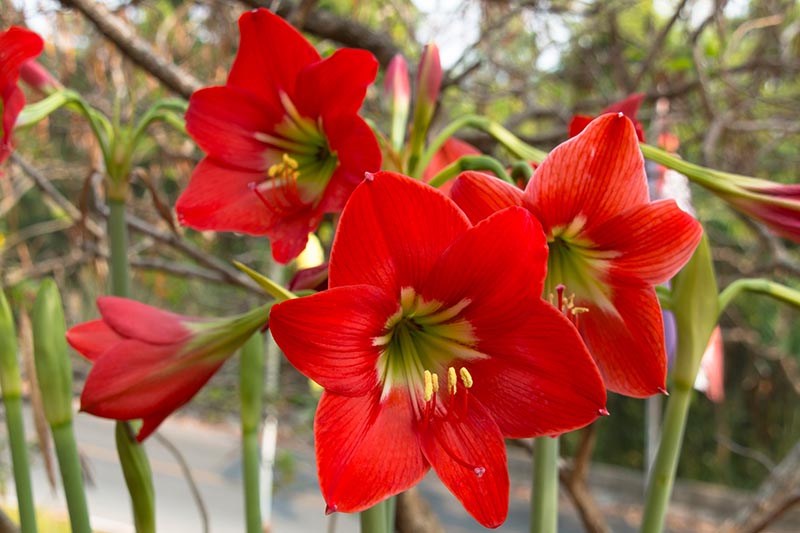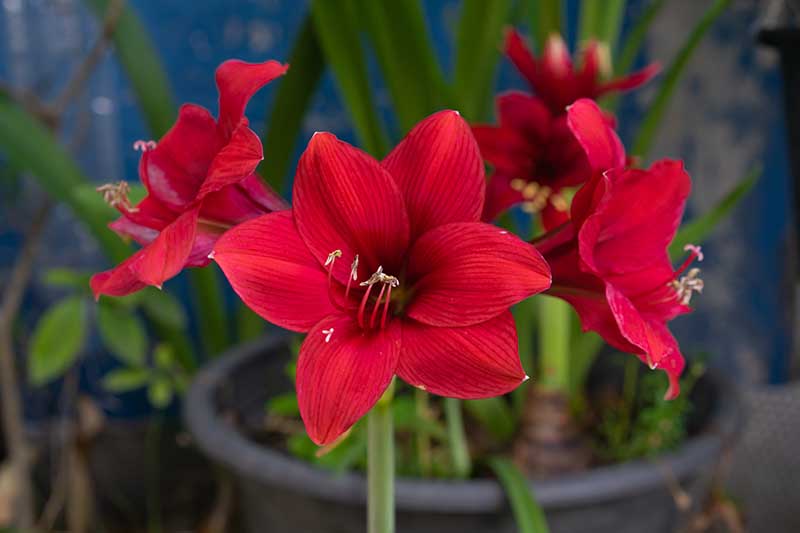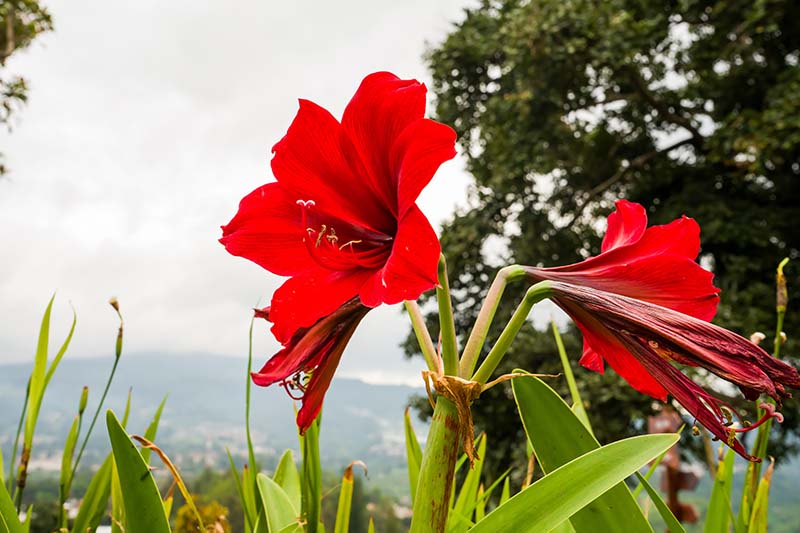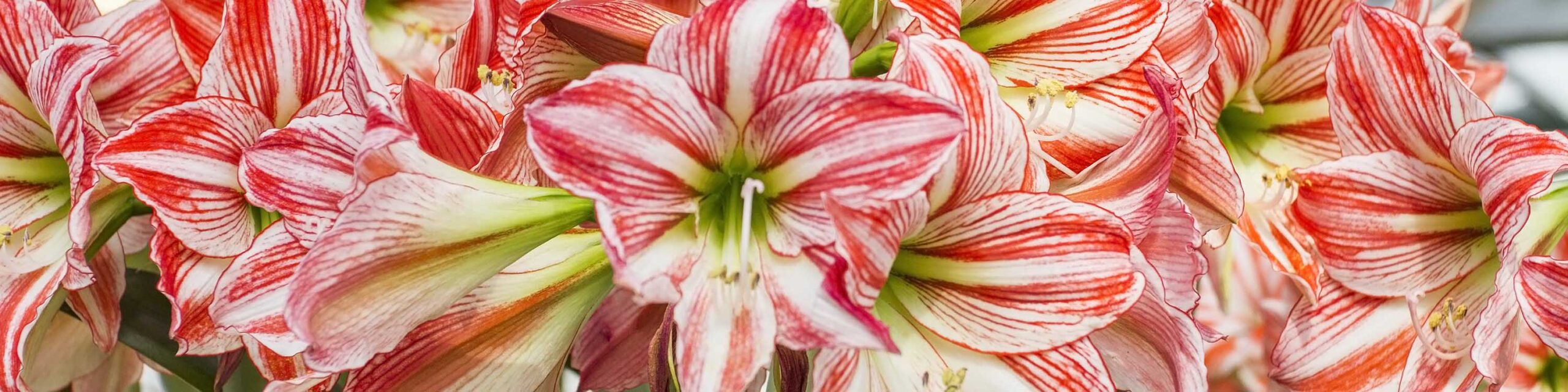


Close up of red and white striped Amaryllis Hippeastrum flowers.

Amaryllis

Hippeastrum, commonly known as amaryllis, is often grown inside for its beautiful blooms. But it’s also a good landscaping option for those that live in warmer climates. Use our guides down below to learn how to grow them both indoors and outdoors, as well as propagation and care tips. New to amaryllis care? Start here.

17 Awesome Amaryllis Varieties to Grow Indoors or Out

A close up horizontal image of a bright red Hippeastrum growing indoors on a soft focus background.

Bright red or striped amaryllis are ideal for holiday decor and giving as gifts. But did you know there are lots of other great types of amaryllis, too? From double-blossoms, to extra large blooms, to those that resemble orchids. Discover 17 of the best amaryllis varieties and choose your favorites. Read more now.

When and How to Fertilize Amaryllis

A close up horizontal image of red and white striped amaryllis flowers pictured on a soft focus background.

Whether they’re forced to bloom indoors or grown outdoors in the garden, amaryllis are prized for their large, flamboyant flowers. And fertilizing at the right time is key to keeping the bulbs healthy and reblooming for many years to come. Learn when and how to fertilize amaryllis plants in this guide. Read more now.

What Type of Soil Does Amaryllis Need?

A close up horizontal image of bright red amaryllis flowers growing outdoors in the garden pictured in bright sunshine.

Amaryllis (Hippeastrum) is a tropical perennial bulb for USDA Hardiness Zones 9 to 11. Growers elsewhere force it to bloom indoors during the winter months. Using a suitable growing medium is necessary for successful cultivation. Learn about the best type of soil for amaryllis bulbs in this guide. Read more now.

Reasons and Fixes for Drooping Amaryllis Leaves

A close up horizontal image of bright red amaryllis (Hippeastrum) flowers growing indoors.

Amaryllis (Hippeastrum) are prized for their large flowers, adding winter color indoors. Easily cultivated, they can sometimes suffer from environmental stress, with symptoms such as lackluster, wilting foliage and weak growth. Learn why amaryllis leaves might droop and what to do about it in this guide. Read more now.

How to Overwinter Amaryllis Bulbs

A close up horizontal image of orange amaryllis (Hippeastrum) flowers growing outdoors in the garden pictured in bright sunshine.

Amaryllis (Hippeastrum spp.) are showy tropical bulbs often forced to bloom indoors in the winter months. But they can also be grown outdoors as annuals and stored for winter, or as perennials in warmer Zones with some cold weather protection. Learn how to overwinter amaryllis bulbs in this guide. Read more now.

All Leaves and No Flowers: Why Amaryllis May Fail to Bloom

A close up horizontal image of brightly colored amaryllis (Hippeastrum) flowers indoors with a window in the background.

Amaryllis (Hippeastrum) are forced to bloom during the winter months, bringing color to the holiday season. But what happens if your bulbs are producing lots of foliage but no flowers? Learn about seven common reasons amaryllis bulbs may fail to flower and what to do about it in this comprehensive guide. Read more now.

When and How to Repot Amaryllis Bulbs

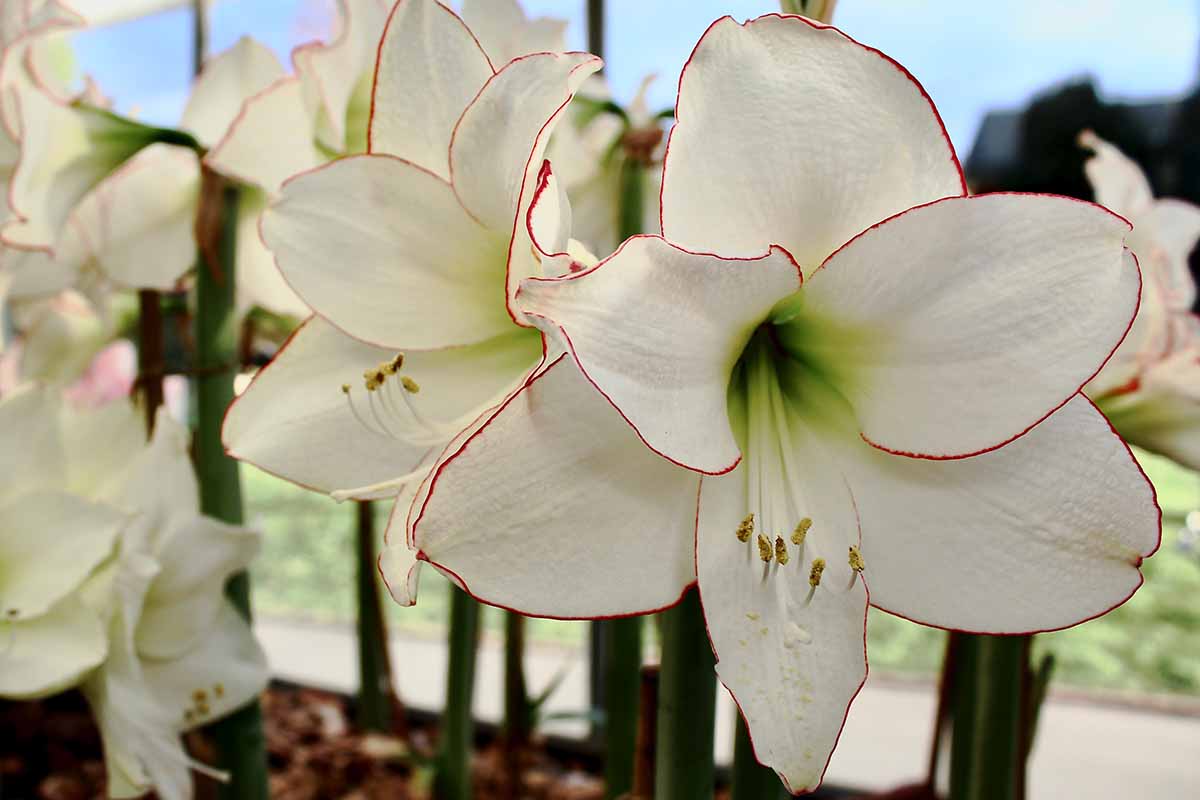
A horizontal close up of two white amaryllis blooms. Each petal is outlined in a deep red border.

Amaryllis are perennial bulbs that produce tall stems loaded with brightly colored, trumpet-like flowers. And with each successive growing season, the bulbs grow larger and will need repotting into larger containers. To keep your bulbs healthy and floriferous, learn when and how to repot amaryllis in this guide.

How to Grow Amaryllis (Hippeastrum) from Seed

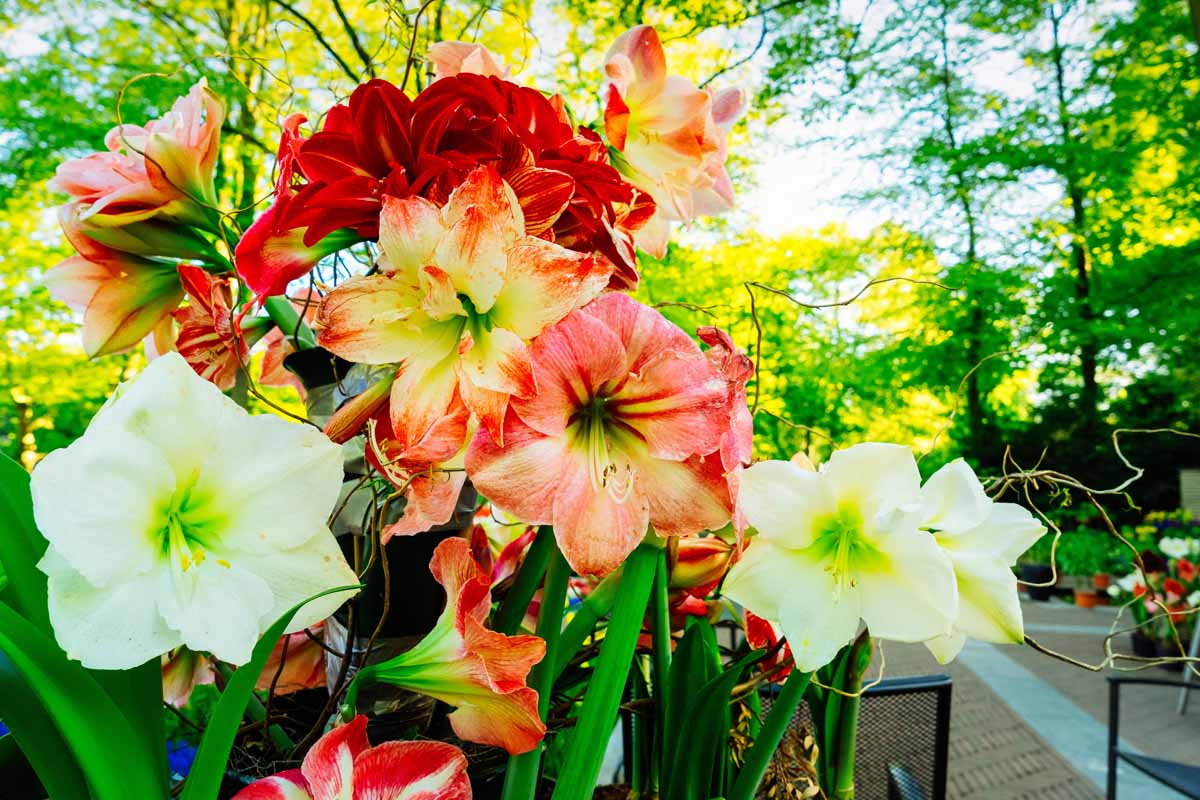
A close up horizontal image of colorful amaryllis flowers growing outdoors.

If you love amaryllis, did you know that you can grow these dramatic flowers from seed? The process requires a few years of patience but allows you to create your own hybrids for spectacular results. Learn how to pollinate, harvest, and sow amaryllis seeds for years of glorious blooms with this guide. Read more now.

How to Propagate Amaryllis Bulbs

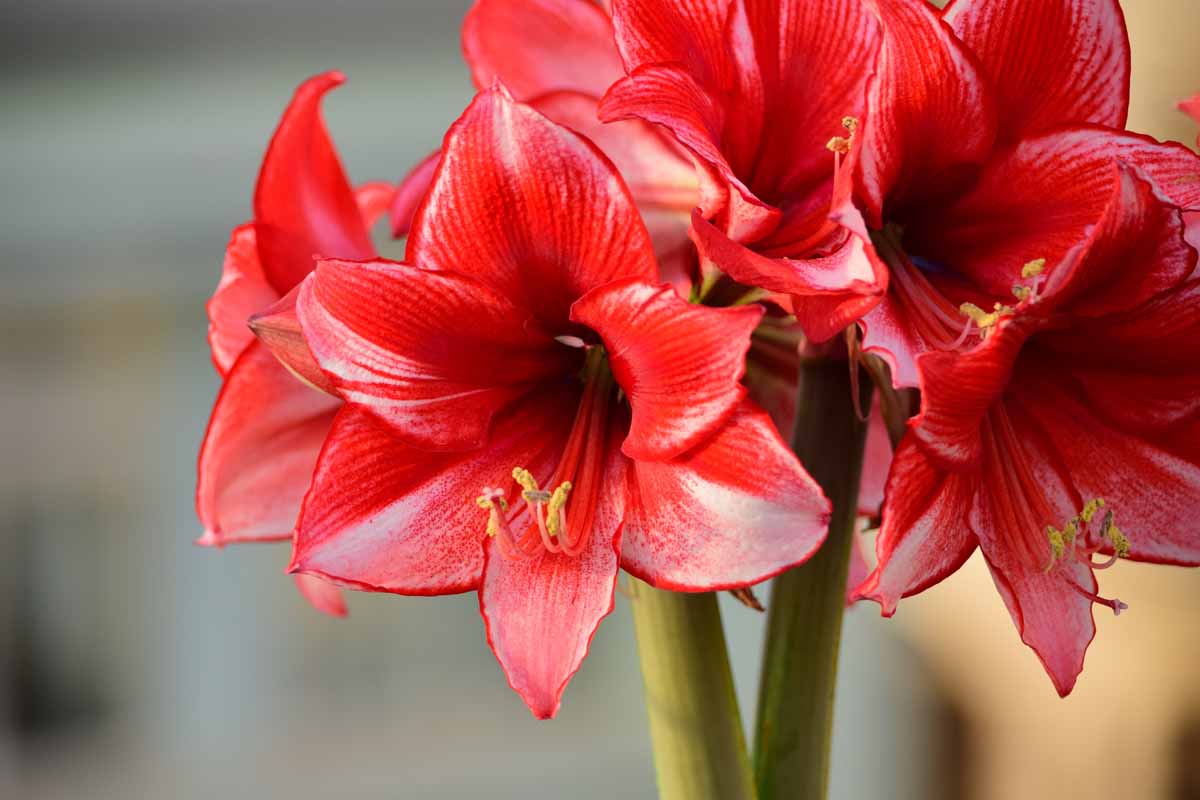
A close up horizontal image of bright red amaryllis flowers pictured on a soft focus background.

Amaryllis bulbs produce stunningly colorful flowers that are often grown indoors during the winter holiday season. Easily propagated from offsets and by divisions, just one mature bulb has the potential to produce several new plants. Learn how to propagate amaryllis from bulb offsets and sectioning. Read more now.

How to Stake Amaryllis Flowers for Support

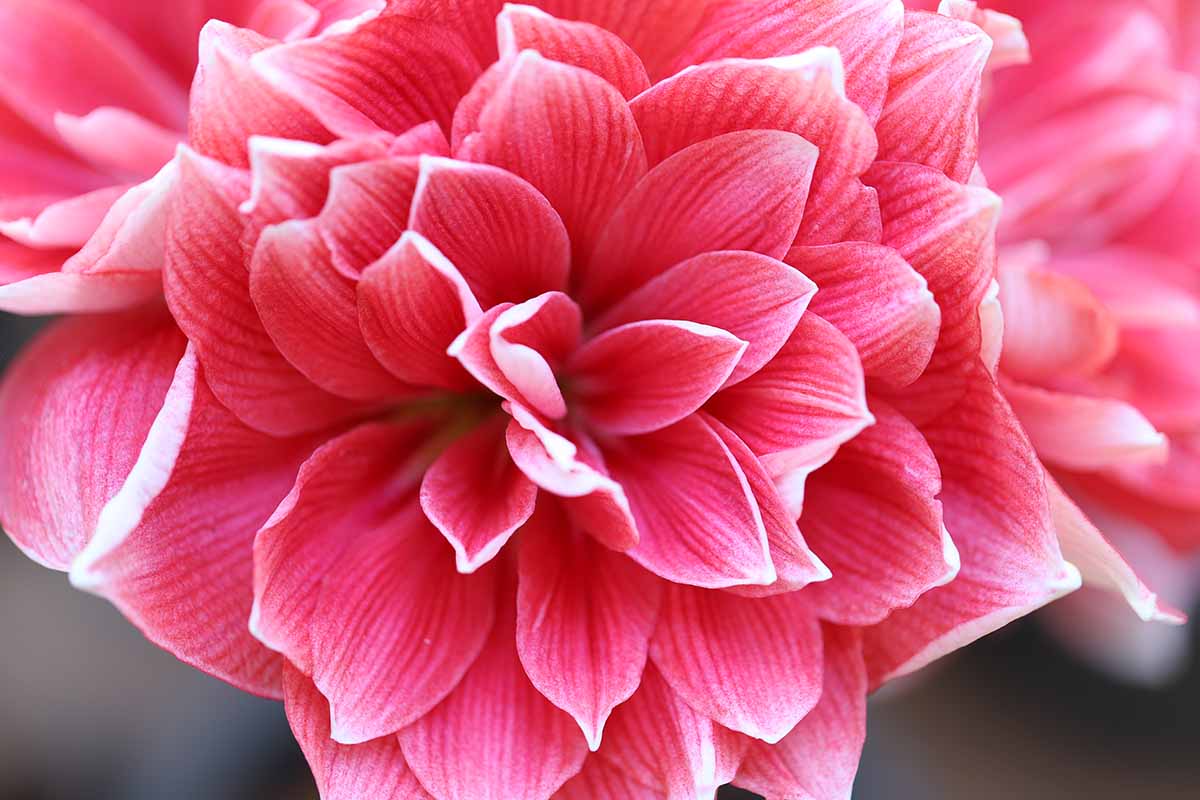
A close up horizontal image of a bright pink double amaryllis flower pictured on a soft focus background.

Beloved for their large, colorful blooms, amaryllis sometimes needs to be staked to keep those magnificent flowerheads upright – and plants forced indoors in small pots are most likely to be top heavy. To easily create your own stakes and loops, or find ones designed for the job, read our guide to staking amaryllis.

How to Care for Amaryllis After Flowering

A close up horizontal image of a bright red amaryllis flower growing in the garden pictured on a soft focus background.

Colorful flowers grown indoors over winter, amaryllis bulbs are easy to save for many repeat performances. If treated as foliage plants until the end of summer, they’ll rebloom next winter after a period of dormancy – or plant them in gardens with mild winters. Learn how to care for amaryllis after flowering now.

How to Force Amaryllis Bulbs to Bloom Indoors

A close up horizontal image of red and white amaryllis flowers growing indoors pictured on a soft focus background.

Large tropical flowers on tall, sturdy stems, bold and beautiful amaryllis brightens our winter decor with a long flowering time. These long-lived perennials are easily cultivated and can be saved for years of continuous enjoyment. Learn all the necessary steps to force amaryllis indoors in this guide. Read more now.

How to Grow and Care for Amaryllis Flowers

A close up horizontal image of two flowers of amaryllis that are partially pink and cream.

Amaryllis is a tropical bulb with enormous trumpet-shaped blooms in a range of colors, with variegated options as well. It can be forced to bloom indoors in all growing zones, and makes a bold addition to winter holiday decor. Read on to discover how easy it is to grow your own amaryllis indoors.

Tips for Growing Amaryllis in the Garden

A close up horizontal image of bright red Hippeastrum flowers growing in the garden pictured on a soft focus background.

Not just a holiday houseplant, tropical amaryllis (Hippeastrum) is easy to grow in the garden in Zones 9-11, with eye-catching blooms the size of your hand and colors ranging from pinks and reds to yellows and oranges. Learn how to cultivate amaryllis in your garden for a showy springtime display. Read more now.

3 Tips to Prevent Amaryllis Bulb Rot

A close up horizontal image of a bright red Hippeastrum flower pictured on a soft focus background.

Amaryllis bulbs can rot for a variety of reasons, like fungal infections or insect infestation, but some can be avoided. Are you doing everything you can to ensure beautiful blooms, and growing your decorative holiday plants in the best possible conditions? Read our top tips now to ensure healthy bulbs, indoors or out.

How to Spot Southern Blight Disease in Amaryllis Plants

A close up horizontal image of a Hippeastrum flower growing outdoors that is afflicted with a disease pictured on a soft focus background.

Whether grown in a pot or in your garden, amaryllis bulbs can be attacked by the pernicious disease known as southern blight. This fungus is extremely difficult to control, so preventing it is of the utmost importance. Read on to learn how to diagnose southern blight and prevent it from attacking your plants.