How to Plant and Grow Epazote (Wormseed)
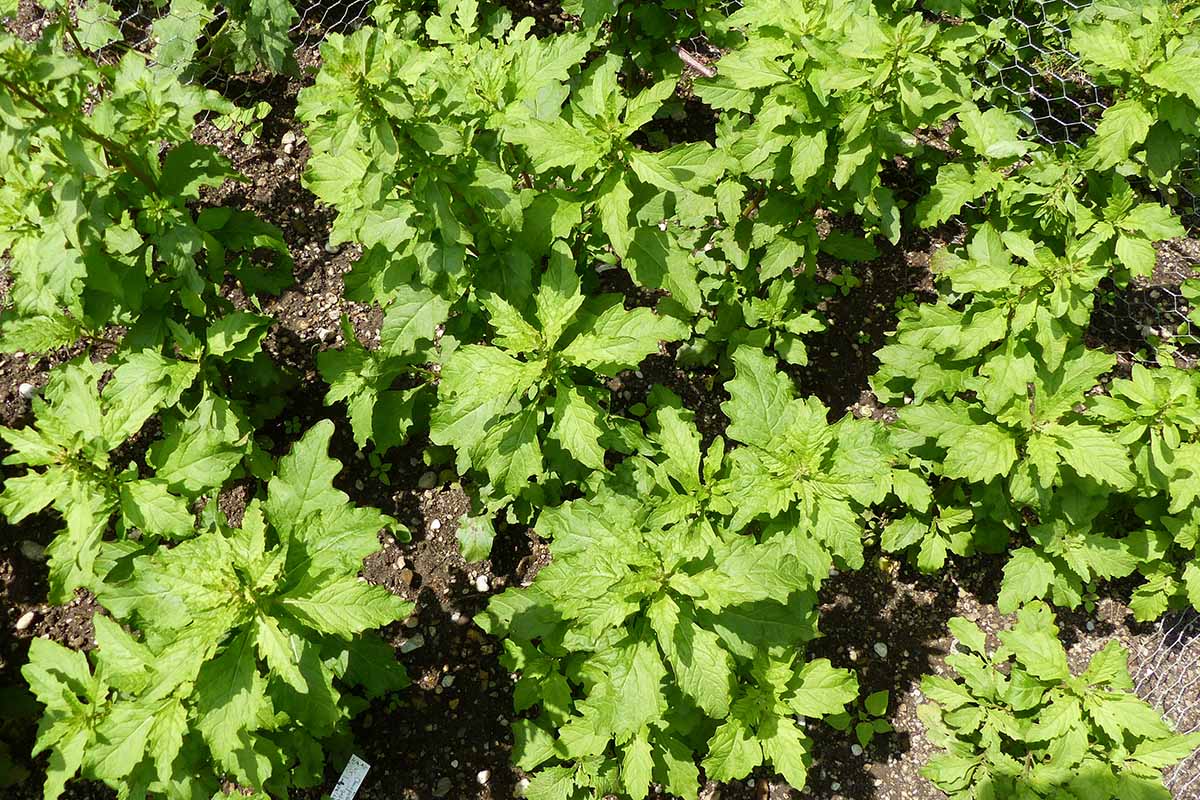
A close up horizontal image of epazote herb (Dysphania ambrosioides) growing in a kitchen garden, pictured in bright sunshine.

Epazote is a pungent, aromatic herb that has been a cornerstone of Mexican and Central American cooking since the time of the Aztecs. Its jagged green leaves have a complex, hard-to-pin-down flavor combining hints of mint, citrus, anise, and oregano. Learn how to plant and grow epazote in this guide. Read more now.

27 of the Best Beet Varieties to Grow at Home

A close up horizontal background image of a pile of beets in different colors, with their roots attached.

Do you want to plant some new beet varieties in your garden? Delicious and nutritious, there are many different cultivars available in different shapes and colors from the popular ruby-red roots to golden, striped, and white types. Check out our roundup of 27 top picks and choose your favorite. Read more now.

How to Grow Love Lies Bleeding

Close up of the red flower clusters of a love lies bleeding plant.

Whether you plant Amaranthus caudatus for its striking 2-foot-long red flower heads, for its medicinal properties, or to eat it for breakfast, you won’t be disappointed with this large tropical native that’s made itself at home in North America. Learn how to grow and care for love lies bleeding in this guide. Read more.

How to Plant and Grow Spinach

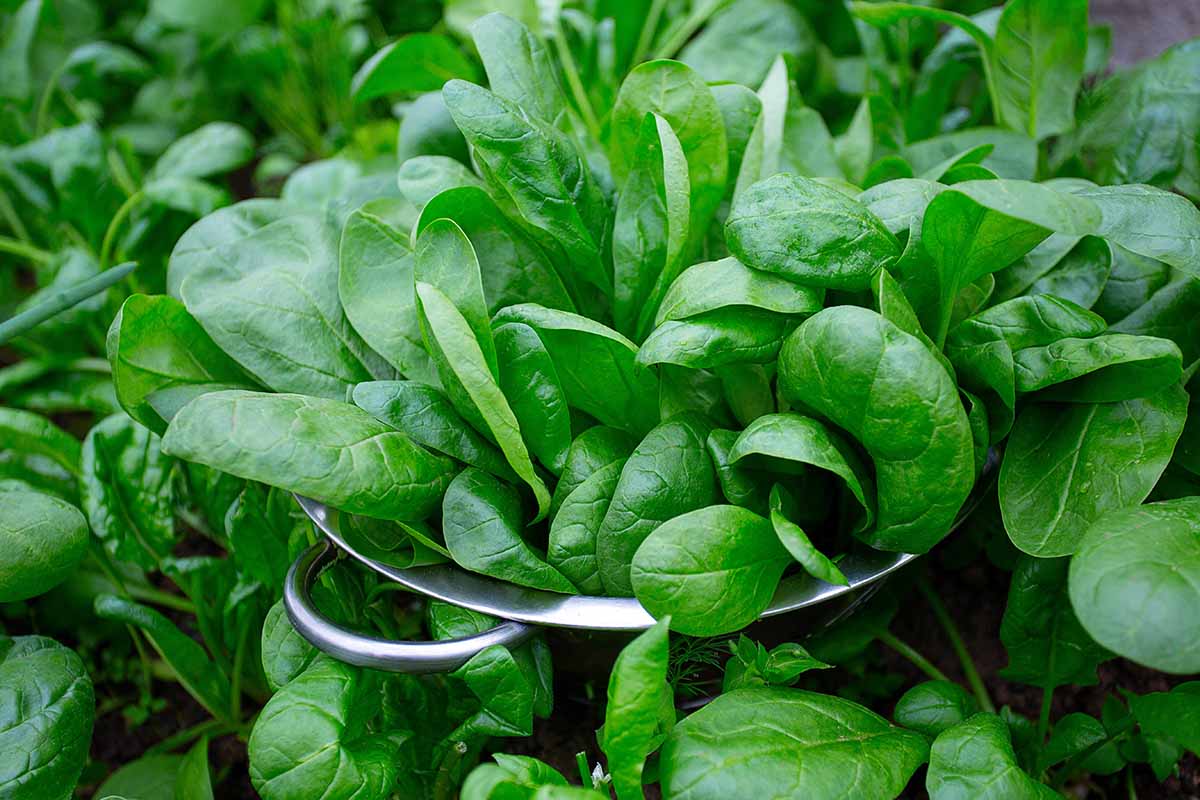
A horizontal photo of fresh spinach leaves in a metal colander in a garden.

Spinach is a fast growing, highly nutritious annual vegetable grown for its tender, tasty leaves that can be eaten raw or cooked. A cut-and-come-again crop, repeat sowing gives multiple harvests, and it thrives in cool temperatures but can also be grown in summer with light shade. Learn how to grow spinach in this guide.

How to Plant and Grow Swiss Chard

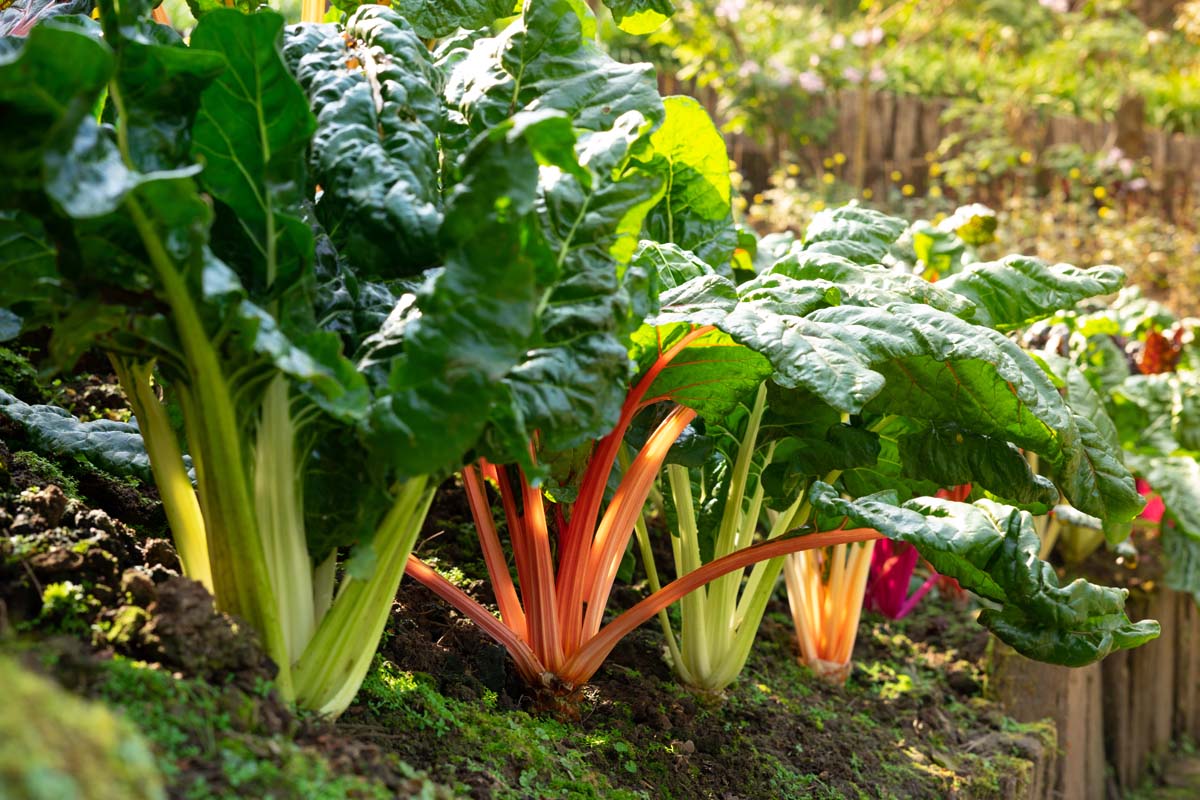
A row of swiss chard with orange, red, and green stalks.

Are you interested in expanding your repertoire of leafy green vegetables in the garden? Then colorful Swiss chard is for you. Cold and heat tolerant, it produces multiple harvests per season, and can be eaten cooked and raw in a variety of dishes. Learn how to cultivate it in your garden, here on Gardener’s Path.

How to Pick and Harvest Spinach

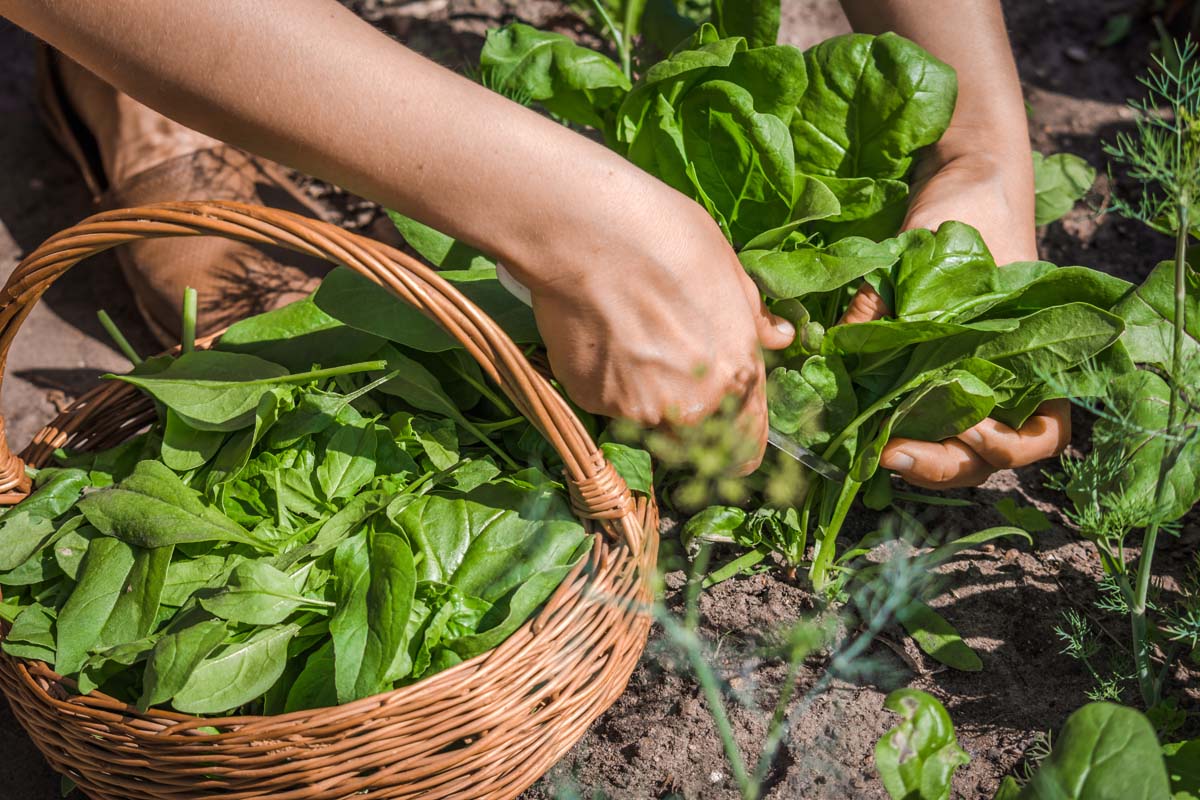
A close up horizontal image of two hands from the left of the frame cutting leafy green vegetables from the garden.

Spinach is a delicious cool weather crop and an excellent leafy green to include in your backyard garden. Whether your plans for your harvest include fresh spring salads or warming autumn stir fries, picking spinach in the right way can ensure a continual harvest. Ready to learn when and how to harvest spinach? Read more now.

Crazy, Colorful Celosia: A Growing Guide

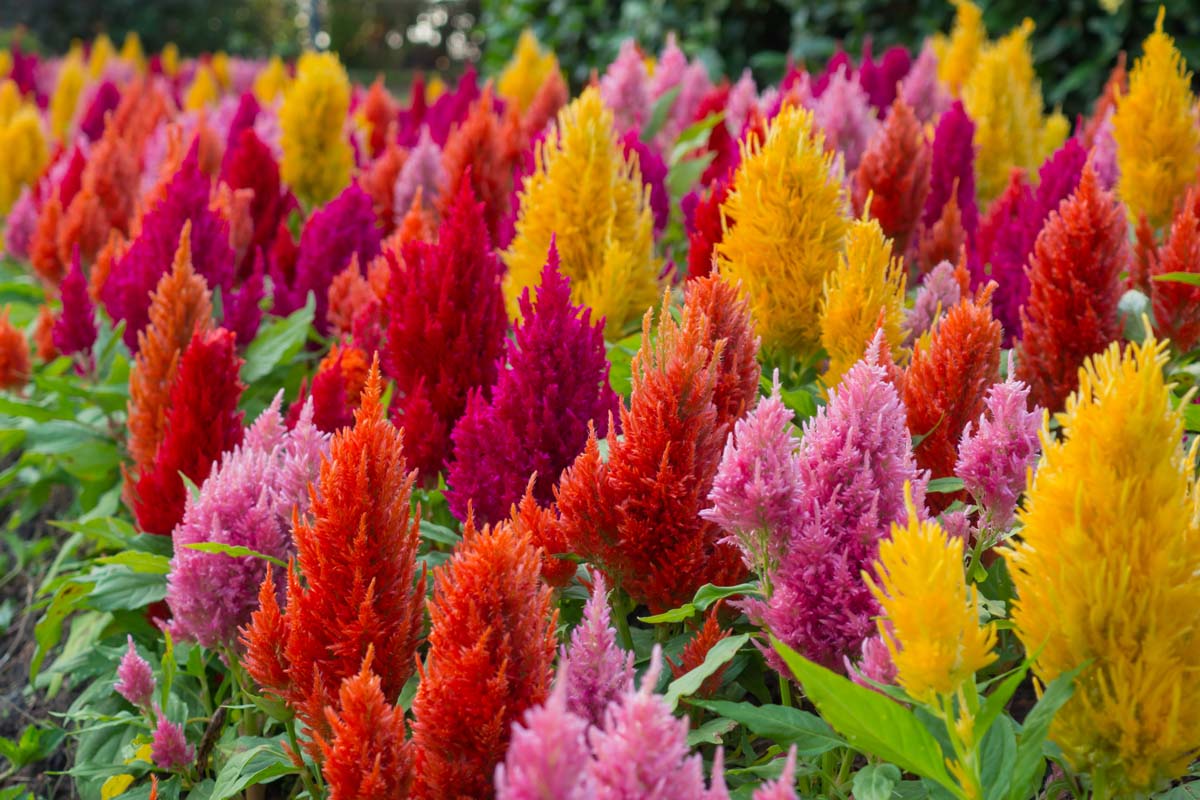
Red, yellow, and pink colored celosia flowers in a mass planting.

A denizen of hot and well-drained gardens, celosia offers a kaleidoscopic array of colors and flower styles. From fan-shaped flowers to colorful plumes straight out of a Dr. Seuss story, you’re sure to find one just for you. Read on to learn how to care for this colorful flower for all-season color.

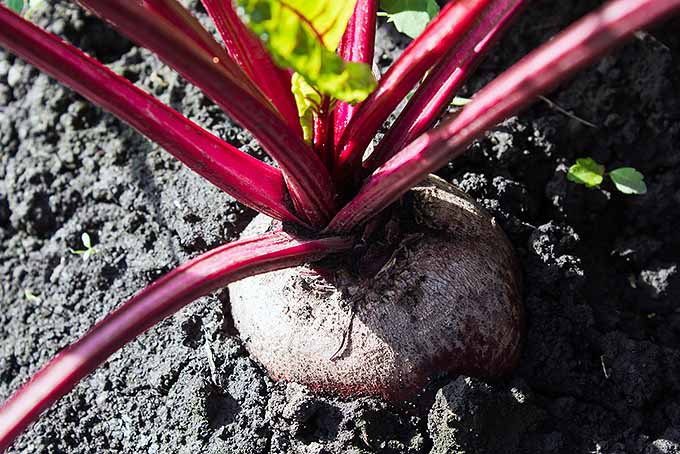
How to Plant and Grow Beets

Growing Beets | GardenersPath.com

If you’re planting for spring or fall, don’t forget to put beets on your list! From ruby-red to gold and even white varieties – and even sweeter, less beety tasting types – learn how to grow, harvest, cook, and even get healthy with these colorful roots right here at Gardener’s Path.

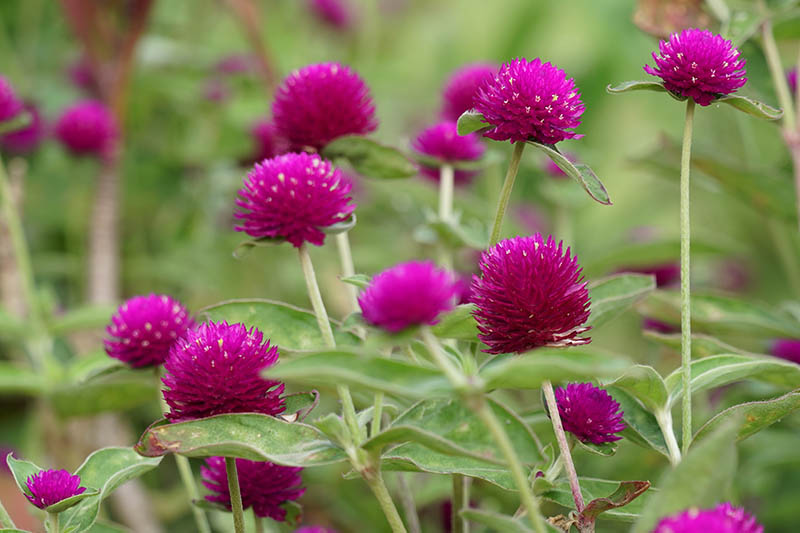
How to Plant and Grow Globe Amaranth

A close up horizontal image of globe amaranth flowers growing in the garden fading to soft focus in the background.

Looking for a good investment for your summer garden? Plant globe amaranth. Its clover-like flowers come in a range of attractive colors and bloom all summer long. And, they dry beautifully for floral arranging projects. Learn about this pretty and practical annual right here on Gardener’s Path.

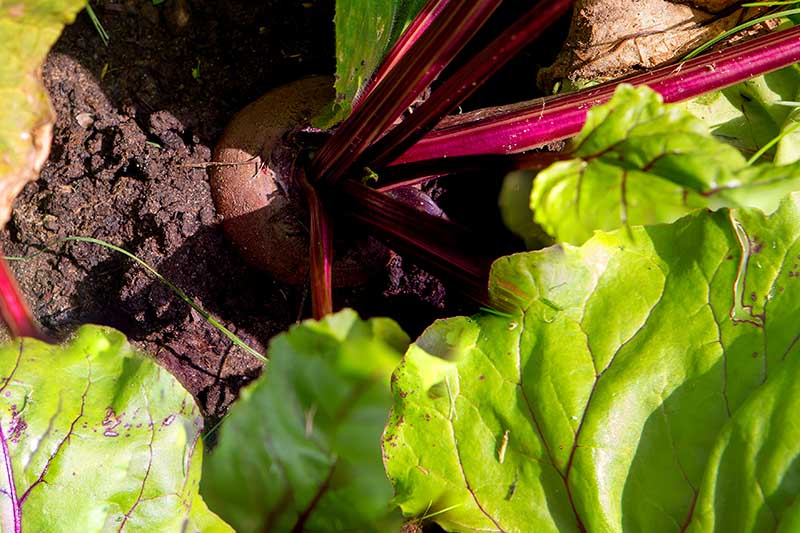
How to Identify, Prevent, and Treat Common Beet Diseases

A close up horizontal image of a beet plant growing in the garden suffering from an unidentified disease on the foliage, pictured in bright sunshine.

Dealing with beet diseases is frustrating, and some of them can destroy your harvest. From bacteria to viruses, there are lots of potential pathogens you may face. With the right knowledge, you can tackle most problems before they get out of hand. Read more now to learn how to identify and tackle your garden woes.