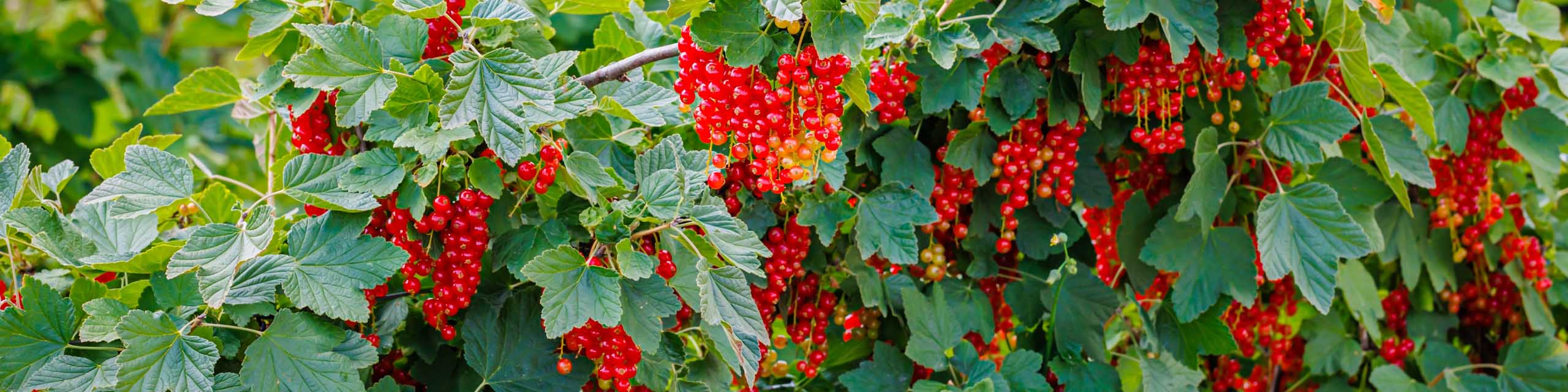


Red currants on a bush.

Currants

Do you love the tart taste of currants in your morning cereal or afternoon yogurt? If so, you’ll be excited to learn that growing and caring for currant bushes is easy! In our guides down below, we’ll provide tips on how to choose a species and cultivar for your site, watering and fertilizing requirements, harvesting, and pests and disease control. Happy gardening!

How to Plant and Grow Red Currants
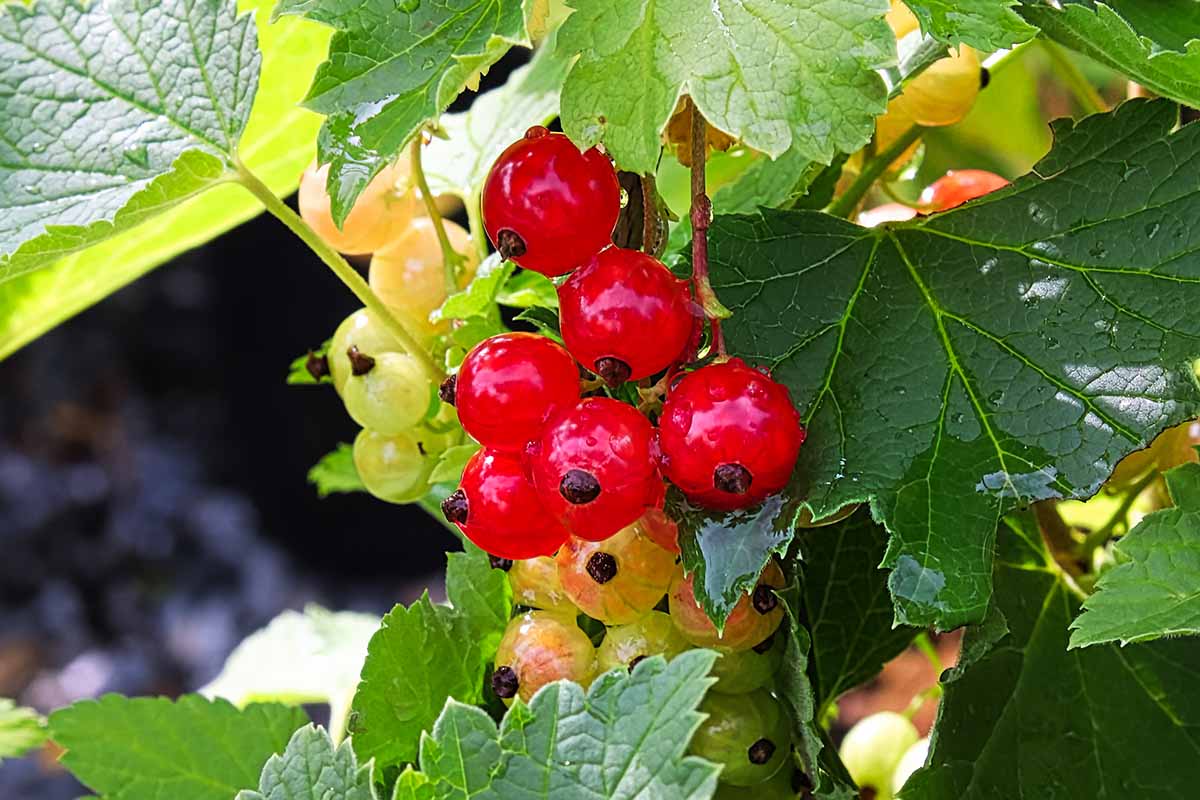
A close up horizontal image of red currants in various stages of development from ripe to ripening, surrounded by foliage in light sunshine.

Red currants are flavorful and full of nutrients. There are lots of species and cultivars to choose from of this underappreciated beauty, whether you need some bright autumn color, love vibrant spring blossoms, or want to enjoy the berries in tasty desserts and savory meals. Learn how to grow red currants in this guide.
How to Plant and Grow Black Currants

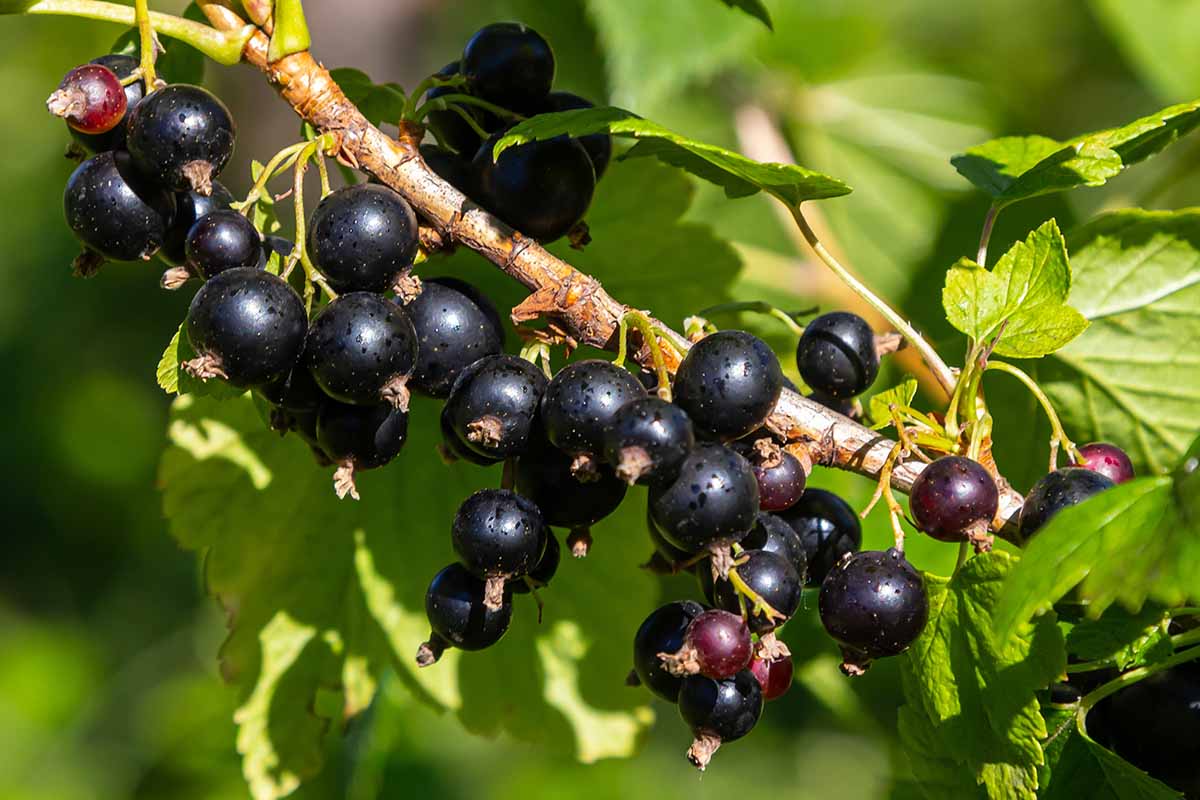
A close up horizontal image of black currants (Ribes nigrum) growing in the garden, ready for harvest pictured in light sunshine on a soft focus background.

Black currants are one of the garden’s most rewarding fruiting shrubs. Rich in vitamin C and antioxidants, the berries are outstanding for jams, juices, and preserves. With cultivars suited to a range of climates and conditions, there’s a variety for nearly every garden. Learn how to grow black currents in this guide.

How to Identify and Control Currant Fruit Flies

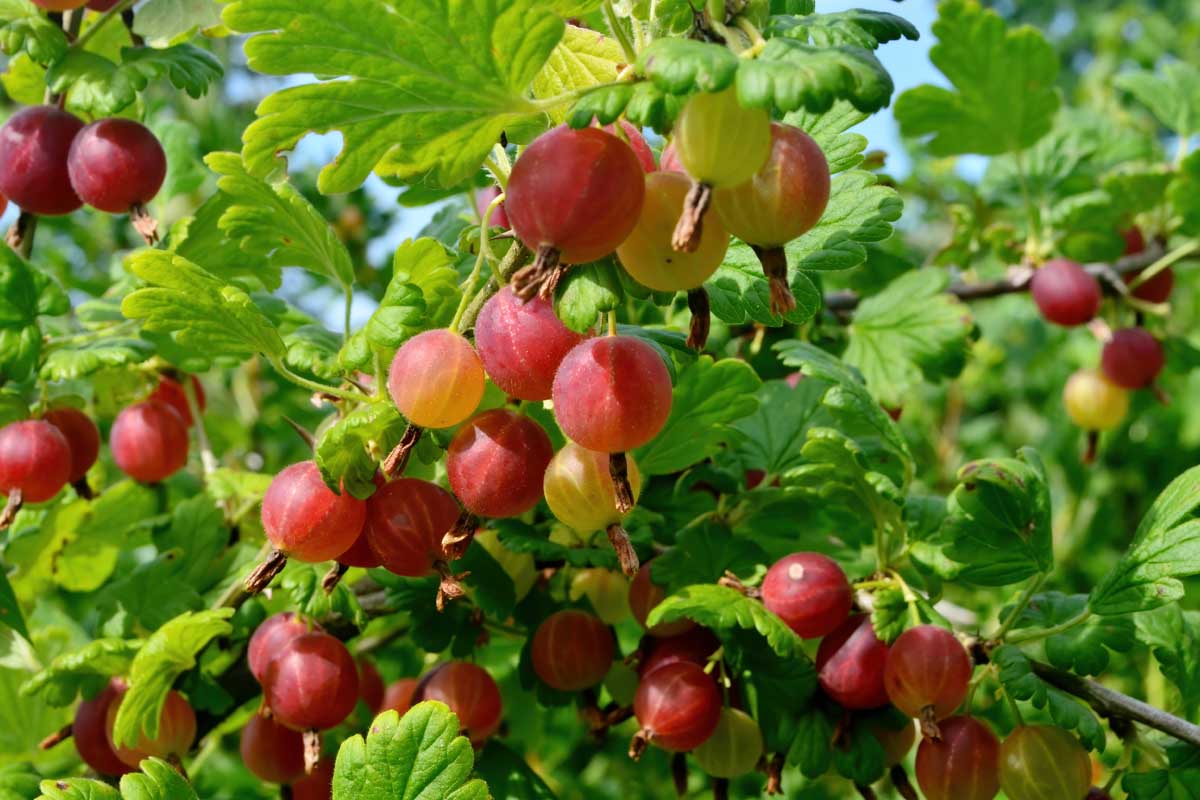
A close up horizontal image of bright red gooseberries growing in the garden.

Currant fruit flies can ruin a gooseberry or currant harvest in a hurry. That’s why it’s essential to know how to identify and get rid of these devastating maggots. Each larva can eat through an entire berry and each fly can lay hundreds of eggs. This guide has all you need to know to keep them under control.