Aloe ‘Crosby’s Prolific’
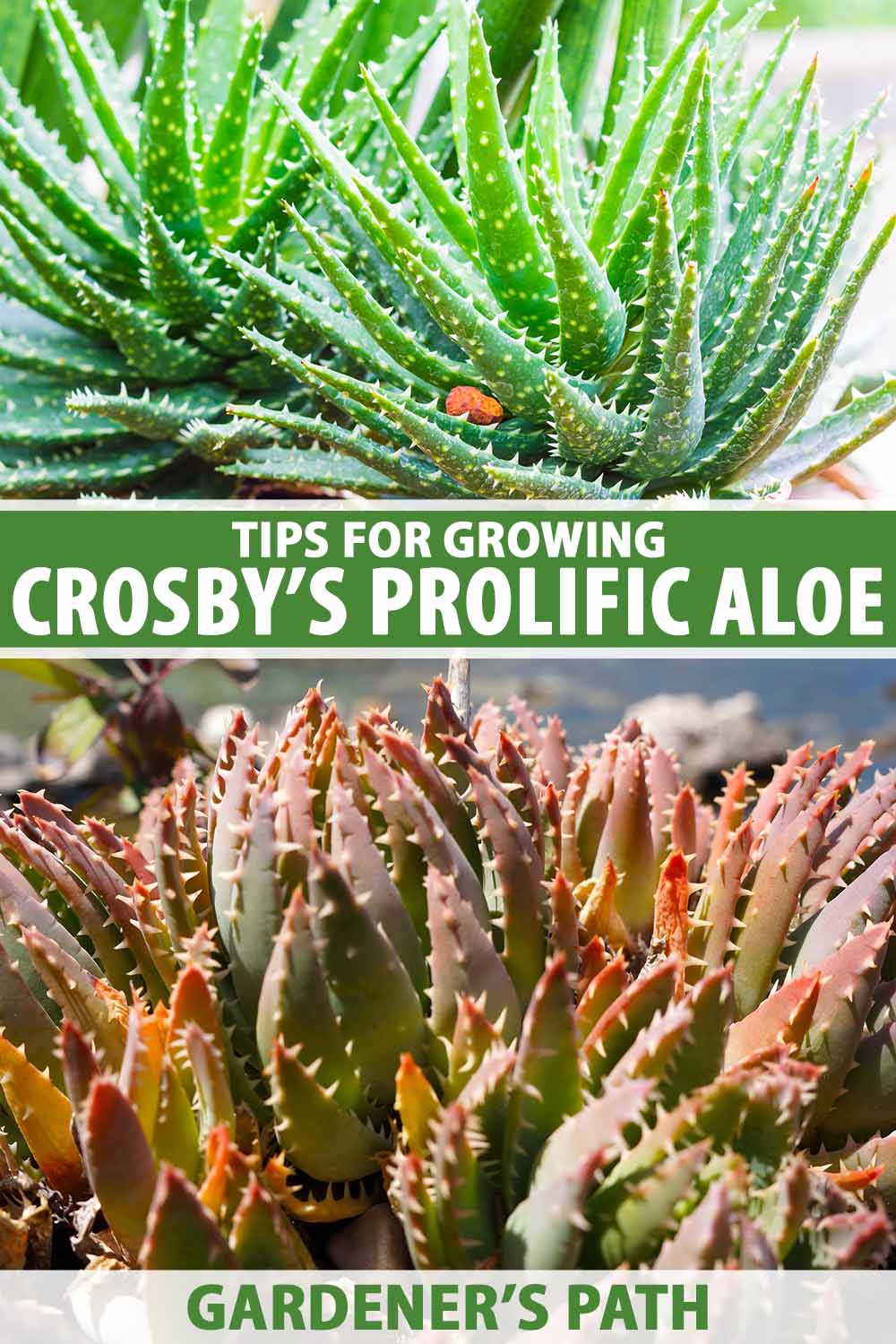
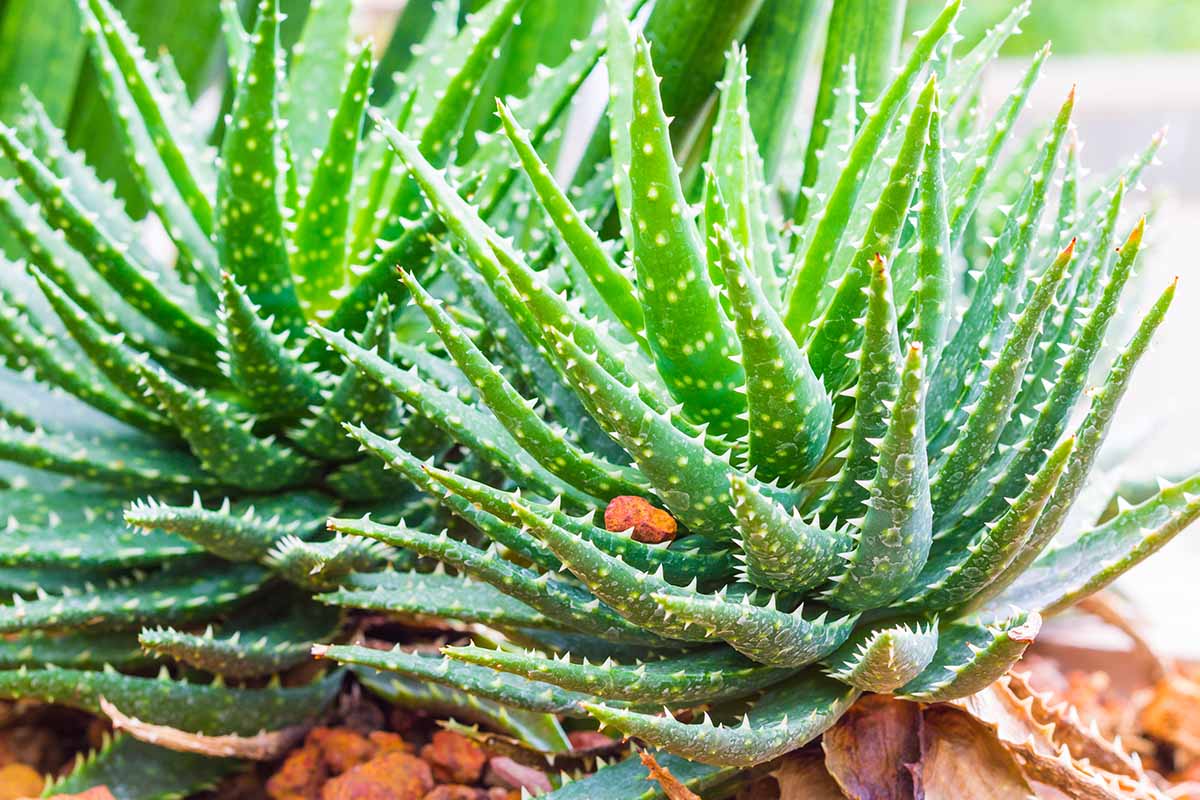
‘Crosby’s Prolific’ is a compact aloe hybrid that forms tight, stemless rosettes of narrow, lance-shaped leaves.
The leaves are lined with translucent teeth and develop red hues when exposed to bright light or drought stress.
This hybrid results from a cross between Aloe × nobilis and A. humilis (sometimes listed as A. humilis var. echinata, now considered a synonym).
We link to vendors to help you find relevant products. If you buy from one of our links, we may earn a commission.
The exact parentage has some taxonomic confusion since A. × nobilis is itself a hybrid of uncertain origins.
‘Crosby’s Prolific’ earns its “prolific” part of its name honestly. It produces offsets rapidly, forming substantial clumps that can spread 15 to 24 inches wide while staying under a foot tall.
In our guide to growing aloe plants we cover the basics of cultivating these popular succulents.
This guide focuses specifically on ‘Crosby’s Prolific’ and how to grow this hybrid successfully in containers or in the ground in warm climates.
Here’s what I’ll cover:
What You’ll Learn
The lance-shaped leaves are deep green with small white spots scattered across both surfaces. Translucent teeth line the margins, giving the rosettes a distinctive serrated appearance.
When stressed by bright sun, cold temperatures, or drought, the leaves develop reddish-orange tones – most pronounced at the leaf tips and margins.
From late winter through spring, ‘Crosby’s Prolific’ aloe produces flowering stalks that reach up to 18 inches tall.
Clusters of tubular flowers in shades of bright orange to red-orange attract hummingbirds and provide a striking contrast against the foliage. Some plants may also bloom again in fall.
The offsets, or pups, appear close to the base of mature rosettes. These can be separated for propagation or left in place for plant to form dense colonies.
Quick Look
Common name(s): Crosby’s Prolific, Crosby’s aloe
Plant type: Evergreen succulent
Hardiness (USDA Zone): 9b-11 (outdoors)
Native to: Hybrid (parents native to South Africa)
Bloom time / season: Late winter to spring, sometimes fall
Exposure: Full sun to partial shade, bright light indoors
Soil type: Loose, sandy, rocky, well-draining
Soil pH: 6.0-7.5, slightly acidic to neutral
Time to maturity: 2-3 years
Mature size: 6-12 inches tall by 9-24 inches wide
Best uses: Rock gardens, containers, houseplant, xeriscaping
Taxonomy
Order: Asparagales
Family: Asphodelaceae
Genus: Aloe
Species: Hybrid
This aloe tolerates hot conditions and can handle temperatures above 100°F without issue.
‘Crosby’s Prolific’ is suitable for outdoor cultivation in USDA Hardiness Zones 9b through 11, handling minimum temperatures down to 25°F.
Below 30°F, the plant may suffer damage. Prolonged exposure to freezing temperatures can cause scarring on the leaves or kill the plant entirely.
In areas that experience frost, grow ‘Crosby’s Prolific’ in containers that can be moved indoors during cold snaps.
How to Grow
‘Crosby’s Prolific’ aloe is quite happy growing in containers or in the ground. The key is providing excellent drainage and plenty of light.
Soil
Well-draining soil is essential. ‘Crosby’s Prolific’ won’t tolerate soggy, oversaturated conditions and wet feet will lead quickly to root rot.
Use a commercial cactus and succulent mix, or create your own by combining two parts potting soil with one part coarse sand, perlite, or pumice.
If you need a recommendation, I like Tank’s Pro Cactus and Succulent Mix.
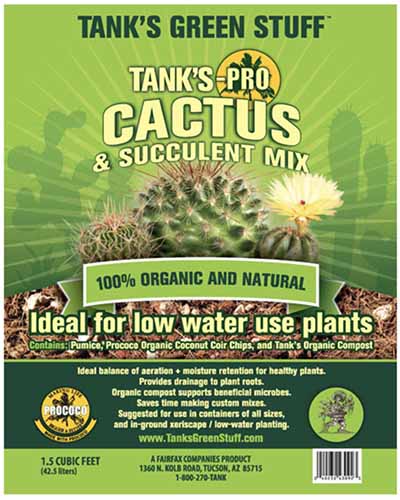
Tank’s Pro Cactus and Succulent Mix
You can find one-and-a-half-cubic-foot bags available at Arbico Organics.
For in-ground planting, amend heavy clay soils to improve drainage. Just don’t go adding a bunch of sand to clay or you’ll make something akin to concrete.
Raised beds work well if your native soil doesn’t drain adequately.
The ideal soil pH ranges from 6.0 to 7.5, slightly acidic to neutral, though aloes are adaptable and can tolerate conditions outside of this range.
Containers
Choose pots with drainage holes. Terra cotta or unglazed ceramic pots work well because they allow excess moisture to evaporate through the sides.
Start young specimens in four- to six-inch pots. As the clump expands with offsets, move up to eight- to 12-inch containers.
Shallow, wide pots suit ‘Crosby’s Prolific’ better than deep ones since the root system spreads horizontally rather than growing deeply.
Light
‘Crosby’s Prolific’ aloe thrives in full sun to partial shade. Aim for at least six hours of direct sunlight daily.
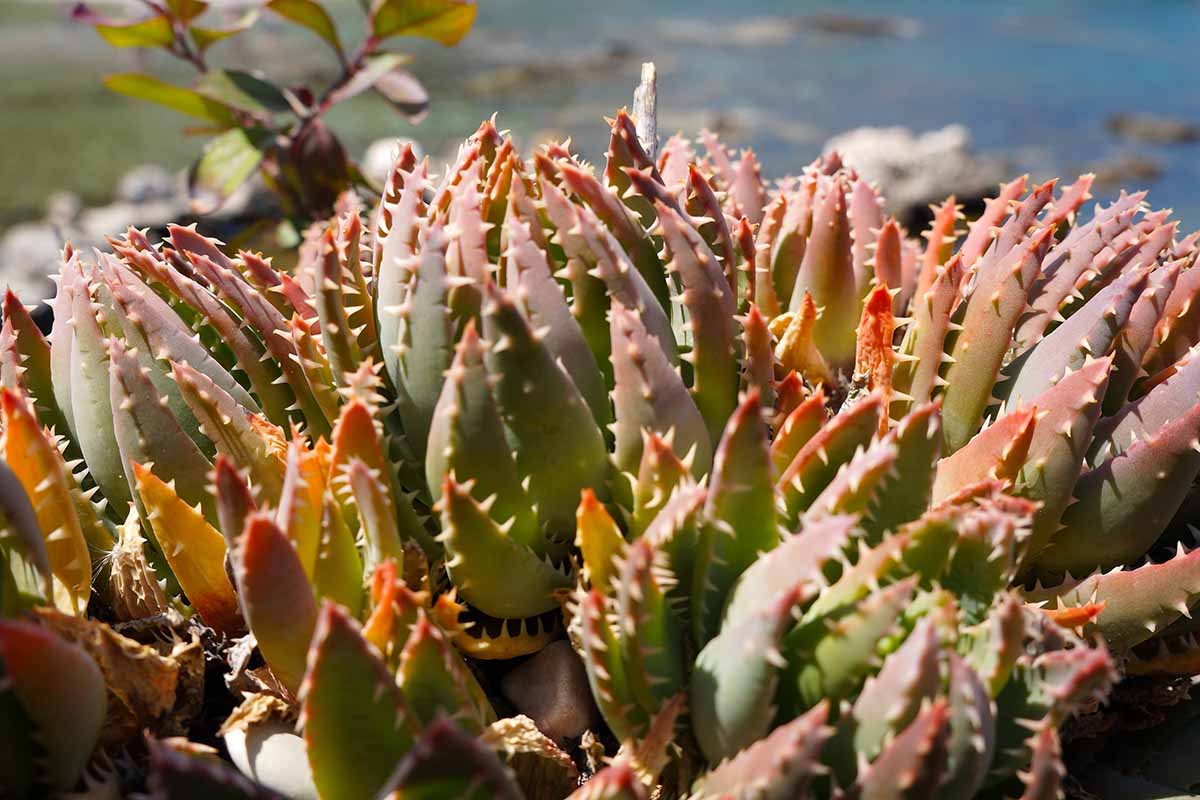
In extremely hot climates where temperatures regularly exceed 100°F, provide afternoon shade to prevent sunburn on the foliage.
If you’re growing this aloe indoors, place the plant near a south-facing window where it will receive bright, direct light for most of the day.
Plants that don’t receive enough light will become leggy, with elongated growth and pale green leaves that lack the characteristic red coloring.
When moving plants from shade to full sun, acclimate them gradually over the course of one to two weeks to prevent sunburn.
Water
Water deeply, allowing water to run through the drainage holes, then let the soil dry out completely before watering again.
In spring and summer during active growth, this might mean watering once a week. In fall and winter when growth slows, reduce watering.
Check soil moisture by sticking your finger two inches into the soil. If it feels dry, it’s time to water. If it still feels moist, wait.
Overwatering is the fastest way to kill this aloe. The roots will rot in consistently moist soil, and by the time you notice problems with the foliage, the damage is usually extensive.
Learn more about watering succulents here.
Temperature and Humidity
This succulent prefers warm temperatures of between 70 and 80°F during the day and 60 to 70°F at night.
As mentioned, it can survive brief drops to 25°F but will suffer damage.
Low humidity is ideal. This is a desert plant that doesn’t appreciate muggy conditions.
Fertilizer
‘Crosby’s Prolific’ doesn’t require much fertilizer.
Feed once a month during the growing season in spring and summer with a balanced, water-soluble fertilizer diluted to half strength.
A product formulated for cacti and succulents works well. Stop fertilizing in fall and winter when growth slows.
Skip fertilizer for the first few months for newly planted or recently repotted plants. Our guide to fertilizing aloes has more information.
Where to Buy
‘Crosby’s Prolific’ is usually available at nurseries that specialize in succulents and cacti. Many general garden centers also carry it, particularly in spring and summer.

You can find ‘Crosby’s Prolific’ in two-inch, four-inch, and one-gallon pots from Planet Desert.
Maintenance
Remove any dead or damaged leaves by pulling them gently away from the rosette. If they don’t release easily, use clean, sharp scissors or pruning shears to cut them at the base.
Dead leaves left on the plant can harbor pests and diseases, so remove them promptly.

Repot when the clump outgrows its container or when offsets become too crowded. This is typically needed every two to three years.
Spring is the best time to repot, at the start of the growing season.
Choose a container one to two inches larger in diameter than the current pot.
Remove the plant from its pot and brush away loose soil. Inspect the roots and trim any that are dead, mushy, or damaged.
Set the plant at the same depth it was growing before, backfill with soil and water lightly.
As the clump expands, you can divide it to create new plants or reduce crowding, as discussed below.
Learn more about repotting aloes here.
Propagation
You can propagate ‘Crosby’s Prolific’ easily by dividing offsets. Leaf propagation doesn’t work with this plant and will result in rot.
From Offsets
Offsets, or pups, are the small rosettes that form around the base of mature plants.
Wait until offsets are at least two inches across and have developed their own roots before removing them. Offsets that are too small or lack roots are unlikely to survive on their own.

The best time to divide is in spring or early summer during active growth.
To remove an offset, unpot the plant or carefully dig away soil to expose where the offset connects to the parent.
Check that the offset has visible roots of its own. If it doesn’t have roots, leave it attached to the parent to develop further.
Gently wiggle the offset to see if it separates easily from the parent. Some offsets pull away cleanly with their roots intact.
If the offset is firmly attached, use a clean, sharp knife to cut it away from the parent plant, making sure to include the roots.
Let the separated offset dry in a shaded location for one to two days. This allows any cut surfaces to callus and reduces the risk of rot.
Plant in small pots filled with cactus or succulent mix and water lightly to settle the soil.
When new growth appears, usually within four to six weeks, begin normal watering and gradually move to brighter light.
Learn more about dividing aloes here.
Pests and Disease
Pests rarely bother ‘Crosby’s Prolific’ if you provide well-draining soil and avoid overwatering. Most problems stem from soggy conditions rather than actual disease or pest pressure.
Pests
Common aloe pests include:
Aphids
Aphids are small, soft-bodied insects that cluster on new growth and flower stalks. They can be green, black, brown, or red.
Spray aphids off with a strong stream of water. Repeat every few days until they’re gone.
Insecticidal soap or neem oil also works for severe infestations.
Mealybugs
Mealybugs appear as white, cottony masses on leaves and in the centers of rosettes.
Remove small infestations with a cotton swab dipped in rubbing alcohol, dabbing each mealybug directly.
For larger infestations, spray with insecticidal soap or neem oil, following label directions. Repeat applications every seven to 10 days until the infestation is gone.
Our guide to controlling mealybugs provides detailed treatment information.
Scale
Scale insects resemble small bumps on stems and leaves. They may be brown, black, gray, or white depending on the species.
These pests feed on plant sap, causing yellowing and stunted growth.
Scrape off scale with a soft brush or cloth. You can also dab with rubbing alcohol using a cotton swab.
Spray with horticultural oil or insecticidal soap for heavy infestations.
Learn more about scale insects here.
Spider Mites
Spider mites are tiny arachnids that cause stippling or speckling on leaves. Heavy infestations produce fine webbing on the foliage.
Spray with insecticidal soap or neem oil to control these pests.
Our guide to spider mite control has more.
Disease
Root rot is a result of overwatering or poorly draining soil. Pythium (an oomycete) and fungi in the Fusarium and Rhizoctonia genera infect the roots and cause them to turn black and mushy.
By the time symptoms appear on the foliage, with yellowing and wilting leaves, significant root damage has already happened.
If you suspect root rot, unpot the plant and inspect the roots. Cut away all rotted roots, removing at least an inch into healthy tissue. Dust cuts with sulfur fungicide.
Wash the pot thoroughly with soap and water or a 10 percent bleach solution.
Repot in fresh, well-draining soil. Water lightly and avoid watering again until new growth appears.
If more than half the roots are rotted, the plant may not recover and should be disposed of in the trash.
Read our guide to rotting succulents to learn more.
Low-Maintenance Color
‘Crosby’s Prolific’ is an attractive choice for containers or xeriscaping. The dense clumps of rosettes create textural interest, and the seasonal color changes add visual appeal.
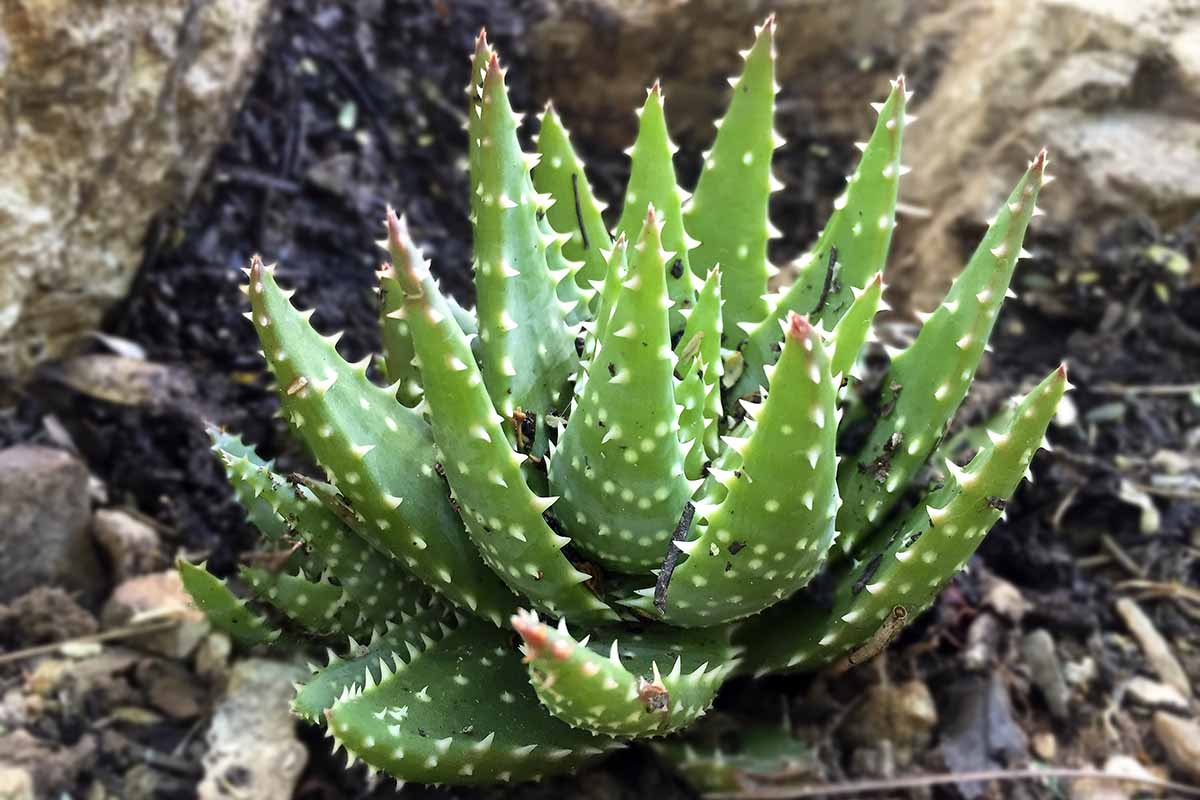
Whether you’re filling a spot in a rock garden, adding interest to a container display, or creating a water-wise ground cover, this hybrid aloe is a reliable choice.
Are you growing ‘Crosby’s Prolific’ aloe? Let us know in the comments section below!
And for more information about growing aloes, add these guides to your reading list next: