
Lilium lancifolium
Tall, bright, and impossible to miss, tiger lilies are standout stars in the garden.
A spotted orange tiger lily can elevate any flower bed from good to stunning. With vivid blooms and statuesque form, this species offers a bolder visual punch than many other types of lilies.
These lilies grow tall, up to six feet, with large, attention-grabbing flowers that are surprisingly easy to grow.
We link to vendors to help you find relevant products. If you buy from one of our links, we may earn a commission.
In our guide to growing lilies, we cover how to cultivate the various species in the Lilium genus.
Now let’s get into the garden and talk about how to grow the tiger lily!
Here’s what we’re going over:
What You’ll Learn
The tiger lily, Lilium lancifolium, is a perennial flowering bulb in the Lilaceae family. Specifically, it belongs to Division IX of the lily family: the Species Lilies.
You may sometimes see it grouped in Division I: the Asiatic hybrids, as this species is widely hybridized.
Hardy in USDA Hardiness Zones 4 to 8, this one is native to East Asia.
Quick Look
Common name(s): Tiger lily
Plant type: Perennial flowering bulb
Hardiness (USDA Zone): 4-8
Native to: Eastern Russia, China, Japan, North and South Korea
Bloom time / season: Midsummer to early fall
Exposure: Full sun (tolerates part shade)
Soil type: Moist, fertile loam, well-draining
Soil pH: 6.0-6.5, slightly acidic to neutral
Time to maturity: 2-3 years
Mature size: 2-6 feet tall by 1-2 feet wide
Best uses: Border plantings, cottage gardens, cut flowers, flower beds, specimen plantings
Taxonomy
Order: Liliales
Family: Liliaceae
Genus: Lilium
Species: Lancifolium
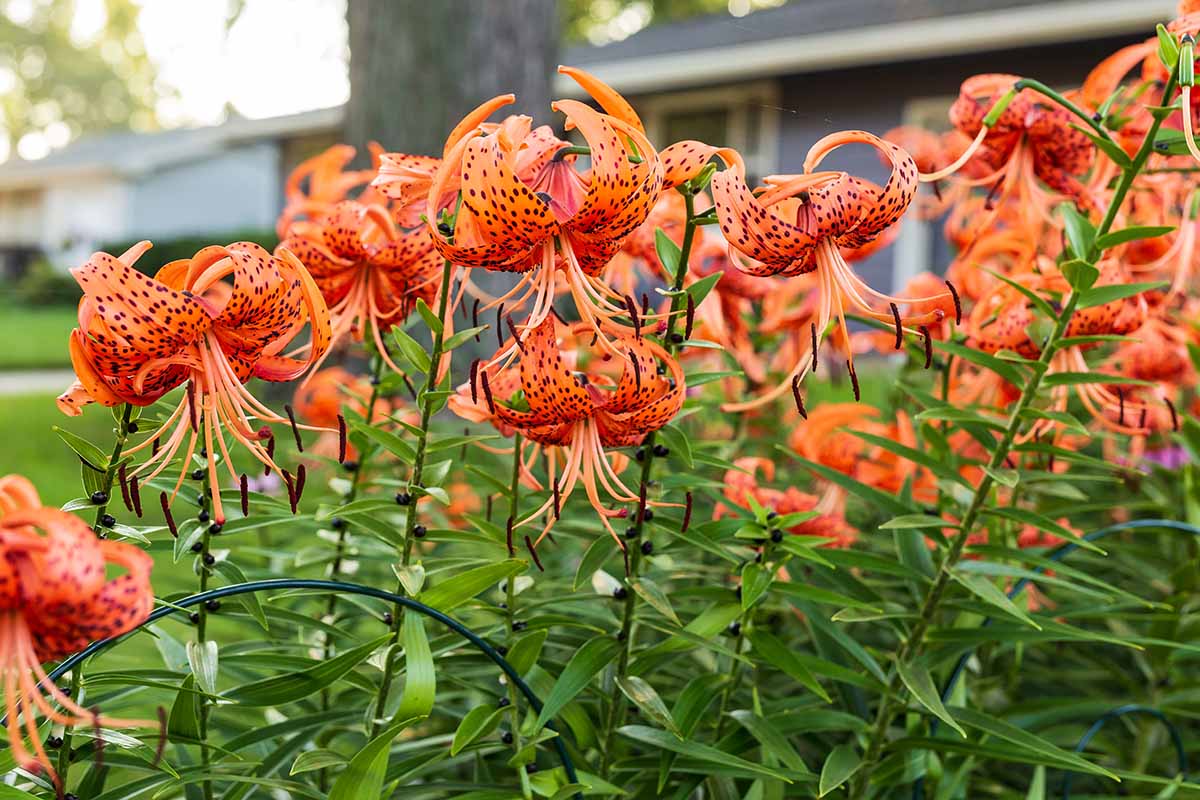
The first thing you notice about a tiger lily is its size: it spreads one to two feet wide and grows up to six feet tall.
The plant consists of a long central stem, around which are arranged pseudo-whorls of lance-shaped leaves, each measuring four to six inches long.
The stems are topped with up to 10 vivid six-petaled blooms from midsummer through early fall.
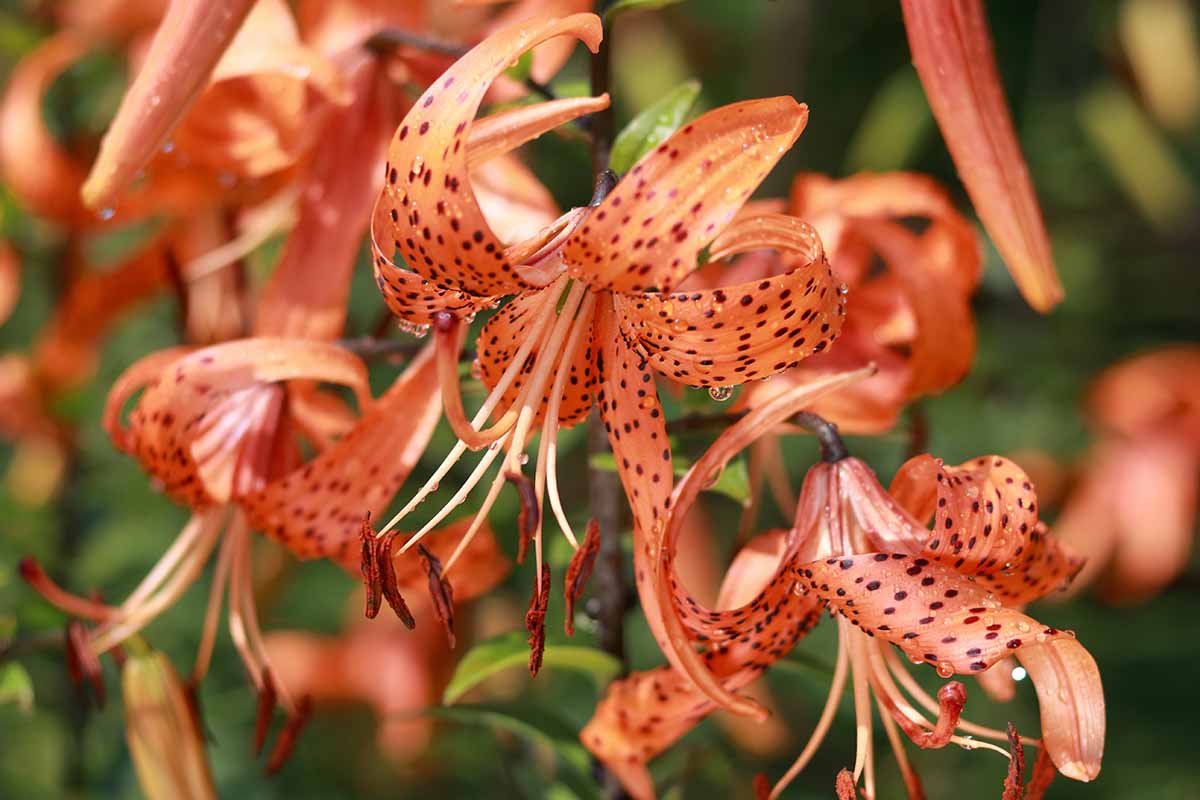
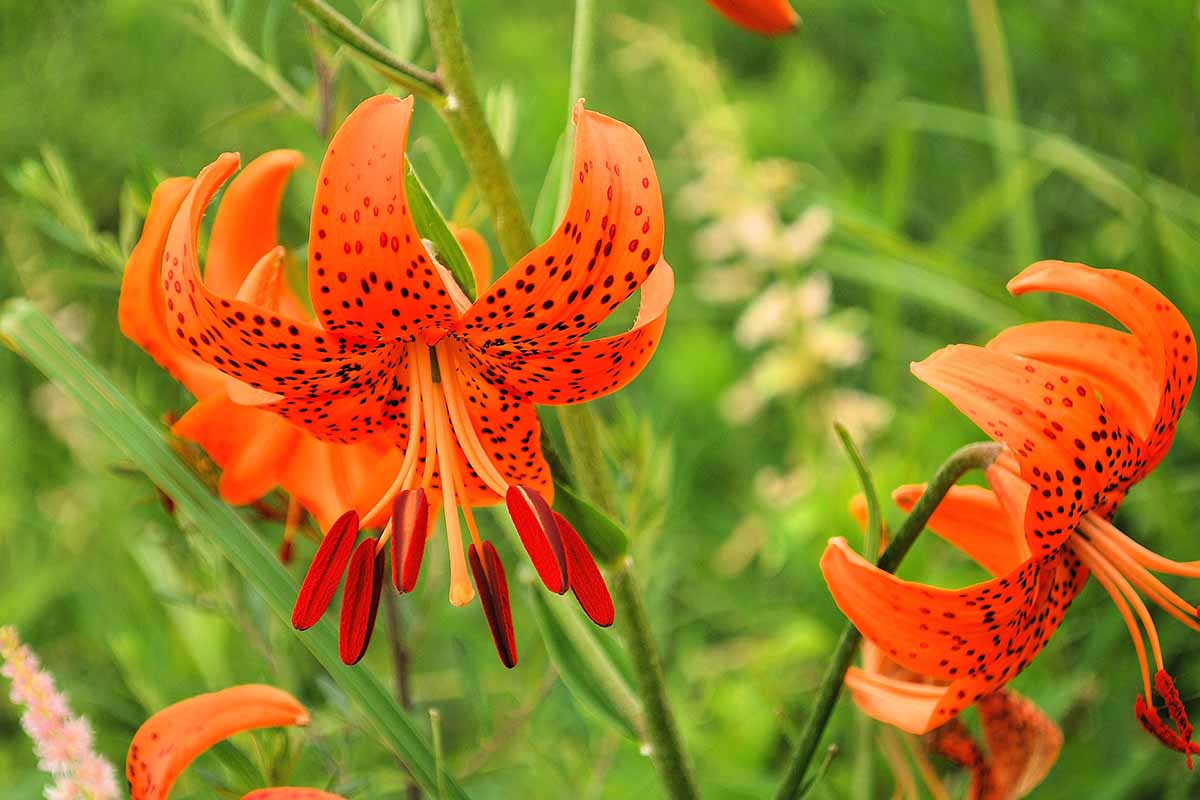
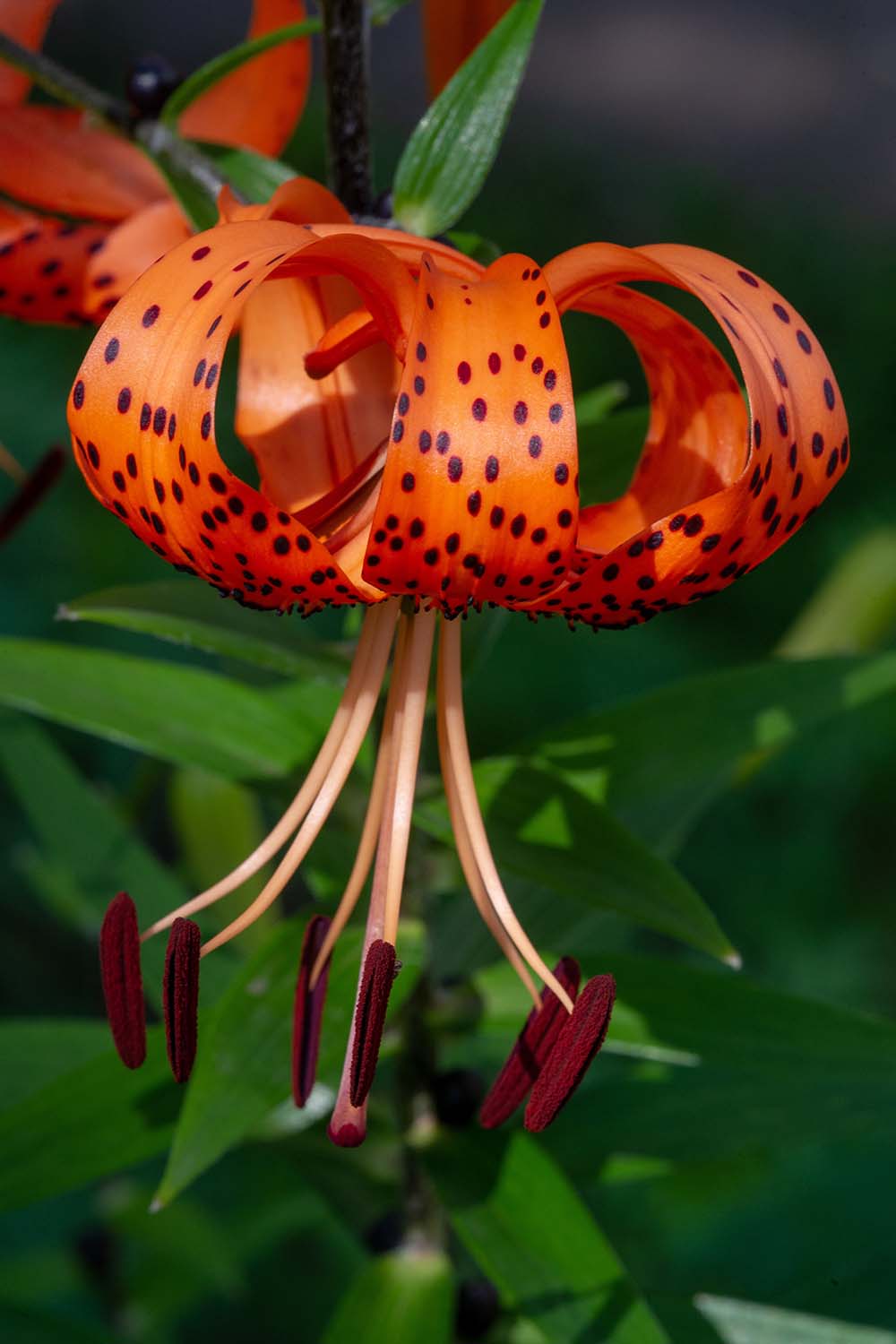
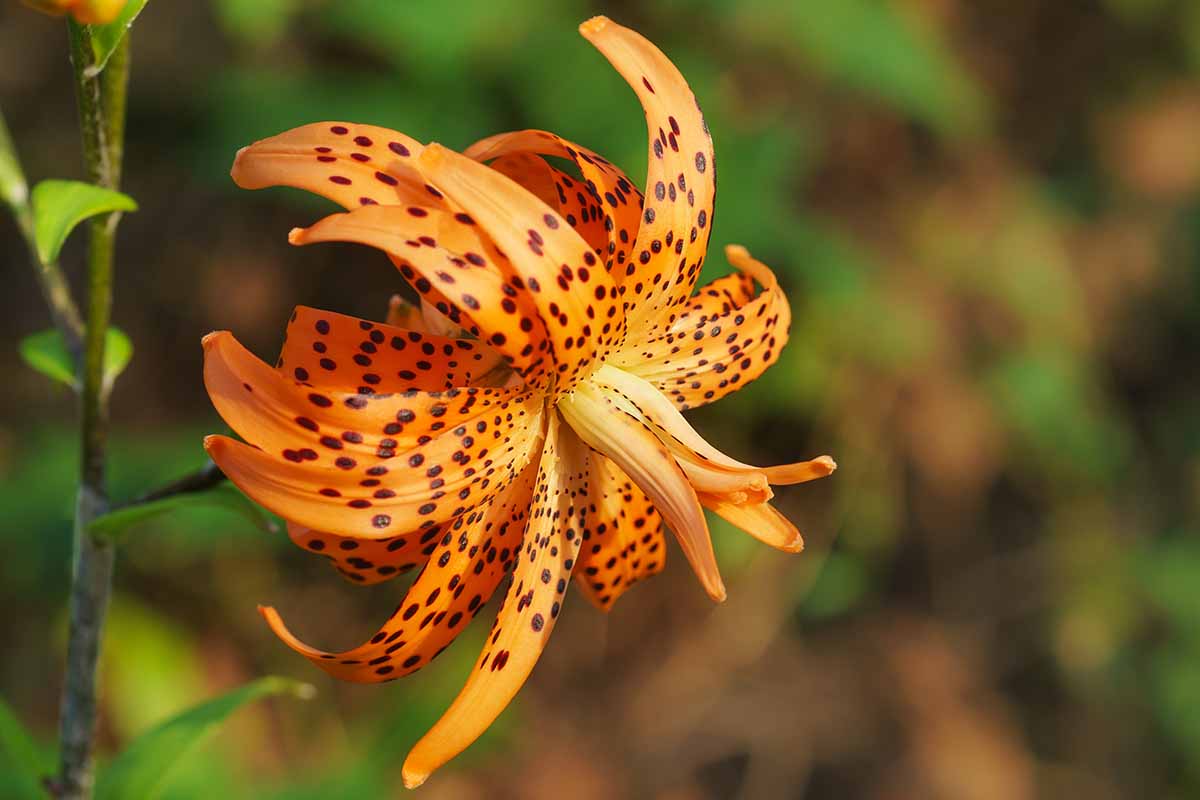
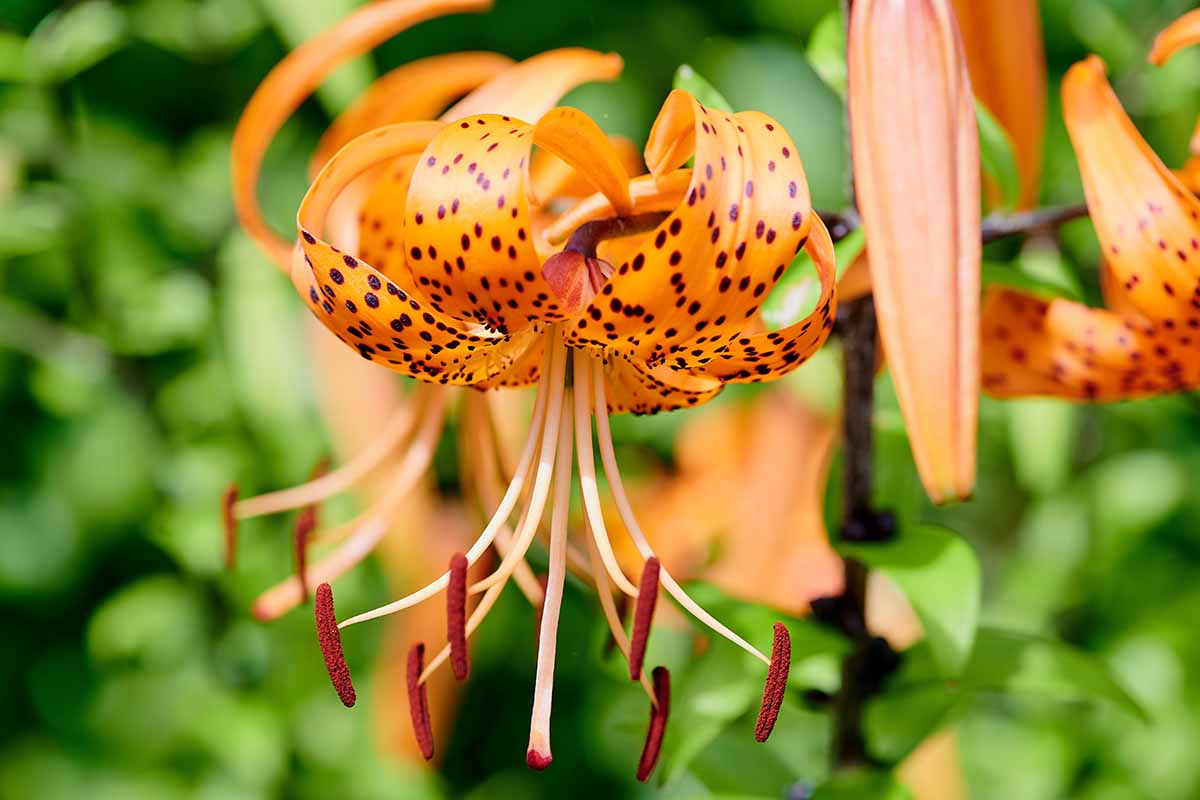
The petals range from orange to red-orange and are heavily spotted with dark markings of crimson, purple, or nearly black.
Each five-inch flower nods downward, with prominent stamens and brown anthers. These blooms are a magnet for pollinators like bees, butterflies, and hummingbirds.
Whoever came up with the “tiger lily”name clearly didn’t know their big cats, since actual tigers have stripes, and not spots. But botany ain’t felinology, I suppose.
Toxicity
All parts of these plants, including the pollen, is very toxic to cats. Contact your veterinarian immediately if you suspect that your cat has ingested any part of a tiger lily.
For thousands of years, tiger lilies were cultivated in China for their edible bulbs, the scales of which were peeled, seasoned, and cooked.
Centuries of selective breeding is most likely why many cultivated varieties of tiger lilies are sterile triploids.
In Chinese culture, the plant represents lasting happiness and joyful unions, making it a traditional wedding gift.
L. lancifolium makes a striking specimen in a flower bed, with sturdy stems and showy blooms that hold up well in floral arrangements.
The height makes it a natural choice for planting in rows as a floral boundary or backdrop.
It also works well in cottage gardens, where the dramatic flowers lend contrast and structure among looser, more informal plantings.
How to Grow
As mentioned before, L. lancifolium needs to be grown in USDA Hardiness Zones 4 to 8 to survive outdoors year-round.
They’ll scorch in warmer climates and in colder regions the bulbs will need to be lifted and stored for the winter months.
Light
Full sun is ideal, especially for encouraging abundant blooms, but L. lancifolium can tolerate partial shade when needed. In very hot regions, some afternoon shade is beneficial.
Soil
Grow in fertile, well-draining loam with a pH of 6.0 to 6.5.
Before planting, work in an inch or two of compost or well-rotted manure to enrich the soil.
Water
Keep the soil evenly moist. It should feel like a well-wrung-out sponge, not waterlogged and not too dry.
Water deeply when the top inch or two of soil is dry. During dormancy, when the foliage has died back you can stop watering entirely.
Fertilizing
Use a balanced granular fertilizer to support healthy growth and flower production. Apply once when the stems emerge in spring, and again when buds begin to form.
Be sure to water thoroughly after each application.
Osmocote Smart-Release Plant Food
You can find Osmocote 14-14-14 (NPK) smart-release fertilizer which works well, available at Amazon.
Cultivars to Select
There are two popular cultivars of L. lancifolium that are easy to find at nurseries and garden centers.
Flore Pleno
‘Flore Pleno’ is a double-flowered cultivar with the same coloration as the species plant.
The flowers feature significantly more petals and plants have a much heavier bloom set.
Each flower features 24 to 36 tepals, giving it a lush, full appearance.

Plants can produce up to 25 blossoms per stem, roughly 150 percent more than the species, and they’re hardy as far south as USDA Zone 9, offering slightly improved heat tolerance.
You can find ‘Flore Pleno’ bulbs available from Eden Brothers.
Splendens
‘Splendens’ matches the species in flower count and color, but grows on shorter stems. Plants top out at around three to four feet.

The five-inch-wide blooms appear more prominent at this reduced height. It’s earned the Royal Horticultural Society’s Award of Garden Merit for good reason.
You can find ‘Splendens’ bulbs available at Eden Brothers.
Maintenance
You don’t need to prune tiger lilies, simply deadhead spent flowers and remove any dead, diseased, or damaged leaves.
In hot climates, a couple of inches of mulch around the roots can help conserve moisture.

At the end of the season, cut the foliage down to the ground and compost the debris.
At this point, you can either leave your bulbs in-ground or lift them for storage.
Leaving them can save you time and effort, while lifting protects them from temperature extremes and pests. It also opens up the flower bed for other, different plantings later.
Use a spade or small shovel to dig up the bulbs. Brush off any soil from them and trim off any shoot tissue and large roots that may be attached.
Bring your bulbs inside and space them several inches apart on paper or cardboard. Then, cure them in a dark spot at 35 to 55°F for three to four days.
Once cured, prep a tray filled with peat moss.
Set the bulbs in the tray – without them touching each other – and keep the tray in a similarly dark, cool place throughout the winter until it’s time to replant in spring.
Learn more about overwintering lilies here.
Propagation
Most cultivated and naturalized tiger lilies in North America are sterile triploids, so they rarely produce viable seed. But there are other reliable ways to propagate them.
From Offset Bulblets
This is one of the easiest ways to multiply established plants.
In spring, after all risk of frost has passed, lift mature plants from the soil. The mother bulb should have small offsets growing from it – like little mini bulbs.

You can also divide offsets when you lift bulbs for winter storage.
Detach the offsets that are larger than an inch in diameter. Pot these up into individual four- to six-inch containers or elsewhere in the garden.
Care for them as you would freshly-planted bulbs from the nursery.
From Bulb Scales
In fall, dig up some mature bulbs, and break off four to eight scales from the base of each bulb.
Insert the broken base end of each scale upright into a seed tray filled with moist sand. Cover the tray with a plastic bag, and store in a dark spot indoors at 65 to 70°F for six weeks.

Keep the sand damp. Eventually, bulblets will form. If any scale tissue remains that’s soft, discard it.
Take these bulblets and plant them in four- to six-inch pots filled with well-draining, moisture-retentive potting soil. Overwinter them in a cold frame or a frost-free spot in the garden.
Come spring, you can transplant them into the garden as discussed below.
Planting Bulbs
In spring, dig a hole for each bulb that’s two to three times deeper than the bulb’s diameter, and space the holes at least six inches apart.

Plant the bulbs with the basal end pointing downwards, backfill with soil and a sprinkle of bone meal to promote healthy roots.
Water in well.
Pests and Disease
Thankfully, tiger lilies are somewhat deer-resistant. But if they’re hungry enough, deer will eat just about anything.
If deer are a problem in your garden, a well-constructed deer fence can keep them out.
But if they’re munching on just a part of your garden, then some deer repellent will help to protect specific sections.
Rabbits typically nibble on stems and leaves closer to the ground, within the lower 20 inches.
If you already have a deer fence, reinforce the bottom two feet with one-inch wire mesh and bury it at least a foot deep to prevent tunneling.
Otherwise, rabbit repellent can help protect your plants.
Eviro Pro offers pails of granular Rabbit Scram available via Amazon.
Voles, squirrels, and other small mammals may dig up bulbs and eat them. For tips on bulb protection, check out our guide to keeping rodents at bay.
Pests
Along with damaging plants by their feeding, insects can also vector disease.
Aphids
Aphids are sapsucking insects that extract vital fluids from plants, which can distort leaves and weaken the plant.
They also excrete honeydew as they feed, which can lead to black sooty mold.

Knock them off with a strong blast of water or treat with neem or horticultural oil.
You can find Bonide Neem Oil available at Arbico Organics.
Lily Leaf Beetles
Lilioceris lilii is an invasive beetle from Eurasia which does significant damage.
Adults are a quarter-inch long with bright red bodies and black appendages, while the slug-like larvae are a half-inch long with black heads and orange to yellowish bodies.

Both chew irregular holes in leaves, stems, and buds, but the larvae do the most damage.
Larvae feed in spring and early summer before pupating. Adults continue the assault through late summer into fall, and severe infestations can completely defoliate plants.
To manage minor outbreaks, hand-pick and crush beetles and larvae, or knock them into a bucket of soapy water.
Destroy any clusters of reddish eggs found on leaf undersides. Neem or horticultural oil can help suppress populations.
Disease
To reduce the risk of spreading disease, always sanitize your tools before cutting, digging, or working in the soil.
Basal Rot
Caused by soilborne fungi and oomycetes in the Fusarium, Cylindrocarpon and Pythium genera, basal rot afflicts bulb roots and the base of bulb scales.
These pathogens target the base of the bulb and roots, leading to dark brown rot and chlorotic, stunted growth aboveground. Severe infections can kill the plant outright.
Excess moisture favors disease development, so plant in well-draining soil and avoid overwatering. Handle bulbs carefully as wounds provide easy entry points for infection.
Discard any bulbs showing signs of rot. If part of the bulb appears healthy, you may be able to salvage offsets or individual scales.
Infected plants should be removed and destroyed, and the surrounding soil within an 18-inch radius should be dug out and replaced.
Gray Mold
Also known as botrytis blight, gray mold is caused by the fungus Botrytis cinerea. It overwinters on dead plant debris and cool, damp weather encourages its spread.
Symptoms include yellow, orange, or reddish-brown spots on the leaves, usually starting at the base of the plant and moving upward.
In wet conditions, infected areas may become covered in a fuzzy, gray mold. Severely affected leaves will die back.
To reduce the risk of infection, avoid overhead watering and give plants adequate spacing to improve air circulation.
Clear away dead plant material at the end of the season to eliminate overwintering spores.
Infected plants and plant parts should be pruned away and removed – either bury or compost them.
Thorough applications of copper fungicide can prevent disease spread and control disease progression.
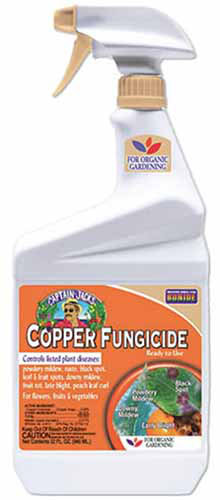
You can find Bonide Copper Fungicide available at Arbico Organics.
Lily Mosaic Virus
Ah, the one drawback of growing tiger lilies.
Unfortunately, tiger lilies might contain lily mosaic virus, a disease that distorts, streaks, and mottles lily foliage.
Plus, infected flowers are often deformed, and fewer blooms are produced overall.
However, little harm is caused to actual L. lancifolium specimens. But aphids and other sap-sucking insects could transfer the virus to more susceptible lilies.
Infected plants should be removed and destroyed, as there’s no cure. Prevent problems by purchasing clean, disease-free bulbs from reputable sources and controlling aphids.
The Tiger Lily: Bold and Brash
Tiger lilies offer drama to the summer garden, rewarding with an absolutely gorgeous display of tiger-like beauty. Or leopard-like, technically.
Are you growing tiger lilies? Let us know in the comments section below and feel free to share a picture!
And for more information about growing true lilies in your garden, add these guides to your reading list next: