Parodia magnifica
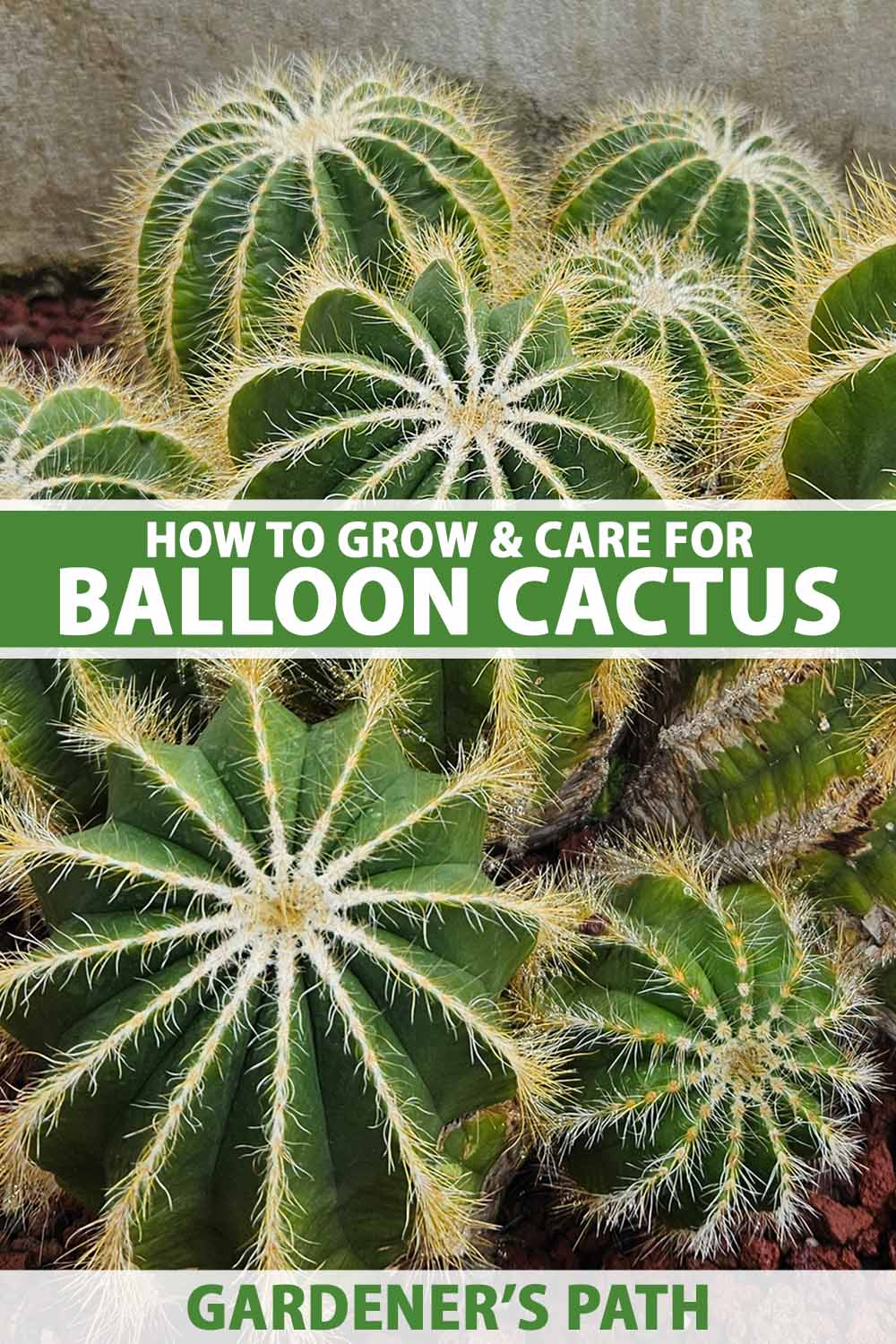
Balloon cactus (Parodia magnifica) is a small, globular species native to southern Brazil.
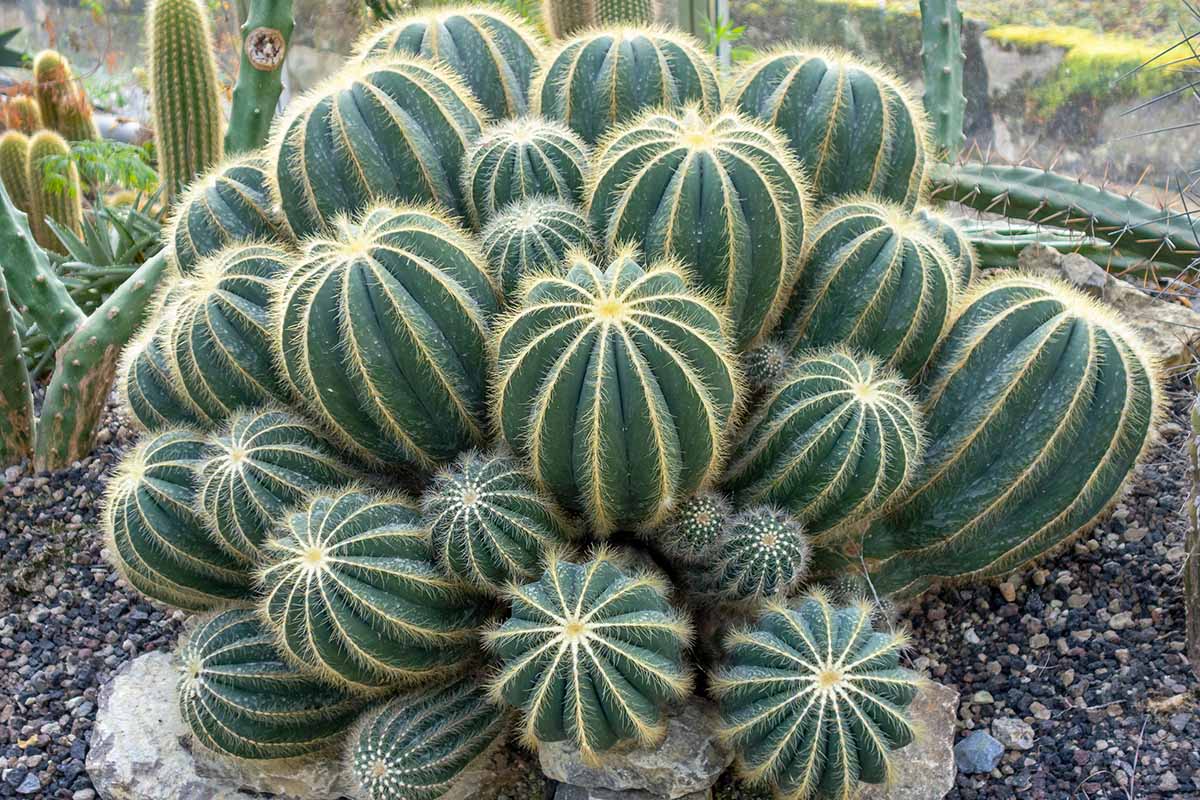
It has a rounded form with a blue-green body, golden spines, and produces bright yellow flowers in summer.
As plants mature they develop offsets at the base, eventually forming dense clusters, but this takes time.
We link to vendors to help you find relevant products. If you buy from one of our links, we may earn a commission.
Balloon cactus can be grown outdoors in Zones 9b to 11 and as a houseplant in all regions.
Indoors, it’s well suited to a position on a sunny windowsill and outdoors it makes a decorative addition to rock gardens or water-wise xeriscape plantings.
Let’s take a closer look at how to grow this distinctive species.
Here’s what I’ll cover:
What You’ll Learn
Balloon cactus is native to southern Brazil, where it grows in open grasslands and on rocky slopes.
Plants are found in exposed areas among grasses and low vegetation, in shallow, stony soils.
The climate is subtropical rather than arid, with warm summers, cooler winters, and rainfall that comes in seasonal patterns instead of evenly throughout the year.
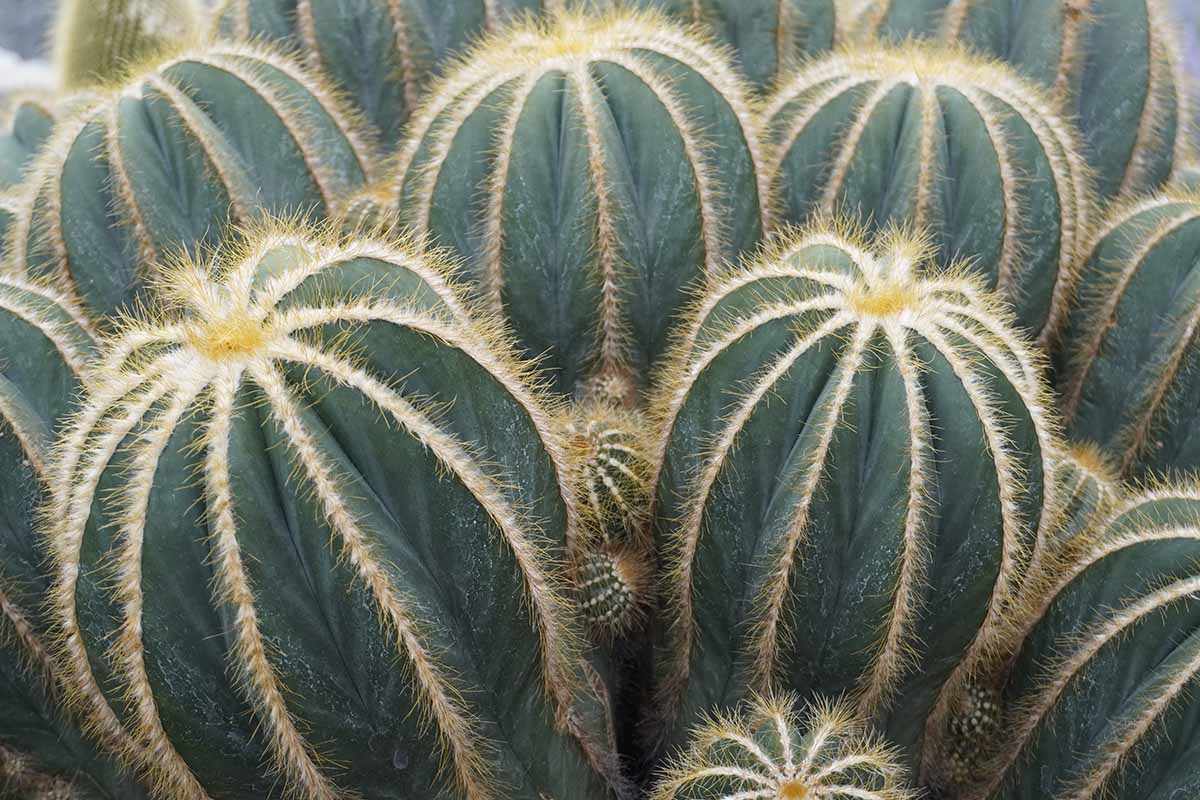
Balloon aka ball or blue ball cactus is a member of the Cactaceae family.
The species was previously classified as Notocactus magnificus and Eriocactus magnificus, both of which are now treated as synonyms.
P. magnifica is listed as endangered on the IUCN Red List of Threatened Species.
Wild populations have a limited range where habitat loss, environmental degradation, and collection for the horticultural trade have all contributed to its decline.
Quick Look
Common name(s): Balloon, ball, blue ball cactus
Plant type: Cactus
Hardiness (USDA Zone): 9b-11 (outdoors)
Native to: Southern Brazil
Bloom time / season: Summer
Exposure: Full sun, bright, indirect light indoors
Soil type: Sandy, gritty, well-draining succulent potting mix
Soil pH: 5.5-6.5, slightly acidic to neutral
Time to maturity: 3-5 years until mature enough to flower
Mature size: 3-6 inches tall by 3-6 inches wide (clusters can spread to 18 inches)
Best uses: Containers, houseplant, rock gardens, xeriscape
Taxonomy
Order: Caryophyllales
Family: Cactaceae
Genus: Parodia
Species: Magnifica
You can grow this species outdoors year-round in USDA Zones 9b to 11.
In Zone 9b, you’ll need to provide protection from cold snaps and heavy, persistent rainfall.
In cooler regions, balloon cactus is a fun houseplant or it can be grown in containers that can be moved indoors when temperatures drop.
Most specimens reach three to six inches tall and wide, sometimes a bit larger.
The blue-green stem is rounded and divided into 11 to 15 straight vertical ribs, each lined with short, bristle-like, golden-yellow spines.
These spines are true cactus spines, not the fine barbed glochids found on prickly pears (Opuntia).
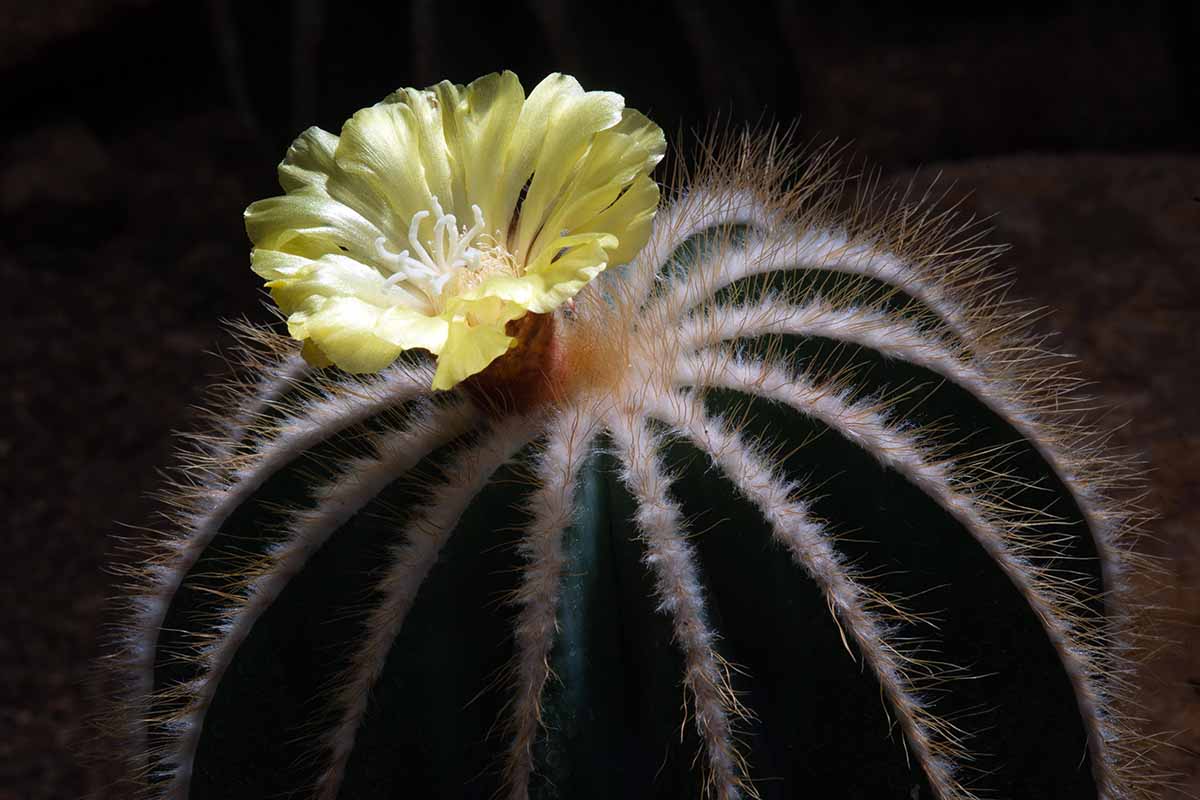
In summer, mature specimens may produce bright yellow flowers of about two inches wide.
Over time, the plant produces offsets that form tight clusters and a clumping spread.
How to Grow
Choose a pot with drainage holes that’s large enough to accommodate the root system. Avoid oversized containers, which hold moisture longer than necessary.
Terra cotta pots work well because they allow moisture to evaporate through the sides.
Light
Indoors, place balloon cactus near a south- or west-facing window where it’ll receive at least four but preferably six hours of direct sunlight daily with bright, indirect light the rest of the time.
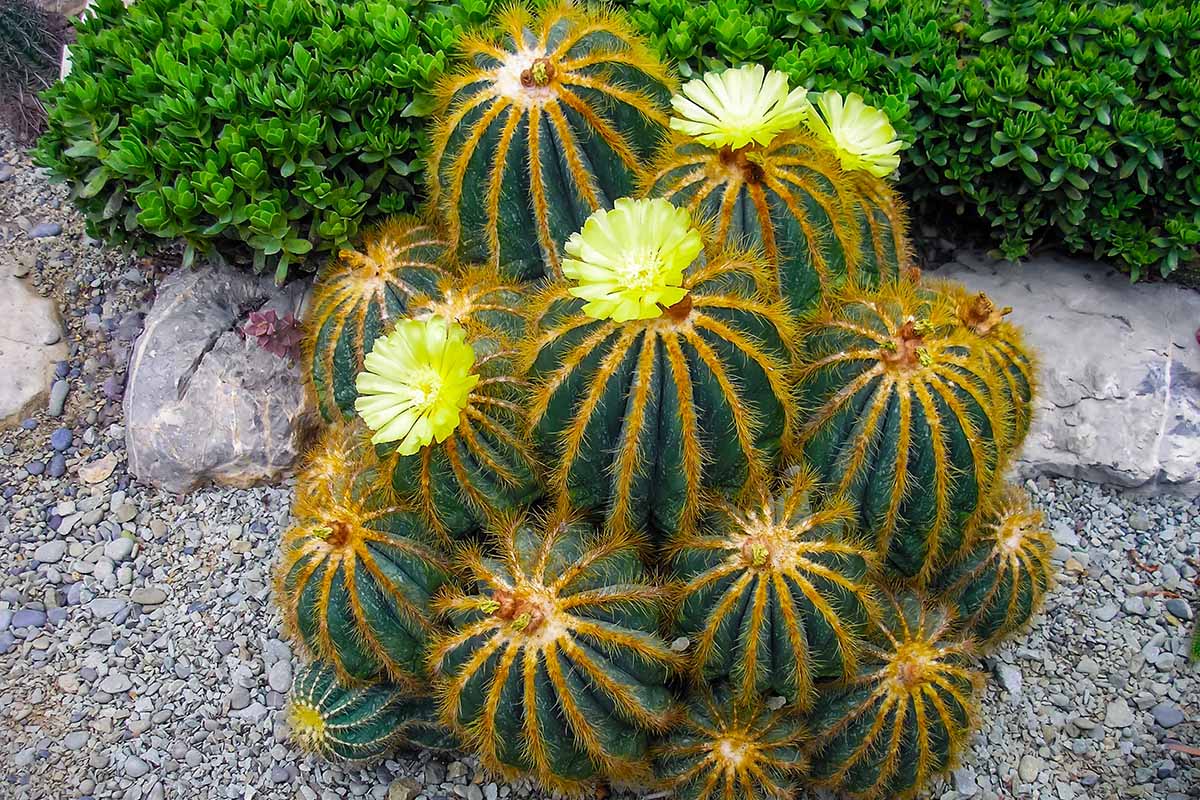
Outdoors, full sun is suitable in many regions, but in hot climates, choose a spot that receives morning sun with lighter afternoon exposure to prevent sunburn.
Soil
P. magnifica needs a gritty, fast-draining potting mix.
You can use standard cactus and succulent soil but this can sometimes be a bit too moisture-retentive, so amending with some pumice or perlite can help with drainage.
Learn how to make your own cactus potting soil here.
For in-ground planting, choose a site with sandy, well-draining soil and a pH of 5.5 to 6.5. Alternatively you can grow in a raised bed if your native soil is too moisture-retentive.
Water
During spring and summer, water deeply when the top inch or two of soil is dry. You can use a moisture meter to guide you.
In fall, taper off watering and during the winter, allow the soil to dry out completely between waterings.
Water only when the plant shows mild wrinkling or a slight loss of firmness, and then provide just enough to rehydrate the plant.
Our guide to watering cacti has more information.
Temperature and Humidity
During the growing season, P. magnifica thrives in temperatures between 70 and 90°F. Bring container plants indoors when nighttime temperatures drop below 50°F.

A cool, dry winter rest often improves flowering the following season.
In fall and winter, move the pot to a cooler location with temperatures around 50 to 55°F, and avoid prolonged exposure to temperatures below 45°F or the cactus may suffer frost damage.
Average household humidity is fine, avoid placing the plant in bathrooms or other high-moisture areas.
Fertilizing
Feed balloon cactus once a month during spring and summer with a balanced fertilizer formulated for succulents diluted to half strength.
A low-nitrogen formula is preferable, as excessive nitrogen encourages weak, elongated growth.
Stop fertilizing in fall and don’t feed during winter dormancy.
Where to Buy
P. magnifica is available from specialty cactus and succulent nurseries, both online and in person.

You can find plants in four- and six-inch pots available at Planet Desert.
There’s also a natural variant, Parodia magnifica f. aurata, which has very little chlorophyll and displays a striking golden-yellow color. This form is highly sought after by collectors.
Maintenance
Repot every two to three years or when the plant has clearly outgrown its container.
Spring is the best time to do this. Choose a pot that’s only one to two inches wider than the existing root mass or clump.

To repot, carefully remove the specimen from its pot, protecting your hands with thick gloves or a folded towel.
Gently loosen the soil around the roots and inspect them, trimming away any that are dead or rotten.
Set the plant in fresh potting mix at the same depth it was growing previously. After repotting, wait about a week before watering to allow any disturbed roots to callus.
Learn more about repotting cacti here.
After flowering, the spent blooms dry up naturally and can be removed once they are loose.
Propagation
The best way to get started is to purchase a plant from a reputable nursery. If you want to try your hand at propagation, balloon cactus is easy to start from seed.
Mature clumps may have offsets that can be divided and potted up into their own containers.

Seed can typically be purchased from reputable suppliers, since plants grown in cultivation don’t always set seed.
In spring, prepare a seed-starting tray with fine, well-draining potting mix. Moisten the medium and surface-sow the tiny seeds, covering with a very fine layer of sand.
Set the container in a warm location with bright, indirect light and keep the medium lightly moist. Expect germination in two to four weeks.
After seedlings emerge, keep them in bright, indirect light, and allow the surface of the soil to dry out between waterings.
When seedlings are large enough to handle, you can transplant into individual pots.
You can remove offsets when they are about an inch in diameter. Carefully unpot the plant, making sure to wear gloves to protect your hands from the sharp spines.
Gently twist or cut the offset away from the parent, preserving the roots if possible.
Set the offset in a warm, dry, protected spot and allow the cut end to callus over which should take about a week.
After a week, plant in well-draining cactus mix, settling it upright in the pot. Avoid watering immediately, give it about a week before adding water.
Pests and Disease
Mealybugs and spider mites are the most common pests to trouble balloon cactus, particularly on plants grown indoors.
Mealybugs appear as cottony white masses in rib joints or near the base of the plant. Spider mites cause a dull, stippled appearance as well as fine webbing on the spines.
You can remove mealybugs manually with a cotton swab dipped in rubbing alcohol and both pests respond to treatment with insecticidal soap or neem oil.
Our guide to cactus pests has all the details.
Root rot can be caused by pathogens or simply by oversaturated soil causing the roots to drown.
Either way, by the time you notice aboveground symptoms like collapse or the body going soft, there’s a good chance it’s too late to save the plant.
It’s much easier to prevent root rot than it is to salvage a suffering plant. Grow in well-draining soil and avoid overwatering.
If your balloon cactus looks sickly, you can remove the plant from its pot and check the roots.
Cut away any that are damaged or dead, allow it to dry, and repot in well-draining soil – after sterilizing the container.
Learn more about how to deal with rotting succulents here.
A Striking Specimen
With its rounded form, blue-green body, and golden spines, balloon cactus makes an eye-catching addition to any succulent collection.
When the bright yellow flowers appear, it really shines.
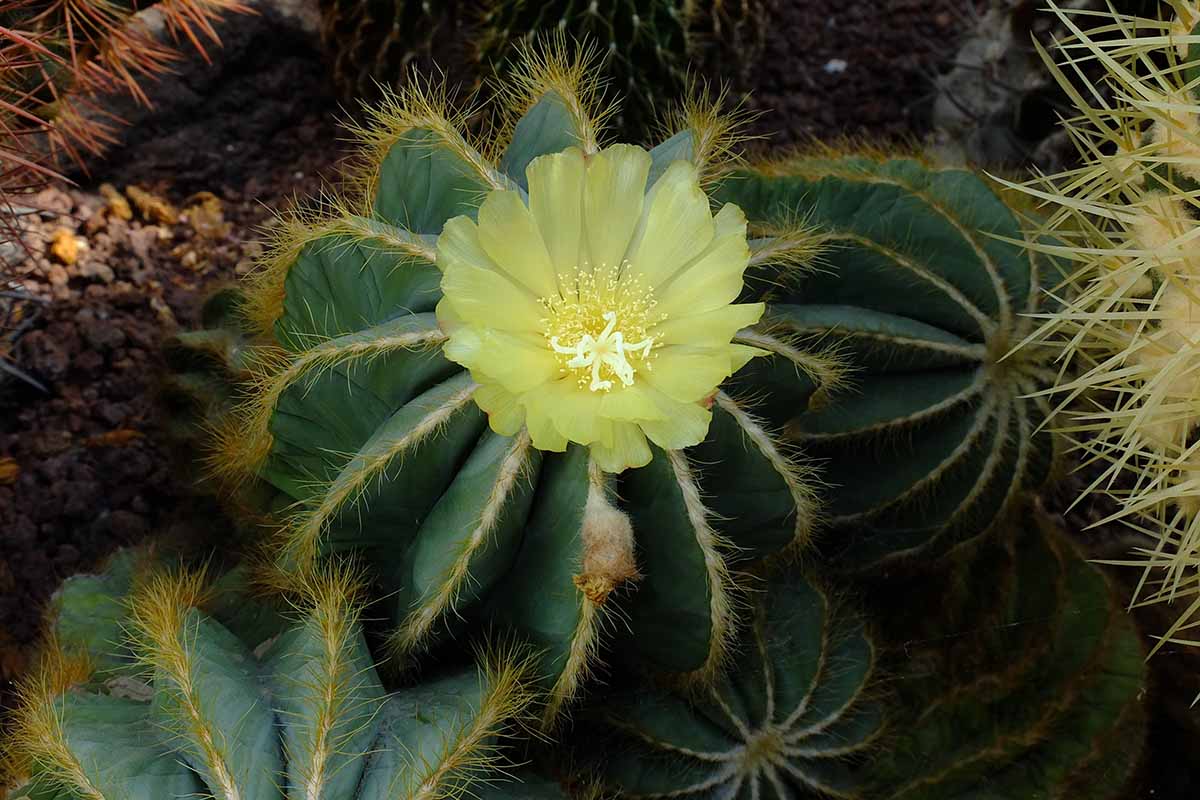
And since it’s endangered in the wild, growing one at home supports the continued survival of the species, a small but meaningful win for conservation.
Are you growing balloon cactus? Share your experience in the comments below!
And for more information about growing cacti, check out these guides next: