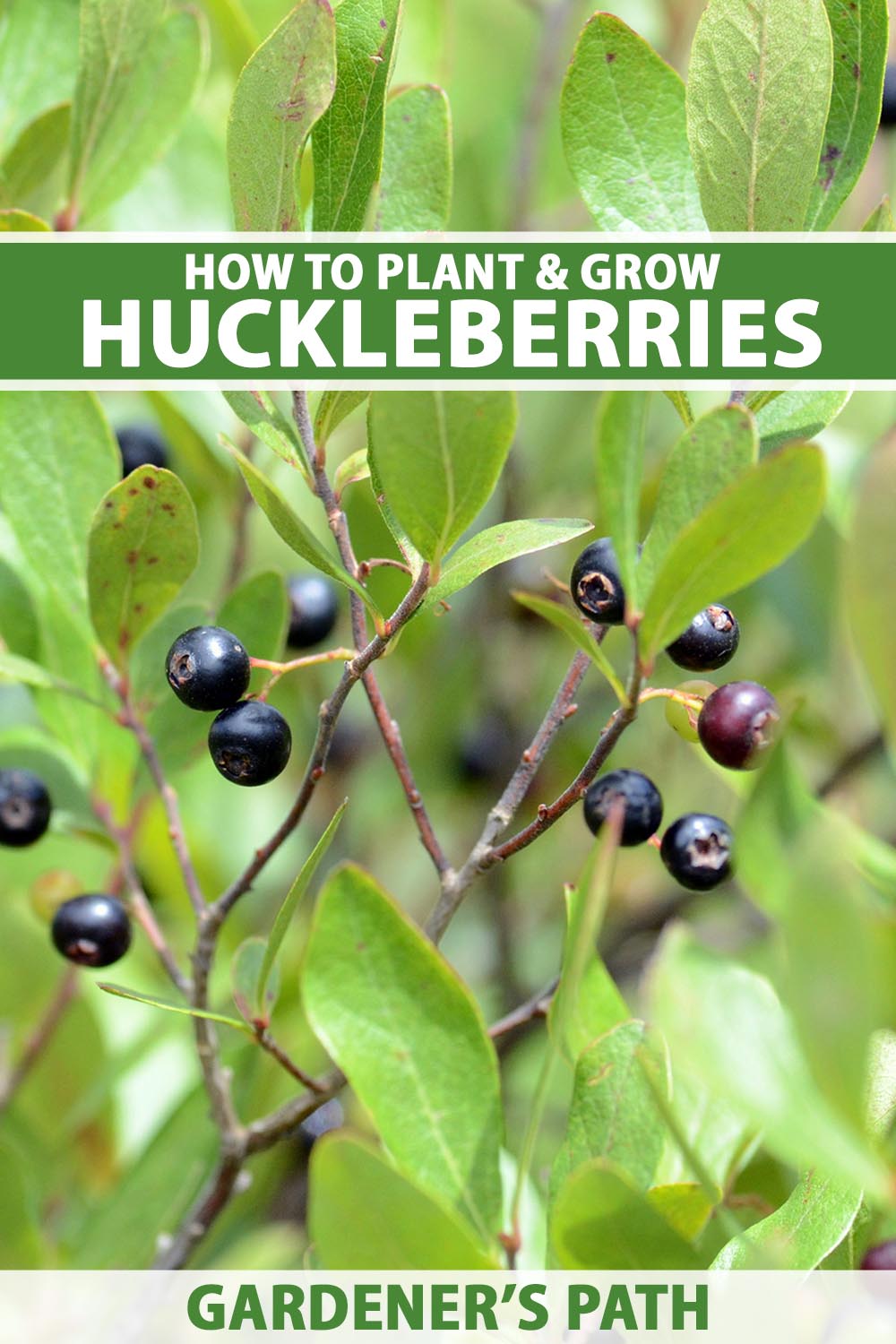
Gaylussacia and Vaccinium spp.
If you’ve got your sights set on growing huckleberries, you’re in for a challenge.
The huckleberry is a native North American fruit that resists domestication, refusing to be tamed.
The plants prefer to run wild, making them difficult to cultivate in the home garden.
“Huckleberries grow well in the wild, but they’re hard to domesticate,” said Nash Muckey, an entomology student at University of Idaho.
We link to vendors to help you find relevant products. If you buy from one of our links, we may earn a commission.
Fear not, courageous gardener. Your goal to grow huckleberries isn’t impossible, it’s just a little bit more challenging than, say, a raspberry shrub or a prolific blackberry.
In this guide, we’re going to make sure you have all the tools you need to plant and grow these gorgeous shrubs in your garden, assuming you live in USDA Hardiness Zones 4 to 9.
Coming right up, we’re going to cover the following:
What You’ll Learn
Technically, there are two genera that contain species that are commonly called huckleberry: Vaccinium and Gaylussacia.
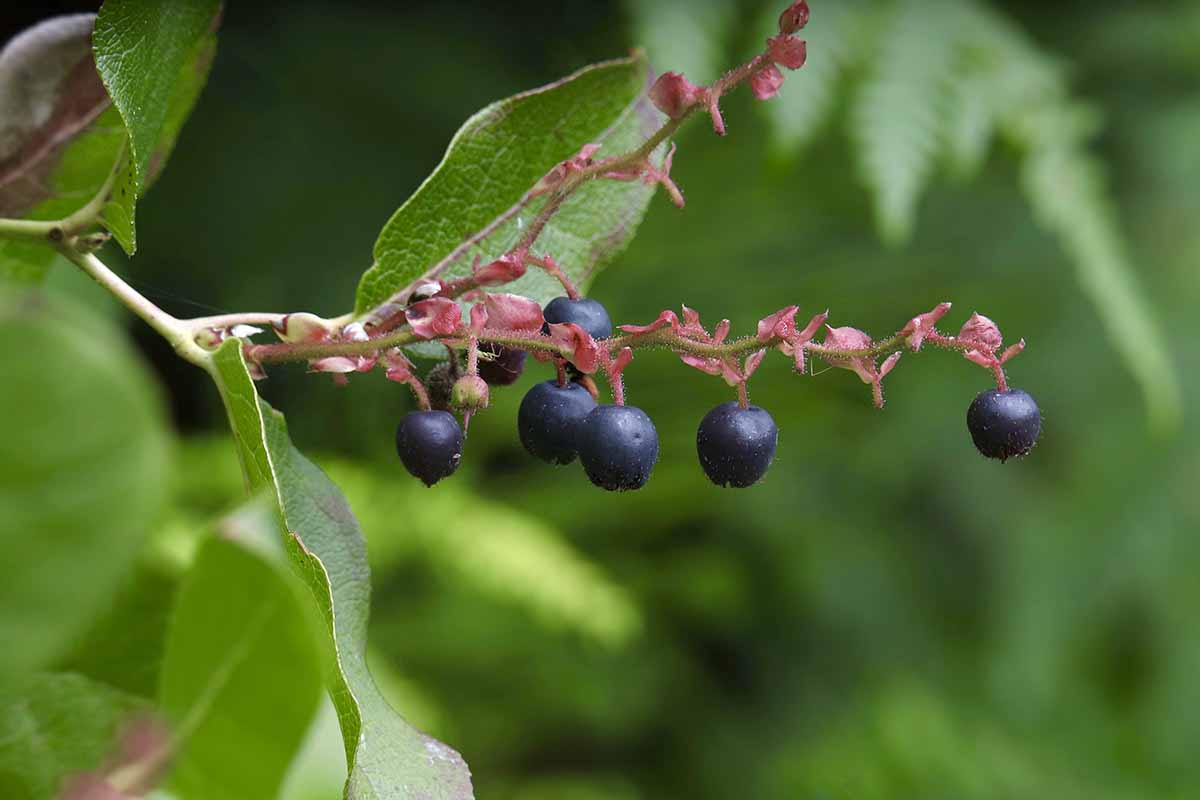
The first group, which also includes blueberries, contains the red huckleberry (V. parvifolium), mountain (V. membranaceum), cascade bilberry (V. deliciosum), Alpine bilberry or bog huckleberry (V. uliginosum), and evergreen huckleberry (V. ovatum), all indigenous to western North America.
Of these, cascade and mountain are the two typically cultivated for the fruit, though none have been fully domesticated.
While we call them species, there might be many as-yet unclassified interspecific hybrids, so don’t get too attached to the label.
The Vaccinium genus also includes cowberries, cranberries, lingonberries, and whortleberries.
Dwarf (V. cespitosum) grows across the US, up into Canada, and even down into Mexico, a testament to its adaptability.
Then there are some popular species that grow in and outside North America that are cultivated around the globe, primarily as ornamentals.
These include common bilberry (V. myrtillus), oval (V. ovalifolium), and Himalayan (V. glaucoalbum) huckleberry.
In eastern North America, there are many common species in the Gaylussacia genus, including black (G. baccata), northern dwarf (G. bigeloviana), box (G. brachycera), blue (G. frondosa), and dwarf (G. dumosa) huckleberries.
Now that you know all of this categorization, go ahead and forget it.
Botanists haven’t done extensive DNA research on huckleberries yet, so all of this is almost guaranteed to change. If you’re a gambler, bet money on some reclassification in the future.
I’d even put money on an entirely new genus just for huckleberries.
The Idaho University Head of Entomology, Plant Pathology, and Nematology Stephen Cook said in an interview with the podcast The Vandal Theory, “I don’t even have a guess at how many species there are, and again, it comes back to that DNA component.”
Until there is more research on these underappreciated gems, we just won’t know how to classify them or how to properly cultivate them in the garden.
You’re treading into uncharted territory, which is where being a gardening rebel comes in handy.
Quick Look
Common name(s): Huckleberry, bilberry, dangleberry
Plant type: Evergreen or deciduous woody fruiting shrub
Hardiness (USDA Zone): 4-9
Native to: Northern Hemisphere
Bloom time / season: Spring flowers, summer fruit
Exposure: Full sun to partial shade
Soil type: Loose, organically-rich, well-draining
Soil pH: 4.0-5.5, acidic
Time to maturity: 15 years
Mature size: Up to 8 feet tall by 8 feet wide (depending on species)
Best uses: Edible, ornamental, ground cover, specimen, groupings
Taxonomy
Order: Ericales
Family: Ericaceae
Subfamily: Vaccinioideae
Genus: Gaylussacia, Vaccinium
Species: Baccata, bigeloviana, brachycera, deliciosum, frondosa, glaucoalbum, membranaceum, ovalifolium, ovatum, parvifolium, uliginosum
Huckleberries have long been an important commodity for native populations in the areas where they grow wild. Not only were they eaten, but they were used in trade, as well.
Today, foragers seek out the sweet treats and guard the location of shrubs jealously.
The fruits are packed full of healthy anthocyanins, flavonoids, and amino acids.
When we say that a plant has been “domesticated,” it means it has been selectively bred by humans over many generations until it is meaningfully different from its wild relatives and can be cultivated successfully.
Researchers across North America are currently trying to figure out how to domesticate huckleberries and why they are so difficult to tame.
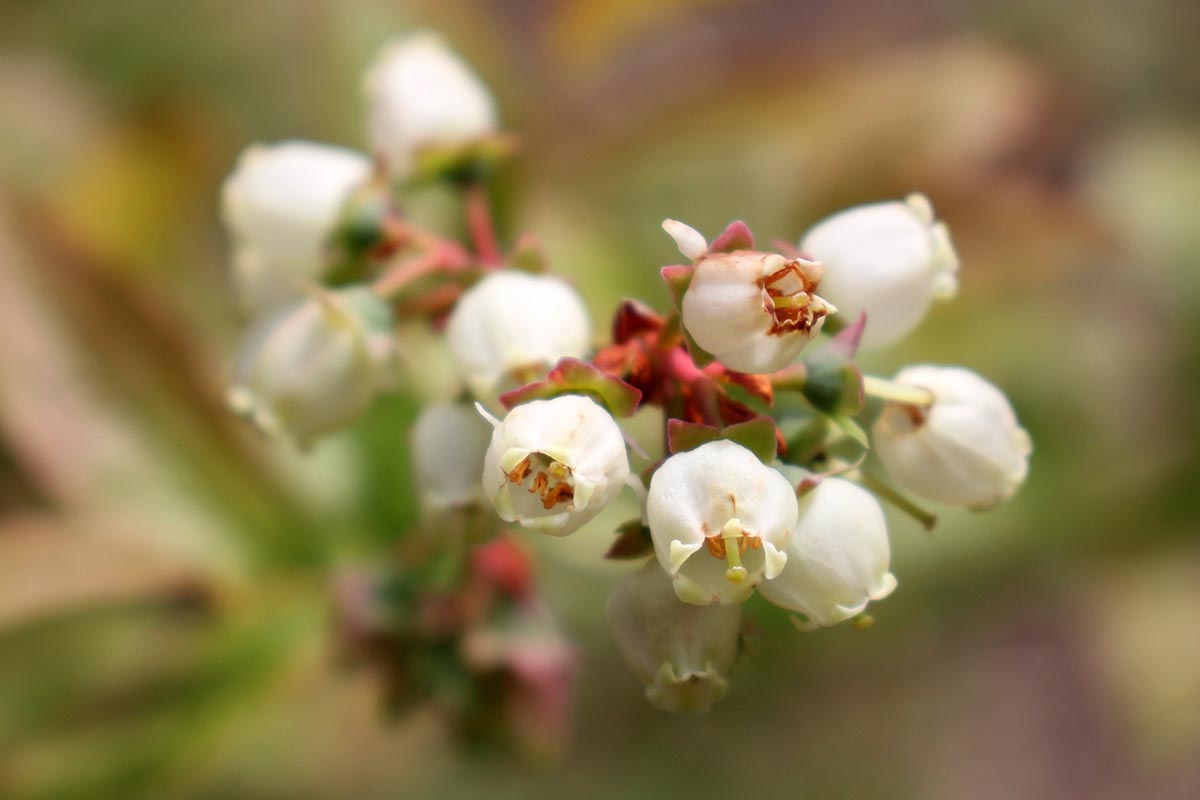
One theory is that they need early pollination at a time when most insects are absent. The flowers emerge in the very early spring, typically when there is still snow on the ground.
Another factor is that many plants in the wild might be hybrids of several species, making it hard to ensure pollination or to cultivate them, for technical reasons beyond the scope of this article.
Many researchers believe that yet another factor is the fact that huckleberries need the beneficial fungi known as mycorrhizae in the soil to survive.
Even if your home soil is healthy and rich, it might not contain the right fungi to keep these plants happy.
Closely related blueberries started out as wild plants, but they quickly adapted as a domesticated crop. Huckleberries are a bit more resistant.
How to Grow
If you have ever grown blueberries, you’re golden. Growing huckleberries is pretty much the exact same process.
They’re self-fertile, so you don’t technically need to have more than one plant. But I say “the more the merrier!”
Plus, if you have multiple plants, they generally produce larger and more abundant berries than they would otherwise.
You’ll need to have multiples within the same species and they need to be within 50 feet or so.
If you have multiple species and you want to avoid cross-pollination, keep species at least 300 feet apart.
Temperature
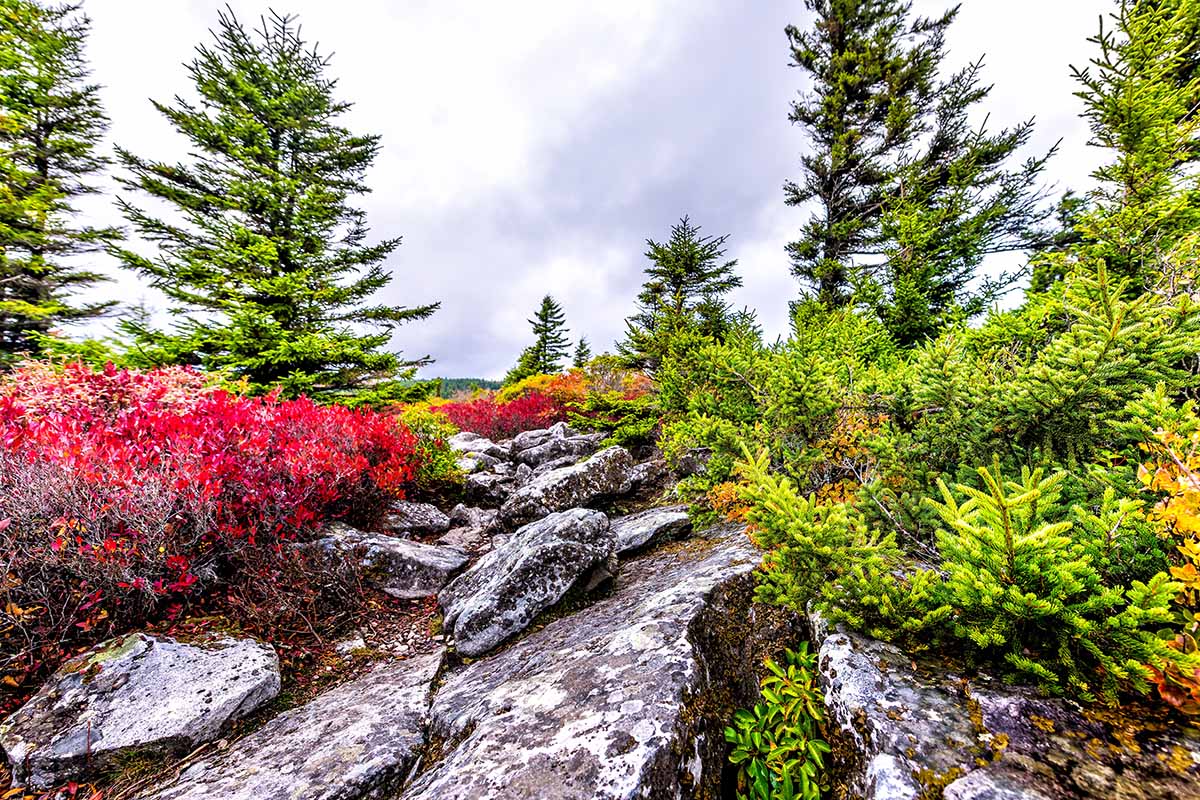
Western huckleberries generally grow in elevations above 2,000 feet, but have been successfully cultivated as far down as sea level.
All huckleberries except for a few species indigenous to southern and coastal western North America need a period of freezing temperatures to thrive.
Generally, this means at least a few weeks above 0°F but below 32°F in Zones 4 to 8.
However, you want to avoid planting in exposed areas or frost pockets, because if a late season frost hits during flowering, it can completely wipe out the potential harvest.
Sometimes, the plants will delay flowering until later in the growing season. They adapt according to the weather.
As I mentioned, many species need a period of freeze each winter to thrive and produce abundant berries.
But when it’s freezing, most of these plants will be covered in a nice, protective layer of snow.
So, if you happen to have a long freeze without any snow, it’s best to cover your bushes with a frost cloth to replace that missing snow.
Light
While many can grow in full shade, they won’t produce as much fruit. The ideal spot is in full sun or just a few hours of shade in the afternoon.
The problem with full sun is that the soil will dry out more quickly.
Still, you want them in as much sun as possible because that’s the best way to get a big, bountiful harvest. Just make sure that your plants get regular irrigation.
Soil
Almost all huckleberries thrive in forested areas under trees, with soil that is acidic, sandy to loamy, and well-draining, with lots of organic matter.
If you don’t have this soil in your garden naturally, raised beds are an excellent option.
Not only can you fill them with the perfect soil, but the walls of a raised bed naturally limit sucker spread.
The pH should be 4.0 to 5.5. You can amend soil that is between 5.5 and 7.0 using sulfur and maintaining it with a fertilizer containing ammonium sulfate.
Work in lots of compost before planting and mulch with compost every year to help retain moisture and keep the soil nice and rich.
Rotting wood, particularly conifer wood, is excellent for growing huckleberries, so you can dig in a bunch of wood chips or rotting logs into the planting area at least a few months before planting.
If you don’t have that much time, sawdust works, too.
Researchers both on the east and west coast of North America, with totally different species, have found great success when incorporating rotting conifer wood.
Water
The soil for huckleberry growth should be consistently moist, but not soggy or wet.
The first year I grew huckleberries, I learned that the plants have a way of signalling to you that they’re chronically thirsty, the leaves will turn bronze or red.
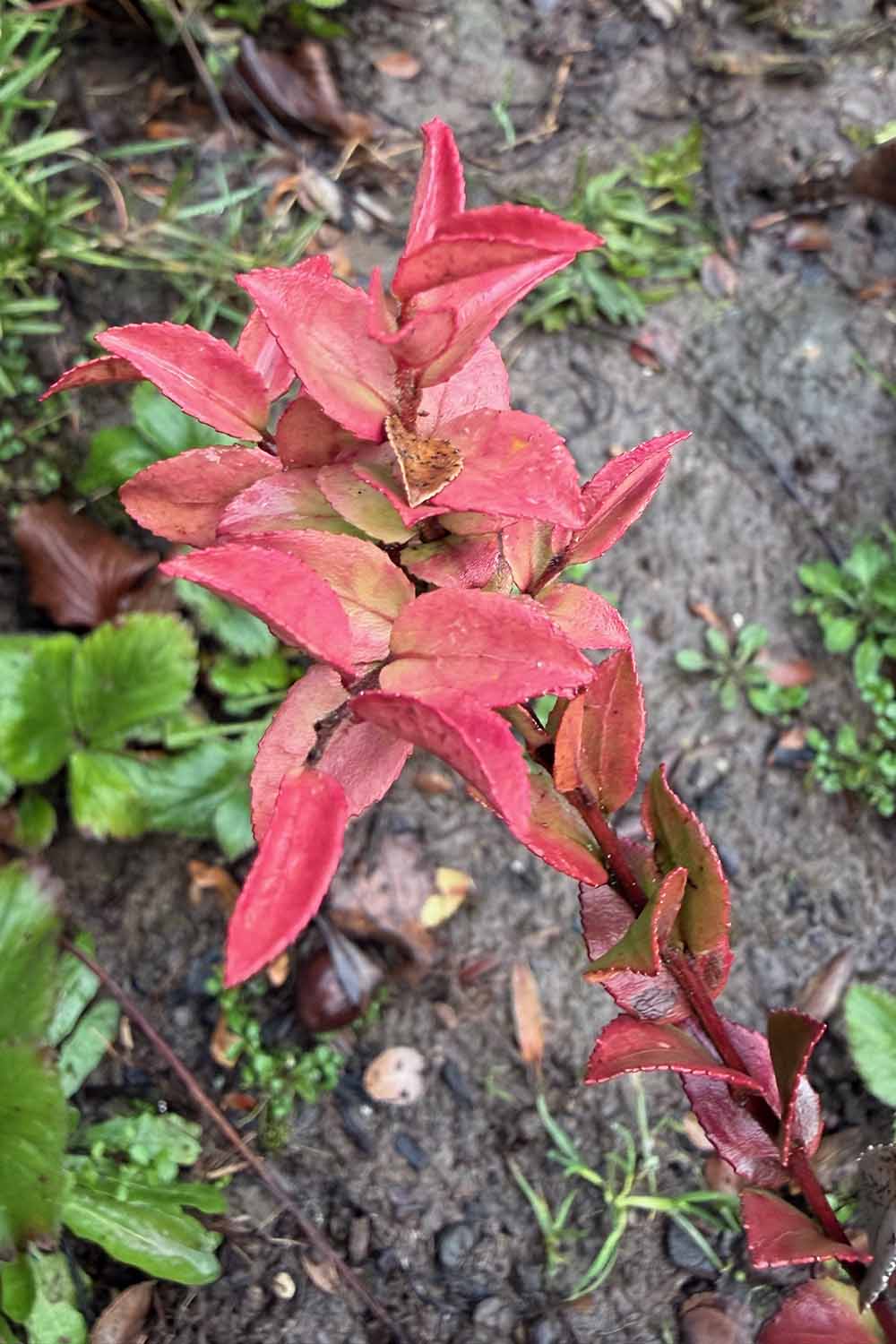
I had been watering my plants regularly, but we were in the middle of an intense heatwave uncommon to the area, and my bushes were clearly not happy.
A few hours of complete soil drought is enough to kill a huckleberry plant, so make sure you stay on top of watering. Don’t let the soil dry out at any point.
If you have concerns about your plants drying out, grow them in a spot that has some shade during the hottest part of the day.
And use lots of organic wood mulch to protect the soil and reduce evaporation.
Fertilizing
Fertilize your plants in the spring before flowering, at bud break, again as the berries begin to develop, and again in the early fall.
Use a product formulated for flowers or an all-purpose fertilizer. You want something with a bit more phosphorus than nitrogen or potassium.
I am a big fan of Down to Earth’s fertilizers, which come in compostable boxes and are made from all-natural goodies.
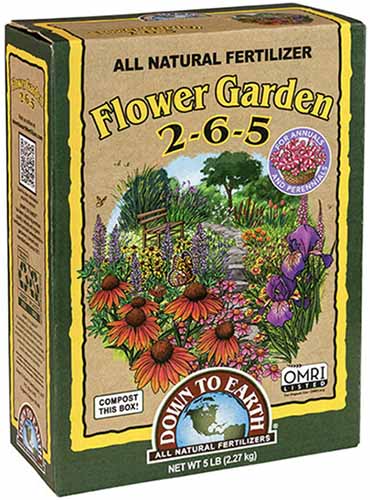
Down to Earth Flower Garden Fertilizer
Their Flower Garden food would be perfect for feeding your huckleberries. You can find one or five pounds at Arbico Organics.
Make sure to water well a week after feeding to flush out any salts, as huckleberries are sensitive.
Containers
You can grow most species in five-gallon or larger containers.
Use a soil mix formulated for blueberries or hydrangeas, as this will have the right pH and composition to keep huckleberries happy.
Growing in containers allows you to move the plants around to chase the sun or protect from weather, and it means you can more carefully control the soil and drainage.
It’s an excellent option if you have less-than-ideal conditions in your garden.
Species to Select
For the best chance of success, pick a species that either grows in your area or in a region with a similar climate.
If you choose a species that thrives in heat and humidity and you live somewhere chilly and dry, you’re probably not going to succeed.
Check out local nurseries for options that should do well in your area.
Black
This is the most common of the Gaylussacia species in North America.
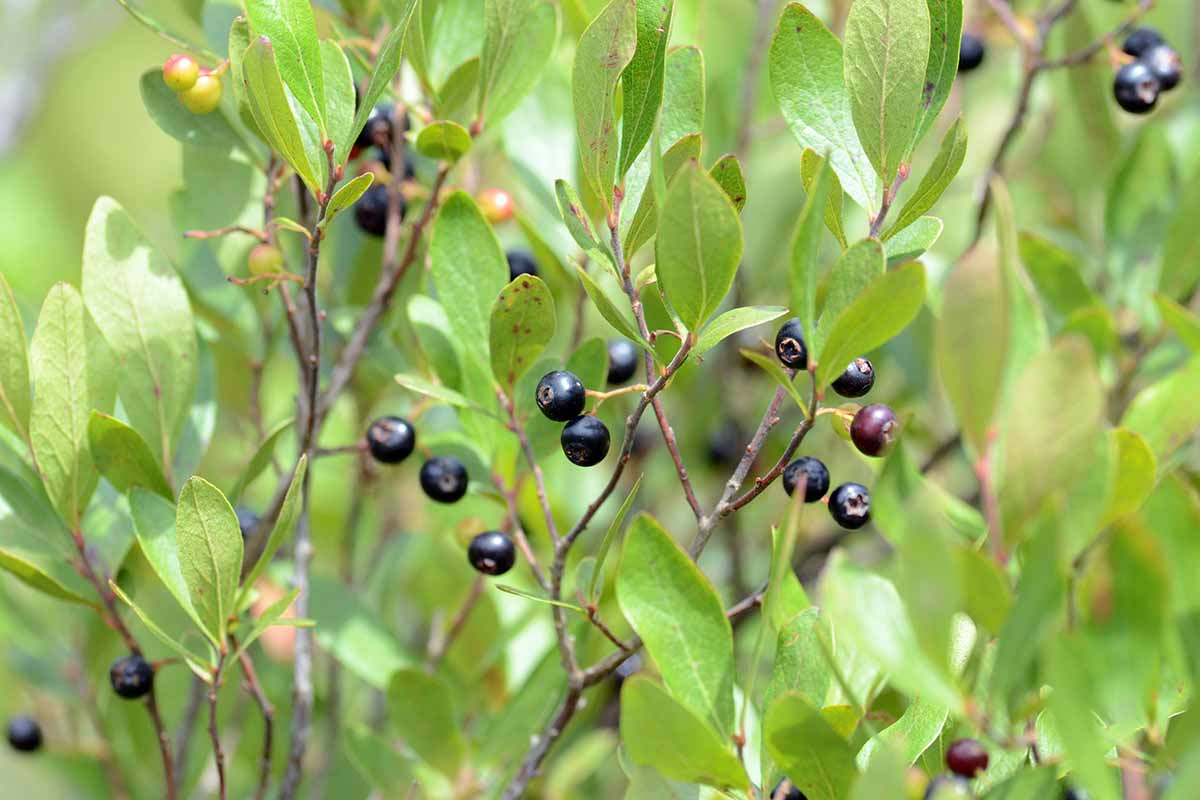
Common in the wild from Canada to Georgia, this three foot tall, five foot wide plant has delicious fruits and beautiful fall foliage.
It’s more adaptable to drought than many other huckleberries and the extensive root system is great for controlling erosion.
Blue
Blue is also a Gaylussacia species, but it’s much less common than its black brother.
You’ll mostly find it along the Atlantic coast. The fruit can sometimes be white, though it’s usually the more traditional blue-black.
Also known as dangleberry, the fruits can hang low and loose in contrast to other species.
The shrub grows to about four feet tall and wide at most.
Cascade
Cascade huckleberries (V. deliciosum) are perfect if you live in a wet region.
In the Pacific Northwest where they grow wild, you’ll find them along waterways or in spots with occasional flooding.
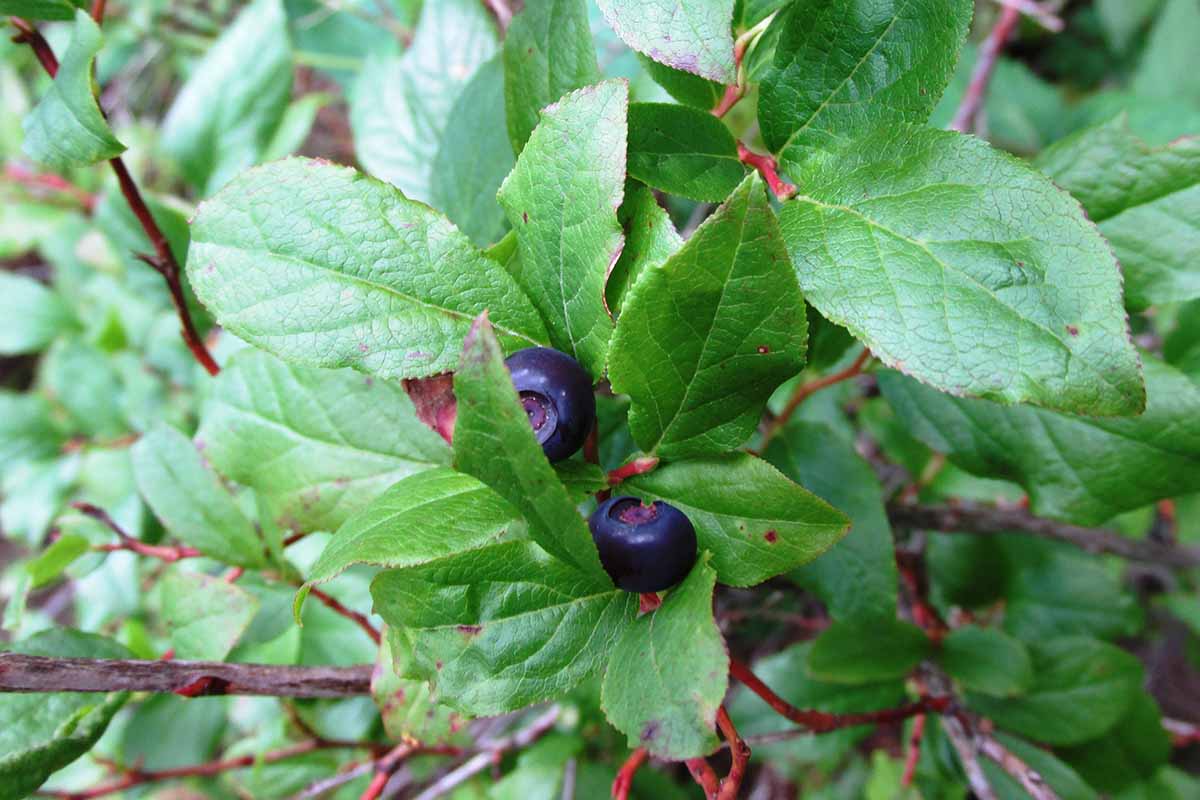
The plants stay petite at just about two feet tall and wide, and make gorgeous ornamentals for challenging spots
But you can definitely grow this huckleberry for its fruits, as well as its looks.
The delicious berries are extremely large, up to a half inch in diameter. They’re sweet and packed full of flavor.
Evergreen
I’m partial to evergreen huckleberries (V. ovatum) because they grow indigenously in my area and they’re just so darn pretty.
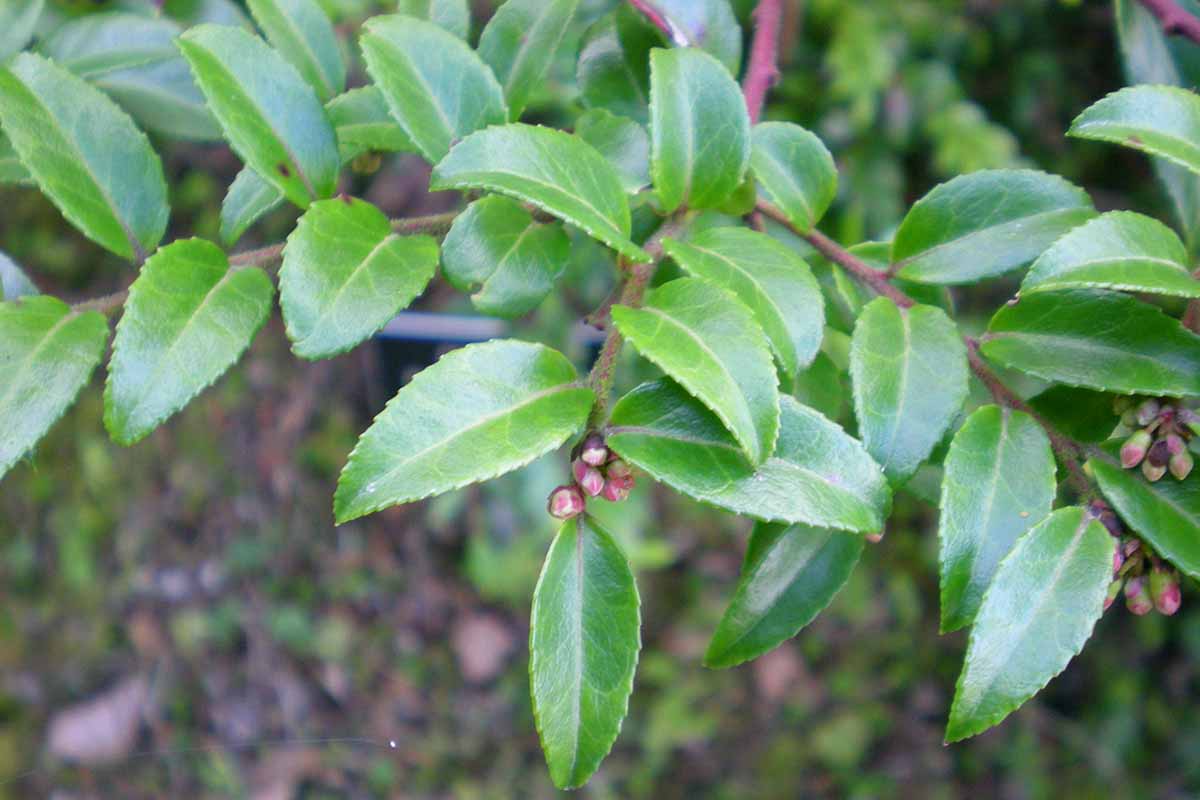
If you live in Zones 7 to 9, snag yourself one. The new growth is dark bronze-red before becoming glossy, deep green.
In the spring, clusters of whitish-pink bell-shaped blossoms dangle from the branches, and you’d better believe that the birds and bees will come visiting.
Then, it’s your turn to enjoy, as the flowers give way to small black fruits that taste sweet and flavorful.
Let the fruits experience a freeze for the best flavor. You can also use the branches as a display in flower arrangements.
This species is indigenous to to the Pacific Northwest from British Columbia to California along the coast, so it’s a great option for people in the area, hosting caterpillars and providing food for wildlife.
The shrub can grow up to eight feet tall and six feet wide, in anywhere from full shade to full sun.
Mountain
Western (or thin leaf) huckleberries, and particularly mountain (V. membranaceum), have more flavor than blueberries.
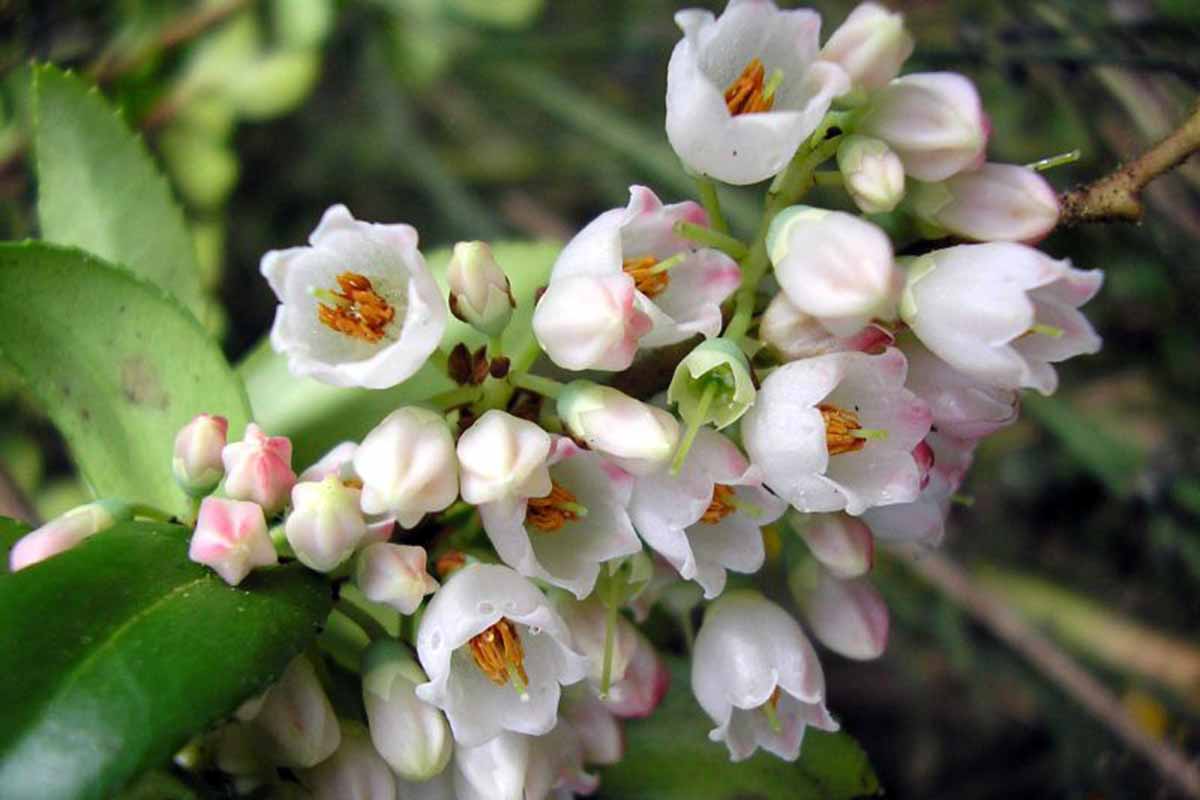
So if you like blueberries but want more oomph, this is the one to choose. It grows to about four feet tall and can be absolutely packed with flavorful fruits.
In fall, the foliage shifts to a gorgeous bronzy red.
Maintenance
For the first five years or so, don’t worry about pruning.
You just want to support your plant to help it grow as much as possible.
Once the bush has matured a bit and is producing some fruit, you can thin out those that have become crowded or dense.
If the plants experience a harsh summer or a particularly intense winter, even the evergreen types might drop some of their leaves.
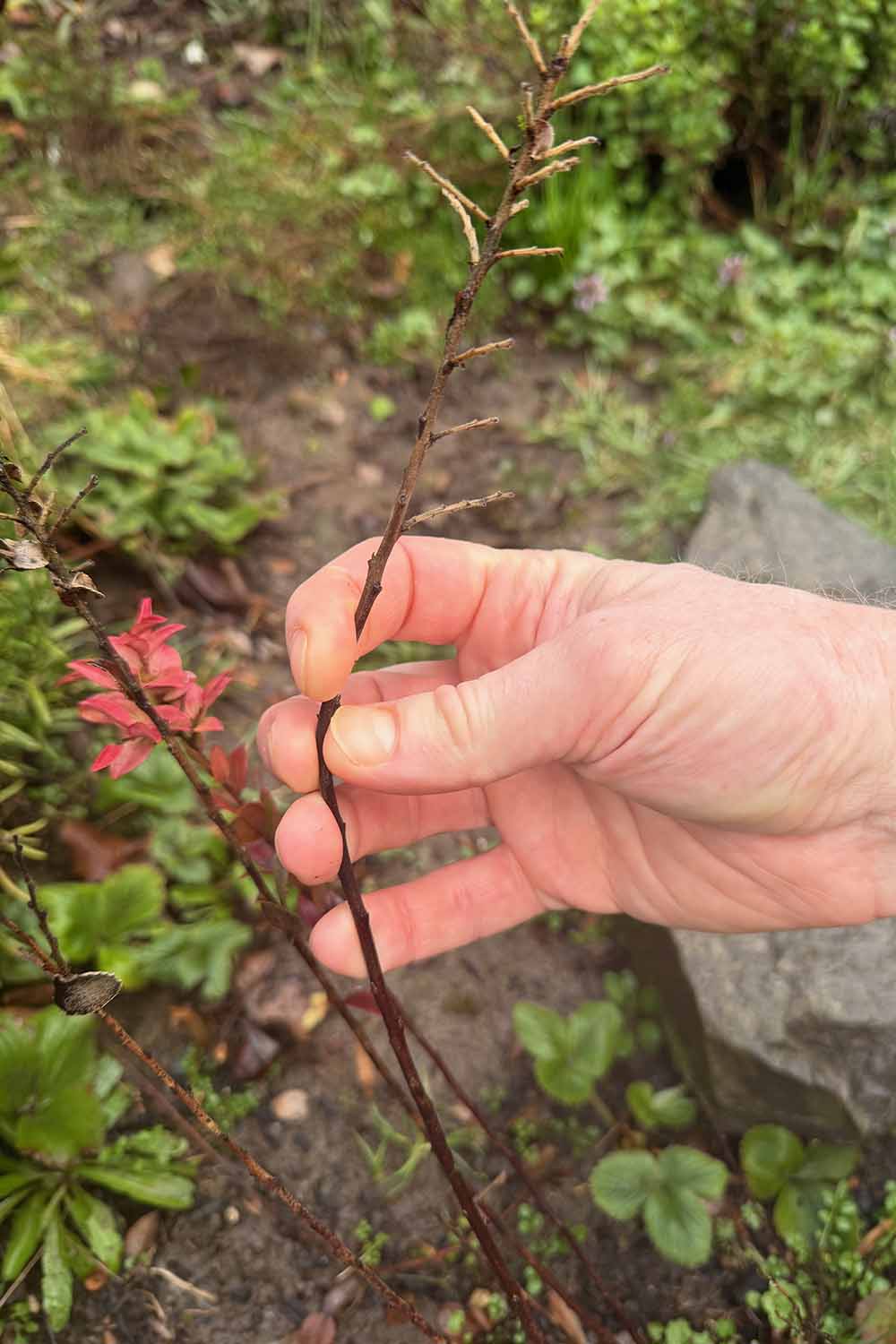
Don’t assume bare branches are dead. Bend them gently, and if they feel pliable, they will grow new foliage in the spring.
If they snap, they’re dead, and you should cut them back to live wood.
Weeds will compete with huckleberries for nutrients and weeds can help spread disease or provide cover for pests.
Don’t ignore them as harmless. Pull any that pop up and use mulch to help suppress any new weeds from popping up.
If you are growing your plants in containers, skip the last fertilizer of the season and bury your plants in soil or sawdust, pot and all, in the ground in the fall.
Don’t bring pots into a greenhouse. Remember, these plants need exposure to cold weather.
Propagation
Do not take cuttings, collect seeds, or divide wild plants unless you have permission to do so.
Wild plants have enough problems with climate change, land loss, pollution, and more, without people snatching them illegally.
On top of that, the demand for huckleberries is increasing as more people discover how incredible they are.
But since they haven’t been domesticated just yet, that means more pressure on wild stands.
Don’t take plants from the wild unless you can confirm that it’s not only legal, but safe and responsible to do so.
It is legal to forage in some areas, so be sure you know the rules and regulations in your area. But legal doesn’t mean it’s responsible.
Try talking to your local extension office or a local forager group to get a better idea about legal and environmentally safe spots for harvesting.
It can take up to 15 years for a huckleberry to mature and it might take five years or more to produce fruit.
If you do decide to harvest from wild plants, take a bit of soil with you, if you can.
The fungi in the soil, known as mycorrhizae, have a symbiotic relationship with the roots of the plants growing in the soil.
Having some of the soil allows that beneficial fungi to establish in your garden soil and support your huckleberries.
From Seed
It’s often easier to find seeds for sale rather than live plants.
To start seeds, fill a seed tray or four inch pots with an acidic seed starting medium or potting medium.
You can find mixes made for blueberries or rhododendrons and these work well.
Place a few seeds in each pot or a few inches apart and bury about an eighth of an inch deep.
Moisten the soil and keep it moist at all times.
Place the seeds in a warm area above 60°F in full sun or supplemental light for at least 12 hours per day.
Keep the soil moist at all times. You can place a piece of glass or plastic over the containers or trays to help retain moisture.
Once the seeds germinate, remove the cover. Thin the seedlings out to keep the largest with one per pot or one every four or five inches.
Transplant when the seedlings are four or five inches tall. If you kept the seeds outside, there’s no need to harden them off.
From Rhizome Cuttings
Stem cuttings don’t work super well, but rhizome cuttings tend to take just fine. In early spring, dig down and gently cut off a four-inch section of the rhizome.
Fill a flat or four-inch pot with acidic seed starting medium or potting medium and bury the rhizome.
Moisten the soil and keep the medium moist. A piece of plastic or glass over the container can help keep the soil moist.
Place the container in an area with full sun.
Once growth develops and emerges from the soil, remove any cover you’ve put in place.
Transplant when the growth is at least six inches tall.
From Suckers
In the wild, huckleberries send out suckers that help them spread far and wide.
You can harness this superpower and put it to work for you. Suckers are the shoots that pop out of the ground from the roots underneath.
Look for a shoot that’s at least six inches away from the main plant. It should be vigorous, at six inches tall, and with several leaves.
Dig down around the sucker and brush the dirt away from the roots. Be careful as you do this, as you don’t want to damage the roots.
Use a clean, sharp tool to sever the sucker from the parent plant.
Gently remove the sucker with a good section of root attached. You want as much root as you can get without hurting the parent.
Remove all but a few leaves.
Plant as you would a transplant. Be extra careful to keep the soil moist as the sucker takes.
Transplanting
Once you’re ready to plant, dig a hole in the ground that is twice as wide and the same depth as the growing container.
Mix a little of the wild soil, if you have some, with the removed soil.
Remove the plant from its pot, loosen up the roots if they’re circling the pot or are crowded.
Set the plant in the ground and fill back in around with the removed soil.
The crown should be even with the surrounding ground and plants should be spaced four feet apart.
Pests and Disease
Because huckleberries haven’t been truly domesticated yet, we don’t really know the full spectrum of pests and diseases that will be most common in cultivation.
The fact that they aren’t used to living in our gardens means that they might be more susceptible to problems than more domesticated plants. Or, it might not.
As far the huckleberries in my garden go, it’s definitely the herbivores that pose the biggest problems. Let’s go over those first.
Herbivores
Deer, rabbits, moose, elk, and other herbivores will devour huckleberries given the chance.
We have a guide to protecting plants from deer if you’re looking for some ideas.
Fences, wire cages, netting, and the like is the most foolproof way to go.
Pests
There are a few garden pests, like aphids and spider mites, that will feed on just about any plant, given the chance. And that includes your huckleberries.
But there’s one additional pest that is potentially your biggest foe, depending on where you live.
Black Vine Weevil
Black vine weevils (Otiorhynchus sulcatus) are without a doubt the top pests of huckleberries at this point.
This is an invasive species from Europe, and can be found throughout North America, and especially the Pacific Northwest, which happens to be where most plants are cultivated.
The creamy white larvae are tiny, about the size of a grain of rice. The adult is a black beetle.
The larvae feed on plant roots, causing the most serious damage, and the adults eat the foliage, which is mostly just a cosmetic problem.
To control them, you can use neem oil. You can capture and destroy any adults you see, but it’s the underground larvae that cause the real problem.
Beneficial nematodes are also incredibly effective at killing the larvae in the soil.
Specifically, the species Heterorhabditis bacteriophora is effective against black vine weevils.

Grab quantities from five to 500 million at Arbico Organics and follow the instructions for application.
Disease
It should come as no surprise that the same diseases that plague blueberries can hinder the growth of our huckleberries.
Mummy berry is a serious fungal disease that destroys the fruits. You can use copper fungicide as a preventative.
Powdery mildew is fairly common and it is quite easy to stay on top of.
Harvesting and Preserving
You won’t have your first harvest until at least five years – or longer if you started from seed. It totally depends on the species as to when the berries are ripe.
Most are ready to harvest in late summer but some are a bit later.
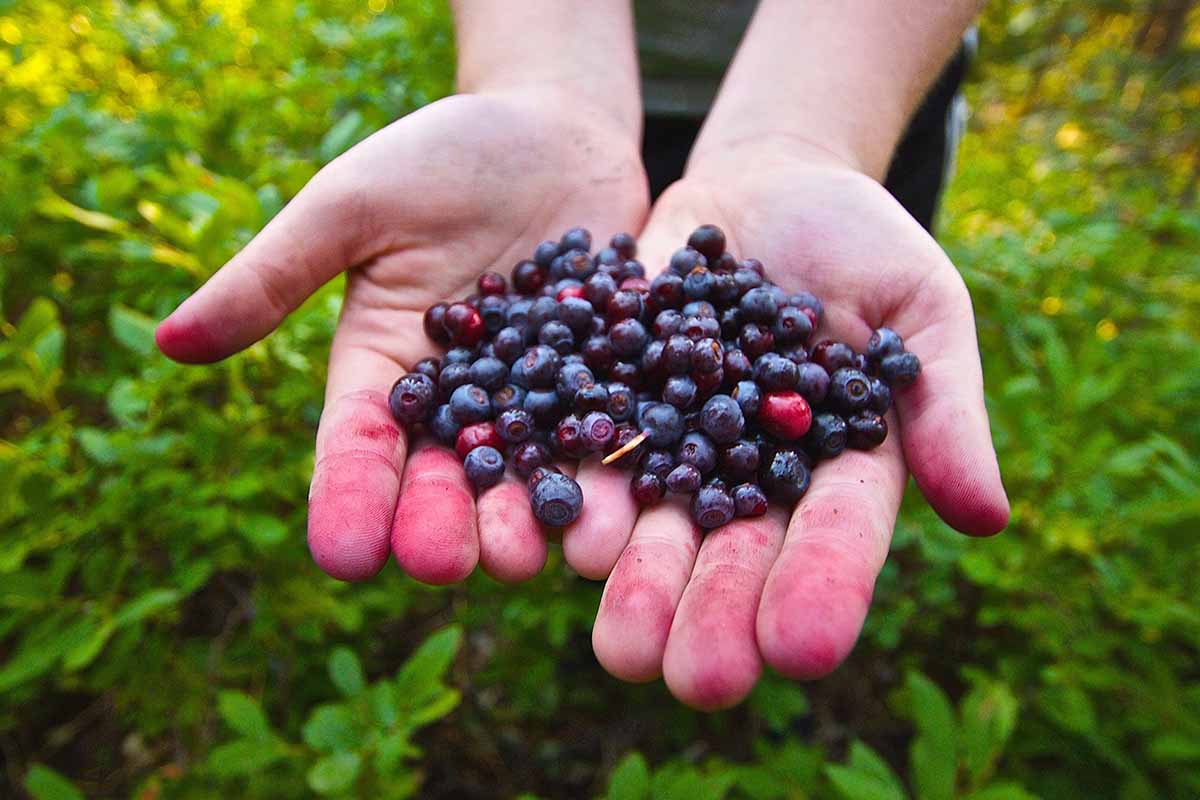
Harvest each ripe berry by hand. They won’t all ripen at the same time, so look for plump, dark berries. When they start to shrivel up, you’ve waited too long.
Pick the fruits by hand to avoid damaging the skin.
You can keep the harvested fruits in the refrigerator. Don’t wash before storing and place dry berries in a breathable container in the crisper drawer where they will last up to a week.
The fruit can be frozen for longer-term storage. First wash them, let them dry, and lay them out on a baking sheet.
Place the baking sheet in the freezer. Once they are frozen, pour the berries into a sealable container, remove any air, and place it back in the freezer.
Cooking Ideas
Of course, jam is a favorite way to use huckleberries.
Otherwise, you can use them the same way you’d use blueberries: in cakes, muffins, cookies, scones, pies, pancakes, syrup, and the like.
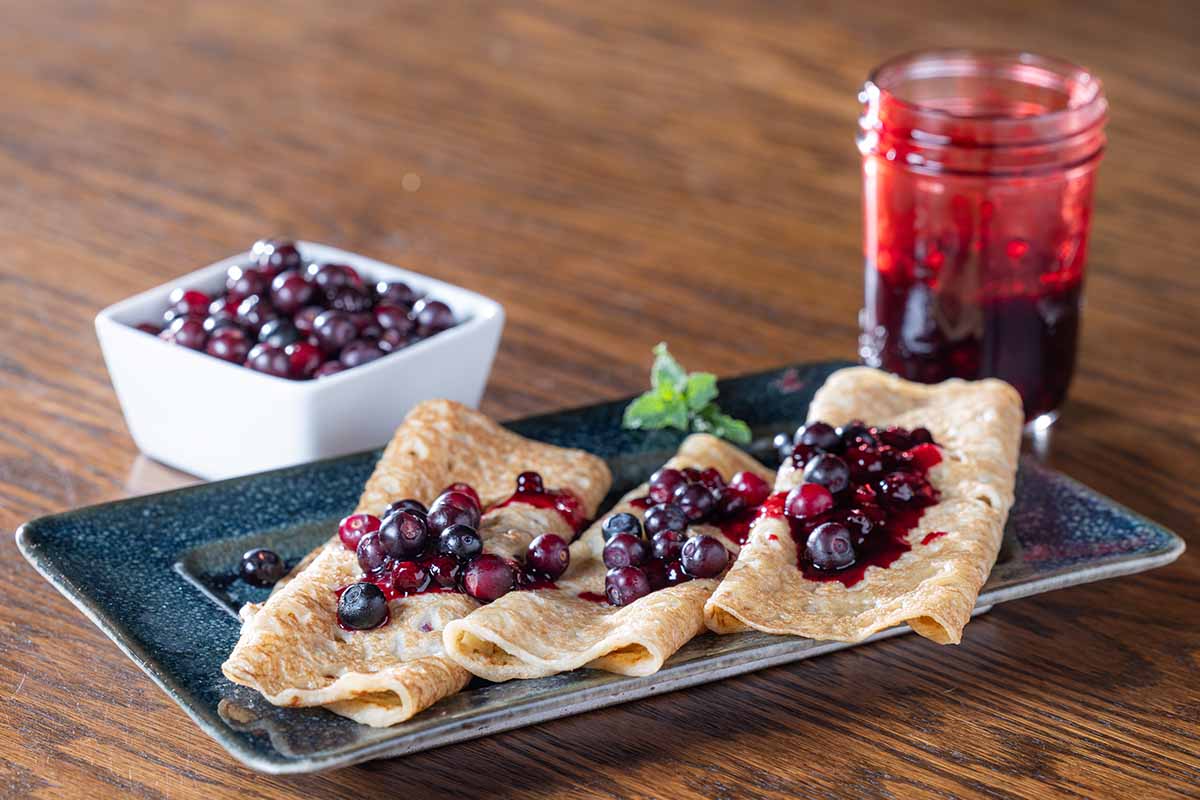
I like to make salad dressing using mashed huckleberries and I’ll toss in some berries into the salad itself.
I use a cup of olive oil, a quarter cup of balsamic vinegar, half a cup of mashed berries, and a clove of garlic, finely chopped. Blend everything together.
If you’re looking for an excellent jam recipe, our sister site Foodal has one for blueberries. Just substitute huckleberries and enjoy.
I’m Your Huckleberry
I’m the first to admit that these aren’t the easiest plants to grow.
I killed the first one I tried growing after a heatwave surged through my area and I made the mistake of letting the soil dry out.
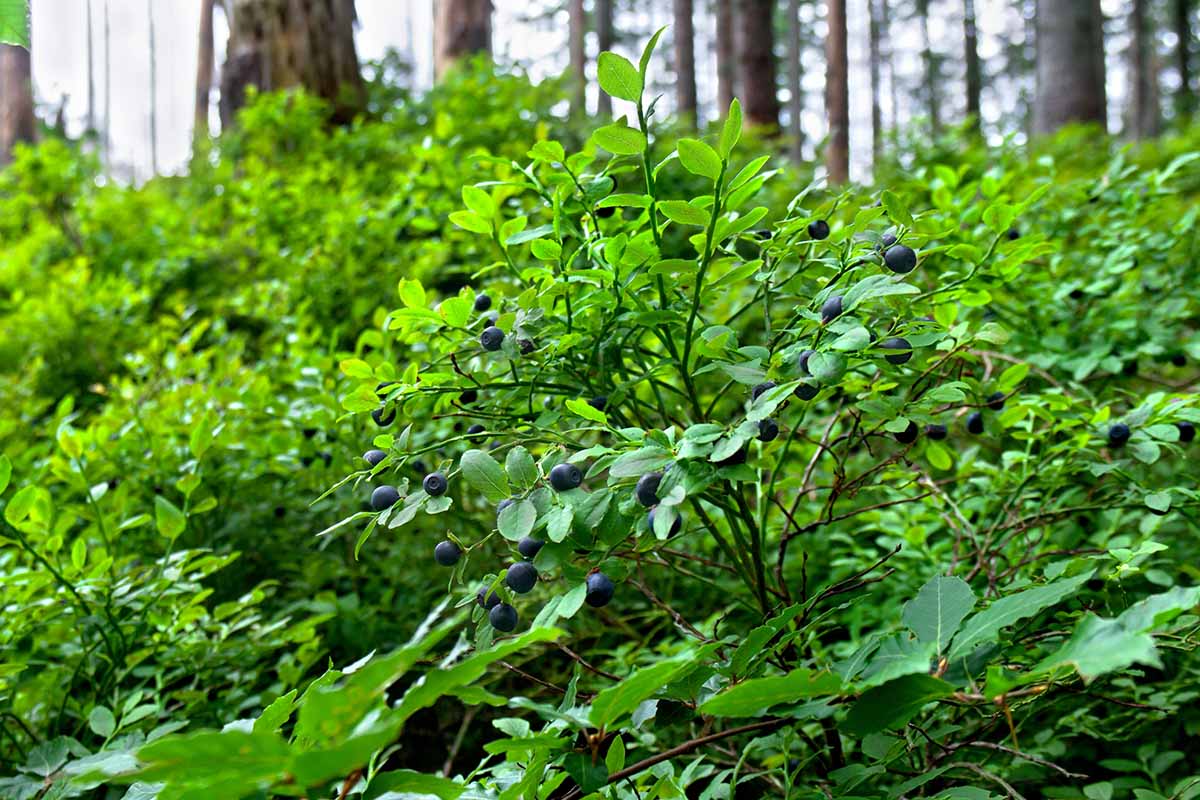
Now I stand at the ready with a hose when I see the thermostat start to creep up, and I cherish the berries I get from my small shrubs each year.
If you’re like me, you don’t mind a gardening challenge when the payoff is so rewarding.
Once you get started, feel free to come back and share your successes and failures in the comments. We love to hear about your experiences.
And in the meantime, for more information about growing berries in your landscape, add these guides to your reading list next: