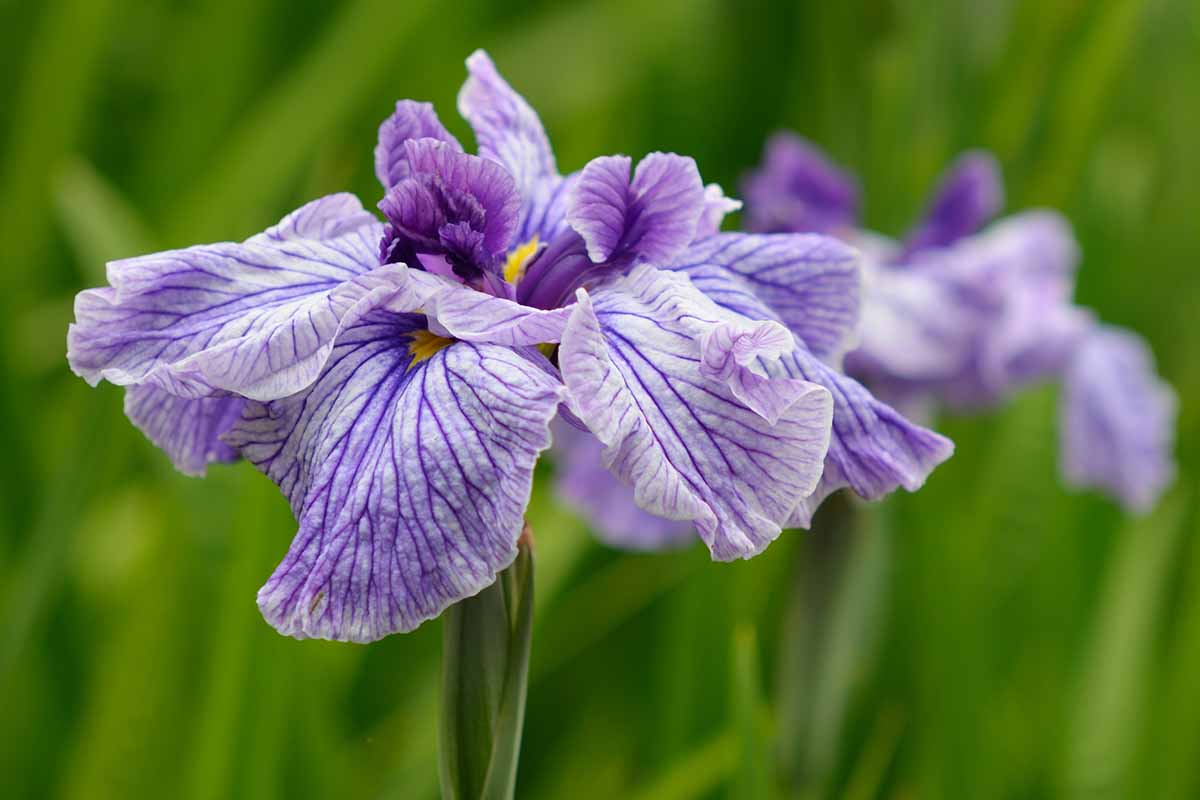
If you’re growing tiger flowers (Tigridia pavonia) in your outdoor landscape, then they might need a bit of protection from harsh chills over the winter depending on where you live.
By keeping the bulbs – sorry, they’re technically corms – warm and insulated during the dormant season, they’ll be ready to produce gorgeous new flowers and foliage come spring.
It’s important to winterize them properly otherwise the corms may end up damaged by cold and unable to produce new growth when replanted.

Our guide to growing tiger flowers has all you need to cultivate these beautiful members of the iris family in your garden.
In this article, we’ll go through the steps you need to take to lift and store tiger flower corms over the winter months for replanting in spring.
Here’s what I’ll cover:
How to Winterize Tigridia Flowers
The following protocol is only necessary for plants growing USDA Hardiness Zone 6 and below.
In Zone 7 or above, all you have to do is remove the foliage after it dies down to the ground and ensure that the corms are insulated with a couple inches of mulch before resuming care in spring.
Now, onto the steps!
Step One: Lift the Plants
By autumn, the stems, leaves, and branches of your tiger flowers will have died to the ground. Cut and remove this dead tissue for the compost pile.

Next, use a spade to lift the clump out of the soil, starting several inches back from the plants on all sides.
I personally prefer to use spading or digging forks, as their spread-out tines have a lower chance of damaging the bulbs, yet still do a great job of lifting.
Shake the soil off the corms as you dig them up. When they’re all out of the ground, cut off any remaining shoot tissue an inch above the crown.
Trim back the roots, and separate any baby offsets that are attached to the mother corm.
Discard those that appear to have rotten portions, discolored and unhealthy-looking spots, damaged tissue, or signs of pest feeding.
Wash off any remaining soil with a gentle stream of water.
Now, the healthy ones are ready for curing!
Step Two: Cure the Corms
Curing is an essential part of preparing bulbs, corms, tubers, and rhizomes for long-term storage, so it’s important to get this right.

Take your corms inside to a shaded and well-ventilated area to dry, where the ambient temperatures are somewhere in the 60 to 70°F range.
Set them out and space them apart on top of laid-out newspaper, and leave them there for one to three weeks.
Check them frequently during this time – when they develop a crispy, yet firm feel, you’ll know they’re done curing and can be prepped for storage.
Step Three: Winter Storage
Now that the curing is done, it’s time for storage.
Take your cured bulbs and place them in an appropriately-sized mesh baggie, like the ones that small onions are sold in at the grocery store.

Set the bag in a dark, dry spot where temperatures are consistently kept at 40 to 50°F.
Keep them there until spring, when it’s time for planting again. Check on the corms periodically and discard any that show signs of rot.
It’s Wise to Winterize
Digging up and storing Tigridia corms to replant in spring saves you money and means you can enjoy the flowers as annuals year after year.

Are you growing tiger flowers? What do you do with them during the winter months?
Curious about how to winterize other types of flowers? Give these guides a read next: