Primula spp.
One of the first flowering perennials in the early garden, primroses and polyanthus (Primula spp.) add delightful splashes of color with pretty blooms opening very early in the year in areas with mild winters.
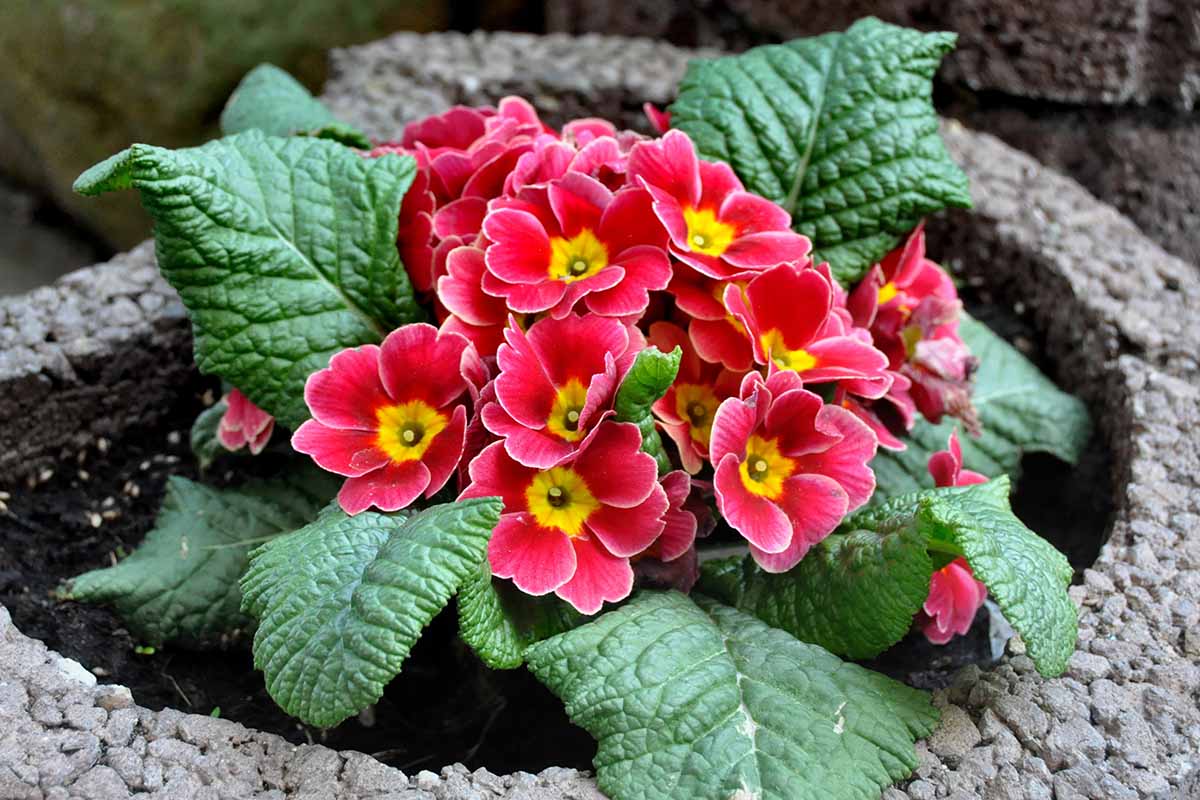
An iconic harbinger of spring, the clusters of dainty, cup-shaped flowers are ideal for brightening winter-gray gardens and containers, flowering for several weeks in an eye-popping range of colors that include pastels and saturated hues.
We link to vendors to help you find relevant products. If you buy from one of our links, we may earn a commission.
Primroses flower on single stems that rise just above the attractive rosettes of crinkly foliage while polyanthus feature flower umbels atop a sturdy stalk.
Some varieties offer a sweet floral scent, and all provide a good source of nectar for early season pollinators when few other blooms are available.
They are also resistant to grazing herbivores like deer and rabbits.
With a deceptive, delicate appearance, Primula species are robust plants that thrive in cool temperatures and have good cold hardiness as well.
Although they struggle to survive hot summers, their fast growth makes cultivation as a fall-planted annual an easy option.
Does your garden need a dose of cheerful color in the early growing season? Then let’s dig into the easy steps of how to grow and care for primroses.
Here’s what you’ll find ahead:
What You’ll Learn
Herbaceous perennials, primroses (Primula spp.) and polyanthus (P. × polyantha) are native to temperate regions of the Northern Hemisphere and typically hardy in USDA Zones 3 to 8, depending on the species.
Primrose varieties produce clusters of single flowers on short stems that open below the foliage then push the flowers above the leafy canopy.
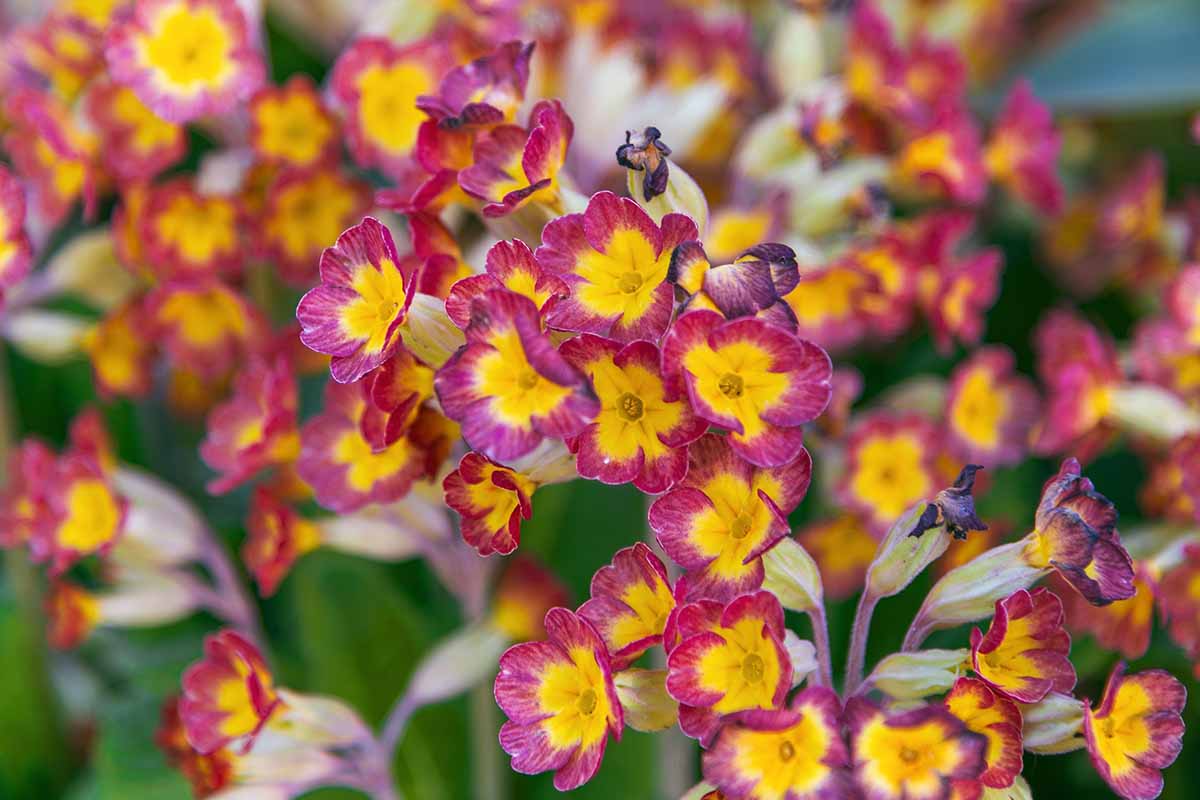
Polyanthus types are a naturally occurring hybrid between P. veris and P. Vulgaris.
They produce clusters of flowers in umbels atop stout stalks that can rise two to eight inches above the foliage.
Quick Look
Common name(s): Primrose, polyanthus, cowslip, drumstick
Plant type: Herbaceous perennial
Hardiness (USDA Zone): 3-8
Native to: Temperate regions of the Northern Hemisphere
Bloom time / season: Late winter to late spring
Exposure: Full to partial sun
Soil type: Fertile, humus-rich, well-draining
Soil pH: 6.0-8.0, neutral
Time to maturity: 1-2 years
Mature size: Up to 12 inches tall by 18 inches wide
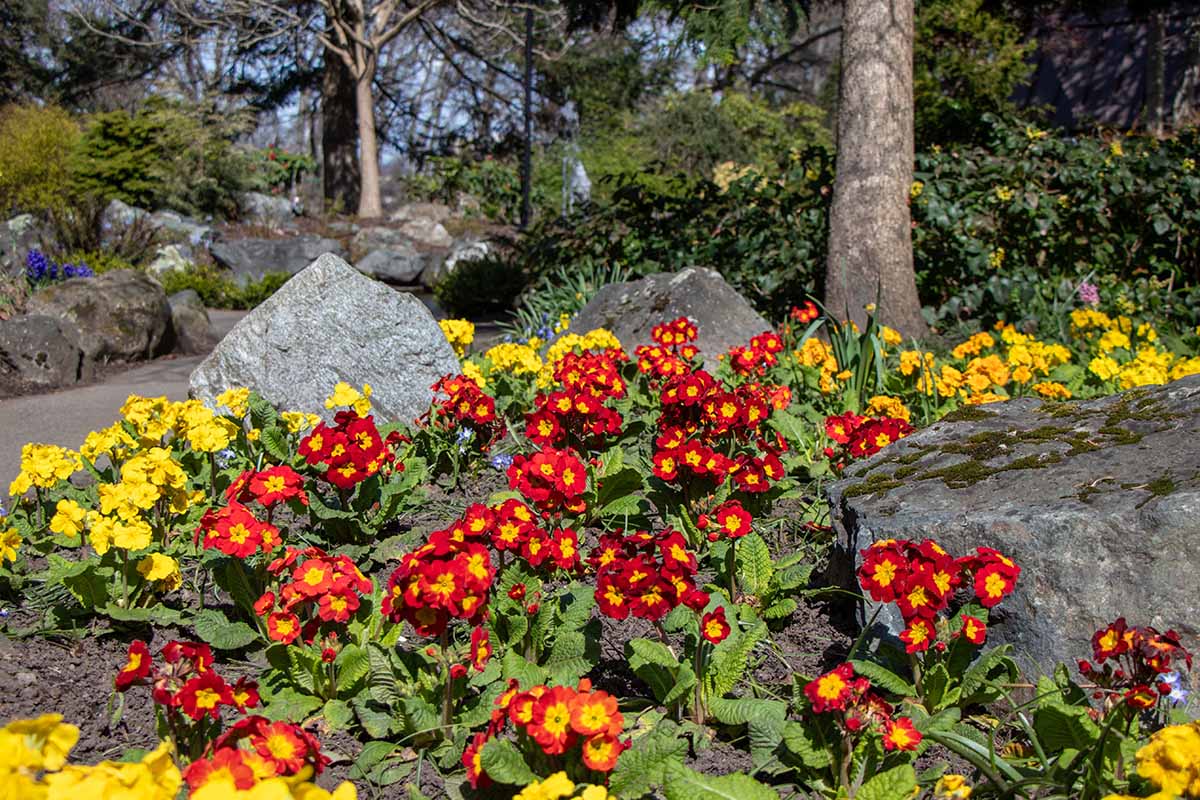
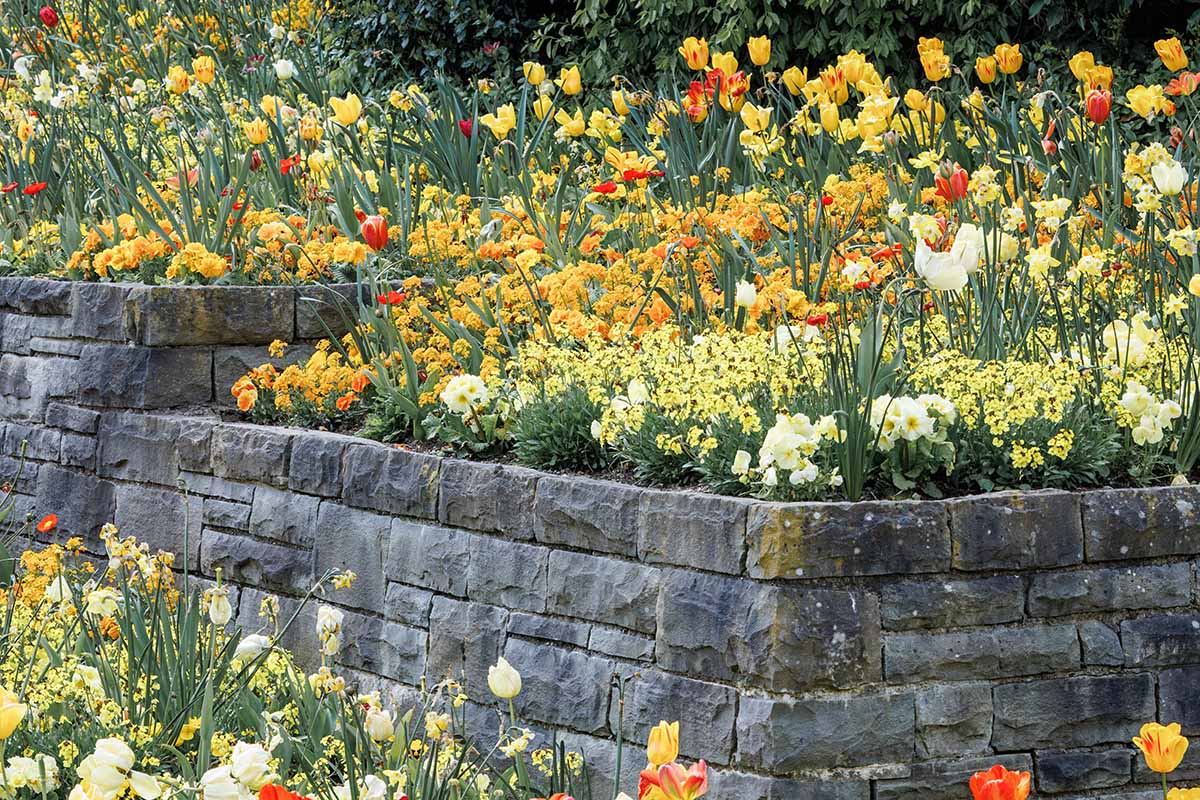
Best uses: Beds, borders, containers, massed plantings, cottage gardens, lightly shaded woodlands, rockeries.
Taxonomy
Order: Ericales
Family: Primulaceae
Genus: Primula
Species: Auricula, elatior, veris, vulgaris, x polyanthus
Highly popular flowers that have been bred for centuries, there are several hundred hybrids with a wide and varied range of colors.
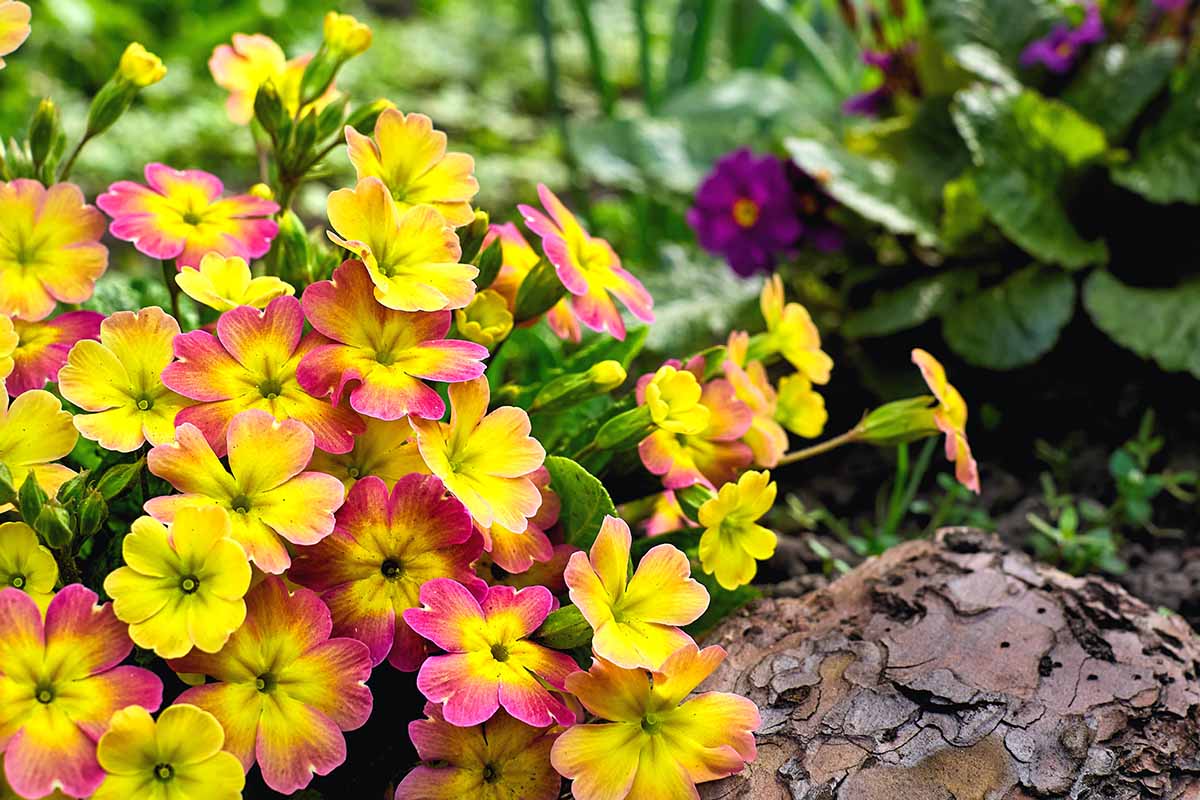
These include pastel shades and deeply saturated hues of blue, mauve, orange, pink, purple, red, white, yellow, and a variety of bicolors.
The medium to dark green foliage is arranged in low-growing rosettes and often displays an attractive, crinkled texture.
Petal arrangements are typically single, with some newer hybrids offering semi-double and fully double blooms.
Primroses are cool-weather plants suitable for part shade to full sun, and flowering typically occurs in early to late spring.
In regions with mild winters, flowering can begin as early as December.
Primroses grow up to 12 inches tall with a spread of up to 18 inches and are widely used in borders, containers, mass plantings, and cottage, rock, or shaded woodland gardens.
How to Grow
Primula are best planted out in autumn, at least six weeks before the first frost.
Use a garden fork to loosen the soil to a depth and width of 12 inches.
Enrich the soil by mixing in half a shovelful of organic matter per plant, using materials such as compost, leafmold, well-rotted manure, or worm castings.
If you need to improve drainage, amend the soil with a shovelful of grit such as landscape sand, pea gravel, or stone chips. Avoid using landscape sand if you have heavy clay.
Set plants in place with the crown just above the soil surface then backfill and gently firm in place, spacing primroses six to 12 inches apart.
To retain moisture and help keep the roots cool, place a one- to two-inch layer of mulch around the primrose plants, avoiding contact with the crown.
Climate
Primroses thrive in cool temperatures and are suitable for cultivation in USDA Hardiness Zones 3 to 8.
However, they wither in hot summers and high humidity so are best grown as annuals in these areas.
Light
Primrose do best with full sun in spring but need partial shade from hot afternoon sun as the growing season warms up.
The area under the dripline of deciduous trees provides ideal lighting conditions.
In areas with cool or mild summers, Primula species can tolerate a full sun location through summer.
Soil
Humus-rich garden soil is the ideal growing medium for primroses but they’re also adaptable to soils with a sandy or gravelly texture.
Provide primrose plants with well-draining, fertile soil enriched with plenty of organic matter, and a slightly acidic to neutral pH of 6.5 to 7.0.
Water
Consistent moisture is important for maintaining healthy primroses.
Provide regular water applications to keep the soil lightly moist but not waterlogged – about one inch of water per week is usually adequate.
Primrose plants may go into dormancy if the soil dries out too much.
Container-grown specimens typically need more frequent applications and should be watered when the top inch of soil is dry.
Apply mulch over the root zone to help to retain soil moisture.
Temperature
These cool weather plants perform best in daytime temperatures that remain below 80°F with overnight temperatures in the range of 50 to 60°F.
Fertilizer
For the best performance, feed primroses in early spring with a slow release, flower-boosting formula such as 4-6-4 NPK and reapply in early summer.
I like Burpee’s Organic Rose and Bloom fertilizer for encouraging an abundance of buds.
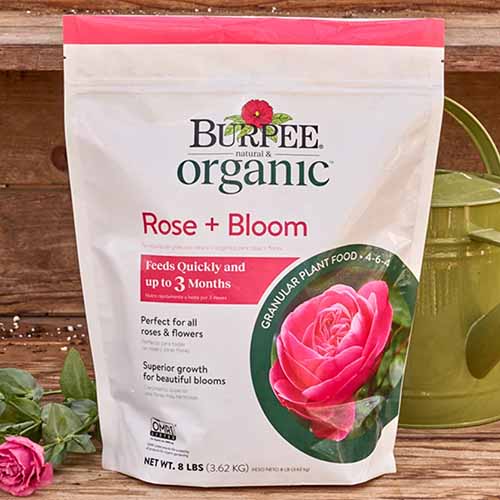
You can find this product available at Burpee in four-pound bags.
To keep potted plants flowering, I prefer to use a liquid or water-based fertilizer that’s diluted to half-strength and applied monthly during the growing season.
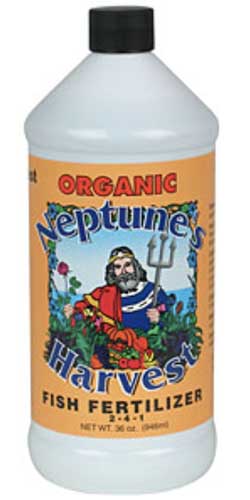
Neptune’s Harvest Fish Fertilizer
Neptune’s Harvest Fish Fertilizer works well for this. It features a 2-4-1 NPK ratio and is available at Arbico Organics.
Cultivars to Select
There are hundreds of primrose cultivars in an expansive range of colors and readily available at most garden centers.
Here are a few popular choices to start with:
Blue Zebra
Sweetly fragrant and vibrantly colored, ‘Blue Zebra’ (P. acaulis) bears heavy clusters of distinctive, striped blooms in indigo and white with a vivid yolk yellow throat.
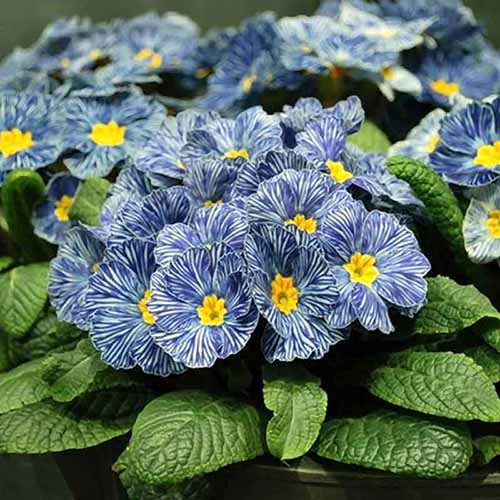
An appealing choice for part to full shade gardens, plants grow up to eight inches tall and 10 inches wide. Hardy in Zones 4 to 8.
Seeds in a variety of packet sizes are available at Eden Brothers.
Davona Mix
A compilation of 13 colors, including delicate pastels and white plus intense variations of blue, red, and yellow, Davona Mix (P. acaulis) plants are chosen for their uniformity of habit and flowering time.
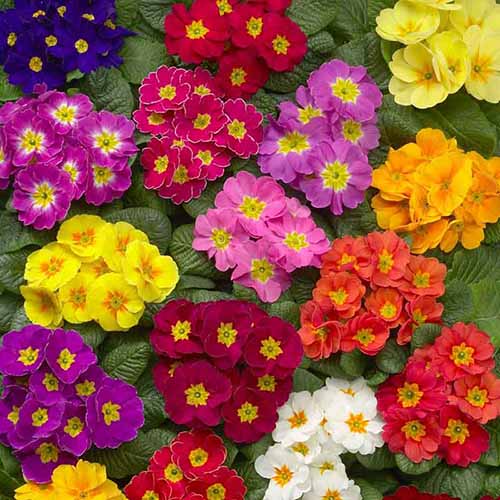
Providing a joyous palette of colors, these primroses grow up to six inches tall with an eight-inch spread. Hardy in Zones 4 to 8.
Packets of seed can be found at Eden Brothers.
Supernova Mix
The Supernova Mix (P. x polyantha) produces a rich color blend of canary, fuchsia, indigo, ivory, magenta, peach, and salmon flowers clustered on stout stalks that bloom for weeks in spring.
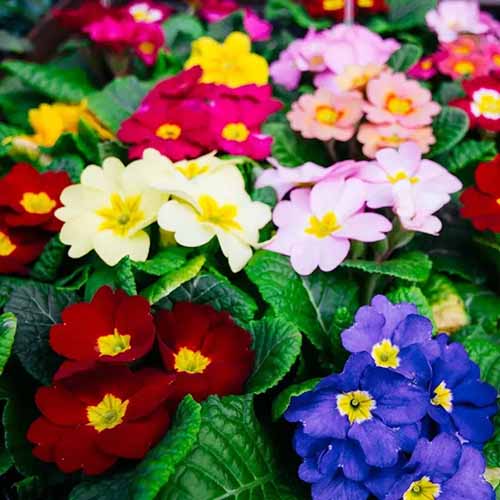
Plants grow six to eight inches tall and wide and are hardy in Zones 3 to 8.
Seeds in packets and bulk weights are available at True Leaf Market.
Maintenance
To encourage new blooms and keep your plants tidy, deadhead spent flowers when they’re finished.
Throughout the growing season, trim damaged or dying foliage as needed.
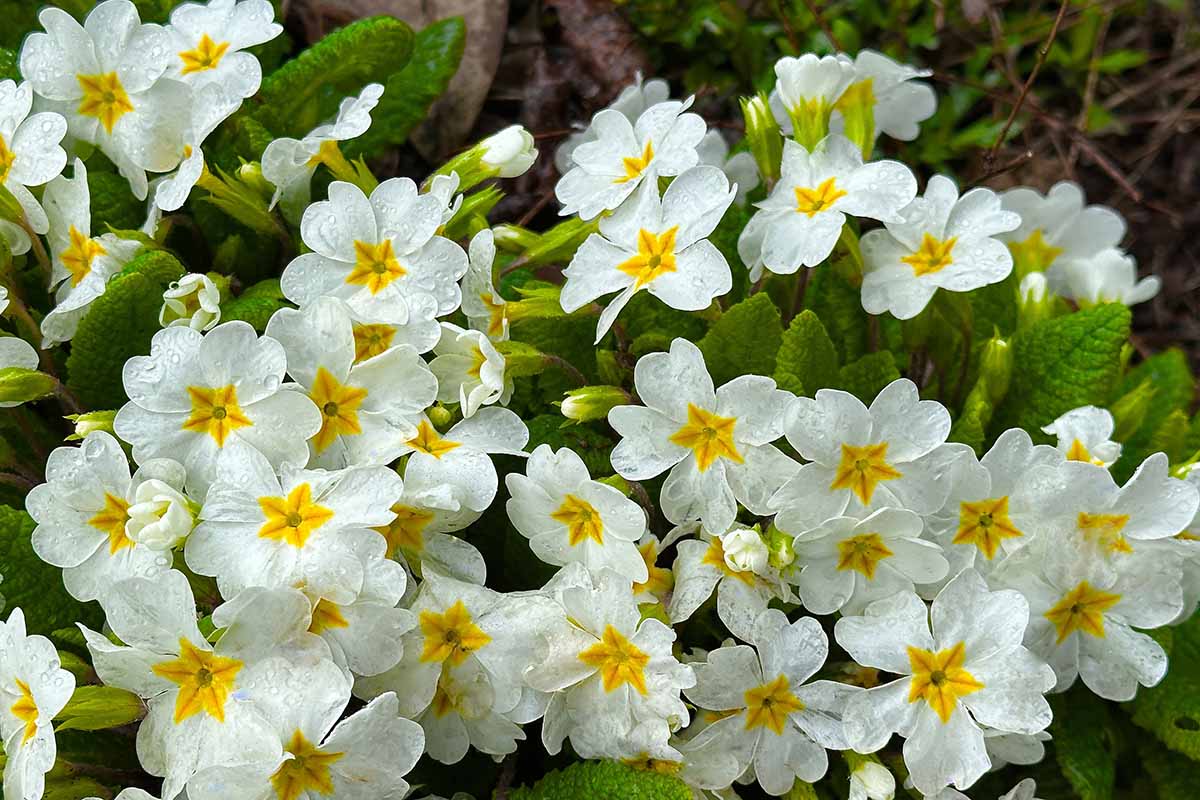
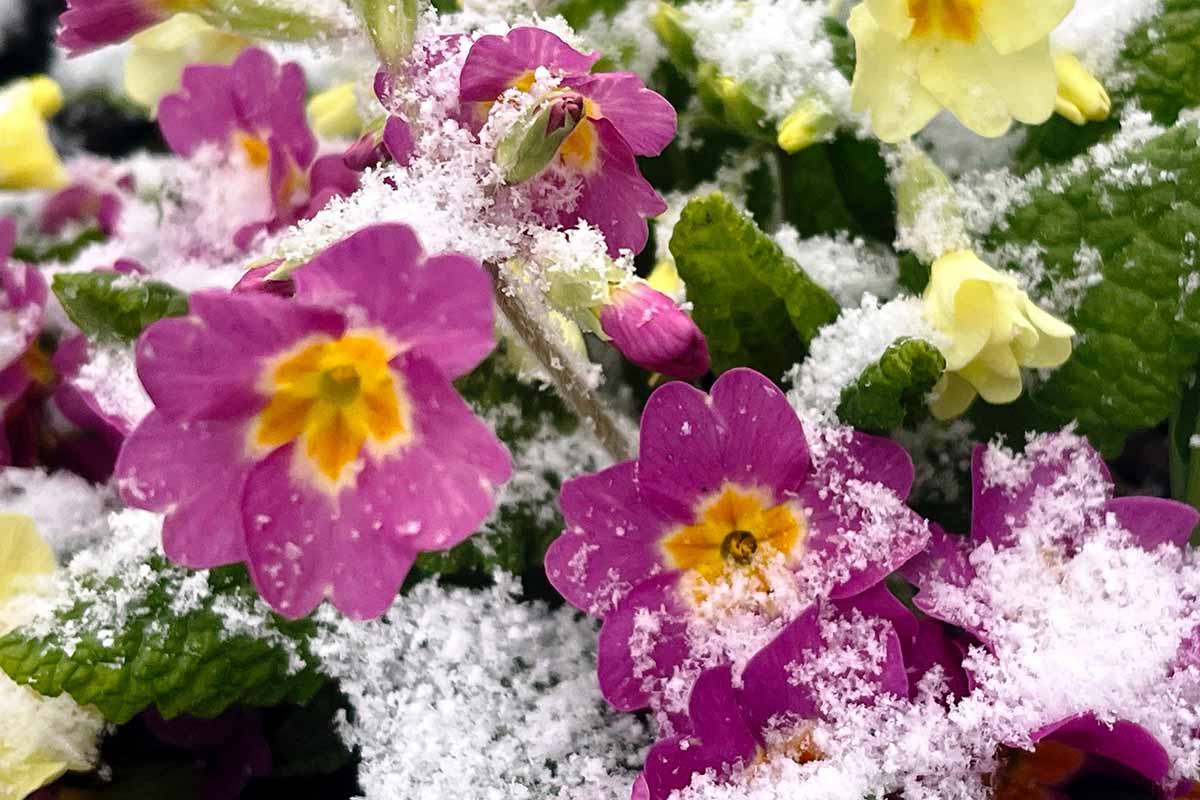
And while primroses are cold hardy plants, they survive best under a cover of snow in winter.
If snowfall is expected to be inadequate, in fall, cover plants with thick mulch of evergreen boughs to insulate them from hard freezes and freeze/thaw cycles.
Remove the mulch just after new growth emerges in spring and tidy up plants.
Depending on your area, primroses may overwinter as evergreens. After snow or mulches are removed, tidy the plants by trimming away damaged or dead foliage.
Divide established specimens every three or four years to maintain vigor.
Propagation
You can propagate primroses from seed or by division. Note that seeds collected from hybrids may not grow true to the parent plant.
By Division
In early fall or early spring, lift plants with a small spade or trowel and look for natural splits in the growth or crown area, then gently tease them apart with your fingers.
If no obvious splits are present, use a clean, sharp garden knife like a hori hori to sever plants into equal sections.
Each section should have healthy growth points and strong roots.
Trim away dead material and overly long roots then replant into prepared soil with the crown at soil level.
Backfill with soil and gently firm in place.
From Seed
Seeds can be started in late winter for planting out in spring after all danger of frost has passed.
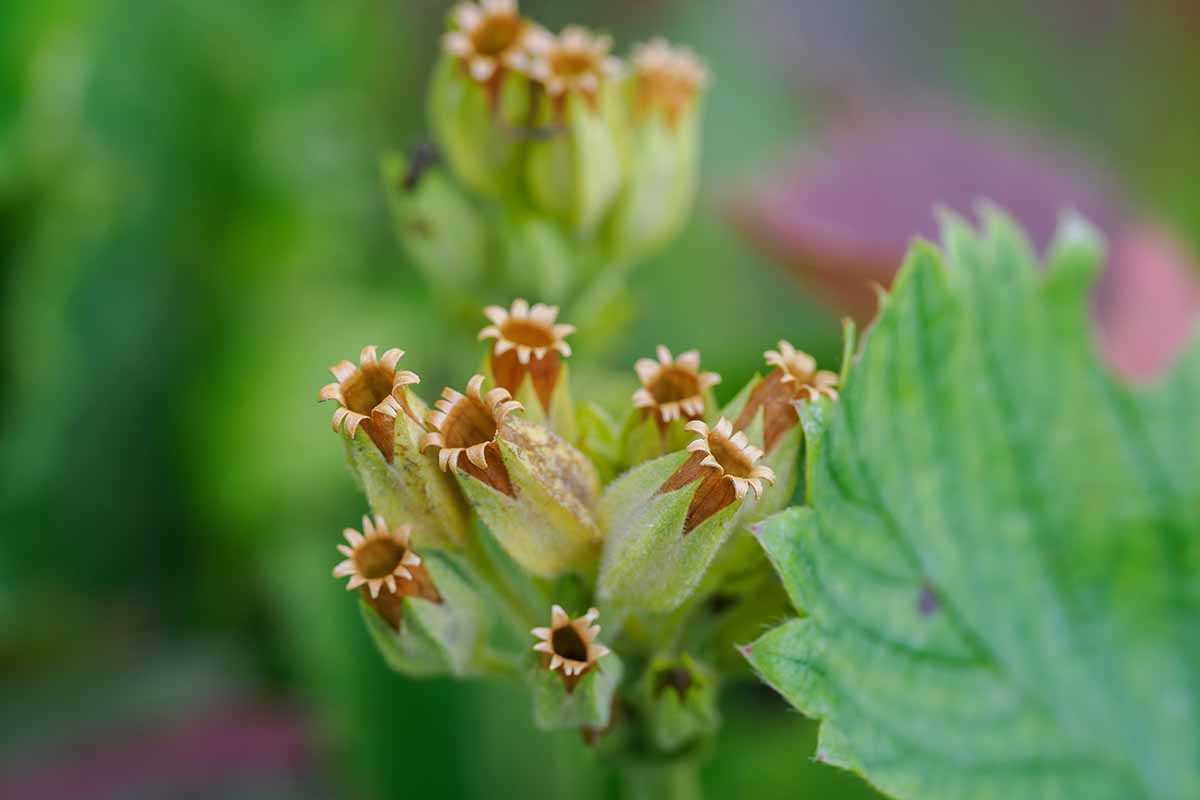
Prepare starter pots or trays with a seed-starting mix.
Sow seeds lightly and press them into the soil – avoid covering with soil as they need light to germinate.
Place trays under grow lights or in a bright location out of direct sunlight in a room temperature location of about 70 to 75°F.
Keep the soil lightly moist but not saturated. Seeds typically sprout in 21 to 28 days.
After seedlings develop their second set of true leaves, gradually harden off for up to eight weeks before transplanting out.
With their adaptability to sandy or gravelly soils, primrose makes a great choice for naturalized areas such as meadows, wildflower gardens, and woodland fringes.
Pests and Disease
Primroses are generally free from pest problems, but slugs and snails enjoy dining on new growth. Handpick gastropods and dispose of them.
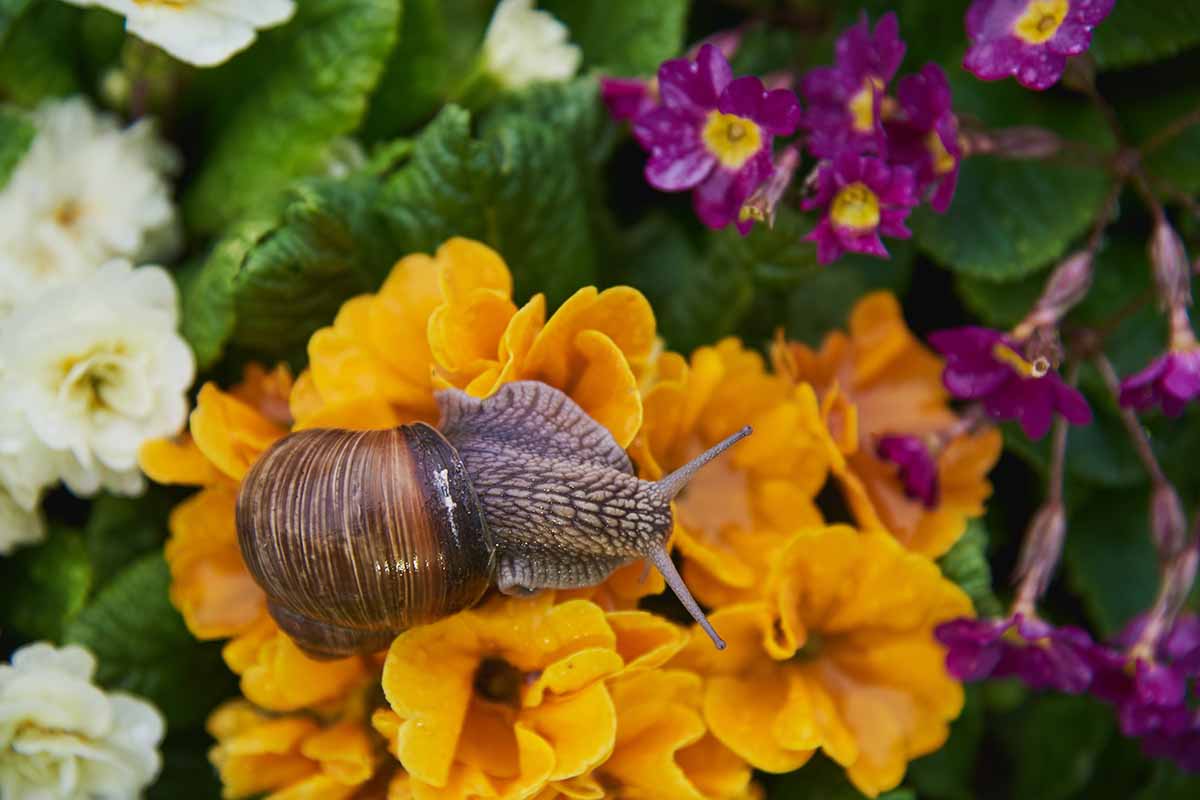
Sapsuckers such as aphids, spider mites, and whiteflies can also damage the foliage.
Use a strong spray of water from the garden hose to dislodge insects or a natural pesticide like neem oil.
Neem oil is easy to apply and effective.
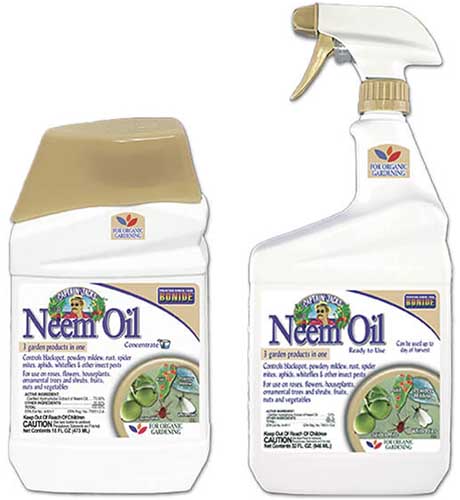
You can find Bonide Neem Oil available at Arbico Organics in ready-to-spray bottles or as concentrate.
Brown spots and yellowing leaves could be symptoms of fungal leaf spot. Remove the infected foliage, ensure good air circulation, and avoid overhead watering.
Bold Early Color
Primroses and polyanthus are cool weather darlings, ideal for adding bright splashes of color to beds, borders, containers, rockeries plus cottage, naturalized, and wildflower gardens.
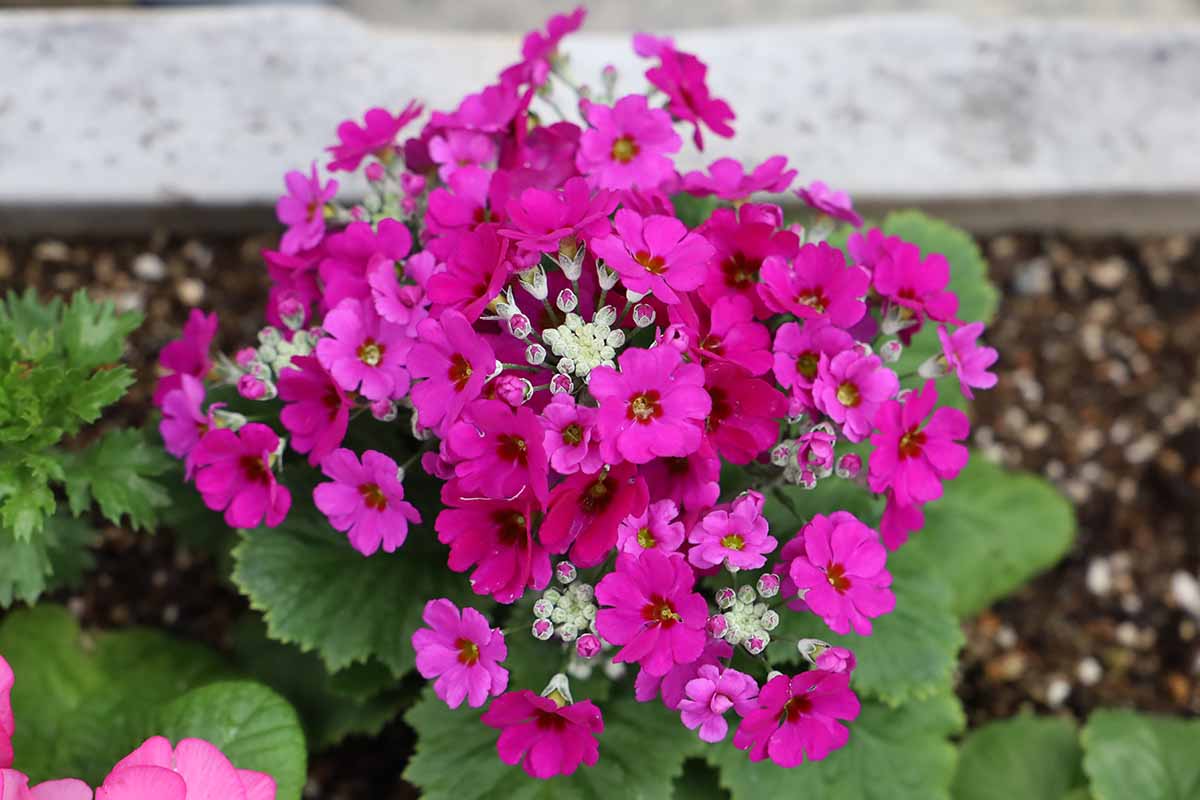
Give them fertile, well-draining soil, regular moisture, and shade from sizzling summer sunshine and you’ll be rewarded with bold patches of bright early-season colors.
What types of primrose are your favorites to grow? And where do you grow them? Let us know in the comments section below!
And for more early-season flowers, add these guides to your reading list next: