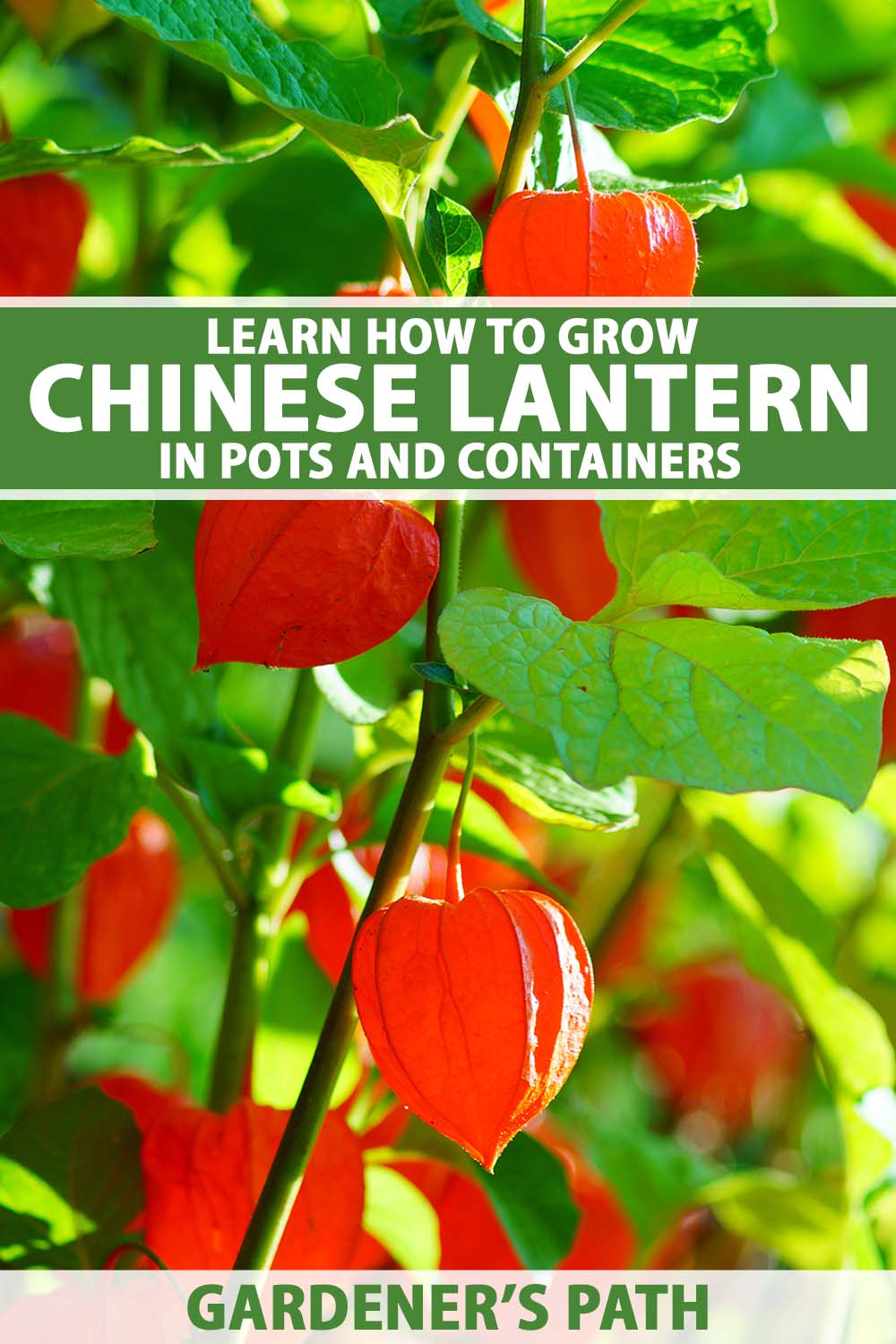
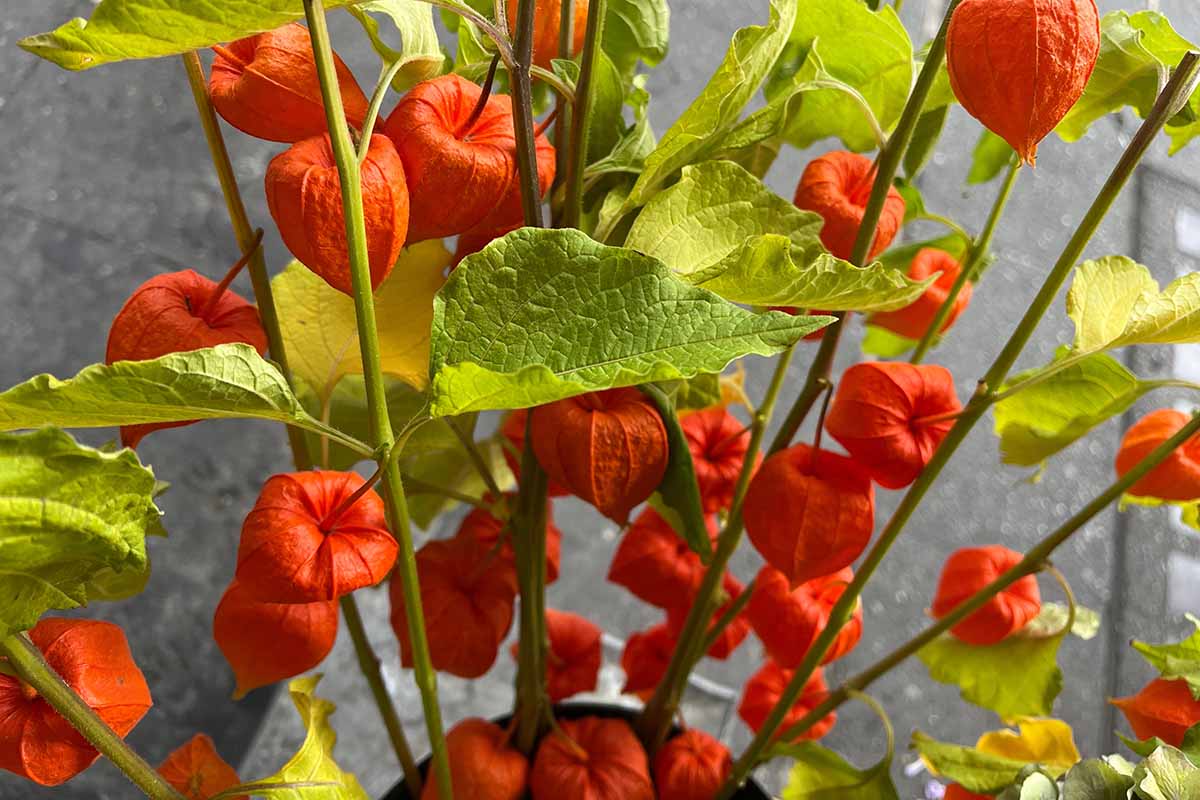
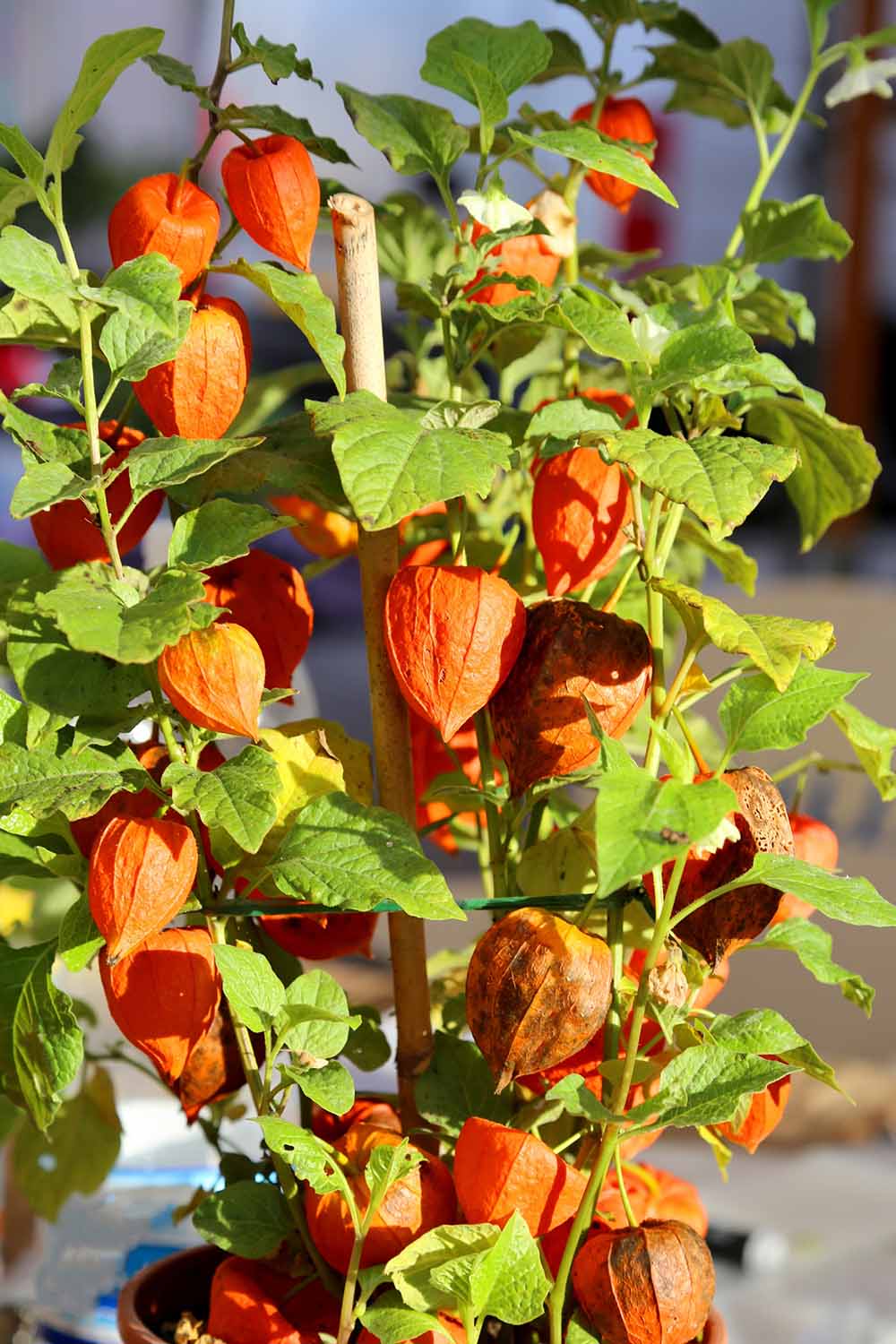
Chinese lantern (Alkekengi officinarum syn. Physalis alkekengi) is an eye-catching perennial with papery orange husks that resemble glowing lanterns in late summer and fall.
Also commonly known as bladder cherry, Japanese lantern, or love in a cage, the distinctive seed pods dry beautifully and work well in fall floral arrangements and decorations.
Hardy in USDA Zones 3 to 9, these members of the nightshade family grow two to three feet tall and wide.
We link to vendors to help you find relevant products. If you buy from one of our links, we may earn a commission.
They bring unique ornamental value to the garden, but they have a reputation that makes many gardeners hesitate.
This plant spreads aggressively through underground rhizomes and can quickly take over garden beds, making it a concern for gardeners in many regions.
The solution? Grow Chinese lanterns in containers.
Container cultivation gives you all the decorative beauty of those distinctive lanterns without the worry of unwanted spread through your landscape.
In our guide to growing Chinese lantern, we cover how to cultivate these plants in your garden.
This article dives into growing in pots and planters.
Here’s what’s ahead:
What You’ll Learn
A Note of Caution: All parts of Chinese lantern plants are toxic. The leaves, stems, unripe berries, and the papery husks contain harmful compounds. Keep this plant away from children and pets.
Choosing a Container
Start with a pot that’s at least 12 inches wide and deep.
This gives the rhizomes enough room to spread within the container and provides adequate soil volume to retain moisture and nutrients.
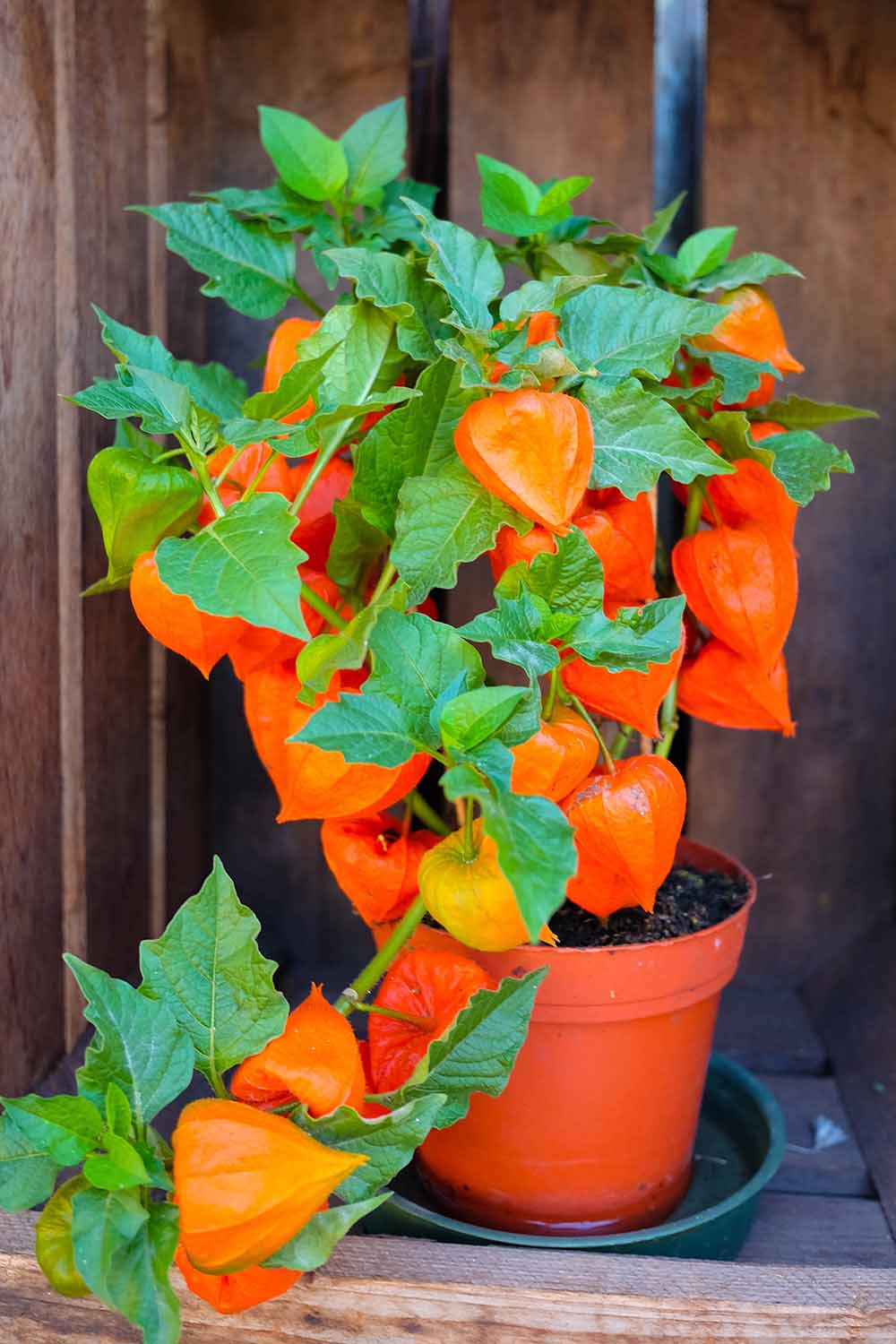
Make sure your pot has several drainage holes in the bottom, at least quarter of an inch in diameter.
This ensures that the soil doesn’t end up becoming waterlogged, which can lead to root rot.
Also keep in mind that Chinese lantern rhizomes can escape through the drainage holes.
Placing fine wire mesh over the holes before adding soil can slow this, though you’ll still need to monitor for escaping roots. This allows water to drain while keeping roots contained.
The material of the container you choose is up to you.
Terra cotta is porous and allows excess moisture to evaporate but in hot weather you’ll need to keep on top of watering.
These types of pots are also heavy to move and can crack in cold weather. Plastic containers are lightweight, retain moisture well, and are less prone to cold damage.
Planting
Chinese lanterns require well-draining soil that’s moderately rich in organic matter, with a pH of 6.5 to 7.5.
A good-quality general-purpose potting mix works well.
I like FoxFarm Ocean Forest potting soil as it contains all the good stuff like bat guano, fish emulsion, earthworm castings, and sphagnum moss.
You can pick up this moisture-retentive, well-draining mix in 12-quart bags from FoxFarm via Amazon.
Avoid using garden soil in containers – it tends to compact easily, plus it can harbor unwanted pests or pathogens.
If you’re starting with a nursery plant, remove it gently from its pot and loosen the roots gently with your fingers.
Fill your container about one-third full with your potting mix, then position the plant so the crown sits at the same depth it was in the grower’s pot.
Backfill around the root ball with more soil, firming it gently to eliminate air pockets.
Water thoroughly until water runs from the drainage holes and if the soil settles, add a bit more.
If you want to start from seed, you’ll need to sow indoors six to eight weeks ahead of the last frost date.
Need some seeds?

You can find packets of seeds available at Botanical Interests.
Use small starter pots filled with seed-starting mix.
Chinese lantern seeds need light to germinate, so press them gently onto the soil surface.
Keep the soil moist and maintain temperatures between 70 and 75°F.
When seedlings develop their second set of true leaves, you can pot up into larger containers.
Container Care
Choose a location with full sun. Chinese lanterns tolerate partial shade but for the brightest color lanterns, they do better in ample sunlight.

In regions with intense summer heat, you may wish to provide a bit of afternoon shade to help keep containers from drying out too quickly.
Chinese lanterns require moderately moist soil. During establishment, ensure that the soil is evenly moist but not waterlogged. In hot weather, you may need to check your plants daily.
You can use a moisture meter or simply stick your finger into the soil. For established plants, water when the top inch feels dry.
If the top inch of soil is still moist, wait another day before checking again.
Water deeply until it runs out of the drainage holes.
Container-grown plants need supplemental feeding because nutrients wash out through the drainage holes with each watering.
Chinese lanterns aren’t heavy feeders, but they benefit from light fertilization during the growing season.
You can choose to apply a balanced, slow-release fertilizer in spring when new growth emerges.
Alternatively, feed every four to six weeks with a balanced liquid fertilizer diluted to half strength.
Avoid high-nitrogen formulas, which promote excessive leaf growth at the expense of the showy lanterns.
Humidity generally isn’t a concern, though very wet conditions combined with poor air circulation can encourage fungal issues.
If you’re growing multiple plants, space containers adequately to encourage good airflow.
Maintenance
After first frost, Chinese lanterns die back to the ground. At this point you can remove the dead foliage and apply a layer of mulch over the surface of the potting mix to help insulate the roots.
In Zones 7 through 9, containers can stay outdoors year-round with a two- to three-inch layer of mulch over the soil surface.
In Zones 5 and 6, move containers to an unheated garage or shed where temperatures stay between 20 and 45°F, or insulate them by wrapping with bubblewrap or burlap and positioning against a sheltered wall.
In Zones 3 and 4, either store your dormant plant in an unheated garage or bury the entire pot in the ground and mulch heavily.
Water sparingly during winter, just enough to keep the soil from becoming bone dry.
As mentioned, even in containers Chinese lanterns are vigorous growers.
Keep an eye on the pots and watch for rhizomes escaping through the drainage holes. You can mitigate this by placing the pot on a solid surface like a patio rather than directly on soil.
If you do see roots emerging from drainage holes, you’ll need to address it when you divide the plant.
Every two to three years, divide your Chinese lanterns to prevent them from becoming root bound. You can plant the divisions in new pots if you wish.
The best time to divide is in early spring before new growth starts.
Use a soil knife to loosen the plant from the edges of the pot, then tip it on its side and slide out the root ball.
Trim away any roots that are circling the pot and slice off about an inch from the bottom and sides of the root ball with clean, sharp pruners or a pruning saw.
Shake off excess soil and use a sharp knife to cut the root mass into sections, each with several stems.
Replant one section in the original pot with fresh soil and start new containers with the extras, or share them with friends who understand they’re taking on a vigorous plant.
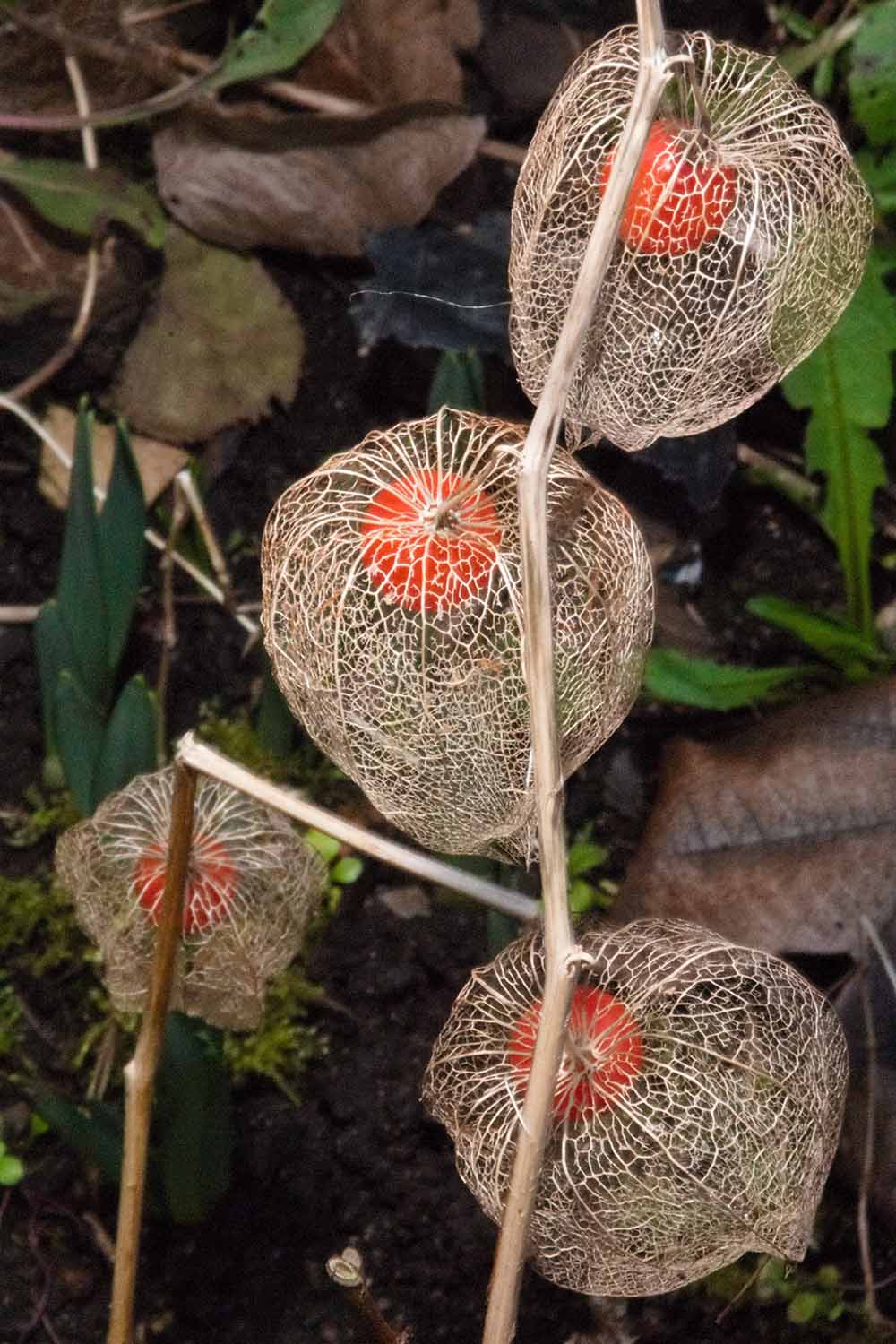
Another concern is seed dispersal.
The fruits inside the papery lanterns contain seeds that birds can carry throughout your garden and further afield.
If you’re concerned about volunteer seedlings popping up elsewhere in your landscape, remove the lanterns before they fully dry and split open.
Learn more about controlling invasive Chinese lanterns here.
Pests and Disease
Container-grown Chinese lanterns can attract a few common pests.
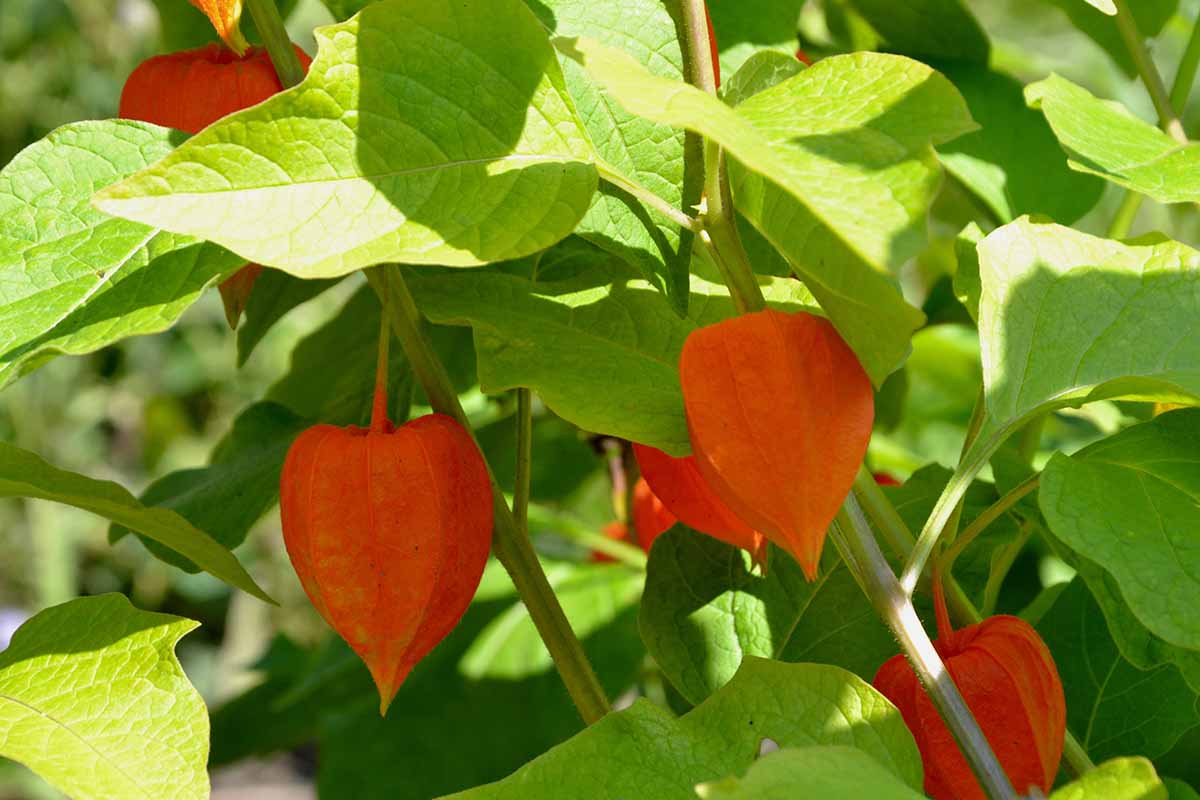
Flea beetles sometimes chew small holes in leaves. Slugs and snails may also climb up to feast on foliage, though elevated pots make this less likely.
Aphids occasionally cluster on new growth.
Remove slugs and snails by hand, and spray aphids and flea beetles with neem oil or insecticidal soap.
Fungal diseases like powdery mildew can develop in humid conditions, especially when plants are crowded or air circulation is poor.
Space containers adequately and avoid overhead watering to minimize the risk of spreading fungal spores.
If you notice white powdery spots on leaves, treat promptly with a fungicide or neem oil.
Bright Lanterns Without the Worry
Growing Chinese lanterns in containers gives you all the ornamental appeal of these striking plants while keeping their aggressive tendencies in check.
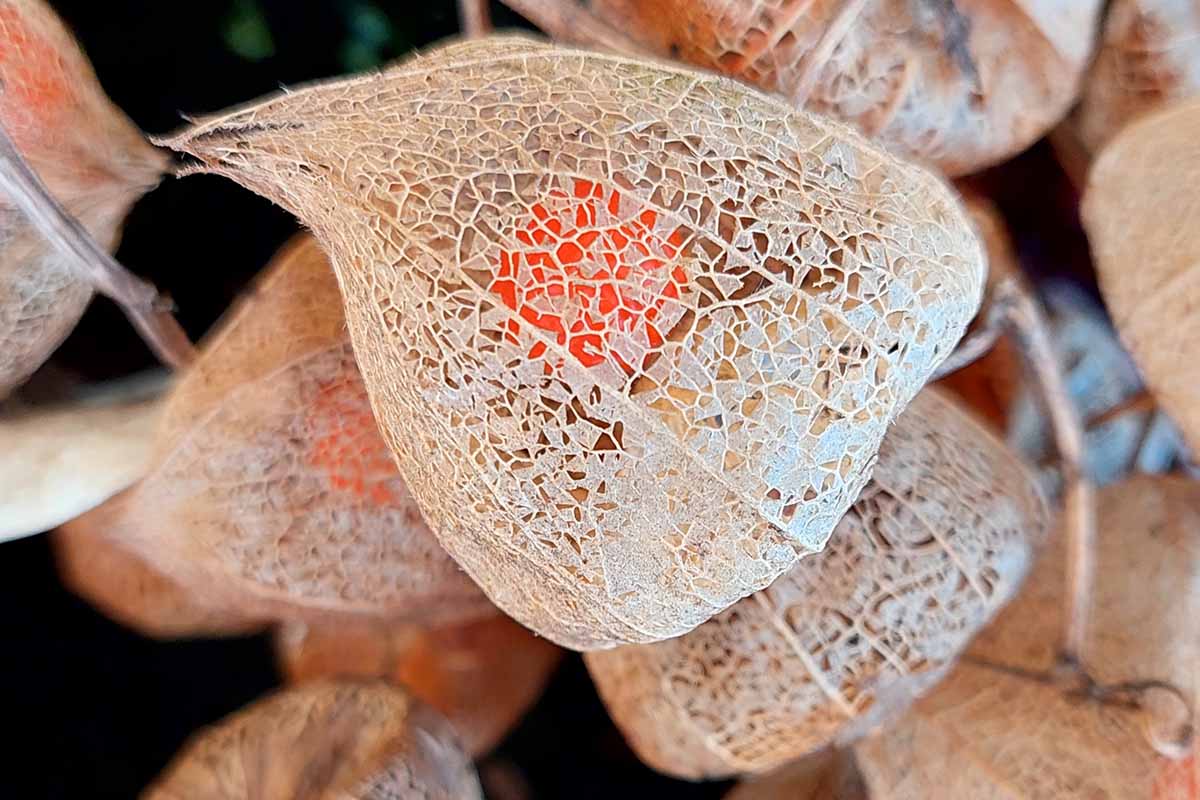
With the right pot, proper soil, consistent watering, and basic maintenance, you’ll enjoy those glowing orange lanterns each fall – perfectly contained and ready to harvest for dried arrangements.
Are you growing Chinese lanterns in containers? Let us know in the comments section below!
And for more information about growing other flowering perennials, add these guides to your reading list next: