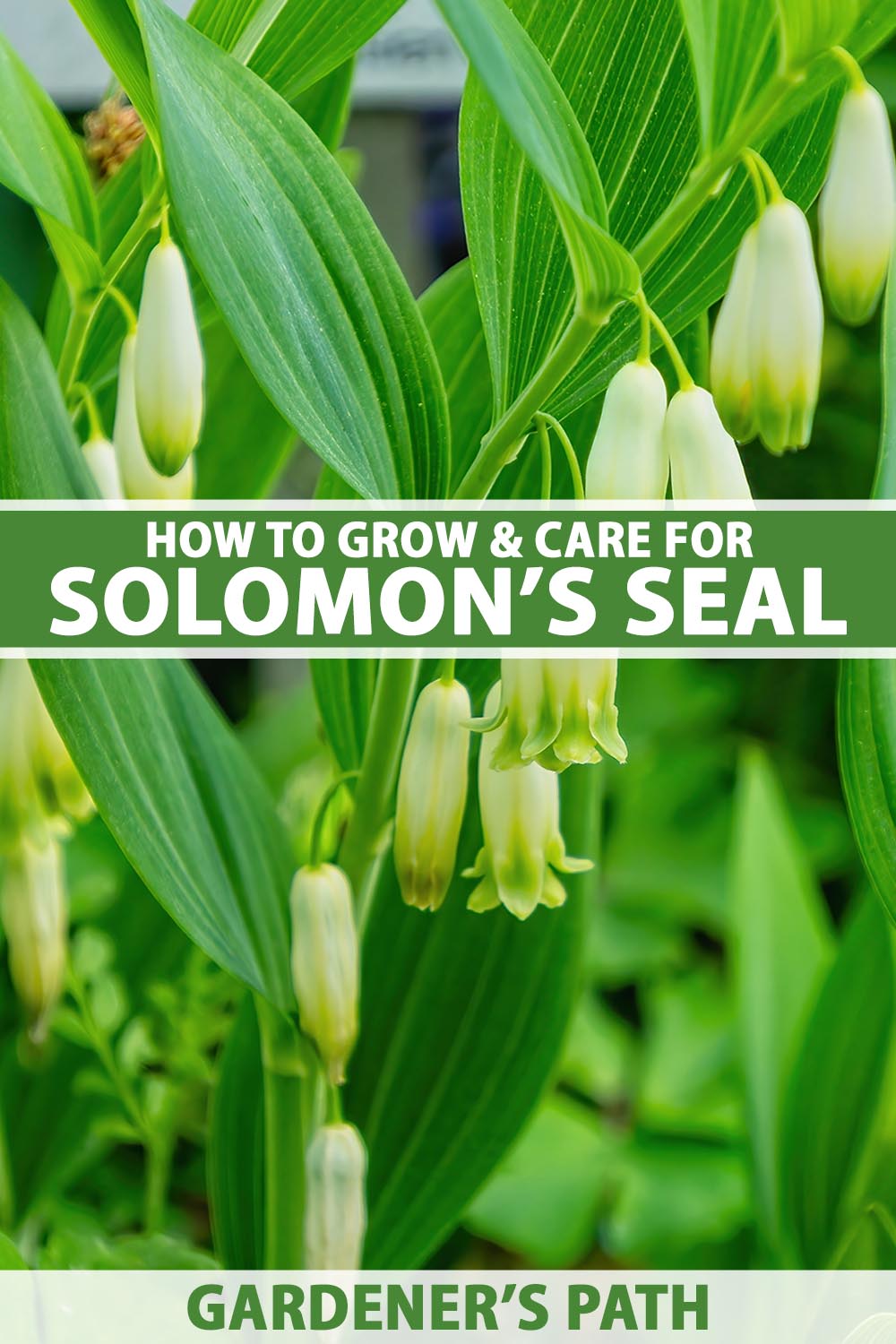
Polygonatum spp.
A shade-loving perennial with graceful arching stems, attractive ovate leaves, and dainty, bell-like flowers, Solomon’s seal (Polygonatum spp.) is an ideal foliage plant for shady gardens.
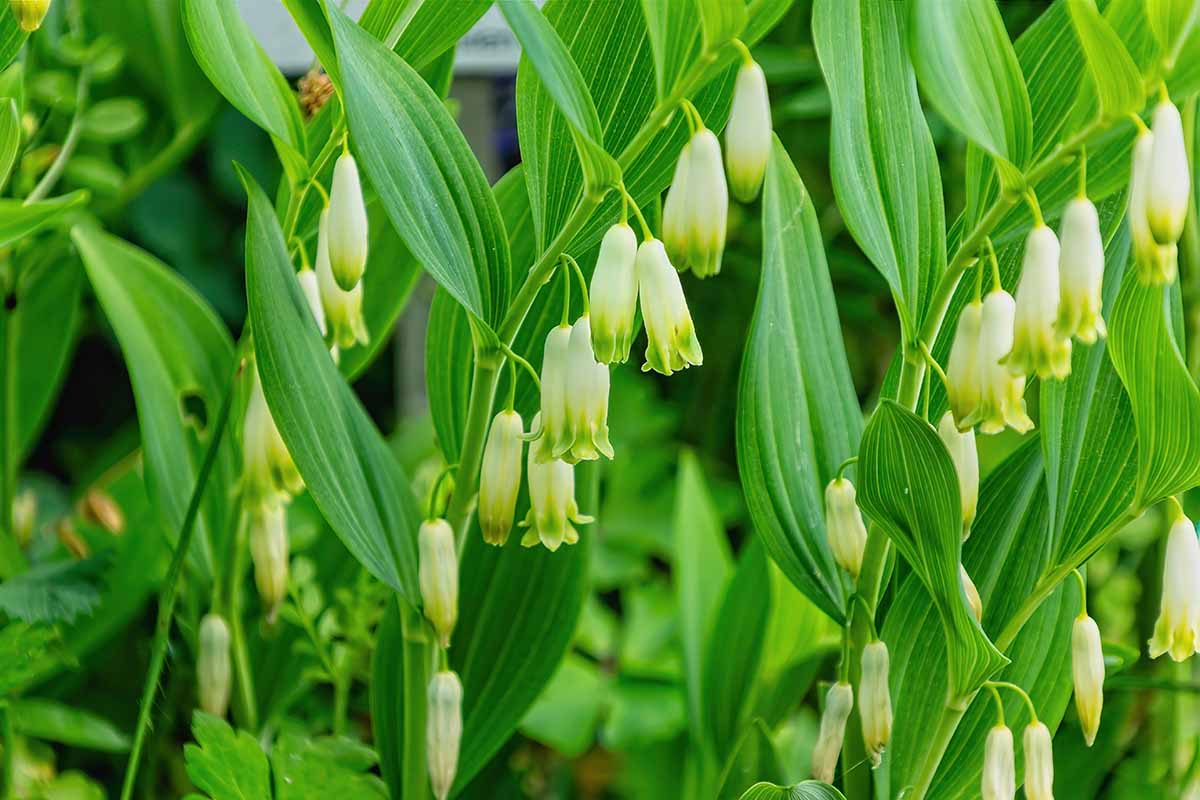
The pretty, cream to white flowers have a sweetly subtle, lily-like fragrance and dangle below the stems, while the alternate leaves rise above in elegant contrast.
By the end of summer, the flowers develop into small, blue-black berries and the leaves give a vibrant autumn show in rich shades of gold and amber.
We link to vendors to help you find relevant products. If you buy from one of our links, we may earn a commission.
Easy-care and low maintenance, Solomon’s seal plants thrive in moist, well-draining soil.
When established, they also have decent drought tolerance, making them a smart choice for difficult, dry shade and woodland areas.
Solomon’s seal spreads slowly by underground rhizomes, forming handsome colonies that are resistant to deer and hardy through cold winters.
Have you got a shady spot or two that needs a sweetly scented, hands-off plant with elegant form and handsome foliage?
Then let’s unearth the easy steps to plant and grow Solomon’s seal!
Here’s what you’ll find ahead:
What You’ll Learn
The Polygonatum genus is native to temperate areas of the Northern Hemisphere, with about 60 species distributed across Asia, Europe, and North America.
Also known as King Solomon’s-seal and sealwort, species in this genus shouldn’t be confused with false Solomon’s seal, aka Solomon’s plume (Maianthemum racemosum), which is a prolific wildflower indigenous to most parts of North America.
Herbaceous and upright in habit, Polygonatum species grow 12 to 36 inches tall with a spread of about eight to 12 inches.
Each year, a single stem emerges from a single rhizome, but the rhizomes steadily multiply to form lush clumps bearing multiple stems.
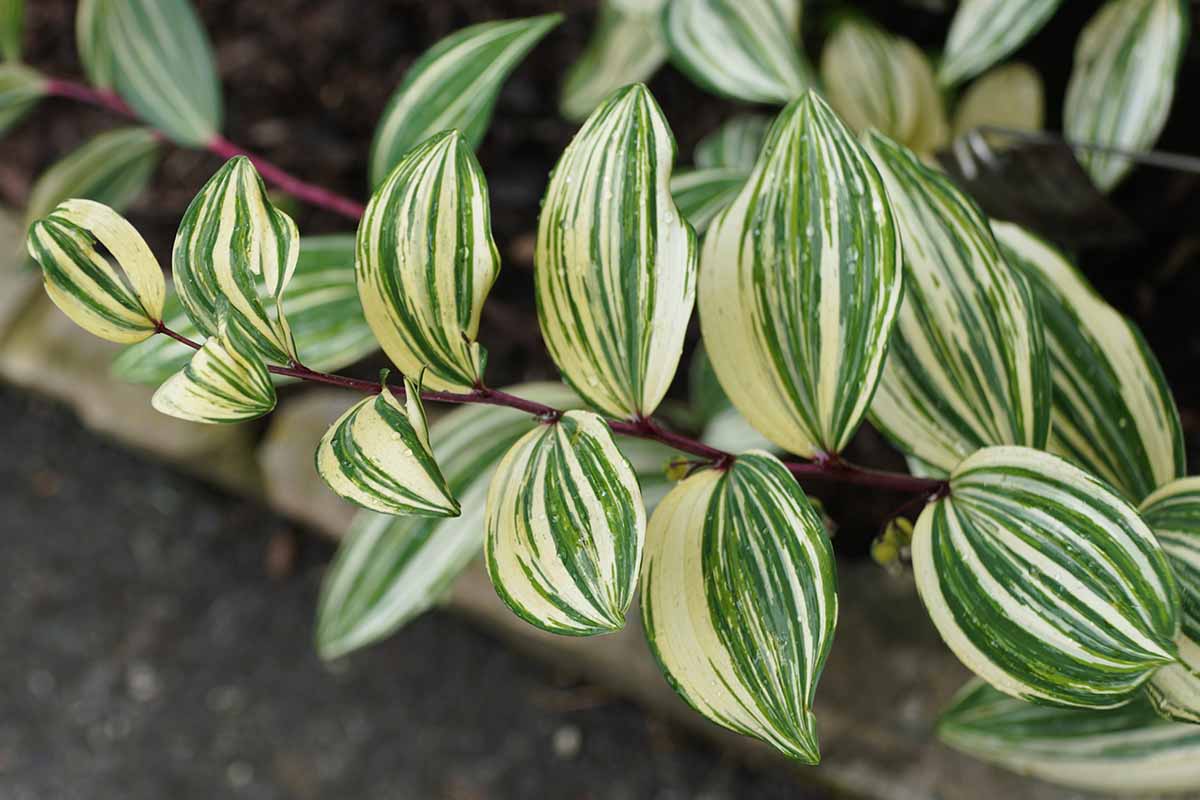
Most varieties have medium green foliage, but some cultivars are variegated with cream streaks and edging on the leaves.

Flowers bloom in small clusters of two or three that hang below the stems where they arch over, lasting for several weeks in spring.
Flowers are followed by small, almost black grape-like fruits that are popular with birds.
Quick Look
Common name(s): King Solomon’s-seal, Solomon’s seal, sealwort
Plant type: Herbaceous rhizome
Hardiness (USDA Zone): 3-9
Native to: Temperate regions of Asia, Europe, and North America
Bloom time / season: Spring
Exposure: Morning sun or full to partial shade
Soil type: Organically rich loam, well-draining
Soil pH: 5.0 to 7.0, slightly acidic to neutral
Time to maturity: 3-5 years
Mature size: 12-36 inches tall by 8-12 inches wide (depending on species)
Best uses: Foliage ornamental for native flower, shade, woodland gardens
Taxonomy
Order: Asparagales
Family: Asparagaceae
Genus: Polygonatum
Species: Biflorum, humile, odoratum, multiflorum, x hybridum
Although some species have historical usage as an edible and in folk medicine, it should be noted that most parts of Solomon’s seal, including the berries, are toxic to humans and pets.
Proper preparation of young rhizomes and shoots is required before they can be consumed.
How to Grow
Solomon’s seal is prized for its easy care but performs best when given the conditions it loves. Let’s take a closer look at those conditions right now.
Light
Polygonatum species are most robust in partial to full shade, ideally where they receive morning or dappled sunlight and are protected from hot afternoon sun.
Soil
Solomon’s seal plants prefer growing mediums that are fertile and humus-rich but are adaptable to heavy or clay soils if amended with plenty of natural materials such as compost, well-rotted manure, or worm castings.
The soil must be well-draining to avoid root rot.

If needed, amend with one part of grit to ensure water moves away from the roots – materials such as landscape sand, crushed shells, pea gravel, or stone chips are good for providing a sharper texture for better drainage.
Avoid adding landscape sand to heavy clay soils or it will end up like concrete!
Water
New divisions require about one inch of water per week to maintain evenly moist soil.

Container-grown plants may need more frequent water applications especially during warm weather.
Once established, plants develop good drought tolerance and watering can be cut back. Mature colonies can be watered when the top one or two inches of soil dries out.
Temperature and Humidity
During the growing season, Solomon’s seal enjoys cool to warm temperatures in the range of 65 to 80°F.

They do well in areas of high humidity provided there’s ample air circulation to prevent fungal issues.
These herbaceous plants die back for winter but the rhizomes exhibit excellent cold-hardiness.
Most species and cultivars are hardy in USDA Zones 3 to 9, although a few, such as P. falcatum are hardy only to Zone 4.
Fertilizer
When planted in rich, fertile soil, Solomon’s seal rarely requires supplemental fertilizer.
In spring, a side dressing of compost, well-rotted manure, or worm castings provides all the nutrients the plants need.
Gently work in one or two inches of organic matter using a hand cultivator.
Alternatively, an all-purpose, slow release granular feed can be scratched into the soil surface in spring.

I find that a fertilizer with organic materials and balanced nutrients works well, like this one from Burpee which has an NPK ratio of 5-5-5.
Avoid overfertilizing to prevent stressing the slow-spreading rhizomes.
Where to Buy
You can find Solomon’s seal available at most good plant nurseries or online.

A variegated variety with attractive, creamy stripes and edging, ‘Variegatum’ (P. odoratum) is available in three packs of bare roots at Burpee.

Garden Solomon’s seal (P. × hybridum), with bright green leaves and chartreuse-tinged flowers, can be found in three-packs of bare roots at Walmart.
Maintenance
In fall after the foliage has died back, cut back any remaining stems to ground level.

Rake up fallen leaves and add to the compost or use them to cover the rhizomes, where they’ll break down into nutrient-rich leaf mold.
Colonies typically don’t die out in the center and don’t need division to stay vigorous.
But they can be lifted and transplanted en masse or divided to create new plants, as discussed below.
Propagation
Solomon’s seal species plants can be grown from seed but it takes a few years for the first flowers to form.
Note that seeds collected from hybrid cultivars may not grow true to the parent plant.
The easiest and fastest method for reproducing plants is to propagate by division.
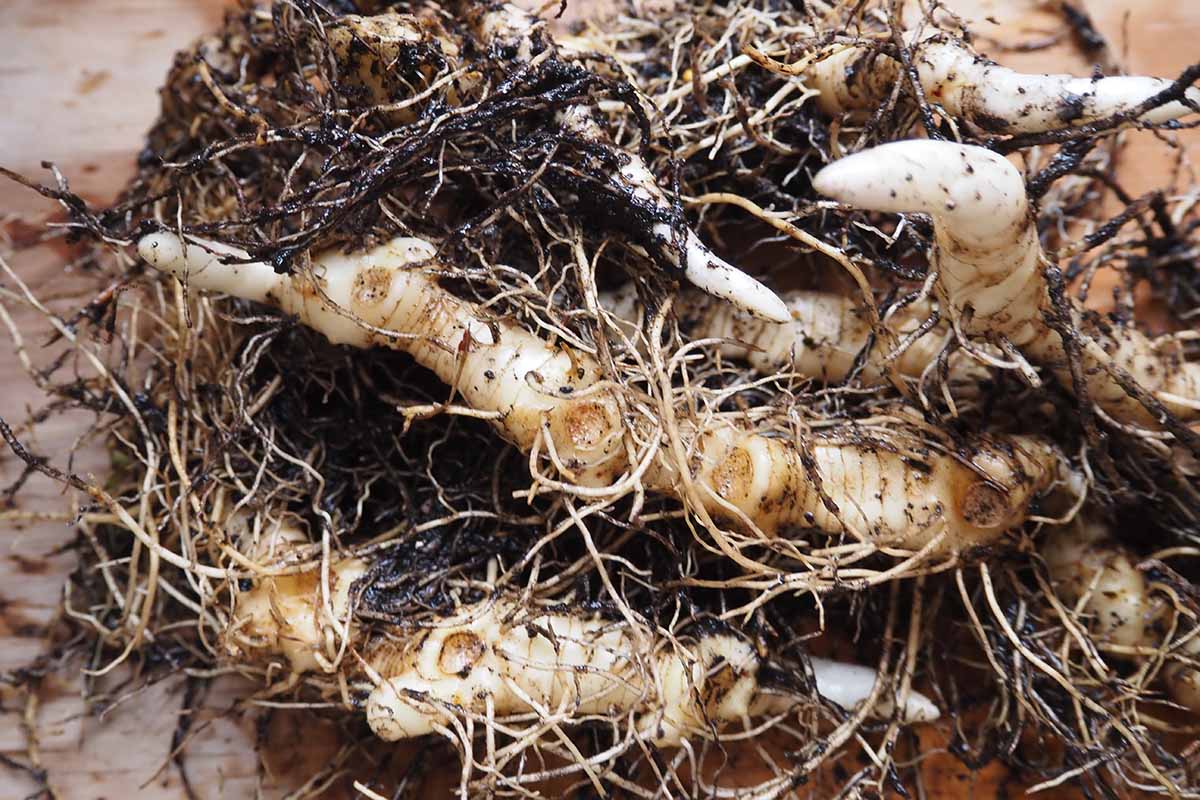
To divide, in early spring just as new growth emerges or in fall before dormancy, use a clean, sharp spade to dig and lift out the fleshy rhizomes.
Gently pull the rhizomes apart and trim away dead, damaged, or soft sections with a clean sharp knife as needed.
Sprinkle the cut ends with garden sulfur to protect the soft tissue from bacteria and fungi.
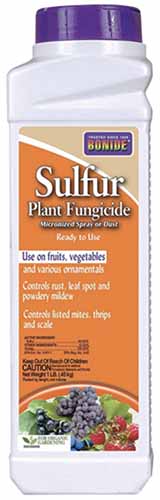
You can find Bonide garden sulfur available at Arbico Organics.
Plant as follows:
- Loosen the soil to a width and depth of six inches for each piece of rhizome.
- Mix in one part of organic matter such as compost, manure, or worm castings to enrich the soil.
- Add in one part of grit to improve drainage using materials such as landscape sand, pea gravel, or stone chips.
- Mix in a tablespoon of bone meal or a balanced, slow release fertilizer such as 5-5-5 NPK.
- Plant rhizomes horizontally two- to four-inches deep.
- Water gently but thoroughly to settle in place.
Keep the soil of new plantings lightly moist until the roots are established.
Pests and Disease
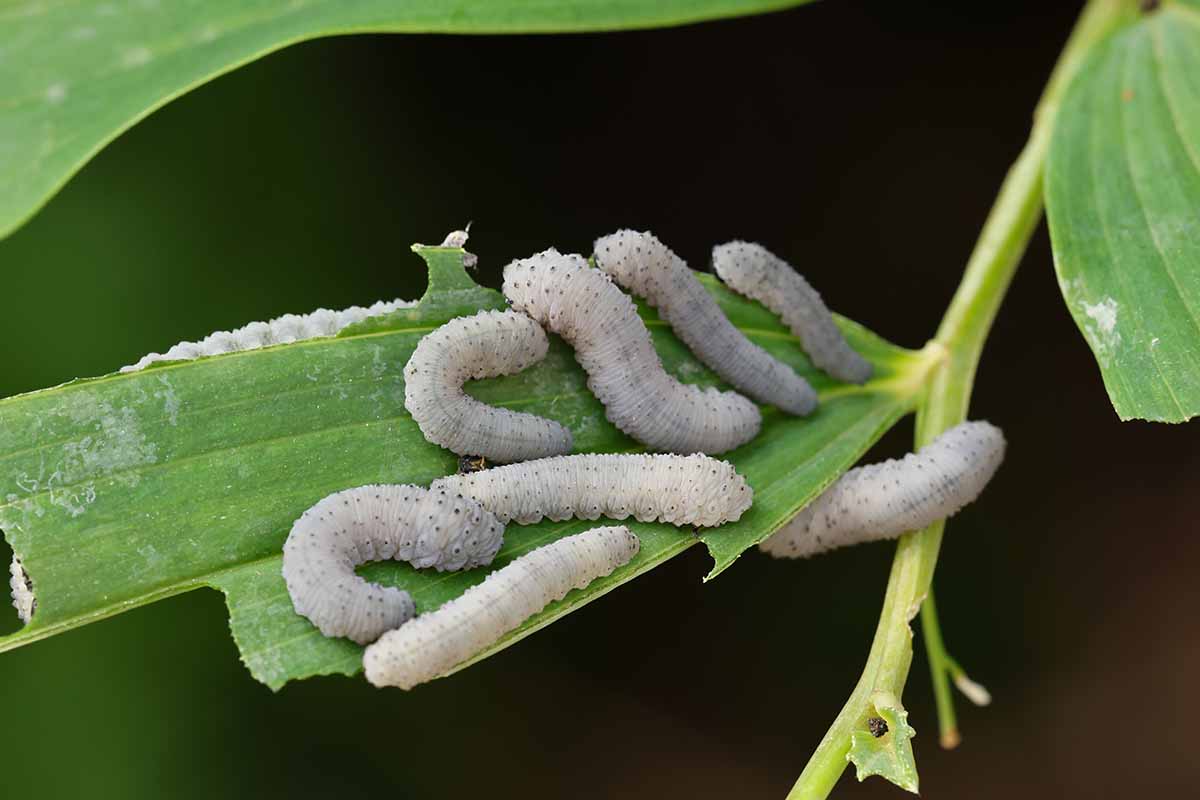
The main pests you’re likely to encounter are sawfly larvae, slugs, and snails.
Sawfly larvae can quickly defoliate plants. If holes and notches appear, check the underside for the gray caterpillar-like larvae and remove by hand.
Slugs and snails can be dealt with by any of the methods outlined in our guide.
Disease issues are uncommon, though fungal spots may develop on the foliage.
Remove any infected leaves promptly, thin clumps to improve air circulation, and allow the top inch of soil to dry out between waterings to discourage further spread.
Solomon’s seal is also susceptible to root rot if grown in soil that stays too wet or drains poorly. Infected plants may exhibit yellowing foliage, stunted growth, or sudden wilt, and the rhizomes may become soft, darkened, or foul-smelling.
Prevent issues by planting in loose, well-draining soil and avoid overwatering.
If signs of rot appear, dig up affected clumps, remove any diseased portions, and replant only healthy divisions in amended soil.
Shade Garden Elegance
With their graceful arching form, attractive foliage, and scented flowers, Solomon’s seal adds elegance to any shady setting.
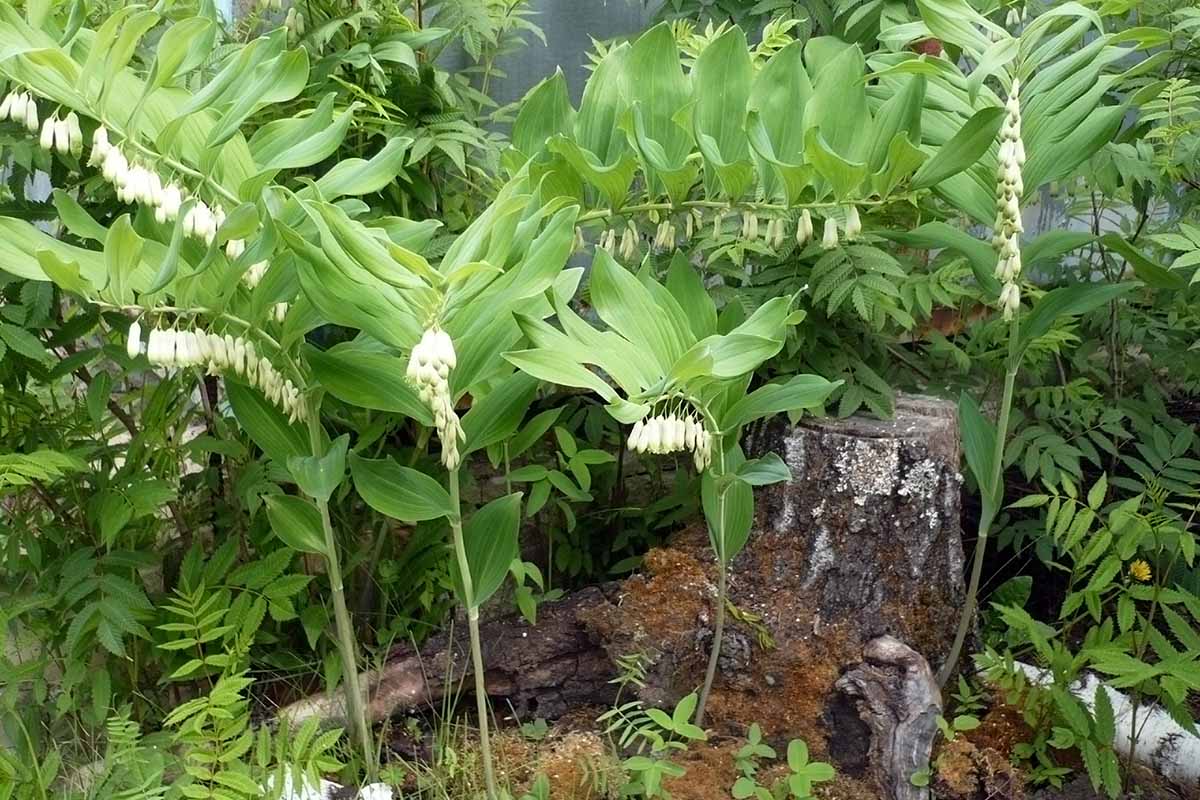
Provide the plants with morning sun and afternoon shade or dappled sunlight and avoid locations with hot afternoon sun.
Keep the soil lightly moist for new plantings then cut back on watering after plants are established.
And use a light hand with fertilizers. A layer of compost in spring is all they need when planted in fertile soil.
Are you growing Solomon’s seal? Let us know in the comments section below!
And for more easy care ornamentals for shady sites, add these guides to your reading list next: