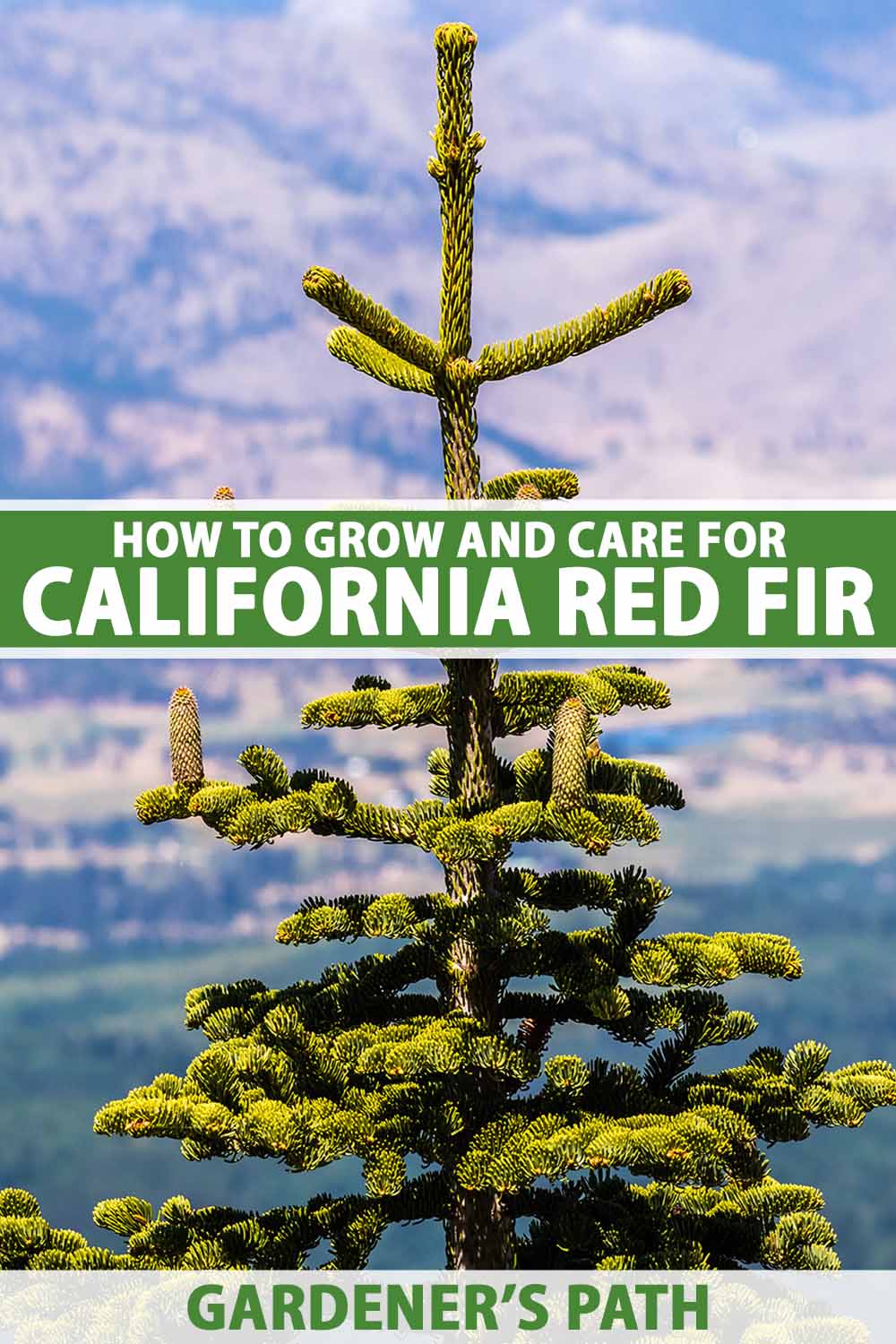
Abies magnifica
Some trees are content to hide in the background and then there are those that draw all the attention. California red firs (Abies magnifica) fall firmly into the second category.
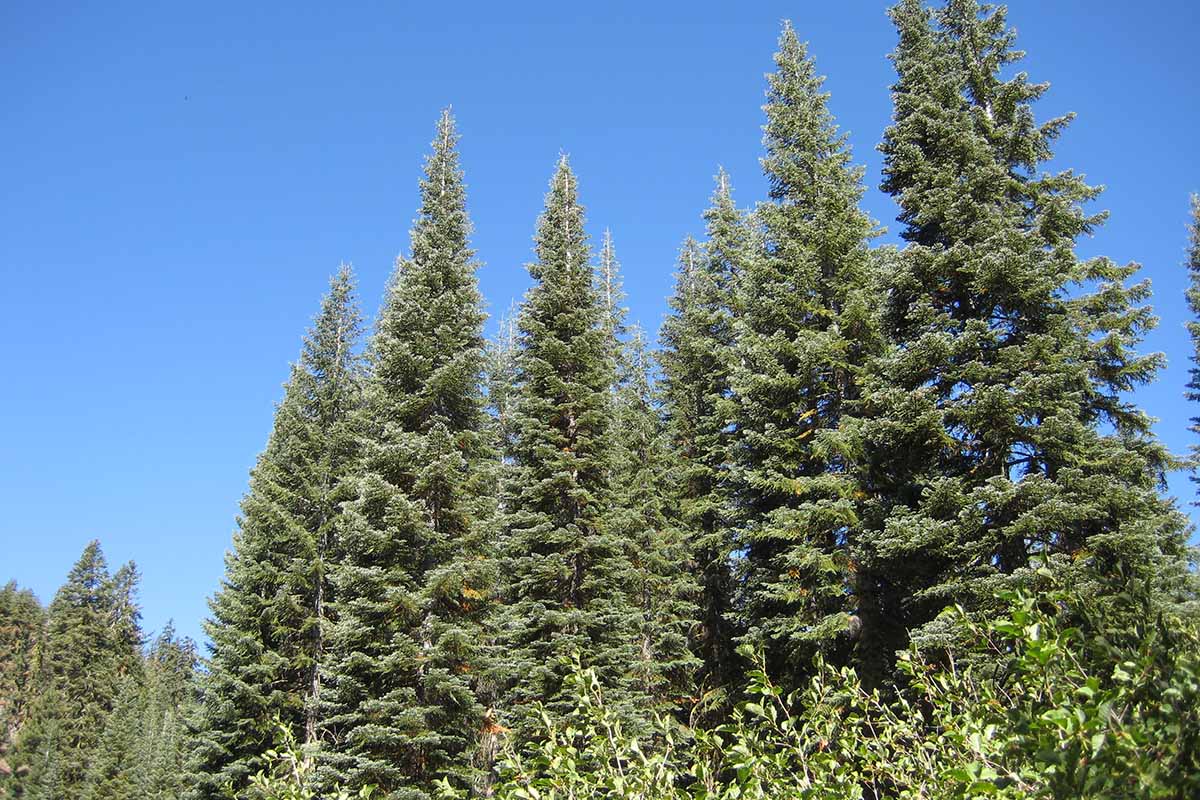
These magnificent conifers grow up to 200 feet tall with an irregular conical shape that is extremely enchanting. Coupled with the bright red bark, this species is a showstopper.
We link to vendors to help you find relevant products. If you buy from one of our links, we may earn a commission.
It’s less common than a lot of conifers that you’ll see in gardens, which I think makes it all the more special.
If you’d like something big and bold that will give you year-round interest, but doesn’t look like everyone else’s pine, keep reading.
We’re going to go over how to grow and care for this tree, including:
What You’ll Learn
Abies magnifica is commonly referred to as the California red fir.
But there are technically three recognized varieties: California red fir (A. magnifica var. critchfieldii), red fir (A. magnifica var. magnifica), and Shasta red fir (A. magnifica var. shastensis).
The magnifica variety is the most common and appears throughout the native range.
Critchfieldii grows natively in the high Sierra Nevada range, and the shastensis appears from the Mount Shasta range in Northern California to southern Oregon.
As you get further into central and northern Oregon, A. magnifica is replaced by the closely-related noble fir (A. procera).
The two hybridize anywhere their ranges overlap. These hybrids are sometimes classified as A. magnifica var. shastensis or as A. x shastensis.
Quick Look
Common name(s): California red fir, red fir, silvertip fir
Plant type: Hardwood evergreen conifer
Hardiness (USDA Zone): 5-9
Native to: Western United States
Bloom time / season: Evergreen
Exposure: Full sun
Soil type: Moderate to rich, well-draining
Soil pH: 5.0-6.0, acidic
Time to maturity: 40 years
Mature size: Up to 200 feet tall
Best uses: Focal specimen, year-round color
Taxonomy
Order: Pinales
Family: Pinaceae
Genus: Abies
Species: Magnifica
In the wild, the trees grow in higher elevations from about 4,500 to 9,000 feet.
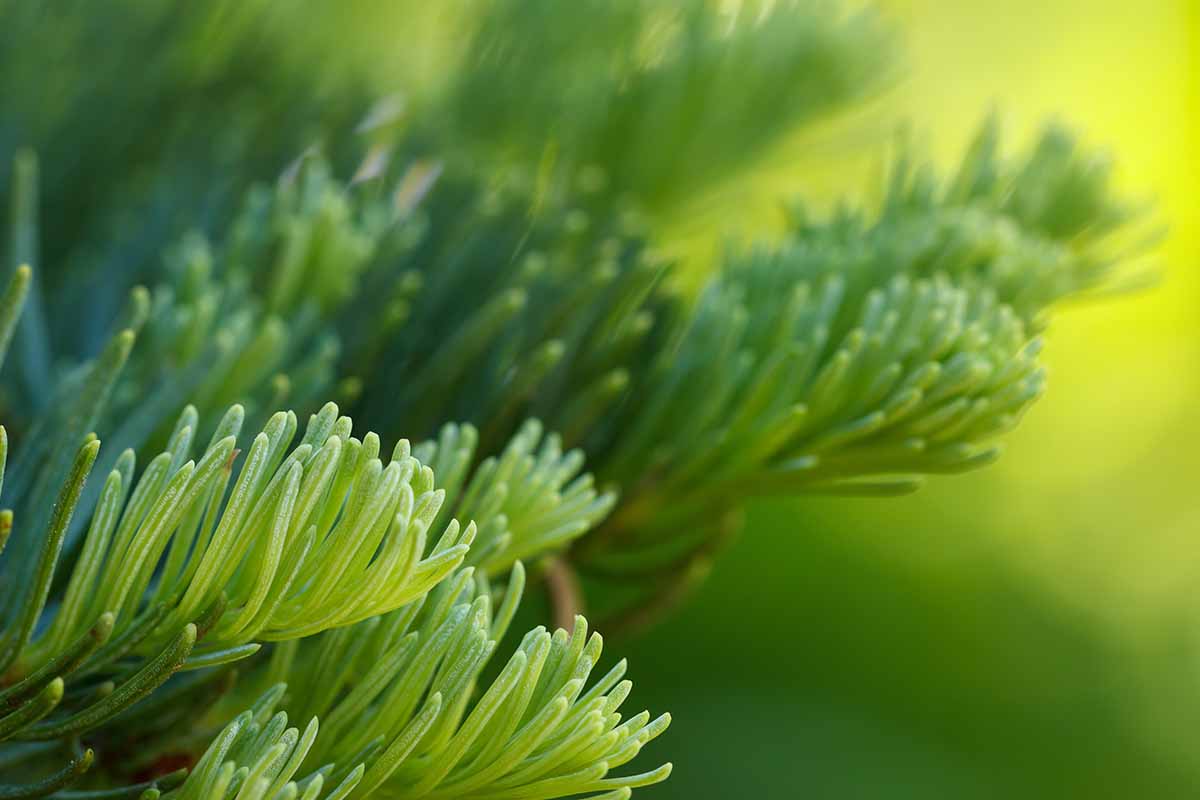
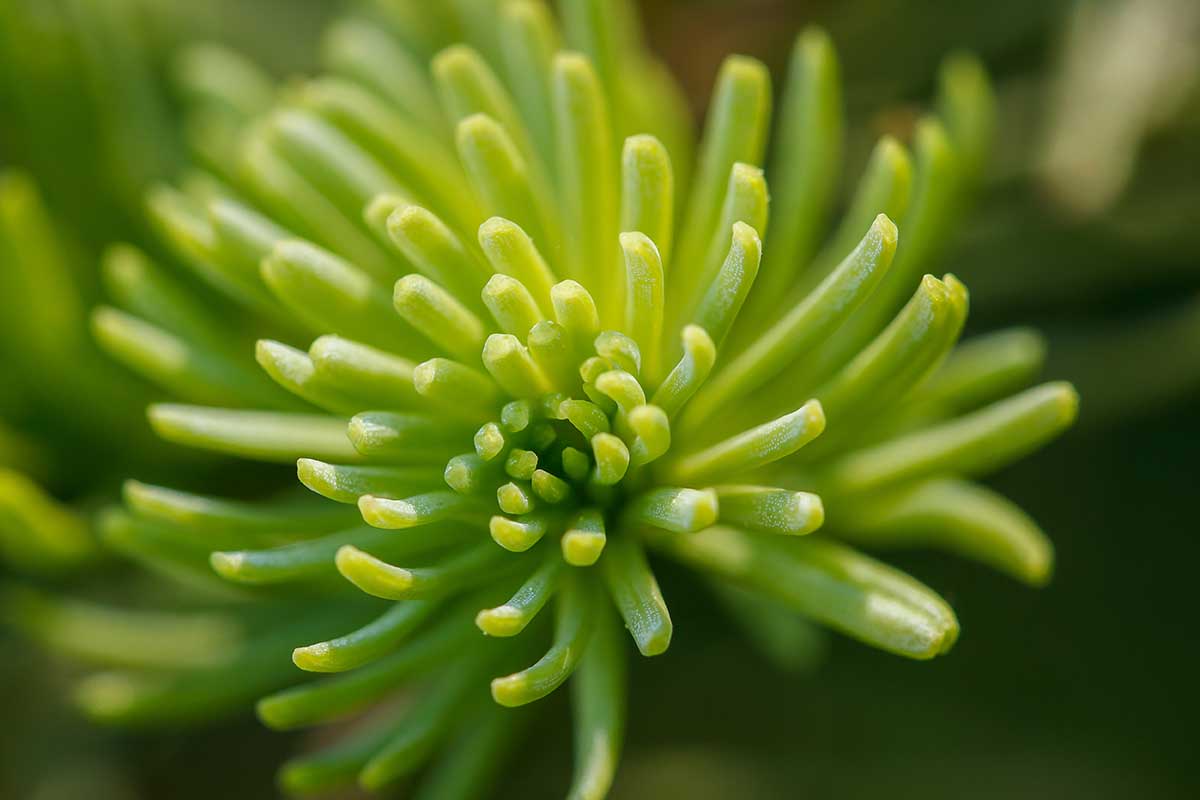
The branches are covered in upright needles arranged in spirals.
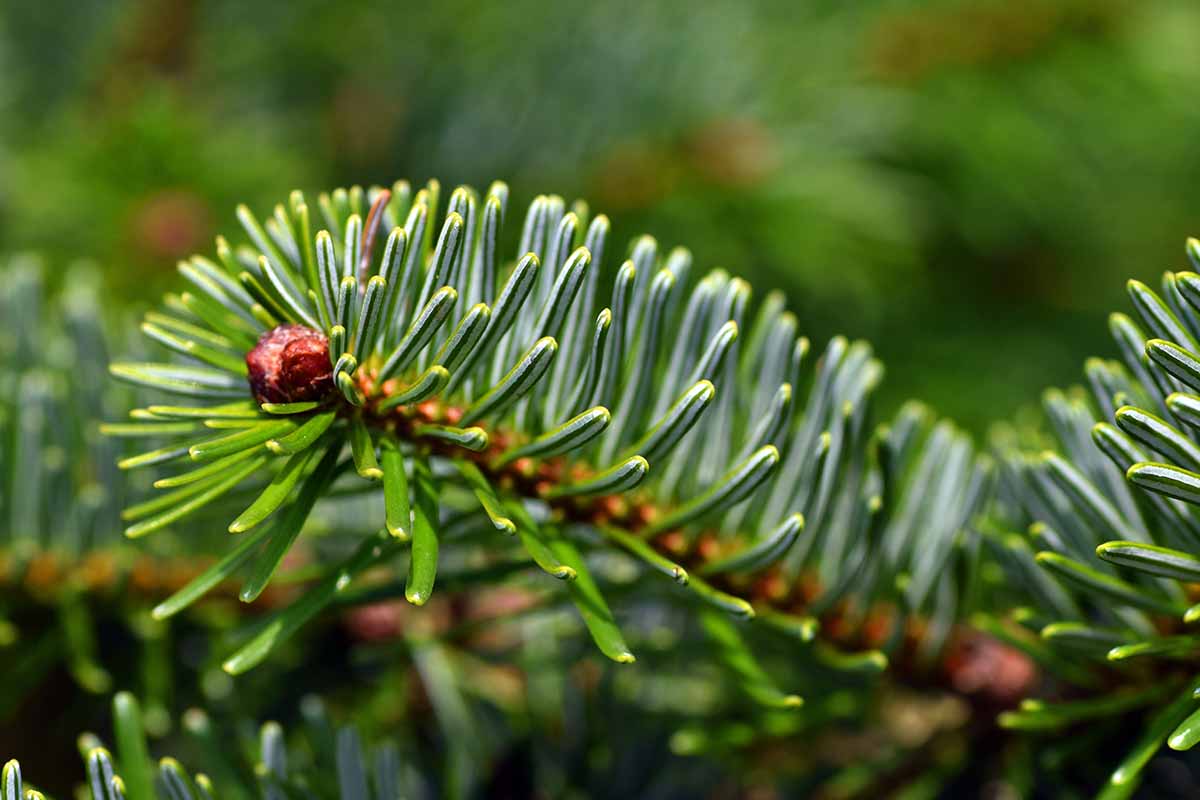
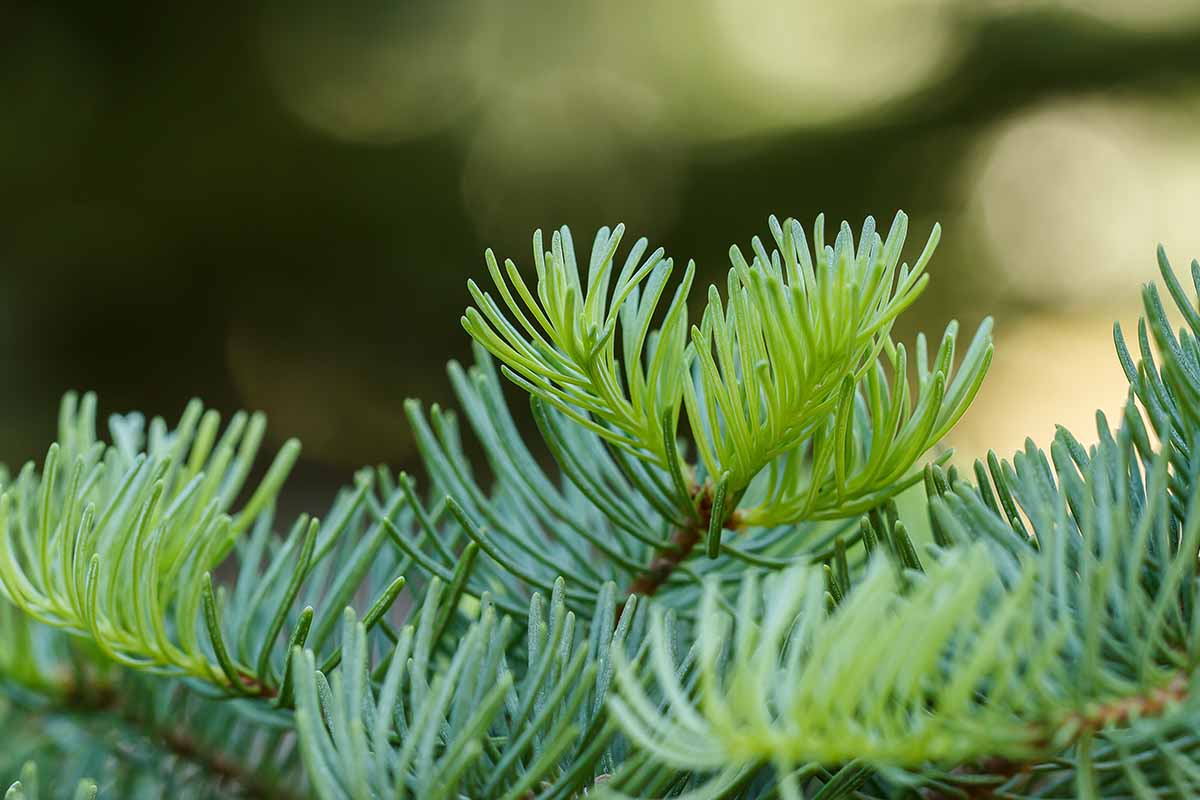
The leaves are blue-green when mature, but young needles have a silvery-blue tip, hence the common name silvertip fir.
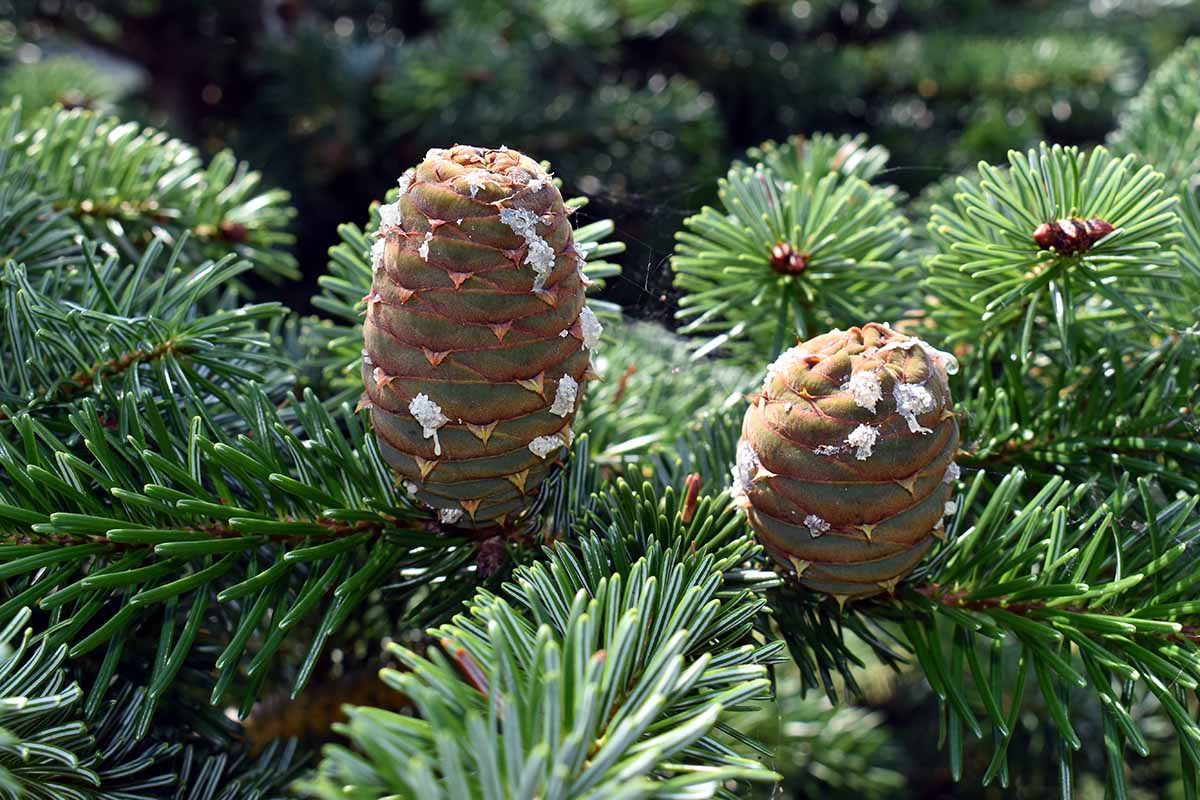
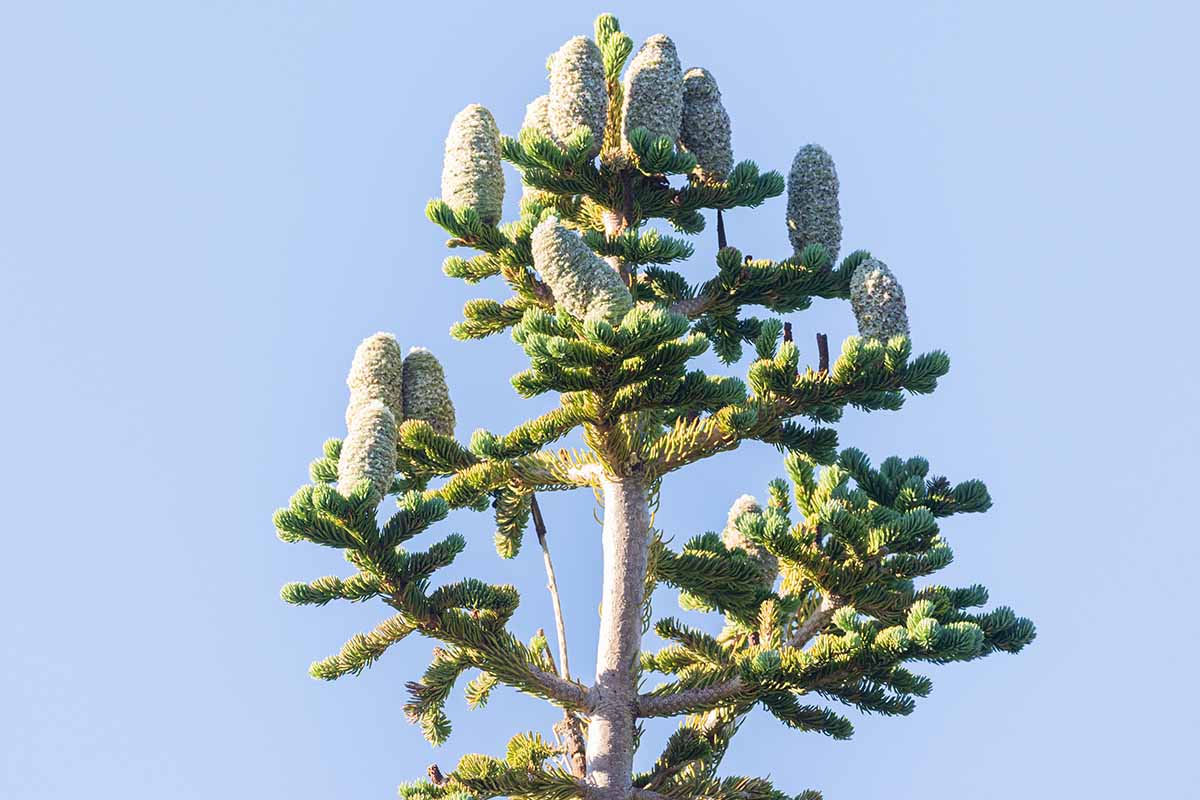
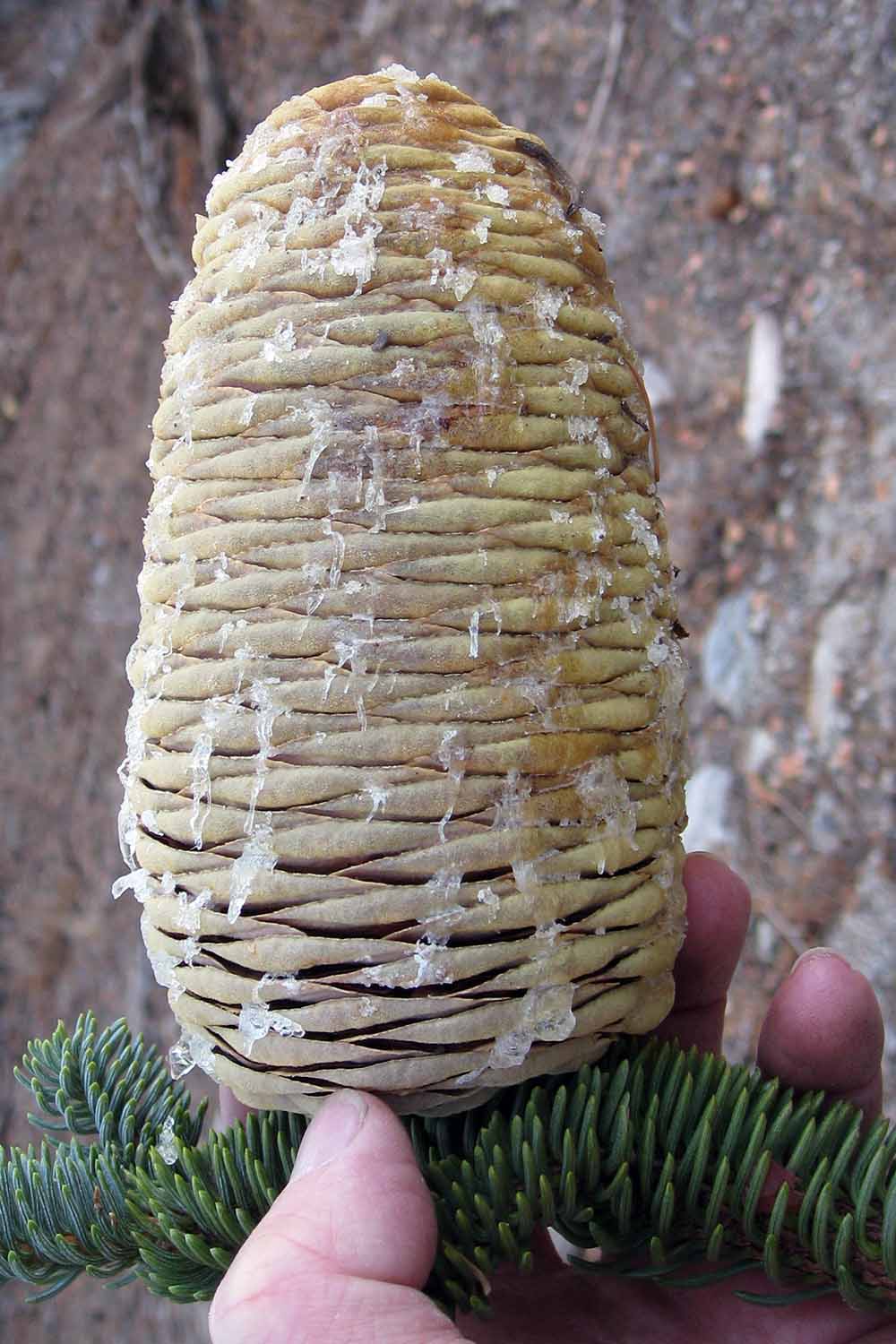
The yellow-green to purple cones grow upright on the branches, which is an adaptation that allows birds and other herbivores the opportunity to ingest the winged seeds that emerge in the fall.
When young, the bark is smooth and grayish-brown, turning red as it ages, which is where the tree gets its name. It also becomes rough and fissured, creating an interesting texture.
How to Grow
If you’ve ever been to the northern California and southern Oregon region, then you know that the climate is generally wet and cold in the winter, and dry with moderate heat in the summer.
In the higher elevations, it typically stays cool most of the year and the growing season is extremely short.
I have driven through the Mount Shasta region in early July and early October and there was snow on the ground.
That said, though California red firs can survive an extremely short growing season, they do better when the growing seasons are a bit longer.
If you want these trees to grow well, you’ll need to recreate this cool, moist environment.
Light
Plant young trees in full sunlight. As they mature, the trees will likely tower over nearby plants, so keep that in mind when situating your new friend.
Soil
The soil is usually acidic in their native range, and you should aim to grow in the same conditions. It won’t help to amend your soil except for young plants.
As the tree ages, the roots will reach far deeper and much wider, rendering your amendments pointless.
Having said that, they will tolerate slightly acidic or neutral soil, with an ideal pH of 5.0 to 6.0.
The soil absolutely needs to be well draining. No exceptions. Your tree will die in poorly draining soil, it’s only a matter of when, not if.
The soil can be anywhere from poor to rich, though somewhere in the middle is ideal.
Temperature
In its beautiful Pacific mountain home, the temperatures rarely climb above 85°F during the summer.
That’s gradually increasing with climate change which is having a negative impact on the trees in the region.
If you live in an area with hot, humid summers, you’ll likely find it hard to grow California red firs as they prefer moderate summer temperatures.
Water
While these trees do just fine when the winter is frigid and everything is frozen, during the growing season, they can’t tolerate drought.
However, during the summer for a month or two, the trees are accustomed to little water. The rest of the year, they need nearly consistent moisture.
In the winter, the snowpack keeps the ground moist, though often frozen, and in spring and fall, the ground stays moist with melting snow and rain.
If you have a dry period during the months where there would typically be moisture, you’ll need to give your California red fir some water.
Don’t stress too much about moisture in the summer unless it’s extremely dry and hot.
Water deep and long rather than giving it shallow moisture more frequently.
Fertilizer
As with all of my fertilizing advice, I highly recommend that you do a soil test before feeding a plant.
You can do a single soil test every few years to get a good understanding of what you should add or avoid adding depending on what your soil already contains.
And you even tell the testing service what you intend to grow and they can give you more specific advice.
A local testing service is best because they know the challenges that you’ll face in your region and can advise you accordingly.
You can find a reputable company by reaching out to your local university extension office.
Assuming you can’t or don’t want to test your soil, or if your tree is growing slowly or the needles are shorter than usual or lack the vibrant color, there are a few general guidelines to feeding.
Feed in the spring as new growth is forming. Don’t fertilize from midsummer onwards.
Use an all-purpose food or one formulated specifically for trees or, better yet, evergreens.
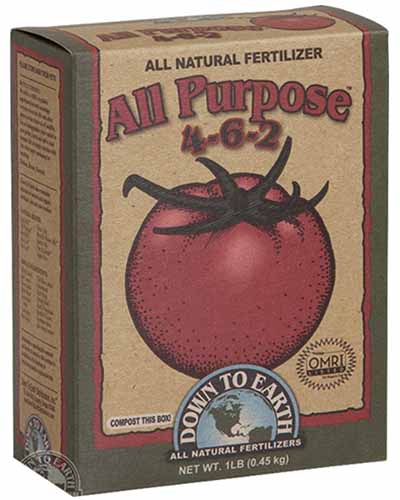
Down to Earth All-Purpose Fertilizer
If you want to go the safe route, pick up an all-purpose fertilizer from Down to Earth, available at Arbico Organics.
Where to Buy
Maybe the biggest drawback to California red firs is that they are hard to find in cultivation.
There aren’t any popular cultivars and you’ll have to search far and wide for the species. But they are out there, particularly at local nurseries in areas where they grow well.
One cultivar called ‘Nana’ is a dwarf, growing only 10 feet tall with a columnar shape and blue needles.
Propagation
It’s extremely difficult to grow red firs vegetatively from root or stem cuttings. Your best bet is to grow them from seed or get your hands on a live plant.
Let’s talk about seed growing, first:
From Seed
Trees won’t produce seeds until they’re about 40 years old, and then the most abundant seed crops only develop every few years. Typically, fewer than half of the seeds will germinate.
It’s easiest to start seeds outdoors. Prepare a bed by loosening up the soil and working in some compost.
Sprinkle the seeds on the surface of the soil. Cover the seed bed with leaf litter.
Water well and keep the bed moist until snowcover arrives.
Once the seedlings emerge, which can take up to a year, keep them in partial shade. Young seedlings won’t grow well in full sun, especially in hot climates.
As they mature, they will reach for the sun and then do best in full sun. This recreates the conditions they grow in naturally.
After a few years, start gradually exposing the seedlings to more light.
You can also go the lazy approach and just keep the seedlings in full sun from day one, but try to provide a little shade on extremely hot days.
Keep the soil consistently moist for the first year or two.
After two years, allow the top few inches of soil to dry out between watering.
Expect to only see six inches or so of growth in the first five years, and only about five feet tall in 10 to 20 years. Usually, after that point, they start to take off a bit more quickly.
Dig them out of the bed and move them to their permanent home before the plant grows more than a few feet tall.
Transplanting
If you don’t have the patience for growing red firs from seed, grabbing a live plant is an excellent way to get started.
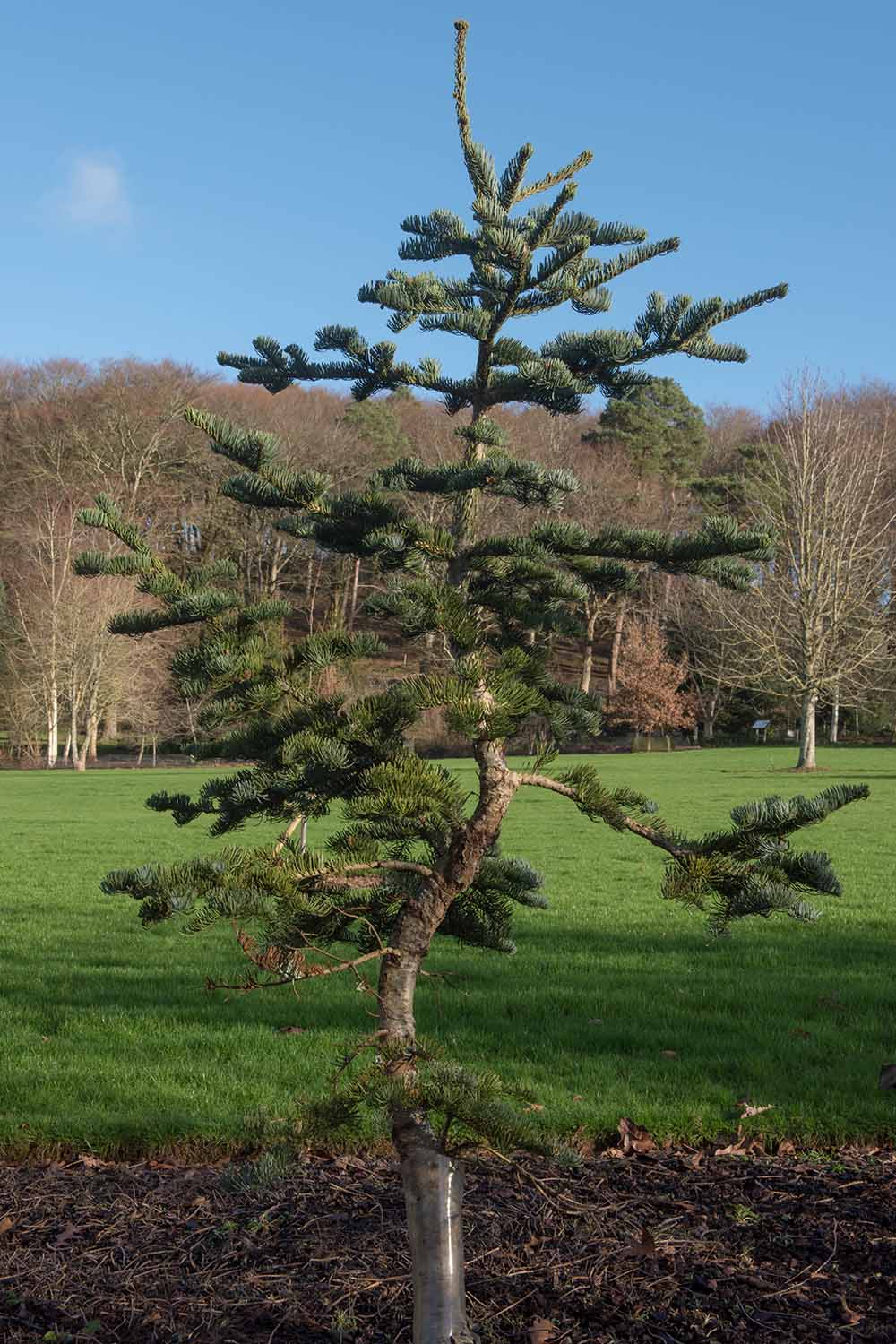
To transplant into the garden, dig a hole about the size of the growing container and gently remove the tree from its pot.
Loosen up the roots a bit and set it in the hole. Backfill with the removed soil and then water well.
If the soil settles, add a bit more until the tree is sitting at the same level it was in the container.
Keep the soil moist for the first year.
Pests and Disease
Fir dwarf mistletoe (Arceuthobium abietinum ssp. magnificae) can severely damage wild trees, but it rarely has much of an impact on cultivated trees.
If you see any mistletoe developing, just cut it or pull it off.
While mistletoe itself isn’t a huge deal in cultivation, it can weaken a tree and make it more susceptible to invasion from pests or disease.
So it’s best not to let it grow at all. If you want to learn more about mistletoe, we have a guide that will teach you all about this parasitic plant that you might find interesting.
Pests
The general rule is that if you keep your tree healthy, pests won’t be much of an issue. But stressed trees are susceptible to several pests.
Bark Beetles
We’ll start with the biggest pest threat to California red firs.
Fir engraver beetles (Scolytus ventralis) can cause significant damage and can even threaten older trees.
This bark beetle prefers trees that are already weakened, whether that’s from drought stress, root rot, or other pests.
Early signs include bore holes and sawdust at the base of the tree or caught in the bark.
As the infestation progresses, the tree will weaken and look generally sick as the leaves lose color. Eventually, the tree dies.
That’s because the beetle disrupts the tree’s ability to take up water as it chews tunnels through the sapwood.
Because the beetles are protected by the bark, they are extremely hard to control. It’s better to prevent them in the first place, and that starts with keeping the tree healthy.
In the case of a very bad infestation you may need to cut down the tree and burn or soak the wood for 24 hours to kill the beetles so they don’t infest other nearby trees.
These pests feed on all true firs, Douglas fir (Pseudotsuga menziesii), and Engelmann spruce (Picea engelmannii).
Chalcid Wasps
Chalcid wasps, specifically those in the Megastigmus genus, feed on the seeds in the cones of fir trees.
It’s not a problem for most trees, in general. But if you’re growing with the hope of using the seeds to produce seedlings, these wasps can be a big problem.
The best control is to clean up fallen cones to deny the pests a place to overwinter.
Try to avoid using pesticides because they end up killing the beneficial insects as well as the bad ones.
If populations continue to grow and the seed loss is extreme, spray trees with a broad insecticide like Monterey Garden Insect Spray or similar product which contains spinosad.
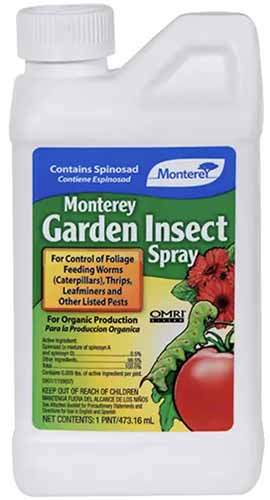
You can pick up Monterey Garden Insect Spray at Arbico Organics.
You can use yellow sticky traps to determine when the adults are present and spray when they arrive. Or spray in the spring and again in the summer.
Cone Maggots
Cone maggots are insects in the Earomyia genus. The adults just look like your average, run-of-the-mill housefly and they aren’t a threat.
It’s the small, whitish larvae that are the problem. Like chalcid wasps, they don’t harm the tree overall, but they destroy the seeds inside the cones.
The adult lays eggs on the cone and when the eggs hatch, the larvae crawl inside and feed on the seeds, destroying them.
Kill the adults in the spring or summer before they can lay eggs by spraying with an insecticide containing spinosad.
Cutworms
Cutworms can be extremely damaging on young trees, and cause unsightly damage on older trees, but won’t kill them.
Cutworms are the larvae of moths in the Noctuidae family.
These caterpillar-like critters are cream, green, or brown and feed on the foliage of trees.
They will clip the needle down nearly to the base, and can actually devour a young seedling in one day.
Fortunately, there is an excellent biological insecticide available that makes quick work of cutworms.
It’s the beneficial bacteria Bacillus thuringiensis subspecies kurstaki strain SA-12, and it appears in products like Monterey Bt.
Grab a pint, quart, or gallon concentrate at Arbico Organics and spray at the first sign of the pests. Repeat every two weeks until no new damage appears for two weeks.
With older trees, you might not need to treat them at all. But young seedlings need to be carefully monitored.
Needleminer
The white fir needleminer (Epinotia meritana) is only found in the western United States and Canada, so if you’re cultivating your plant outside of this area, you won’t need to worry about this particular nuisance.
But if you live west of the Rockies, needleminers are tiny worms that feed on the inside of the needles.
The adults are mottled gray-brown moths that don’t look like much, but the larvae can rapidly turn the needles on your tree brownish yellow.
Some needles might dangle loosely from the branch.
The damage also weakens your tree and leaves it open to other issues. With enough feeding, it can thin the canopy of the tree and reduce photosynthesis.
Infestations tend to happen in waves, with big infestations happening every few years.
Typically, the damage is temporary because populations will be lower in the following year, so you don’t need to take action, for the most part.
The problem with a needleminer infestation is that the pupae are protected inside the needle, so you can’t reach them with a pesticide.
You can kill the adult moths, but that can be challenging and it might not help prevent an infestation.
Encouraging parasitic wasps will help keep populations under control.
Species like Apanteles californicus and Achrysocharis species are particularly effective because they are native to the same region and have adapted to specifically feed on this pest.
If you decide to treat, you can use yellow sticky traps to determine when the adults are present.
Use a pesticide that can kill the adults and any exposed larvae.
Something with neem oil like Debug Optimo can be somewhat effective. Spray whenever the traps tell you adults are present, following the manufacturer’s directions.
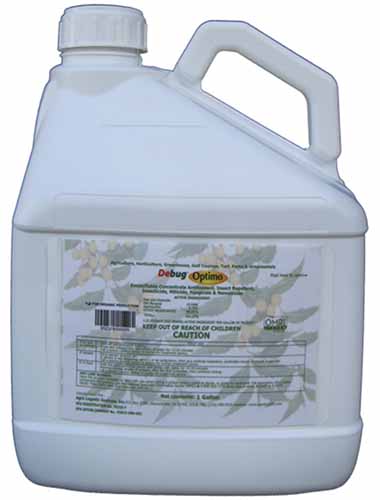
You can pick up a gallon at Arbico Organics.
Disease
There aren’t a ton of problems that you’ll face when growing this tree.
The few that do happen are most common in the range where the tree grows indigenously. The first is the most common:
Heart Rot
Heartwood is the inner part of the tree, surrounded by actively growing sapwood, and it acts as the structural support of larger trees.
Young trees don’t have much heartwood because it hasn’t developed yet. So young trees aren’t really susceptible to heart rot, which is when this center wood starts to decay.
Heart rot is caused by yellow cap fungus (Pholiota limonella), red-rust stringy white fungus (Echinodontium tinctorium), cow pie fungus (Phaeolus schweinitzii), and others.
The fungi find an opening in the wood through which to enter and then they get to work. You can sometimes see evidence of the fungi on the outside of the tree.
Inside, the heartwood turns orange-red-brown and then eventually white and stringy as it rots.
Cow pie fungus produces yellow-brown mushrooms called “conks” on the exterior of the tree. Inside, the wood turns brown and rots.
Many trees can live decades with heart rot as long as the internal structure isn’t seriously compromised and the rot stays compartmentalized.
Unfortunately, it isn’t always so benign. Heart rot can kill a tree, especially as it advances, and it’s really difficult to identify in the early stages.
You can prune off any rotting branches and provide support to keep the tree otherwise healthy.
Root Rot
Known as conifer, butt, or annosus root rot, this disease is extremely destructive in firs and other conifers.
The causal pathogen, Heterobasidion annosum, can also live inside apple, oak, madrone, and poplar.
Part of what makes this disease so insidious is that the problem is typically taking hold underground for a year or more before you’ll even suspect anything is wrong.
By the time you see the characteristic brown and yellow needles, witches’-brooms, and purplish bark, the roots and base of the tree have already started rotting.
In firs, it might be that the tree won’t be killed outright, but the rot will cause the heartwood to rot.
This weakens the structure and leaves it exposed to insects or other fungal infections.
There’s no cure, sadly, so all you can do is remove any heavily infected trees.
Rust
Fir broom rust, caused by the fungus Melampsorella caryophyllacearum, can be a serious problem on young specimens.
It’s usually less impactful on large, established ones, though it can leave a tree susceptible to heart rot.
The fungus finds a way inside the bark to reach the cambium layer, resulting in cankers on the wood and witches’-brooms.
Rust can also cause needle drop, reduced growth, dead tops, and swelling under the bark that can results in cracking, leaving it open to infection from other pathogens.
Young trees can even die.
It’s impossible to treat rust with a topical fungicide. Instead, trim off any witches’-brooms below the swollen area and remove any young trees that show infection in the main trunk.
Dreaming of California… Red Firs
Outside of the North American Pacific Coast, California red firs aren’t all that common.
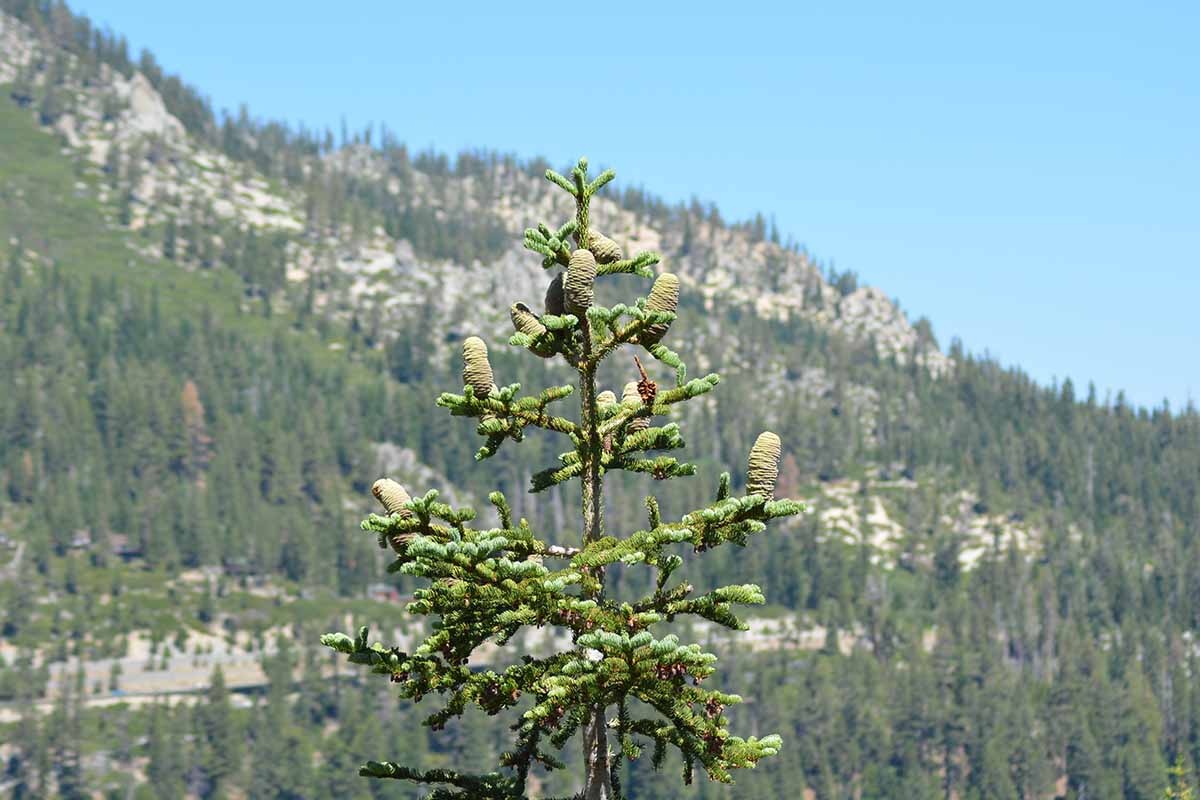
But I can’t imagine it will stay that way for long. Once people see the bold red bark and the majestic shape, it’s hard not to want to keep one in your own landscape.
And they’re relatively easy to grow, especially once established.
Are you outside of the tree’s native range, and do you have or plan on growing one? Let us know in the comments section below.
For more information about growing landscape trees, add these guides to your reading list next: