Betula spp.
When I was a kid, my grandparents planted a weeping birch in their yard as the first tree in the yard of their first (and only) home.
Its elegant branches arched gracefully next to the two-story window in the library and sat as a striking backdrop to our family activities with its white and black speckled trunk.
My grandparents babied that tree because birches in that area of Utah were constantly succumbing to pests.
But they kept it alive and it still grows proudly where they planted it, 70 years later.
We link to vendors to help you find relevant products. If you buy from one of our links, we may earn a commission.
Birch trees are striking. These aren’t subtle plants that seamlessly blend in with the world around them.
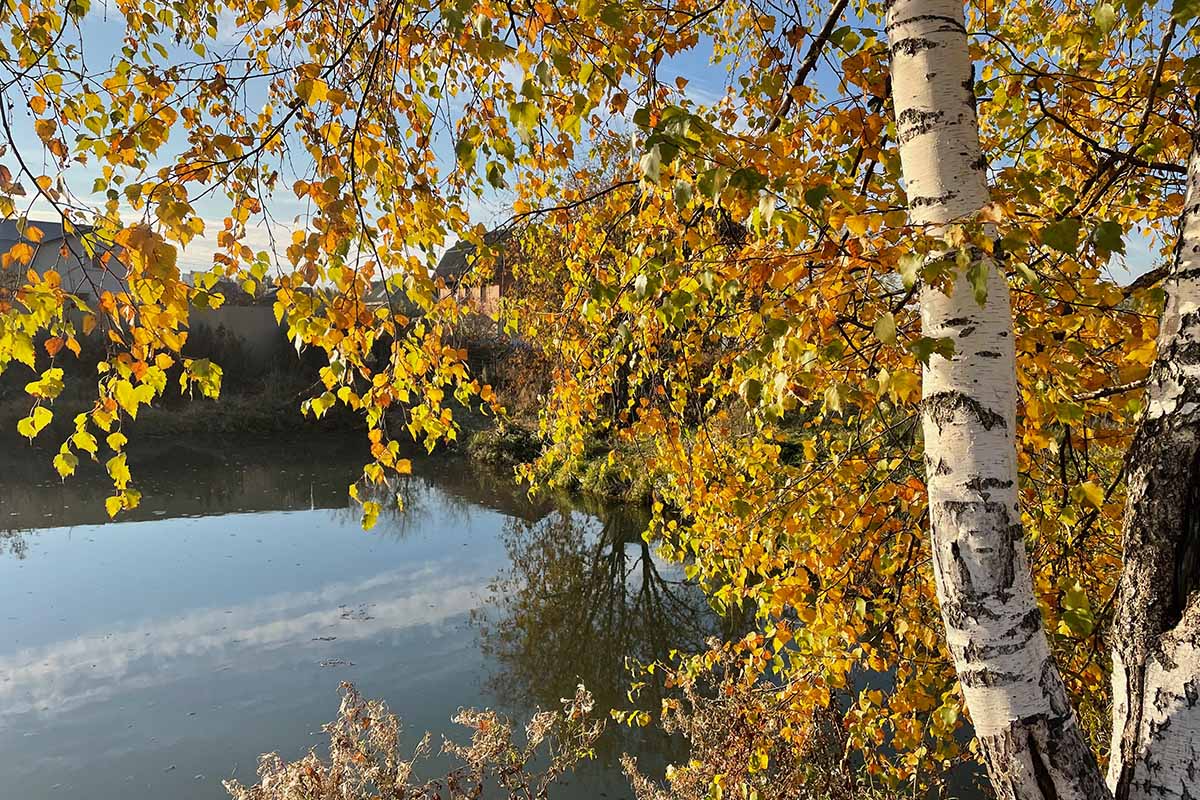
They command attention with their unique bark, dancing leaves, and unique shapes that stand out even more when they’re bare in the winter.
From textured bark to graceful foliage, birch trees stand out.
And that’s probably why so many of us try to grow them despite the fact that they can be short-lived and a challenge to cultivate in many areas.
White barked types, in particular, tend to die young. It’s not unusual at all for a specimen to die in under 20 years of being planted.
But it doesn’t have to be like that.
Choosing the right birch tree species, planting in the correct environment, and knowing how to maintain its health can give you a long-lived, perfectly healthy tree.
That’s exactly what we’re going to go over in this guide. Here’s what’s coming up:
What You’ll Learn
There are dozens of birch species that grow indigenously throughout Europe, Asia, and North America.
Some botanists claim there are around 30 species, and others put the number at more than 60.
These are subdivided into five different genera: Betula (typical), Betulastar (large leaf), Betulenta (wintergreen oil), Chamaebetula (dwarf), Neurobetula (costate).
Some botanists divide into six (with the addition of Eubetula) or four groups. And let’s not even get into sections! There are two, three, four, or eight depending on who you ask!
Part of the problem is that the various species hybridize between themselves in the wild, so it can be hard to tease it all out. Don’t worry about the details. We’ll let the experts work on it.
Quick Look
Common name(s): Birch; specific names include dwarf, gray, Japanese white, paper, river, silver, water, weeping
Plant type: Deciduous tree
Hardiness (USDA Zone): 2-9 (depending on species)
Native to: Asia, Europe, North America
Bloom time / season: Spring (catkins)
Exposure: Full to part sun
Soil type: Moist loam, well-draining
Soil pH: 5.0-6.5, slightly acidic to neutral
Time to maturity: 10-50 years
Mature size: 3-80 feet tall depending on species; most cultivated types 30-50 feet tall
Best uses: Specimen tree, wildlife habitat, naturalized areas, winter interest
Taxonomy
Order: Fagales
Family: Betulaceae
Genus: Betula
Species: Nana, nigra, occidentalis, papyrifera, pendula, platyphylla, populifolia
What all birch trees have in common is three-flower clusters on long, dangling catkins and ovate or elliptic leaves with a double serrated edge.
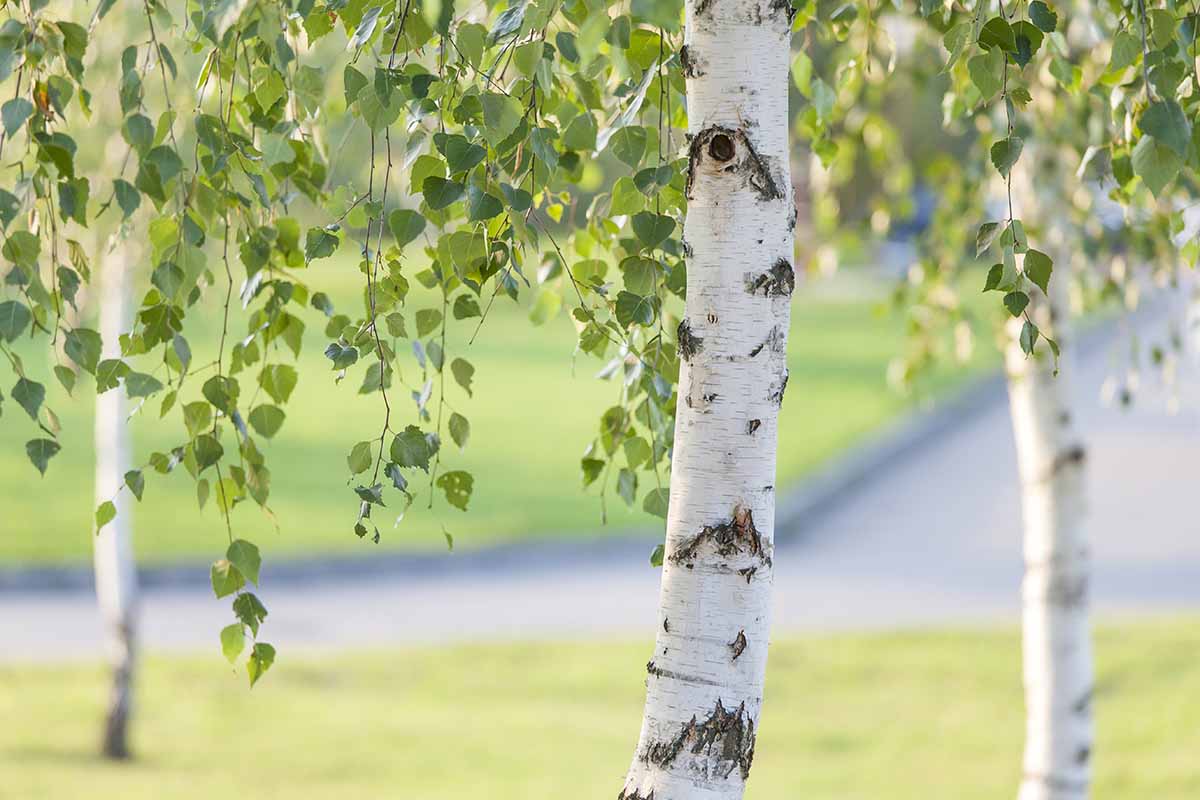
The leaves are attached to the branch with a slender petiole, which is why they appear to dance in the breeze. Most have papery bark that grows in many thin layers.
The layers can be so thin they’re nearly transparent, and certainly paper-like.
The bark often looks different when the tree is young, so don’t assume that what you see in the nursery is what you’ll have in a few years.
Most species we cultivate in the garden grow between 30 and 50 feet tall, and tend to be single-trunked trees.
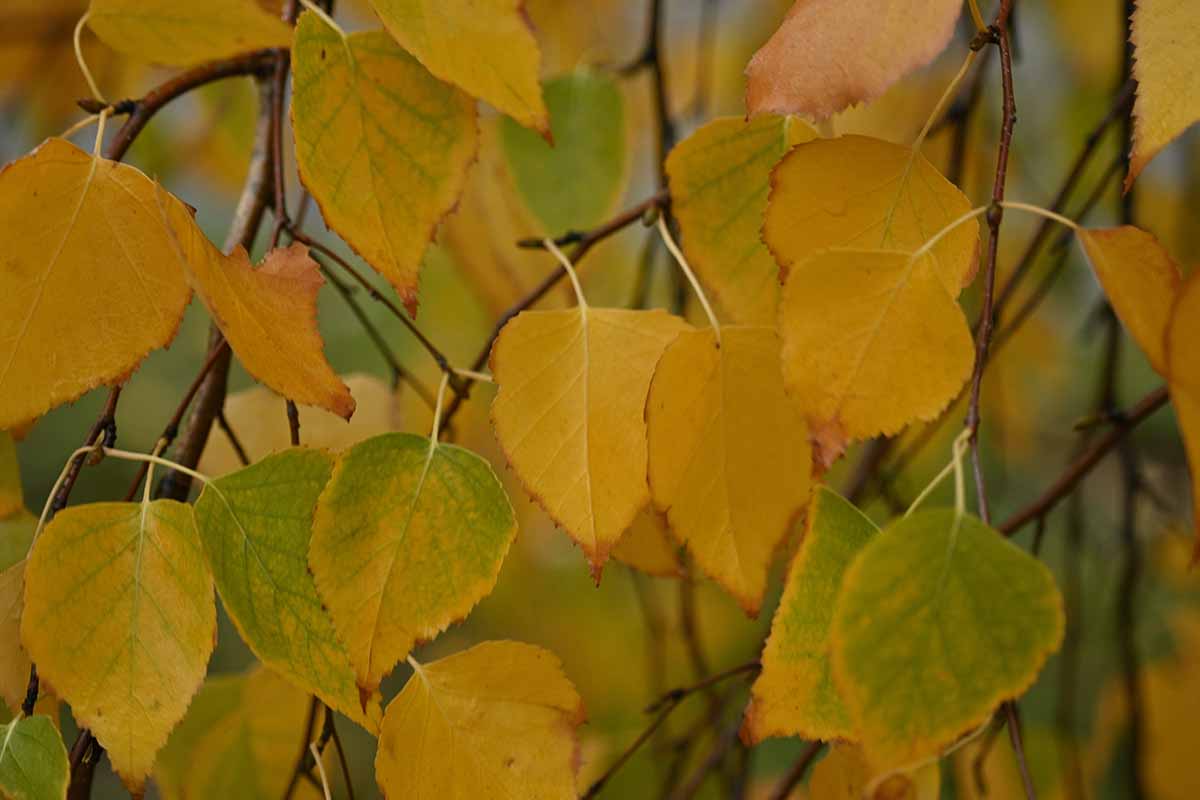
You may also see multi-stemmed species that grow in clumps. All have bright yellow foliage in the fall.
Some have white bark, but not all.
The indigenous people in Canada have used bark from the paper birch as sunglasses, peeping through the natural slits known as lenticels.
Birches are what is known as a pioneer species. That means they are one of the first plants to pop up after an area has been cleared or devastated by fire.
How to Grow
Birch trees have shallow roots. When choosing a location, avoid planting next to a driveway, walkway, or other area where the soil may be compacted and the roots can become a nuisance.
Keep in mind that it’s hard to give general advice for dozens of different species of trees. We’re going to cover the general conditions of the most popular types that gardeners cultivate.
For example, a paper birch (B. papyrifera) wants moist, cool soil and partial sun, while the river birch (B. nigra) can thrive in heat with occasional drought.
Climate
Almost all birches prefer cool climates.
They can be nurtured and coddled enough to survive in hot, dry regions, as all the birches in my desert hometown show, but they’re going to do best in an area that isn’t extremely hot and dry.
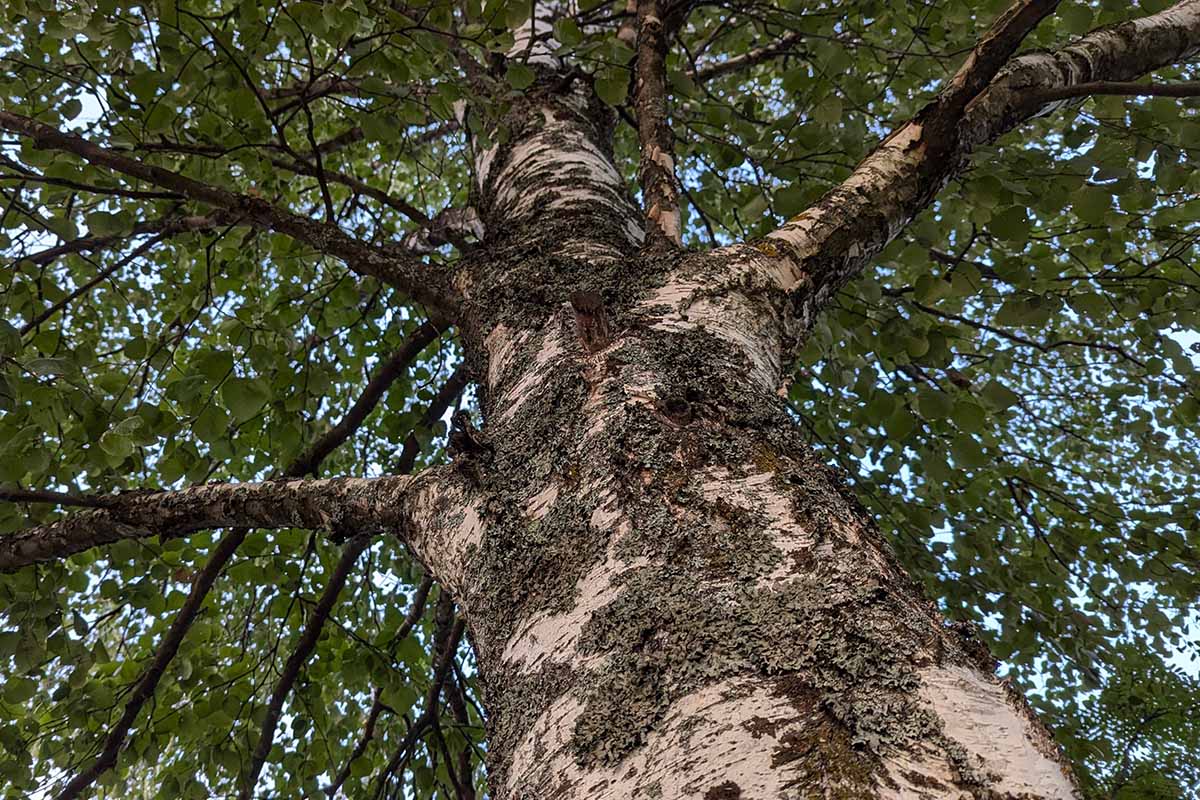
Even if you don’t live in the perfect climate, you can usually find a spot in your yard that approximates something closer to what these trees prefer.
Look at the eastern or northern side of your home or other large building. That way at least the roots will be shaded when the hottest part of the afternoon rolls around.
Somewhere with western or southern exposure will always be hotter and drier than eastern or northern, so avoid planting there.
An unhealthy birch will be prone to devastating pest infestations, so while you may get away with less-than-ideal conditions for some plants, you’ll be in trouble if you give these trees the wrong environment.
Light
Birches generally need full sun, though if you live in an area that is really hot for part of the year, your tree will do better with some shade in the hottest part of the afternoon.
Soil
The pH should ideally be slightly acidic to neutral with a pH of 5.0 to 6.5.
Species with white bark can usually thrive even in neutral or alkaline soil. River birches are the exception – this species craves acidity.
If you have alkaline soil, stick to a white bark type, or grow a different species altogether.
Water
Birch species vary in their water needs, but most require consistent moisture.
Some will tolerate a period of drought, while others will drop their leaves and turn up their toes.
When I say moist soil, I don’t mean wet and soggy. It should feel like a well-wrung-out sponge. Waterlogged soil will quickly kill most birch species.
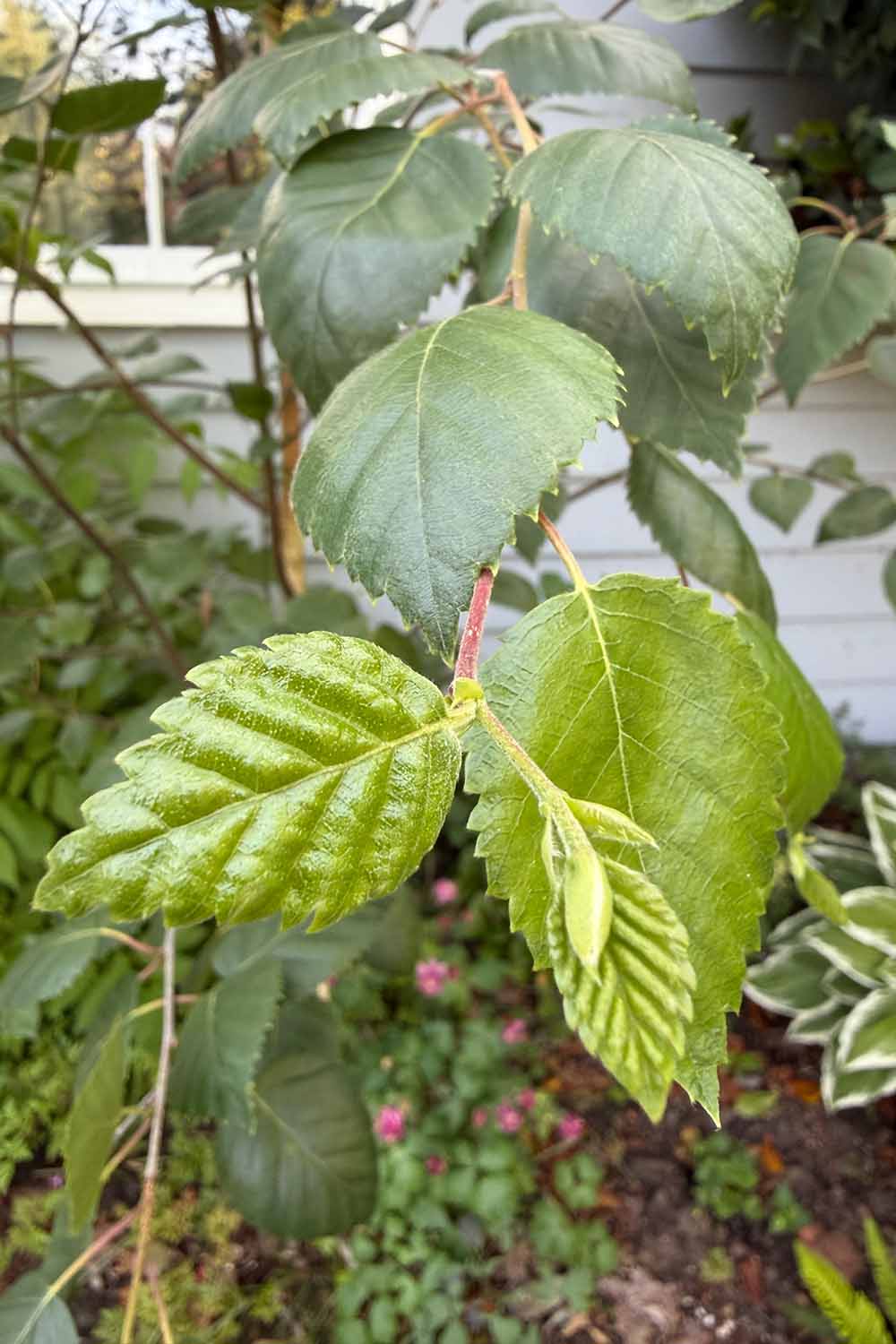
There are a few that will tolerate seasonal flooding, like river birches (B. nigra) that don’t mind short periods of soggy soil.
The best method for watering Betula species is to soak them infrequently so the soil is moist a long way down.
Frequency of watering is going to depend entirely on your soil composition, weather, and environment.
The best way to tell if your tree needs water is to stick your finger in the soil. If it feels dry at all past your first knuckle, start watering.
Start reducing the amount of water you give in the early fall.
Fertilizer
You might not need to fertilize your tree at all, and you certainly should never feed during the late summer.
Feeding too much or too late in the season can cause the tree to send out new growth at the wrong time of year.
Before you break out the bag of fertilizer, test your soil. It’s cheap and easy, and it might even save you money.
Your local university extension office will be able to guide you to local testing options that will best understand your soil and conditions.
Use the results to guide you so you’re only adding amendments that your soil actually needs.
If you do need to feed your trees, use a slow-release fertilizer in the spring.
Species and Cultivars
There are so many options out there to choose from when you start your shopping.
Make your choice based on the growing conditions in your landscape for the best chance at growing a thriving tree.
Here are a few popular choices:
Black
Black (B. nigra) is sometimes called red or river birch.
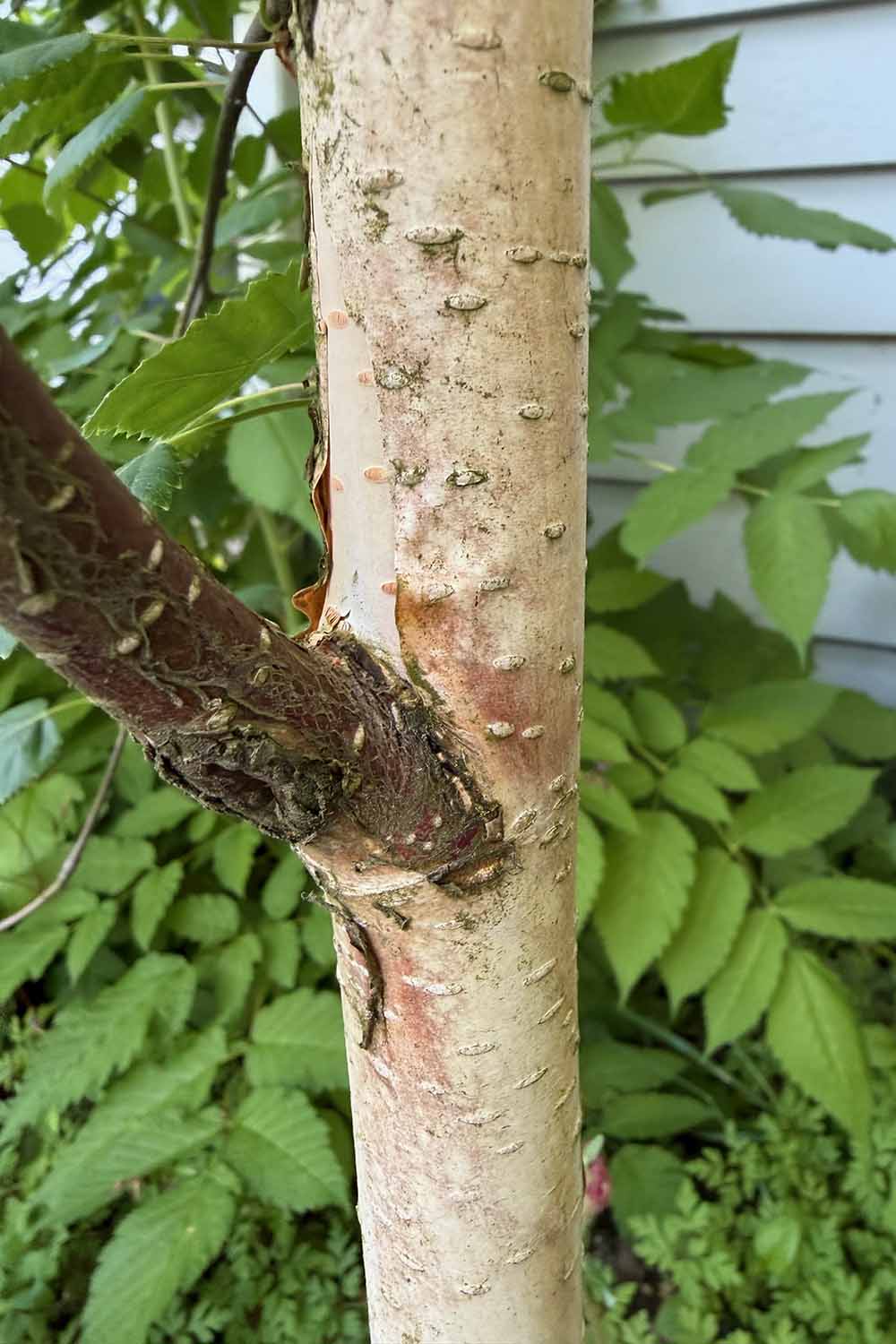
The papery bark has a lovely salmon-colored hue when it’s young, gradually turning reddish-brown as it ages. The older bark exfoliates, giving the trunk a rough, textured look.
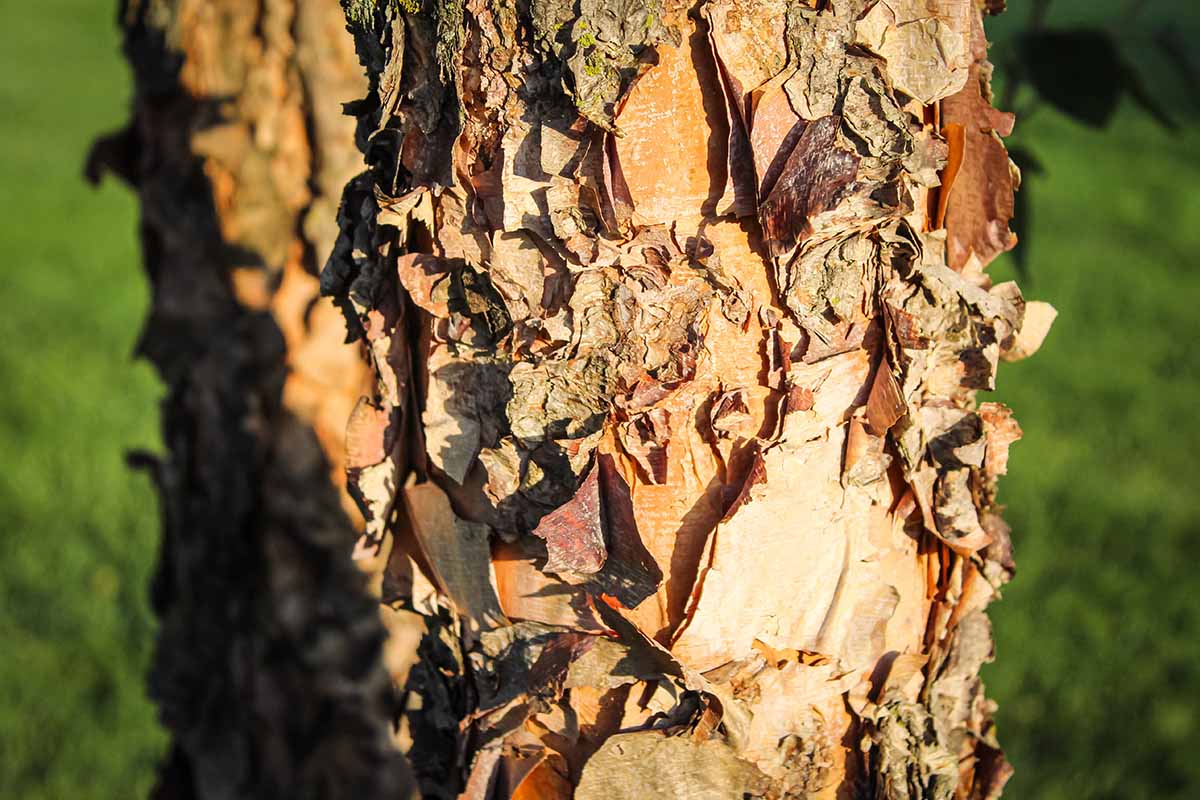
Native to North America, B. nigra is resistant (not immune) to borers and can thrive in both moist and dry soils, provided the soil is acidic.
It’s extremely adaptable and will tolerate heat, flooding, and heavy winds in Zones 4 to 9.
Many gardeners pick the Heritage cultivar (B. nigra ‘Cully’) because it has a tidier shape than the species and the bark peels more, giving it a lovely texture.
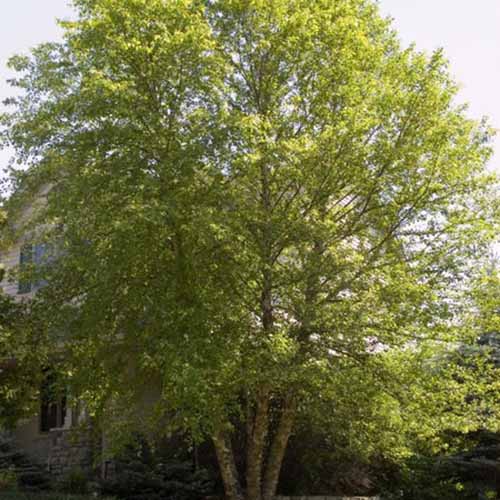
You can find this cultivar available at Nature Hills Nursery.
Dura Heat® (B. nigra ‘BNMTF’) is tolerant of heat and dry conditions.
It’s fast growing so it can fill up the space rapidly, topping out at 40 feet tall and wide.
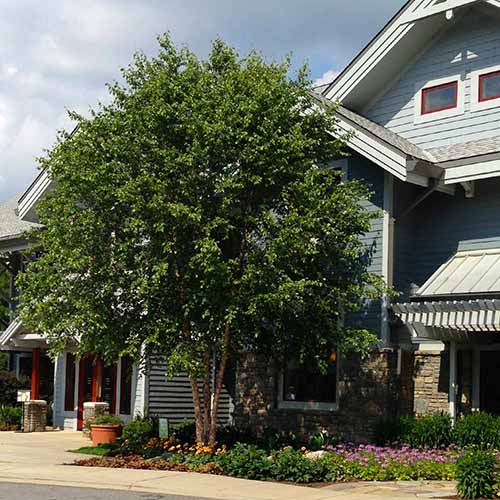
You can find Dura Heat® available at Fast Growing Trees.
Dwarf
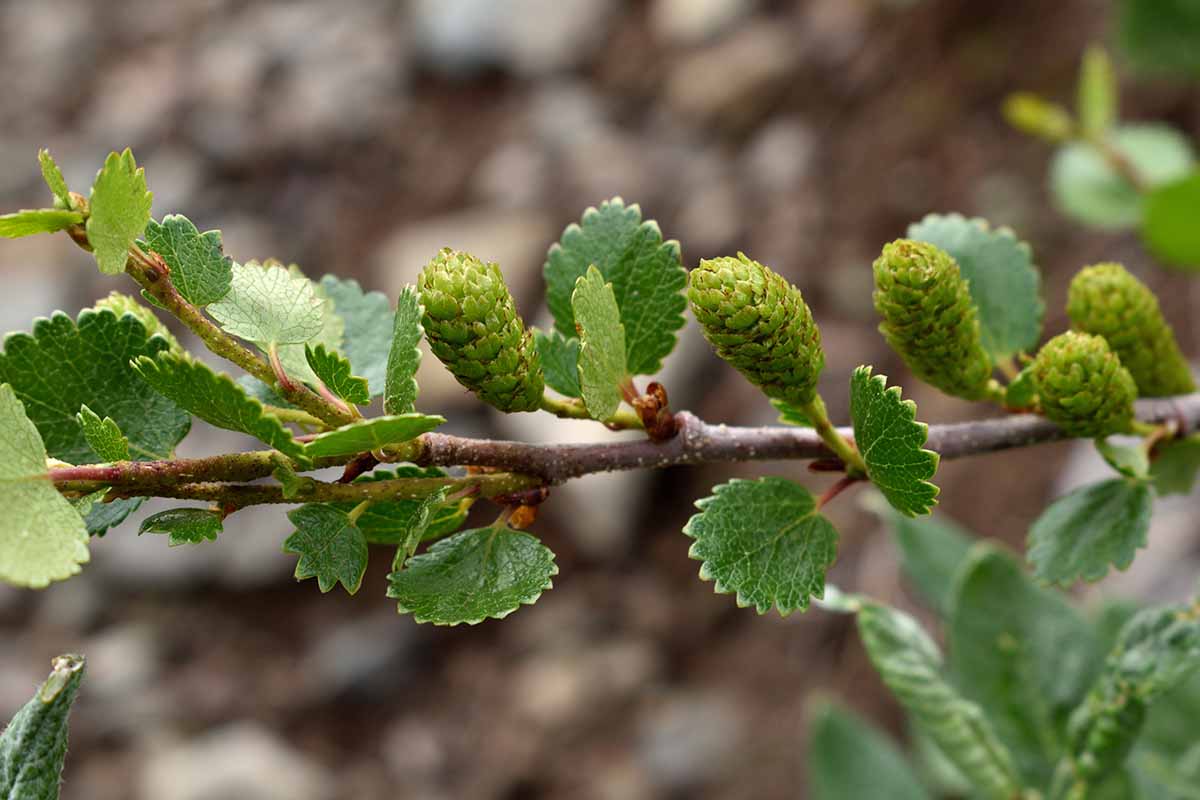
Dwarf birches (B. nana) hail from the Arctic where they grow just three or four feet tall.
You’ll rarely see the species for sale as it’s used to breed hybrids that will add delightful charm to your garden.
Cesky Gold® (B. x plettkei ‘Golden Treasure’) is a good example.
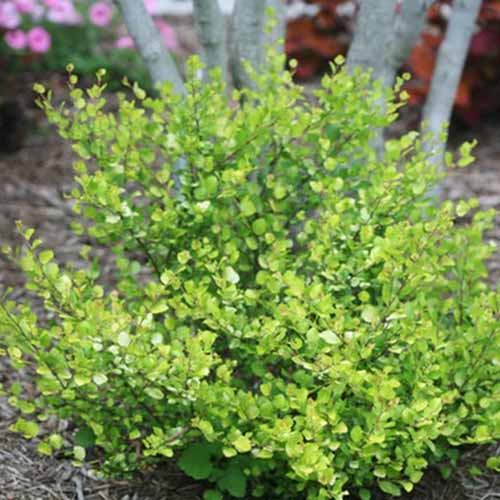
It grows just four feet tall and three feet wide at most, with bright red stems and golden green leaves that turn bright orange and red in the fall in Zones 2 to 7.
It’s a cross between dwarf and weeping species. Pick yours up at Nature Hills Nursery.
Gray
B. populifolia is native to eastern North America and has chalky white bark that doesn’t peel off.
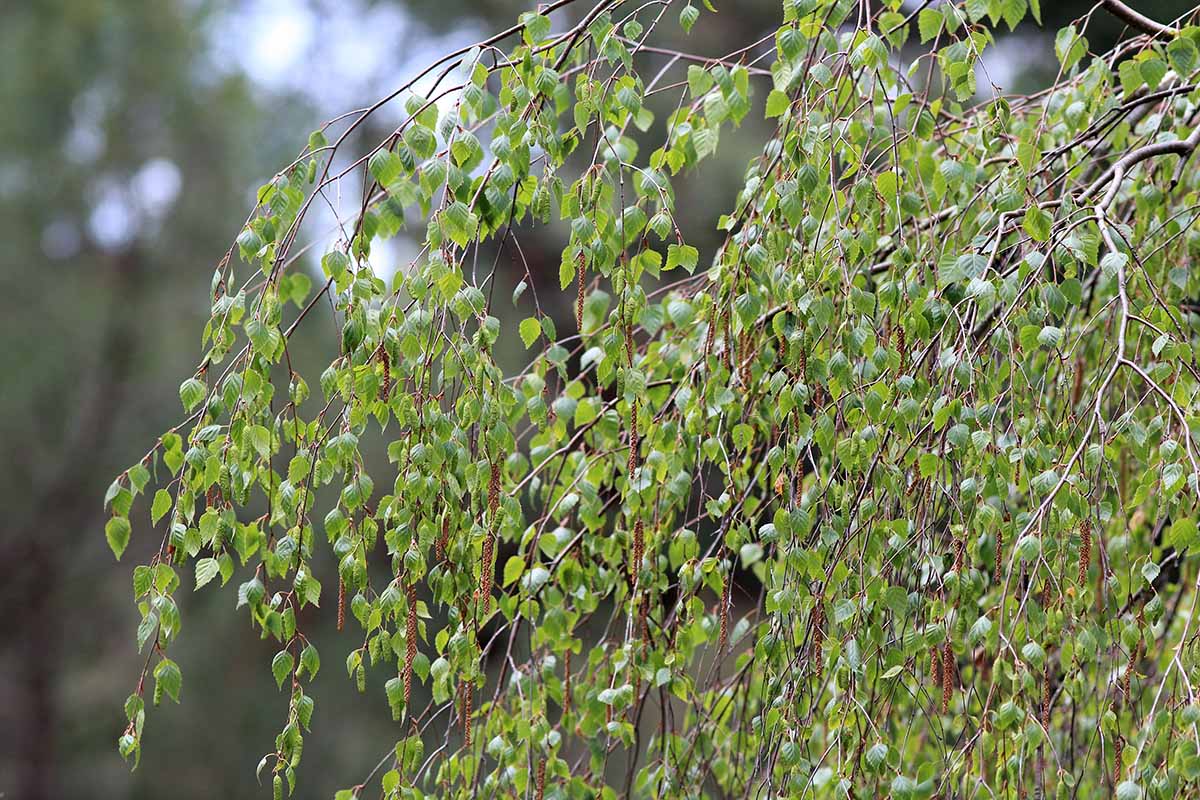
It grows to about 30 feet tall in frigid Zones 2 to 7.
The tree can have a somewhat arching growth habit and usually grows in multi-stemmed clusters in the wild, though it’s usually cultivated as a single-trunked tree.
It can tolerate drier soils than many of its cousins.
‘Whitespire’ is an improved cultivar that has bright white bark. It’s heat tolerant and fast-growing, topping out at 40 feet tall and 25 feet wide.
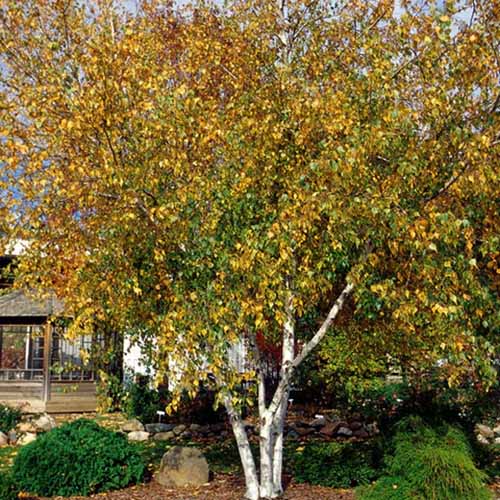
You can find ‘Whitespire’ available at Nature Hills Nursery.
Japanese White
B. platyphylla, commonly called Japanese birch, is less popular in cultivation than some of the others on this list because it is intolerant of heat and drought.
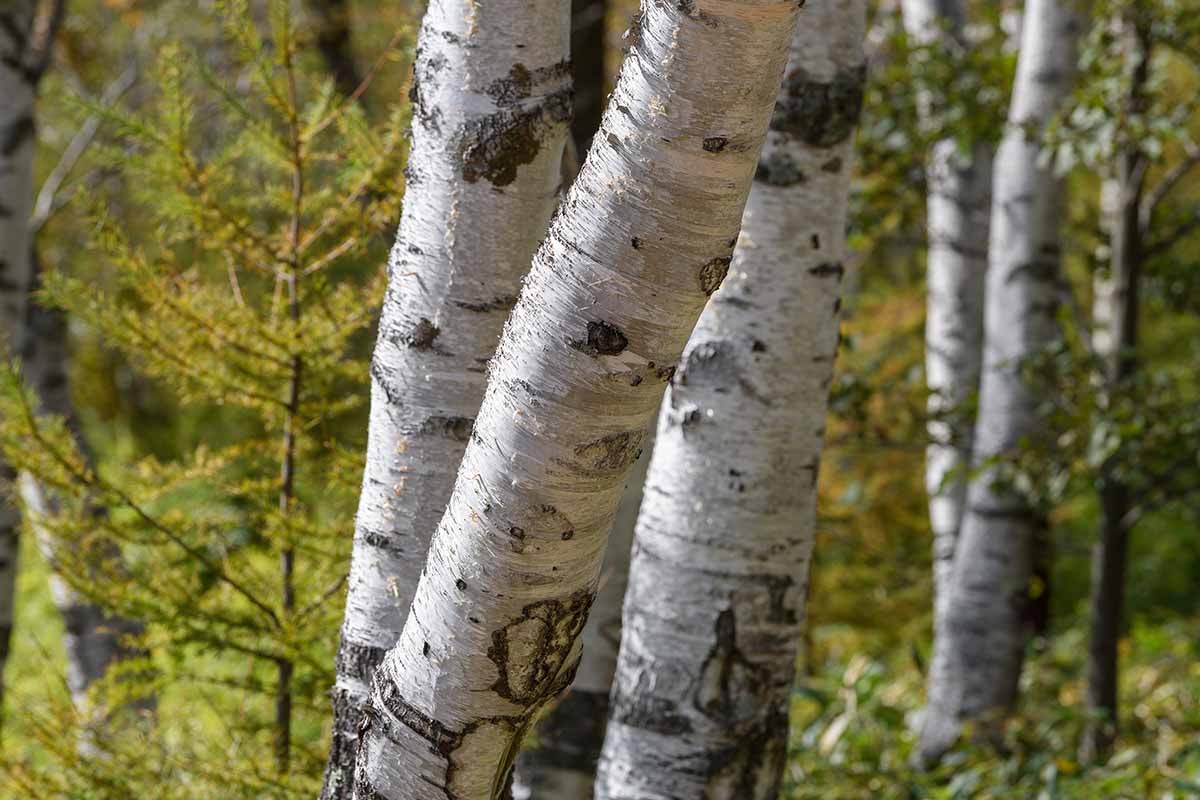
But it’s a charming specimen if you have the right conditions.
Happy in Zones 4 to 7, B. platyphylla has a pyramidal shape with pendulous branches and bright white bark.
It has some resistance to birch borers for a white bark type. The trees can stretch up to 60 feet tall but usually stay about half that height. It typically grows about half as wide as it is tall.
Commonly known as Dakota pinnacle, ‘Fargo’ grows to about 30 feet tall and a tidy 12 feet wide.
This cultivar is extremely adaptable to cold, growing even down in Zone 3, while still tolerating heat and humidity.
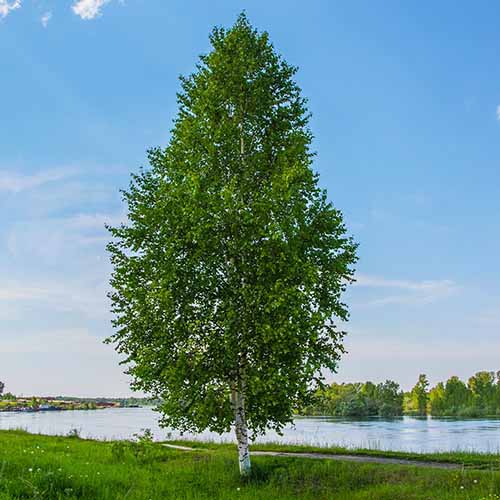
Plus, it’s more resistant to borers than the species and resists fungal diseases.
You can find ‘Fargo’ available at Fast Growing Trees.
Paper
Paper birch (B. papyrifera) is named for the white, paper-thin bark that peels off as it ages, revealing the ruddy wood underneath.
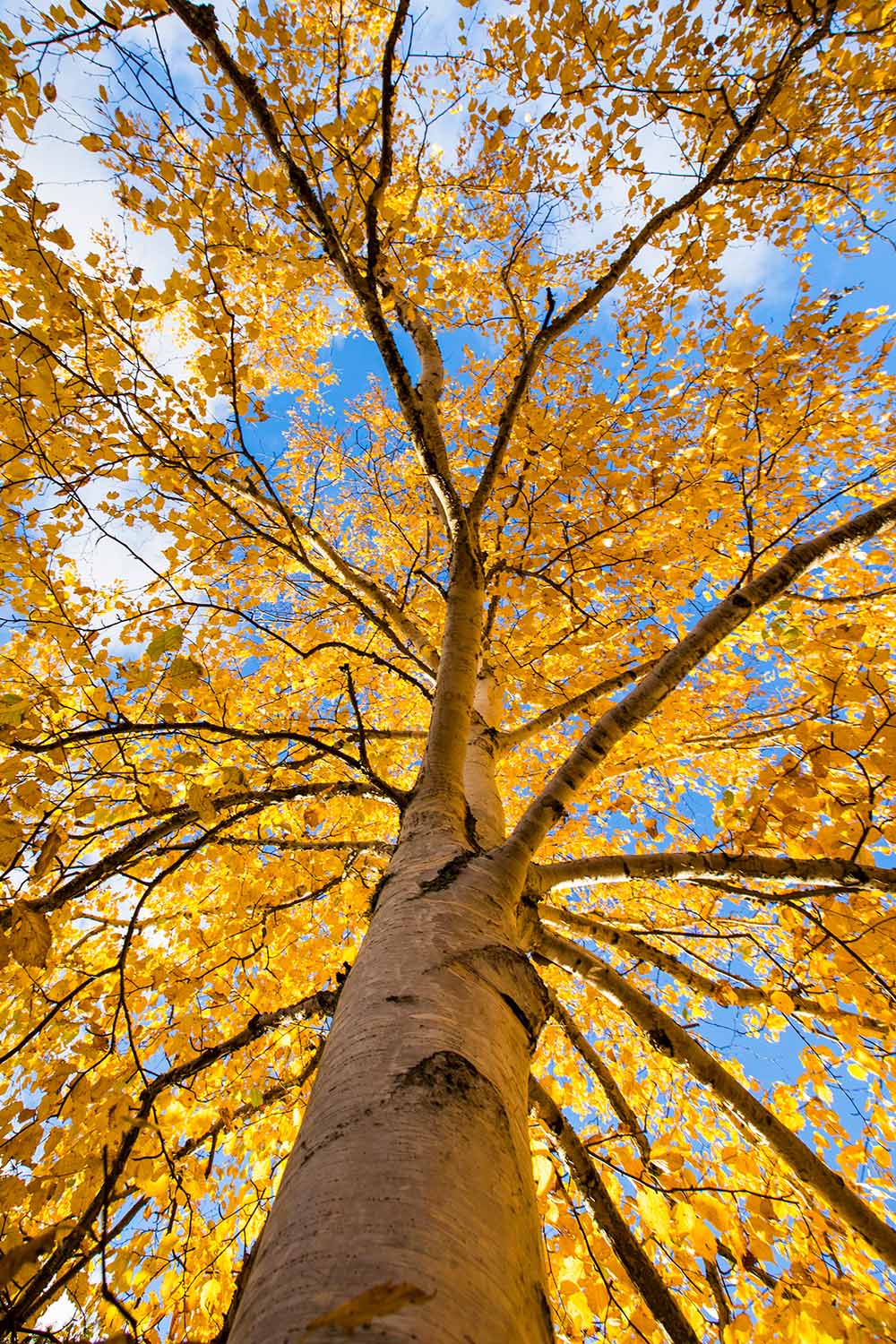
In the winter, it’s a focal point in the yard that looks like nothing else. You might also see this species listed as canoe or white birch.
When mature, it can reach up to 40 feet tall and about 30 feet wide in Zones 2 to 7.
If you live in North America, it’s native to your area, so it will serve as a good source of food and shelter for local fauna.
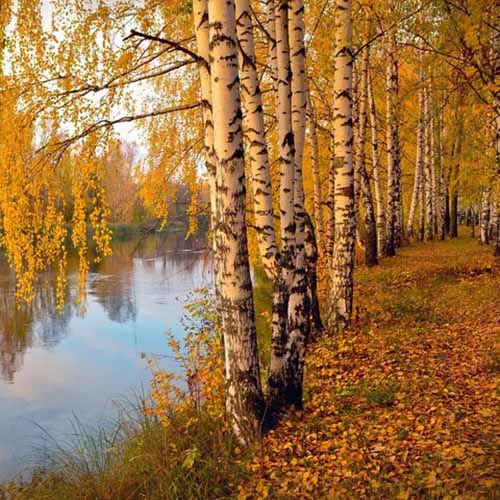
You can find paper birch saplings available at Nature Hills Nursery.
Water
I have a soft spot for water birches (B. occidentalis).
The purplish or dark red to nearly black bark is marked with white lenticels, a sort of inverse from the common white with black lenticels you typically see. I like a rebel.
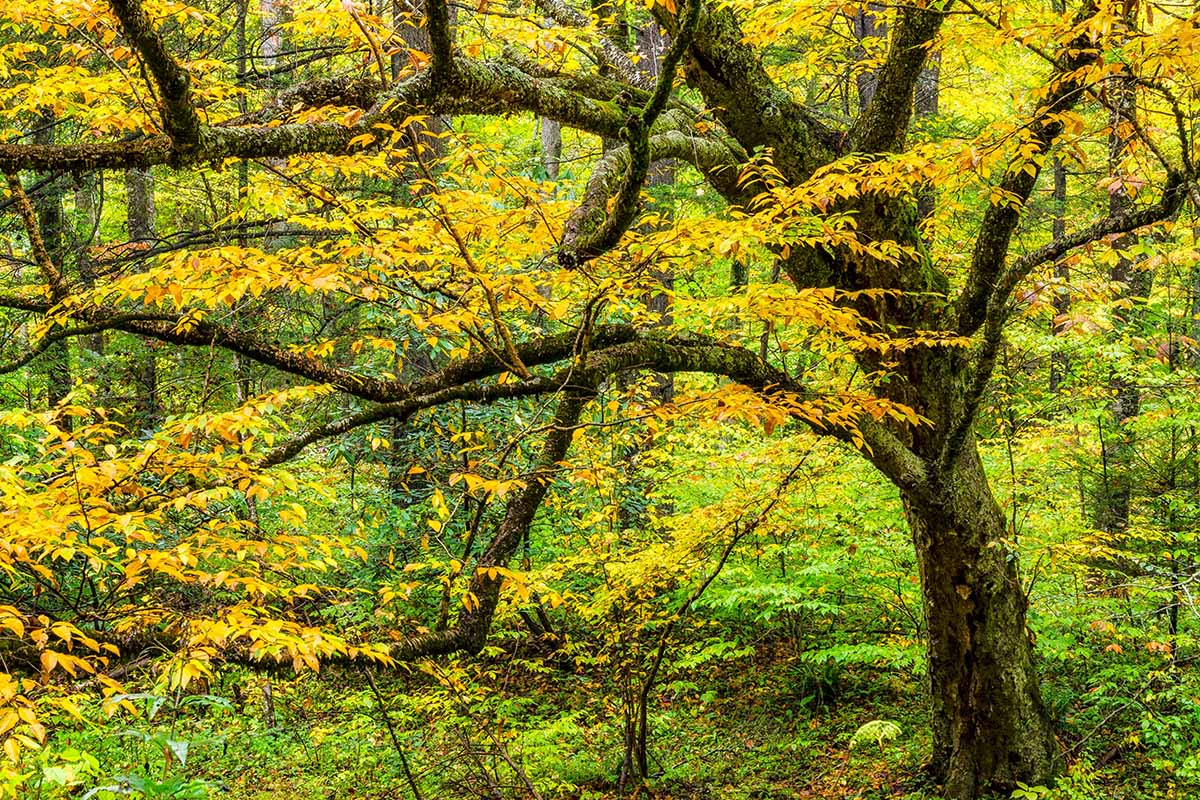
In the wild, it grows near rivers throughout western North America. Topping out at 40 feet tall and a bit more than 20 feet wide, it will often form small clumps.
Although this species has an upright form, the older branches can become nodding, which I think adds to the charm.
It’s definitely not a great option if your soil is on the drier side. This species prefers a dry climate but needs to be near a water source.
If you have a backyard pond or stream, and you live in Zones 2 to 9, consider growing water birch.
Weeping or Silver
Now, I know I talked about how pretty the weeping or silver birch (B. pendula) was outside my grandparent’s library, but it’s not for everyone.
The species is actually considered invasive in some parts of North America, but in Europe and east Asia, where it grows natively, it’s treasured.
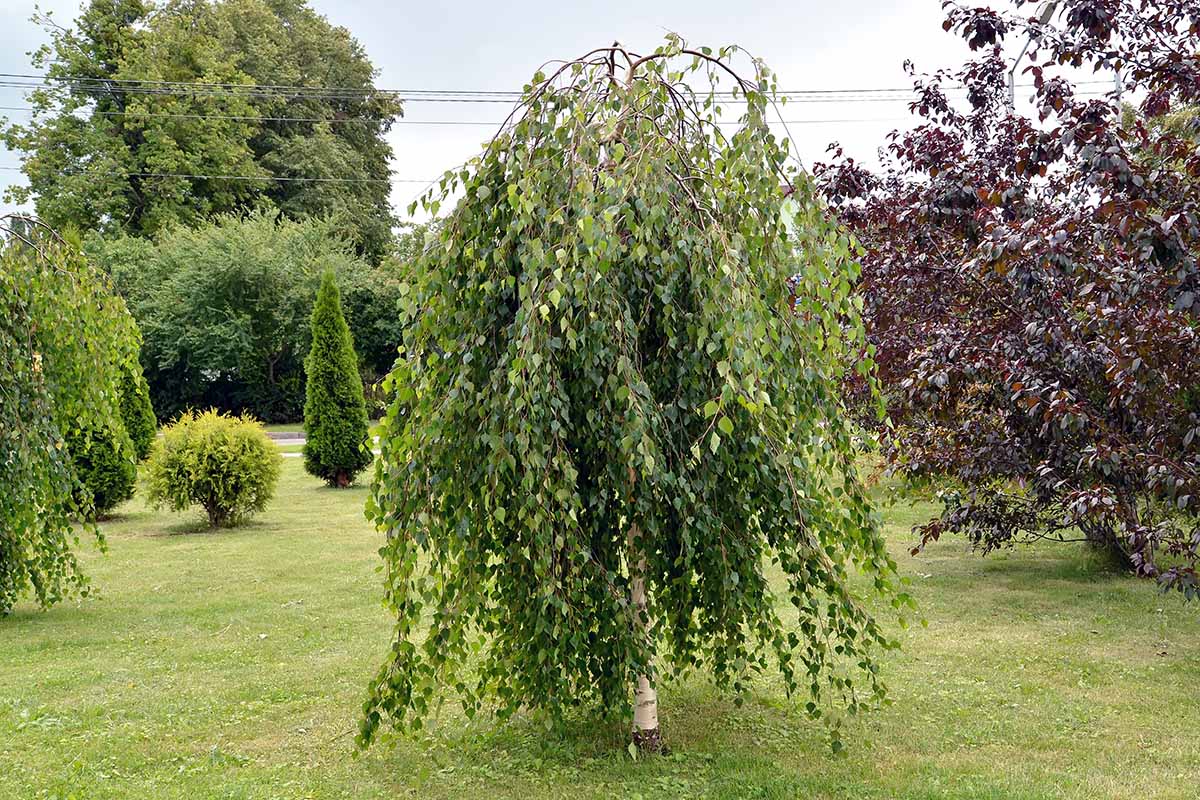
In the right conditions, silver birch can reach 80 feet tall and half as wide, and it’s quite the beauty with pendulous branches and pyramidal to rounded shape.
The roots like to stay cool and it does best in areas with snow cover in the winter. While this species tolerates drought, it prefers a good amount of moisture.
Silver birch is happiest in Zones 2 to 7. It can survive in warmer regions of Zones 8 and 9 but will typically be short-lived.
You should also know that it drops tons of small branchlets every year – that’s not a sign that your tree is unhappy, but it does mean you’ll always have a mess underneath.
The bark is white but turns black as it matures, and it’s highly susceptible to borers.
There are lots of hybrids that use B. pendula as a parent, like the dwarf ‘Golden Treasure.’
Maintenance
Remember that these trees generally like their roots to be cool. We can help make sure this happens by placing a good two- to three-inch layer of mulch around the tree.
Any organic mulch will do, whether you opt for shredded bark, leaf mulch, or something else. Avoid rock or plastic mulches.
Both can increase heat and plastic inhibits the exchange of water and oxygen.
Make sure that the mulch isn’t touching the base of the tree at any point. It should be a few inches away from the trunk.
Mulch will also help the soil retain moisture and it reduces weed growth.
Avoid pruning altogether. The only time you should prune is if there are broken, diseased, or dead branches. If you must prune, do it in the late winter before birch borers are active.
If a branch breaks during the spring or summer, remove it and paint the area with an insecticide to prevent borers from entering the tree through the wound.
Propagation
Let’s make more birches! You have several options for propagating birches, including from seed, taking cuttings, or by transplanting a sapling from the nursery.
From Seed
The seeds ripen in the late summer or early fall. They appear in clusters on fuzzy looking catkins.
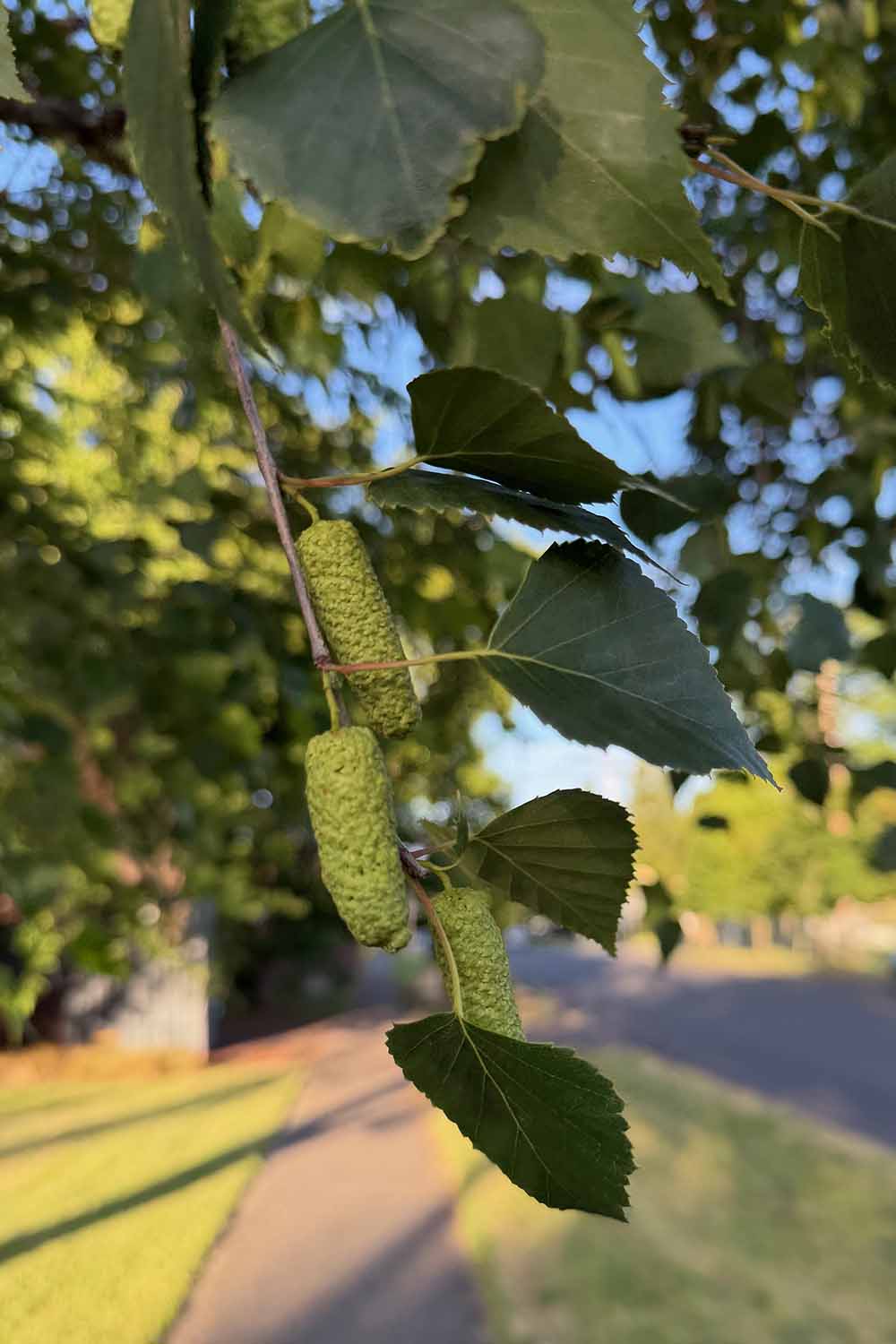
If you pluck one of these when it’s dry and brown, you can gently rub it between your fingers to release the seeds. The seeds will be at the center of papery wings.
You can also purchase seeds from specialty retailers.
Keep in mind that seeds from grafted trees or cultivated varieties won’t grow true to the parent plant.
- Fill a bag or small container with a mix of sand and potting soil.
- Moisten the medium and add the seeds into the medium.
- Seal the container or bag and set it in the refrigerator for about six months. Keep the medium moist.
- After six months, in the spring, place the stratified seed in a six-inch growing container filled with potting soil or in the ground. Set the pot outside in full sun.
- You’ll want to plant multiple seeds, because not all will emerge.
- Keep the soil moist.
After germination, thin the seedlings apart so the tree has enough room to grow.
From Cuttings
While it’s possible to grow from hardwood cuttings, this method is unreliable and you’re best to take softwood cuttings in summer.
To do this, in June, look for new growth that is soft and pliable.
Take a few six-inch cuttings, ensuring you cut at a 45-degree angle.
The angle helps remind you which end goes into the soil and it increases the surface area of the cambium layer where roots will emerge.
Moisten the cut end and dip it into powdered rooting hormone.
Fill a four- or five-inch container with potting soil and insert the cutting about a third of the way deep.
Keep the soil moist and tent some plastic or a place glass cloche over the cutting to help trap moisture and maintain a humid environment.
When the cutting starts developing new growth, remove the cloche or cover.
The following spring after starting the cutting, you can plant it out in the garden.
Transplanting
Most of us will buy our new plants from a nursery. Whether you’re moving seedlings, cuttings, or a new sapling, here’s how to transplant:
- Dig a hole about the same depth and a bit wider than the growing container.
- Remove the plant carefully and gently tease the roots apart.
- Set the plant in the hole you made and backfill with the removed soil.
- The tree should be sitting at the same depth it was in the growing container.
Water well and add more soil if it settles after watering.
Pests and Disease
Deer don’t generally eat birch trees. Of course, as with most things, if food is scarce and they’re starving, they might try to take a nibble.
But it’s not the big critters that you need to worry about. It’s the small ones.
Pests
We’re going to start by talking about the number one problem when growing birches, at least in North America.
The borer hasn’t made its way to Europe yet, but experts are watching closely in case it does. If it does, experts warn it “could mean the almost total destruction of European birches.”
Bronze Birch Borer
Birch borer (Agrilus anxius) is native to North America where it feeds on birch trees.
When Betula species from other continents are introduced, they have no resistance and the borer can make quick work of them.
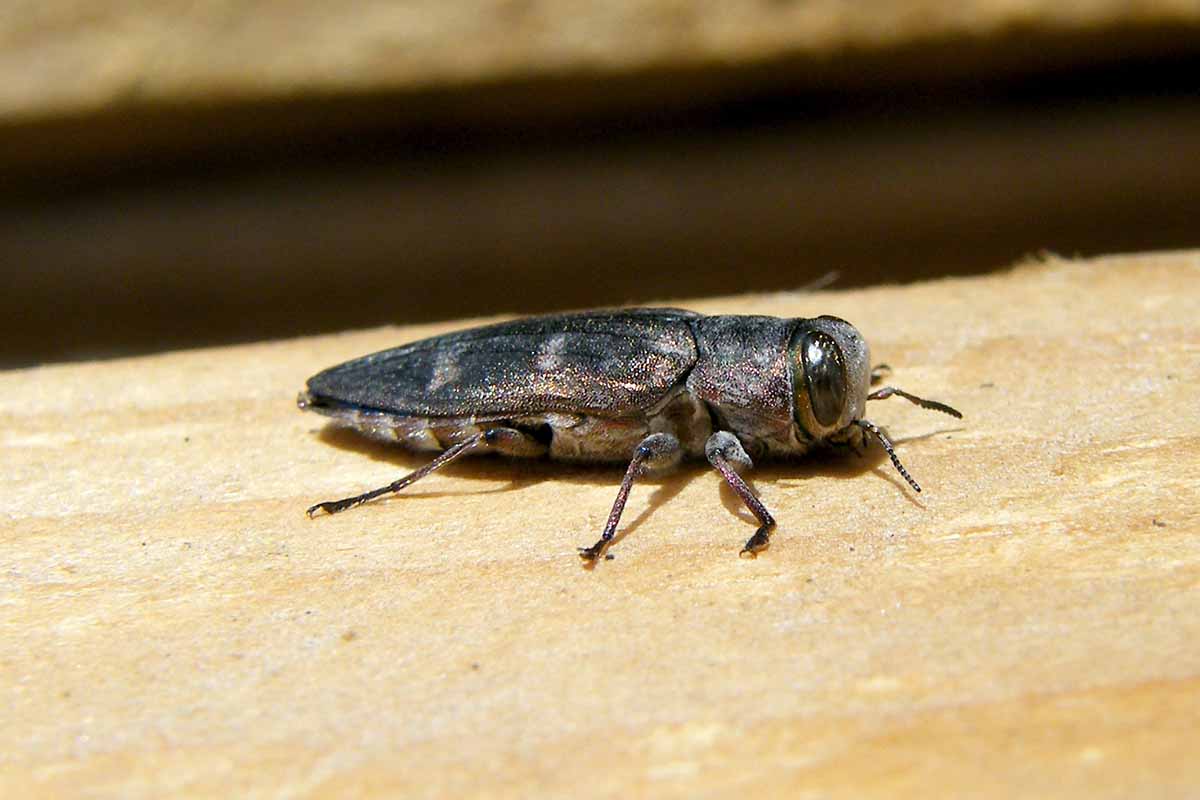
You can avoid total annihilation by planting naturally resistant trees like river (B. nigra) or gray (B. populifolia).
In general, the brown barked types are more resistant. Note I said resistant, not immune.
Failing that, be aware that many experts in the eastern US caution growing Betula species in general because chances are high that your tree will succumb to borers.
The larvae are about an inch long and cream colored. They “bore” their way into the cambium where they feed.
This feeding creates channels that prevent sap and water from moving throughout the tree.
When this happens, the highest canopy will become sparse and will die off. Then, the death spreads lower and lower until the entire tree is gone.
This can happen over several years or in one growing season, depending on the severity of the infestation and how stressed the tree is otherwise.
After they’re done feeding, the larvae pupate inside the tree and emerge as bronzey-green adult beetles.
If you peel back the bark, you’ll see mazes of channels.
In a heavy infestation, you probably can’t save the tree. But if you catch it early, there are options.
Of course, prevention is best. These beetles rarely choose to lay eggs on healthy trees. Avoid pruning during the growing season because the wounds attract the adults.
You can spray preventatively using a product that contains pyrethrins.
Consult with your local university extension office for the time of year when the adults are active in your area, because it varies.
There is no product that will kill the larvae inside the tree, but you can still spray to manage the emerging adults. But you have an uphill battle and maintaining your tree’s health is key.
Birch Skeletonizer
Birch skeletonizer is the name for the caterpillar of the Bucculatrix canadensisella moth.
These caterpillars feed on the foliage, chewing away at the inside of the leaves, causing discolored trails.
As the caterpillars mature, they feed on the undersides of the leaves. The larvae are creamy yellow and under a quarter of an inch long.
When they’re ready to molt, they create a silk nest on the leaf surface. That’s often the first sign that gardeners notice.
In late summer, leaves that have been heavily fed on will drop from the tree.
They’re found throughout eastern North America and tend to occur in waves every five to 10 years.
Because of their cyclical nature, you don’t usually need to do anything. They rarely harm a tree enough to kill it.
Just remember that an infestation can weaken a tree and leave it more susceptible to borers.
Leaf Miner
Leaf miners are the larvae of sawflies that feed inside the foliage during the spring and summer.
At first, you’ll see discoloration that is limited by the leaf veins. But as the season progresses, the foliage starts to turn brown.
There are multiple different species that feed on Betula species. In North America, Profenusa thomsoni and Fenusa pusilla are the most common culprits.
An infestation rarely kills a tree, but it does leave it susceptible to attack from borers.
Parasitic wasps, specifically Lathrolestes luteolator, can greatly reduce pest numbers.
You can also apply spinosad in the early spring through mid-June, according to the manufacturer’s directions.
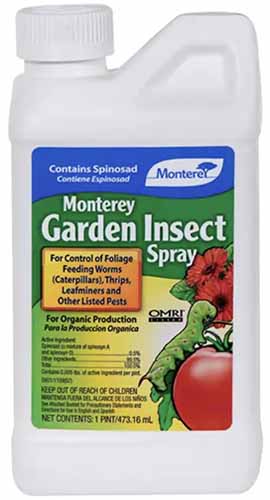
I’ve had good success with Monterey’s Garden Insect Spray, which you can find at Arbico Organics.
Learn more about leaf miners here.
Disease
Disease issues are usually less common than pest problems. But disease can weaken the tree, making it more susceptible to pest issues.
Before we dive in, though, I want to mention unusual growths known as witches’-brooms.
Witch’s-brooms are common and caused by the fungus Taphrina betulina.
While it is technically a fungal issue, it’s not something to worry about. It will cause weird, funky growths, but it won’t hurt the tree.
Dieback
Birch dieback is a general term for when a birch tree experiences crown death. Sometimes this is the result of borers but it can also be caused by drought or various fungi.
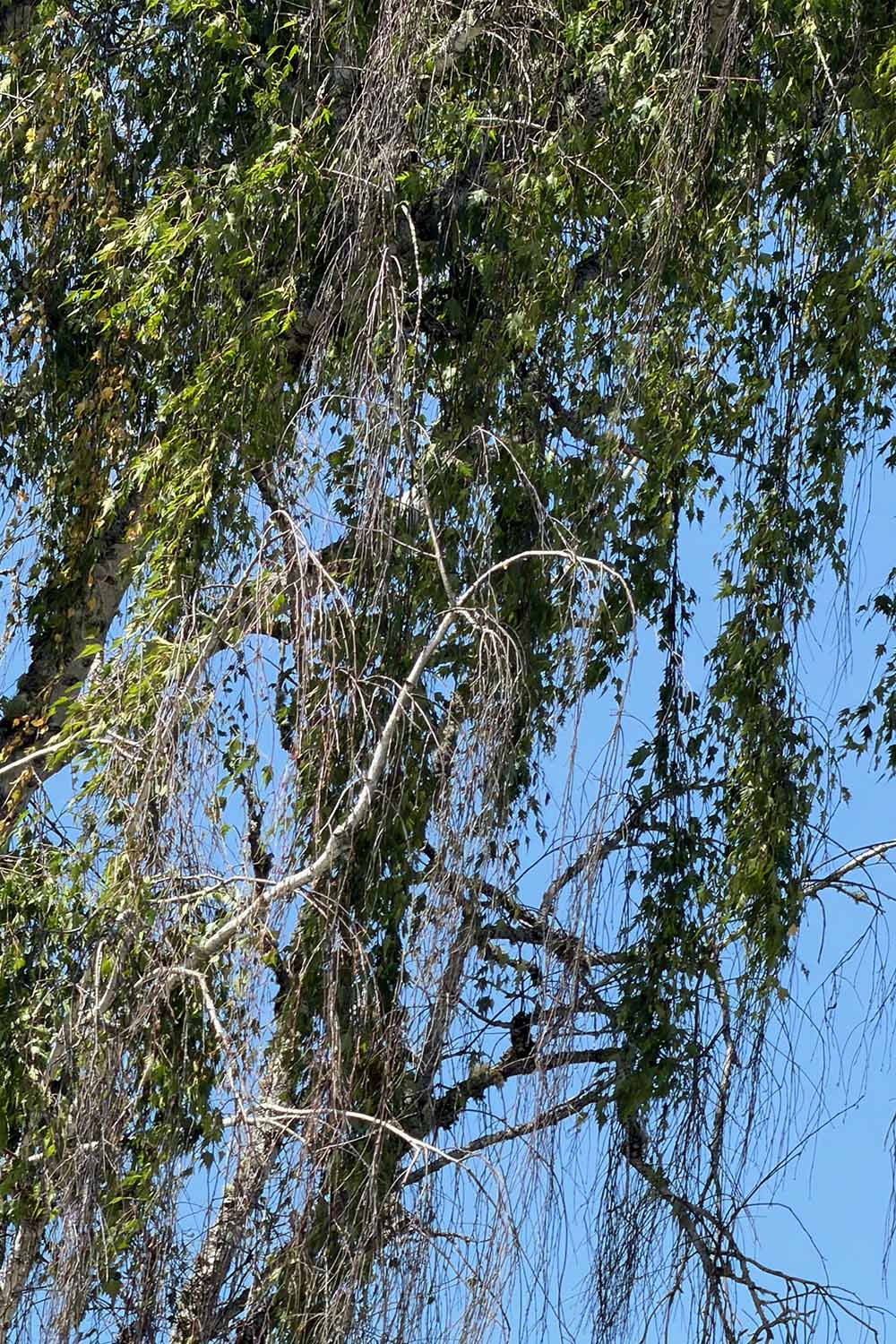
Anisogramma virgultorum, Marssonina betulae, Melanconium betulinum, and several Armillaria species have all contributed to dieback, but there are others.
When a tree experiences dieback, the branches highest up will die off.
The first step to treating the issue is to figure out what is causing it. If it’s a lack of water or borers, you’ll need to address that.
If it’s a fungal issue, you will need to spray the tree with an appropriate fungicide.
Because dieback can be caused by so many things, your best bet is to reach out to an arborist who can accurately diagnose the cause and help you figure out what to do about it.
Leaf Spot
Leaf spot, also called anthracnose, is a general name for any disease that causes spotting to develop on the leaf.
These are all caused by fungi, including Cryptocline betularum, Discula betulina, Anthracnose spp., and others. The disease usually appears in early summer after a wet spring.
Depending on the fungus in play, the spots might be brown or brown with yellow haloing, or yellow splotches with irregular margins, in the case of anthracnose.
In severe cases, the leaves might drop from the tree. Typically, the lower branches are impacted first.
Defoliation and leaf spotting can weaken the tree, opening it up to other problems, like borers.
Most of the time, you don’t need to treat the tree, but be sure to rake up the fallen leaves to prevent the disease from returning or worsening.
If the situation is severe, spray with copper fungicide.
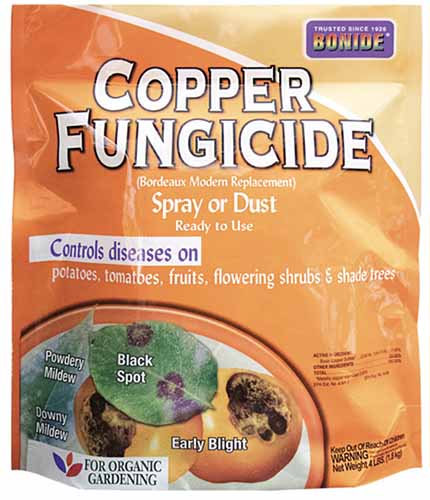
You can pick up Bonide Copper Fungicide dust at Arbico Organics.
Spray every month throughout the rest of the summer and fall. Then spray preventatively once in early to midspring.
Birch Trees Bring Something Special
There are few trees I can think of that capture attention like birches do.
From the unusual bark to the leaves that dance in the breeze, they’re pretty arresting. They don’t even need giant blossoms or vivid fall colors to stand out.
Do you have a species or cultivar that you’re particularly wild about? Share what you love in the comments section below!
I hope you learned everything you needed to know in this guide. If so, and you’re eager to learn more about some popular landscaping trees, check out these guides next: