Rattus spp.
I had pet rats growing up. I thought they were so cute with their little paws and their clever antics.
As pets they are adorable, but in the garden? Not so great.
If I see a rustle in my fruit trees as the sun is setting, or hear a little squeak while I’m closing up the chickens at night, I go into full rage mode.
Rats can cause big trouble in the garden.
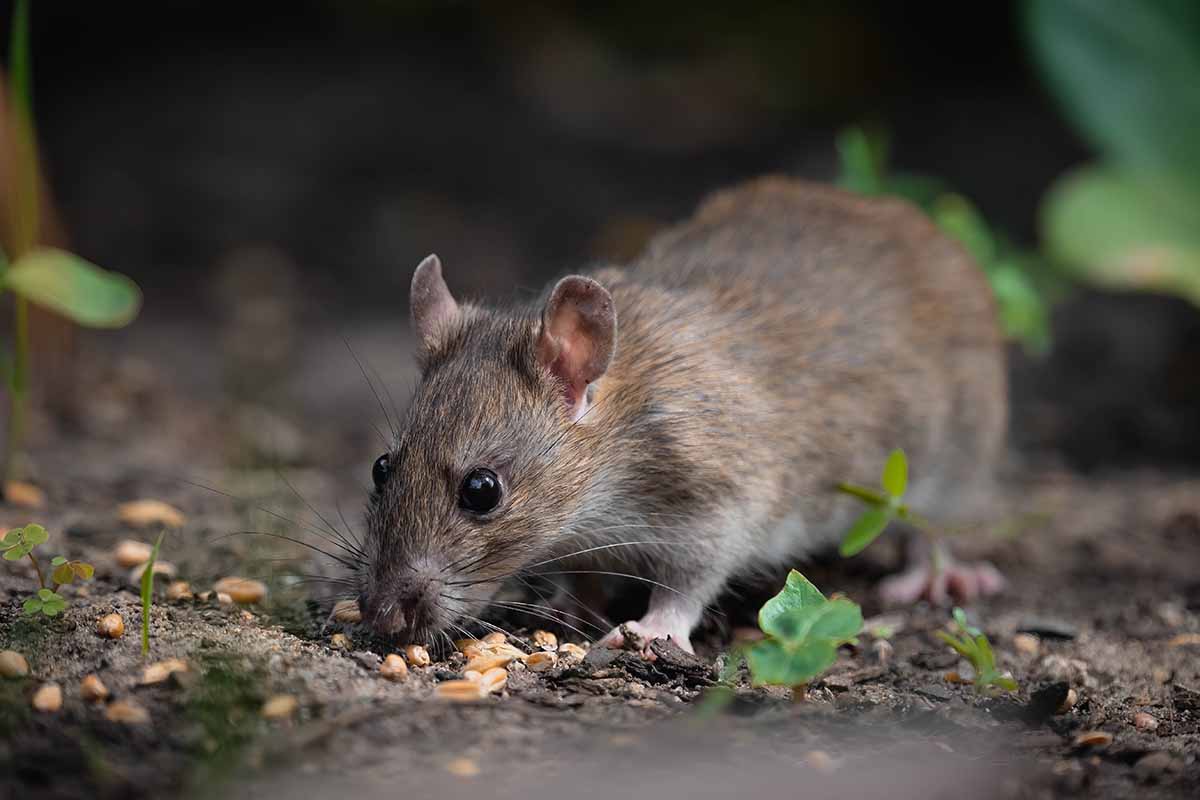
Not only do they carry all kinds of diseases – so their mere presence is a danger – but they can destroy your garden and even buildings and machinery.
If you see evidence of a single rodent, it’s usually an indicator that your infestation is pretty serious.
They exist everywhere, but you usually won’t see them until populations are out of control.
We’ll help you identify an infestation and what to do about it. Here’s what this guide will cover:
What You’ll Learn
What Are Rats?
This seems like an easy question, right? Even though I’ve dealt with them for decades, I still sometimes mistake mice for rats. So let’s be sure we know what we’re talking about.
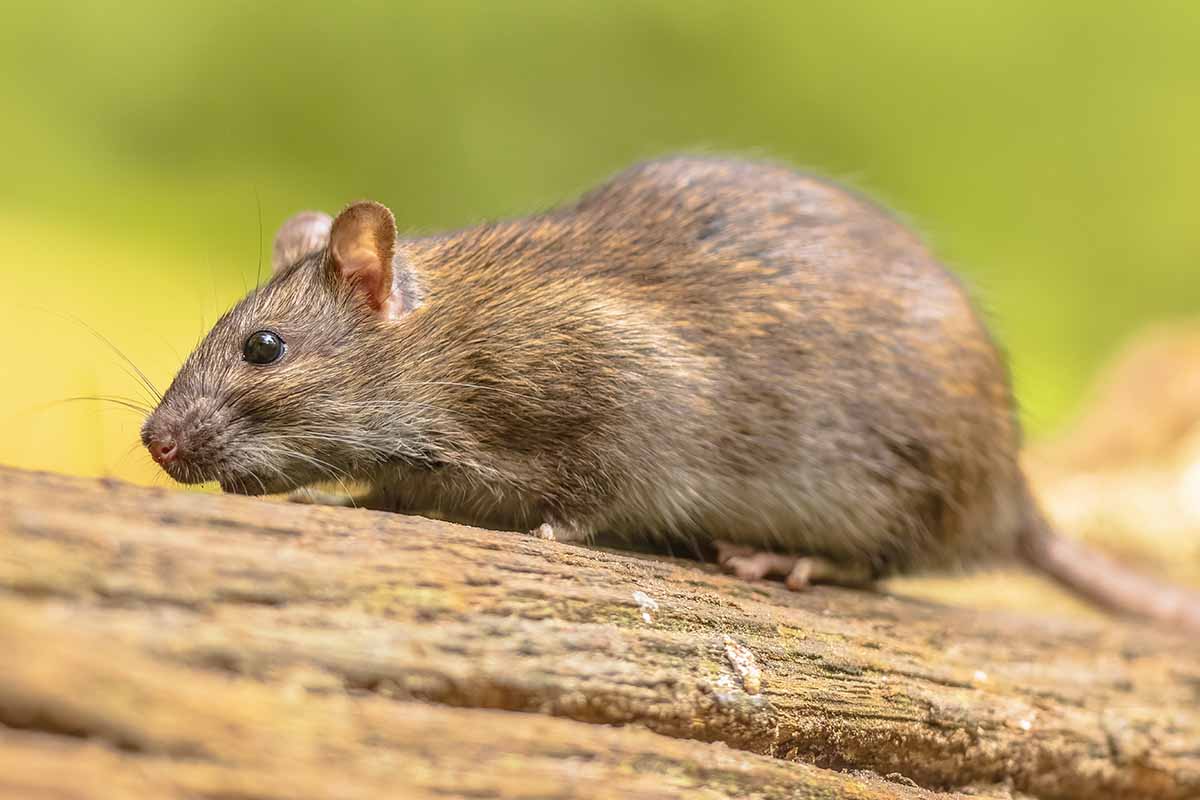
The most common species found in the home garden are the black (Rattus rattus) and brown rat (Rattus norvegicus).
Black, also known as house or roof rats, are black to light brown in color with a lighter underside.
However, there are three subspecies with color variants that are dark gray with gray underneath (subspecies rattus), brownish gray (subspecies alexandrinus), and muddy gray to white (subspecies frugivorus).
They grow up to eight inches long, not including the tail, which can be longer than the head and body combined, and weigh up to eight ounces.
These rodents mainly stick to warmer regions and prefer to eat agricultural crops.
They aren’t common in cement and brick structures, but they are more than happy to hang out in dry, warm areas like attics, barn lofts, and the like.
The brown rat, on the other hand, is more adaptable to cooler temperatures and a wider range of foods, and they will chew or dig their way into brick and cement.
For that reason, they are commonly found in urban areas.
Also known as the Norway, street, sewer, or common rat, R. norvegicus grow up to 11 inches long (not including the tail) and weigh up to 18 ounces.
Their nose is more slanted than black species, and they also have smaller eyes and ears. The tail is typically shorter than the rest of the body.
They will eat just about anything and will live just about anywhere, including in burrows in the ground.
Either will live in your garden or outbuildings.
Identification
It can be a little harder to identify the presence of rodents in the garden than it is indoors. The first sign to look for is droppings.
You’ll see them around food and nesting sites, in particular.
A bunch of hard, dark brown pellets could indicate the presence of several different small mammals, so you can’t be sure it’s rats, in particular, without further evidence.
You should also watch for nesting material. You’ll see shredded paper, leaves, straw, wool, shredded fabric, shredded cardboard, and the like.
If you see holes in the walls or ceiling of any structures nearby, that’s another good sign that these rodents are moving about.
Chewing is also a common indicator of rodent activity. If you see holes chewed in drywall or wood near the garden or nibble marks on food containers, watch out.
If you smell something funky, maybe a bit like stale urine, you should suspect rodents are nearby.
Finally, just sit outside in your garden in the evening as the sun begins to set.
If you’re quiet, you will more than likely see rats moving about if they’re present. Keep an eye on trees, especially. They like to use trees as their own personal highway system.
Biology and Life Cycle
Rats, as with many rodents, become sexually mature young and can start their reproductive cycle at just two to four months old.
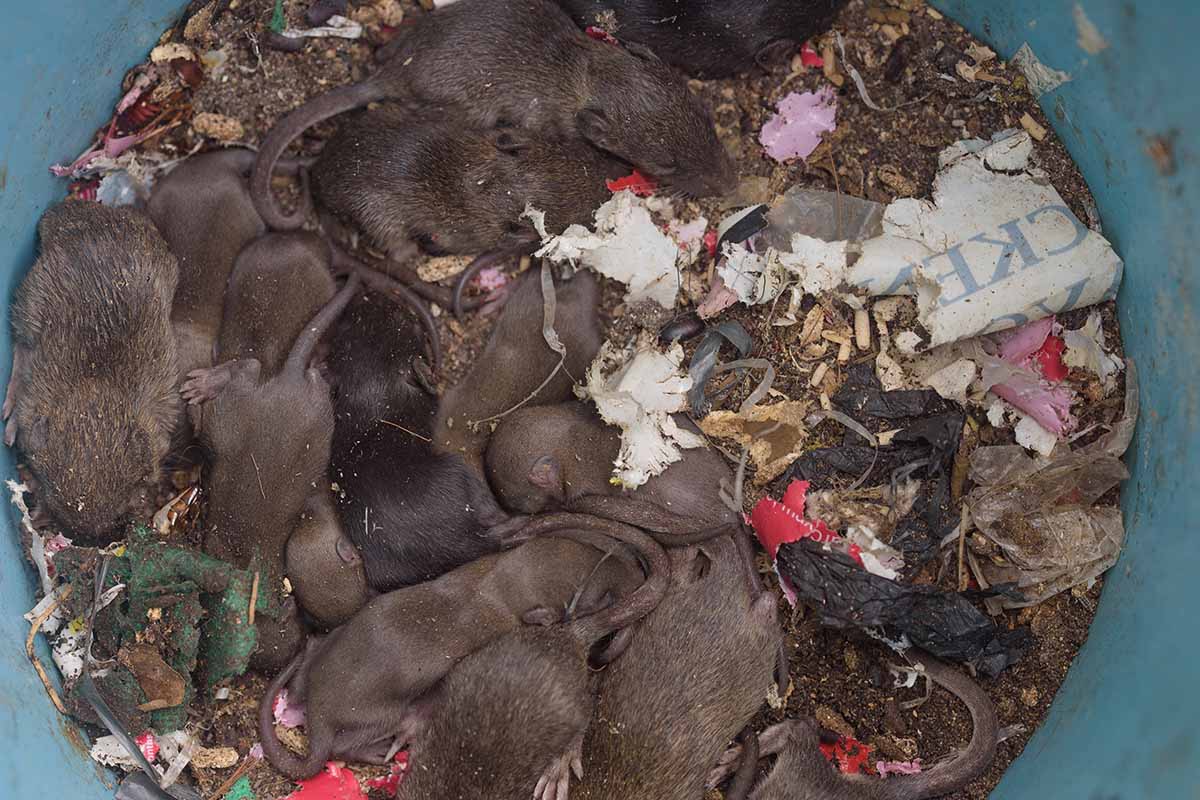
Females can become pregnant almost immediately after giving birth.
Black species can produce about six litters per year. Each litter can have up to eight or nine pups.
Norway rats can breed a bit more often and have slightly larger litters, up to 12 pups per litter.
The mother is pregnant for just a few weeks and the pups only feed for a few weeks before moving out on their own.
You can see how a population can quickly get out of control. R. rattus live about a year in the wild and R. norvegicus live about twice as long.
Physical Control Methods
These rodents are so smart that they will avoid new items that appear in their environment until they’re sure they can trust them.
They’ll also learn from other rats, so if they see one get caught in a trap, they will avoid traps even if they are situated in different places.
If you decide to use traps, never use glue traps. These are inhumane and will capture anything and everything that wanders across them, including beneficial animals and insects.
Block Entrances
It’s very difficult to block these rodents from a garden. They can dig and chew through concrete if they’re motivated, so a wooden fence or the like isn’t going to deter them much.
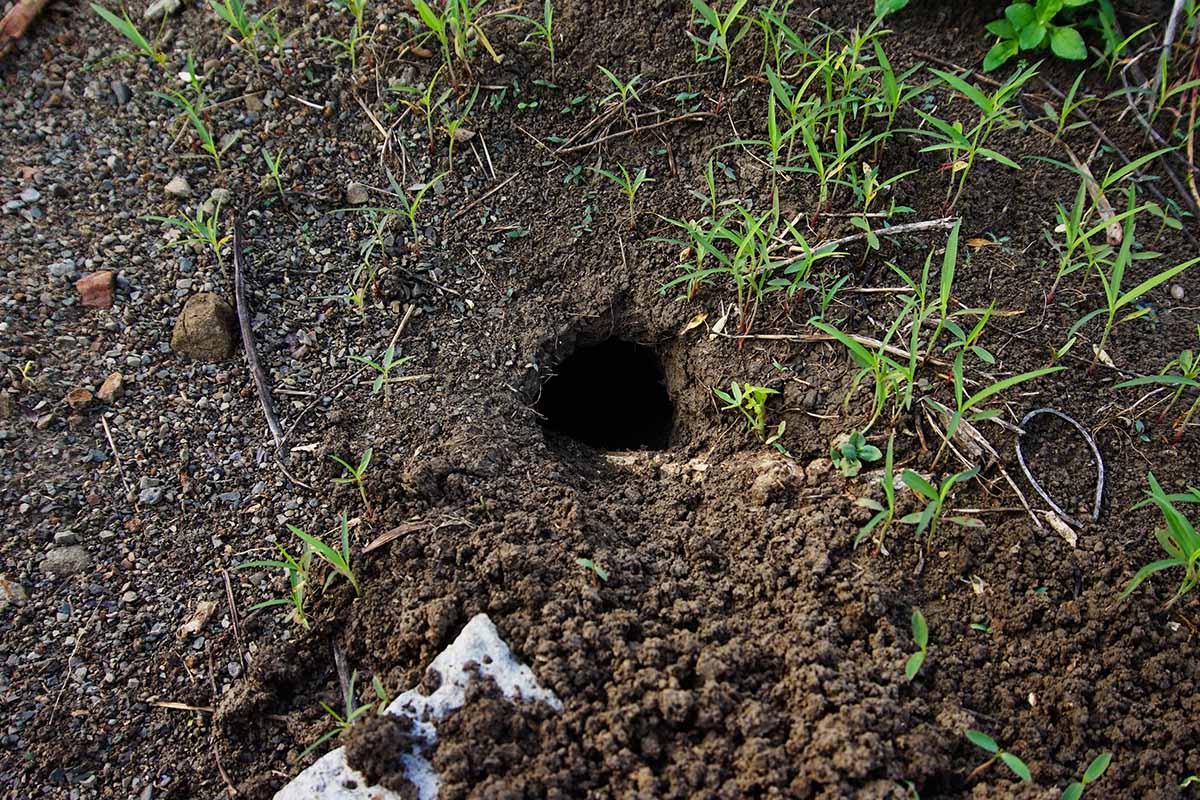
What you can do is try to deny them a nearby place to nest.
Rats love to nest in unused sheds, garages, and other outbuildings. They like the safety and warmth.
So do your best to block any entrances. Seal up any holes or even stuff them with steel wool.
They also like to use abandoned dens that other animals have made, so block those up, as well.
Remove Food Sources
These rodents primarily come looking for food so if you remove food sources, they’ll tend to go elsewhere.
I know it’s easier said than done, especially if you have a large garden, but it’s the best way to control rodents.
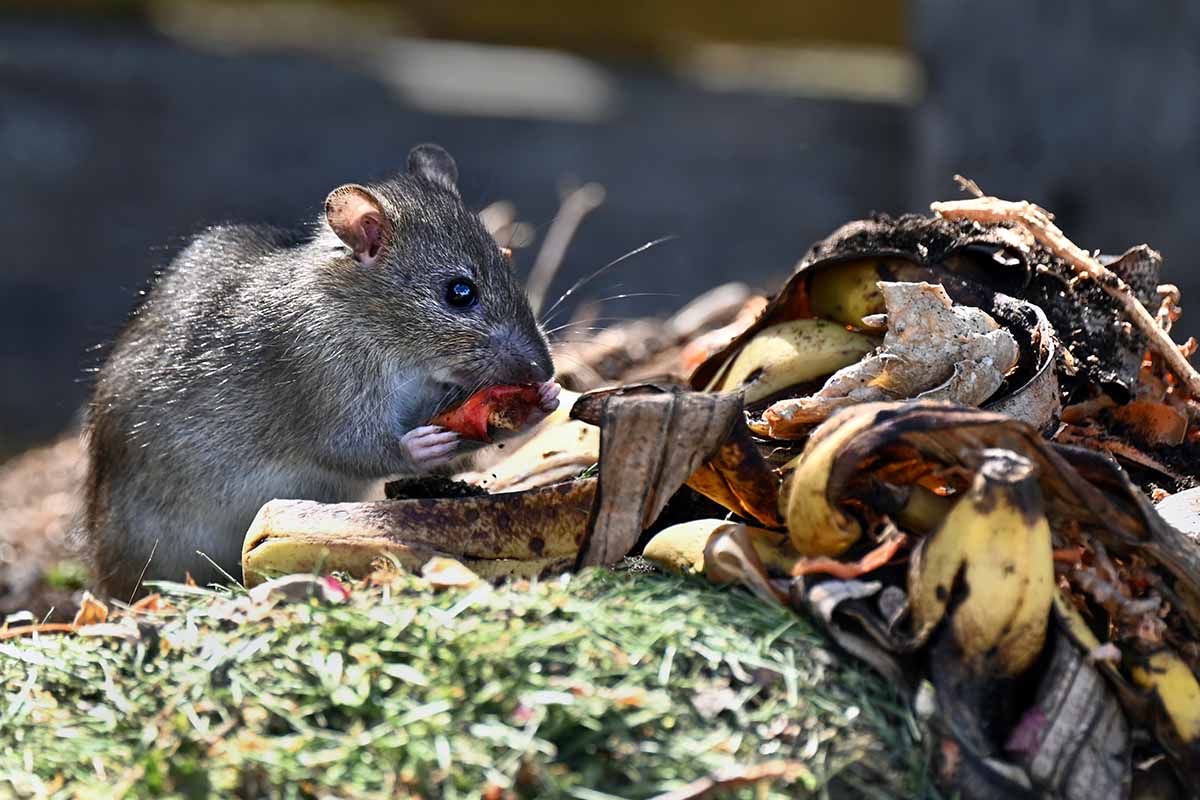
Pick up any fruit that falls from trees, and clean up any unused, ripe vegetables in the garden.
This goes a long way to preventing an infestation, though I will warn you that rats can just hang out in your fruit trees or the garden and eat as it grows
They don’t just wait for things to fall to the ground.
Most importantly, you should seal any animal feed that you keep outdoors, and never leave bags of trash around. Keep them in sealed containers.
Make sure your compost is hot and well-mixed to prevent foodstuffs from sitting on top, as a tempting snack.
Traps
Traps are an excellent way to kill rats, and you might need to resort to using them.
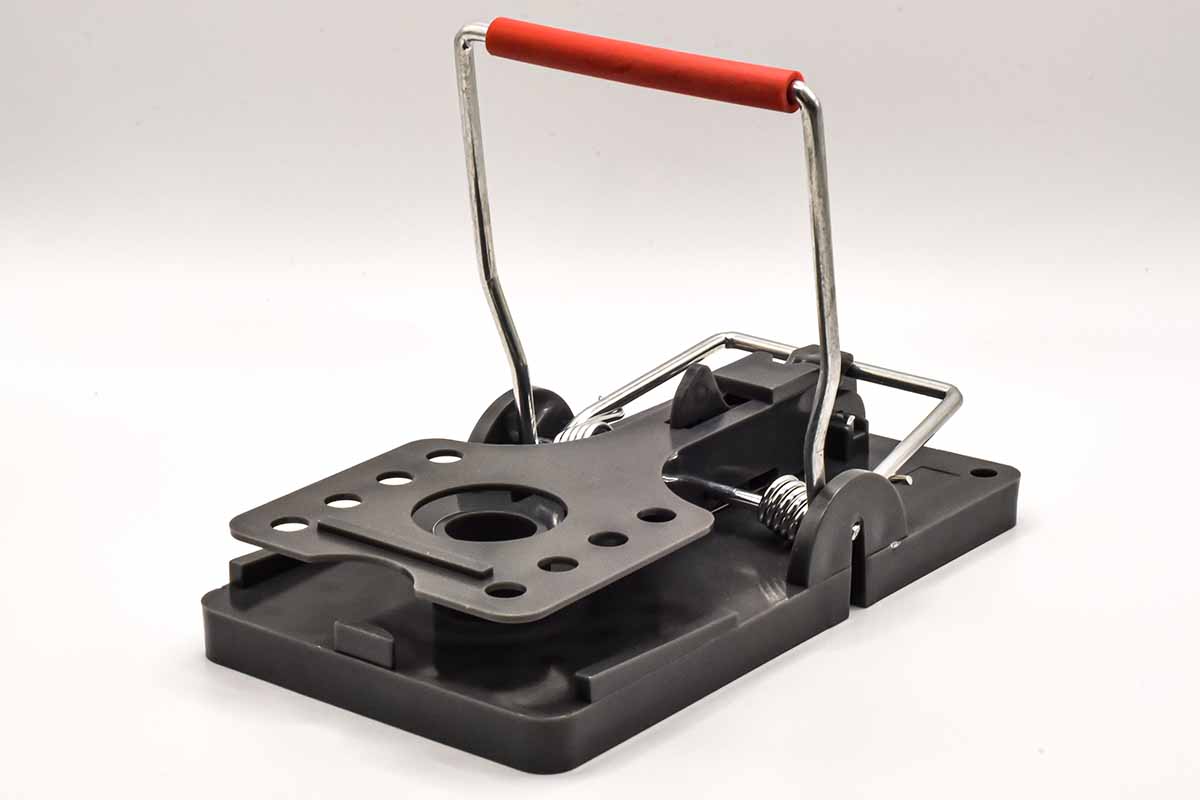
Remember that other critters may accidentally get caught in them so be sure to select a protected area safe from pets or children.
Rat traps, unlike mouse traps, are no joke. While a mouse trap might just hurt if you get caught in it, a proper trap could break a finger or toe.
Biological Control
Predators will help you with your rat problem. Owls, snakes, and hawks can devour countless rodents throughout their lifetime.
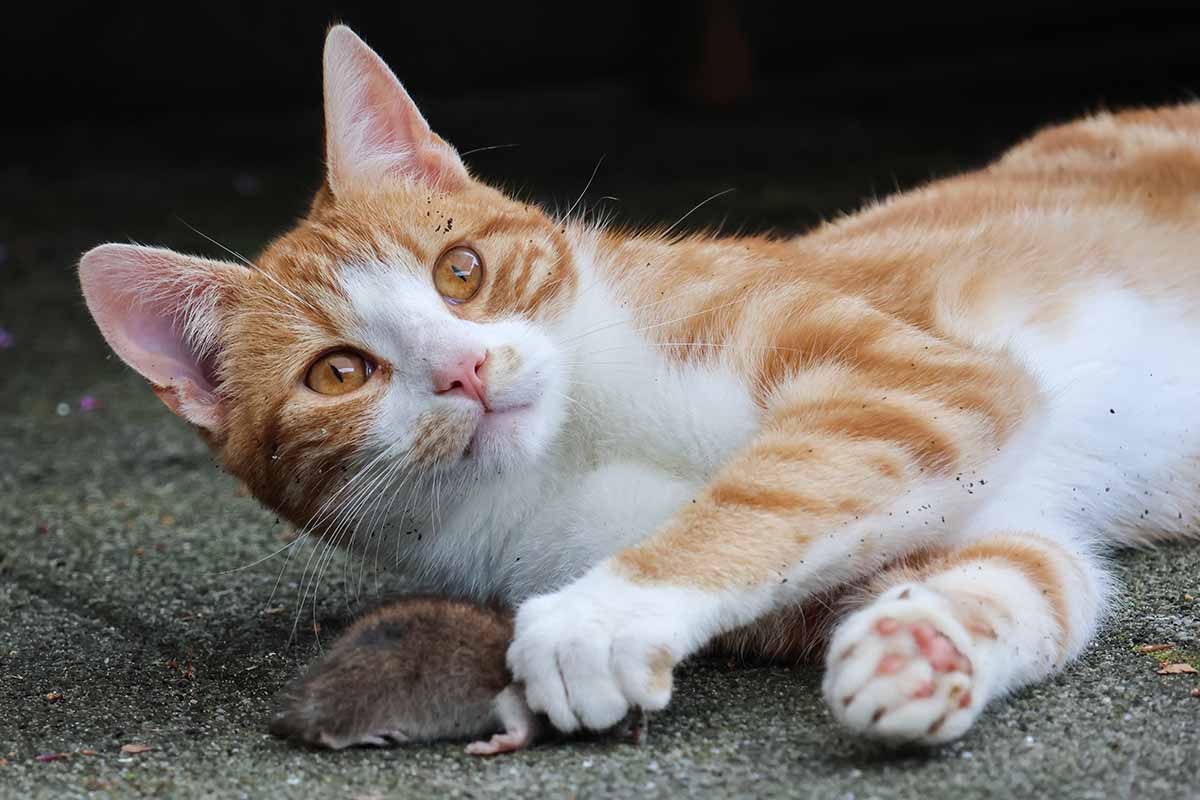
If you have a rodent problem, it’s likely that predators have already found your space, but do what you can to encourage them, like providing grassy cover for snakes and perches for birds of prey.
Have a barn cat? Great! They are excellent rat hunters.
Chemical Control
Controlling rats takes a multipronged approach. Poison can be effective in the short term, but you’ll also need to make sure you make your garden as rodent-unfriendly as possible.
Also, poison can be dangerous to pets and wildlife. Death from poison is awful as it works by preventing blood clotting, so the victim bleeds to death internally, and it can take a while.
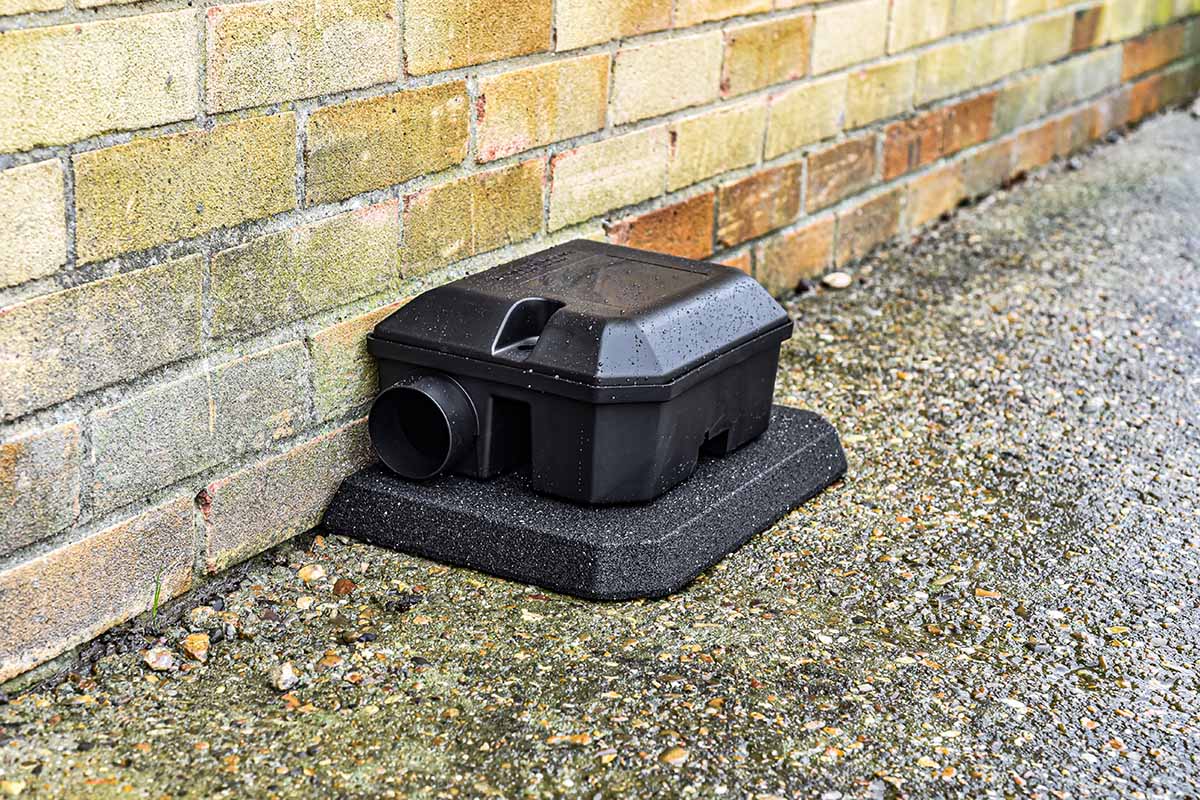
Be aware of the risk of secondary poisoning. If a cat or bird of prey eats a poisoned carcass they too can suffer.
Most animals that ingest the poison don’t immediately die inside the trap or bait station. They leave and move through the environment.
In one study published in Environmental Toxicology and Chemistry, 100 percent of red-tailed hawks brought into a wildlife clinic in Massachusetts were exposed to second-generation anticoagulant poison.
Rats will also carry the poison outside of the trap, so even if you use a tamper-resistant bait trap, the food could easily end up outside where pets, wildlife, and even curious children could eat it.
Manufacturers add ingredients to make the poison taste good, and this applies not only to rodents but to animals and humans, as well.
As a result, thousands of people and animals are exposed to rodenticides every year.
I’m off my soapbox now, but I would discourage the use of poison. Especially since it doesn’t work as a long-term strategy in any case.
There are alternative chemical control methods, including repellents.
Unfortunately, repellents like essential oils and sound devices haven’t been proven to be effective, so you might just be tossing your money out the window.
Stick to the tried-and-true methods.
Rats Be Gone
I’m not going to lie. Controlling rats in the garden is a challenge.
Even if you aren’t growing fruits and vegetables, you’re likely growing something that these rodents can eat.
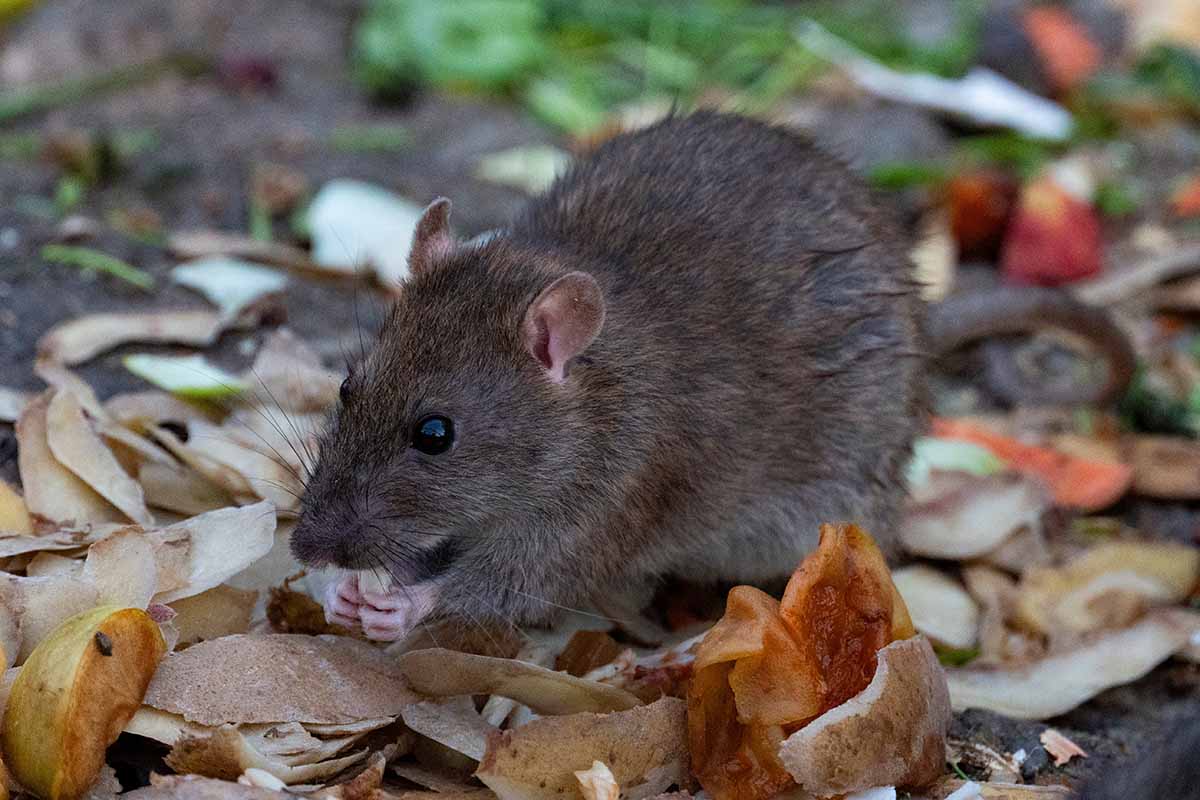
Those berries on ornamental Oregon grapes are a food source, even if it’s not a source of food for you. They are attracted to any spot with food.
That said, if you do your best to remove major sources of food, like fallen fruit, and deny them a place to nest, they will usually move onto greener pastures.
What challenges are you facing in your rat control attempts? Let us know in the comments section below and maybe we can help.
Then, you can check out other pest control guides to help you keep your garden healthy. Here are just a few that might be useful to you: