Geum reptans
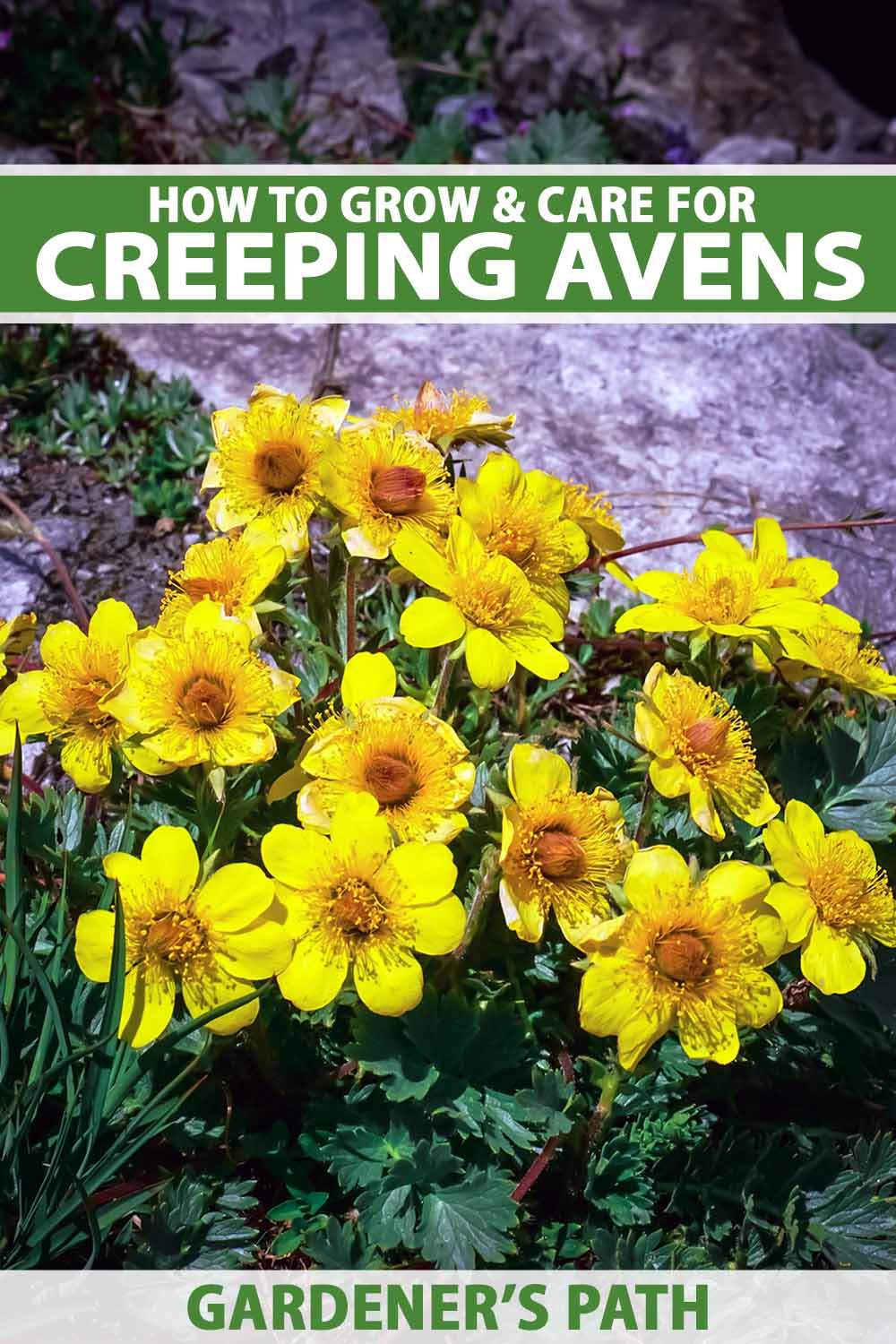
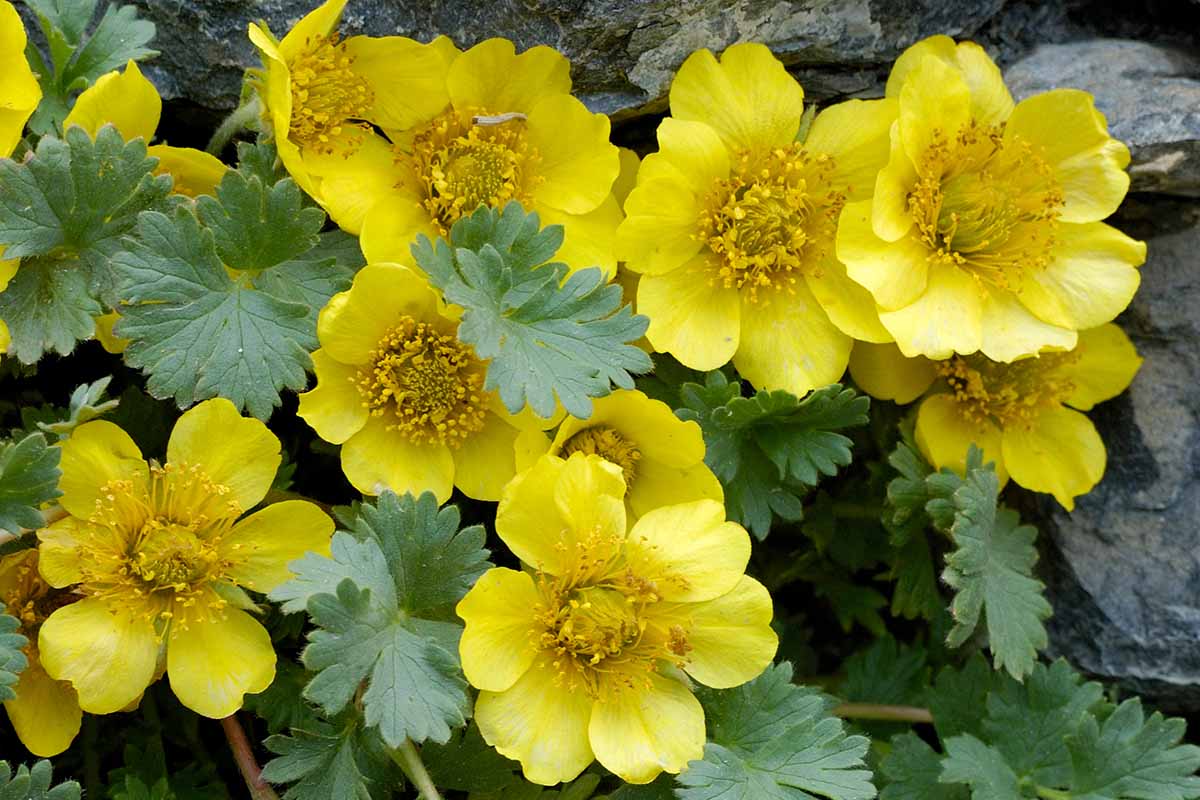
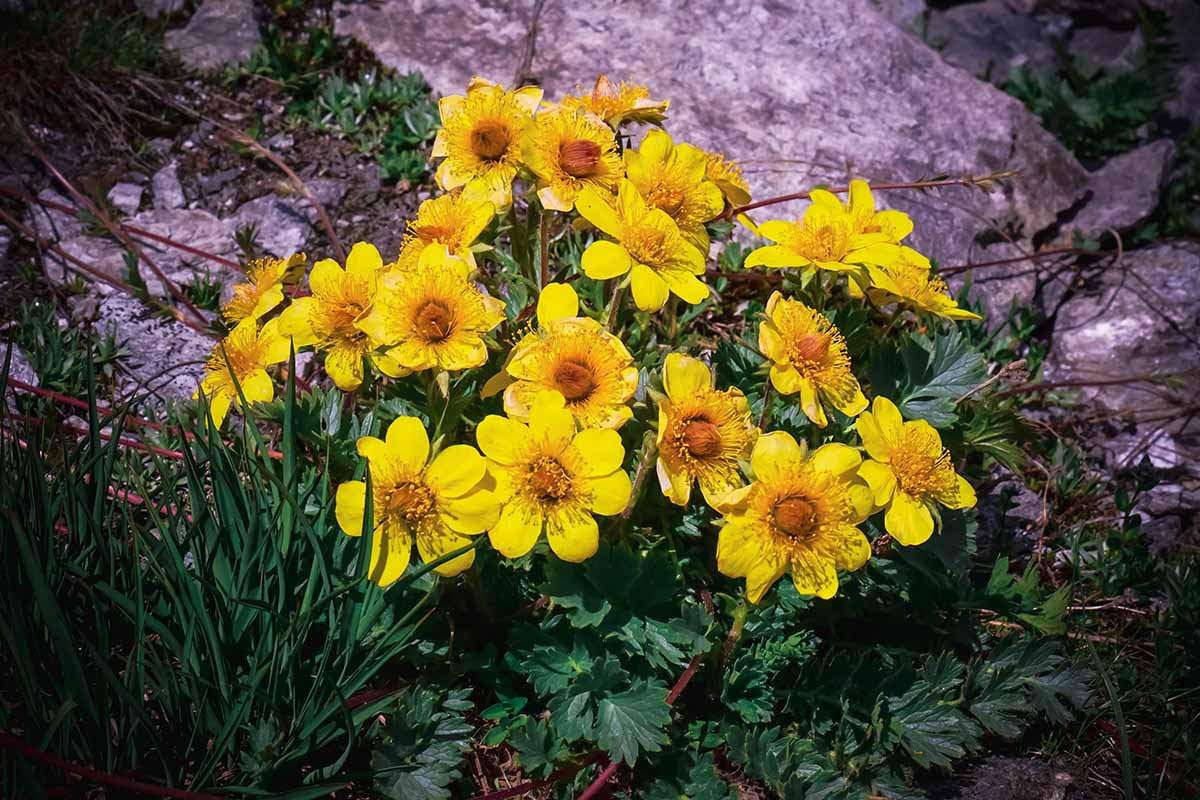
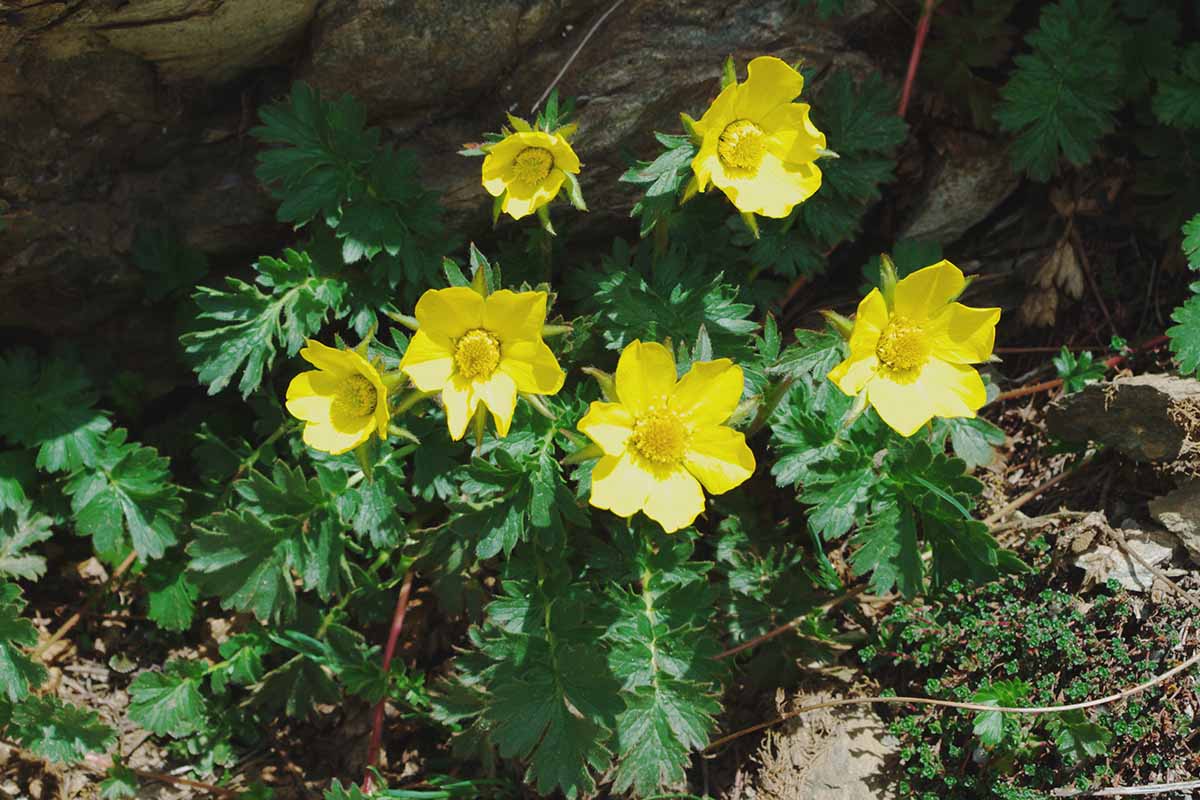
Creeping avens (Geum reptans) is a low-growing perennial with folded, frilly green foliage and sunny yellow flowers that blooms in late spring or early summer.
The cheerful yellow blooms make a charming, if understated, addition to the garden. But the seed heads that follow are truly something to sing about.
Many of the plants in this genus form seed heads that can be, shall we call them, clingy. Look at the seed heads on white avens (G. canadense).
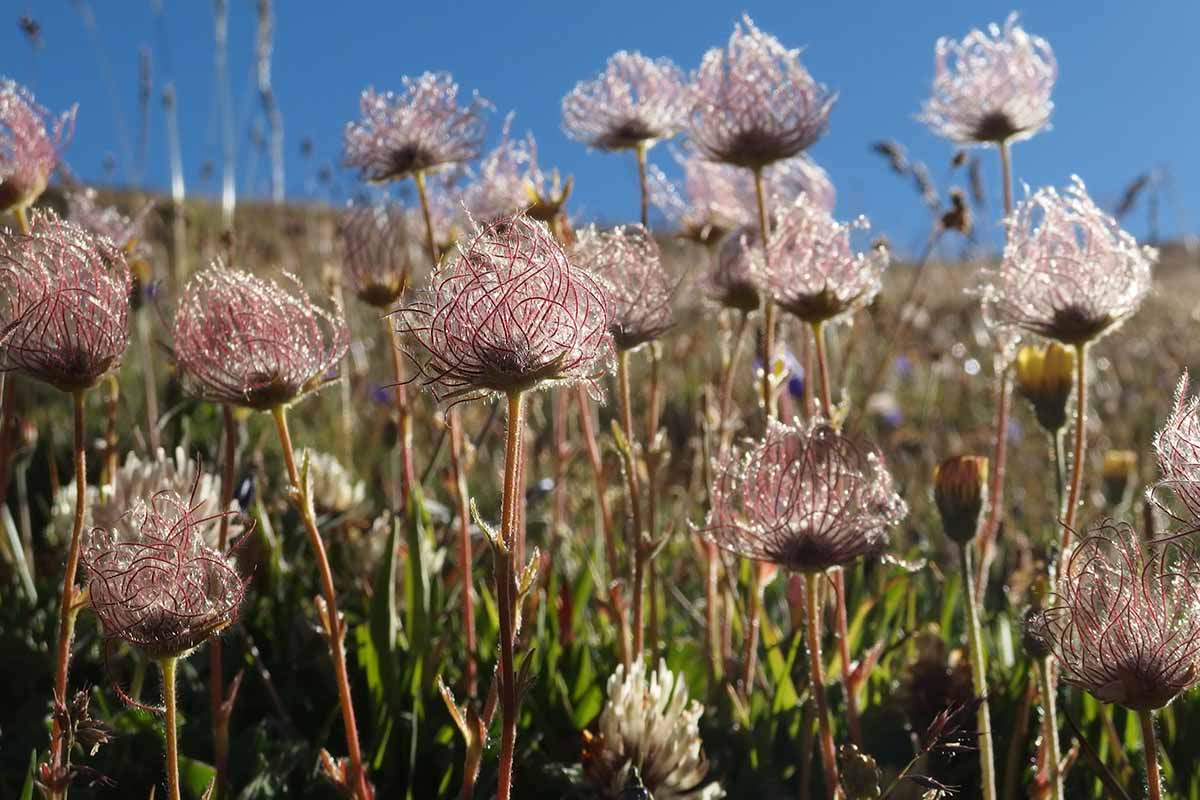
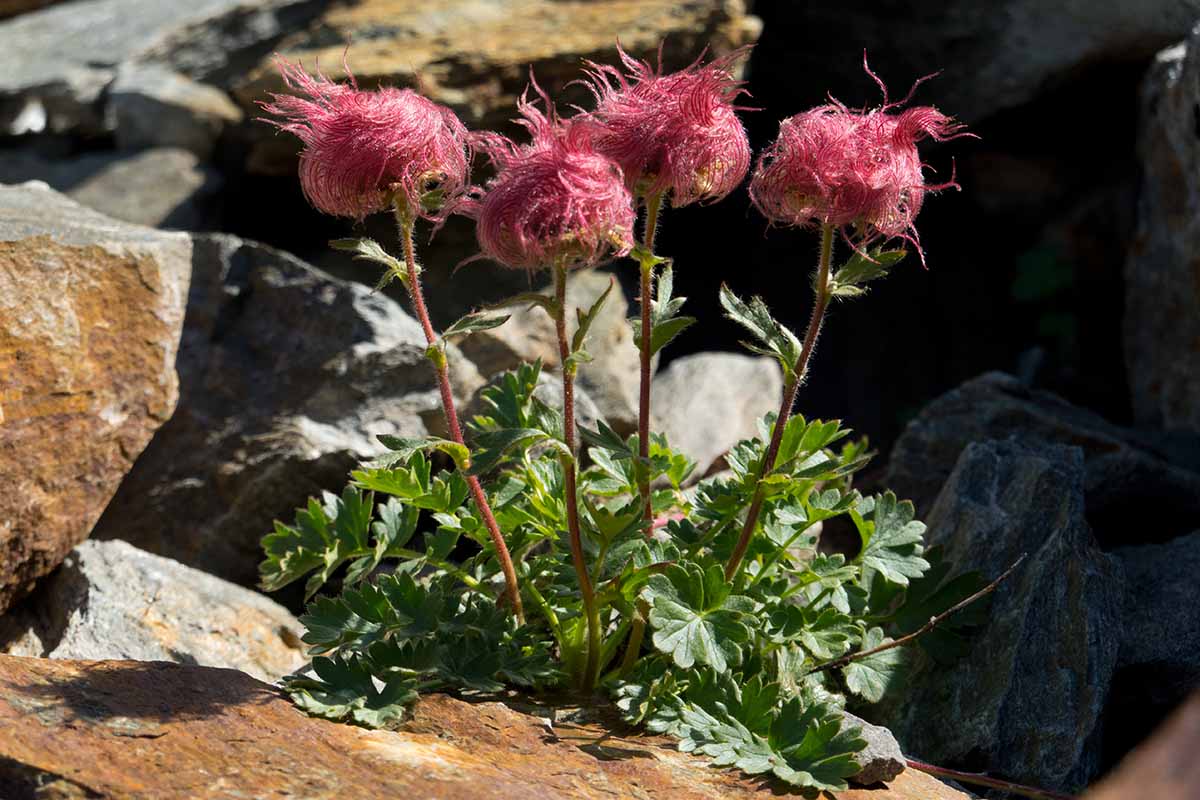
They’ll attach themselves to just about anything. Creeping avens, however, have pink seed heads that look like a wisp of pink smoke or cotton candy.
We link to vendors to help you find relevant products. If you buy from one of our links, we may earn a commission.
The plants themselves grow six to 12 inches tall and spread via long, red runners, making for an excellent ground cover, especially in a cottage or rock garden.
Plus, they’re adaptable, and you’ll find them flourishing in USDA Hardiness Zones 4 through 8.
I love a good classic ground cover. Give me a sweet field of phlox, heaps of creeping thyme, or a blanket of sweet woodruff.
But some spots call for something a bit more unique. A plant that will turn heads while reducing erosion, protecting the soil, and adding low-growing color and texture.
Want to learn how to add creeping avens to your landscape? This guide will leave you feeling like an expert. Here’s what we are going to talk about:
What You’ll Learn
Creeping avens might not look like much of a rose relative at first glance, but it shares the hallmark five-petaled flowers of members of the Rosaceae family.
This species grows all over Eastern Europe, and is indigenous to mountainous regions in central and southeastern Europe, including the Alps and Carpathian Mountains.
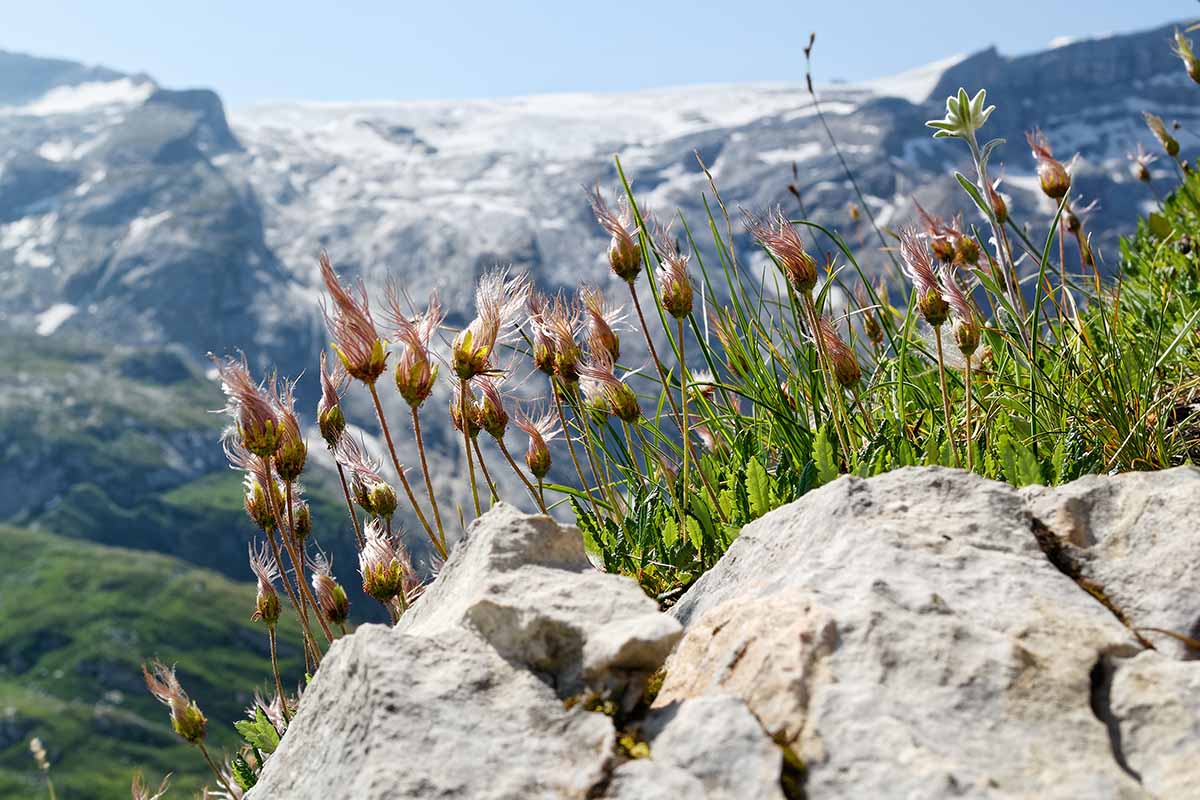
There, you’ll find creeping avens in rocky areas at elevations between 6,900 to 9,200 feet, though it can grow as high as 12,500 feet in some ranges.
It forms a central rosette, producing more and more leaves as the plant matures. Underground, it has a shallow root system anchored by a deep taproot.
Quick Look
Common name(s): Creeping avens, cure all, drooping avens, geum, yellow bedstraw
Plant type: Rhizomatous creeping herbaceous perennial
Hardiness (USDA Zone): 4-8
Native to: Eastern Europe
Bloom time / season: Summer
Exposure: Full to partial sun
Soil type: Loose, rocky, well draining
Soil pH: 6.0-8.0, neutral
Time to maturity: 4 years from seed
Mature size: 6 inches tall by 18 inches wide
Best uses: Ground cover, rock gardens, cottage gardens
Taxonomy
Order: Rosales
Family: Rosaceae
Genus: Geum
Species: Reptans
G. reptans is the most commonly grown ornamental in the genus and it is also known as cure all, drooping avens, and yellow bedstraw, but there are quite a few others out there.
Some are cultivated and others are considered weeds.
In the United States, most gardeners in the west are familiar with large-leaved avens (G. macrophyllum), usually disregarded as a weed, though some appreciate it as a medicinal plant.
Water avens (G. rivale) is a gorgeous cousin with nodding purple blossoms.
White avens (G. canadense) is another so-called weed that deserves more attention as a garden plant option thanks to its white blossoms, semi-evergreen leaves, and sturdy constitution.
Many species in the Geum genus have a history of medicinal use, and G. reptans is no exception.
Research has found the roots contain monoterpenoids and fatty acids, including linolenic acid.
How to Grow
When approaching how to care for a plant, I always like to picture its original habitat.
In the case of creeping avens, that means an alpine environment, characterized by dramatic temperature swings and periods of rain and snow followed by dry stretches.
These plants are no strangers to an extreme climate.
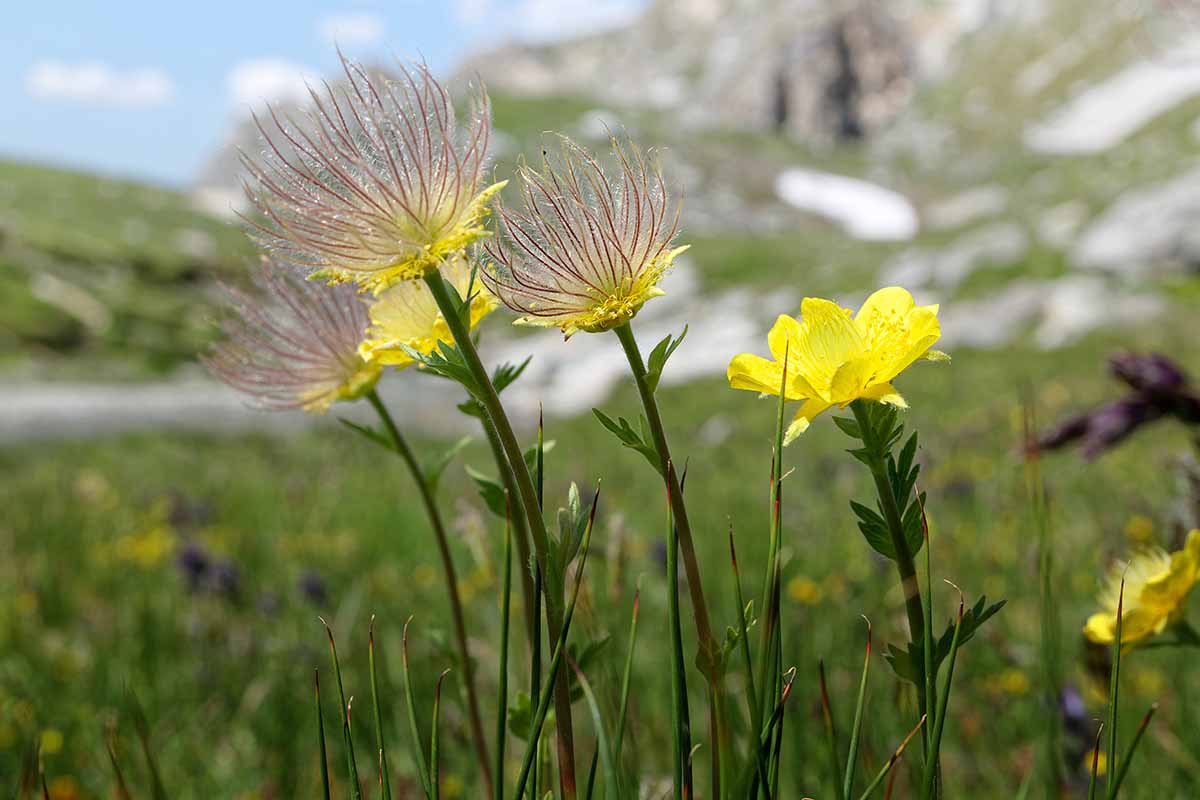
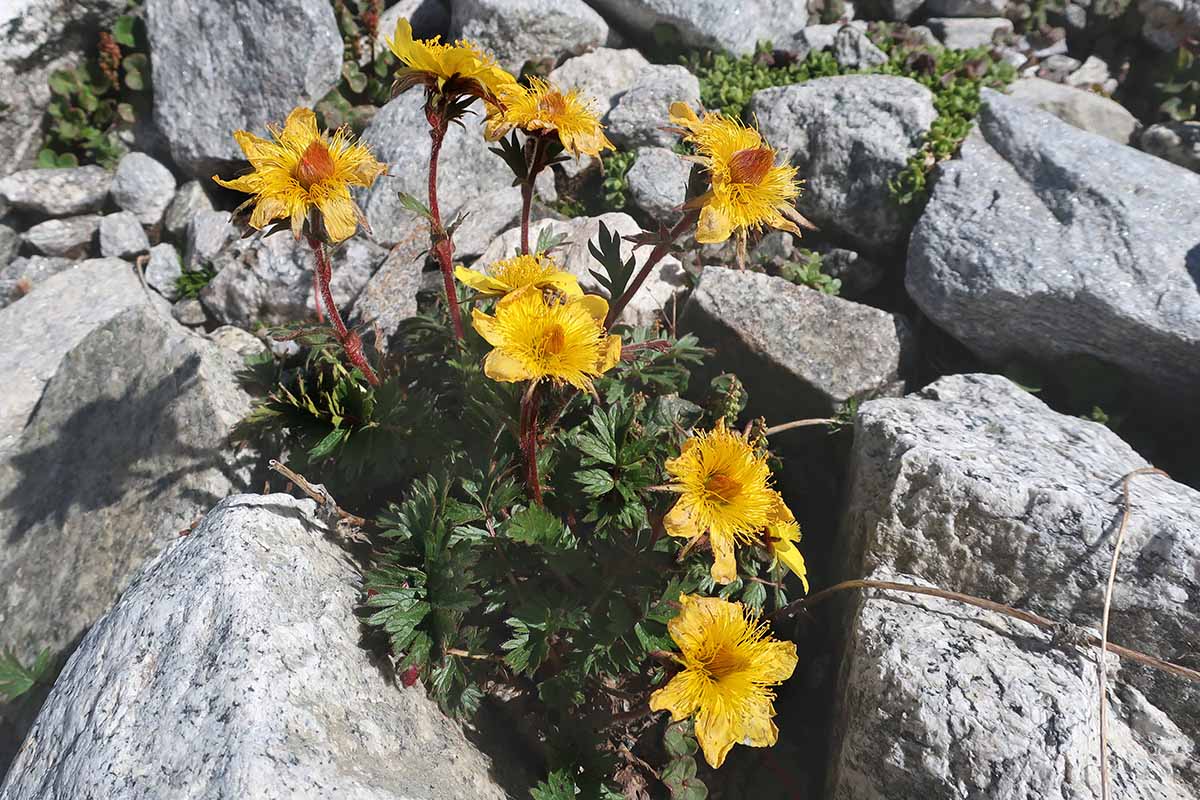
They also grow in rocky areas, pushing up through the cracks between boulders, so they clearly aren’t demanding about having soft, loamy soil.
What they aren’t used to is prolonged heat, high humidity, or soggy roots. That tells you a lot about where you should put them.
If your garden conditions aren’t ideal, you can always grow yours in a container. Just make sure the pot is at least six inches deep to accommodate the long taproot.
Light
The ideal location has full to partial sun exposure, with some shade in the hottest part of the afternoon.
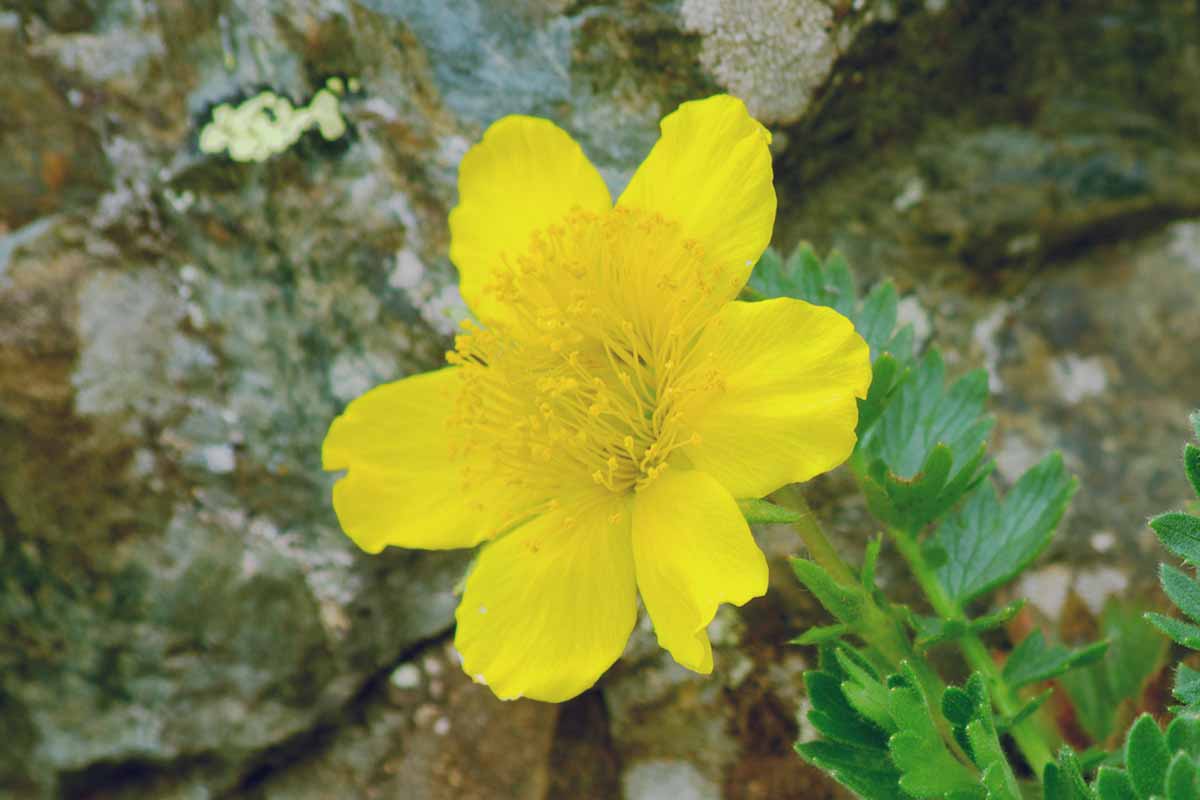
Creeping avens is an adaptable plant, but it won’t flower or look its best in a spot that is too shady.
Soil
Of course, given its indigenous habitat, this plant will thrive in rocky soils.
But it’s also easy to cultivate in well-drained garden soil. Just avoid anywhere with heavy clay or where water can pool.
The soil pH is less important than the other elements, but shoot for neutral, somewhere in the range of 6.0 to 8.0.
Water
Creeping avens plants are able to tolerate some drought, but standing water or soggy soil can kill them.
When the plants are first getting established, give them enough water to keep the soil moist but not wet.
After that long taproot develops, which only takes a few months, you can back off on watering.
At that point, you only need to offer water when there has been an extended drought or heatwave.
Fertilizer
Creeping avens doesn’t need much in the way of food.
If you conduct a soil test and find that your soil is especially deficient, or the flowering is less than impressive, go ahead and add some all-purpose or flower-focused fertilizer.
It’s inexpensive and can even save you money in the long run because you won’t be adding nutrients the soil doesn’t need.
Even more important, excessive fertilizer runs off into waterways and can cause real environmental damage.
Reach out to your local university extension office to find recommended testing options in your area, as they can offer advice tailored to your specific region.
If you decide to go with an all-purpose food, I totally recommend Down to Earth. They have highly effective fertilizers made from natural ingredients in biodegradable boxes.

Down to Earth All Purpose Fertilizer
Their all-purpose product comes in one-, five-, and 15-pound boxes at Arbico Organics.
Where to Buy
Creeping avens isn’t widely stocked at garden centers.
Your best bet is to check with alpine or rock garden specialty nurseries in your area, as they’re most likely to carry this species.
Maintenance
Most of the maintenance involved in caring for this plant is keeping it away from where you don’t want it.
Once it finds a home it likes, creeping avens will cheerfully spread via its runners. Just pull up any you find snaking into areas where you don’t want them.
If you want to encourage more flowers, deadhead the blooms as they fade. Just know that this will deprive you of the unique seed heads.
As the plant ages, the parent clump might become patchy or thin as it puts energy into spreading. Dividing and pinching back runners will help keep it looking its best.
Propagation
You can propagate creeping avens either from seed or by relocating runners.
From Seed
These plants grow well from seed and you can harvest your own from existing plants. When those cotton candy tufts dry out, rub them between your hands to release the seeds.
Fill flats or cell packs with potting mix, moisten it, and sow seeds on top with just a light dusting of soil pressed over them gently.
The seeds need light to germinate, so don’t bury them. Place in a spot with at least eight hours of light a day and keep the soil consistently moist. Germination takes two to three weeks.
Once seedlings develop their true leaves, it’s time to transplant. Don’t wait too long as the taproot develops quickly and makes transplanting harder without shocking the plant.
From Runners
Creeping avens send out runners on long red stalks, much like strawberries. You can separate these runners from the parent plant and move them to a new spot.
Follow the runner from the parent plant and find a rosette at least two to three inches in diameter.
Dig around the rosette to get a good margin of roots, and sever the runner from the parent plant. Transplant the rosette into a new spot and you’re done.
Transplanting
Whether you start the seeds yourself, dig up a runner, or buy a live plant, the planting process is the same.
Dig a hole that is about the same size as the roots or container of the plant. No need to dig deeper or wider, those roots will spread all on their own.
Set the plant in the hole and fill in around it with the removed soil. Add some water to help the soil settle.
Pests and Disease
Creeping avens is a tough plant that critters largely ignore, though pollinators are reliably drawn to the flowers.
Sawflies (insects in the suborder Symphyta) will feed on any plant in the Geum genus, but for the most part, it’s nothing to get too worked up about.
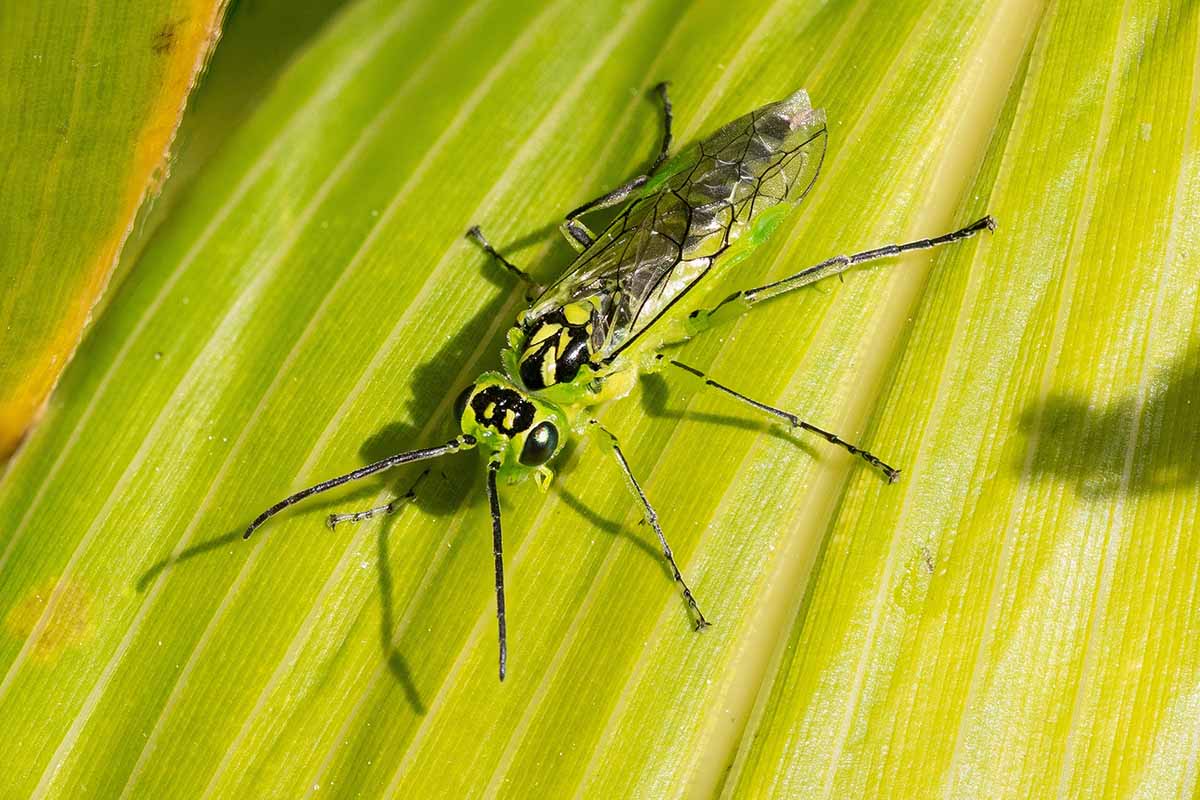
Sawflies are an important part of a healthy ecosystem and while their feeding might make the foliage look a bit ragged, your plants will survive.
Downy Mildew
In humid or rainy areas, Geum species can develop downy mildew. In my area, the Pacific Northwest, it’s caused by Peronospora potentillae.
Watch for yellowish or brown angular spots on the undersides of leaves, sometimes accompanied by gray fuzz.
Downy mildew can kill individual leaves but rarely kills the plant outright.
Avoidance is best, and you can do this by thinning out crowded plants, and making sure you water at the soil level and not from overhead.
Remove symptomatic leaves and spray the plant with copper fungicide every two weeks.
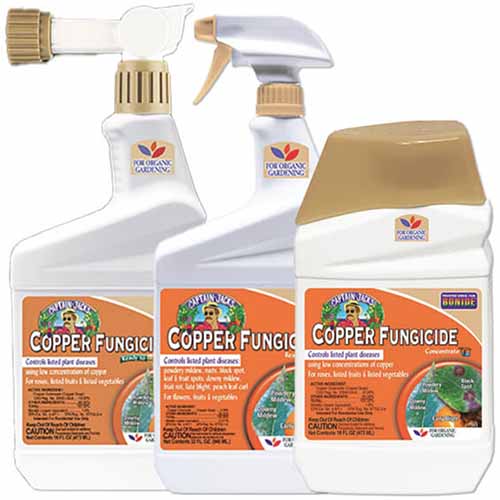
You can find Bonide Copper Fungicide in 16- and 32-ounce hose end or 32-ounce ready-to-use available at Arbico Organics.
Root Rot
If the soil around your creeping avens retains water, especially during the dormant winter season, there’s a good chance your plants will develop root rot.
This is a condition that occurs when the roots essentially drown in too much water, depriving them of oxygen.
Make sure you plant in an appropriate area to avoid this issue.
Creeping Avens is a Cotton Candy Delight
There’s nothing wrong with planting a familiar classic, but I always encourage gardeners to try new species when they can.
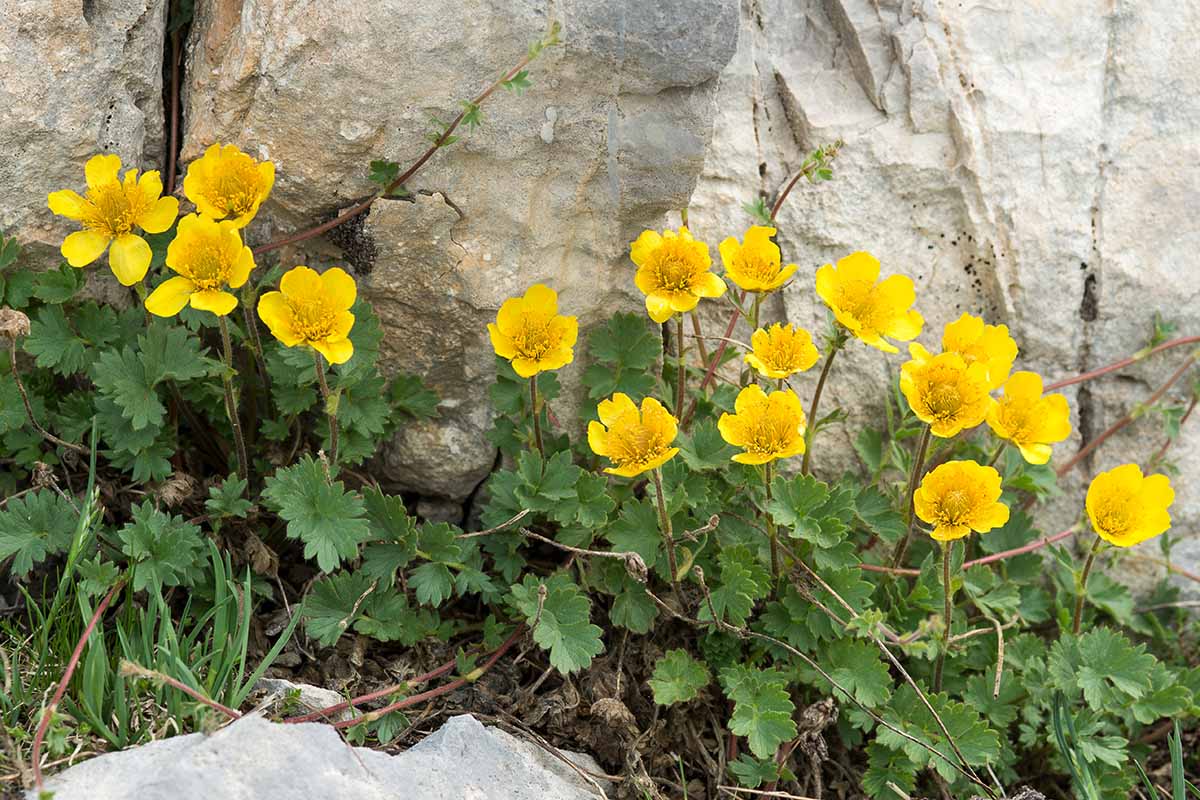
With their sunny flowers and cotton candy-like seedheads, creeping avens is an uncommon but worthy addition to your landscape.
Are you growing creeping avens? Where have you planted it? Let us know in the comments section below!
And for more information about growing flowers in your garden, add these guides to you reading list next: