Bachelor’s Button Problems: Why Are My Flowers Falling Over?
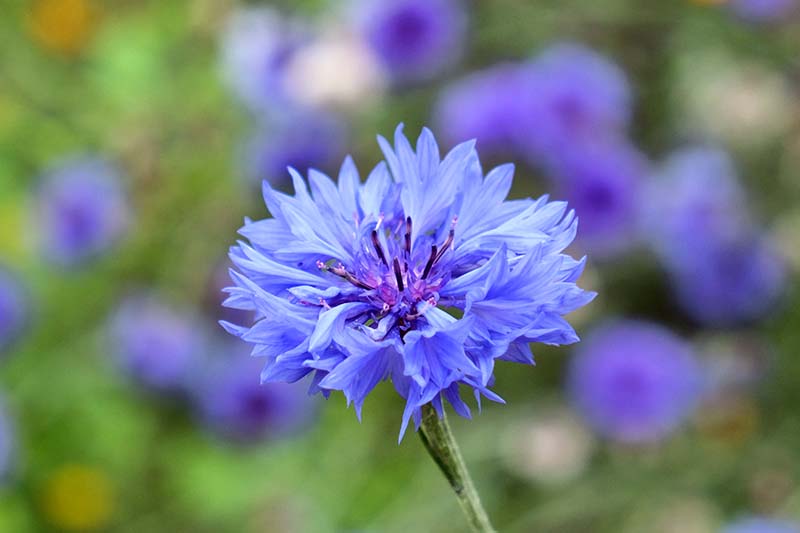
A close up horizontal image of a bright blue Centaurea cyanus flower pictured on a soft focus background.

A garden full of bachelor’s buttons is a dazzling sight, but not if those bold blossom heads are falling over. Why does this happen? And are you doomed to deal with droopy blossoms or can something be done to make your flowers stand proud? Learn why your cornflowers are falling over and how you can fix the problem.
How to Grow Belgian Endive

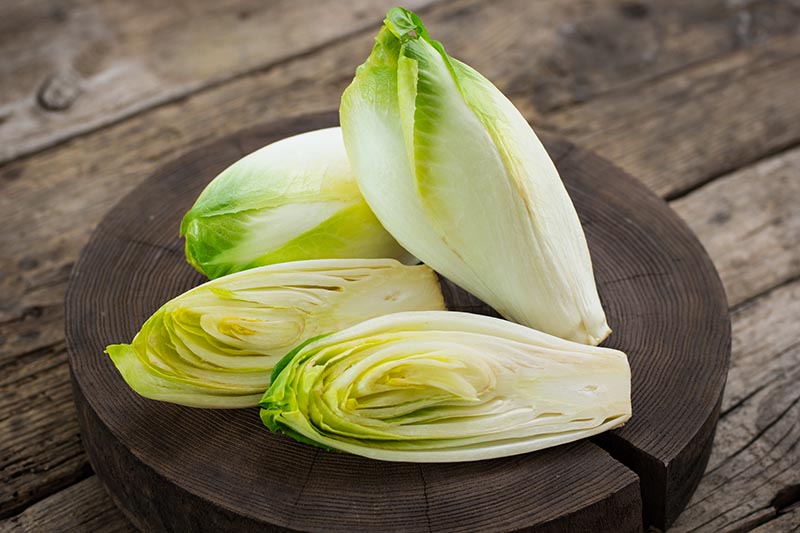
A close up horizontal image of three heads of Belgian endive with one cut in half set on a wooden chopping board on a dark brown surface.

Belgian endive offers a bit of fresh, crunchy brightness in the middle of the winter. It takes a bit of patience, as a two-step process is required to grow the creamy, torpedo-shaped heads. In this guide, you’ll learn how to plant and grow Belgian endive, including how to force and blanch the tasty heads. Read more now.

How to Plant and Grow Curly Endive and Escarole

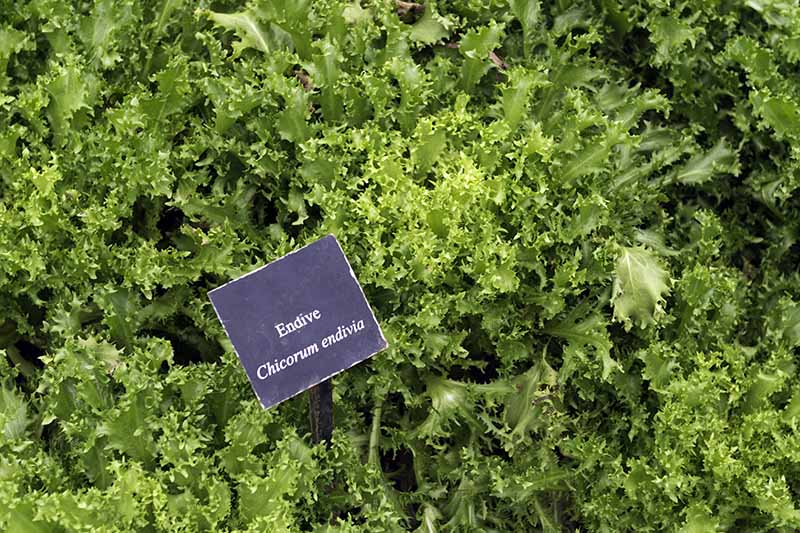
A close up horizontal image of Cichorium endivia curly frisee growing in the garden ready for harvest. To the center of the frame is a small black plant label.

Endive is a crispy, delicious, and slightly bitter leafy green that can either be eaten raw or cooked into a variety of dishes. There are two types available, curly frisee and broad-leafed escarole. In this guide, learn how to plant and grow endive in your garden, plus we share some recipes and cooking tips as well.

Putting a Blanket on Blanket Flowers: Gaillardia Winter Care Guide

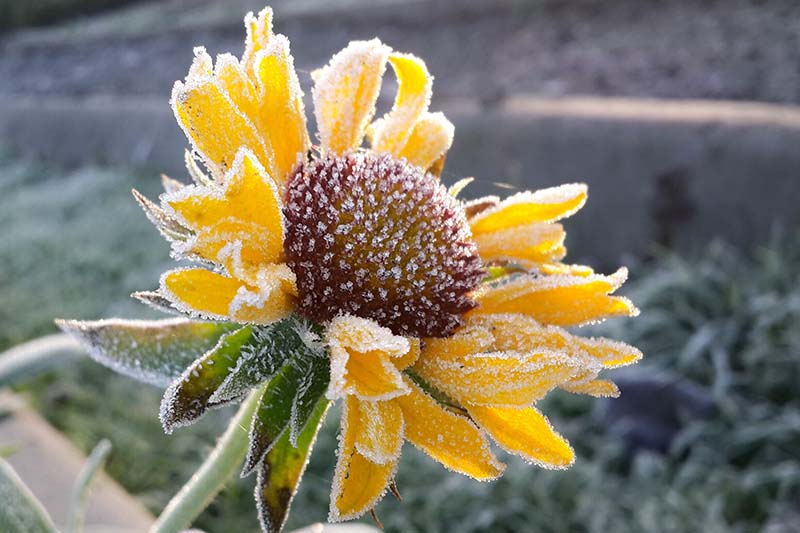
A close up horizontal image of a bright yellow flower covered in a light dusting of frost pictured in light sunshine on a soft focus background.

Gaillardia is an easy-to-grow perennial that puts on a burst of color throughout the summer months. With a few simple preparations, you can set up your plants to survive winter’s chill and come back healthy in springtime. Learn how to care for your blanket flowers during the winter in this guide. Read more now.

How to Care for Calendula (Pot Marigold) in Winter

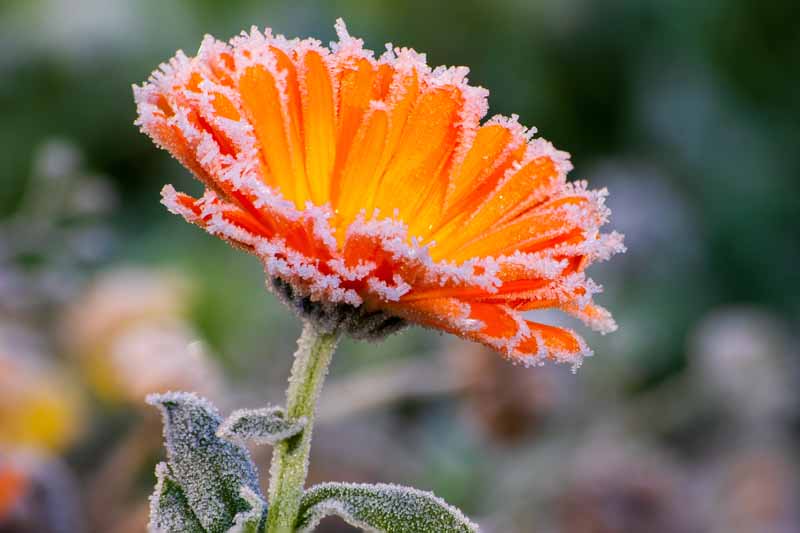
A close up horizontal image of a bright orange flower covered in frost pictured on a soft focus background.

Did you know that in mild climates calendula can thrive in the garden all winter long and may even survive a light frost? The spectacular orange and yellow flowers can bring warmth and light to the winter garden, even on the chilliest of days. Learn how to keep calendula plants blooming well into the winter months.

How to Prepare Coreopsis for Winter

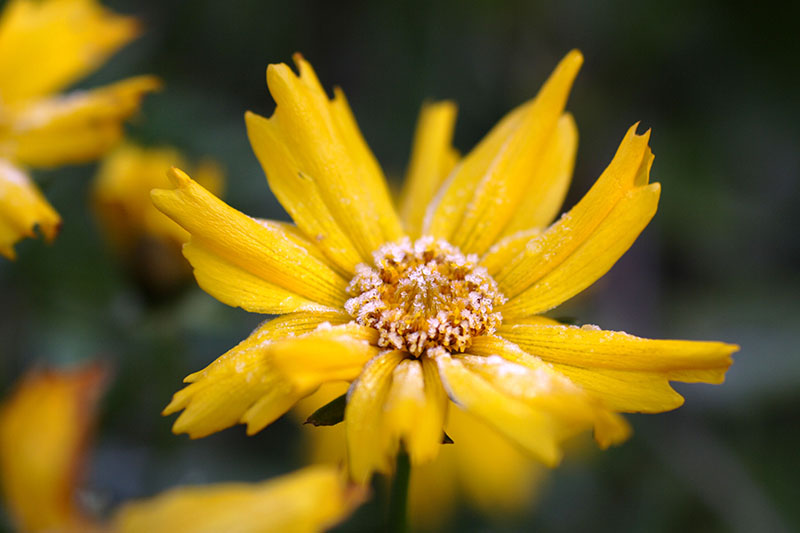
A close up horizontal image of a bright yellow tickseed flower covered in a light dusting of frost pictured on a dark soft focus background.

Bright coreopsis flowers provide a sweet, cheerful sight during the summer months, and now they’ve died back. These perennial wildflowers will go dormant through the winter months and return in the spring. But how do you prepare your coreopsis for winter? Learn all about winter care and preparation in this guide.

How to Winterize Hardy Garden Mums

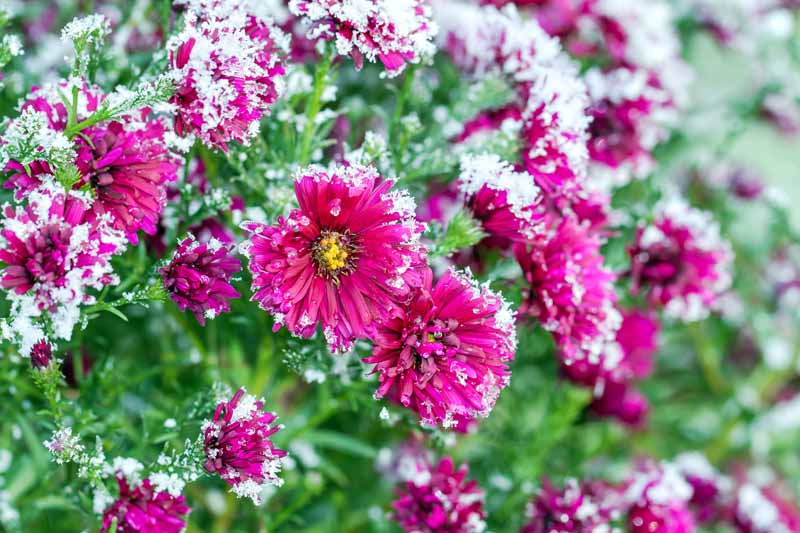
A close up horizontal image of pink chrysanthemums growing in the garden with frost on the plants.

You’ve enjoyed their vibrant autumn color and now winter is creeping in. But what if you’re not ready to say goodbye to your mums? Rather than tossing them out, our helpful guide will show you how to overwinter your plants so you can enjoy them year after year, from fall prep to spring care. Read more now.

13 of the Best Companion Plants for Tall Late Season Asters

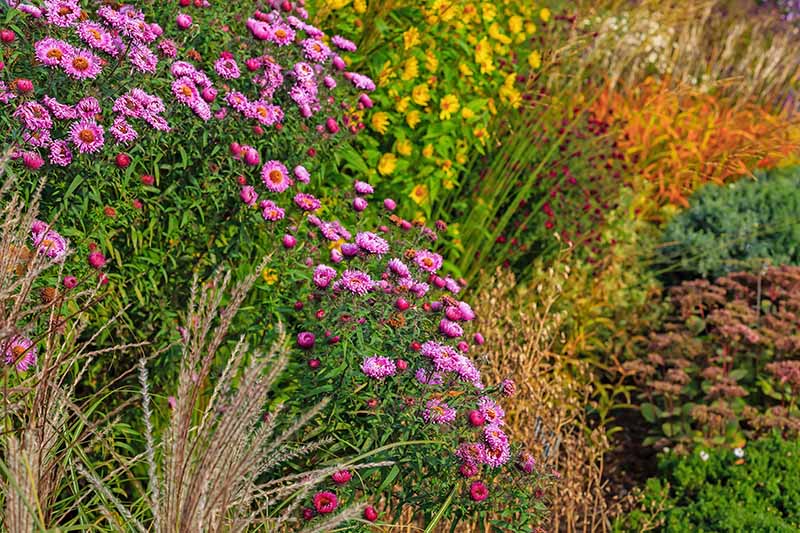
A close up of purple asters growing in the late summer garden surrounded by other flowering perennials pictured in autumn sunshine.

Late season asters provide a colorful bridge between summer and fall. Their impressive heights and masses of tiny blossoms make a striking statement, especially when paired with other tall late season bloomers. Read on for 13 exciting companion plants for asters, and get ready to grow your best transition garden yet.

11 of the Best Purple Aster Varieties

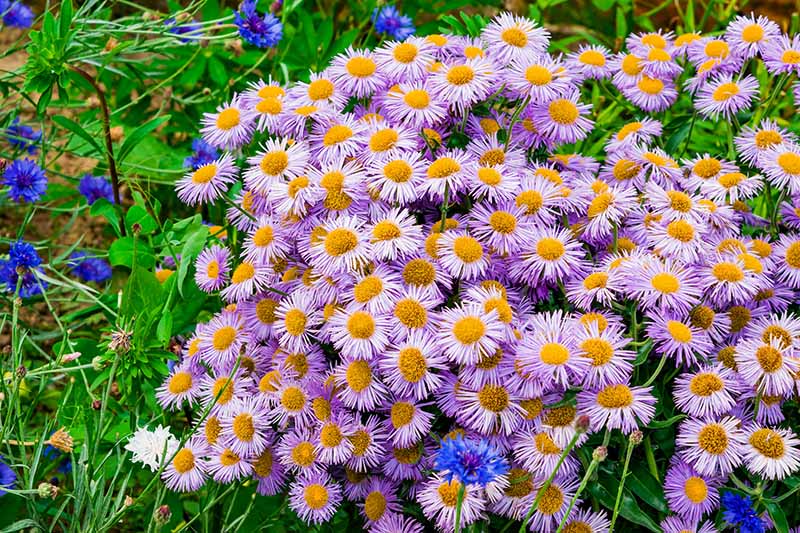
A large swath of charming, daisy-like purple flowers growing in the garden with small blue blooms to the left of the frame.

If you love purple flowers, asters make a cheerful addition to the outdoor living space. Choose from early or late blooming annuals and perennials ranging from low-profile plants with a single flower per stem, to tall bushy ones with clustered masses of blooms. Discover 11 of our favorite purple aster varieties now.

11 Perennial Aster Species for Summer’s Last Hurrah

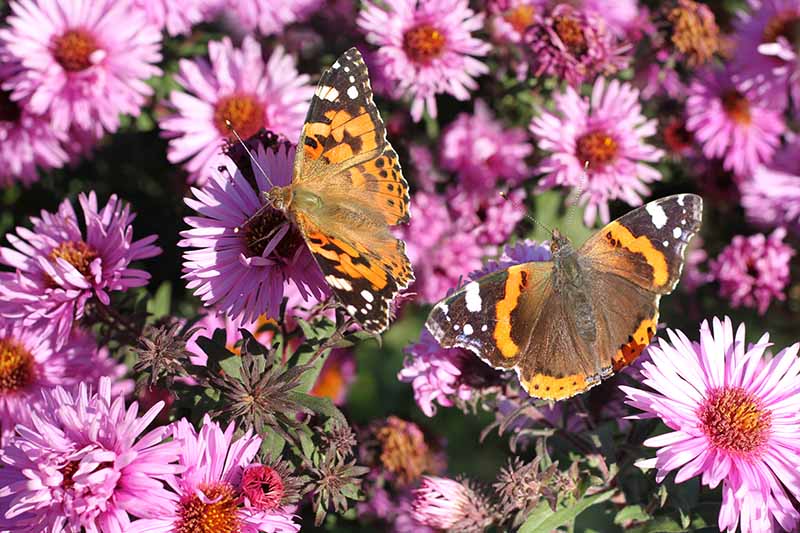
A close up of bright pink asters with butterflies feeding, pictured in bright sunshine in the late summer garden, on a soft focus background.

Late season perennial asters are known for having masses of small, daisy-like flowers and a somewhat shrubby growth habit. They add color to fading summer gardens and attract beneficial pollinators until the first frost. Read on to learn about 11 different species and how they can play a role in your landscape scheme.

11 of the Best Blue Asters to Add to the Garden

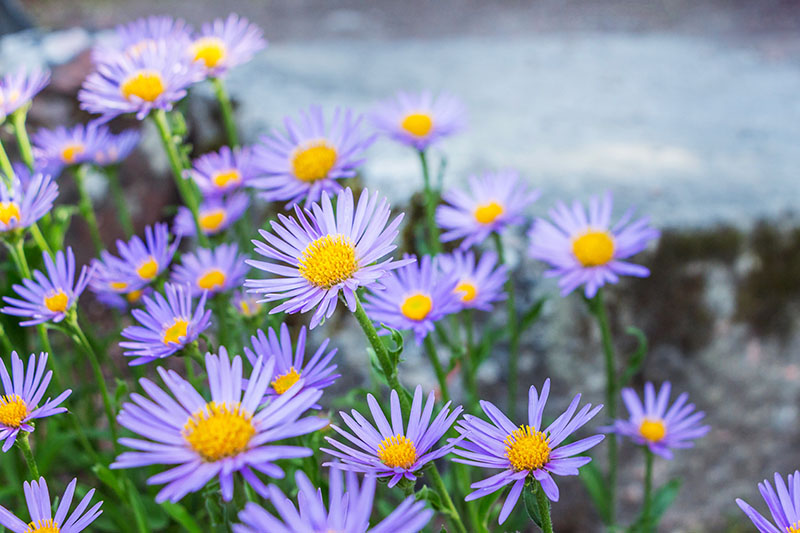
A close up of delicate daisy-like blooms in light purple, with yellow centers, of the perennial aster, pictured growing in the garden, and fading to soft focus in the background.

Asters are transitional flowers that bloom from summer to fall. There’s an array to choose from that includes dwarf and tall, as well as annual and perennial types, best known for their multiple daisy-like blossoms that attract a host of beneficial pollinators. Read on to find 11 of our favorite blue varieties now.

13 of the Best Tall China Asters for the Late Summer Garden

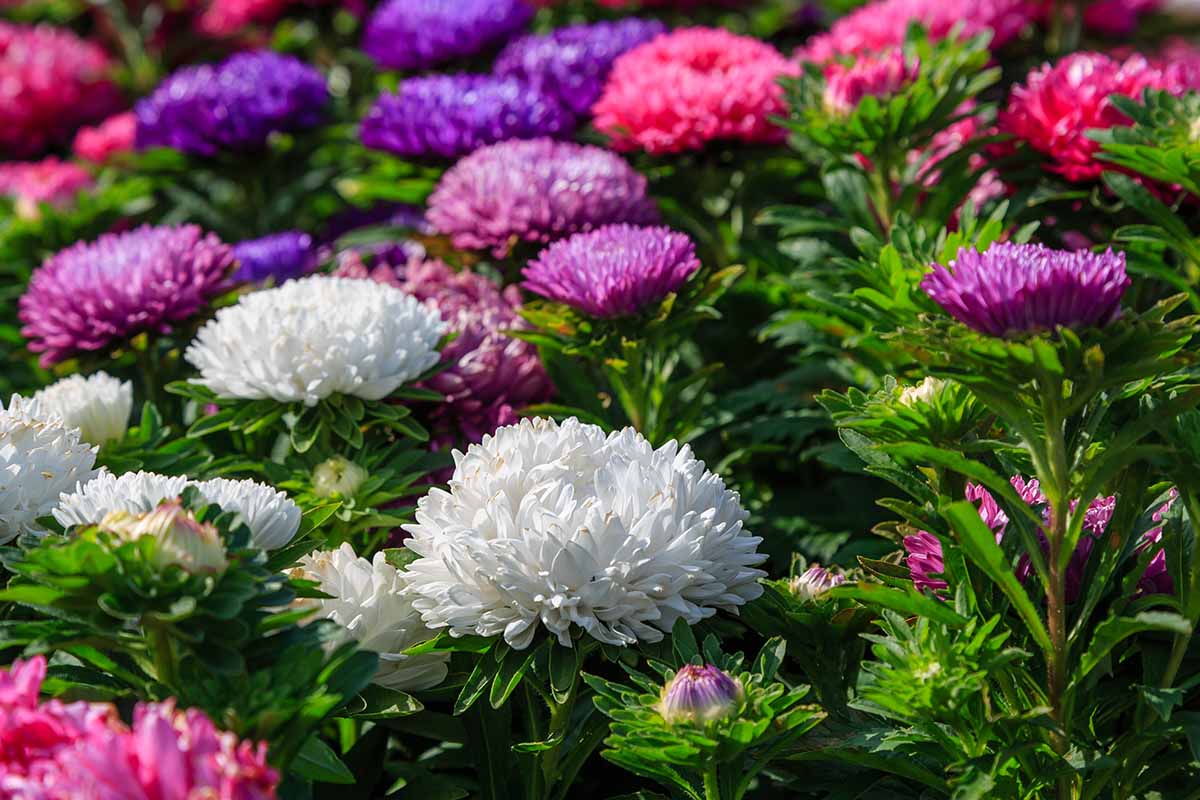
A close up of China asters growing in the sunshine in the late summer garden in a variety of colors.

China aster is a late summer flowering annual with colors ranging from vibrant, vivid tones to subtle pastels. Tall varieties make the perfect anchor for beds and borders. They brighten the landscape and make attractive and sturdy cut flowers. Discover 13 of our favorite varieties of China aster for your garden.

How to Grow and Care for Calico Aster in the Late Summer to Fall Garden

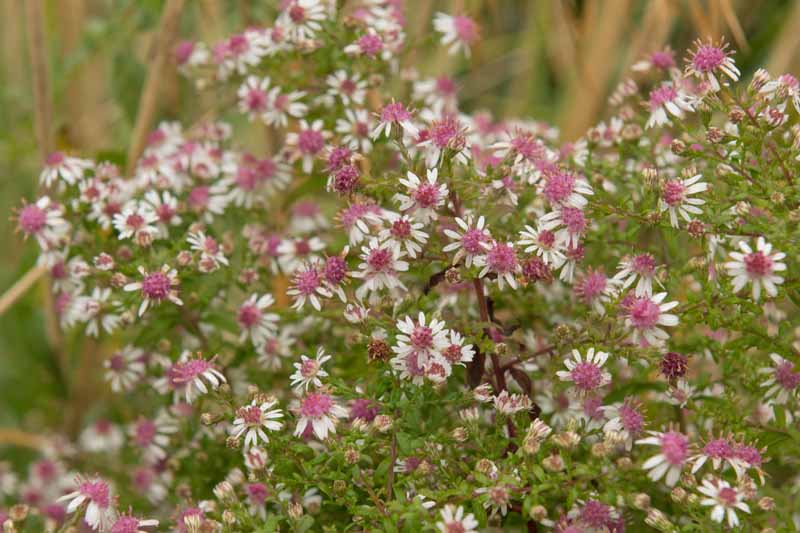
A close up of Symphyotrichum lateriflorum flowers, with delicate white petals and rose pink centers, growing in the garden on a soft focus background.

Calico aster is a daisy-like native perennial suited to USDA Hardiness Zones 3 to 8 that adds cheer to the garden from summer to fall. It needs little care once established, and readily naturalizes, especially in moist woodland settings. Read on to learn all you need to know to cultivate calico aster in your landscape.

How to Regrow Lettuce from Kitchen Scraps

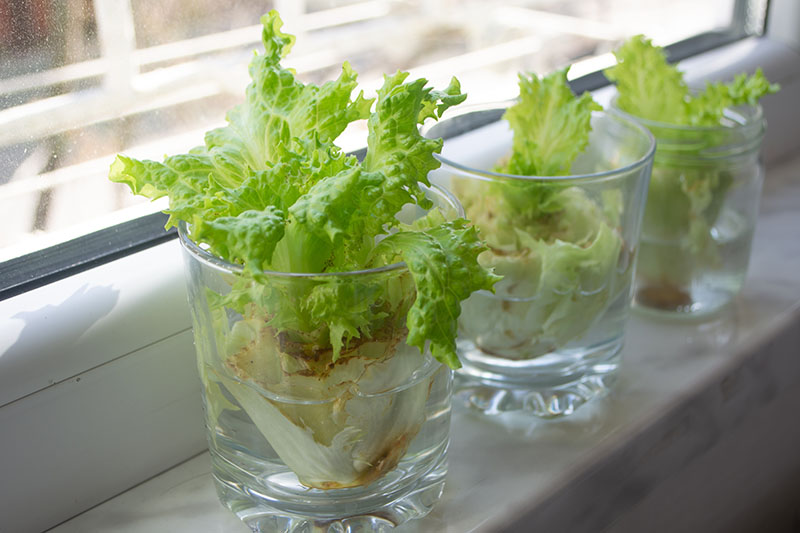
A close up of three glasses on a windowsill with lettuce scraps that are regrowing, fading to soft focus in the background.

Did you know you can turn lettuce scraps into more delicious, leafy greens with nothing but a container, some water, and a little bit of time? We’ll show you how to grow your own hyper-local greens for free, with minimal effort. It’s also a fun project to do with the kids. Learn more now.

How to Grow China Aster for Color in the Late Summer Garden

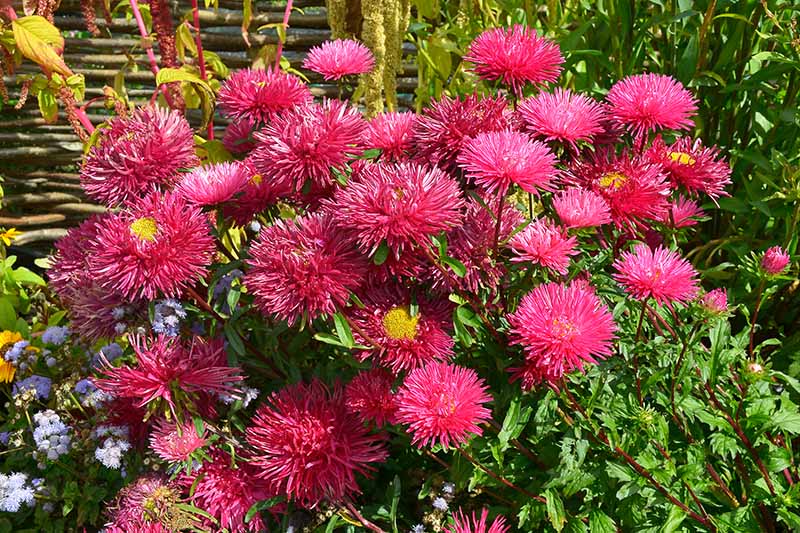
A close up of the bright red blooms of the China aster, some of the flowers have bright yellow centers, and are surrounded by dark green foliage, pictured in bright sunshine against a rustic wooden fence.

China aster is a flowering annual for late summer to fall color. Many cultivars are available in vibrant, colorful tones. Sow seeds in spring and enjoy lush foliage all summer long. Then, just when other flowers are winding down, China aster bursts into bloom. Learn all you need to grow this beauty. Read more now.

Plant Your Salad Greens Early: Tips for Growing Lettuce and Microgreens

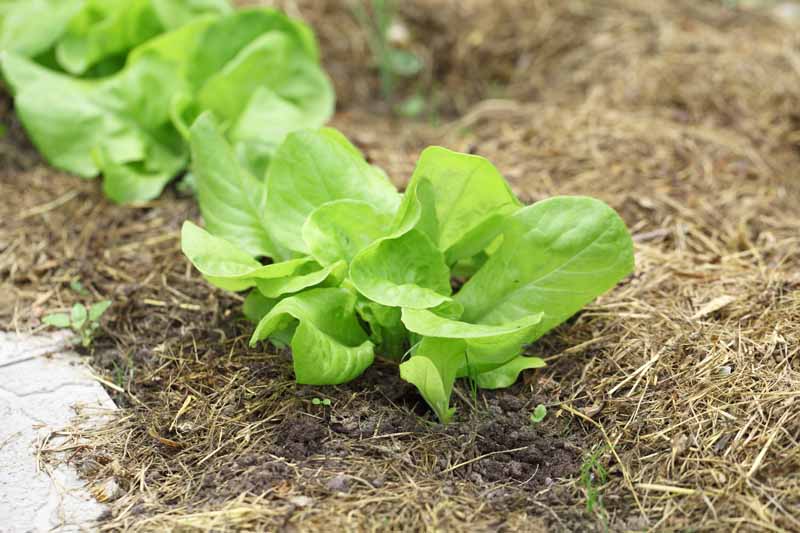
Small lettuce plants growing in straw mulched garden.

Fresh, crisp, and succulent, salad greens are best suited to grow in the early days of spring. But with a little planning and ingenuity, you can enjoy these tasty morsels almost every month of the year. Get all the details right here on the best growing conditions and environment for a steady harvest!

Dusty Miller: A Plant That Really Shines

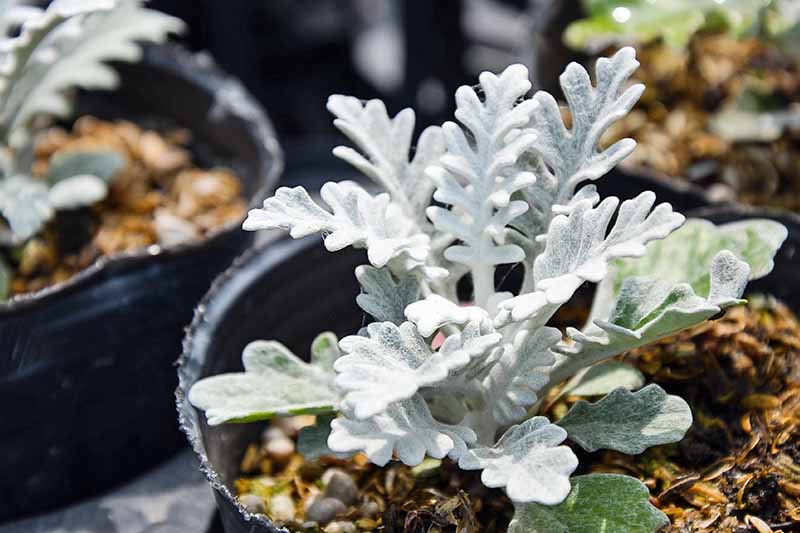
Closeup of a tiny silver ragweed plant in a black plastic container with brown potting medium, with more matching pots in the background.

An old-timey species with a name to match, dusty miller (Jacobaea maritima) is as easygoing as plants come. Dependable and attractive foliage adds value to the garden, and it is virtually pest free. Read all about it on Gardener’s Path to see what makes this silvery plant a must-have option for any outdoor space.

How to Be Successful with Your Lettuce Patch

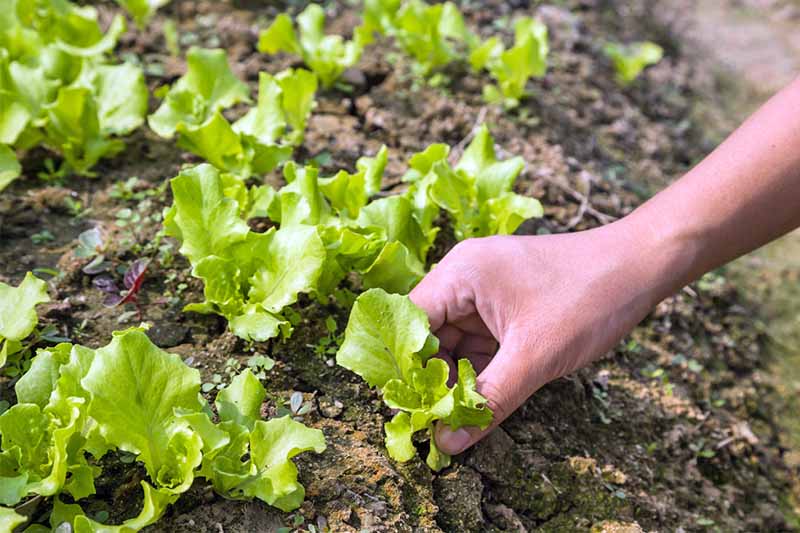
A woman's hand is about to pluck green ruffled baby lettuce leaves from a garden patch.

Need help getting your lettuce patch up to snuff? Give our detailed guide a read for the best tips to grow leaf and head types in veggie patches, raised beds, and containers, everything from arugula to romaine. We cover seed starting and planting tips, watering and fertilization requirements, how to harvest, and more.